Understanding the Role of a Live Streaming Videographer
A live streaming videographer plays a pivotal role in delivering high-quality video content through real-time broadcasting. Their responsibilities extend beyond simple camera operation, encompassing a comprehensive understanding of both technical and creative aspects to ensure smooth and engaging broadcasts. This professional is tasked with managing multiple facets of live production, including setting up and configuring professional video equipment, controlling live feeds, and troubleshooting any technical issues that may arise during the broadcast.
Effective communication and coordination are integral qualities of a skilled live streaming videographer. They work closely with event organizers, technical teams, and clients to develop a detailed plan that aligns with the event’s goals. This preparation involves assessing venue conditions, understanding the desired output, and selecting appropriate equipment and streaming platforms. During the event, the videographer operates equipment such as cameras, audio mixers, and streaming hardware, often utilizing multiple camera angles to capture different perspectives for a dynamic viewing experience.
The technical skills required include proficiency in video encoding, live switching, and audio synchronization. An adept videographer must also be familiar with various streaming platforms and content delivery networks (CDNs) to ensure seamless broadcast quality. In addition, they need to perform real-time monitoring to identify and resolve issues swiftly, managing bandwidth, signal stability, and visual/audio quality to uphold a professional standard throughout the event.
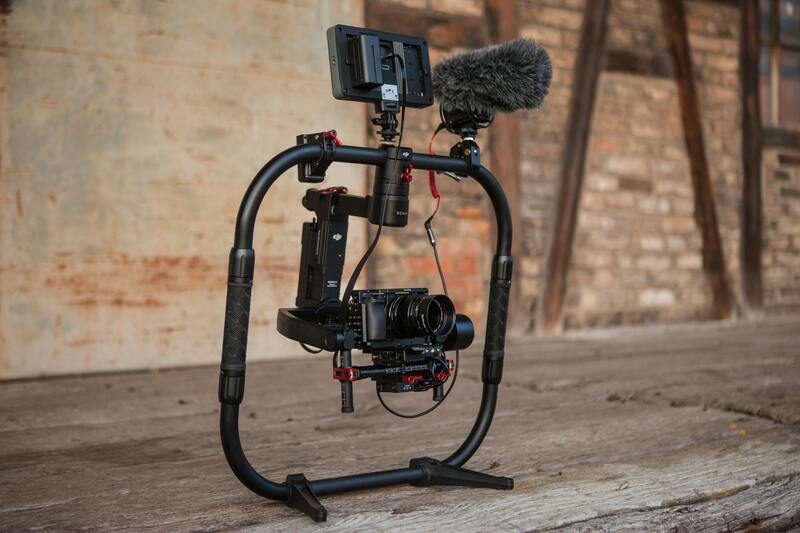
Success in this role hinges on technical expertise combined with an eye for visual storytelling. From corporate webinars and live concerts to sporting events and religious gatherings, a live streaming videographer must adapt to diverse settings and requirements. Their ability to deliver clear, uninterrupted streams significantly impacts the audience's engagement and overall event perception, making their role indispensable for organizations aiming to extend their reach via live digital content.
Key Equipment and Technology Used
To produce high-quality live streams, professionals rely on advanced equipment that includes professional-grade cameras, switchers, audio boards, and streaming encoders. The use of high-speed internet connections and backup systems is crucial to minimize disruptions. Additionally, software tools for live editing and graphics enhance visual appeal and provide real-time information updates during the broadcast.
Properly managing this equipment requires a combination of technical skill and industry experience, ensuring the output maintains a professional standard that aligns with client expectations and event objectives.
Key Equipment and Technology Used
To achieve flawless live streaming, a professional videographer relies on a comprehensive suite of advanced equipment. High-definition cameras form the cornerstone of any effective live broadcast, with options ranging from shoulder-mounted professional camcorders to cinema-grade cinema cameras, depending on the production’s complexity and visual demands. These cameras offer superior image stabilization, color accuracy, and compatibility with various lenses to adapt to different shooting scenarios.
Video switchers or production switchers, often called vision mixers, enable seamless transitions between multiple camera feeds, overlay of graphics, picture-in-picture displays, and live effects. These devices allow videographers to maintain dynamic and engaging broadcasts, especially during multi-camera setups typical of conferences, concerts, or sports events. Additionally, robust audio equipment such as soundboards and wireless microphones ensures clear sound quality, which is vital for audience engagement.
Streaming encoders are integral, converting the video signals into digital streams compatible with different streaming platforms. Hardware encoders tend to provide more reliable and consistent quality than software-based alternatives, especially in high-stakes or bandwidth-sensitive environments. Complementing this hardware are software tools that facilitate live editing, real-time graphics, and information overlays, which enhance the viewer’s experience.
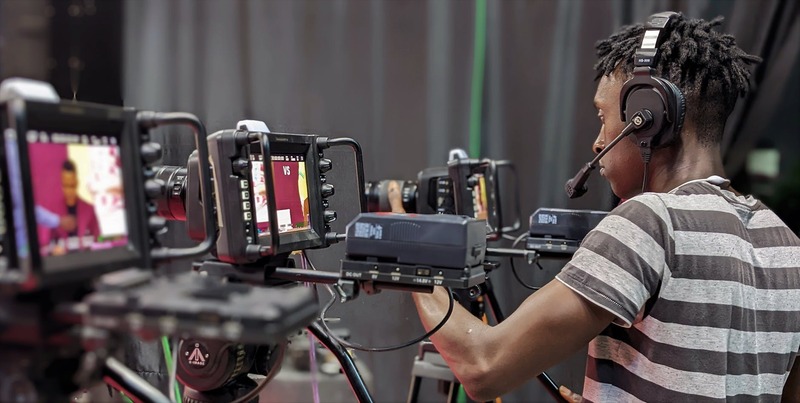
Reliable internet connectivity is fundamental, with many professionals opting for dedicated broadband connections to ensure stable upload speeds. Backup internet solutions, such as 4G/5G mobile routers or secondary fiber connections, are often integrated into the setup to prevent interruptions. Moreover, broadcasters use various auxiliary tools like monitors, tripods, and lighting to optimize camera angles and image quality, especially in challenging indoor or outdoor environments.
Editing software and graphics packages like vMix, OBS Studio, or Wirecast provide live editing capabilities, real-time titling, and integration of external media. These tools help create a polished output that meets viewer expectations and aligns with the branding requirements of the event. As technology evolves, live streaming videographers continuously upgrade their gear, incorporating the latest innovations like 4K streaming, remote camera control, and AI-assisted content management to stay ahead of industry standards.
Technical Expertise in Signal Transmission and Streaming Protocols
One of the core competencies of a proficient live streaming videographer is their deep understanding of signal transmission methods and streaming protocols. The process begins with capturing high-quality audio and video signals via professional-grade cameras and microphones, which are then encoded for digital transmission. Encoders, whether hardware or software-based, convert the raw media into streams that can be efficiently transmitted over the internet.
Understanding the variety of streaming protocols is essential. HLS (HTTP Live Streaming), RTMP (Real-Time Messaging Protocol), and SRT (Secure Reliable Transport) are among the most common. An experienced videographer ensures compatibility with the chosen platform while optimizing for latency, resolution, and stability. They monitor transmission health in real-time, troubleshooting issues such as jitter, packet loss, or latency, to maintain a smooth viewing experience for the audience.
Workflow Management and Real-Time Content Control
Managing a live stream involves meticulous workflow coordination. This includes pre-production planning, such as creating shot lists and reviewing the event schedule, as well as setting up multi-camera angles and integrating multimedia content. During the event, the videographer exercises real-time control over the broadcast, switching between cameras, managing graphics overlays, and adjusting audio levels.
Successful live streaming also depends on the videographer’s ability to respond swiftly to unforeseen technical issues or changes in the event flow. They utilize professional switchers and editing software to insert pre-recorded segments or graphics when needed, maintaining the broadcast's polish and professionalism. Additionally, they implement real-time monitoring tools that track viewers’ engagement metrics and streaming quality, enabling immediate corrective actions if problems arise.
Ensuring Audience Engagement and Multi-Platform Delivery
An adept live streaming videographer knows how to maximize audience engagement through strategic content delivery and platform management. They optimize stream layouts for clarity and branding consistency, employing overlays, lower thirds, and live chats. Cross-platform streaming is often handled with advanced multistreaming tools, allowing simultaneous broadcast to multiple social media channels and streaming services, thereby increasing reach.
This capability requires an in-depth knowledge of platform-specific requirements and restrictions. The videographer sets up appropriate encoding configurations to align with each platform’s specifications, ensuring broadcast quality remains high regardless of the destination. They also implement audience interaction features, such as live polls or Q&A sessions, to foster community involvement and enhance the overall event experience.
Understanding the Role of a Live Streaming Videographer
A live streaming videographer plays a pivotal role in the seamless execution of live broadcasts, ensuring high-quality transmission that captures the essence of the event. Their responsibilities extend beyond basic filming; they are responsible for setting up the entire technical infrastructure, managing real-time camera operations, and overseeing the streaming process. This involves selecting the appropriate camera angles to best capture key moments, adjusting focus and exposure on the fly, and ensuring that audio levels remain clear and balanced throughout the event.
Moreover, live streaming videographers are experts in managing various video sources, such as multiple cameras, graphics, and pre-recorded segments. They coordinate these elements to produce a cohesive and engaging broadcast. During the live event, they monitor streaming health—tracking bitrate, resolution, and latency—making immediate adjustments to prevent disruptions or quality degradation. Quick troubleshooting skills are essential for resolving issues like signal interference, audio syncing problems, or hardware malfunctions, maintaining professionalism and viewer satisfaction.
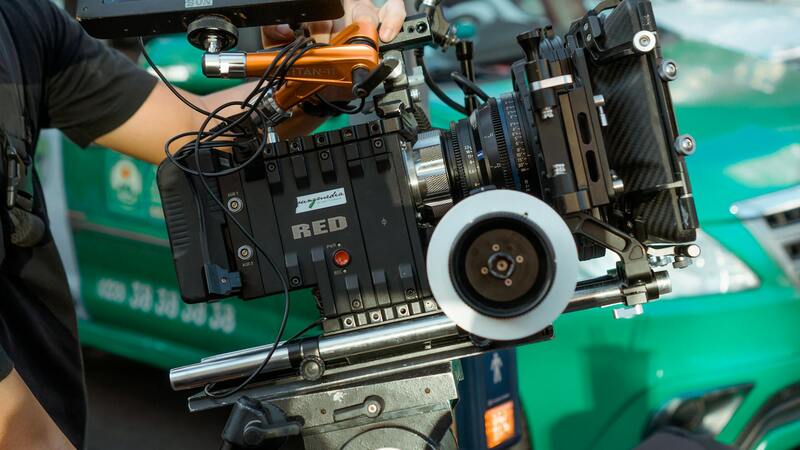
The ability to respond swiftly to spontaneous circumstances is a hallmark of an experienced live streaming videographer. Whether it’s switching camera views, inserting graphics or overlays, or handling unexpected technical glitches, their expertise ensures a smooth broadcast. This level of competence requires a thorough understanding of both the technological tools involved and the event dynamics, enabling them to adapt and maintain broadcast integrity seamlessly.
Key Equipment and Technology Used
Successful live streaming relies heavily on a suite of advanced equipment designed to deliver consistent, high-definition content across multiple platforms. Central to this setup are professional-grade cameras capable of capturing 4K video, equipped with high-quality lenses and stabilization features to produce clear, steady footage. These cameras are often supplemented by wireless transmitters, enabling unobstructed mobility and diverse shot composition throughout the venue.
Audio quality is equally critical, with high-fidelity microphones and mixers ensuring speech and ambient sound are captured accurately. Audio interfaces can synchronize various sound sources, reducing noise and echo, which enhances the overall viewing experience.
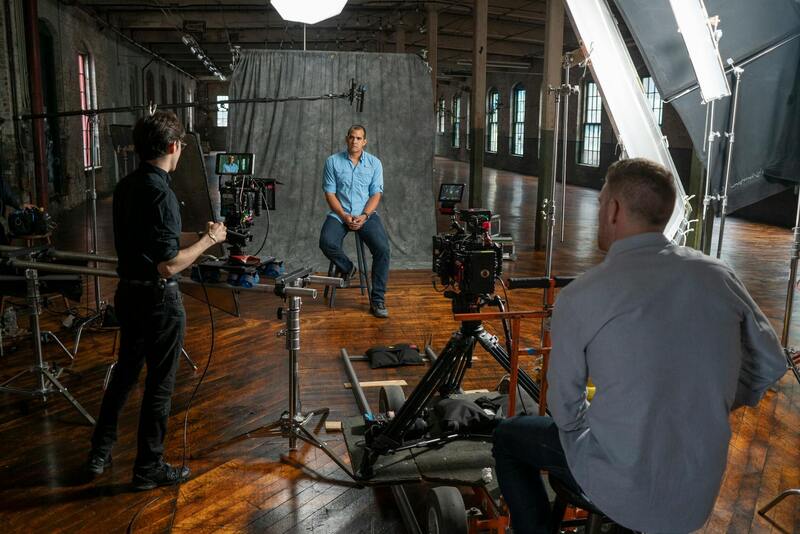
Streaming hardware such as professional video switchers or mixers allow real-time switching between multiple camera feeds, overlays, and pre-recorded content. These devices are integrated with encoders, which convert the video signal into digital data suitable for streaming. Encoders can be hardware-based or software-based, and their configuration determines the final stream quality, resolution, and latency.
For platform versatility, multistreaming tools are employed to broadcast simultaneously to various social networks and streaming platforms, expanding the event’s reach. Monitoring software tracks live stream performance metrics, alerting operators to issues and enabling prompt intervention.
Benefits of Hiring a Local Miami Live Streaming Videographer
Engaging a local professional offers distinct advantages rooted in proximity and familiarity with the Miami event landscape. Local videographers possess an intimate understanding of regional venues, lighting conditions, and logistical considerations, which translates into more efficient setup times and optimized camera positioning. Their knowledge of local regulations and event practices ensures smoother coordination with venue staff and adherence to schedules.
- Familiarity with Local Venues: Experience working in diverse Miami venues enables tailored setups that maximize audiovisual quality.
- Prompt Response and Flexibility: Proximity allows for quick troubleshooting and on-the-fly adjustments, minimizing potential disruptions.
- Cost-Effective Solutions: Avoiding travel and shipping fees, local videographers often offer more competitive rates without compromising quality.
- Community Network: Established relationships with other local vendors streamline the event production process.
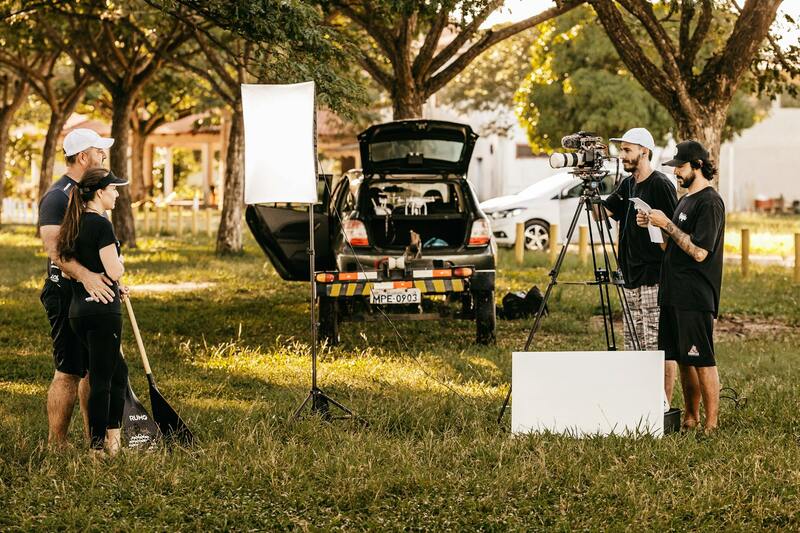
Partnering with a Miami-based live streaming videographer ensures personalized service and direct communication, facilitating clearer understanding of event goals and expectations. Their familiarization with local audiences and cultural nuances also enhances content delivery, making broadcasts more engaging and relatable to the regional viewership. These factors contribute to a more professional and immersive online event experience that resonates with the audience, driving higher engagement and satisfaction.
Understanding the Role of a Live Streaming Videographer
A live streaming videographer plays an essential role in capturing and broadcasting events in real-time, ensuring high-quality video delivery that meets the specific needs of each occasion. Skilled in both production and technical aspects, they combine artistic vision with technical expertise to produce compelling content that engages viewers. They are responsible for overseeing camera operations, managing live feeds, and troubleshooting any technical issues on the spot. Their expertise extends to understanding audience engagement, which they leverage to create visually appealing streams that resonate with online viewers. These professionals are adept at coordinating with event organizers to align the visual elements with the overall event objectives, whether it is a corporate webinar, a live concert, or a large conference. Their role also involves pre-event planning, such as site surveys, equipment testing, and establishing reliable internet connections to prevent disruptions. They ensure seamless integration of audio, visuals, and streaming platform functionality, delivering broadcasts that are smooth, professional, and glitch-free, regardless of the venue or event size.
Technical Proficiency and Artistic Skill
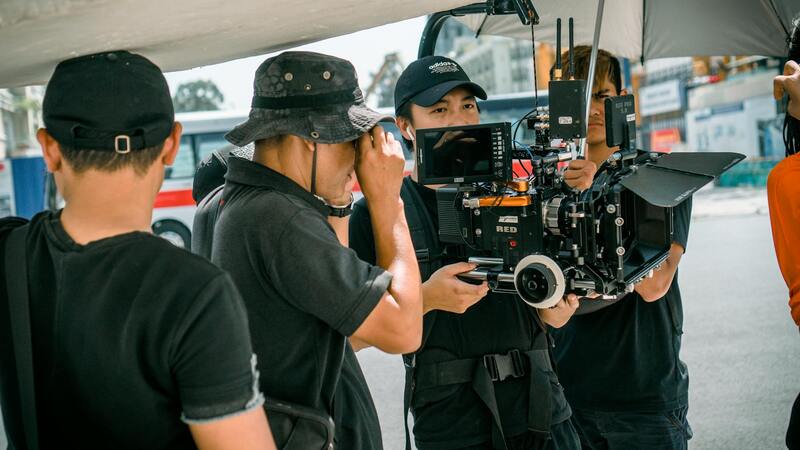
A proficient live streaming videographer combines technical proficiency with a keen eye for artistic detail. This includes expert operation of multiple cameras, dynamic shot composition, and real-time editing to adapt to changing event flows. Their understanding of framing, lighting, and camera angles ensures that the broadcast retains a polished look, even in challenging environments. They are skilled in handling various streaming platforms, optimizing video quality for different bandwidth conditions, and employing backup systems to minimize potential failures. By balancing technical mastery with creative storytelling, they craft visually engaging broadcasts that elevate the perceived quality of your event. Additionally, their knowledge of branding and messaging ensures that visual content aligns with your organization’s objectives, reinforcing your message effectively to a digital audience.
Coordination and On-site Management
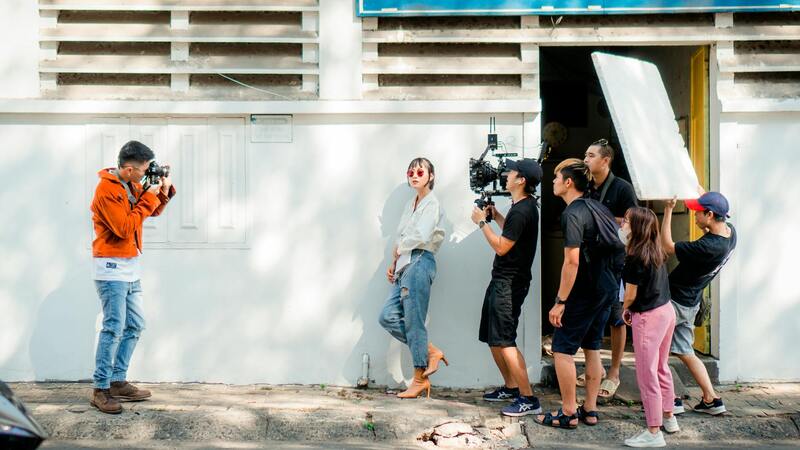
Part of the videographer’s role involves extensive on-site management to ensure every aspect of the live stream runs without interruption. This includes setting up cameras at strategic locations, managing audio feeds, and coordinating with technical teams on the ground. Their presence allows for quick adjustments in response to unexpected changes, such as shifts in lighting or sound issues. Effective communication with event staff ensures that camera operators and technical support are synchronized, reducing the risk of missed moments or technical glitches. As a result, the live broadcast maintains continuity and professionalism, mirroring the quality of a professional production. This level of coordination is especially vital during large events where multiple camera feeds and real-time interactions with the audience are involved. The videographer’s expertise ensures that the event’s visual narrative unfolds seamlessly, creating a captivating experience for viewers watching remotely.
Understanding the Role of a Live Streaming Videographer
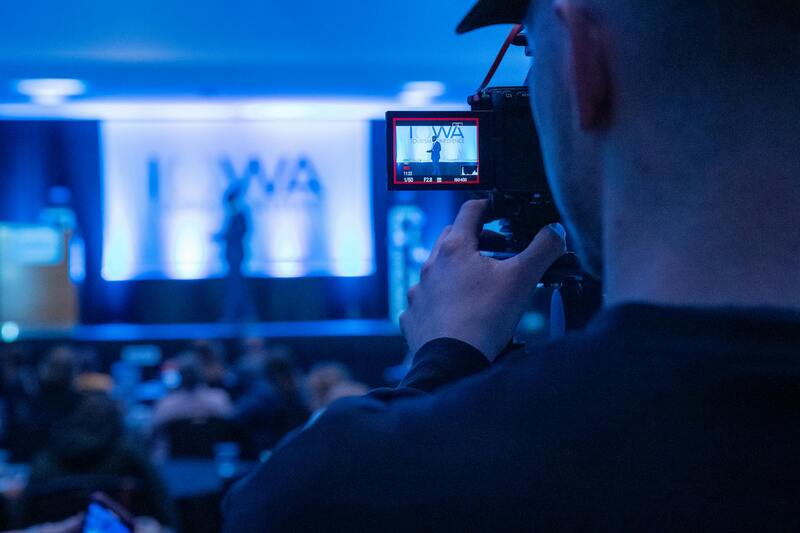
A live streaming videographer specializes in producing high-quality live video broadcasts of events, ensuring a seamless viewing experience for remote audiences. Their primary responsibilities include setting up professional-grade cameras, managing audio sources, and operating live switchers that transition between multiple video feeds. Beyond the technical setup, they are tasked with crafting visual narratives that align with the event's purpose, whether it’s a corporate conference, concert, or special ceremony. A skilled videographer possesses a keen eye for framing shots, controlling lighting conditions, and capturing key moments in real time, all while maintaining an unobtrusive presence that allows the event to proceed naturally. During the event, they continuously monitor the live feed, making instant adjustments to camera angles, focus, and exposure to adapt to changing environments. Their expertise extends to troubleshooting technical issues swiftly, minimizing disruptions, and maintaining a professional broadcast quality throughout the event. Effective communication with other technical team members and event organizers ensures smooth coordination, allowing them to anticipate and respond proactively to any on-site challenges. Their role is integral in translating an in-person experience into an engaging digital presentation that reaches audiences across various platforms, boosting visibility and engagement. A live streaming videographer also plays a crucial part in post-event activities, providing footage that can be repurposed for marketing, archival, or promotional use. This comprehensive approach requires a blend of technical mastery, artistic sensibility, and logistical organization, making them a valuable element in any event planning process that involves live broadcasting.
Key Equipment and Technology Used
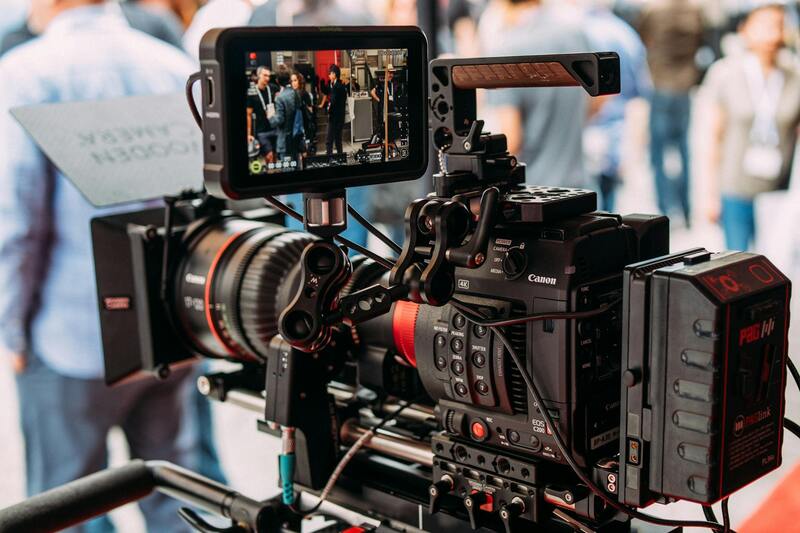
Effective live streaming relies on an array of specialized equipment designed to deliver broadcast-grade video content. The core components include high-definition cameras capable of capturing detailed visuals from various vantage points. These cameras are often connected to streaming hardware via HDMI or SDI cables, which transmit the video signals to a production switcher or encoder.
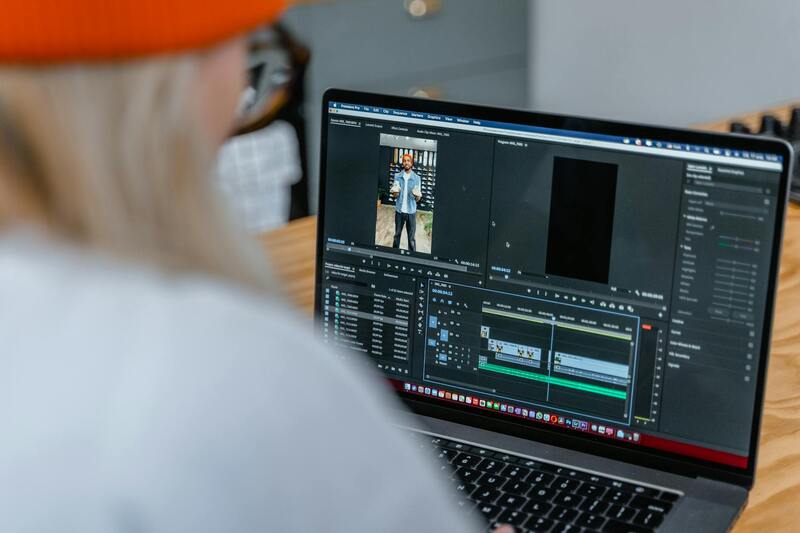
A central part of the setup involves a high-quality video switcher that allows the videographer to seamlessly transition between multiple camera feeds, add graphics, and insert pre-recorded segments as needed. Audio equipment such as wireless microphones, sound mixers, and audio interfaces ensure clear and synchronized sound delivery. Reliable internet connectivity with sufficient bandwidth is paramount; often, live streaming professionals utilize dedicated wired Ethernet connections or bonded internet solutions to prevent interruptions.
Encoders encode the video signals into live streams compatible with various platforms. These are often integrated into the streaming software, which provides user-friendly interfaces for managing the broadcast. Additional accessories include lighting kits to optimize image quality, stabilizers for camera mobility, and backup power sources to mitigate outages.
Benefits of Hiring a Local Miami Live Streaming Videographer
Choosing a local Miami-based live streaming videographer offers several distinct advantages. Proximity allows for on-site presence during the planning and setup stages, facilitating more personalized service and faster response times to last-minute requests or adjustments. Local professionals are typically well-acquainted with the venues, enabling them to optimize camera placements, troubleshoot venue-specific issues, and coordinate efficiently with event staff. Being familiar with the local internet infrastructure and technical environment ensures more reliable connectivity and fewer surprises during the broadcast. Additionally, a Miami-based videographer understands the regional market dynamics and audience preferences, which can be leveraged to tailor the streaming content for maximum engagement. Furthermore, working with a local provider can result in cost savings related to travel and logistics, while also fostering ongoing relationships for future events. Their understanding of local regulations and partnerships with regional vendors or venues adds a layer of confidence and professionalism to the service provided. This geographic advantage, combined with their technical expertise and familiarity with local event types, makes Miami-based live streaming videographers an excellent choice for businesses and organizations seeking effective remote broadcasting solutions that meet regional specificities.
Factors to Consider When Choosing a Videographer
When selecting a live streaming videographer in Miami, several key factors should guide your decision to ensure the best outcome for your event. Experience and portfolio are among the most important considerations; review their past work to assess their ability to handle events similar in scope and complexity. Technical proficiency is equally vital, encompassing familiarity with up-to-date streaming technologies, equipment handling, and troubleshooting skills. Communication skills matter greatly—your videographer should understand your objectives and communicate clearly about the process, timelines, and deliverables. Customized service offerings can also make a difference; some providers offer integrated packages that include pre-event planning, technical rehearsals, and post-broadcast editing. Reliability and reputation are indicators of quality. Seek testimonials, reviews, or references that attest to their professionalism, punctuality, and ability to deliver consistent results. Additionally, check the scalability of their services; whether you're planning a small seminar or a large conference, the videographer should have the capacity to adapt to your event’s requirements. Pricing transparency is crucial as well. Confirm all costs involved upfront, including equipment, setup, technical support, and post-event services, to avoid surprises. Ultimately, selecting a videographer with a comprehensive understanding of your event goals, technical expertise, and a proven track record ensures a smooth, professional live streaming experience.
Understanding the Role of a Live Streaming Videographer
A live streaming videographer plays a critical role in delivering high-quality, real-time video content for a variety of events. They are responsible for capturing live footage, managing streaming technology, and ensuring the broadcast runs smoothly from start to finish. These professionals possess a deep understanding of camera operation, audio management, lighting, and network stability, all of which are essential for a flawless live stream. The videographer's expertise extends beyond mere footage capture; they must seamlessly integrate multiple technical components, troubleshoot issues on the fly, and adapt to changing conditions during the broadcast.
In the context of professional live streaming, the videographer acts as the central point of coordination, working closely with event organizers, technicians, and production teams to align on the desired outcome. Their attention to detail and ability to stay calm under pressure directly influence the viewer experience. A competent live streaming videographer also has a strategic understanding of content presentation, framing, and camera angles to ensure the visuals are engaging and effectively communicate the event’s message.
Moreover, they often serve as the technical liaison, advising clients on the optimal setup, equipment choices, and streaming platforms tailored to the event’s size and scope. With the increasing demand for virtual engagement, their role has expanded to include multi-camera setups, regional or global streaming, and integration with social media channels, making their expertise indispensable in today’s digital-first event landscape.
Key Equipment and Technology Used
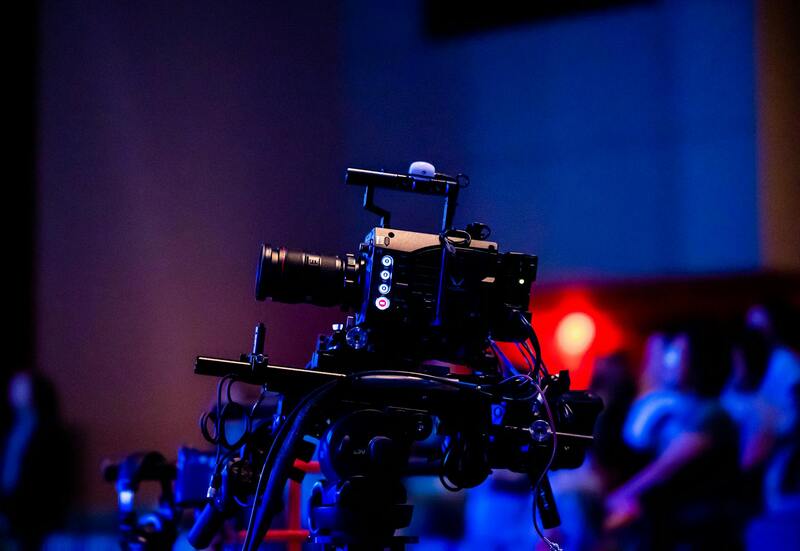
In order to produce professional live streams, a videographer relies on an array of specialized equipment designed for reliability and high performance. The core components include high-definition (HD) or 4K cameras, which capture crisp, clear visuals even in challenging lighting conditions. Smooth camera operation is supported by stabilization devices such as gimbals and tripods, ensuring steady shots regardless of movement.
Audio quality is just as critical, necessitating the use of professional microphones, audio mixers, and wireless systems to capture clear sound without background noise. Reliable internet connectivity and advanced encoding hardware or software are vital to maintain uninterrupted streaming, particularly for high-bitrate broadcasts. Many professionals also employ hardware or cloud-based streaming encoders to convert and transmit the video signal efficiently.
Additional tools include monitors for real-time feedback, lighting equipment to enhance visibility, and backup power sources like generators or UPS units to prevent interruptions during power outages. Modern live streaming setups often integrate with social media platforms, utilizing streaming software that allows for multi-platform broadcasting and live interaction with viewers.
Benefits of Hiring a Local Miami Live Streaming Videographer
Choosing a local Miami live streaming videographer offers numerous advantages that can significantly enhance the quality and impact of your event broadcast. Local professionals are familiar with the unique logistical challenges posed by Miami’s diverse venues, weather conditions, and event spaces, enabling them to plan and execute with greater efficiency. They also have established relationships with local vendors, rental companies, and venue staff, streamlining logistics and reducing setup time.
Additionally, a Miami-based videographer can provide rapid on-site support, troubleshooting, and adjustments, minimizing potential technical disruptions. Their proximity allows for more flexible scheduling and the possibility of on-the-fly modifications during the event. Engaging a local team also ensures better understanding of the regional audience preferences and broadcasting norms, which can help tailor content for maximum viewer engagement.
Furthermore, working with someone within the Miami community fosters better communication, building trust and clarity throughout the planning process. This local knowledge, combined with their technical expertise, ensures your event is captured and streamed with professional precision, whether it’s a corporate conference, a concert, or a social gathering.
Factors to Consider When Choosing a Videographer
- Experience and Portfolio: Review their past work to ensure they have successfully handled events similar in scope and complexity.
- Technical Proficiency: Confirm familiarity with the latest streaming technology, hardware, and troubleshooting skills.
- Reputation and Client Feedback: Seek testimonials and reviews to gauge their professionalism, punctuality, and reliability.
- Equipment Capabilities: Ensure they have access to high-quality cameras, audio, and streaming infrastructure.
- Service Customization: Find out if they offer tailored packages that include planning, rehearsals, and post-broadcast editing.
- Availability and Scalability: Verify their capacity to accommodate your event’s size and specific requirements.
- Pricing Transparency: Clarify all costs upfront, including setup, equipment, technical support, and any additional services.
Common Types of Events Suitable for Live Streaming
A wide array of events can benefit from professional live streaming services, ensuring broader outreach and engagement. These include:
- Conferences and corporate meetings
- Product launches and promotional events
- Weddings and social celebrations
- Religious services and community gatherings
- Music concerts and performances
- Academic seminars and graduations
- Sports competitions and tournaments
Best Practices for a Successful Live Stream
Executing a seamless live streaming event requires meticulous planning and execution. Key best practices include:
- Pre-event Testing: Conduct comprehensive rehearsals to verify equipment functionality, internet stability, and camera angles.
- Clear Communication: Establish detailed plans and communicate roles, responsibilities, and schedules with all involved teams.
- Technical Redundancies: Use backup equipment and internet connections to mitigate risks of technical failures.
- Audio Optimization: Prioritize sound quality with proper microphones, buffer settings, and audio monitoring.
- Minimal Disruption: Position cameras and lighting to avoid interfering with on-site activities.
- Engagement Features: Incorporate interactive elements such as live chat, polls, and Q&A sessions to connect with viewers.
- Post-event Review: Analyze the broadcast's performance, gather feedback, and plan improvements for future streams.
Ensuring Quality and Reliability in Live Streaming Videography
Achieving a high-quality live streaming event hinge on leveraging proven, official methods and professional techniques. Proper planning and the use of legitimate technology are critical in delivering a seamless viewing experience for your audience. Fidelity in video and audio, stable internet connections, and expert handling of equipment are essential components of successful live broadcasts.
To ensure top-tier quality, it is prudent to use enterprise-grade streaming hardware that supports high-definition resolutions, low latency transmission, and robust encoding capabilities. Encoders must be configured correctly prior to the event, with settings optimized for the specific bandwidth available and the nature of the content being streamed. Employing redundant internet connections, such as bonded cellular and fiber-optic lines, further safeguards against interruptions caused by network failures, maintaining continuity throughout the event.
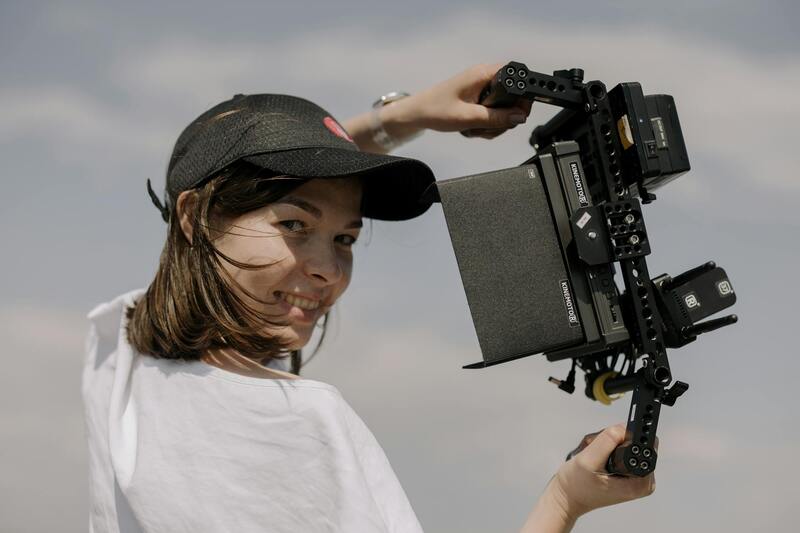
Audio quality can profoundly influence viewer engagement, so professional-grade microphones, mixers, and monitoring equipment should be employed. Proper sound check procedures and real-time audio monitoring during the event help prevent issues like background noise, distorted sound, or signal dropouts. Additionally, camera operators must be skilled in framing shots, managing focus, and adjusting for lighting conditions to present visually appealing content that captures all important moments.
Technical expertise is instrumental in guiding the event from pre-production to post-broadcast analysis. Experienced live streaming videographers routinely employ industry-standard software for encoding and transmission, with features enabling real-time adjustments. They also utilize closed captioning, multi-camera switching, and graphics integration when appropriate, all maintained under strict adherence to best practices for digital broadcasting.
Security considerations are also paramount. Protecting streams against unauthorized access involves implementing secured streaming protocols, encryption, and password protections. By employing legitimate methods and trusted service providers, organizations can ensure their live streams are safeguarded against disruptions and unauthorized viewing.
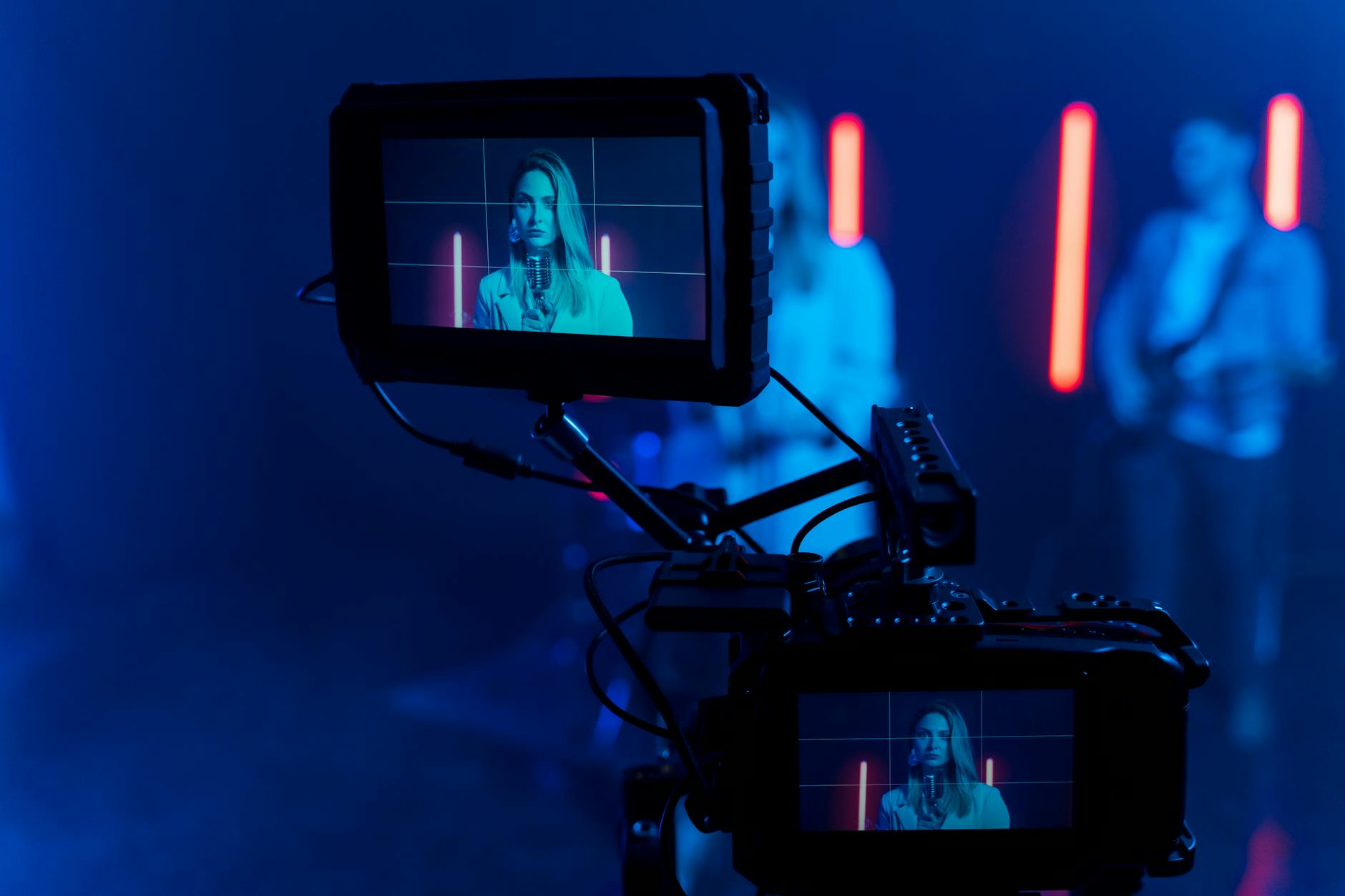
Regular equipment maintenance, staff training, and adherence to industry standards are vital in maintaining quality and reliability. Investors should collaborate with vetted providers who prioritize transparent communication, detailed planning, and proven technical excellence. This ensures the live streaming event not only meets but exceeds expectations, providing an engaging experience for viewers and solidifying your reputation for professional broadcasts.