Overview of Live Webcasting Services
Live webcasting services have become an essential component for organizations and individuals aiming to broadcast events, presentations, or performances over the internet in real time. These platforms facilitate direct engagement with global audiences, allowing content to reach viewers instantly without geographical restrictions. The technological advancements in internet connectivity and multimedia streaming have made live webcasting more accessible than ever, leading to a surge in the availability of free options that cater to various needs.
Modern live webcasting platforms provide streamlined tools that enable users to broadcast professional-quality video and audio signals directly from their devices. They support a wide range of events, including corporate meetings, educational webinars, religious services, social gatherings, and community events. The importance of these services lies in their ability to maximize outreach, provide interactive features such as Q&A and chat, and deliver content seamlessly to multiple viewers simultaneously.
While premium and paid options offer enhanced features like higher streaming quality, dedicated support, and advanced analytics, free live webcasting services serve as a practical entry point for startups, small businesses, educators, and event organizers with limited budgets. These platforms have democratized the ability to share live content universally, offering a straightforward means to engage audiences without incurring significant costs.

The landscape of live webcasting continues to evolve with features that improve reliability, ease of use, and audience engagement. As technology advances, more user-friendly solutions are emerging, supporting high-definition streams, multi-platform compatibility, and mobile-friendly interfaces. For those seeking to broadcast live without financial investment, a variety of reliable free tools are readily available, allowing content creators to harness the power of live streaming effectively.
Understanding the core components of webcasting—streaming infrastructure, content delivery networks, and viewer access—is crucial for leveraging these services naturally. As such, selecting the right free platform aligns with specific event requirements, technical expertise, and audience expectations, ensuring a smooth broadcasting experience that effectively delivers content in real time.
Advantages of Using Free Webcasting Platforms
Opting for free webcasting services offers a range of significant advantages, especially for emerging content creators, educational institutions, and small organizations. These platforms eliminate the financial barriers associated with professional-grade streaming solutions, permitting users to explore live broadcasting without upfront costs. They serve as a valuable testing ground for smaller-scale events or campaigns, providing essential features to reach audiences effectively.
One of the salient benefits is the simplified setup process. Many free services are designed with user-friendly interfaces, allowing even those with limited technical expertise to initiate live streams confidently. This reduces the need for specialized IT support or expensive equipment, making webcasting accessible to a broader audience. Moreover, these platforms often include built-in tools for audience interaction, such as chat windows and Q&A sections, which enhance engagement and provide immediate feedback during broadcasts.
Flexibility is another key advantage. Because of their cloud-based nature, free webcasting platforms typically require minimal hardware investments, supporting live streams from common devices like laptops, smartphones, and tablets. This mobility ensures broadcasters can deliver content from virtually anywhere, fostering greater spontaneity and immediacy in content delivery. Additionally, many free services are compatible with multiple social media platforms, facilitating the expansion of reach and visibility.

Equipped with analytics and viewer engagement tools, free services enable organizers to monitor the performance of their streams, gaining insights into viewer behavior and preferences. This feedback loop supports iterative improvements and more targeted content in future broadcasts. Furthermore, implementing free live streaming solutions helps organizations test audience interest and gather vital data before committing to premium services or larger-scale events.
Lastly, free platforms foster democratization of content sharing, allowing small organizations, educators, and content creators to participate in the digital broadcasting landscape. They provide a foundation upon which users can build increased confidence and experience, paving the way for more sophisticated and resource-intensive broadcasts in the future. Overall, these services deliver practical, effective, and approachable tools that make live content accessible, engaging, and impactful at a minimal cost.
Overview of Live Webcasting Services
Live webcasting services have revolutionized the way content is delivered to audiences worldwide. These platforms enable broadcasters to transmit live video and audio streams over the internet, reaching viewers instantaneously across multiple devices. For Miami-based production agencies, leveraging free live webcasting services offers an accessible route to expand reach, engage audiences, and showcase events without substantial infrastructure investment. The increasing availability of cloud-based solutions allows even small teams to produce high-quality live streams, making dynamic content dissemination feasible regardless of organizational size.

Free webcasting platforms typically provide essential features such as multiplexing video streams, audience interaction tools, and integration with popular social media networks. These features empower organizations and individuals to broadcast lectures, conferences, concerts, or community events effortlessly. The webcasting process involves encoding video content, which is then transmitted via the chosen platform's infrastructure to viewers in real-time, facilitating immediate interaction and feedback. These services often include analytics dashboards that help broadcasters understand viewer engagement patterns, preferences, and geographic distribution, aiding in tailoring future content for maximum impact.
Advantages of Using Free Webcasting Platforms
Adopting free live webcasting solutions offers numerous benefits, particularly for emerging organizations or those testing new content formats. The most immediate advantage is cost-effectiveness; there is no need for costly hardware or licensing fees, reducing entry barriers for content creators and event organizers. Additionally, these platforms support rapid deployment, enabling live streams to be set up in minutes, which is critical for spontaneous or time-sensitive broadcasts.
Mobility stands out as a key advantage. Broadcasters can utilize smartphones, tablets, or laptops to commence streams from any location, enhancing the spontaneity and responsiveness of coverage. Compatibility with social media platforms extends the reach exponentially, allowing content to be shared across Facebook, YouTube, Instagram, and other channels, thereby expanding audience demographics.
Another significant benefit is the ability to gather real-time data through built-in analytics. This feedback is invaluable for refining content strategies, understanding viewer demographics, and improving engagement levels. By offering interactive features such as chat functions, polls, and Q&A sessions, free services foster deeper viewer participation, translating to higher retention and satisfaction.
Popular Free Webcasting Tools and Platforms
For Miami-based production agencies, a selection of widely-used free webcasting platforms can serve diverse needs effectively. Some of the well-known options include:
- YouTube Live: Offers seamless integration with Google accounts, extensive audience reach, and reliable streaming infrastructure. Features include chat, real-time analytics, and event scheduling. Limitations include storage restrictions for live archive videos unless upgraded to premium plans.
- Facebook Live: Ideal for broadcasters aiming to engage with existing social media followers. Provides instant audience feedback through reactions and comments, with easy sharing capabilities. The platform's algorithms favor engaging content, potentially increasing organic reach.
- StreamYard: A browser-based solution that facilitates multi-source streaming to multiple platforms simultaneously. Its free tier supports branding and overlay features but limits the number of concurrent destinations and viewer hours.
- Vimeo Livestream: Known for highquality streaming with live event hosting features, even in its free tier. However, bandwidth restrictions and branding requirements may limit its suitability for larger events.
- OBS Studio combined with platforms like Restream: Open-source software offering extensive customization options and multiple source integrations. Best suited for technically proficient users seeking tailored solutions without platform constraints.
Technical Requirements and Setup
Implementing free live webcasting services necessitates certain technical considerations. Basic requirements include a stable high-speed internet connection, a capable computer or mobile device, and appropriate streaming software or platform access. Hardware peripherals such as microphones, cameras, and lighting enhance the production quality but are not mandatory for casual broadcasts. A consistent internet upload speed of at least 3 Mbps is recommended for standard HD streaming to prevent buffering issues and ensure a smooth viewer experience.
Setting up a webcast generally involves selecting a platform, creating an account, configuring stream parameters, and connecting your video source via encoding software when applicable. It’s crucial to test the setup beforehand, ensuring audio and video synchronization, optimal lighting, and minimal latency. Platforms like OBS Studio or StreamYard offer user-friendly interfaces with step-by-step guides, simplifying the broadcasting process even for beginners.
Best Practices for Effective Webcasts
To maximize engagement and professionalism during live streams, adherence to best practices is essential. Plan content meticulously, including speaker cues, visual elements, and audience interaction segments. Maintain good communication by speaking clearly, using a stable internet connection, and managing on-screen elements seamlessly. Audience engagement can be enhanced through interactive features such as live chat, polls, or Q&A segments, which foster a sense of community and participation.
Timeliness is also crucial: promote upcoming broadcasts well in advance, and ensure the stream begins promptly. Monitoring the technical setup throughout the broadcast allows for immediate troubleshooting of issues, minimizing disruptions. Post-event, reviewing analytics provides insights into viewer behavior, helping tailor future content more effectively.
Limitations and Challenges of Free Services
While free webcasting platforms offer numerous benefits, they do have inherent constraints. Bandwidth limitations can restrict stream quality, especially for larger audiences or high-resolution content. Branding overlays from free plans may interfere with visual aesthetics, and some platforms impose restrictions on streaming duration, number of concurrent viewers, or access to advanced features. Additionally, reliance on third-party platforms introduces potential dependency risks, requiring broadcasters to adapt to platform-specific capabilities and updates.
Legal and Copyright Considerations
Ensuring all content broadcasted adheres to legal standards is essential. Broadcasters must verify they have rights to all media elements, including music, video clips, and images incorporated into the streams. Copyrighted material without proper authorization can lead to removal of streams, copyright claims, or other repercussions. Using original content or licensing media appropriately helps prevent such issues. Additionally, disclosures regarding privacy and consent should be incorporated, especially when involving third parties or recording audience interactions. Maintaining a record of permissions can facilitate smooth operations and prevent potential disputes.
Choosing the Right Webcasting Solution for Your Needs
When selecting a free webcasting platform, consider factors such as platform compatibility, audience size, desired production quality, and technical capacity. Smaller organizations or individual content creators may favor user-friendly solutions with quick setup and social media integration. Larger or more complex broadcasts might require platforms offering multi-stream capabilities, branding control, and in-depth analytics. Evaluating these criteria against available features ensures the chosen platform aligns with specific objectives, available resources, and audience engagement goals.
Technical Requirements and Setup
Conducting a seamless live webcast using free services necessitates a clear understanding of the technical prerequisites. First, a reliable high-speed internet connection is fundamental. Stream quality heavily depends on upload bandwidth; a minimum of 3 Mbps is recommended for standard HD broadcasting, while higher bandwidth ensures more stable streams and better quality for viewers. Latency issues must be minimized through a wired Ethernet connection as opposed to Wi-Fi to prevent interruptions or buffering during the broadcast.

Equipment selection plays a vital role in achieving professional results. A good quality camera with at least 720p resolution is advisable, although 1080p provides clearer visuals, especially for detailed content. A dedicated microphone enhances audio clarity, reducing background noise and ensuring viewers comfortably follow the broadcast. For more dynamic presentations—such as webinars, tutorials, or interviews—consider using multiple camera angles or adding auxiliary devices like switchers and external microphones.
Software setup is equally critical. Most free webcasting platforms are compatible with common streaming software like OBS Studio or Streamlabs, both of which are free and provide extensive customization options. These tools allow broadcasting to multiple platforms simultaneously, incorporating overlays, chat interactions, and other advanced features. Proper configuration involves selecting the correct stream URL and keys provided by the platform, ensuring encoding settings are optimized for your hardware capabilities, and testing the setup thoroughly before the live event.
Prior to going live, conduct a comprehensive rehearsal. Test all aspects—from video and audio quality to internet stability and software configurations. Streamers should also prepare backup plans in case of technical difficulties, such as secondary internet sources or alternative devices. Routine updates of streaming software and drivers for peripherals contribute significantly to smooth operation, preventing unforeseen disruptions during critical moments of the webcast.

Finally, it's beneficial to familiarize yourself with the platform's interface and features well in advance. This familiarity helps streamline the broadcasting process, minimizes errors, and enhances the overall viewer experience. Whether broadcasting via social media integrations or dedicated streaming portals, understanding the technical workflow ensures you maximize the capabilities of your chosen free webcasting service.
Limitations and Challenges of Free Services
While free live webcasting services offer an accessible entry point for broadcasters, they also come with certain limitations that can impact the overall quality, reliability, and flexibility of your streams. Recognizing these challenges allows you to better prepare and mitigate potential issues, ensuring a smoother broadcast experience.
Bandwidth and Streaming Quality Constraints
Many free platforms impose restrictions on bandwidth, which can affect the resolution and stability of your live streams. Limited bandwidth often results in lower video quality, buffering issues, or even stream interruptions, particularly during high traffic periods or with large viewership. It's crucial to optimize your encoding settings to match the platform's specifications and ensure that your internet connection is stable and capable of handling the upload demands.
Limited Customization and Branding Options
Unlike paid services, free webcasting platforms typically offer fewer options for customizing your stream's appearance. This may include limited overlay options, branding controls, or interactive features. As a result, your webcast might lack distinctive branding elements that enhance viewer engagement or convey a professional image. Creative use of available tools within the platform can help, but expectations regarding customization should be managed accordingly.
Advertising and Platform Monetization
Some free services insert ads into streams or require placement of their branding, which can distract viewers and reduce the perceived professionalism of your broadcast. Additionally, monetization features often come with restrictions, limiting your ability to generate revenue or integrate external monetization strategies. Clear understanding of these policies is essential before scheduling your live sessions.
Capacity and Audience Limitations
Many free platforms enforce restrictions on the maximum number of concurrent viewers or participating channels. During unforeseen surges in viewership, this can lead to stream disruptions, viewer dissatisfaction, or the necessity to migrate to a different platform. Planning ahead and selecting services that align with your expected audience size helps in managing these limitations effectively.
Support and Technical Assistance
Overall, free services often lack dedicated customer support or responsive troubleshooting options. In the event of technical difficulties, this can cause delays in resolution and increased frustration. Engaging in thorough testing before your broadcast and maintaining familiarity with the platform's features reduces reliance on support, allowing you to troubleshoot common issues independently.
Security and Privacy Considerations
With open access and less robust security measures, free webcasting services may pose risks related to unauthorized access or content theft. Implementing appropriate privacy settings and regularly monitoring your streams are vital steps in safeguarding your content and maintaining control over your broadcasts.
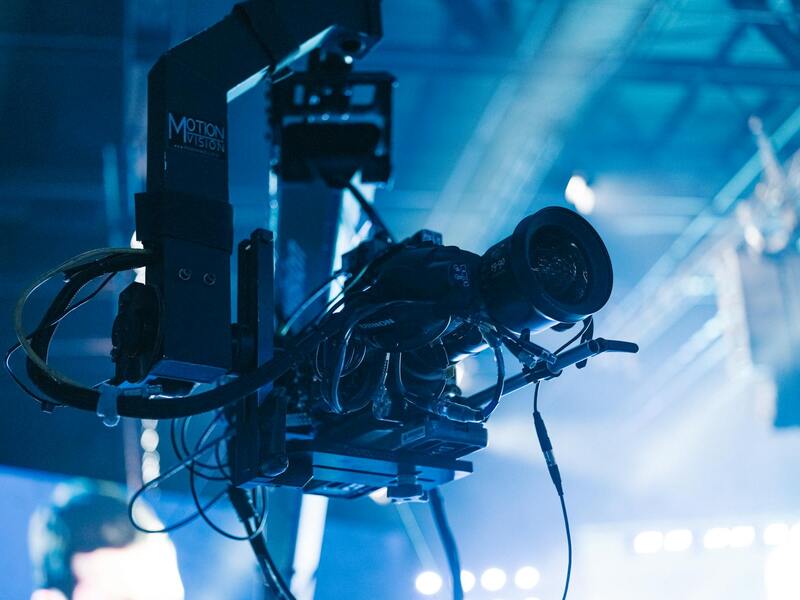
Overview of Live Webcasting Services
Live webcasting services facilitate the transmission of real-time video and audio content over the internet to a broad audience. These platforms enable organizations, content creators, and event organizers to broadcast lectures, concerts, webinars, corporate meetings, and various live events without the need for extensive infrastructure. They simplify the process of reaching viewers across different geographical locations, providing an accessible means for engaging audiences in real-time formats.
Whether for internal corporate communications or external marketing campaigns, webcasting services serve as a vital tool in today’s digital landscape. They support multi-platform streaming, allowing content to be accessed through desktops, tablets, and smartphones. Moreover, many services incorporate features like chat functions, polls, and Q&A sessions to enhance viewer engagement, ensuring that the broadcasting experience is interactive and responsive.
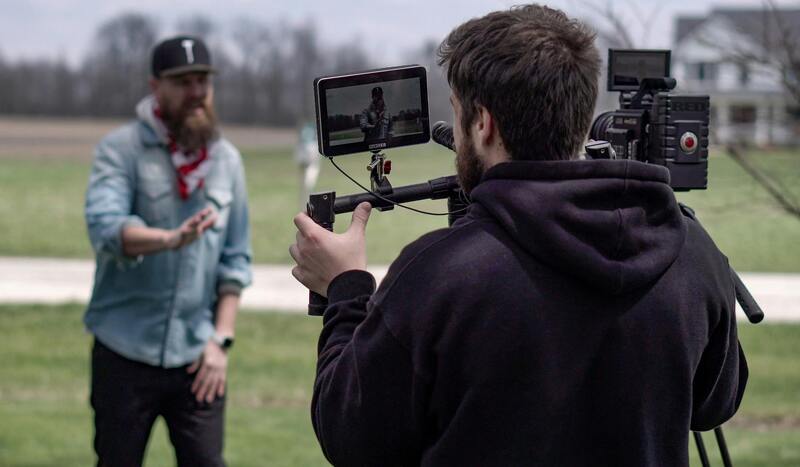
Advantages of Using Free Webcasting Platforms
Opting for free webcasting services can offer numerous benefits, especially for startups, small organizations, and individual content creators. The primary advantage lies in cost savings; these platforms eliminate the financial barriers associated with platform licensing, infrastructure, and bandwidth expenses, allowing users to initiate live broadcasts with minimal investment.
Additionally, free platforms often feature user-friendly interfaces that simplify setup and management, making live streaming accessible to those without extensive technical expertise. They also typically provide essential functionalities such as basic stream analytics, chat interaction, and platform integrations that assist in managing broadcasts effectively. This ease of access encourages experimentation and iterative improvements, helping broadcasters refine their content delivery over time.
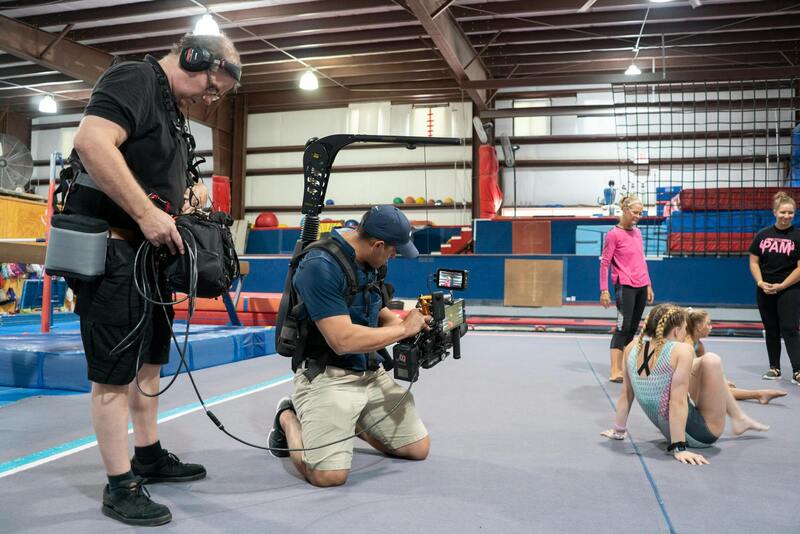
Popular Free Webcasting Tools and Platforms
There is a diverse range of free webcasting tools available, each catering to different needs and levels of technical proficiency. Among the most recognized are:
- YouTube Live: Offers robust streaming capabilities with built-in audience engagement tools, as well as extensive reach to global viewers.
- Ideal for social media outreach, enabling broadcasters to tap into existing follower bases and facilitate interactive sessions.
- Facebook Live: Ideal for social media outreach, enabling broadcasters to tap into existing follower bases and facilitate interactive sessions.
- StreamYard: A browser-based solution that simplifies multi-platform streaming, including integration with social networks.
- OBS Studio (Open Broadcaster Software): A powerful, open-source software allowing for custom overlays and multi-source streaming, suitable for more technically inclined users.
- Vimeo Livestream (free tier): Provides scalable live streaming options, though with some limitations in the free version.
Each of these platforms offers specific features and capabilities, making it important to evaluate your content needs and audience distribution when selecting a service.
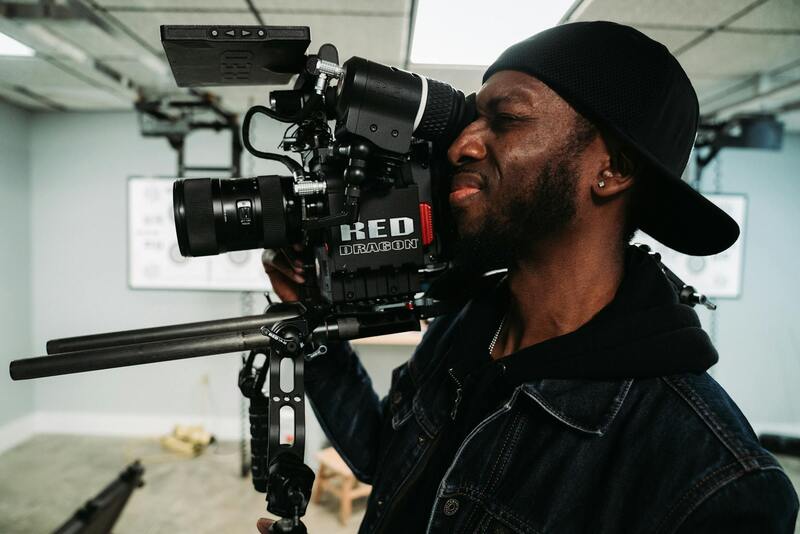
Technical Requirements and Setup
Setting up a free webcasting session requires basic technical components, including a stable internet connection, appropriate hardware, and streaming software. A reliable broadband internet connection with sufficient upload bandwidth is essential to prevent interruptions and ensure high-quality video delivery. The required hardware generally includes a computer or laptop, a good quality camera or webcam, and a microphone to capture audio clearly.
Most free streaming platforms support standard streaming protocols such as RTMP (Real-Time Messaging Protocol), and often recommend specific software like OBS Studio or StreamYard for broadcast management. These tools allow users to add overlays, multiple cameras, and pre-recorded content seamlessly during the live session. Additionally, configuring scene switches, sliders, and audio inputs is usually straightforward with a basic understanding of streaming software.
Before going live, conducting a test broadcast helps identify potential issues with audio, video, or connectivity. In addition, understanding the platform’s streaming settings and limitations ensures that the broadcast aligns with audience expectations.

Best Practices for Effective Webcasts
To maximize the impact of your live broadcasts, consider adopting best practices that elevate content quality and viewer engagement. These include preparing a clear outline or script to maintain focus and flow, ensuring good lighting and sound quality for professional presentation standards, and promoting your event in advance to attract a larger audience.
Interactivity enhances viewer participation, so integrating Q&A sessions, polls, and social media interactions can foster a more engaging experience. It’s also crucial to monitor your stream regularly for technical issues and be ready to troubleshoot promptly. Engaging visuals, including branded overlays and real-time graphics, help retain viewer interest and reinforce your branding efforts.
Maintaining professionalism throughout the broadcast period—by adhering to scheduled start times, managing on-screen content succinctly, and providing a polished presentation—contributes to building credibility and encouraging repeated viewership. Lastly, reviewing analytics afterward helps evaluate audience engagement and areas for improvement in future sessions.
Technical Requirements and Setup
Implementing a successful live webcast using free services requires careful preparation of technical components to ensure a seamless streaming experience. The core hardware setup typically involves a reliable computing device, such as a desktop, laptop, or a high-performance mobile device, capable of handling live video encoding and transmission. A stable high-speed internet connection is crucial; ideally, broadband with symmetrical upload and download speeds of at least 5 Mbps to prevent buffering, latency issues, and quality degradation.
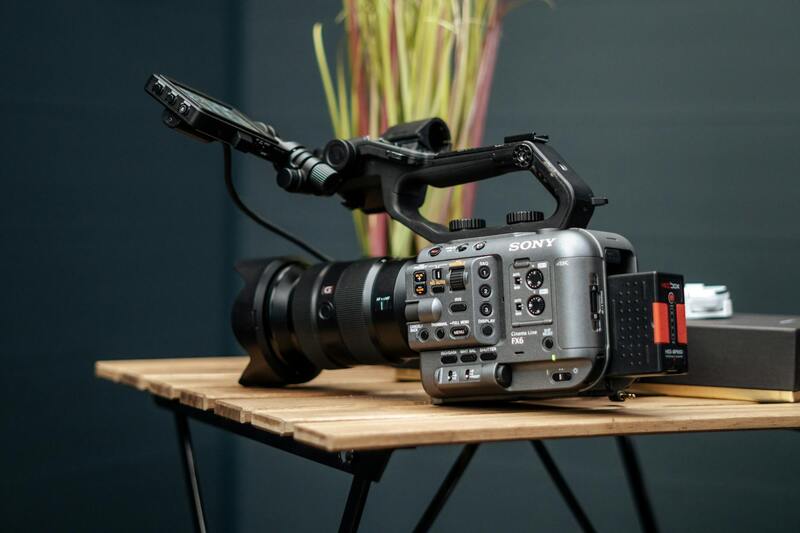
For audio quality, utilizing an external microphone can significantly improve clarity compared to built-in device microphones. Video quality depends on the camera used, ranging from integrated webcams for casual streams to professional-grade video cameras for high-quality productions. Additional equipment, like tripods and lighting, enhances visual presentation and viewer engagement.
Choosing Streaming Software
Choosing an appropriate streaming software or encoder is vital. Many free webcasting platforms support open-source or free encoding tools such as OBS Studio, Streamlabs OBS, or XSplit (free version). These applications facilitate scene switching, overlays, multiple source integrations, and audio management, elevating the production quality of your broadcast. Configuring the encoder involves inputting your platform’s stream URL and stream key, which ensures your content streams directly to the platform’s servers.
Proper configuration of video resolution, bitrate, and frame rate in the encoder settings helps optimize the stream for your audience's devices and internet speeds. Conducting test streams beforehand allows for troubleshooting technical issues without impacting the live broadcast.
Network Optimization and Upload Bandwidth
Maintaining a dedicated network for streaming minimizes interference and fluctuations in bandwidth. If multiple devices are connected to the same network, prioritizing the streaming device ensures consistent upload speeds. Implementing Quality of Service (QoS) settings on your router can allocate sufficient bandwidth for live broadcasts, reducing interruptions. Additionally, using wired Ethernet connections instead of Wi-Fi often results in more stable streaming performance.
Preparation and Content Planning
Effective pre-production planning enhances the quality of your live webcast. Preparing an outline, scripts, and visual aids helps maintain audience engagement. Testing all equipment, including cameras, microphones, and streaming software, prior to going live is essential. Arriving at least 30 minutes early to set up, check connections, and resolve potential issues ensures a smooth start. Assigning roles, such as a technical assistant or moderator, can help manage chat engagement and troubleshoot unforeseen problems swiftly.
Streaming Platform Settings
Familiarize yourself with the platform's settings to customize your broadcast experience. Adjust privacy options, enable or disable chat, and configure broadcast titles and descriptions for SEO benefits. Many free platforms offer options to schedule streams in advance, providing viewers with timely notifications. Monitoring real-time analytics during the broadcast allows you to gauge engagement and make immediate adjustments to improve viewer experience.
Incorporating Visual and Interactive Elements
To maximize viewer interaction, consider integrating visual overlays, branding, or lower-third graphics using your streaming software. Adding live polls, Q&A segments, or chat moderation helps foster community engagement. Ensuring your visual presentation remains aligned with your content goals and audience expectations enhances the professionalism of your webcast.
Legal and Copyright Considerations
Accessing and utilizing free live webcasting services necessitates awareness of intellectual property rights and associated regulations. Content creators must ensure that they possess the rights to broadcast any media, including music, videos, images, or proprietary content incorporated into their streams. This involves verifying permissions, licenses, or ownership rights to avoid inadvertent violations that could lead to content removal or restrictions.
In many cases, copyrighted material may require explicit authorization from the owner or adherence to licensing agreements, especially when broadcasting commercial or widely recognized intellectual properties. Employing original content or content with permissive licenses can mitigate risks and allow for more flexible streaming without legal interruptions.
Additionally, it's vital to be transparent with your audience regarding content rights, especially if third-party media is incorporated into your live streams. Respect for privacy rights and adherence to applicable broadcasting standards help maintain credibility and trustworthiness in your webcasting activities.
Documentation of permissions, licenses, and any correspondence related to media rights can serve as a safeguard in case of disputes or inquiries. Employing licensed or original media not only aligns with best practices but also enhances the overall quality and authenticity of your broadcasts.
Overall, understanding and respecting copyright considerations are integral to establishing a sustainable and professional live streaming operation. Whether utilizing free webcasting services or other platforms, compliance with intellectual property rights ensures seamless and reputable broadcasts that resonate positively with your audience.