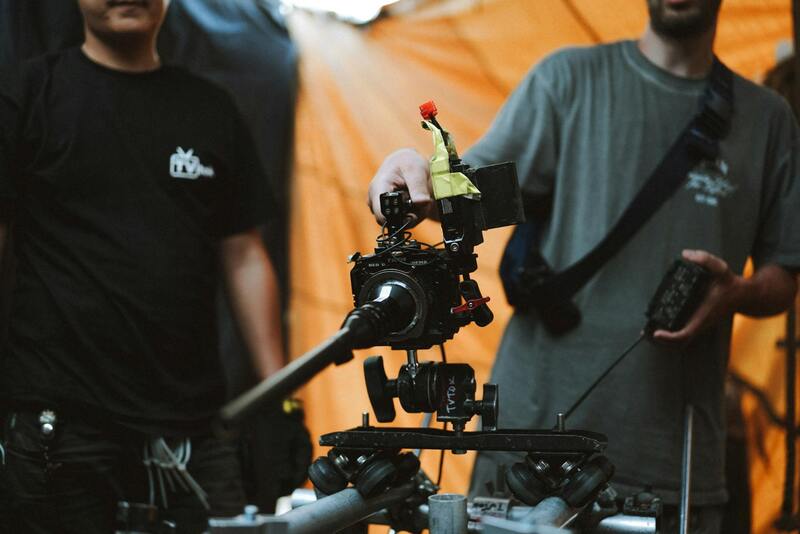
Role and Responsibilities of a Live Stream Videographer
A live stream videographer plays an essential role in ensuring that live video content is captured and broadcasted seamlessly, providing an engaging experience for viewers. Their primary responsibility is to produce high-quality footage that accurately represents the event, whether it’s a corporate meeting, concert, wedding, or special occasion. This requires a keen eye for detail, technical expertise, and the ability to adapt quickly to dynamic environments.
The task begins with thorough preparation, which involves understanding the event’s scope, layout, and key moments to capture. During the event, the videographer operates professional-grade camera equipment to record live footage, often managing multiple camera angles to add depth and professionalism to the broadcast. They also monitor the audio quality, ensuring clear sound for the live audience and online viewers.
Managing the live broadcast involves working closely with technical teams to coordinate streaming platforms, troubleshoot technical issues, and maintain a stable internet connection. A proficient live stream videographer needs to be skilled in switching between different camera feeds, adjusting focus and framing on the fly, and controlling visual effects that enhance the overall viewing experience. Their role extends beyond shooting, often including real-time editing and switching between shots to keep viewers engaged with a polished, professional presentation.
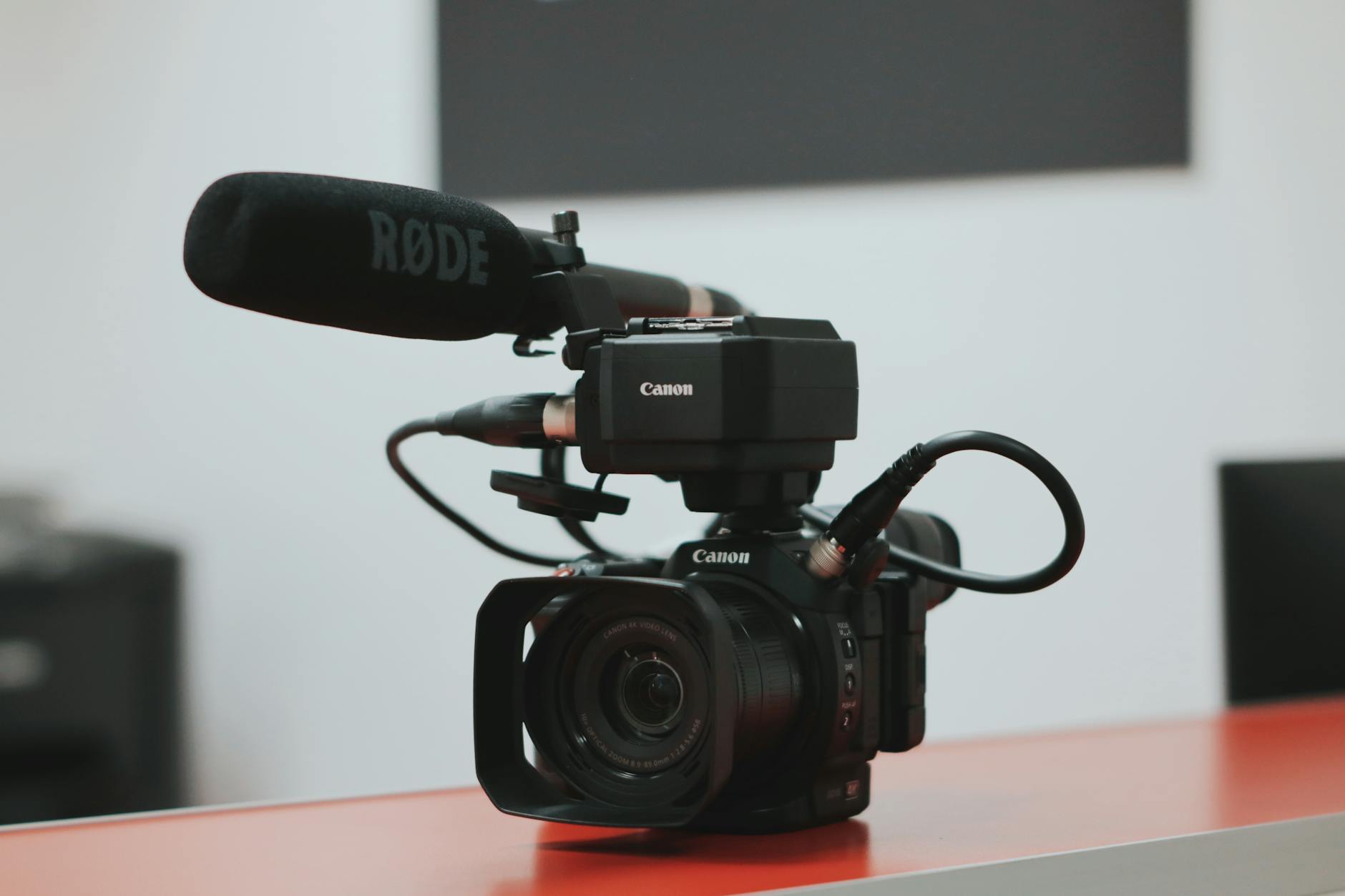
Successful live stream videographers are also responsible for pre-event setup, which involves testing equipment, setting camera angles, and coordinating with event organizers to ensure all critical moments are covered. The ability to remain adaptable, troubleshoot unexpected issues swiftly, and deliver a polished live broadcast is what distinguishes experienced professionals in this field.
Types of Events and Content Covered
Live stream videographers serve a broad spectrum of events, each with unique requirements and challenges. Corporate webinars and product launches demand clear visuals and professional production quality to reflect brand image effectively. Live concerts and performances require capturing dynamic movements and ambient sounds, often with multiple camera angles to showcase performers and audience reactions.
Weddings and personal celebrations benefit from a warm, engaging style that captures emotional moments and interactions. Educational seminars, religious services, and charity events also rely heavily on live streaming to reach broader audiences, necessitating a clear focus on both visual composition and seamless delivery.
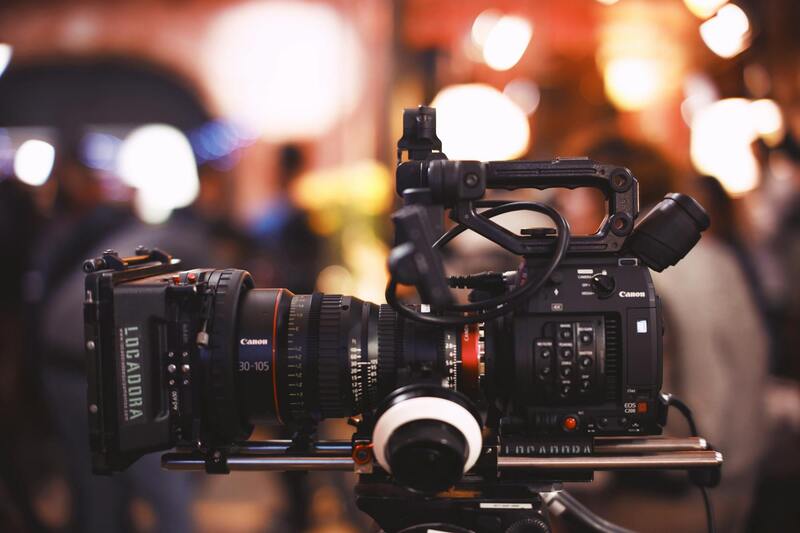
In each case, the live stream videographer must adapt their approach to match the event’s nature, audience expectations, and logistical considerations. This versatility, combined with technical mastery, ensures the content is broadcast with professionalism and reliability, from small intimate gatherings to large-scale public events.
Essential Equipment and Technology for Live Stream Videographers
Successful live streaming hinges on the deployment of cutting-edge equipment and reliable technology. A live stream videographer must be proficient with a variety of high-quality tools to produce seamless broadcasts that meet professional standards.
Central to this setup are multiple high-definition cameras capable of capturing dynamic movements and different perspectives. These cameras should be connected to a robust video switcher that allows switching between feeds effortlessly, ensuring a cinematic quality that keeps viewers engaged. Additionally, high-lumen cameras are essential for environments with variable lighting conditions, such as concerts or performances, guaranteeing clear visuals regardless of ambient light.
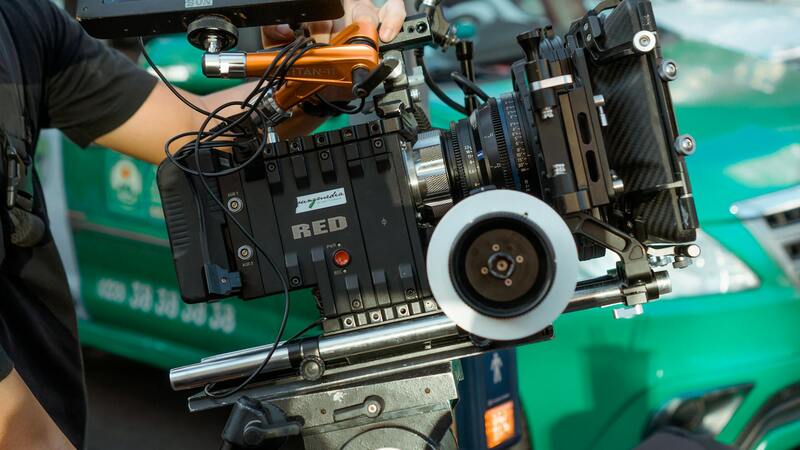
Audio quality plays a pivotal role in live streaming. High-fidelity microphones—both wireless and wired—should be used to capture clear sound from speakers, performers, and ambient environments. An external audio mixer is often necessary to balance multiple audio sources and prevent sound distortions or delays.
Stable internet connectivity is fundamental to avoid interruptions or buffering during broadcasts. Live stream videographers typically rely on dedicated fiber-optic lines or high-speed wireless solutions equipped with fail-safe measures such as backup internet options. Routers with dual-band capabilities and load balancing further enhance data transfer stability.
For data encoding and streaming, professional-grade hardware encoders or software solutions are employed. These tools compress the live feed efficiently while maintaining high quality, and are integrated with platforms or servers capable of managing large viewer numbers. Monitoring tools are also vital for real-time diagnostics, ensuring that audio levels, video feeds, and stream stability remain optimal throughout the event.
Additional accessories include lighting equipment to enhance visibility and visual aesthetics, especially in low-light settings. Tripods, gimbals, and stabilizers facilitate smooth camera movements, contributing to professional production values. Cables and power supplies must be carefully managed to prevent technical failures during live broadcasts.
Adopting the latest in streaming technology—such as 4K cameras, cloud-based streaming platforms, and real-time analytics—can significantly improve broadcast quality and viewer engagement. A seasoned live stream videographer understands how to select and utilize the appropriate equipment based on the event’s scope and logistical considerations, ensuring a reliable and visually compelling live experience.
Role and Responsibilities of a Live Stream Videographer
A live stream videographer plays an integral role in ensuring the successful broadcast of events to a remote audience. Their primary responsibilities include operating high-end video equipment, managing live feed encoding, and coordinating with event organizers and technical teams. These professionals are tasked with capturing event footage from multiple angles, often utilizing various cameras to provide dynamic and engaging content. During the event, the live stream videographer continuously monitors audio and video signals, making real-time adjustments to maintain optimal quality and stability. They are also responsible for troubleshooting technical issues swiftly, such as signal drops, audio mismatches, or visual artifacts, to minimize disruptions. The ability to switch seamlessly between camera feeds, apply real-time graphics or overlays, and ensure synchronization across all elements is crucial. Additionally, they manage the feed for smooth transmission, leveraging advanced hardware encoders and streaming platforms that are compatible with high viewer loads. Effective communication and planning are vital, as the videographer collaborates with event coordinators, hosts, and other production professionals to align on the event's visual and technical requirements. Their role extends beyond mere operation; they must anticipate potential problems and implement fail-safe measures such as backup internet connections, redundant hardware, and detailed contingency plans to guarantee a consistent broadcast experience. The professional live stream videographer’s expertise not only captures the event visually but also elevates it through careful composition, lighting, and real-time decision-making, establishing a compelling virtual presence that resonates with audiences.
Types of Events and Content Covered
Live stream videographers cater to a diverse range of events, tailoring their approach and equipment to suit each occasion. Among the most common events are corporate conferences, where professional-grade audio-visual setups are essential for capturing keynotes, panels, and breakout sessions. These streams often include multiple camera angles, slide integrations, and real-time Q&A interactions to engage remote viewers. Special events such as weddings and social gatherings demand a focus on capturing spontaneous moments as well as curated shots that tell a story. Here, mobility, unobtrusive camera work, and excellent lighting are critical to produce heartfelt and visually appealing content. Religious ceremonies, community events, and charity functions also benefit from live streaming, allowing wider audiences to participate virtually. These broadcasts require adaptability to various environments, often with limited lighting options and unpredictable acoustic conditions. In the realm of entertainment, live music concerts, theater performances, and sports competitions leverage high-definition cameras, slow-motion capabilities, and instant replays to deliver an immersive experience. Broadcast quality, combined with expert editing and overlay graphics, helps convey the event’s energy and atmosphere to viewers who are unable to attend physically. Educational webinars, workshops, and training sessions have also become prominent, emphasizing clarity in audiovisual delivery. The videographer ensures that content remains accessible and engaging, often integrating interactive elements like live polls or chat feeds.
Role and Responsibilities of a Live Stream Videographer
A live stream videographer is instrumental in translating live events into high-quality digital broadcasts that reach remote audiences effectively. Their core responsibilities revolve around comprehensive planning, meticulous technical setup, and real-time operation during the broadcast. This includes determining the optimal camera angles, managing live audio feeds, and ensuring seamless integration of visual elements such as overlays, graphics, and captions. They are also responsible for troubleshooting any technical issues promptly to avoid disruptions, maintaining clear communication with clients and event organizers, and adhering to the scheduled timeline to ensure punctual delivery of content.
In addition to the technical roles, a live stream videographer often collaborates with content creators, on-site technicians, and event coordinators to align the broadcast with the event’s goals. Their presence demands a keen eye for detail, as they must be adaptable to changing circumstances and unpredictable challenges, such as lighting variations, acoustic interference, or unforeseen technical glitches. The ability to operate multiple cameras and integrate various systems—such as switchers, encoders, and streaming platforms—is essential to produce a professional broadcast that meets high standards for clarity, stability, and visual appeal.
Types of Events and Content Covered
Live stream videographers in Miami cater to a diverse array of events, each demanding specific technical approaches to produce engaging content. Corporate events, such as conferences, seminars, and product launches, are some of the most common, requiring multi-camera setups, high-quality audio, and real-time graphics to enhance viewer understanding and interaction. These streams often involve multiple presenters and complex visuals that benefit from professional switching and editing during the event.
Social and personal occasions like weddings, birthdays, or community celebrations focus on capturing candid moments and storytelling elements. These events require mobility, discreet camera work, and excellent lighting to preserve the atmosphere and emotions, often with minimal equipment logistics.
Religious and charity functions leverage live streaming to broaden outreach, demanding flexible setups suited for various environments, sometimes with challenging lighting or acoustics. The goal is to enable a virtual audience to participate fully, which requires careful sound management and adaptable camera positioning.
Entertainment-focused broadcasts, including live music concerts, theater performances, and sports competitions, utilize specialized equipment such as high-definition cameras, slow-motion capture, and instant replay features to deliver an immersive viewing experience. These productions often incorporate dynamic overlays, scoreboards, and real-time commentary to convey excitement and keep viewers engaged.
Educational sessions like webinars, workshops, and training modules emphasize audiovisual clarity and accessibility. In such projects, a videographer ensures that visuals support the teaching objectives, often incorporating interactive components like chat feeds or live polling to promote engagement and feedback loops.
Planning and Coordination for Live Streaming Events
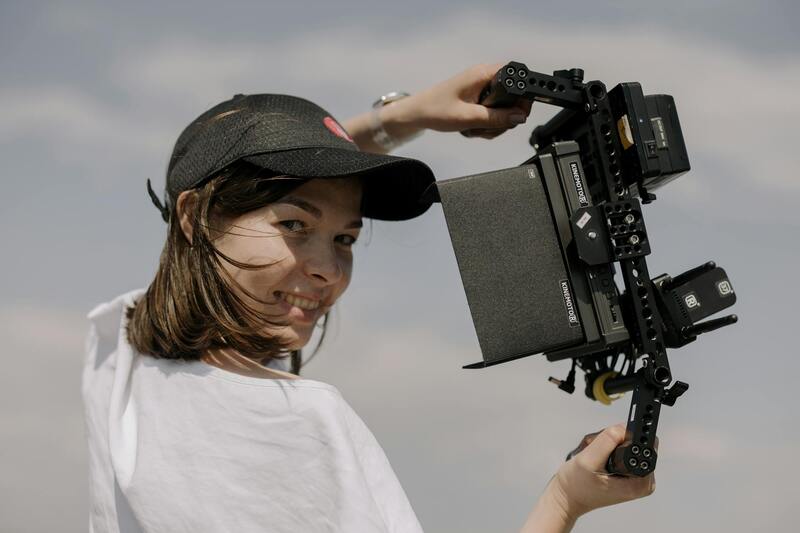
Effective live streaming begins well before the event starts. Detailed planning involves site assessments to evaluate lighting conditions, acoustics, and available power sources. Coordination with event organizers ensures that the schedule aligns with technical setups, including camera placements, audio points, and internet connectivity.
Technical setup encompasses testing equipment, configuring streaming hardware, and establishing backup systems to prevent interruptions. The videographer collaborates with on-site technicians to address potential challenges, such as unstable wireless connections or limited space for cameras.
During the event, continuous monitoring of audio and video feeds is crucial. This includes adjusting camera angles, switching between shots for dynamic storytelling, and managing live overlays. Post-event, the recorded footage is often edited for on-demand viewing or promotional use, making initial production quality essential for versatile content repurposing.
Technical Setup and Equipment Calibration
Implementing an optimal live streaming setup requires meticulous calibration of all equipment involved. The live stream videographer ensures that cameras are correctly positioned to capture key moments with clarity and precision, balancing framing, focus, and exposure settings for consistent visual quality throughout the event. Audio equipment, including microphones and mixers, must be tested and configured to deliver clear, natural sound while minimizing background noise and echoes.
Prior to the event, the videographer conducts thorough tests of internet connectivity, preferably through wired connections to reduce latency and buffer issues. If only wireless options are available, advanced network equipment is employed to prioritize streaming traffic and prevent disruptions. Establishing a reliable connection is vital for maintaining uninterrupted streams, especially during critical segments.
Furthermore, live stream videographers utilize monitors and preview screens to observe multiple camera feeds simultaneously, allowing immediate adjustments as needed. Real-time feedback from the production team helps identify any visual or audio discrepancies, enabling swift corrections to preserve broadcast integrity.
Sourcing and Managing Content During Live Broadcasts
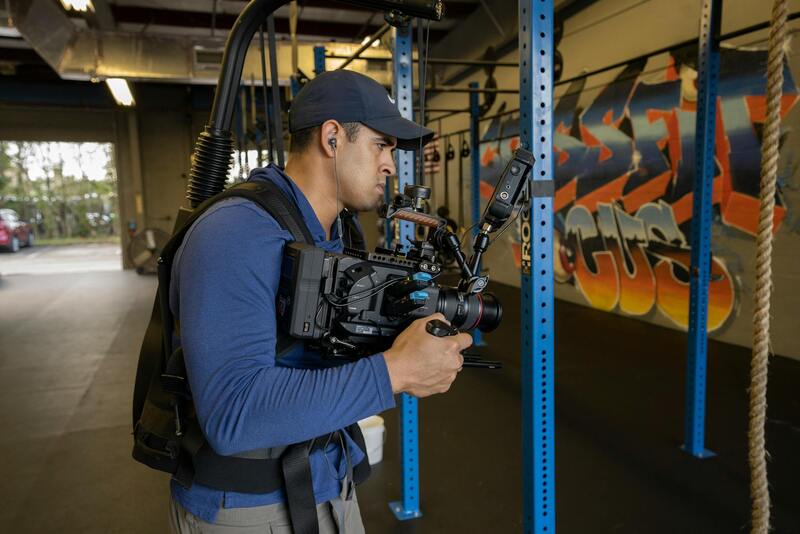
Maintaining engaging content flow during a live broadcast requires strategic source management. The live stream videographer coordinates with on-site personnel and presenters to ensure that all visuals, slides, and multimedia elements are seamlessly integrated into the broadcast. This includes switching between various camera angles, incorporating live graphics, overlays, and real-time annotations to emphasize key points and enhance viewer comprehension.
Effective management involves pre-mapping the content sequence and having contingency plans for unexpected technical issues. The videographer stays alert to changes, reacts promptly to unexpected events, and dynamically adjusts camera shots to capture the most compelling visuals. This proactive approach results in a professional, polished viewing experience that sustains viewer interest.
Post-Event Archiving and Content Repurposing
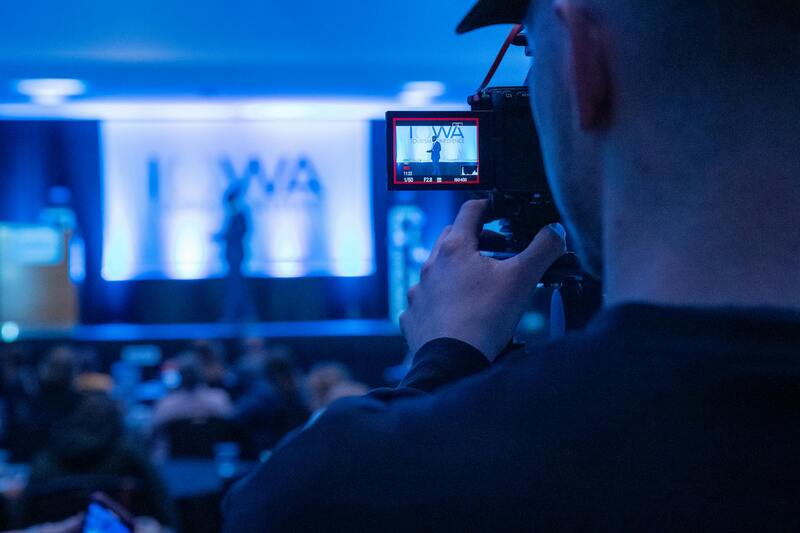
Following completion of the live event, the recorded footage serves multiple purposes. The live stream videographer ensures that high-resolution copies are archived securely for future access or distribution. Post-event editing might involve clipping highlights, adding visual effects, or integrating branding elements to produce promotional materials.
Repurposing content from live streams extends the value of the event, whether for social media snippets, training modules, or promotional campaigns. An efficient workflow during post-production guarantees that footage retains its quality and message clarity. This process relies on professional editing tools and adherence to best practices in digital asset management.
By maintaining a focus on meticulous file organization and quality control, videographers enable clients to leverage live stream recordings effectively, maximizing outreach and engagement long after the event concludes.
Role and Responsibilities of a Live Stream Videographer
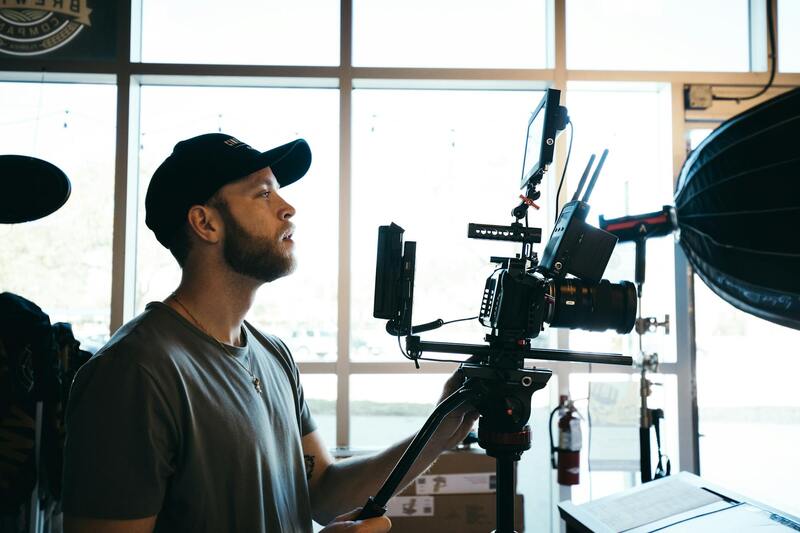
A live stream videographer plays a pivotal role in delivering seamless, professional-quality broadcasts of live events. Their primary responsibility is to operate video equipment efficiently, ensuring that every shot captures the intended moment with clarity and precision. They are tasked with setting up cameras, managing camera angles, adjusting focus, and controlling camera movements to provide a dynamic viewing experience. This requires a deep understanding of how to use various types of video equipment and the ability to adapt swiftly to changing conditions during a live event.
Beyond technical operation, the videographer collaborates closely with event organizers, directors, and technical teams to align the visual content with the event’s objectives. They develop a detailed plan for camera placement and shot selection, often in pre-event meetings, to anticipate key moments and ensure optimal coverage. During the event, they monitor all technical aspects, including lighting, audio synchronization, and live switching, to prevent any interruptions or degradations in video quality.
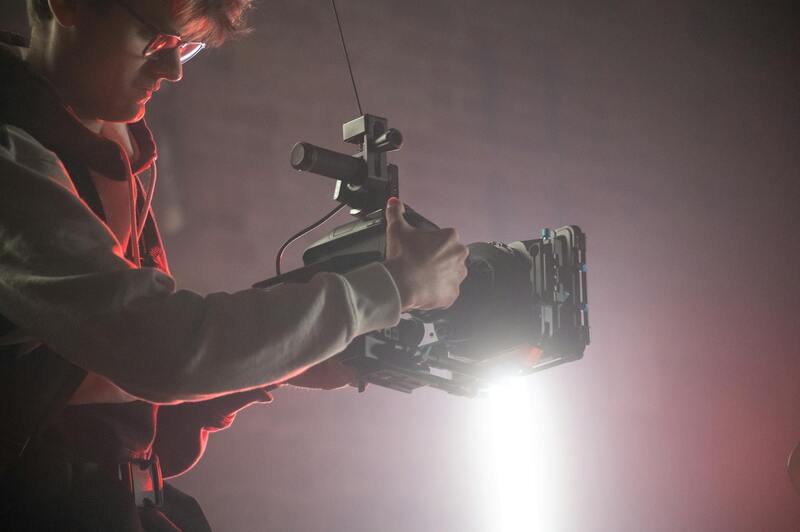
Additionally, managing live feeds involves handling multiple cameras, switching between different angles, and integrating graphics or overlays as needed. This real-time decision-making ensures a polished and engaging broadcast. Post-event, the videographer is responsible for securely archiving the raw footage, evaluating the stream’s technical performance, and providing valuable insights for future events.
Types of Events and Content Covered
Live stream videographers serve a diverse array of events, each requiring tailored approaches and techniques. Corporate seminars, product launches, and business conferences benefit from professional videography that captures keynote speeches, panel discussions, and audience interactions. These streams often emphasize branding, clear visuals, and robust audio to communicate messages effectively.
Live coverage of concerts, award ceremonies, and entertainment shows demands high-quality visuals that convey the atmosphere and energy of the event. Special attention is given to capturing performer details, audience reactions, and stage effects to produce a compelling viewing experience across platforms.
Educational and training sessions, webinars, and religious services also fall under the scope of professional live streaming. Clarity and stability are crucial here to ensure that content is easily accessible and engaging for viewers. Sports events, whether local or professional, require fast-paced camera movements, instant switching, and often multiple feeds to offer comprehensive coverage of the action.
Essential Equipment and Technology
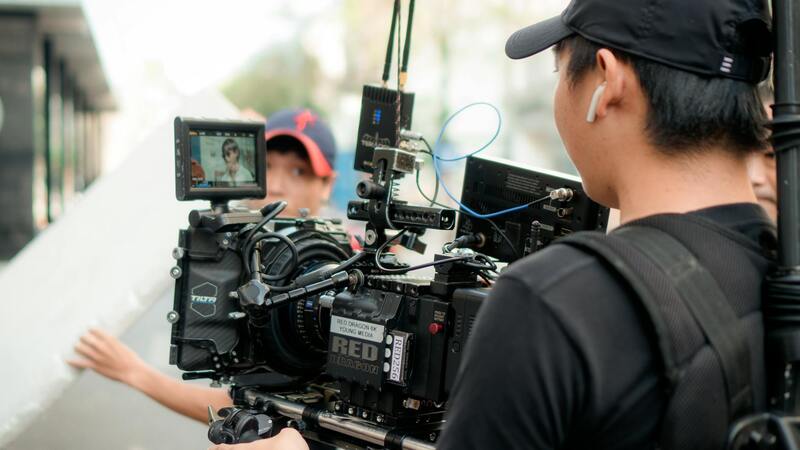
Producing high-caliber live streams necessitates a robust array of equipment and technology. Central to this setup are high-definition cameras capable of capturing crisp, detailed video. Depending on the event size and scope, a combination of fixed-position cameras, robotic cameras, and handheld units might be employed. These options provide flexibility and varied perspectives vital for engaging content.
Video switchers or live production software serve as the command center for managing multiple feeds, overlay graphics, and transitions in real-time. Reliable audio equipment, including wireless microphones and mixers, ensures sound quality remains consistent and synchronized with the visuals. Furthermore, a strong, stable internet connection is fundamental to prevent buffering, lag, or disconnections, especially when streaming to multiple platforms simultaneously.
Additional tech setups include professional lighting rigs to optimize visual clarity, backup power sources to maintain operation during outages, and monitoring tools for live feedback on stream quality. These components collectively contribute to the production's resilience and professionalism.
Planning and Coordination for Live Streaming Events
Successful live streaming relies heavily on meticulous planning and seamless coordination between all involved parties. The process begins with a comprehensive pre-event strategy, involving site assessments to understand the technical environment and logistical constraints. The videography team collaborates with event organizers to identify critical moments that necessitate focused coverage and to establish the desired visual style.
Technical rehearsals are conducted to troubleshoot potential issues and familiarize the team with event flow. During these rehearsals, camera positions, audio setups, and streaming configurations are tested, allowing adjustments to be made proactively. Creating a detailed shooting script or shot list is also instrumental, as it guides camera operators on where to focus during specific segments.
On the day of the event, real-time communication with the event coordinators and technical team ensures that any unforeseen changes are addressed swiftly. A well-coordinated plan minimizes disruptions and guarantees that crucial moments are captured with the highest quality. When combined with contingency planning for connectivity issues or equipment failures, this systematic approach enhances reliability and overall audience experience.
Role and Responsibilities of a Live Stream Videographer
A live stream videographer plays a critical role in capturing real-time footage of events, ensuring seamless transmission to remote audiences. Their responsibilities extend beyond simple filming; they are tasked with managing multiple technical elements that contribute to a smooth viewing experience. This includes operating complex camera equipment, monitoring audio quality, and adjusting settings on the fly to adapt to changing lighting and environmental conditions. Additionally, they coordinate with other technical staff to synchronize visual and audio components, maintaining consistent framing and focus throughout the event.
An effective live stream videographer must possess a keen eye for detail and an understanding of live broadcasting workflows. They are responsible for setting up and testing all equipment hours before the event, ensuring that all systems are operational and capable of handling the streaming load. During the event, they continuously monitor the video feed to identify and correct any issues, such as dropouts, freezing, or audio sync problems, in real time. Post-event responsibilities may include reviewing footage for highlights or creating recordings for later viewing, which adds value for clients seeking to extend their content reach.
Types of Events and Content Covered
- Corporate conferences and seminars focusing on industry insights and business updates.
- Live concerts and music festivals capturing performances for streaming audiences worldwide.
- Weddings and private celebrations providing intimate coverage for remote family and friends.
- Educational webinars and virtual classrooms facilitating interactive learning experiences.
- Religious services broadcasting sermons and community events to wider congregations.
- Sports events, including local matches or competitions, for fans unable to attend in person.
Essential Equipment and Technology
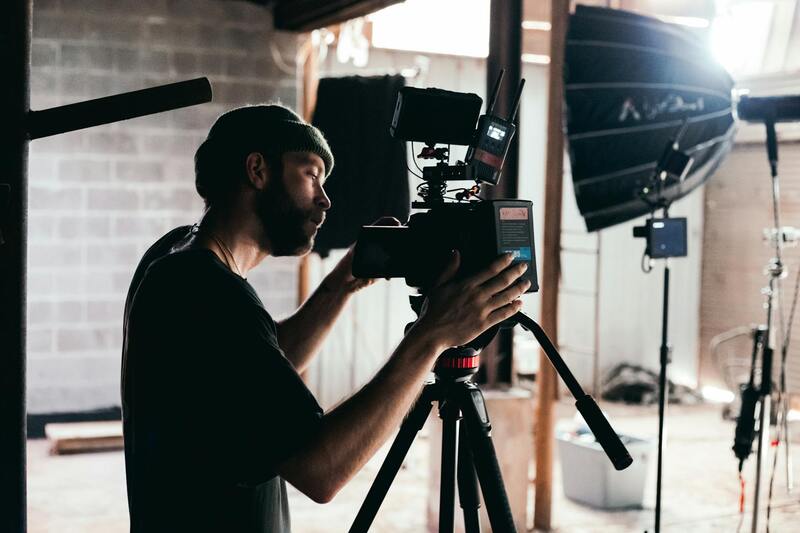
The backbone of professional live streaming is advanced equipment that guarantees high-quality output and reliability. Key components include multiple high-definition cameras capable of capturing different angles and dynamic scenes. Wireless and wired microphones ensure crisp audio, with mixers managing sound levels for optimal clarity. Video switchers or switcher software enable seamless transitions between camera feeds, enhancing the production’s visual flow.
Connectivity is equally important. Reliable internet connections via bonded cellular networks, fiber optic lines, or dedicated streaming hardware prevent interruptions and maintain a stable stream. Live encoding hardware or software, such as streaming encoders, compress and transmit video data efficiently to online platforms. Additional tools like video monitors, audio interfaces, and backup power supplies (UPS) are used to support operational stability throughout the event.
Planning and Coordination for Live Streaming Events
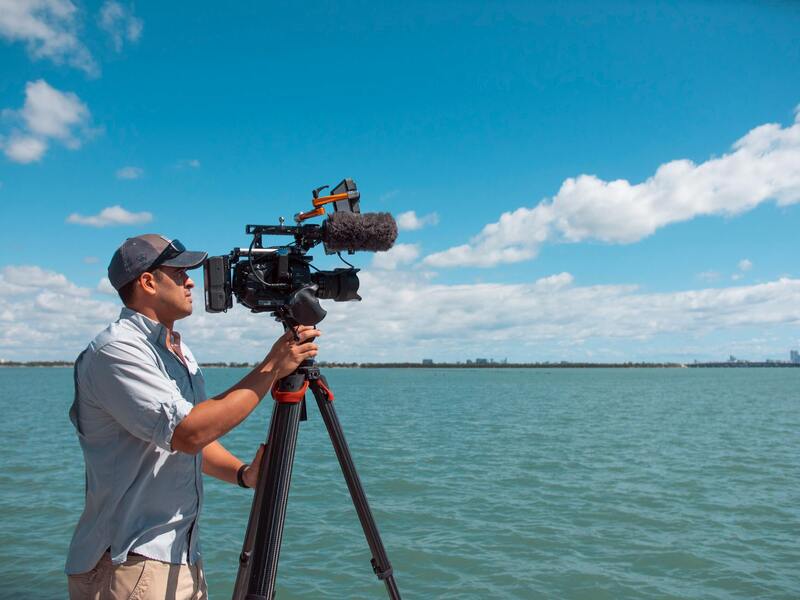
Thorough planning and coordination are fundamental to successful live streaming. The process involves several phases, beginning with pre-event assessments where the technical environment, including internet bandwidth, power sources, and physical setup, is evaluated. Collaborating closely with event organizers allows the videography team to understand the flow of proceedings and identify the key moments that demand detailed coverage.
Technical rehearsals are scheduled to test all equipment and streaming connections, reducing the risk of unforeseen issues during the actual event. Creating detailed shot lists and communication protocols ensures all team members are aligned on camera angles, audio levels, and streaming cues. On the day of the event, real-time communication channels between camera operators, technical coordinators, and event staff facilitate swift responses to any disruptions. This systematic approach helps maintain a polished, high-quality broadcast environment, even under challenging conditions.
Benefits of Hiring a Professional Live Stream Videographer in Miami
Partnering with a seasoned live stream videographer in Miami provides access to expertise that guarantees professional results. Local professionals understand the regional connectivity infrastructure and can recommend optimal streaming solutions tailored to the specific venue. Their familiarity with Miami’s diverse event spaces allows for efficient setup and adaptability to various environments. Additionally, experienced videographers adhere to industry standards for production quality, ensuring consistent framing, clear audio, and smooth transitions that enhance viewer engagement. By leveraging their technical skills and local knowledge, clients receive reliable, high-caliber live streaming services that elevate their event’s visibility and impact.
Role and Responsibilities of a Live Stream Videographer
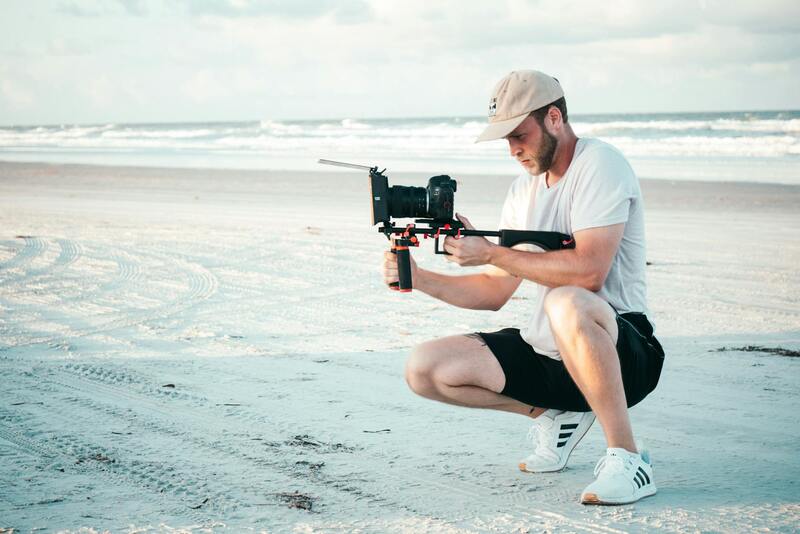
A live stream videographer is integral to delivering seamless real-time video coverage of events, requiring a combination of technical expertise, artistic vision, and logistical coordination. Their primary responsibilities include setting up and operating professional-grade cameras, managing audio devices, and utilizing streaming software to broadcast content efficiently. They are also tasked with ensuring appropriate framing, lighting, and audio quality to produce a compelling viewing experience that captures the essence of the event.
Beyond technical execution, a live stream videographer must coordinate closely with event organizers, technical staff, and other vendors to ascertain specific coverage requirements and schedule precise shot sequences. During the live broadcast, they monitor streaming stability, troubleshoot issues promptly, and coordinate transitions such as switching camera angles or overlaying graphics. Their vigilance ensures the broadcast remains uninterrupted and visually engaging from start to finish. Throughout the process, they maintain detailed documentation, such as camera logs and technical reports, which aids in post-event analysis and future improvements.
Types of Events and Content Covered
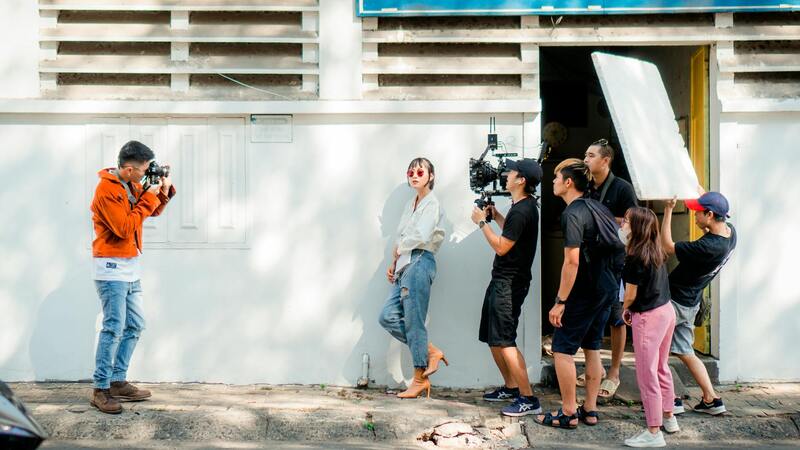
Live stream videographers support a broad spectrum of events across Miami, including corporate conferences, sports tournaments, musical performances, religious services, and community celebrations. Their expertise extends to capturing keynote speeches, panel discussions, performances, and special ceremonies, ensuring real-time delivery that engages remote audiences.
In addition to live events, they facilitate content for webinars, product launches, and virtual tours. This versatility demands a comprehensive understanding of different event dynamics and audience engagement strategies. The content coverage varies based on the event’s objectives—be it promotional, educational, or entertainment-focused—requiring customized camera placement, audio configurations, and graphic overlays to enhance visual storytelling and audience interaction.
Essential Equipment and Technology
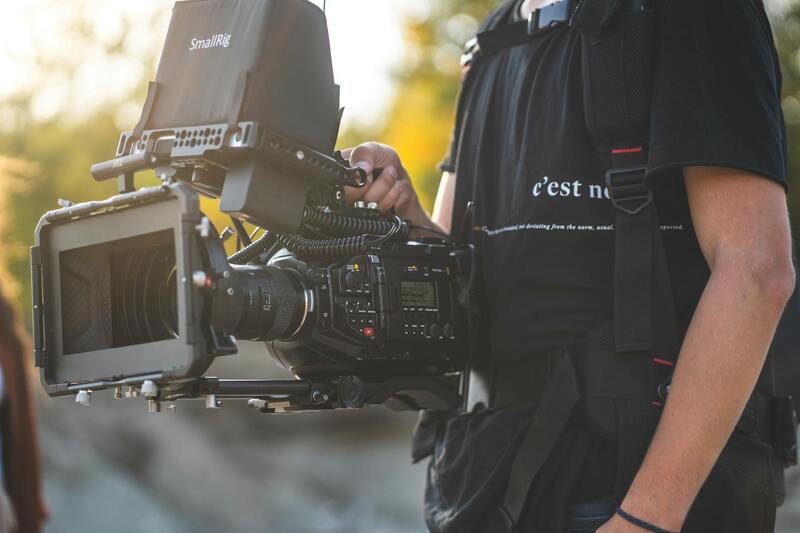
Producing high-quality live streams hinges on utilizing state-of-the-art equipment to ensure reliability and clarity. Key tools include multiple high-definition cameras capable of delivering crisp visuals in various lighting conditions. Camera controllers, such as robotic or pan/tilt/zoom devices, allow for dynamic coverage with minimal manual operation. Audio gear, including wireless microphones, mixers, and speakers, guarantees clear sound delivery, which is critical for maintaining viewer attention.
Complementing hardware, robust streaming platforms and hardware encoders facilitate a stable broadcast that can handle high data transfer rates. Redundant internet connections, like primary fiber-optic lines and backup LTE networks, prevent interruptions. Software solutions for switching between camera feeds, adding overlays, and integrating graphics are also vital—offering a professional, engaging broadcast that resonates with viewers.
Planning and Coordination for Live Streaming Events
Successful live streams are the result of meticulous planning and communication. Initial consultations involve understanding the event's purpose, layout, audience expectations, and technical requirements. Creating detailed shot lists and camera placement plans ensures comprehensive coverage, emphasizing focal points and key moments.
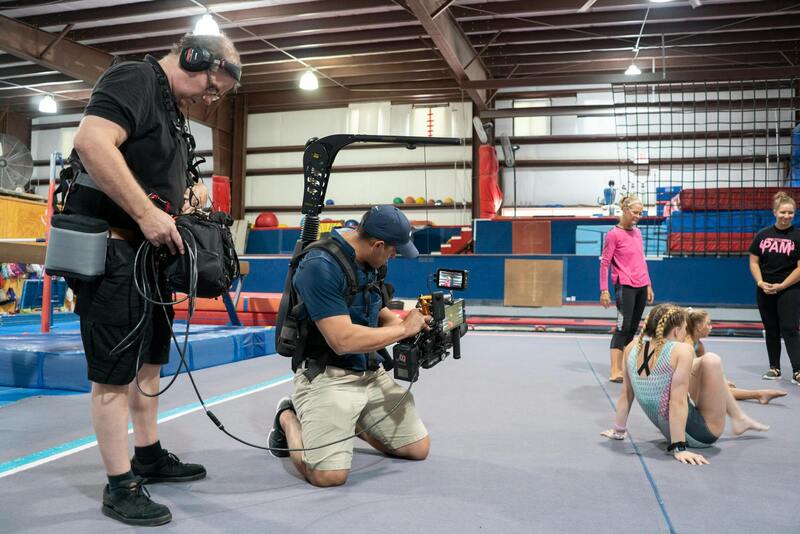
Effective coordination involves scheduling pre-event rehearsals, which allow testing of equipment, internet speeds, and streaming logistics. During these rehearsals, potential issues are identified and addressed proactively. Clear communication channels between crew members, including headsets and instant messaging, are established to facilitate real-time coordination. Assigning specific roles such as camera operators, technical directors, and on-screen talent helps streamline operations and respond swiftly to on-the-fly adjustments during the event.
Best Practices for Producing High-Quality Live Streams
To ensure a professional broadcast, several industry best practices are universally adopted. Proper camera angles and consistent framing are fundamental—using multi-camera setups to capture different perspectives creates a dynamic viewing experience. Lighting is adjusted to enhance visibility and reduce shadows, particularly in indoor environments. Sound checks prior to the event mitigate audio issues, while using directional microphones minimizes background noise.
Stream stability is maintained through prioritized internet connections and real-time monitoring dashboards that alert operators to potential issues. Transition effects, graphic overlays, and lower thirds should be used judiciously to add context without distracting from the main content. Quality control involves continuous assessment of video and audio feeds to promptly catch and correct any anomalies. Post-broadcast, reviewing the recorded stream provides insights that refine future live coverage efforts.
Challenges and Solutions in Live Streaming
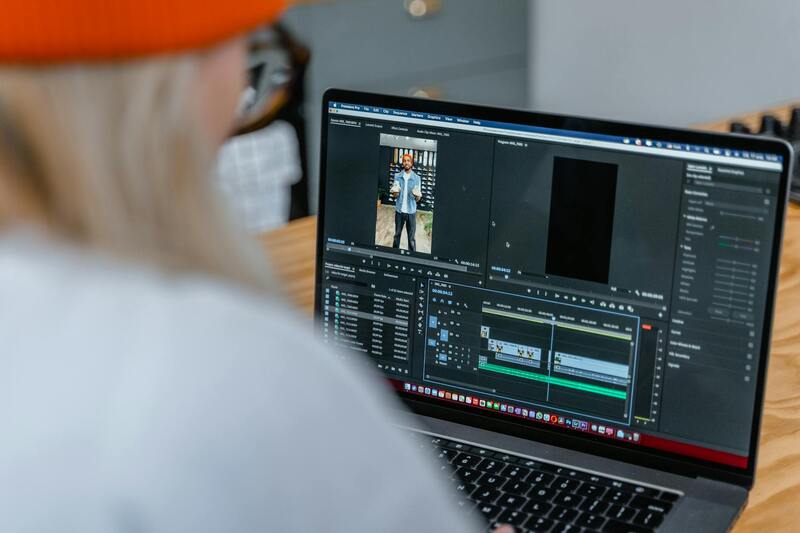
Live streaming intricately involves managing unpredictable factors such as internet disruptions, hardware malfunctions, and environmental conditions. A common challenge is ensuring a stable internet connection—redundant networks and high-capacity encoders help mitigate related risks. Weather or venue-related lighting issues require adaptable lighting equipment and quick adjustments to camera settings.
In cases of technical failures, having a well-practiced contingency plan is crucial. Backup equipment, such as additional cameras and audio devices, can be swapped swiftly, while alternative streaming links prevent complete broadcast loss. To address high-pressure situations, clarity in communication and predefined protocols enable the crew to respond effectively, maintaining a seamless live experience despite adversity.
Benefits of Hiring a Professional Live Stream Videographer in Miami
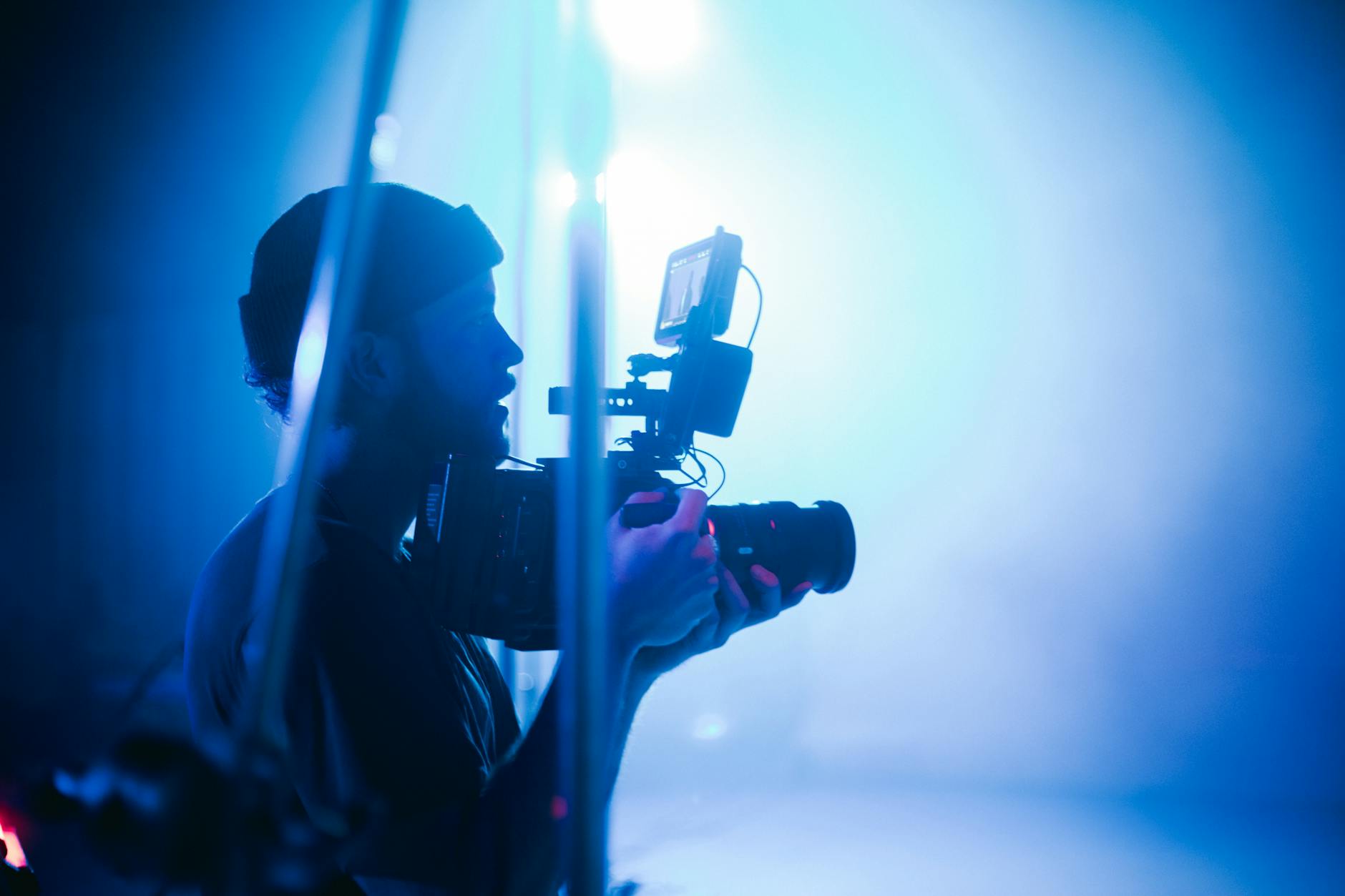
Engaging a skilled live stream videographer ensures that your event’s digital presentation is executed with precision and professionalism. Local experts possess an acute understanding of Miami’s diverse event venues, optimal connectivity options, and regional logistical considerations. Their familiarity with the city’s infrastructure facilitates efficient setup and reliable streaming, even in complex settings.
Furthermore, professional videographers bring an array of advanced equipment and technical acumen that significantly elevate stream quality. Their experience in managing different event types—from intimate seminars to large festivals—translates into a smooth, high-impact broadcast that sustains viewer interest. Clients benefit from tailored solutions that align with their branding and communication goals, ensuring their message reaches remote audiences with clarity and visual appeal. Their strategic approach minimizes disruptions, maximizes production value, and extends the event’s reach beyond physical attendance.