Overview of Live Streaming Event Services
Live streaming event companies offer comprehensive solutions to broadcast events in real-time over the internet, ensuring that audiences can participate remotely with high-quality audio and visual experiences. These services encompass a wide range of offerings, including high-definition video production, multi-camera setups, professional audio management, and real-time editing. In Miami, a vibrant hub for diverse events, live streaming providers leverage advanced technology to reach local, national, and global audiences seamlessly.
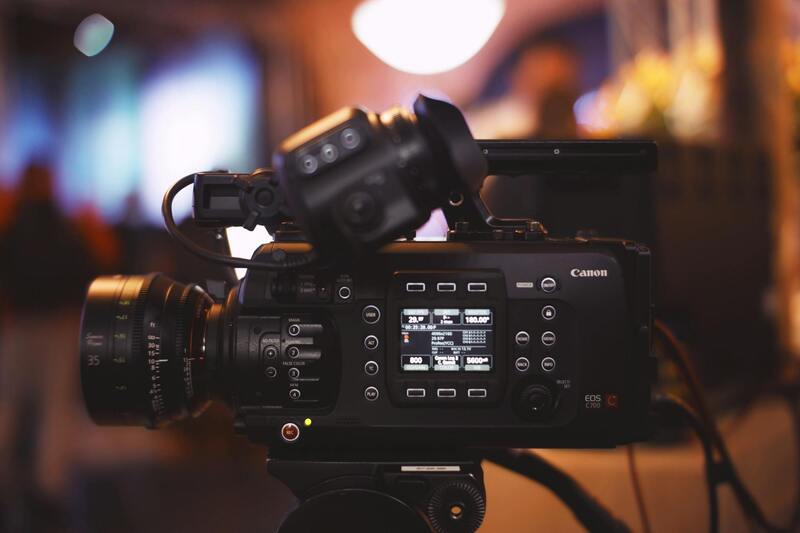
Modern live streaming solutions employ a combination of hardware and software, such as broadcast-quality cameras, encoders, and streaming platforms that support multiple protocols and formats. This ensures minimal latency, reliable transmission, and excellent picture quality. Many companies also provide supplemental services like graphical overlays, live chat integration, and simultaneous multi-platform broadcasting, expanding the reach and engagement level of each event.
Beyond the core streaming process, these companies typically handle equipment setup, network testing, and on-site technical support. Their expertise ensures every aspect of the broadcast runs smoothly, from pre-event rehearsals to post-event analytics. This integrated approach is essential for large-scale events such as corporate conferences, live concerts, sporting competitions, or religious gatherings held within Miami's dynamic event landscape.
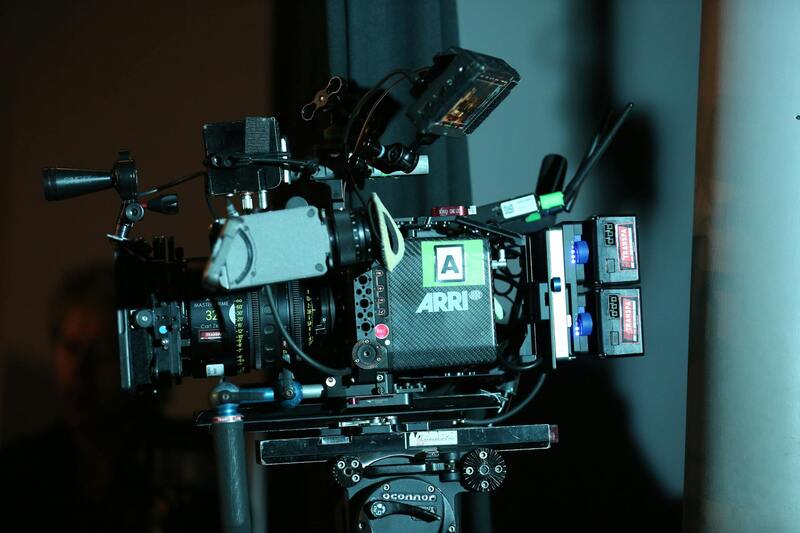
Choosing the right live streaming event company involves evaluating their technical capabilities, experience in managing events similar to yours, and their ability to customize services to meet specific needs. Given Miami's diverse event scene, providers often tailor their offerings to accommodate different scales and types of gatherings, from intimate workshops to large-scale festivals. Employing scalable solutions, they ensure optimal performance regardless of the event’s size or complexity, making professional live streaming an essential element in contemporary event planning.
Technical Aspects of Live Streaming Services
Implementing a successful live streaming event requires meticulous attention to technical details that ensure seamless broadcast quality. A reputable live streaming event company leverages advanced hardware and software solutions to deliver crisp visuals and stable audio. Central to this process are high-definition broadcast cameras capable of capturing every detail, coupled with professional-grade encoders that convert raw footage into suitable formats for streaming. These encoders often support a variety of protocols, including RTMP, HLS, and MPEG-DASH, enabling transmission across multiple platforms simultaneously.
Network infrastructure plays a crucial role; stable high-speed internet connections are essential to prevent interruptions or buffering issues. Many providers conduct thorough network testing prior to the event, adjusting configurations to optimize bandwidth usage and mitigate potential disruptions. Redundant connectivity options, such as backup internet lines, are standard practice to maintain uninterrupted streaming even if primary connections encounter issues.
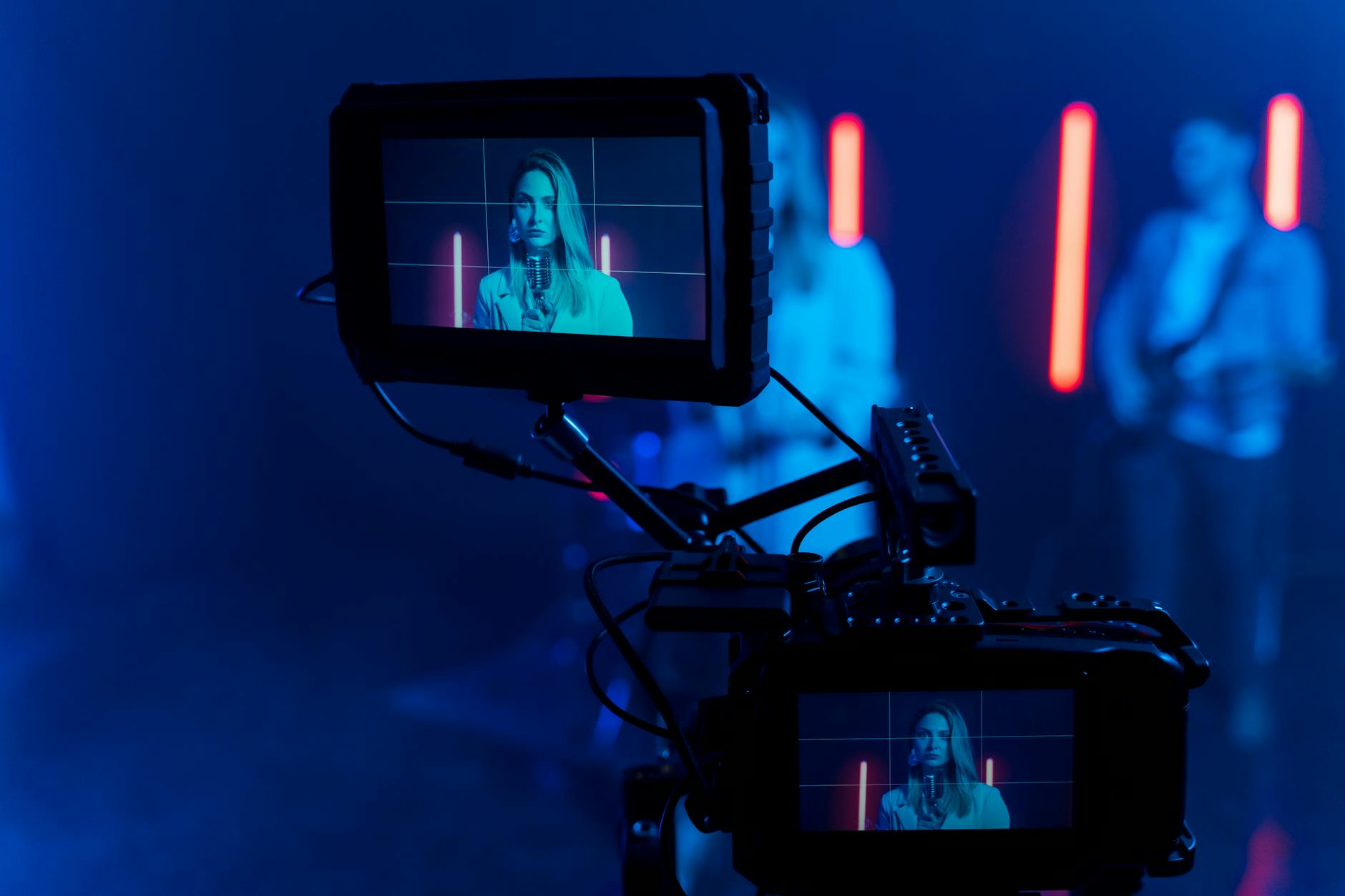
On-site technical support is vital for managing live feeds, troubleshooting equipment, and ensuring real-time adjustments. Technical teams typically oversee equipment calibration, signal flow, and synchronization of audio-visual components. Furthermore, they monitor stream health throughout the broadcast, ready to address any glitches instantly.
Supplemental features such as graphical overlays, including logos or dynamic lower-thirds, enhance visual engagement. Live chat integration encourages viewer interaction, creating a more immersive experience. Multi-platform streaming capabilities expand outreach, broadcasting to platforms like YouTube, Facebook, and proprietary apps, thereby maximizing audience engagement.
The sophistication of technology employed by Miami-based providers underscores their ability to manage diverse event requirements—from small corporate meetings to large-scale festivals. Their expertise not only guarantees crystal-clear picture quality and minimal latency but also provides scalability to adapt to varying event sizes and content complexities.
Technical Aspects of Live Streaming Services
Implementing a successful live streaming event hinges on several critical technical elements that ensure a seamless broadcast. Central to this is the selection of high-quality hardware components, including professional-grade cameras, encoders, and switchers, which collectively contribute to crisp visuals and stable signal transmission. The use of multiple camera angles provides dynamic coverage, allowing viewers to experience the event more vividly and engagingly.
Encoders play a pivotal role in converting audio and video signals into digital formats suitable for online transmission. Advanced encoding technologies support adaptive bitrate streaming, which adjusts video quality based on viewers’ internet speeds, minimizing buffering and latency issues. Proper configuration and maintenance of these devices are essential for consistent stream quality.
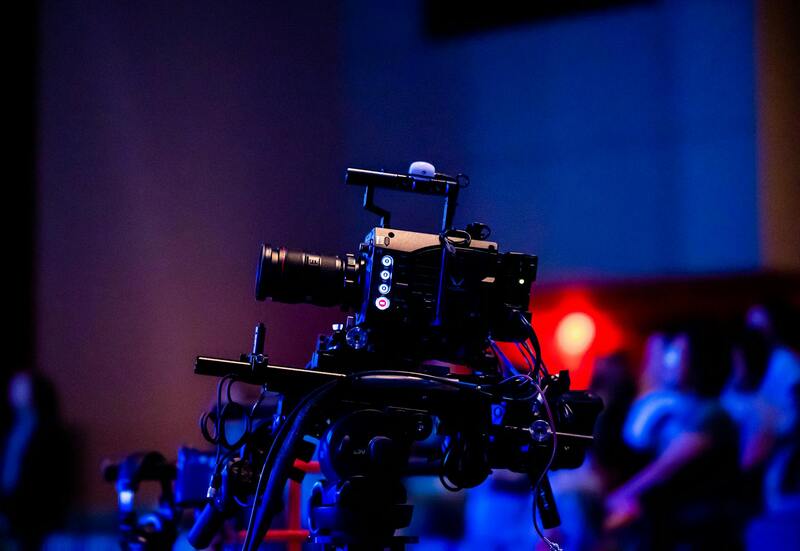
Network infrastructure forms the backbone of any successful live stream. Providers typically utilize dedicated internet connections and multiple redundant lines to prevent disruptions caused by connectivity issues. Load balancing and bandwidth management are employed to distribute network traffic efficiently, dedicating sufficient resources to support high-definition streams without interruption.
Synchronization of audio and visual elements is paramount. Professional audio equipment, such as wireless microphones and mixers, guarantees clear sound quality, while audio-visual synchronization prevents delays that could detract from the viewer experience. Real-time monitoring is crucial for immediate identification of any technical anomalies, allowing operators to make prompt adjustments.
Sharing the event across multiple platforms necessitates multi-streaming capabilities through software solutions or hardware devices that support simultaneous broadcast to social media, streaming platforms, and embedded websites. This widens the audience reach while maintaining consistent quality across each channel.
Implementing graphical overlays, such as banners, logos, or interactive lower-thirds, enhances branding and information dissemination during the event. These overlays are managed via streaming software, enabling smooth integration and customization without affecting stream stability.
Ensuring a professional live streaming experience also involves rigorous pre-event testing. Dry runs help identify potential issues with hardware, software, and network configurations. During the event, real-time quality control monitors the stream’s health, allowing technical teams to address latency, buffer, or synchronization problems immediately.
Incorporating these technical strategies not only guarantees a high-quality broadcast but also reflects the commitment of Miami-based live streaming event companies to producing reliable and engaging virtual experiences. With attention to detail in these areas, organizers can focus on delivering compelling content, trusting that the technical execution will support their core objectives without compromise.
Factors to Consider When Choosing a Live Streaming Company
Selecting the right live streaming event company is integral to ensuring a seamless virtual experience for your audience. It involves evaluating several key factors that impact the quality, reach, and professionalism of your live broadcast. A reputable Miami-based live streaming service provider offers more than just equipment; they bring industry expertise, technical proficiency, and a comprehensive understanding of the latest streaming technologies.
Technical Expertise and Experience
One of the foremost considerations is the provider’s experience in handling various types of live events. An established company should have a proven track record of managing live streams for different event formats, including corporate conferences, entertainment shows, webinars, and social events. Their team should possess a deep understanding of broadcasting standards, troubleshooting protocols, and real-time content management.
Equipment and Technology
The quality of the streaming relies heavily on the state-of-the-art equipment and software used. Top-tier providers utilize professional-grade cameras, encoders, switchers, and backup systems to maintain high-definition quality and minimize disruptions. They also employ multi-platform streaming software capable of distributing content concurrently across social media platforms, dedicated websites, and streaming channels, broadening audience reach without sacrificing quality.
Network Reliability and Bandwidth Capabilities
Stable internet connectivity is fundamental for successful live streaming. Providers should have robust network infrastructure, including dedicated bandwidth and redundant connections, to prevent interruptions. Pre-event network testing and monitoring are crucial for identifying potential issues and implementing contingency plans. Ensuring consistent streaming quality, even during high viewer engagement, depends on these reliable technical foundations.
Customization and Interactive Features
Engagement elements such as graphical overlays, live polls, interactive chats, and branded lower thirds enhance the viewer experience and reinforce branding efforts. The ability of a company to integrate these features smoothly into the stream demonstrates their technical flexibility and commitment to delivering interactive content that resonates with audiences.
Pre-Event Planning and Support
Effective coordination before and during the event minimizes technical hiccups. A competent live streaming partner provides detailed planning consultations, rehearsals, and on-site technical support. They handle everything from setup to post-event review, ensuring a stress-free experience for organizers and a polished presentation for viewers.
Reputation and Client Feedback
Researching client testimonials, case studies, and industry recognition provides insight into their professionalism and reliability. Trusted providers in Miami embrace transparent communication, punctuality, and unwavering quality standards, making them dependable partners in your event planning process.
Technical Aspects of Live Streaming Services
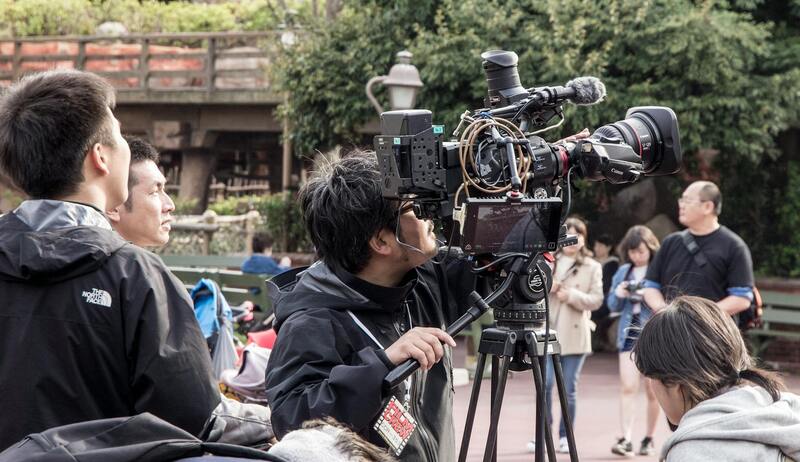
Delivering a high-quality live streaming event relies on a sophisticated blend of technical components that ensure clarity, stability, and viewer engagement. Critical among these are robust bandwidth management, selection of appropriate streaming platforms, multi-camera configurations, and interactive features designed to enhance audience participation.
Bandwidth capacity directly impacts the stream's stability and resolution. Adequate upload speeds are essential for transmitting high-definition video without buffering or interruptions. This requires precise assessment and coordination with internet providers to secure dedicated bandwidth, especially for high-profile or large-scale events with extensive viewership.
Streaming platforms serve as the digital conduit through which content reaches viewers. Choosing a reliable platform that supports multiple streaming protocols, offers scalable server infrastructure, and provides detailed analytics is fundamental. These systems should seamlessly integrate with the event’s technical setup and allow for secure, encrypted transmission, protecting both content and viewer data.
Implementing multi-camera setups provides versatility in shot selection and enriches the viewing experience. Skilled operators can switch between different angles, close-ups, and wide shots to maintain audience interest and dynamism. This approach demands precise coordination and real-time control, often facilitated through professional video mixing and broadcasting software.
Interactivity features such as live polls, chat integrations, branded overlays, and live comment moderation foster a more connected and engaging experience for viewers. When integrated effectively, these tools enhance brand visibility and encourage active participation, turning passive viewers into actively involved attendees.
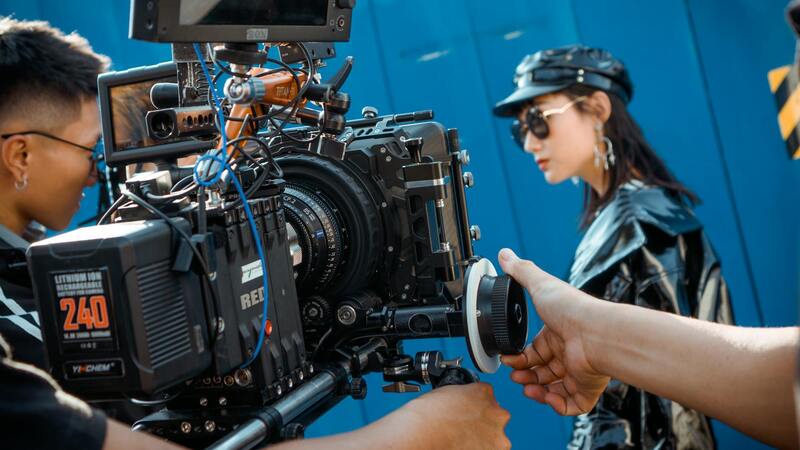
In addition, overlay design, including lower thirds and branding elements, should be meticulously crafted to align with the event’s branding and aesthetic. On-site technical support and thorough pre-event testing are vital to troubleshoot potential issues before the live broadcast, minimizing disruptions and ensuring a smooth stream from start to finish.
The complexities of these technical elements highlight the importance of partnering with experienced professionals who possess a deep understanding of live streaming technology and can tailor solutions to meet specific event needs. Collaboration, detailed planning, and advanced infrastructure are the cornerstones of a successful online event broadcast.
Technical Aspects of Live Streaming Services
Ensuring high-quality live streaming requires a comprehensive understanding of the technical infrastructure involved. This includes selecting the right hardware, such as professional cameras, encoders, and audio equipment, to capture and transmit the event seamlessly. High-definition cameras must be strategically positioned to cover critical angles, providing a dynamic visual experience for viewers. Multi-camera setups allow for a variety of perspectives, enhancing engagement and professionalism.

Encoding hardware is crucial for compressing and transmitting video signals efficiently. Reliable encoders ensure minimal latency and buffering, providing viewers with a smooth viewing experience. Using cloud-based or dedicated streaming servers can bolster stability, particularly for large audiences or high-demand events.
Audio quality typically dictates the overall viewer experience. High-fidelity microphones, mixers, and audio processors are employed to capture live audio clearly and eliminate background noise. Proper audio synchronization with video feeds is essential to maintain viewing immersion.
Broadcasting Platforms and Streaming Protocols
Selecting appropriate streaming platforms like YouTube, Facebook Live, or custom RTMP servers ensures broad reach and compatibility. Each platform offers unique features such as chat integration, analytics, and monetization options, which can be leveraged to maximize engagement and ROI. Implementing adaptive bitrate streaming allows the content to adjust quality based on viewer bandwidth, preventing buffering or lag issues.
Pre-Event Testing and On-Site Support
Rigorous pre-event testing of all technical equipment and internet connections is vital to identify and rectify potential issues before the live broadcast. On-site technical support during the event helps address any unforeseen technical glitches swiftly, minimizing downtime and ensuring a consistent broadcast quality. Real-time monitoring of the stream helps maintain optimal performance throughout.
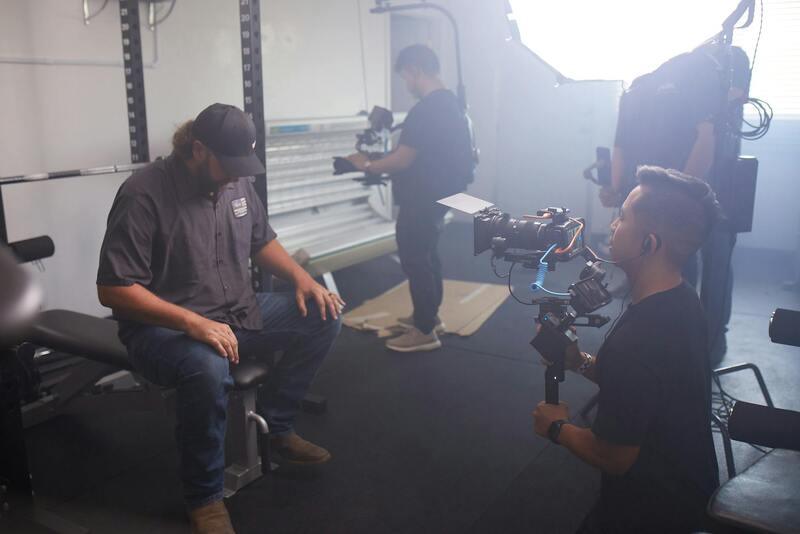
Advanced overlay designs, including lower thirds, branding elements, and interactive graphics, contribute to a professional and visually appealing presentation. These overlays not only reinforce branding but also provide valuable information to viewers, such as speaker names or event schedules.
Furthermore, integrating interactive features like live polls, Q&A sessions, and chat moderation encourages audience interaction and involvement, transforming passive viewers into active participants. These elements require careful planning and technical integration to ensure they enhance, rather than disrupt, the viewing experience.
In essence, partnering with a skilled live streaming event company involves meticulous planning, high-quality equipment, and expert execution. They bring the infrastructure and expertise needed to make the event's digital presence robust, engaging, and successful across all viewing platforms.
Technical Aspects of Live Streaming Services
Executing a successful live streaming event requires a comprehensive understanding of various technical components that ensure seamless delivery. High-quality video production begins with utilizing professional-grade cameras, which capture crisp and clear visuals, vital for engaging your remote audience. These cameras should be capable of streaming in resolutions suitable for different devices, from smartphones to large screens, to optimize viewer experience.
Audio quality stands equally important in transmitting the full impact of an event. Microphones with noise-canceling features and audio mixing equipment help deliver clear, balanced sound, eliminating background noise and ensuring that every speech, performance, or presentation is heard distinctly. Combining high-quality visuals and audio creates an immersive experience that accurately reflects the event’s atmosphere.
Encoding and streaming platforms are the backbone of the live broadcast. Reliable encoding software converts raw footage into optimized digital streams compatible with various platforms and devices. These encoders should support adaptive bitrate streaming, allowing the quality of the video to adjust dynamically based on the viewer's internet speed, ensuring smooth playback without interruptions.
Content delivery networks (CDNs) play a pivotal role in distributing the live stream. They disperse the content across multiple servers worldwide to reduce latency and prevent buffering issues. Employing a reputable CDN guarantees that viewers, regardless of location, receive consistent and high-quality streams.
Connectivity stability is crucial during a live event. A dedicated internet connection with sufficient upload bandwidth minimizes the risk of interruptions. In complex setups, redundant internet sources can be employed to ensure continuous streaming if one connection fails. Network diagnostics and pre-event testing can identify potential issues, allowing technical teams to address them beforehand.
On-site technical support teams monitor the stream in real time, ready to react swiftly to any technical problems. They manage overlay graphics, branding elements, and interactive features such as live polls or chat modules. These enhancements add engagement opportunities and improve overall viewer interaction, making the experience more dynamic and memorable.
Implementing these technical elements with precision ensures that your live streaming event runs smoothly, providing audiences with a professional and engaging viewing experience. Partnering with experienced providers who understand these nuances can significantly reduce hurdles during the event, letting you focus on delivering your content confidently.
Additional Strategies for Successful Live Streaming Events
Beyond selecting an experienced live streaming event company and understanding the technical backbone, there are several strategic considerations to ensure a seamless broadcast. Effective planning and meticulous coordination are essential for delivering a polished, engaging viewing experience that meets the expectations of your audience. Implementing these practices helps establish a professional reputation and maximizes the impact of your event.
Pre-Event Preparation and Planning
Detailed planning is fundamental to a successful live streaming event. Begin by outlining your objectives, target audience, and key messaging. Establish clear milestones for pre-production, such as content creation, script development, and verifying technical resources. Creating a comprehensive timeline ensures that all components—including equipment setup, rehearsals, and content rehearsals—are completed without last-minute pressures.
Engage with your live streaming service provider early in the process to align on goals, preferred formats, and interactive features. Collaborate on visual branding, overlay graphics, and thematic elements to create a cohesive experience. Conduct thorough pre-event rehearsals, including test runs of camera placements, audio quality, and internet stability. These rehearsals serve as an opportunity to identify potential technical issues and adjust setups accordingly.
Technical Testing and Equipment Checks
Rigorous testing of all technical equipment is vital for live streaming success. Verify the functionality of cameras, microphones, switchers, and encoding devices. Confirm that the internet connection bandwidth can handle the expected data flow; a dedicated, high-speed internet feed is ideal. Consider employing backup equipment and redundant internet sources to prevent disruptions caused by hardware failure or connectivity issues.
Utilize network diagnostics tools to assess latency, upload speeds, and network stability. Schedule multiple tests during peak usage times to mimic real event conditions, allowing you to address variations in network performance. Confirm that all software and hardware are updated to their latest versions to avoid compatibility issues during the live broadcast.
Coordination During the Live Event
Effective on-site coordination between your team and the production crew is essential. Assign roles clearly, such as technical supervisor, content director, and camera operators. Maintain continuous communication channels—using walkie-talkies or headsets—to enable immediate response to unforeseen issues.
Monitor the live stream with a dedicated technical team prepared to troubleshoot issues quickly. This includes managing overlays, adjusting sound levels, and switching camera angles to enhance visual engagement. Keeping a close eye on viewer interactions, such as chat or polling features, can enhance participation and overall satisfaction.
Post-Event Follow-up and Evaluation
After the live streaming event concludes, analyze recorded data and viewer metrics provided by your streaming partner. Gather feedback from viewers to identify areas for improvement and assess audience engagement levels. This information is invaluable for refining strategies for future broadcasts.
Consider creating highlight reels or edited summaries to extend the event’s reach. Sharing these clips across your promotional channels can boost visibility and attract a broader audience to future events. Maintained relationships with your live streaming company can also facilitate ongoing support and enhanced service quality in subsequent projects.
Additional Resources for Optimal Live Streaming
- Invest in high-quality, professional-grade cameras and microphones to ensure clear visuals and audio.
- Employ a dedicated internet connection with upload speeds exceeding the expected streaming bitrate.
- Utilize streaming platforms that offer robust analytics and interactive features to boost engagement.
- Implement backup systems, such as secondary encoders or alternative streaming platforms, to mitigate potential failures.
- Schedule regular staff training on equipment operation and troubleshooting to build operational confidence.
Adhering to these best practices enhances the reliability, engagement, and professionalism of your live streaming events, positioning your organization as a leader in Miami’s digital event landscape.