Understanding Live Streaming for Events
Live streaming for events has become an essential component in the landscape of modern event management. It involves transmitting live audio-visual content over the internet to a remote audience, allowing viewers to experience the event in real-time regardless of their physical location. This method broadens the reach of events beyond geographical limitations, making it possible to engage audiences locally and globally with immersive, real-time content.
Utilizing live streaming services enhances audience engagement by providing interactive elements, such as live comments, Q&A sessions, and instant updates. It also offers significant advantages for event organizers by increasing visibility, creating additional revenue streams, and providing valuable insights through analytics. The ability to archive and replay streamed content further extends the lifespan of an event, enabling participants who were unable to attend live to access the content at their convenience.
In the Miami area, where a diverse range of corporate, entertainment, and community events take place, leveraging live streaming ensures broader outreach and enhances attendee interaction. From conferences and product launches to concerts and community gatherings, live streaming transforms traditional events into dynamic, accessible experiences that resonate across different demographics and interests.
Choosing effective live streaming methods is crucial, and selecting the right platform and partner can significantly influence the success of an event. As technology advances, so do the features and capabilities of live streaming services, emphasizing the importance of understanding these tools to maximize event impact and adapt to audience preferences.
Key Features of Live Streaming Services
When selecting live streaming services for events, understanding the core features offered by different providers is essential to ensure a seamless experience for both organizers and viewers. High-definition video quality remains a fundamental aspect, providing crystal-clear images that capture every detail of the event, whether it involves keynote speakers, performances, or product displays. Reliable connectivity and bandwidth management are equally critical, preventing interruptions, buffering, or latency issues that could diminish viewer engagement.
Another vital feature is multi-platform compatibility, allowing content to be broadcast across various devices and platforms such as computers, tablets, smartphones, and smart TVs. This ensures audience members can access the live stream from their preferred devices without restriction, thereby expanding reach and engagement.
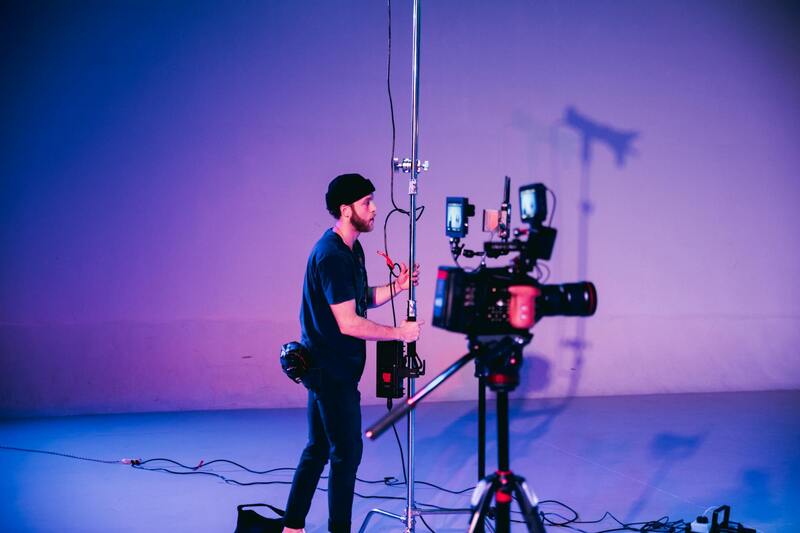
Audience interaction tools further enhance the live streaming experience. Features like live chat, Q&A sessions, and real-time polling foster active participation, transforming viewers from passive spectators into engaged attendees. These tools not only boost interaction but also provide valuable feedback during the event.
Additional features to consider include automatic captioning, which improves accessibility for all viewers, and integrated analytics, offering insights into viewer behaviors, engagement levels, and geographic data. These analytics inform future planning and help tailor content to audience preferences.
Security measures such as encrypted streaming and password protection are increasingly important to safeguard content from unauthorized access, especially during exclusive or proprietary events. Furthermore, cloud-based streaming solutions enable flexible scaling, allowing the platform to adapt to fluctuating audience sizes without compromising performance.
Types of Events Suitable for Live Streaming
Many types of live events benefit from professional streaming solutions. Corporate activities like conferences, seminars, product launches, and training sessions extend their reach beyond physical attendees, inviting remote participants worldwide.
Entertainment events—including concerts, theater performances, festivals, and award shows—can amplify their audience by broadcasting live content to viewers who cannot attend in person. This approach offers an additional revenue stream through virtual ticket sales or sponsorship opportunities.
Community-focused gatherings such as charity events, religious services, and cultural festivals also gain visibility and operational efficiency through live streaming, broadening their impact within the community.
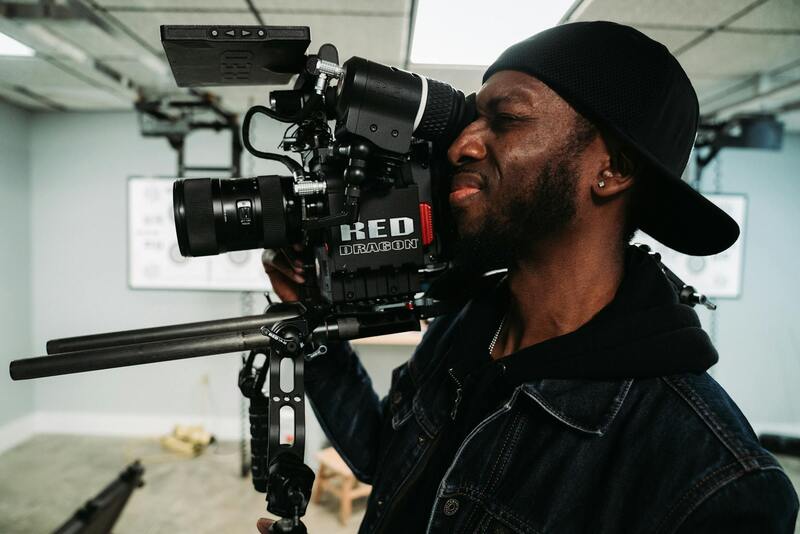
Understanding the nature of each event helps determine which features and platform capabilities are necessary to maximize effectiveness. For instance, a high-profile conference may demand robust security and multiple camera angles, while a smaller workshop might prioritize ease of use and interactivity.
Technical Setup and Equipment
Achieving a high-quality live streaming experience for events requires meticulous planning of technical equipment and setup. The backbone of any successful live broadcast hinges on reliable hardware and network infrastructure, ensuring that the stream remains stable and clear throughout the event.
Essential equipment includes professional-grade cameras capable of capturing multiple angles, especially for dynamic events like concerts or conferences. These cameras should support high-definition output to deliver crisp visuals to remote viewers. Additionally, a switcher or video mixer enables real-time switching between camera feeds, creating a seamless viewing experience. Audio quality is equally vital; employing high-quality microphones—lapel, shotgun, or condenser—ensures clear sound, reducing background noise and enhancing engagement.
For streaming, a robust encoder—either hardware or software—is necessary to convert video signals into streaming-compatible formats. Hardware encoders are preferred for their reliability and lower latency, especially during high-profile events. Simultaneously, a stable, high-bandwidth internet connection is non-negotiable. Typically, a dedicated fiber-optic line with upload speeds exceeding 20 Mbps supports advanced streaming needs, preventing interruptions or buffering issues.
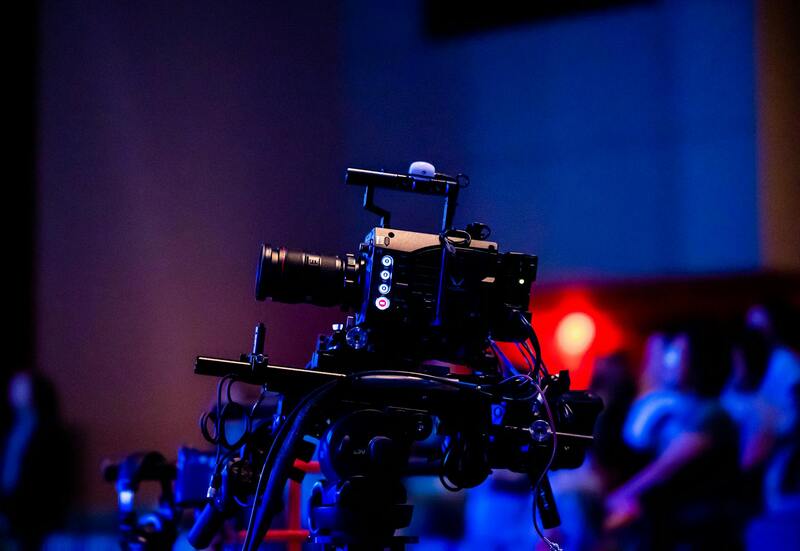
Additional accessories like tripods, lighting equipment, and backup power supplies contribute to a professional on-site operation. Properly configuring and testing all equipment prior to the event minimizes technical glitches, ensuring a smooth broadcast. For venues, infrastructure like dedicated networking hardware and wired connections improve stability and reduce latency compared to wireless options.
Workflow and Redundancy Planning
Establishing a clear workflow—from pre-production and setup to live execution—is crucial. This includes setting up monitoring systems to track streaming health continuously. Redundancy measures, such as backup internet connections and spare hardware, provide safeguards against unforeseen disruptions, guaranteeing that the event's live stream remains uninterrupted regardless of technical hiccups.
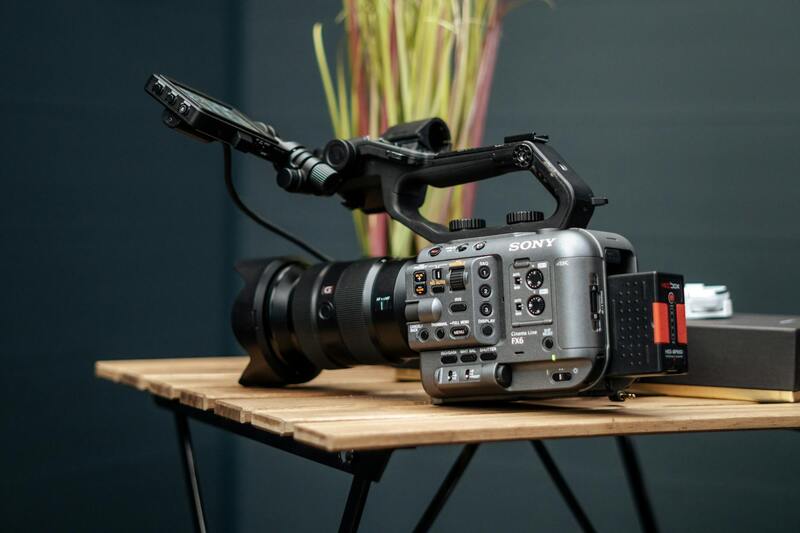
In Miami, leveraging local expertise for technical setup ensures compliance with regional infrastructure standards and access to top-tier equipment. Professional audiovisual teams can coordinate the setup, manage real-time adjustments, and troubleshoot issues swiftly, delivering a polished streaming experience for all viewers.
Technical Setup and Equipment
Implementing a high-quality live streaming service for events in Miami requires meticulous technical planning and state-of-the-art equipment to deliver seamless broadcasts. Central to this setup are professional-grade cameras capable of capturing high-definition video, which form the visual backbone of the stream. These cameras should be versatile, with options for pan-tilt-zoom (PTZ), and capable of low-light performance for indoor or nighttime events.
In addition to cameras, audio quality is paramount. Lavalier microphones, shotgun microphones, and mixer systems ensure clear, crisp sound, free of background noise. Proper placement and calibration of microphones are critical to avoid audio lag or imbalance.
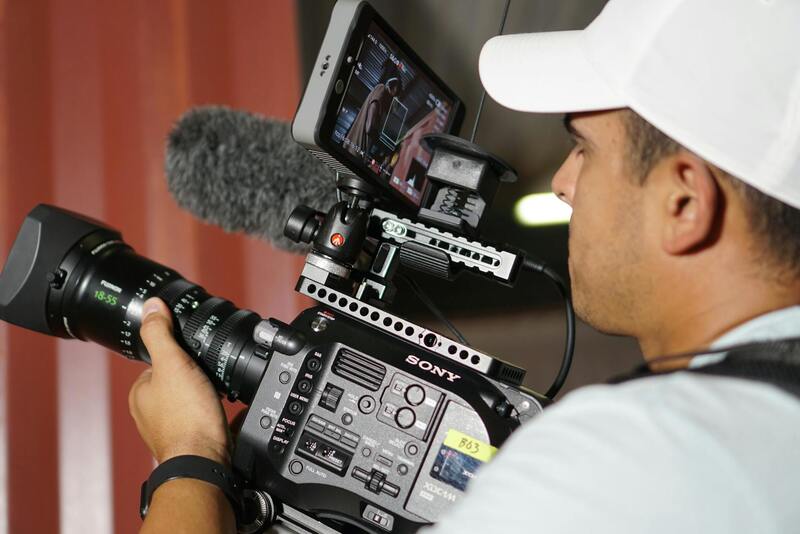
Encoding hardware or software is another vital component. Encoders convert the raw video feed into a streaming-compatible format, often H.264 or H.265 codecs. Hardware encoders offer robust processing power suitable for large-scale events, while software encoders provide flexibility and ease of use for smaller or more dynamic setups.
To ensure smooth transitions between different camera angles and sources, a video switcher or production switcher is employed. This allows real-time switching, adding graphics, or overlays, which enhance the visual production quality.
Supporting Infrastructure and Connectivity
Stable internet connectivity is the foundation of any successful live stream. In Miami, establishing a wired Ethernet connection is preferable over Wi-Fi, as it offers reduced latency and higher reliability. A dedicated fiber-optic line with sufficient upload speeds ensures an uninterrupted feed, even during high-traffic periods.
Redundancy measures, including backup internet connections via LTE or 5G networks, mitigate risks of outages. Load balancers and automatic failover systems can switch between primary and secondary connections without viewer notice.
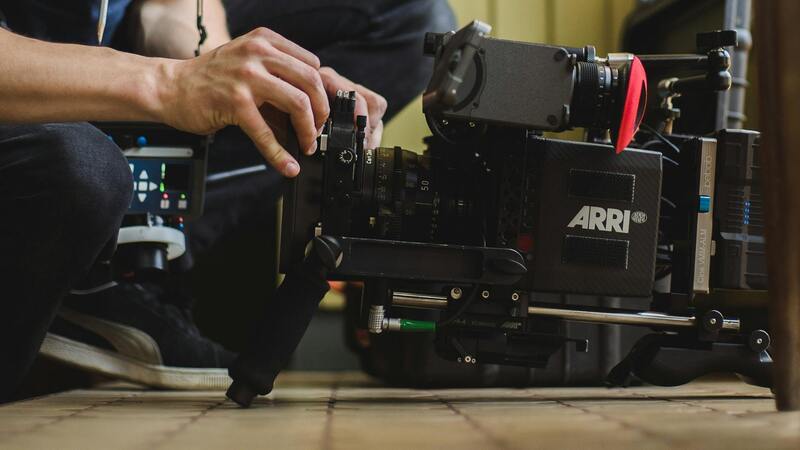
Additionally, proper power supplies, surge protectors, and uninterruptible power supplies (UPS) are essential to prevent disruptions during the broadcast. All equipment should be tested thoroughly before the event to identify potential issues and ensure compatibility.
Workflow Management and Technical Support
An efficient workflow begins with detailed pre-event planning, including equipment setup, technical rehearsals, and run-throughs. During the event, real-time monitoring tools track stream health metrics such as latency, buffering, and data transfer rates. Immediate troubleshooting capabilities reduce downtime and maximize stream quality.
Having a dedicated technical support team on-site ensures rapid response to any unexpected issues. Skilled operators manage camera switching, audio levels, and encoder settings, maintaining a professional broadcast standard.
In Miami, collaborating with local production companies or AV specialists can optimize the technical setup, leveraging regional expertise and access to top-tier equipment to ensure a flawless live streaming experience for every event.
Technical Setup and Equipment
Implementing a professional-grade live streaming event requires meticulous technical planning, with equipment selection playing a pivotal role in delivering high-quality broadcasts. Critical components include high-definition cameras with reliable autofocus and low-light performance to capture visual content seamlessly across various lighting conditions. Encoders—either hardware-based or software—increase the efficiency of compressing and transmitting video signals, ensuring minimal latency and consistent quality.
Audio quality directly impacts viewer engagement; therefore, integrating high-fidelity microphones, audio mixers, and soundproofing measures is essential to prevent background noise and echo. Proper audio-visual synchronization guarantees a smooth, immersive experience for the audience.
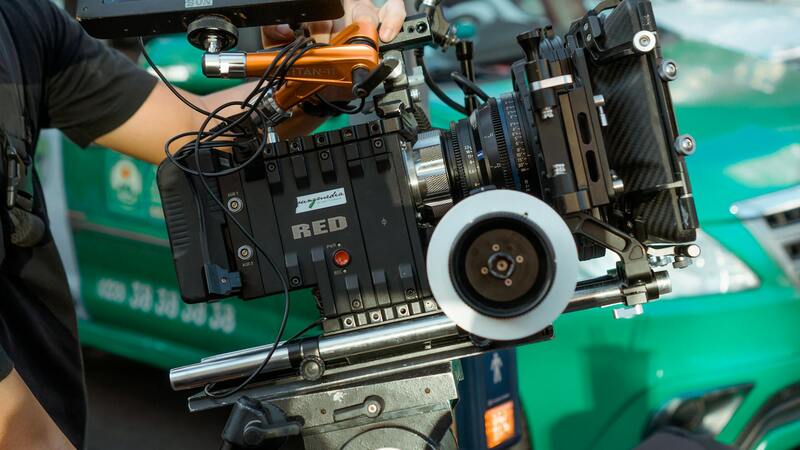
Network infrastructure must be optimized for bandwidth and stability. Connection speed should exceed the minimum requirements for streaming high-definition content, and it is advisable to utilize dedicated internet lines when possible. Employing multi-stream encoding allows distributing the load across several servers, reducing the risk of interruption.
Backup power sources such as generators and UPS units are crucial to maintaining continuous operation during unforeseen power outages. Additionally, conducting pre-event tests verifies equipment functionality and compatibility, minimizing on-site technical issues.
Best Practices for a Successful Live Stream
- Pre-Event Rehearsals: Conduct comprehensive rehearsals to simulate live conditions, fine-tune camera angles, sound levels, and streaming settings.
- Connectivity Checks: Test internet connections at the venue well in advance, ensuring sufficient bandwidth and stability.
- Quality Monitoring: Use professional monitoring tools to track stream health, latency, and viewer metrics in real time, allowing for immediate response to any anomalies.
- Redundancy Planning: Prepare backup methods for internet and power supply to mitigate potential disruptions.
- On-Site Technical Support: Deploy skilled technicians experienced in live event production to oversee the technical aspects and troubleshoot promptly if needed.
Post-Stream Considerations and Analytics
Following the event, analyzing streaming data provides insights into viewer behavior, technical performance, and overall engagement. Metrics such as peak concurrent viewers, retention rates, and geographic distribution inform future content strategies.
Recording the stream in high quality enables post-event distribution on various platforms, extending the event's reach and longevity. Gathering feedback from viewers and stakeholders helps identify areas for improvement, ensuring subsequent broadcasts meet expectations.
Understanding Live Streaming for Events
Live streaming for events involves the real-time broadcast of a live event over the internet, reaching audiences globally without geographic limitations. This method enhances audience engagement, broadens outreach, and provides interactive opportunities for viewers to participate via comments or Q&A sessions. Successful live streaming relies on meticulous planning, reliable technology, and an understanding of the target audience's preferences. Well-executed live streams can significantly elevate an event's profile, attract sponsors, and generate valuable content for post-event marketing.
Key Features of Live Streaming Services
- High-Quality Video and Audio: Professional live streaming services leverage high-definition cameras and premium audio equipment to deliver clear visuals and sound, ensuring an engaging viewing experience.
- Multi-Platform Distribution: Support for multiple streaming platforms such as YouTube Live, Facebook Live, or custom RTMP servers allows tailored content delivery to diverse audiences.
- Content Customization: Branding overlays, lower-thirds, and interactive features like chat windows or polling enhance viewer engagement and reinforce brand presence.
- Real-Time Analytics: Access to detailed viewer metrics, including engagement levels, geographic distribution, and peak concurrency, enables ongoing optimization.
- Security and Privacy: Live streaming services employ encryption and access controls to protect content from unauthorized viewing or piracy.
- Stream Redundancy and Backup: Multiple encoding and streaming channels ensure continuous delivery, even during unforeseen technical issues.
Types of Events Suitable for Live Streaming
Various events benefit from live streaming, each requiring tailored approaches to content delivery. These include:
- Conferences and Seminars: Allows remote attendees to participate in keynote speeches, panel discussions, and workshops without geographical constraints.
- Corporate Meetings and Product Launches: Enhances corporate communications, allowing stakeholders and clients to witness significant announcements in real time.
- Music Festivals and Concerts: Reaches global audiences and drives engagement through interactive features like live chat and social sharing.
- Religious Services: Provides a platform for congregations to participate remotely, broadening spiritual outreach.
- Sports Events: Offers real-time viewing options for fans unable to attend, with additional features like instant replays and multiple camera angles.
- Educational Workshops and Classes: Facilitates remote learning with interactive Q&A sessions, polls, and multimedia content.
Choosing the Right Live Streaming Platform
Choosing an appropriate platform involves assessing factors such as audience size, content type, and technical needs:
- Audience Reach and Scalability: Ensure the platform supports your expected viewer volume and can scale dynamically during peak times.
- ease of Use: A user-friendly interface for both organizers and viewers simplifies setup and enhances the user experience.
- Integration and Compatibility: Compatibility with existing tools like streaming encoders, ticketing systems, and social media facilitates seamless operations.
- Interactive Features: Capabilities such as live chat, Q&A, polls, and viewer analytics can increase engagement.
- Content Management and Monetization: Options for ticketed access, advertising, and premium content provide avenues for revenue generation.
- Support and Reliability: Dedicated technical support and service level agreements (SLAs) ensure smooth streaming without interruptions.
Production Considerations in Miami
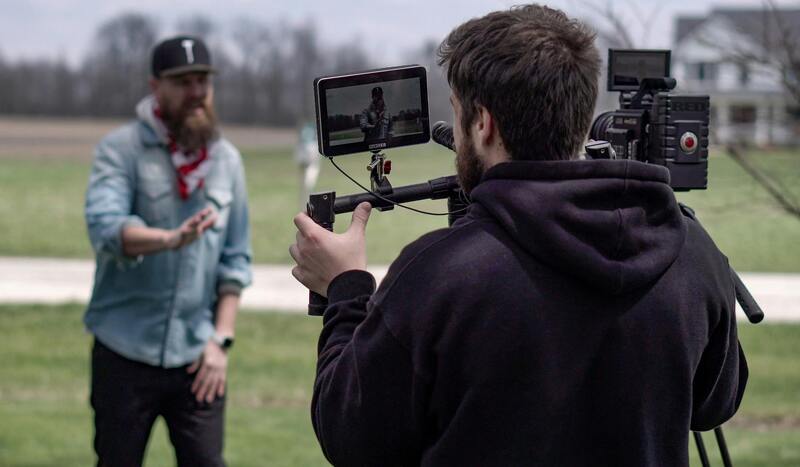
Miami's vibrant event scene demands tailored production setups to maximize video quality and reliability. It is critical to incorporate robust internet solutions, such as dedicated fiber connections or bonded cellular networks, to handle high bandwidth requirements. On-site technical support ensures immediate resolution of any issues during the event, maintaining stream integrity. Employing multi-camera setups and professional audio equipment captures the event thoroughly, while dedicated streaming encoders manage the broadcast quality. Additionally, rehearsals are essential to fine-tune equipment and ensure synchronization across all content feeds. Backup power supplies, including generators and uninterruptible power supplies (UPS), are vital to prevent disruptions, especially during large-scale proceedings. Strategic planning for on-site staff, including camera operators and technical directors, ensures seamless operation. Post-event, detailed analytics can provide insights into viewer engagement metrics, which can inform future streaming strategies and content improvements.
Technical Setup and Equipment for Live Streaming Events in Miami
Executing a high-quality live stream at events in Miami requires meticulous attention to technical details and equipment. The complexity of live broadcasting necessitates a comprehensive setup that addresses audio clarity, video quality, bandwidth stability, and redundancy to prevent disruptions. The integration of professional-grade hardware and software ensures a seamless viewing experience for audiences, whether they access the stream via desktops, tablets, or smartphones.
Optimal Video Capture and Multi-Camera Configurations
Most live events benefit from employing multiple camera angles to provide a dynamic viewing experience. Fixed cameras are typically used to cover main stage actions, while robotic or handheld cameras can capture close-ups and audience reactions. High-definition (HD) or 4K cameras deliver crisp, detailed visuals suitable for large screens and remote viewers. Proper positioning and calibration are essential, ensuring coverage of key moments while avoiding obstructed views.
Audio Equipment for Clear Sound Transmission
Quality audio is crucial in engaging viewers. Using professional microphones—such as lavalier, shotgun, or hand-held models—allows for clear capture of speech and performances. Audio mixers help balance sound levels and eliminate background noise. Employing wireless systems can reduce clutter and facilitate mobility, particularly during dynamic scenes or interactive segments.
Streaming Encoders and Software Solutions
Encoders transform audio and video signals into data streams compatible with streaming platforms. Hardware encoders provide reliable performance for large-scale events, offering features like multi-bitrate encoding, which adapts video quality to viewers' internet speeds. Software encoders, such as OBS Studio or Wirecast, are versatile and customizable, suitable for smaller events or those with specific production needs. Ensuring encoder settings match the intended platform’s specifications is vital to prevent quality degradation.
Bandwidth Management and Internet Connectivity
High-quality live streams demand significant bandwidth. In Miami, establishing a dedicated fiber-optic internet connection provides the stability required for uninterrupted streaming. Bonded cellular networks or wireless internet solutions can serve as backup options in case of primary connection failure. Testing connection speeds prior to the event and employing Quality of Service (QoS) configurations ensures priority bandwidth allocation to streaming hardware, reducing latency and buffering issues.
Power Supply and Redundancy Measures
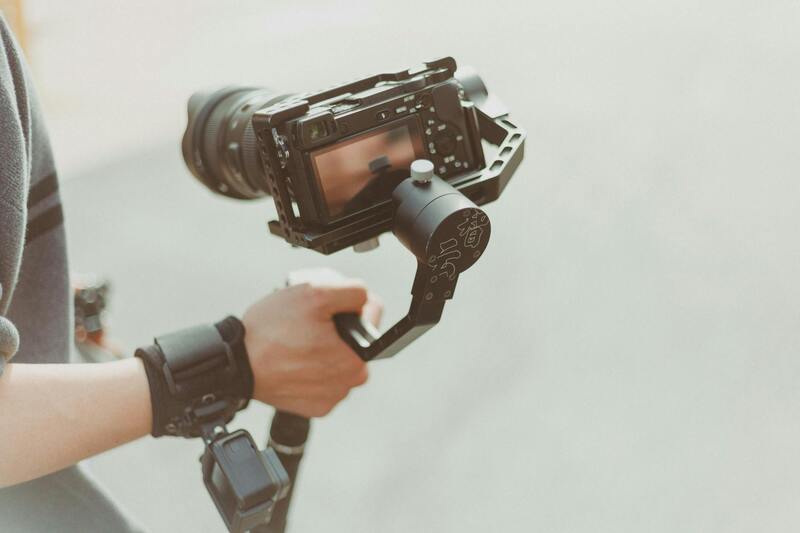
Consistent power is fundamental to avoid stream interruptions. Generators and uninterruptible power supplies (UPS) are standard in Miami’s event setups, providing backup during outages. Proper grounding and surge protection safeguard equipment from electrical anomalies, ensuring longevity and stable operation during high-profile broadcasts.
On-site Technical Support and Workflow Coordination
Effective coordination among technical staff—comprising camera operators, sound engineers, and streaming technicians—is necessary to execute smooth live broadcasts. Conducting rehearsals assists in identifying potential issues with camera angles, audio levels, or network stability. Establishing clear communication channels, such as intercom systems, allows real-time adjustments and quick troubleshooting, ensuring a flawless event delivery.
Post-Event Equipment and System Evaluation
After the broadcast, comprehensive system checks help evaluate equipment performance and identify areas for improvement. Reviewing recorded feeds and analytics provides insights into stream quality and viewer engagement, informing future live streaming strategies in Miami’s bustling event scene.
Understanding Live Streaming for Events
Live streaming for events involves broadcasting live video and audio content over the internet to a remote audience in real-time. This method enables event organizers to reach a geographically dispersed viewers, expanding their audience beyond physical attendance. The process requires a combination of reliable internet connections, professional equipment, and a well-planned streaming strategy to ensure seamless delivery. Effective live streaming transforms traditional events into interactive, accessible experiences, suitable for a broad range of activities including conferences, concerts, corporate meetings, sports competitions, and community gatherings.
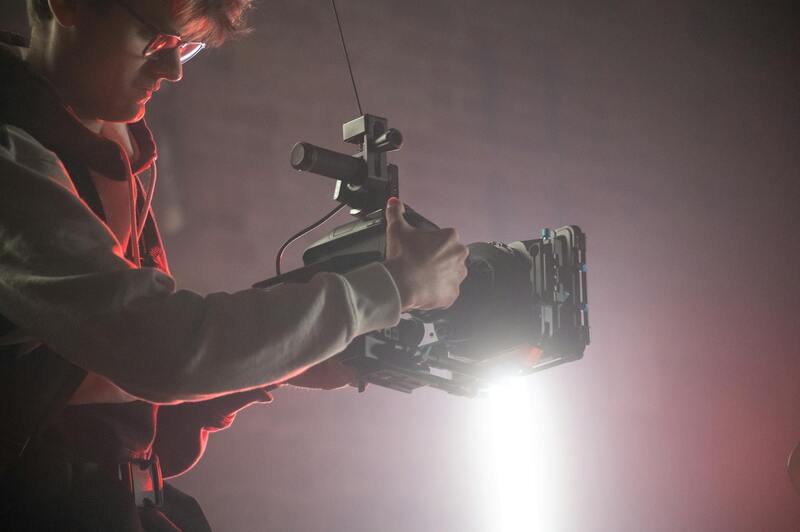
Achieving optimal live streams involves not only capturing engaging content but also employing platforms that facilitate stable and scalable distributions. These platforms must support high-definition streaming, adaptive bitrate technology, and reliable data delivery channels. The goal is to provide viewers with a smooth, high-resolution experience that mirrors in-person participation as closely as possible.
Key Features of Live Streaming Services
- High-Resolution Streaming: Deliver content in 1080p or higher to ensure clarity and professionalism.
- Adaptive Bitrate Technology: Automatically adjusts video quality based on viewer bandwidth, minimizing buffering incidents.
- Multi-Platform Compatibility: Support for viewing across desktops, smartphones, tablets, and smart TVs increases accessibility.
- Secure Streaming Options: Encrypted streams and access controls prevent unauthorized viewership.
- Real-Time Analytics: Track viewer engagement, location, and engagement metrics to evaluate success.
- Interactivity Tools: Features such as live chat, Q&A, and polls enhance audience engagement during broadcast.
Types of Events Suitable for Live Streaming
Multiple event categories benefit from live streaming, especially those seeking to extend their reach beyond the physical venue:
- Corporate conferences, seminars, and product launches
- Music concerts, festivals, and theatrical performances
- Sports tournaments and athletic competitions
- Religious ceremonies and community celebrations
- Educational webinars and training sessions
- Trade shows and exhibitions
Choosing the Right Live Streaming Platform
Selecting a platform involves analyzing technical features, scalability, and integration capabilities. When evaluating providers, consider their bandwidth capacity, latency minimization, and content delivery networks (CDNs). Opt for platforms that offer acceptable security measures, customizable interfaces, and support for multiple camera feeds or multi-angle broadcasting to enhance viewer experience. Additionally, the availability of local support in Miami can be crucial for troubleshooting and on-site technical coordination. The platform should seamlessly integrate with existing event management tools and social media channels for wider distribution and engagement.
Production Considerations in Miami
Miami’s vibrant event scene calls for tailored production planning that maximizes the city’s unique venues and extensive technical infrastructure. Venue selection should account for optimal internet connectivity, power supply stability, and space for equipment setup. Collaborating with local production teams familiar with Miami’s venues ensures smoother execution, particularly when dealing with large crowds or complex setups. Furthermore, weather considerations, especially for outdoor events, necessitate contingency plans like weatherproof equipment and alternative broadcasting solutions. Employing locally available technical expertise and resources streamlines the workflow and improves overall broadcast quality in Miami’s diverse venue portfolio.
Technical Setup and Equipment
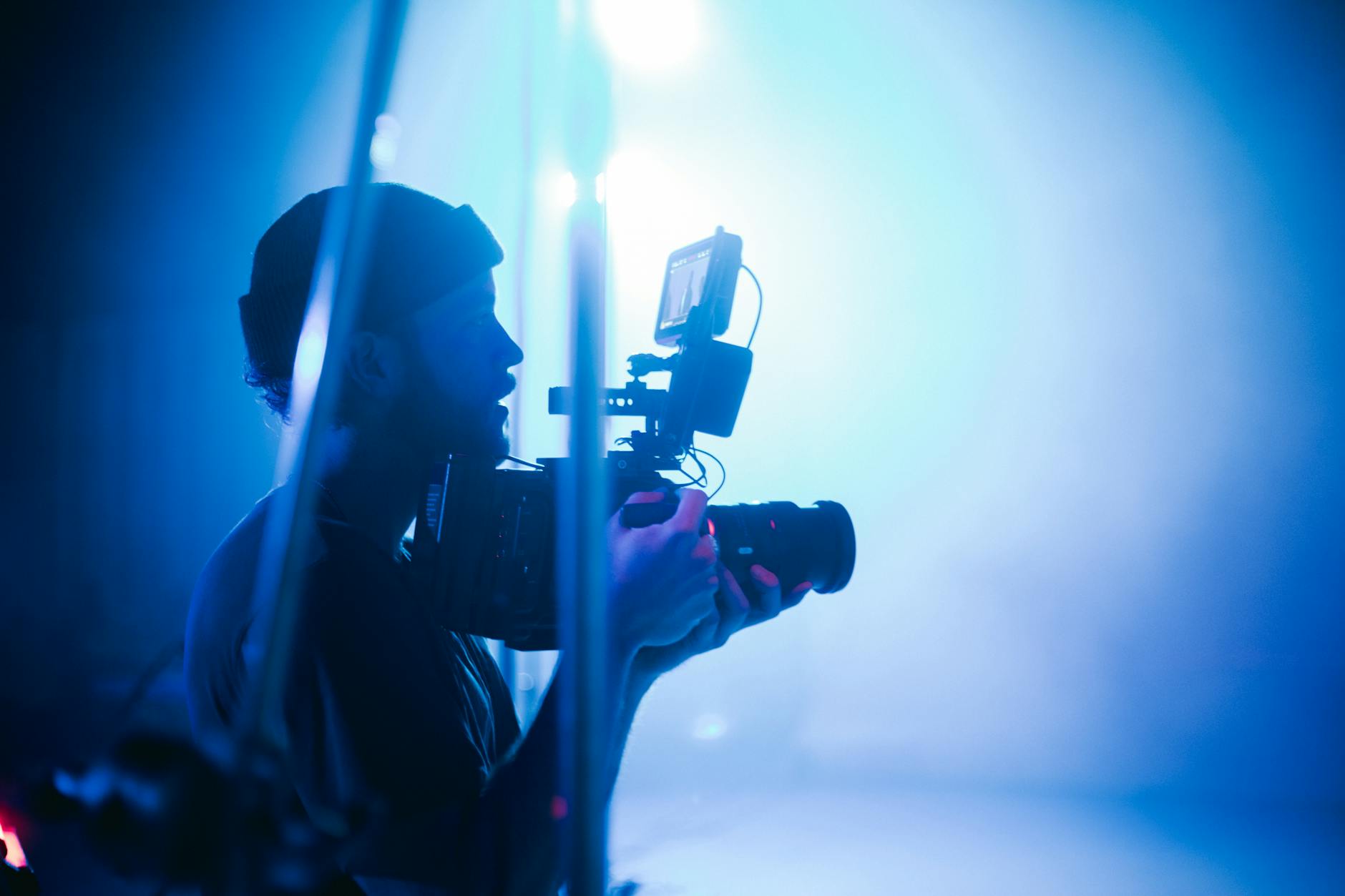
- High-definition cameras with PTZ (pan-tilt-zoom) features
- Professional audio mixers and wireless microphones
- Encoding hardware and software for real-time video compression
- Reliable internet connectivity, preferably wired Ethernet or bonded cellular networks
- Uninterruptible Power Supply (UPS) units and backup generators
- Rigging and stabilization equipment for consistent camera angles
- Monitoring displays for real-time quality assessment
Coordinating these elements effectively requires a thorough pre-event setup, testing connections, and conducting rehearsal sessions to synchronize the technical workflow. Proper organization ensures minimal latency, crisp visuals, and clear audio—elements critical for maintaining professionalism during live broadcasts.
Best Practices for a Successful Live Stream
- Conduct comprehensive pre-event testing of all equipment, connections, and software to identify potential issues.
- Establish a dedicated technical support team to monitor the stream and respond promptly to any disruptions.
- Ensure bandwidth sufficiency by using dedicated internet lines or bonding multiple sources to prevent congestion.
- Use high-quality cameras, lighting, and audio equipment to enhance visual and sound quality.
- Incorporate backup plans, such as secondary internet connections and spare equipment, to handle unforeseen problems.
- Communicate clearly with on-site staff to coordinate transitions, camera changes, and audio adjustments during the event.
- Engage viewers through interactive features and timely updates, encouraging feedback and participation.
- Post-event, review analytics and viewer feedback to identify opportunities for improvement.