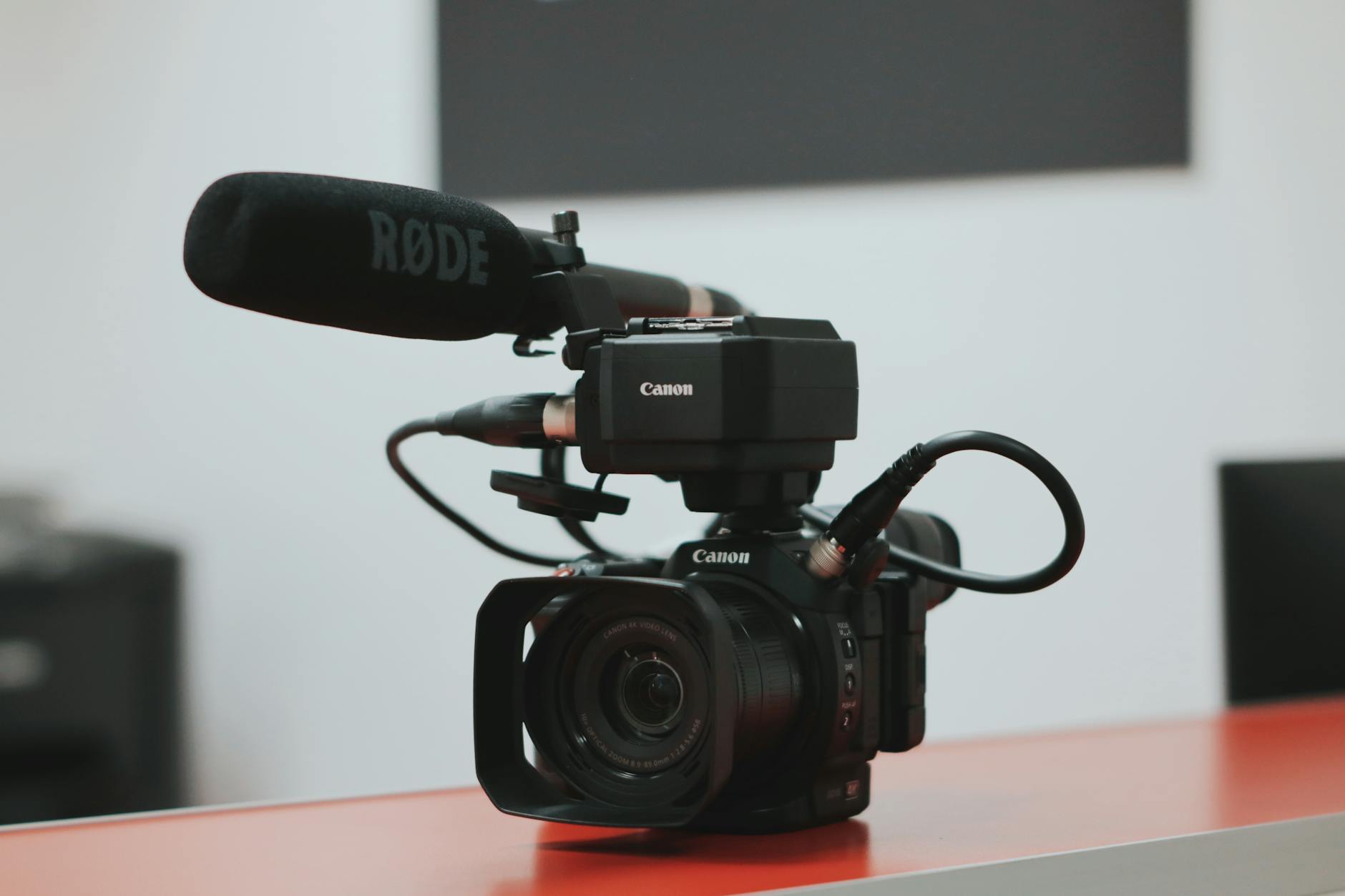
Overview of Live Stream Event Services
Live stream event services have become an essential component of modern event planning, offering a dynamic platform to broadcast events in real-time over the internet. These services facilitate seamless transmission of live video content, enabling organizers to reach audiences beyond physical constraints. The significance of professional live streaming lies in its ability to increase event accessibility, boost engagement, and expand the overall reach of the event's message or experience.
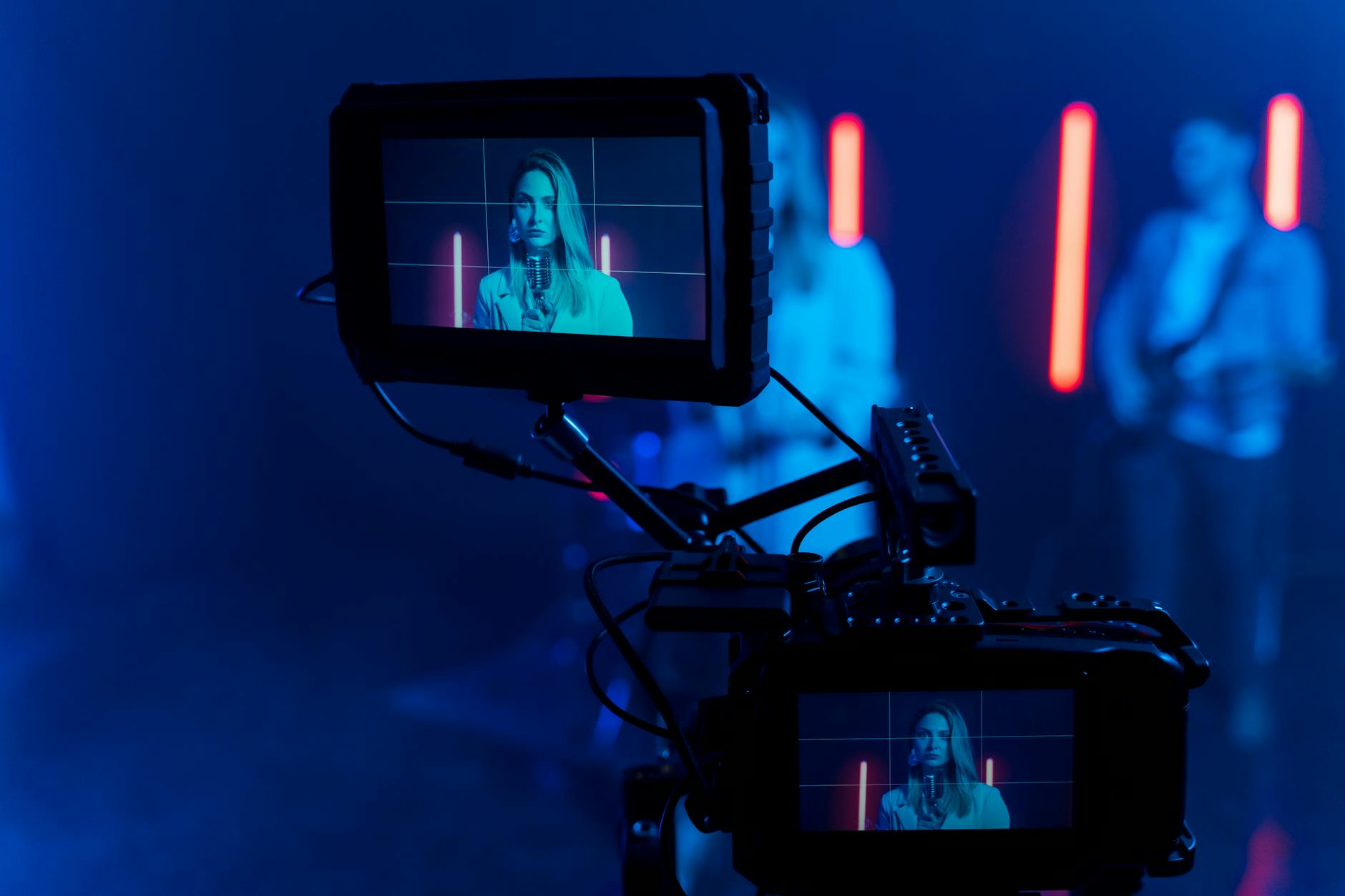
By utilizing advanced technology and network infrastructure, live stream event services ensure that the broadcast remains stable and of high quality, regardless of the scale of the event. For corporations, educators, entertainers, and community organizers, these services provide a powerful tool to deliver compelling content to online viewers, generate interaction through live chat features, and archive recordings for future access. As digital audiences grow increasingly accustomed to consuming content online, live streaming has evolved from a supplementary option to a fundamental method of event dissemination.
Furthermore, live stream services are integral in creating hybrid event models that combine in-person attendance with virtual access. This approach enhances attendee diversity, maximizes exposure, and creates opportunities for broader participation across geographic boundaries. Organizations leveraging these services can gather real-time analytics, monitor viewer engagement, and tailor their content delivery — all of which contribute to the event's overall success and impact.
Types of Live Streaming Events
- Corporate Events: Conferences, product launches, seminars, and training sessions are broadcast to stakeholders and clients worldwide, ensuring consistent messaging and wider dissemination.
- Entertainment Events: Concerts, festivals, and award ceremonies can reach a global audience, enhancing visibility and audience interaction.
- Educational Events: Academic lectures, workshops, and webinars allow institutions to expand their educational reach beyond physical classrooms.
- Community and Religious Events: Religious services, charity events, and community gatherings are accessible to members unable to attend in person.
- Sporting Events: Live sports broadcasts capture the excitement for fans watching remotely, providing high-quality streams with real-time updates.
Key Features of Professional Live Stream Services
Choosing the right live stream event service involves evaluating several features to ensure optimal performance:
- High-Quality Video and Audio: Professional-grade equipment guarantees crisp visuals and clear sound.
- Multiple Camera Angles: Enables dynamic presentations and engaging broadcasts similar to traditional TV productions.
- Seamless Streaming Platforms: Compatibility with major streaming platforms for broad accessibility.
- Interactive Elements: Live chat, Q&A, polls, and social media integration foster audience engagement.
- Reliable Technical Support: Dedicated technical teams manage the broadcast logistics, ensuring smooth delivery.
- Recording and Archiving: Ability to record sessions for on-demand access and post-event review.
Choosing a Live Stream Service Provider in Miami
Opting for a local Miami-based live stream event service provider offers advantages such as familiarity with regional broadcasting licenses, proximity to event venues, and a better understanding of local infrastructure. When evaluating providers, consider their experience with similar events, equipment capabilities, and their understanding of the target audience. Consulting with a provider that offers comprehensive solutions — from pre-production planning to post-event analytics — ensures a streamlined process and high-quality results.
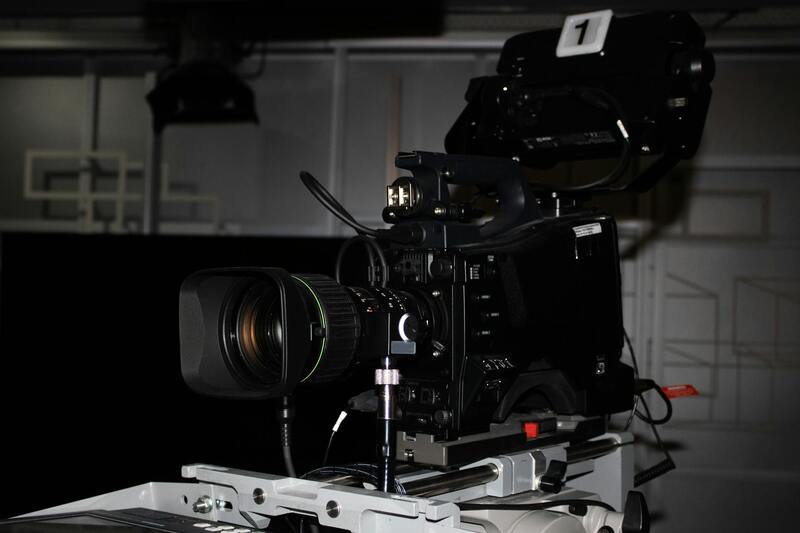
In addition to technical expertise, local providers often have established relationships with event venues and vendors, which can facilitate smoother setup and coordination. This local advantage becomes especially valuable for complex productions requiring on-site technical support, multiple camera setups, and reliable internet connectivity. Working with a provider attuned to Miami’s event landscape ensures a personalized approach that aligns with regional standards and audience expectations.
Overview of Live Stream Event Services
Live stream event services encompass a broad spectrum of solutions designed to deliver high-quality broadcast experiences to diverse audiences. These services involve professional planning, reliable technology, and expert execution to ensure seamless transmission of events ranging from corporate seminars to entertainment festivals. The core components include robust streaming platforms that support HD or 4K video quality, interactive features to increase engagement, and dedicated support teams to manage technical logistics in real-time.
Modern live streaming providers utilize advanced hardware and software to facilitate multi-camera setups, live graphics, and synchronized audio-visual elements. They also offer customizable streaming solutions compatible with a variety of devices, including desktops, tablets, and smartphones, ensuring accessibility regardless of the viewer’s preferred platform. This versatility extends the reach of events, allowing attendees to participate remotely without technological barriers.
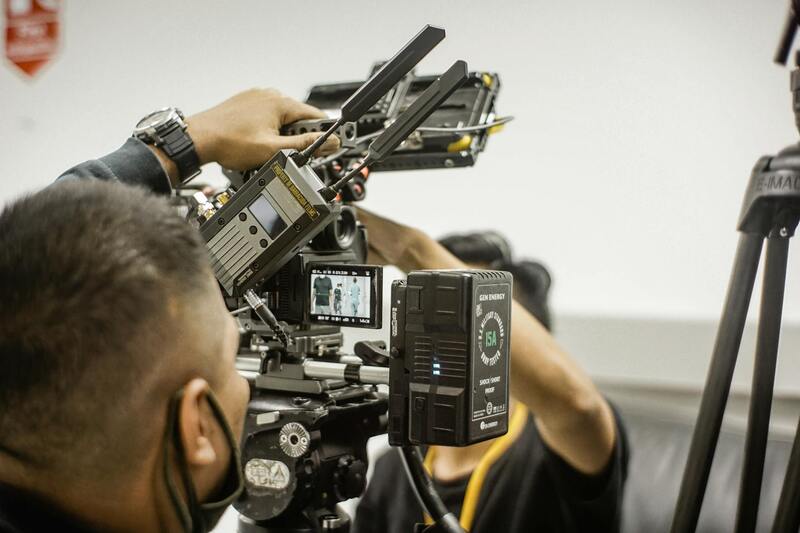
Interaction is a critical aspect of contemporary live streams. Integrating features such as live chat, polls, Q&A sessions, and social media feeds fosters a sense of community and active participation among viewers. These tools not only enhance the experience but also provide valuable feedback for event organizers.
Technical reliability is paramount. Dedicated technical teams monitor live feeds continuously, quickly addressing potential issues such as bandwidth fluctuations or equipment failures. This proactive approach guarantees a smooth broadcast with minimal disruptions. Additionally, recording capabilities allow for on-demand access after the event, extend engagement, and provide content for future marketing efforts.
Choosing a Live Stream Service Provider in Miami
Selecting a provider based in Miami offers strategic advantages, including familiarity with regional licensing, better situational awareness of local venues and infrastructure, and expedited on-site support. When evaluating potential partners, consider their experience with different event formats, the scope of their equipment, and their capacity to handle complex setups involving multiple cameras and technical crews.
Providers that offer end-to-end solutions streamline the entire process—from initial planning and technical setup to post-event analytics—ensuring that every phase aligns with the event’s objectives. Collaborating with a local Miami-based team also simplifies logistics, as proximity allows for quicker response times and more personalized service. Such providers typically have established relationships with regional vendors and venues, which can facilitate a smoother event execution.
This local knowledge proves especially beneficial during complex productions, where on-site technical support, multiple camera angles, and robust internet connectivity are essential. A team that understands Miami’s event landscape can better anticipate challenges and adapt to the specific needs of each occasion, ensuring that the broadcast aligns with regional standards and audience expectations.
Detailed Aspects of Technical Requirements and Equipment
For any successful live stream event, selecting appropriate technical specifications is vital. High-definition video quality, commonly at 1080p or 4K resolution, ensures the audience receives a clear and engaging viewing experience. This necessitates professional-grade cameras capable of capturing detailed visuals even in varying lighting conditions, which are typical at different venue types. These cameras should be combined with high-quality lenses and stabilization systems to prevent shaky footage, maintaining a polished appearance throughout the broadcast.
Audio is equally crucial, often underserved in lesser productions. Professional microphones—such as shotgun mics for directional sound, lavalier microphones for speakers, and ambient microphones for capturing environmental audio—must be employed to guarantee clear sound reproduction. Audio mixers facilitate the balancing of multiple input sources, reducing background noise and echo, essential for engaging commentary or interviews during the event.
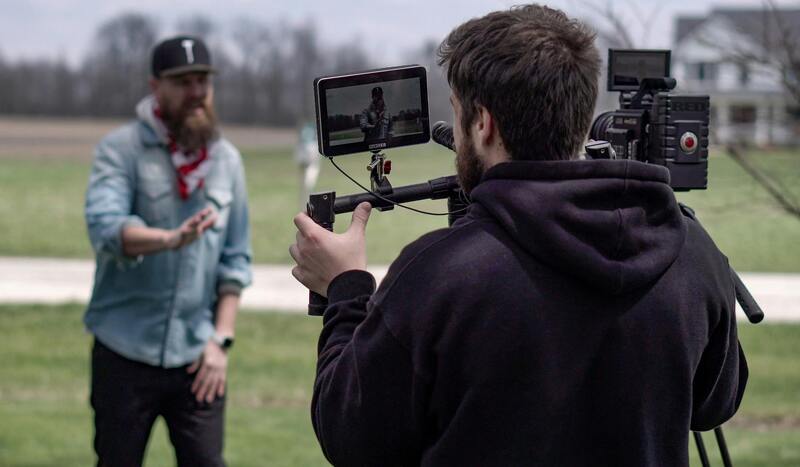
Reliable internet connectivity forms the backbone of live streaming. Dedicated fiber-optic internet connections with high upload bandwidth minimize latency and buffering issues, delivering seamless streams to the audience. Backup connectivity options, such as satellite or cellular data, must be in place to address potential disruptions. Network stability is especially important during complex events with multiple camera feeds, graphics, and live interactions, requiring switches between feeds without interruption.
Switching and encoding hardware are essential components that aggregate video feeds from multiple cameras, process the content, and transmit it to streaming platforms. Hardware encoders provide low latency and high-quality output, rendering them preferable over basic software solutions for large-scale events. Additionally, professionals utilize streaming servers or cloud-based platforms capable of handling high concurrent viewer counts, maintaining stability during peak traffic.
Advantages of Partnering with a Local Production Agency
Engaging a Miami-based live stream event service offers distinctive benefits that streamline the entire production process. Local agencies possess intimate knowledge of regional venues, permitting them to coordinate technical setup with venue staff efficiently. This familiarity facilitates smoother logistics, such as equipment delivery and parking arrangements, especially in high-traffic areas. On-site support from a team well-acquainted with Miami's infrastructure reduces delays and troubleshooting times, ensuring a more reliable broadcast.
Regional providers are also equipped with a network of trusted vendors, including lighting, staging, and broadcast specialists, allowing a coordinated approach that aligns with local standards and audience expectations. Their understanding of Miami's different event environments—ranging from outdoor festivals to corporate conferences—enables them to adapt swiftly to unforeseen challenges, such as weather changes or venue limitations.
Cost Considerations and Budgeting for Live Streaming Events
Planning a live stream involves various expense factors, including equipment rental or purchase, personnel wages, venue-specific needs, and post-production activities. High-quality video and audio equipment, along with dedicated internet connectivity, constitute core costs, particularly for large-scale or multi-camera setups. While investing in reliable gear may seem significant initially, it contributes to a professional broadcast that reflects positively on your brand or organization.
Labor costs encompass technical crews—camera operators, sound engineers, and streaming technicians—whose expertise ensures seamless execution. Additional expenses include graphics, overlays, and post-event analytics, which can enhance viewer engagement and comprehensive reporting. Budgeting carefully for these components, with a focus on quality and reliability, will translate to a more impactful live experience that meets audience expectations and logistical standards.
Emerging Trends Shaping Live Streaming for Events
Advancements in live streaming technology continuously expand the possibilities for event organizers. 5G networks are enabling faster and more reliable internet connections, reducing latency and improving real-time interaction. Integration of augmented reality (AR) and virtual reality (VR) offers immersive experiences, especially for remote attendees who want a more engaging view of the event environment.
Interactive features, such as live polls, chat functionalities, and audience Q&A, are increasingly being incorporated into streams to foster active participation. Additionally, platforms that support multi-language subtitles and accessibility tools are broadening reach and inclusivity. As these innovations become more accessible, professional live stream services in Miami are adopting these features to elevate the quality and engagement levels of their productions, ensuring they stay at the forefront of technological development.
Technical Requirements and Equipment
Executing a high-quality live stream event largely depends on an optimal technical setup, tailored to the specific demands of the occasion. Professional live stream services leverage advanced broadcasting equipment that includes high-definition cameras, professional-grade audio systems, and reliable streaming hardware. Ensuring seamless video and audio synchronization is paramount, especially when managing multiple camera angles and live sound sources.
Critical components involve encoders that compress and transmit live footage efficiently, along with robust internet connectivity—preferably wired or dual-band Wi-Fi—to prevent interruptions. Backup systems, such as secondary internet sources and redundant power supplies, are vital to maintain uninterrupted streaming during unforeseen technical issues.
Furthermore, proper lighting setup enhances video clarity and visual impact, especially in interior environments. Green screens or virtual backgrounds offer creative flexibility, allowing event organizers to project branding or immersive visuals behind speakers or performers. To optimize viewer engagement, overlays, lower thirds, and real-time graphics are integrated into the stream, requiring sophisticated software and skilled operators.
The integration of auxiliary devices like teleprompters, remote camera controls, and live annotation tools ensures dynamic and interactive presentations. Considering these technical requisites, partnering with a company that possesses state-of-the-art equipment and experienced technical staff can significantly influence the success of a live streaming event.

Technical Requirements and Equipment for Live Stream Event Success
Executing a seamless live streaming event relies heavily on the deployment of advanced technological infrastructure that guarantees high-quality transmission, stability, and interactivity. Key components of this setup include professional-grade cameras capable of capturing broadcast-quality footage, robust streaming hardware to encode and transmit video streams efficiently, and reliable internet connectivity with sufficient bandwidth to handle large data flows without interruption.
Streaming platforms are integral to connecting the event to audiences across various locations. Selecting a platform with features like adaptive bitrate streaming, multi-platform distribution, and integrated chat or Q&A functionalities enhances audience engagement and ensures accessibility on multiple devices such as smartphones, tablets, and desktops.
To mitigate potential outages or disruptions, backup solutions such as secondary internet connections, redundant streaming servers, and portable power supplies are indispensable. These safeguards maintain continuity even under unforeseen technical challenges, safeguarding the event’s success.
Additionally, audio equipment such as high-fidelity microphones, mixers, and speakers plays a critical role in delivering clear sound, which is often overlooked but vital for viewer experience. Proper placement of speakers and microphones ensures minimal feedback and optimal sound clarity across different venues or streaming environments.
In terms of software, event producers leverage specialized encoding and management platforms that facilitate real-time content control, scene switching, and integration of multimedia elements like slides, videos, or live feeds from multiple camera angles. This level of control enriches content delivery and provides a polished broadcast aesthetic.
Technical rehearsals are essential, allowing the team to troubleshoot equipment, test internet stability, and align all technical aspects before the live event. Consistent communication among the technical crew, event organizers, and on-camera talent ensures synchronized operations, reducing the risk of disruptions and enhancing overall production quality.
Opting for a live stream event service that adheres to the highest industry standards ensures that every technological facet—from hardware to network stability—is optimized for excellence. When such a comprehensive setup is managed by experienced professionals, organizers can focus entirely on content and audience interaction, knowing that the technical foundation is sound.
Technical Requirements and Equipment
To ensure a flawless live stream event, comprehensive technical planning and quality equipment are indispensable. High-definition cameras equipped with professional lenses capture clear, high-resolution video from multiple angles, providing viewers with an immersive experience. These cameras often support remote control setups, allowing for seamless switching between shots without disrupting the stream.
Audio quality is equally critical. Using professional-grade microphones—such as lavalier, handheld, or shotgun microphones—ensures crisp sound capture. These microphones are strategically positioned to minimize feedback and capture sound uniformly across the venue. Mixers allow real-time adjustment of audio levels, balancing the sound from various sources to maintain clarity and prevent distortion. Speakers must be properly placed to project sound evenly throughout the space, enhancing the overall auditory experience for both onsite attendees and remote viewers.
In terms of software, specialized encoding platforms are employed to manage the live feed efficiently. Encoding hardware or software converts the raw video signals into compressed formats suitable for online streaming, ensuring minimal latency and maximum quality. Advanced management platforms enable real-time scene switching, multimedia integration (like presenting slides or videos), and multi-camera feed management, which collectively elevate the production value.
Robust internet connectivity is fundamental. Dedicated bandwidth, wired connections, and backup internet sources are standard practices to prevent interruptions. Surge protectors and power backup solutions safeguard equipment against power failures, maintaining stream stability throughout the event.
Prior to the actual event, technical rehearsals are conducted. These rehearsals allow the production team to verify equipment functionality, test internet stability, and execute synchronization between various technical elements. Clear communication among the crew, event organizers, and on-camera talent ensures everyone is aligned, reducing the risk of technical issues during the live broadcast.
Choosing a live stream event service that strictly adheres to high technical standards guarantees that the production is resilient and of professional quality. When experts manage these aspects, organizers are free to concentrate on delivering compelling content, interacting with viewers, and managing on-site logistics, confident that the technical framework is secure and reliable.
Technical Requirements and Equipment
Executing a successful live stream event necessitates a comprehensive understanding of the technical requirements and equipment involved. High-quality video and audio are paramount to engaging viewers and ensuring a professional presentation. This begins with selecting appropriate cameras capable of capturing clear, sharp footage, even in varying lighting conditions. Multiple camera setups can provide different angles, enriching the viewing experience and enabling dynamic scene transitions during the broadcast.
Audio equipment must also be prioritized. Professional-grade microphones and audio mixers ensure that sound is crisp and free of background noise, allowing viewers to clearly hear speakers, presenters, or performers. Proper audio-visual synchronization is critical to maintain the integrity of the broadcast and avoid distracting discrepancies.
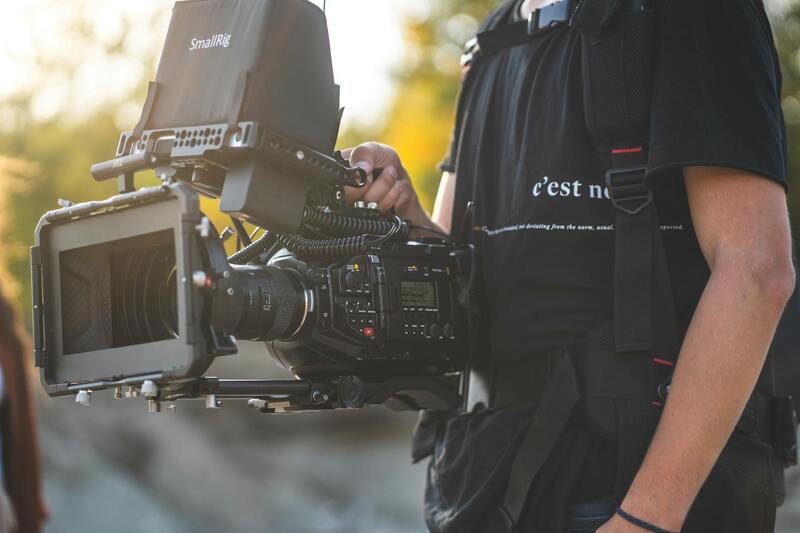
Furthermore, reliable encoders are necessary to convert raw video signals into streaming formats compatible with online platforms. Hardware encoders often provide more stability and higher bitrates compared to software alternatives, which translates into a smoother viewing experience. Streaming hardware equipped with multi-bitrate output also supports adaptive streaming, allowing viewers with varying internet speeds to access the event seamlessly.
Network infrastructure constitutes another vital aspect. Dedicated, wired internet connections with sufficient upload speeds minimize latency and buffering issues. Implementing backup internet sources, such as secondary wired connections or cellular hotspots, ensures continuity if primary networks encounter disruptions. Network security measures should also be in place to protect the stream from interference or unauthorized access.
Support equipment like monitors, video switchers, and quality lighting setups further enhance the production quality. Visual elements such as overlays, lower thirds, and branded graphics should be integrated smoothly, often managed through advanced production software or hardware controls. All these elements require meticulous setup and calibration before going live to avoid technical hiccups during the event.
Pre-event technical rehearsals are indispensable for verifying equipment functionality, ensuring synchronization, and testing internet stability under controlled conditions. During these rehearsals, the production team can simulate the live environment, troubleshoot issues proactively, and refine the overall workflow. Clear communication lines between camera operators, audio technicians, and producers are critical for swift problem resolution and smooth transitions.
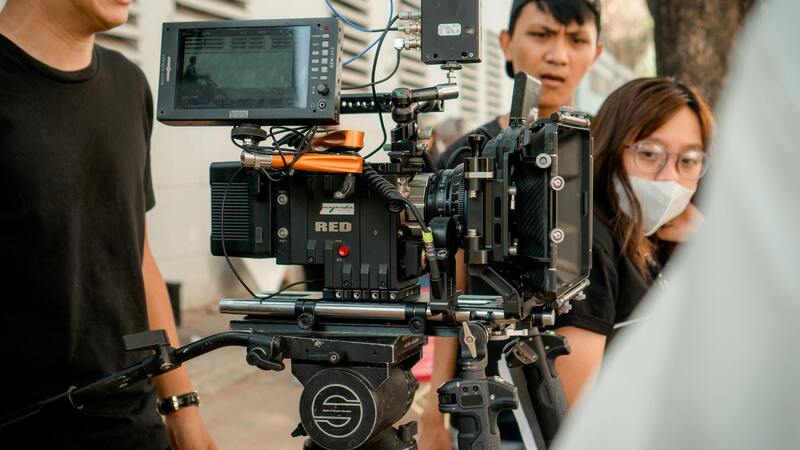
Opting for a live stream event service that emphasizes high technical standards guarantees a resilient and high-quality broadcast. Expertise in managing all technical elements allows organizers to focus on content creation and audience engagement, while the technical team ensures the stream's stability and clarity. This level of professionalism is vital for building trust and maintaining viewer satisfaction throughout the event.
Cost Factors and Budgeting
When planning a professional live stream event, understanding the various cost components involved is essential for effective budgeting. The overall expense is influenced by several key factors, including the complexity of the production, the scope of the event, and the level of customization required. High-quality video and audio equipment, multiple camera angles, and specialized production software contribute significantly to costs, especially when aiming for a polished, broadcast-grade output.
Additional expenses may include hiring skilled technical personnel such as directors, camera operators, sound engineers, and lighting specialists. If the event involves multiple speakers or performers, costs for rehearsals and coordination increases accordingly. Licensing fees for music and visual content, as well as branding overlays or graphics, can also add to the financial considerations.
For real-time interactions, integrating live chats or audience polling features may necessitate advanced platform services or custom development, influencing the overall budget. Moreover, the duration and time of the event, whether it’s a single session or a series of broadcasts, will impact service charges. It is important for organizers to request detailed proposals from service providers, ensuring transparency of all associated costs.
Additional Cost Considerations
- Streaming Platform Fees: Some services charge for hosting or bandwidth, especially for large audiences.
- Technical Support: Dedicated on-site or remote technical support can incur additional fees but is critical for seamless operation.
- Post-Production: Editing, recording, and distribution of content after the live event may involve extra charges.
- Travel and Equipment Logistics: If on-location setup requires transportation or specialized equipment transportation, these costs should be factored in.
Balancing desired quality with available budget involves detailed planning and prioritization of essential features. A good service provider can tailor solutions to meet specific budget constraints without compromising critical aspects like stream stability, production quality, and viewer experience.
Effective Budget Management Strategies
- Define clear objectives and key performance indicators (KPIs) for the event.
- Request comprehensive proposals from multiple providers for comparison.
- Identify essential features versus luxury enhancements to allocate funds accordingly.
- Consider phased approaches for complex projects, ensuring core production values are met first.
- Regularly monitor expenses throughout the planning process to avoid overspending.
By carefully considering these factors and engaging with experienced, local live stream event services, organizers can optimize their budgets while ensuring a professional and engaging broadcast. This strategic approach helps create memorable events that resonate with audiences and meet organizational goals effectively.