Overview of Video Webcasting Services
Video webcasting services have become a vital component of contemporary communication strategies, particularly for businesses and organizations aiming to reach expansive audiences in real-time. These services involve the live transmission of video content over the internet, allowing viewers from various locations to participate in events without physical presence. This technology has revolutionized how conferences, corporate meetings, product launches, and special events are shared, enhancing engagement and expanding reach beyond traditional venues.
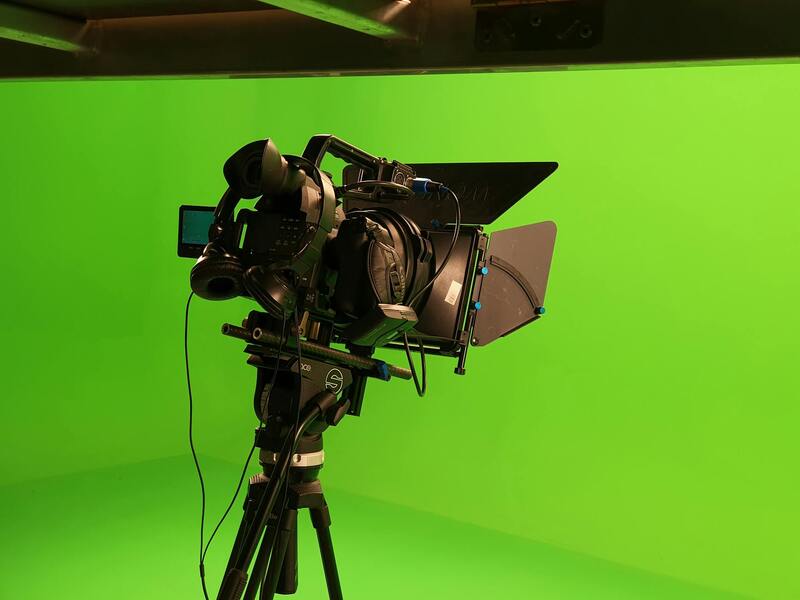
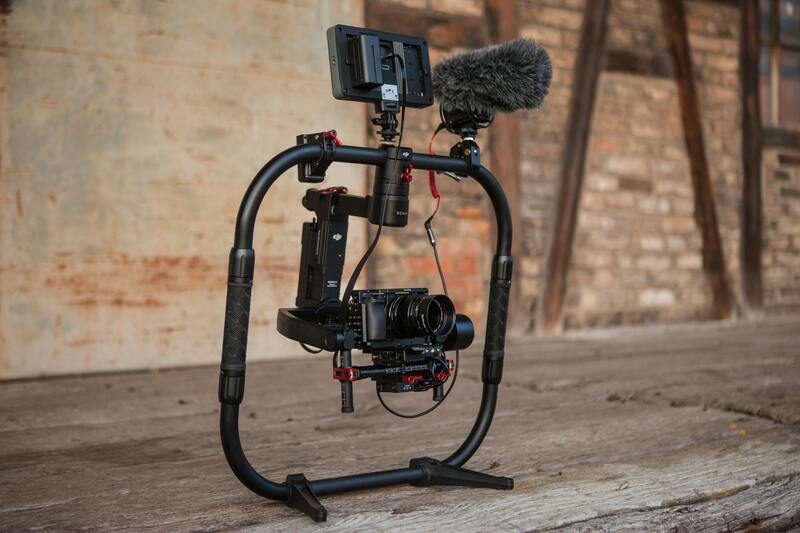
At its core, webcasting combines high-quality video production with robust streaming technology, ensuring continuous, uninterrupted delivery of content. It involves capturing live footage through professional cameras and microphones, encoding the signal, and broadcasting it via specialized platforms to viewers on desktops, tablets, or smartphones. The importance of webcasting lies in its ability to deliver synchronized content to large groups swiftly and efficiently, providing a seamless viewing experience that maintains image clarity and audio fidelity.
This methodology supports a broad range of applications, from internal corporate communications to public-facing live events. As a versatile digital communication tool, webcasting allows organizations to connect with their audience in a dynamic, cost-effective manner, eliminating geographical barriers and fostering interactive participation. Its significance grows in the modern landscape where virtual engagement has become essential for maintaining visibility, fostering community, and sharing knowledge across diverse audiences.
Key Features of Professional Webcasting Solutions
- High-definition video quality for clear visuals
- Robust and scalable streaming platforms to handle varying audience sizes
- Interactive features such as chat, Q&A, and polling
- Comprehensive technical support from pre-production to live broadcast
- Secure streaming options to protect content confidentiality
- Integration capabilities with social media and other digital platforms
Advantages of Using Webcasting for Businesses in Miami
- Extended reach to audiences locally and globally
- Cost savings compared to traditional event hosting
- Enhanced audience engagement through real-time interaction
- Data collection and analytics to measure engagement impact
- Flexible viewing options across multiple devices
- Environmental benefits by reducing the need for travel and venue resources
Types of Events Suitable for Webcasting
- Corporate conferences and quarterly meetings
- Product launches and demonstrations
- Training sessions and workshops
- Press events and media briefings
- Fundraising and community outreach programs
- Educational seminars and university commencements
Technical Components of Professional Webcasting Solutions
Implementing high-quality video webcasting services requires a well-rounded suite of technical components designed to deliver seamless live streams to audiences. Central to this is the use of high-definition video encoding and compression technologies that ensure crisp visuals and clear audio, regardless of the viewer’s device or network bandwidth. Robust streaming platforms employ adaptive bitrate streaming, which dynamically adjusts the video quality based on viewers' internet speeds, minimizing buffering and ensuring a stable viewing experience.
Multiple platform integration is another critical aspect, enabling broadcasts to be seamlessly distributed across various digital channels such as social media platforms, corporate websites, and dedicated streaming portals. This multi-channel approach broadens reach and provides viewers with easy access through familiar interfaces.
Security measures are integral to safeguarding live content, especially during sensitive corporate events or confidential product unveilings. Professional services implement encrypted streams, secure token authentication, and other safeguards to prevent unauthorized access. In addition, reliable technical support from pre-production through to the live event helps troubleshoot issues swiftly, maintaining a professional broadcast standard.
Effective integration capabilities allow webcasting solutions to connect with other media tools, including video playback libraries, data capture systems, and engagement features like live chat and polling. These integrations facilitate a dynamic and interactive viewing environment, enhancing participant involvement and providing valuable insights for organizers.
Advantages of Using Webcasting for Businesses in Miami
- Extended Audience Reach: Allows engaging viewers across Miami and around the globe, breaking geographical barriers.
- Cost-Effective Execution: Eliminates expenses related to venue rentals, travel, and printed materials.
- Real-Time Engagement: Facilitates instant interaction through Q&A sessions, polls, and chat features, boosting audience participation.
- Data and Analytics: Captures viewer metrics, engagement levels, and feedback to inform future strategies.
- Device Compatibility: Ensures content is accessible on smartphones, tablets, desktops, and smart TVs, providing flexible viewing options.
- Operational Sustainability: Reduces environmental impact by lowering travel needs and resource consumption.
Types of Events Suitable for Webcasting
- Corporate conferences and quarterly meetings that require broad stakeholder participation.
- Product launches and demonstrations aimed at showcasing innovations to a wider audience.
- Training sessions and workshops that support remote employee onboarding and skills development.
- Press events and media briefings designed to communicate key messages efficiently.
- Fundraising campaigns and community outreach programs to increase engagement and support.
- Educational seminars and university commencements that facilitate learning and celebration beyond physical boundaries.
Choosing the Right Webcasting Service Provider
Securing a reliable and experienced webcasting partner is crucial for the seamless execution of your virtual event. When evaluating potential providers, consider their technical expertise, portfolio of past events, and capacity to customize solutions to meet specific organizational needs. A proficient provider will offer end-to-end support, including content management, server hosting, and post-event analytics, ensuring every aspect of the broadcast aligns with your objectives.
Pricing models are also a significant factor; transparent cost structures without hidden fees facilitate effective budgeting. Discussing setup timelines, technical rehearsal opportunities, and contingency plans helps minimize unexpected disruptions during the live event. Additionally, a provider’s ability to deliver multidevice compatibility and high-definition streaming enhances viewer experience and engagement.
Effective communication with your chosen partner ensures alignment on the event’s goals, target audience, and technical requirements. Regular updates and dedicated support teams serve as a backbone for resolving unforeseen issues swiftly, preserving the professionalism and smoothness of your webcast.

Integrating Webcasting with Other Media and Technologies
The true potential of video webcasting is unlocked when integrated with other digital platforms and multimedia tools. Combining webcasting with social media channels allows real-time promotion, sharing, and interaction, amplifying the reach beyond the live audience. Embedding live streams into corporate websites or dedicated event portals creates a centralized hub for event content, increasing engagement and providing easy access for viewers.
Furthermore, integration with CRM systems and email marketing platforms enables targeted follow-ups, personalized content delivery, and detailed tracking of attendee data. Adding augmented reality (AR) and virtual reality (VR) elements can deepen viewer immersion, especially for product showcases or interactive training modules. Utilizing secure login portals and encryption ensures that sensitive content remains protected, fostering trust among participants.
The ability to synchronize live streams with other digital tools such as polling apps, chatbots, and on-demand video libraries enhances interactivity and provides a richer audience experience. Seamless integration not only elevates the production quality but also streamlines the management and measurement of your event efforts.
Common Challenges and How to Overcome Them
Deploying professional webcasting services involves certain challenges that, if anticipated, can be effectively mitigated. Network stability remains a primary concern; ensuring a robust, high-bandwidth internet connection is vital for uninterrupted streaming. Conducting thorough technical rehearsals helps identify potential issues before the live event, saving valuable time and resources.
Video quality fluctuations and lagging can detract from viewer experience. Utilizing high-quality encoding equipment and deploying content delivery networks (CDNs) optimize streaming speeds and resolution. Compatibility issues across devices and browsers may also pose problems; comprehensive testing across multiple platforms helps ensure all viewers enjoy consistent quality.
Attendee engagement can be another obstacle, especially in large-scale events. Incorporating interactive features like live polls, Q&A sessions, and chat functions encourages participation and keeps the audience involved. Adequate training for presenters and technical staff minimizes operational errors during the webcast.
Lastly, data security is paramount. Using encrypted streams, secure login procedures, and access controls protect your content and sensitive information, fostering trust with your audience and stakeholders. Regularly reviewing and updating security protocols aligns with evolving cyber threats, safeguarding your webcasting investments.
Types of Events Suitable for Webcasting
Webcasting offers a flexible solution that caters to a wide array of event formats, enabling organizers to reach broader audiences while maintaining high-quality presentation standards. Corporate meetings and conferences are prime candidates, providing seamless connectivity for remote team members, stakeholders, and international partners. This ensures that all participants receive real-time updates, presentations, and interactive sessions, fostering effective communication and decision-making.
Product launches greatly benefit from live streaming, allowing companies to showcase new offerings to a global audience. High-definition visuals combined with engaging commentary create an immersive experience that can significantly boost brand visibility and customer interest.
Educational seminars and workshops leverage webcasting to extend learning opportunities beyond physical boundaries. Institutions and training organizations can deliver lectures, demonstrations, and Q&A sessions, making education accessible regardless of location.
Community events, such as public forums, cultural festivals, or charity drives, also gain value through online streaming. This approach enhances community engagement, attracts volunteers and supporters, and amplifies the event’s impact.
Furthermore, hybrid events that combine in-person and virtual participation allow for adaptable event planning, providing attendees with multiple interaction points and ensuring continuity under varying circumstances. Whether it’s a panel discussion, trade show, or panel interview, webcasting integrates smoothly with diverse programming needs.

Ensuring Quality and Reliability in Webcasting
One of the fundamental pillars in selecting effective video webcasting services is the assurance of quality and reliability. Businesses must partner with providers who utilize advanced streaming platforms capable of delivering high-definition video and audio without interruptions. Adequate bandwidth management and redundant server setups are crucial to prevent buffering and downtime, especially during critical moments of an event.
Reliability also encompasses the robustness of the streaming infrastructure. Proven track records in managing live events, especially large-scale or high-profile ones, demonstrate a provider’s ability to handle the demands of different scopes and sizes. Additionally, seamless integration with multiple devices—including desktops, tablets, and smartphones—is essential to maximize accessibility and viewer engagement.

Technical Support and Monitoring
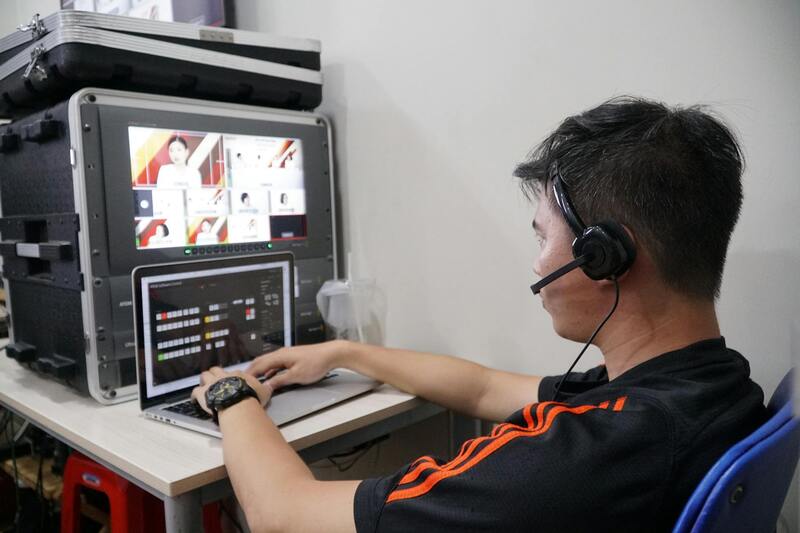
Effective technical support forms the backbone of successful webcasting. Providers should offer real-time monitoring and dedicated on-site or remote technical assistance, ensuring immediate resolution of any issues that may arise during transmission. A proactive approach to troubleshooting minimizes disruptions and safeguards the live event experience for viewers.
Many professional services now integrate advanced analytics and reporting tools, allowing clients to monitor streaming quality and viewer engagement metrics. These insights help refine future productions, optimize content delivery, and measure overall impact.
Customization and Branding Integration
Quality webcasting solutions often include options for custom branding elements, such as logos, watermarks, and thematic graphics, reinforcing brand identity throughout the event. Customization extends further with tailored video layouts, interactive chat modules, and integrated social media feeds, fostering a more engaging and cohesive viewer experience.

Scalability and Future-Proof Solutions
The ability to scale services according to the event size and audience growth is vital for evolving business needs. Reliable vendors provide flexible solutions that accommodate both small internal meetings and large-scale conferences, adapting seamlessly to changing requirements without compromising quality.
Furthermore, staying abreast of emerging technologies such as 4K streaming, interactive features, and virtual reality integration ensures that webcasting efforts remain cutting-edge. Continual innovations enhance viewer engagement and provide competitive advantages in reaching wider audiences effectively.
Integrating Webcasting with Other Media and Technologies
Effective webcasting extends beyond merely transmitting live video. It involves a strategic integration of multiple media channels and innovative technologies to elevate audience engagement and deliver a seamless experience. When planning a webcasting event, it is essential to synchronize the live stream with on-site visuals, social media platforms, and interactive features that resonate with viewers.
On-site visuals such as dynamic presentation slides, real-time polling, and on-screen graphics can be coordinated with the live stream to provide context and visual appeal. These elements help maintain viewer interest, reinforce key messages, and create a cohesive visual narrative that enhances the overall production quality.

Social media integration plays a pivotal role in expanding reach and fostering two-way communication. Embedding social media feeds, hashtags, and live comment sections invites participation from viewers who might not be able to attend physically but want to engage actively. This interconnected approach not only amplifies event visibility but also encourages real-time feedback, making the event more interactive and responsive.
- Real-time chat and Q&A modules enhance viewer interaction, fostering a sense of community around the event.
- Embedding social media streams enables viewers to share content instantly, increasing organic reach and visibility.
- Interactive polls and surveys collected during the webcast provide valuable insights and boost audience involvement.
Advances in technology have paved the way for sophisticated integrations such as augmented reality (AR) and virtual reality (VR). These immersive features can be incorporated into webcasting to offer virtual tours, 3D product demonstrations, or interactive experiences that captivate audiences and create memorable impressions.
Furthermore, pairing webcasting solutions with content management systems (CMS) and customer relationship management (CRM) tools allows for targeted content delivery, personalized viewing experiences, and comprehensive analytics. This multifaceted integration results in a more engaging, efficient, and data-driven approach to live broadcasting.

Choosing the Right Webcasting Service Provider
Selecting an appropriate webcasting partner is crucial for ensuring seamless and impactful live broadcasts. Businesses should begin by evaluating providers based on their technical expertise, track record of successful events, and capacity to deliver high-quality streams tailored to specific event needs. Experience in handling diverse event formats—from corporate conferences to live product launches—reflects a provider's versatility and reliability.
Key considerations include the provider’s infrastructure and technology stack. Advanced encoding solutions, robust content delivery networks (CDNs), and reliable backup systems are fundamental to prevent disruptions. A professional webcasting service should also offer comprehensive technical support before, during, and after the event to address unforeseen issues swiftly.
Another essential factor is customization capabilities. The chosen provider must be able to integrate branding elements, interactive features, and auxiliary content such as chat modules and social media feeds, enhancing viewer engagement. Clear communication about pricing structures, deliverables, and contractual obligations helps establish a transparent partnership.
Furthermore, assessing the provider’s compliance with security standards and data privacy regulations ensures that sensitive information remains protected. Reviews and testimonials from previous clients can reveal insights into the provider’s reliability, professionalism, and overall client satisfaction.

When engaging a webcasting service, consider requesting demonstrations or sample broadcasts to assess quality and functionality firsthand. A well-chosen partner can transform a standard event into an engaging, professional experience that extends reach, enhances brand reputation, and encourages ongoing viewer interaction.
Advanced Security and Privacy Measures in Video Webcasting
Ensuring the integrity and confidentiality of live video streams is critical for organizations leveraging video webcasting services in Miami. State-of-the-art encryption protocols play a vital role in safeguarding live content from unauthorized access or interception during transmission. Secure Sockets Layer (SSL) encryption, along with Transport Layer Security (TLS), encrypts data streams, ensuring that only authorized viewers can access the content. This is particularly important for sensitive corporate events, confidential product launches, or private webinars.

Beyond encryption, segmenting access via secure login credentials and implementing digital rights management (DRM) systems help control who can view, download, or redistribute content. Multi-factor authentication (MFA) adds an additional layer of security, verifying user identities before granting access. These practices ensure that right holders maintain control over their content and that viewers engage in a safe environment.
Leveraging Content Delivery Networks for Quality Assurance
To ensure a seamless viewing experience, professional webcasting providers utilize advanced content delivery networks (CDNs). CDNs distribute streaming data across multiple servers geographically dispersed around Miami and beyond, reducing latency and buffering issues. This distribution enhances stream stability and consistently high-quality delivery, even during peak traffic conditions.
Effective CDN implementation involves strategically selecting providers with extensive infrastructure and global reach, aligning with audience locations, and employing dynamic bandwidth allocation. These measures mitigate common challenges such as packet loss, jitter, or interruptions that can compromise viewer engagement.
Technical Support and Troubleshooting Protocols
Real-time technical support constitutes an indispensable component of professional webcasting services. Skilled support teams monitor streams from start to finish, promptly addressing issues ranging from signal fluctuations to hardware malfunctions. Pre-event testing, stress testing, and contingency planning are integral steps to identify potential vulnerabilities early.
Providers also maintain clear communication channels for immediate escalation if problems arise during a broadcast. This proactive approach minimizes downtime, ensuring that webcasts in Miami maintain their reputation for professionalism and reliability.
Post-Event Analytics and Feedback Collection
After a webcast concludes, comprehensive analytics provide insights into viewer behavior, engagement levels, and technical performance. Metrics such as viewer duration, geographic distribution, device type, and interaction rates enable organizers to gauge the success of their event and refine future strategies.
Gathering direct feedback through surveys or interactive polling further enhances understanding of viewer satisfaction and areas for improvement. Combining data analysis with qualitative input helps organizations craft more engaging, user-centric webcasts moving forward.
Final Considerations for Ensuring Quality Webcasting
To optimize video webcasting services, organizations should prioritize providers with proven track records of high-quality delivery, robust security measures, and comprehensive support systems. Customized solutions that incorporate branding, interactive features, and social media integration foster more engaging experiences. Regular evaluation and adherence to evolving industry standards ensure that webcasting initiatives remain effective, secure, and aligned with organizational goals.