Overview of Live Video Services
Live video services have revolutionized the way events, conferences, performances, and special occasions are shared with audiences both locally in Miami and globally. These services enable real-time broadcasting, allowing viewers to experience moments as they happen, regardless of their physical location. By utilizing advanced streaming technologies, live video providers ensure seamless transmission with minimal delay, high-definition quality, and consistent performance. This capability is essential for businesses, event organizers, and content creators looking to amplify their reach and engage audiences effectively.
In Miami, a vibrant hub of cultural, corporate, and entertainment activities, live video services play a pivotal role in extending the impact of live events. Whether it’s a high-profile conference, a music concert, or a community festival, these services facilitate instant connectivity and interaction. They also serve as powerful marketing tools, providing real-time exposure and instant feedback. Furthermore, the differentiation in live video offerings allows clients to select tailored solutions—ranging from simple streaming setups for smaller gatherings to complex multi-camera productions for large-scale broadcasts—ensuring that every event is captured and broadcasted with clarity and professionalism.
The core purpose of live video services extends beyond mere transmission; they encompass comprehensive planning, high-quality production, and reliable delivery. Proper execution ensures that the message reaches the intended audience without technical disruptions, maintaining engagement and enhancing brand visibility. As technology continues to advance, the capabilities of live video services expand, incorporating features like multiple camera angles, real-time graphics, and interactive elements that elevate the viewing experience.
In a city as dynamic as Miami, leveraging professional live video services not only amplifies event reach but also bridges the gap between organizers and global audiences. Engaging visuals, sound clarity, and real-time connectivity are essential components that make live broadcasts impactful and memorable. With consistent improvements and innovations, live video services remain a crucial element of event promotion, corporate communication, and entertainment in Miami’s thriving landscape.
Key Equipment and Technologies
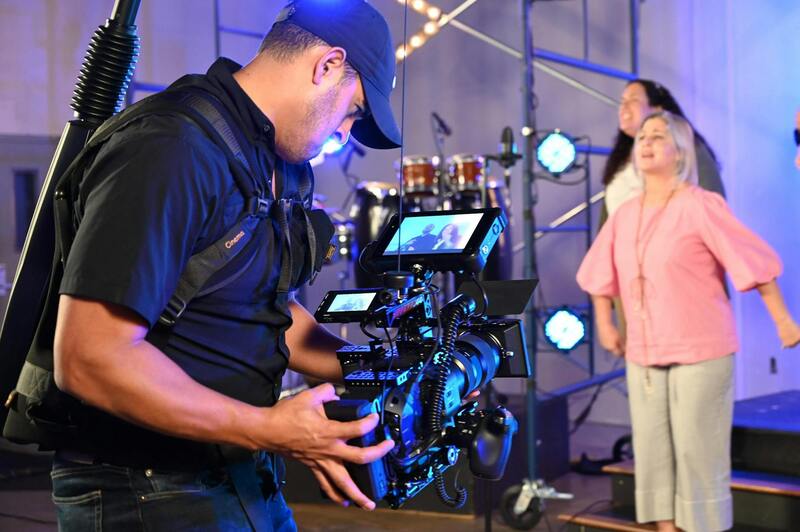
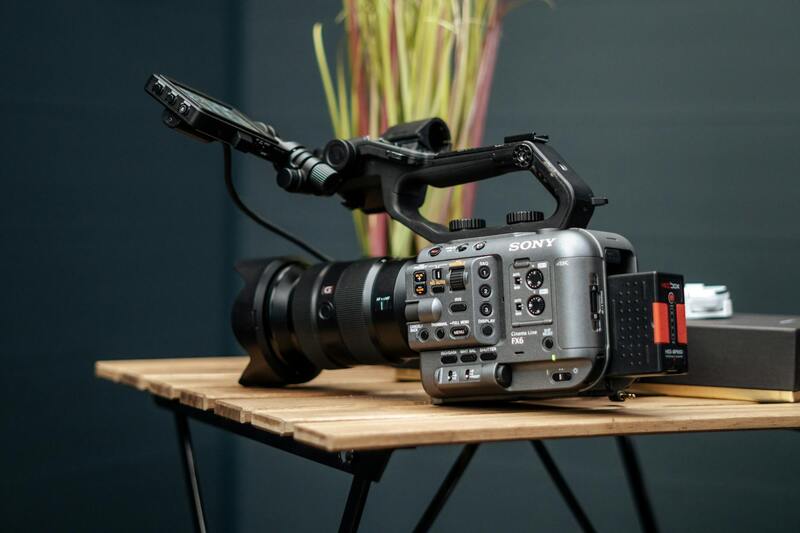
Successful live video broadcasting relies heavily on advanced equipment and cutting-edge technology. High-definition cameras are fundamental, capturing clear and vibrant visuals that resonate with the audience. These cameras often come with features such as multiple lenses, optical zoom capabilities, and low-light performance to ensure consistent quality regardless of the event environment.
Audio quality is equally crucial; professional-grade microphones, wireless systems, and audio mixers facilitate clear sound capture, minimizing background noise and echo issues. Eco-friendly, portable audio solutions are often preferred for on-location broadcasts to maintain mobility without sacrificing fidelity.
Network reliability is another cornerstone, requiring high-speed internet connections with sufficient upload bandwidth and backup options to prevent interruptions. Many service providers employ redundant connections, including wired Ethernet, fiber optics, and 4G/5G wireless solutions, to guarantee continuous transmission even during network fluctuations.
Encoding hardware/software converts raw footage into streamable formats compatible with various online platforms. Live stream encoders support multiple bitrates and resolutions, adapting to viewers’ internet speeds for smooth playback.
Switching technology is essential for multi-camera setups, allowing real-time transitions between different video feeds, incorporating graphics or overlays seamlessly. This often involves professional video switchers or software-based solutions that enable quick, fluid changes during live broadcasts.
Furthermore, live production integrates graphics engines for real-time titling, overlays, and branding to enhance viewer engagement. Interactive elements such as real-time polls, Q&A sessions, or chat integrations can be incorporated via specialized platforms and software, fostering viewer participation.
Planning and Coordination for Live Broadcasts
Effective live video production demands meticulous planning and coordination. Pre-event preparations include venue assessment, equipment setup, and establishing a detailed timeline for production activities. Clear communication with all stakeholders ensures synchronization of technical and content elements.
Designating roles—such as camera operators, technical directors, and on-air talent—facilitates smooth execution. Additionally, rehearsals are vital to test connectivity, verify camera angles, audio levels, and graphics integration, reducing the risk of unforeseen issues during the actual broadcast.
On the day of the event, a comprehensive checklist helps manage critical tasks, from equipment power supplies and internet stability to backup plans for unexpected situations. Continuous monitoring during the live stream allows technicians to make immediate adjustments, maintaining high standards of quality throughout the broadcast.
Post-event, the recorded footage can be edited or archived for later use, providing additional value and extending the reach of the broadcasted content.
Key Equipment and Technologies
To facilitate seamless and professional live video services, a variety of advanced equipment and cutting-edge technologies are essential. High-definition cameras are the cornerstone of any live broadcast, offering crisp visuals that captivate viewers. These cameras come with features such as optical zoom, image stabilization, and multiple frame rate options to adapt to diverse shooting conditions.
Complementing the cameras, high-performance streaming hardware such as encoders and switchers play a pivotal role in managing multiple video sources, transitions, and effects. Professional-grade video switchers enable Operators to switch seamlessly between camera angles or input sources, providing a polished viewing experience.
Reliable encoders convert raw video streams into digital formats compatible with various online platforms. These devices often come with robust features including adaptive bitrate streaming, which optimizes quality based on viewer bandwidth, ensuring uninterrupted viewing for a wide audience.
Supporting Technologies
- Audio Equipment: Professional microphones, mixers, and audio processing units guarantee clear sound quality, which is critical for audience engagement.
- Graphics and Overlay Software: Real-time graphics engines enable the integration of branding, titles, and visual effects, enhancing the overall production aesthetic.
- Internet Connectivity: Stable, high-bandwidth internet connections, often supported by backup solutions like multiple ISP links, are vital to prevent stream disruptions.
- Lighting Equipment: Proper lighting setups are essential for achieving consistent, high-quality visuals, especially in indoor or controlled environments.
In addition to hardware, software solutions such as live production platforms provide a user-friendly interface for managing streams, overlays, and multi-camera feeds. These tools facilitate remote operations, allowing skilled professionals to deliver high-quality content even in complex live scenarios.
Integration and Workflow Optimization
The integration of hardware and software components is crucial for efficient workflow management. Setting up a dedicated control room with centralized equipment racks, dual network connections, and real-time monitoring dashboards enables technicians to troubleshoot and respond swiftly to any issues, maintaining the integrity of the live broadcast.
The adoption of emerging technologies like 4K streaming, HDR imaging, and 360-degree cameras continues to elevate the quality and immersive nature of live video services, aligning with evolving viewer expectations in Miami and beyond.
Planning and Coordination for Live Broadcasts
Effective planning and meticulous coordination are fundamental to executing seamless live broadcasts. This phase involves detailed pre-production activities that lay the groundwork for a successful event. Initially, clear objectives and target audience considerations guide the overall production strategy, ensuring every element is aligned with the desired outcome.
Pre-production begins with comprehensive scripting and storyboard development. This helps in visualizing scene transitions, camera angles, and graphics, ensuring fluidity during the live event. Simultaneously, a dedicated team conducts location scouting if applicable, assesses technical requirements, and establishes the necessary infrastructure.