Understanding Remote Live Video Production
Remote live video production has revolutionized the way events, broadcasts, and live presentations are managed and delivered. Unlike traditional production methods, where equipment and personnel are centralized at the venue, remote production involves coordinating and streaming content from multiple locations through advanced technological platforms. This paradigm shift offers greater flexibility, cost efficiency, and the ability to create dynamic, multi-camera live streams without the need for large, onsite crews.
At its core, remote live video production leverages high-speed internet, cloud-based platforms, and professional-grade video and audio equipment to connect various sites in real time. For instance, a corporate conference might be hosted in Miami, with recording and streaming facilities operated remotely from an entirely different city or even country. This setup ensures seamless integration of live feeds, synchronized audio, and real-time editing, enabling broadcasters and event organisers to reach wider audiences with high-quality video content.
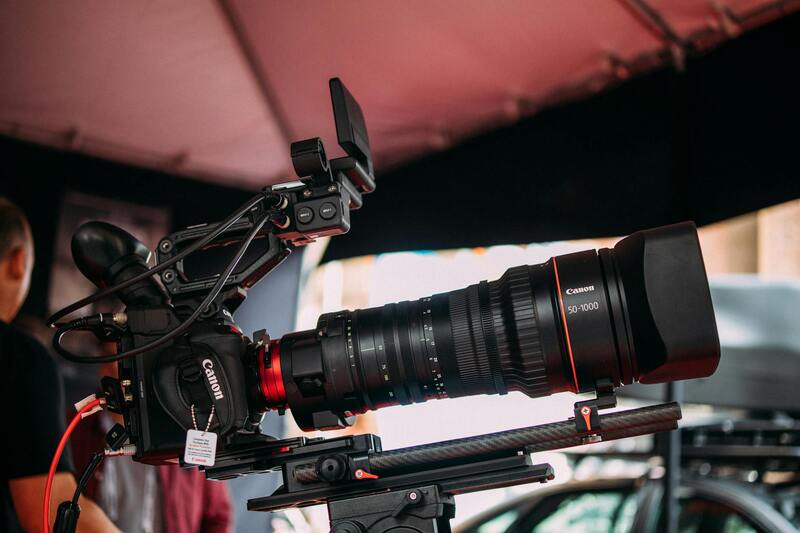
Compared to traditional methods, remote video production offers unparalleled flexibility. It reduces the need for extensive on-site crews and equipment, minimizes logistical challenges, and accelerates deployment timelines. Moreover, it enhances the capacity for real-time collaboration among different teams—from video editors to technical directors—regardless of their physical location. This evolution in production techniques is particularly crucial in a fast-paced industry like broadcasting, where the ability to adapt quickly and deliver compelling content is paramount.
In the today’s digital-first environment, remote live video production has become an essential component of modern event broadcasting. It enables organizations to broadcast live events, webinars, conferences, and sports from virtually any location, reaching audiences globally while maintaining professional standards of visual and audio quality. As technology continues to advance, remote production will become even more integrated with artificial intelligence, real-time analytics, and immersive media, further expanding its capabilities and applications.
Overall, this method signifies a move towards more agile, scalable, and cost-effective production models that serve the needs of diverse industries—from entertainment and sports to corporate communications and public sector initiatives. Embracing remote live video production not only increases operational efficiency but also empowers organizations to deliver engaging, high-quality live content in an increasingly interconnected world.
Key Technologies and Equipment
Successful remote live video production hinges on a suite of sophisticated tools and technologies that ensure seamless streaming, high-quality visuals, and synchronized audio. Central to this setup are professional-grade cameras, which can include PTZ (pan-tilt-zoom) models controlled remotely to deliver dynamic shots without physical presence. These cameras often incorporate high-definition resolutions and low-latency streaming capabilities to maintain clarity and real-time responsiveness.
Complementing cameras are robust streaming platforms that facilitate reliable content delivery across multiple devices and networks. These platforms typically support adaptive streaming, enabling viewers to access content smoothly regardless of their bandwidth conditions. Encrypted transmission protocols further safeguard the integrity of the live feed against interference or unauthorized access.
Control systems are essential for overseeing camera angles, transitions, and audio levels from remote locations. These often include hardware controllers or software interfaces that integrate with the cameras and video switchers, providing real-time manipulation capabilities. Video switchers, in particular, enable producers to seamlessly switch between multiple camera feeds, overlays, and graphics, creating a polished broadcast output.
Audio equipment, such as professional microphones, mixers, and digital audio workstations, ensure crystal-clear sound quality. Proper synchronization between audio and video streams is vital for viewer engagement and professionalism.
Network connectivity plays a pivotal role; high-speed internet with sufficient upload bandwidth ensures minimal latency and prevents disruptions during live transmission. Redundant connections, including backup internet lines, can further enhance reliability.
Additionally, content management systems and automation tools are increasingly integrated into remote production workflows. These systems facilitate scheduling, metadata tagging, and live editing, making operations more efficient and adaptable.
Implementing Secure Transmission Protocols and Network Infrastructure
Effective remote live video production relies heavily on the use of secure, robust transmission protocols to ensure a consistent and high-quality broadcast experience. Digital transmission standards such as RTMP (Real-Time Messaging Protocol) and SRT (Secure Reliable Transport) are integral in safeguarding data integrity during live streams. These protocols encrypt the video and audio data, minimizing the risk of interference or unauthorized interception, which is crucial for maintaining professionalism and client confidence.
Complementing these protocols is the deployment of advanced network infrastructure. Utilizing dedicated fiber-optic connections or high-capacity broadband internet with symmetrical upload and download speeds minimizes latency and packet loss, which are critical factors for live video quality. It is common practice to establish failover systems with primary and backup internet providers, ensuring continuous operation even if a primary connection drops. This redundancy significantly reduces the chance of interruptions during live events.
Cloud-Based Content Delivery and Management Tools
Modern remote live video production takes advantage of cloud computing solutions for content delivery and management. Cloud platforms facilitate real-time collaboration among production teams regardless of their physical locations, enabling seamless multi-camera integration, live editing, and graphics overlay. These systems often include content management features that allow for pre-scheduling broadcasts, metadata tagging, and instant content updates.
Additionally, cloud-based video platforms optimize the distribution of live streams to multiple channels simultaneously, expanding audience reach without adding significant infrastructure costs. They also enable analytics tracking, providing insights into viewer engagement and stream performance, which are essential for refining future productions.
Real-Time Monitoring and Quality Control
During remote live production, continuous monitoring of the video and audio feeds is indispensable. Producers and technical teams utilize remote monitoring software that displays real-time streams, quality metrics, and system diagnostics. This setup allows rapid identification of issues such as buffering, audio lag, or signal degradation, enabling immediate corrective actions.
Quality control tools also include automated testing for color correction, audio levels, and video synchronization. Automated alerts notify operators of abnormalities, helping maintain high broadcast standards. Furthermore, in-venue technicians can collaborate with remote operators through integrated communication platforms, ensuring a coordinated response to any technical challenges.
Expertise and Credentialing in Remote Production Teams
Executing successful remote live video production demands highly skilled professionals trained in the latest technologies and workflows. These include broadcast engineers, camera operators, sound technicians, and project managers, all proficient in remote management software and hardware configurations.
Certifications such as Certified Broadcast Technologist (CBT) or similar industry credentials demonstrate technical competence and adherence to best practices. Continuous training and familiarization with emerging equipment and protocols ensure that production teams can confidently handle complex workflows, troubleshoot issues swiftly, and adapt to evolving industry standards.
The credibility of a production team is often reflected in their portfolio of successful remote broadcasts, demonstrating their capacity to deliver reliable, high-quality live content across various platforms and event types.
Understanding Remote Live Video Production
Remote live video production has revolutionized how live events, broadcasts, and corporate communications are managed. By leveraging centralized production facilities, remote operators can control the entire broadcast process from a location miles away from the actual event. This approach minimizes the need for on-site technical personnel, reduces logistical costs, and introduces new levels of flexibility and scalability. It also enables broadcasters and event organizers to utilize the expertise of specialists regardless of their geographic location, ensuring high production quality without the constraints of physical proximity.
In remote live video production, signals from multiple cameras and audio sources at the event venue are transmitted via high-speed internet or dedicated fiber connections to a remote control room. Here, experienced producers, directors, and technical teams can orchestrate real-time switching, graphics insertion, audio mixing, and other critical tasks just as they would in a traditional on-site setup. This process is facilitated by sophisticated transmission protocols, encoding systems, and reliable network infrastructure that ensure seamless signal quality and low latency. Moreover, the technology allows for multi-platform distribution, giving broadcasts immediate access to online streaming, social media, and other digital channels.
The core advantage of such setups is their ability to adapt to diverse event requirements. Whether it’s a large-scale concert, a corporate conference, or a sports event, remote production teams utilize a modular approach. They combine cloud-based tools with on-site camera feeds to create a comprehensive live broadcast experience. This method broadens coverage options, allowing for high-definition, multi-camera angles, integrated graphics, overlays, and real-time analytics, enhancing viewer engagement across different platforms.
Furthermore, remote production procedures are supported by robust cybersecurity measures. Ensuring secure transmission pathways, encrypted data streams, and authorized access controls protect sensitive content and uphold broadcast integrity. These security practices are essential in maintaining stakeholder confidence and complying with industry standards.
In sum, remote live video production combines cutting-edge technology, skilled personnel, and strategic planning to deliver dependable, high-quality live content. The adaptability of this approach makes it an invaluable asset across various sectors, streamlining operations while expanding reach and engagement in today’s increasingly digital world.
Challenges and Solutions in Remote Live Video Production
While remote live video production offers significant advantages in flexibility and reach, it is not without its operational hurdles. Overcoming these challenges requires strategic planning, advanced technology, and meticulous execution to ensure a seamless broadcast experience.
Connectivity Stability
One of the most critical factors influencing remote live production is maintaining a stable internet connection. Variability in bandwidth can cause buffering, lag, or dropped feeds. To address this, production teams utilize dedicated fiber-optic lines, multiple redundant internet sources, and bonded cellular connections. These measures create a fail-safe environment where if one connection falters, others automatically take over, minimizing disruption.
Latency and Synchronization
High latency can impact synchronization between video feeds, audio, and graphics, resulting in an disjointed viewer experience. Implementing low-latency streaming protocols and real-time synchronization software helps mitigate these issues. Additionally, deploying hardware-based audio and video delay systems ensures better alignment of live feeds.
Technical Glitches and Equipment Failures
Technical failures, whether due to hardware malfunction or software crashes, pose a significant risk during live broadcasts. Pre-production testing, regular equipment maintenance, and having backup hardware onsite are essential. Remote production workflows often incorporate cloud-based control panels and monitoring tools that provide real-time diagnostics, allowing operators to swiftly identify and troubleshoot issues before they impact viewers.
Security and Data Integrity
Secure transmission channels are indispensable in protecting live content from unauthorized access or interference. Utilizing encrypted streams, secure VPNs, and end-to-end encryption protocols defends critical data. Role-based access controls further restrict system entry, ensuring only authorized personnel can make changes, monitor feeds, or initiate commands. These security measures help uphold the confidentiality and integrity of live broadcasts.
Strategies for Reliable Remote Production
- Implement multi-layered internet connectivity solutions for redundancy.
- Use high-quality encoding and transmission hardware to reduce latency and data loss.
- Coordinate comprehensive pre-event testing that simulates live conditions.
- Employ reliable cloud-based management platforms for real-time monitoring and control.
- Maintain clear communication channels among remote teams, on-site crew, and broadcasters to quickly address issues as they arise.

Understanding Remote Live Video Production
Remote live video production has revolutionized how events, broadcasts, and live streaming are managed, offering flexibility and efficiency that traditional onsite setups often cannot match. This approach allows production teams to operate sophisticated video workflows from geographically dispersed locations, leveraging advanced communication networks and cloud-based control systems. Essential to this process is the seamless integration of various technologies that enable real-time video capture, switching, encoding, and distribution without the need for physical presence at the event site. By connecting multiple remote locations via secure data channels, production teams can coordinate complex live feeds, incorporate multiple camera angles, and execute real-time graphics or overlays, all while maintaining high-quality output.
This method is particularly valuable for large-scale events, such as music festivals, corporate conferences, or sports matches, where onsite presence is limited or impractical. It enables broadcasters and event organizers to leverage talent and expertise from different locations, seamlessly integrating camera feeds from multiple venues or angles into a single, cohesive livestream. Furthermore, remote production supports scalable solutions that can adapt to various event sizes and complexities, making it a versatile choice for many organizations seeking to optimize their live broadcast capabilities.
Key Technologies and Equipment
The backbone of remote live video production comprises a range of technological components designed for stability, efficiency, and high performance. Central to these are reliable high-bandwidth internet connections, capable of supporting the robust data transfer needed for real-time video streaming. Network redundancy is often implemented through multiple internet sources to prevent interruptions. Encoders at the event site convert raw video signals into digital streams compatible with online platforms, employing hardware or software solutions optimized for low latency and high quality.
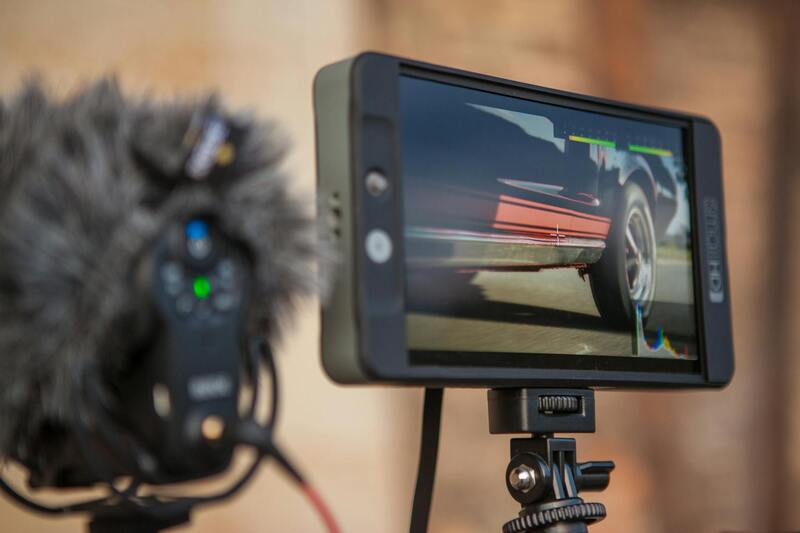
Control interfaces and switchers, often cloud-based, allow producers to manage multiple feeds remotely, executing live cuts, transitions, and graphics effortlessly. Video servers and content distribution networks (CDNs) facilitate the efficient delivery of streams to viewers worldwide. Additionally, advanced monitoring tools enable remote operators to oversee system performance, troubleshoot issues proactively, and ensure consistent broadcast quality throughout the event.
Benefits of Remote Live Video Production
- Cost Efficiency: Reduces expenses related to travel, on-site staffing, and equipment logistics, allowing for budget-friendly event coverage.
- Enhanced Flexibility: Enables quick setup and adjustment across multiple locations without the constraints of physical infrastructure.
- Global Reach: Facilitates live streaming to international audiences without the need for relocated onsite resources, broadening audience engagement opportunities.
- Scalability: Supports expanding or downsizing production elements swiftly to accommodate different event sizes and requirements.
- Safety and Accessibility: Minimizes on-site personnel during times when safety protocols are critical, ensuring continuous operations despite restrictions or emergencies.
Workflow and Planning Process
Effective remote live video production hinges on meticulous planning. The process begins with comprehensive pre-production meetings to define the scope, technical requirements, and roles of each team member. A detailed project timeline assists in coordinating equipment setup, testing, and rehearsals to uncover potential issues before the event.
On event day, the remote production team monitors all feeds and system functionalities through advanced management platforms. Real-time diagnostics allow rapid response to any unforeseen technical disruptions. Clear communication channels among on-site staff and remote operators are essential for synchronized operations, with backup systems and contingency plans in place to maintain continuity.
Understanding Remote Live Video Production
Remote live video production involves managing the entire broadcast process without on-site personnel directly controlling every element. It leverages a networked approach where video feeds are captured at multiple locations and directed through a centralized or cloud-based control system. This method enables live event coverage, corporate broadcasts, and entertainment productions to be operated from a distant location with high precision and coordination. Such techniques are increasingly integral to modern media workflows, especially in metropolitan areas like Miami, where diverse event venues and broadcasting needs demand flexible and scalable solutions.
Key Technologies and Equipment
- Remote Video Encoders and Decoders: Devices that convert video signals into digital formats suitable for transmission over the internet, and vice versa. They ensure seamless quality regardless of physical distance.
- High-Speed Internet Connectivity: Reliable fiber optics and dedicated bandwidth are critical for maintaining uninterrupted streams with low latency.
- Robust Video Switchers and Cloud-based Control Panels: Enable real-time switching between feeds and managing multiple sources simultaneously, often through web interfaces.
- Video and Audio Cloud Platforms: Facilitate multi-user collaboration, stream processing, and storage, which are essential for managing dynamic live content efficiently.
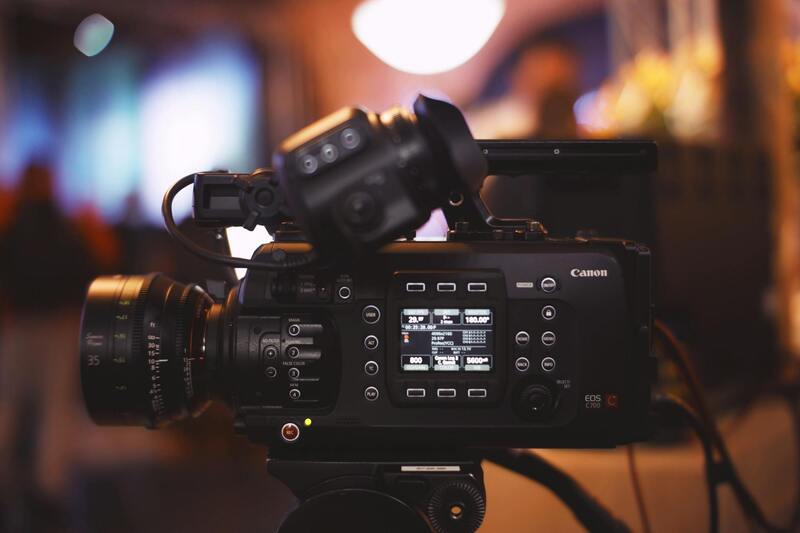
- Remote Camera Systems: Often PTZ (pan-tilt-zoom) cameras, remotely operated to capture various angles, providing flexibility without physical presence at the shoot location.
- Monitoring and Diagnostics Tools: Software solutions that continuously check system health, video quality, and stream stability, allowing for swift troubleshooting.

Benefits of Remote Live Video Production
Transitioning to remote production offers numerous advantages, particularly in metropolitan hubs such as Miami, where versatility and efficiency are paramount. This approach reduces logistical redundancies, cutting costs and time associated with setting up physical infrastructure at multiple venues. Operational agility increases as production teams can adapt quickly to evolving event requirements, managing numerous locations without the need for on-site staffing. Additionally, remote production opens up broader audience engagement avenues by enabling high-quality live streaming across the globe. It translates to scalable and adaptable workflows aligned with the dynamic needs of contemporary media demand while maintaining high production standards. Enhanced safety protocols are also easier to implement, reducing on-site personnel requirements during sensitive or restricted-access events.
Workflow and Planning Process
Ensuring a smooth remote live video production requires thorough preparation. The key steps include:
- Pre-Production Planning: Establishing the scope, technical specifications, and roles is essential. Collaborative meetings help align everyone’s expectations and outline contact points for troubleshooting.
- Technical Rehearsals: Running simulations to test signal integrity, switcher configurations, and latency issues ensures readiness. Adjustments are made during these phases to address any discrepancies.
- Event Day Operations: The remote team vigilantly monitors all feeds using advanced management platforms. Real-time diagnostic tools facilitate immediate problem resolution, minimizing disruptions.
- Communication Protocols: Clear lines of communication between on-site staff, remote directors, and technical operators are fundamental for synchronized actions. Backup systems, such as redundant internet links and secondary servers, are put in place to safeguard against failures.
Challenges and Solutions
Despite its advantages, remote live video production also encounters challenges such as latency issues, bandwidth limitations, and security concerns. To mitigate these, providers utilize dedicated fiber connections and optimized compression algorithms to minimize delays and frame drops. Encrypted data streams protect sensitive content from interception. Regular hardware updates and comprehensive testing declutter potential technical failures, while redundant systems serve as fail-safes in case primary solutions encounter problems. Fostering rigorous training for staff and establishing clear protocols further smoothens operation despite unpredictable variables.
Choosing a Miami Production Agency for Remote Live Video
When selecting a Miami-based production agency for remote live video services, it is essential to assess their expertise, technological capabilities, and track record of successful projects. A reputable agency will employ cutting-edge equipment and adhere to industry standards, ensuring high-quality results and seamless integration with your event or broadcast needs. Their experience with local venues, event types, and technical requirements in Miami allows for tailored solutions that optimize each production.
Consider agencies that provide comprehensive consultations to understand your specific objectives, audience engagement strategies, and technical constraints. A professional team will conduct thorough site assessments to evaluate network infrastructure, power availability, and logistical considerations unique to Miami's diverse event spaces. This preliminary analysis helps set realistic expectations and timelines for the production process.
Evaluating Technical Expertise and Equipment
- Network Infrastructure: Ensure the agency utilizes dedicated fiber optic links or high-bandwidth internet connections capable of handling multiple live feeds with minimal latency.
- Camera and Video Transmission: Confirm the use of professional-grade cameras with options for 4K resolution, alongside encoders that facilitate reliable streaming over various platforms.
- Switching and Production Hardware: Look for agencies equipped with advanced video switchers, graphics processors, and multi-view monitors, enabling dynamic production control remotely.
- Audio Equipment: High-fidelity audio mixers and remote microphone systems are vital for clear sound quality in live environments.
- Redundancy Systems: Dual internet links, backup power supplies, and failover configurations are critical for uninterrupted broadcasts.
Assessing Safety, Security, and Compliance
Reputable remote live video production providers prioritize data security and content integrity. They utilize encrypted data streams, secure remote server access, and compliant data handling protocols to safeguard sensitive information. An agency should also demonstrate adherence to industry standards for technical safety, including proper grounding, equipment certification, and safety procedures during onsite setups.
Reviewing Portfolio and References
An in-depth review of an agency's portfolio provides insight into their technical proficiency, creativity, and reliability. Request case studies of similar projects in Miami or the broader Florida region to gauge their familiarity with local venues, event dynamics, and audience engagement methodologies. Additionally, contacting past clients for feedback can reveal the agency's professionalism and capacity to deliver under pressure.