Understanding Live Event Video Coverage
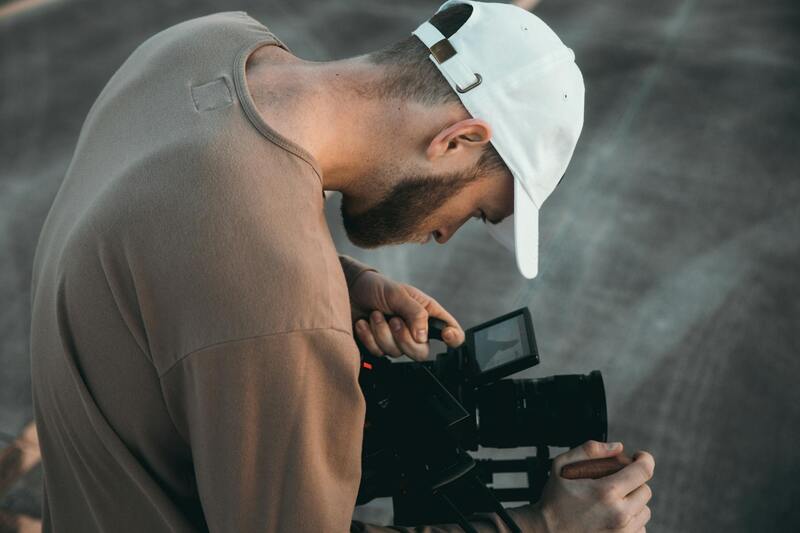
Live event video coverage encompasses the real-time recording and broadcasting of events such as conferences, concerts, sports competitions, festivals, and corporate gatherings. This process involves capturing the dynamic atmosphere, key moments, and audience interactions to deliver an engaging visual narrative. High-quality live video ensures that event organizers can reach a broader audience, both onsite and remotely, creating opportunities for increased exposure, real-time engagement, and post-event promotional content.
Effective live event video coverage requires meticulous planning, multiple camera angles, reliable streaming infrastructure, and professional personnel to operate equipment and manage the broadcast. It allows organizations to showcase their events in a dynamic format, enabling viewers who cannot attend physically to experience the event as if they were present. Additionally, live footage can be repurposed for marketing, social media content, and archival purposes.
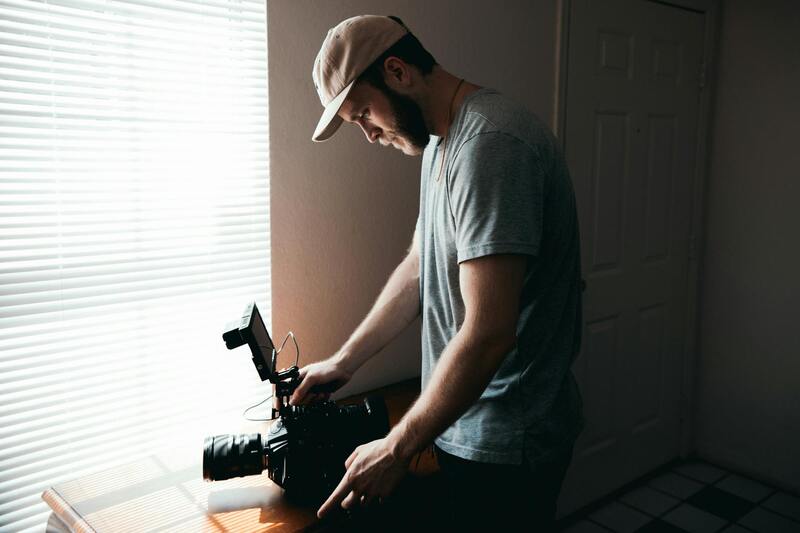
In today’s digital landscape, live event video coverage has become an essential component of comprehensive event management strategies. It facilitates real-time interaction, allows for instant feedback, and can significantly increase the visibility of the event's brand or message. With proper execution, live coverage can also serve as a powerful tool for future promotional campaigns, helping to extend the reach of the event well beyond its physical location.
Choosing a reputable production team that specializes in live event video coverage ensures the highest production values. They understand the intricacies of live streaming technology, multi-camera setups, and seamless transmission over various platforms. As a result, event organizers can rest assured that their event will be presented professionally, capturing every important detail in stunning clarity and ensuring a smooth viewing experience for the remote audience.
Equipment Selection and Setup
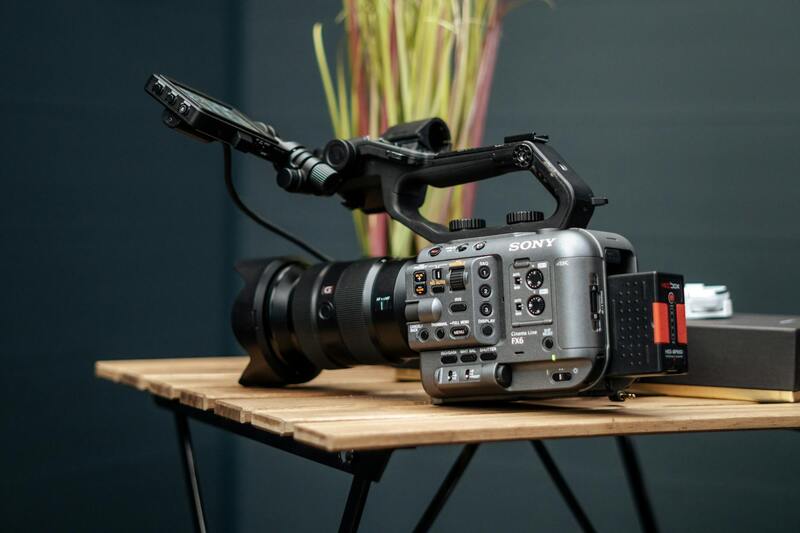
Implementing a successful live event video coverage requires meticulous planning in equipment selection and setup. Professionals in this field prioritize high-definition cameras capable of capturing sharp visuals in various lighting conditions. Multi-camera configurations are often employed to provide dynamic perspectives, which can include wide shots of the venue, close-ups of speakers or performers, and audience reactions. This multi-angle approach enhances viewer engagement and provides a comprehensive visual narrative of the event.
In addition to cameras, high-quality audio equipment is indispensable. Clear sound reproduction ensures that speeches, performances, and ambient sounds are captured without distortion. Wireless microphones and mixers are used to facilitate mobility and adaptability on-site, allowing production teams to focus on key moments. Streaming hardware, such as encoders and streaming servers, must be robust to handle high data rates, minimizing latency and buffering during live transmissions.
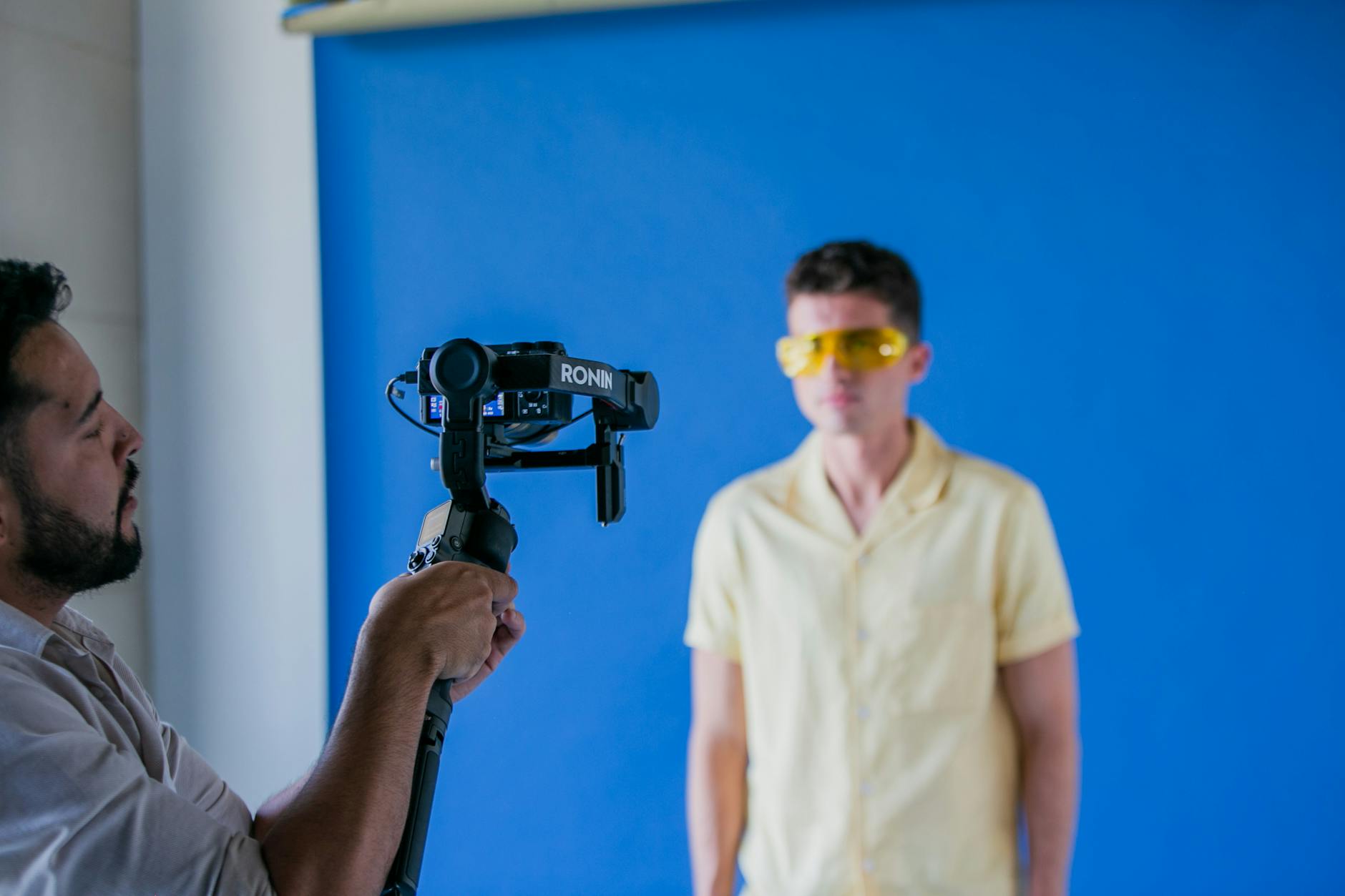
Strategic placement of cameras is crucial for optimal coverage. Experienced teams conduct site surveys beforehand to identify the best vantage points, optimizing angles and ensuring unobstructed views. Stabilized mounts and remote-controlled camera heads can be employed for precise positioning, while additional auxiliary equipment like lighting rigs and backdrops help maintain visual consistency throughout the event.
Pre-event testing is a critical component of equipment setup. This involves verifying connections, conducting dry runs, and calibrating all devices to ensure seamless operation during the live event. Skilled technicians oversee this process to troubleshoot potential issues proactively, ensuring that technical difficulties do not interfere with the broadcast.
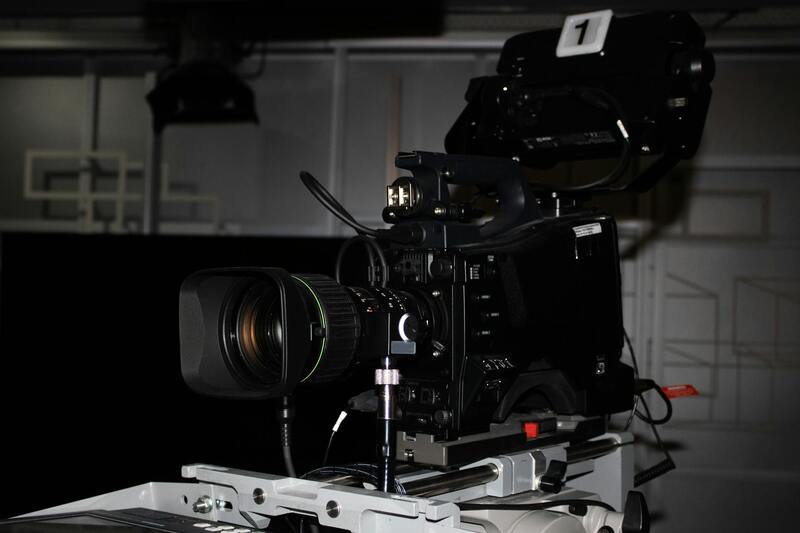
Choosing the right technology stack is essential. This includes selecting encoders that support multiple streaming platforms simultaneously, ensuring compatibility with various devices and network conditions. Redundant systems and backup equipment are often available to counter any unforeseen technical failures, which helps maintain continuity and professionalism in live coverage.
In Miami, production agencies specializing in live event videography leverage state-of-the-art tools to meet the high standards expected by clients. They keep abreast of the latest advancements in streaming technology, camera innovations, and connectivity solutions, which collectively ensure that every live broadcast is of the highest quality and reliability.
Equipment Selection and Setup
Choosing the appropriate equipment for live event video coverage is crucial for delivering a seamless, professional broadcast. The backbone of high-quality video starts with selecting high-definition cameras equipped with wide dynamic range and superior low-light performance to adapt to varying lighting conditions during events. These cameras should also support multiple resolutions and frame rates to customize the output depending on the streaming platform or display device.
Audio quality significantly impacts viewer engagement; therefore, professional-grade microphones—such as shotgun mics, lavalier microphones, and stereo microphones—are used to capture clear sound despite ambient noise. An integrated audio mixing system allows for real-time adjustments, ensuring consistent audio levels and clarity. Wireless audio systems are often employed for mobility, especially when coverage involves dynamic movements around the event site.
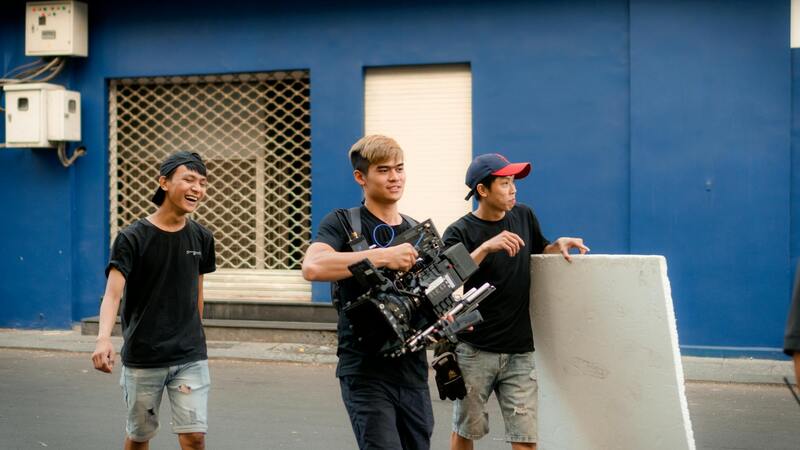
Lighting setup plays a vital role, especially in indoor environments where inconsistent lighting can compromise image quality. Portable, adjustable lighting rigs ensure even illumination and reduce shadows, enhancing the viewing experience. Supplementary lighting can be added for specific scenes or moments, aligning with the event’s visual narrative.
Backup systems, including spare cameras, batteries, and power supplies, are essential to guaranteeing uninterrupted coverage. Surge protectors and uninterruptible power supplies (UPS) are standard to mitigate power fluctuations or outages. For data security and transmission, multiple streaming encoders and redundant internet connections are utilized. This approach guarantees that even if one stream fails, an alternate feed can be quickly switched over, preserving the integrity of live coverage.
Mobile transmission units enable live feeds to be broadcast from remote locations without relying solely on fixed internet infrastructure. These units often combine cellular bonding technology, multiple 4G/5G connections, and satellite uplinks, facilitating dependable, real-time transmission regardless of the environment.
On-Site Execution and Live Streaming
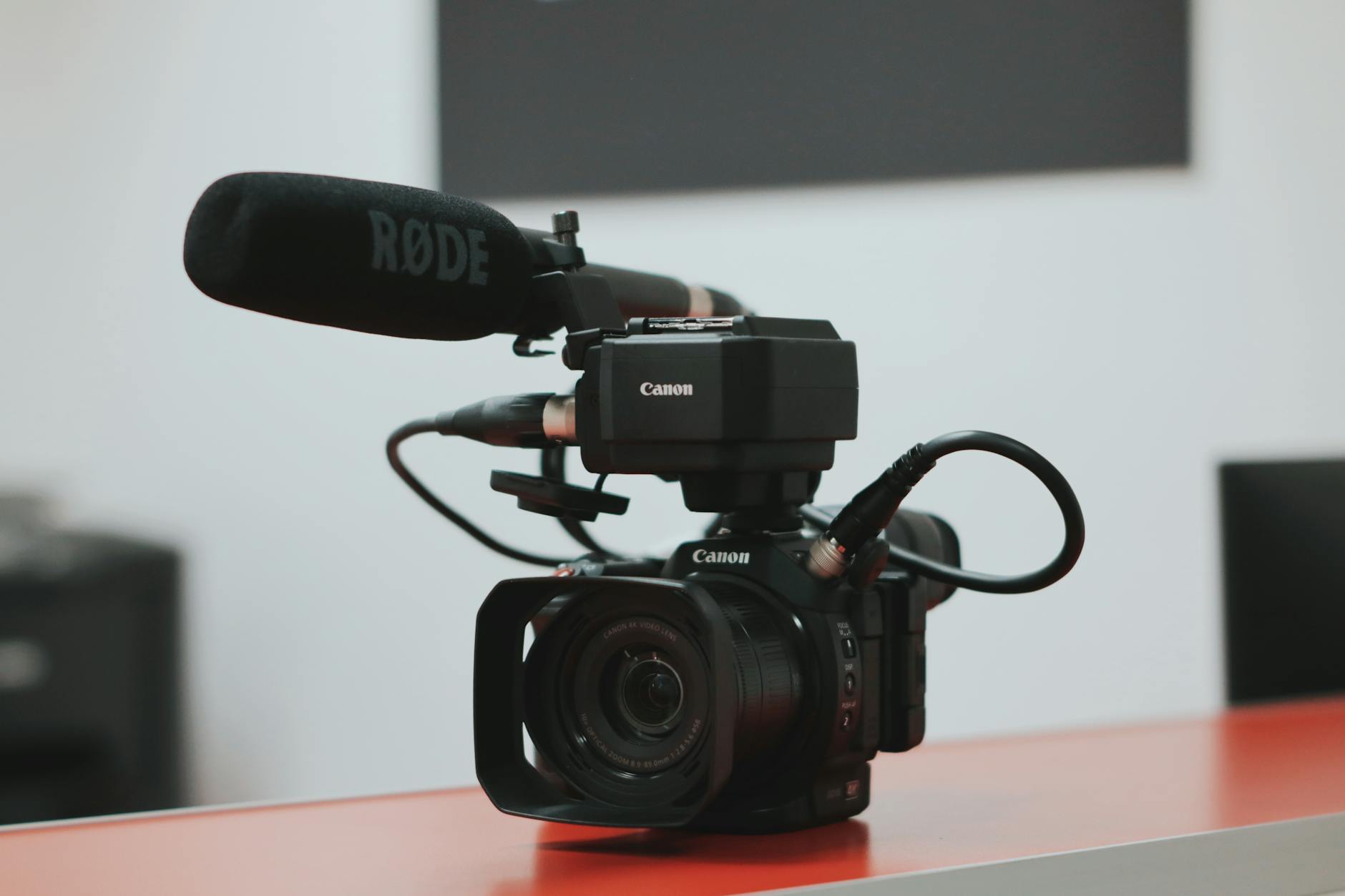
Executing a live event broadcast involves meticulous coordination among technical teams to operate cameras, manage audio feeds, and monitor streaming quality. Skilled directors and technical directors oversee the entire operation, making real-time decisions to switch between camera angles, insert graphics, or adjust audio levels. Their responsibilities include managing live feeds for multiple platforms and ensuring synchronization across all broadcasting channels.
The deployment of remote cameras or robotic mounts enhances coverage flexibility, especially for hard-to-reach or immersive perspectives. Remote operations are controlled via secure, high-bandwidth networks, allowing operators to focus on precise framing and shot composition.
The actual streaming process is managed through encoder software that compresses video feeds into optimal formats for transmission. A dedicated control room should be established onsite to monitor stream stability, troubleshoot issues promptly, and provide adjustments as needed. Regular communication between camera operators, technical staff, and directors remains essential to adapt to live event dynamics.
Ensuring a seamless viewer experience also involves strategic overlay of graphics, live captions, and branding elements, which are integrated dynamically during the broadcast. Feedback from viewers and real-time analytics can guide on-the-fly improvements, such as switching camera angles or adjusting stream quality to match viewer bandwidth capacities.
Utilizing Secure Platform Infrastructure for Streaming
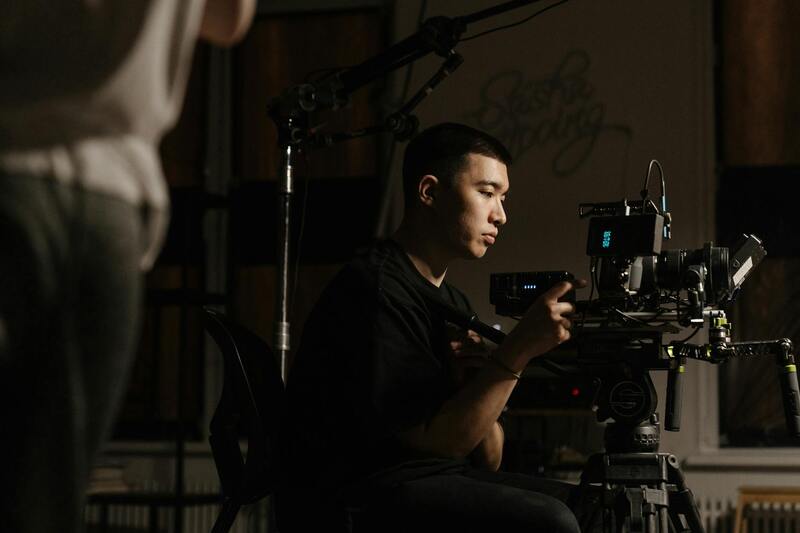
To deliver high-quality live event video coverage, leveraging a robust and secure streaming platform is essential. This infrastructure ensures that the video feed remains stable, synchronized, and protected against unauthorized access. The platform should support adaptive bitrate streaming, which dynamically adjusts the video quality based on the viewer’s internet bandwidth, minimizing buffering and lag. Additionally, security features such as encrypted streams prevent interception and tampering, maintaining the integrity of the broadcast.
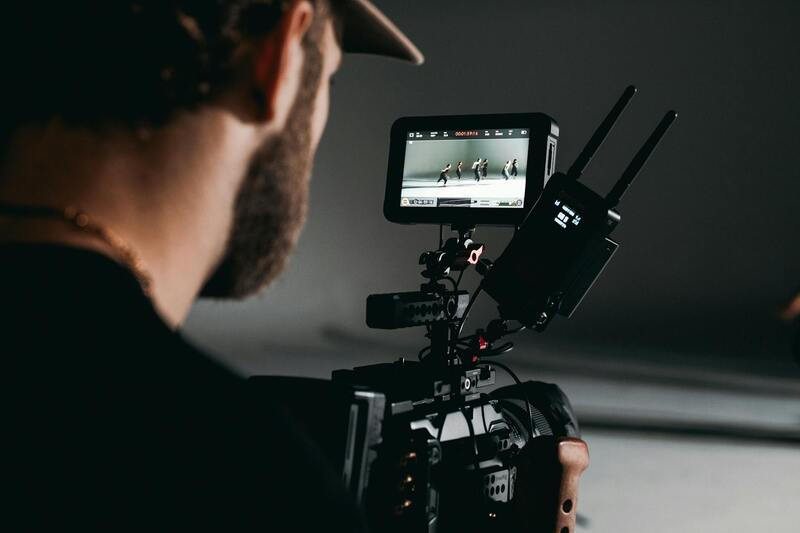
When selecting a streaming solution, consider options that offer multi-platform compatibility, enabling the broadcast to be smoothly delivered across various devices and operating systems. Cloud-based streaming services provide scalability, allowing providers to handle large audiences without compromising quality. Real-time monitoring tools integrated into the platform help technical teams track stream health, detect potential issues early, and implement corrective measures promptly.
Ensuring Sync and Real-Time Interaction
Synchronization across multiple streams and camera angles is vital in delivering a cohesive viewing experience. Using advanced synchronization technology, operators can ensure that live feeds from different cameras and audio sources are perfectly aligned. This allows for seamless switching during commentary or when highlighting specific segments of the event.
Furthermore, integrating real-time interaction features such as live chat, Q&A sessions, or audience polls reinforces viewer engagement. These features necessitate low-latency streaming environments with minimal delay between the event and viewer reception. Therefore, selecting transmission protocols and encoding settings optimized for minimal latency is a key aspect of live video coverage.
Implementing Backup and Redundancy Strategies
Preparedness for unexpected technical issues is critical when broadcasting live events. Establishing backup systems, including secondary cameras, dual internet connections, and alternative streaming servers, ensures continuous coverage even if primary equipment fails. Redundant power supplies and uninterruptible power sources (UPS) support uninterrupted operations, safeguarding the broadcast from power outages.
The deployment of failover protocols and real-time alert systems allows technical teams to switch to backup streams seamlessly, minimizing downtime and maintaining viewer trust. Detailed contingency plans developed during the planning phase should be reviewed and rehearsed to ensure swift response capabilities.
Quality Control and Post-Stream Analysis
Monitoring broadcast quality throughout the live event is achieved through dedicated quality control (QC) procedures. These procedures involve continuous assessment of video resolution, audio clarity, and streaming stability. QC tools can automatically detect issues such as pixelation, audio dropouts, or synchronization errors and trigger alerts for corrective action.
Post-event analysis provides insights into viewer engagement, stream performance, and technical issues encountered. Analyzing data such as viewer retention rates, stream error logs, and feedback helps refine future live coverage strategies. This rigorous review process ensures consistent improvement and adapts to changing viewer expectations.
Understanding Live Event Video Coverage
Effective live event video coverage extends beyond mere camera operation; it encompasses meticulous planning, advanced technical execution, and strategic distribution methods that meet the highest industry standards. Recognizing the significance of professional live coverage, especially for high-profile or large-scale events, requires an understanding of legitimate broadcasting techniques and the most reliable equipment. Paramount to this is the utilization of high-definition cameras with professional-grade lenses, balanced stabilization systems to ensure smooth footage, and expert video switching hardware that allows seamless transitions between multiple camera feeds. Additionally, integrating remote production facilities enables real-time editing and graphics insertion, elevating the production quality while maintaining smooth broadcast flow.
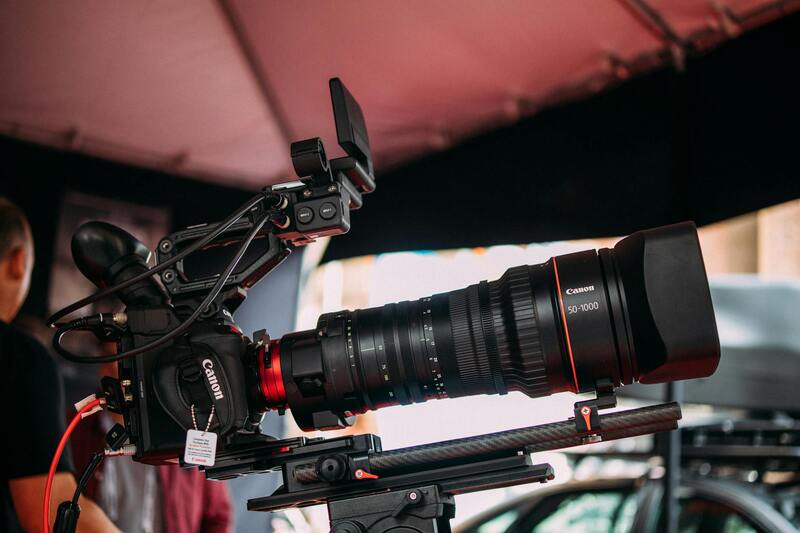
Leveraging established streaming protocols like RTMP (Real-Time Messaging Protocol) and HLS (HTTP Live Streaming) guarantees secure and reliable delivery of live footage to various platforms. Dedicated streaming servers with load balancing and adaptive bitrate streaming adapt the broadcast to viewers' internet speeds, minimizing buffering and improving overall viewer satisfaction. The deployment of industry-standard encoding software such as OBS Studio, vMix, or Wirecast ensures optimal compression without sacrificing image quality, along with real-time graphics overlays that provide branding, live scores, or other pertinent information.
An integral aspect of professional live coverage involves content management systems that facilitate simultaneous multiple feed management, real-time chat interactions, and audience engagement. These systems enable broadcasters to pull in external sources like social media feeds or sponsor content, seamlessly integrating into the main stream. Furthermore, technical teams must implement robust security measures, including encryption of streams and secure login procedures, to prevent unauthorized access or disruptions. With the growing importance of live event coverage in digital marketing, creating a compelling visual narrative that aligns with the brand's messaging requires adherence to precise technical standards and a well-trained production crew.
In addition to the broadcast infrastructure, the selection of appropriate auxiliary equipment — such as high-power wireless transmitters for outdoor coverage, professional audio interfaces, and high-capacity storage solutions for content recording and backup — is critical. All equipment must be regularly calibrated and tested before the event to ensure operational readiness. Experienced production teams conduct rehearsals to troubleshoot potential issues, ensuring that during the live event, the coverage proceeds seamlessly. Proper coordination among camera operators, technical directors, and streaming engineers creates a cohesive and uninterrupted viewing experience for audiences both onsite and remote.
Ultimately, adherence to industry-standard practices and the use of legitimate, certified equipment underpin successful live event video coverage. Their implementation guarantees a professional broadcast that meets client expectations, engages viewers, and enhances the event’s overall reputation. Employing proven technical strategies and linking these with a comprehensive operational plan ensures that every live event achieves its visual storytelling potential.
Industry Standards and Best Practices in Miami
Miami’s vibrant event scene demands a high standard of technical proficiency and adherence to regulated practices to ensure seamless live video coverage. Local production companies often operate under specific regional guidelines that emphasize safety, quality, and professionalism. Complying with these standards is essential to delivering reliable broadcasts that meet client expectations and resonate well with both local and international audiences.
One critical element is the utilization of equipment that meets industry-accepted certifications and safety protocols. This includes high-definition cameras with secure, stable mounts, professional-grade audio systems, and redundant power supplies to prevent interruptions. Miami’s outdoor events, such as festivals and sports tournaments, also require specialized gear like weatherproof cameras and transmission systems capable of handling environmental challenges. Employing equipment validated for outdoor resilience ensures operational continuity regardless of weather conditions.
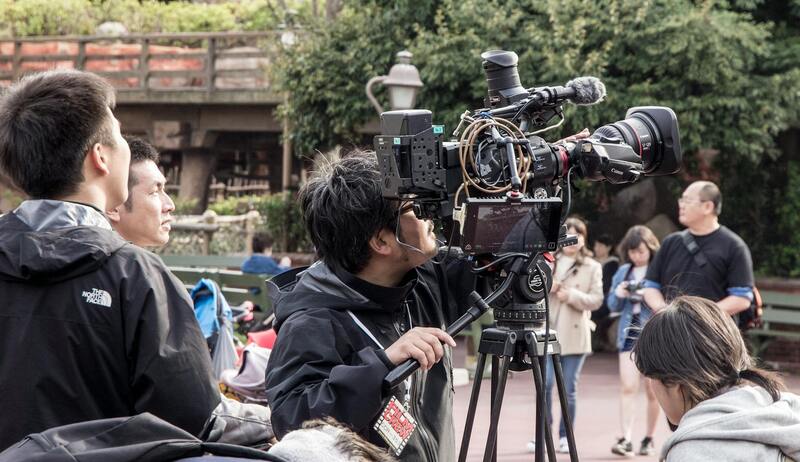
Furthermore, strict adherence to local safety regulations—including site-specific risk assessments, proper cabling practices, and crowd management protocols—protects both the crew and the audience. These standards reduce potential hazards and promote a smooth production process. It’s also vital to coordinate closely with venue management and local authorities to ensure compliance with permits, fire codes, and other legal requirements integral to large-scale event coverage.
In addition to technical guidelines, best practices emphasize quality control at every stage of production. Pre-event equipment checks, detailed rehearsal schedules, and contingency planning minimize the risk of playback failures or streaming disruptions. Effective communication among production staff, technical teams, and on-site personnel guarantees that everyone is prepared for unforeseen circumstances, maintaining the event’s professionalism.
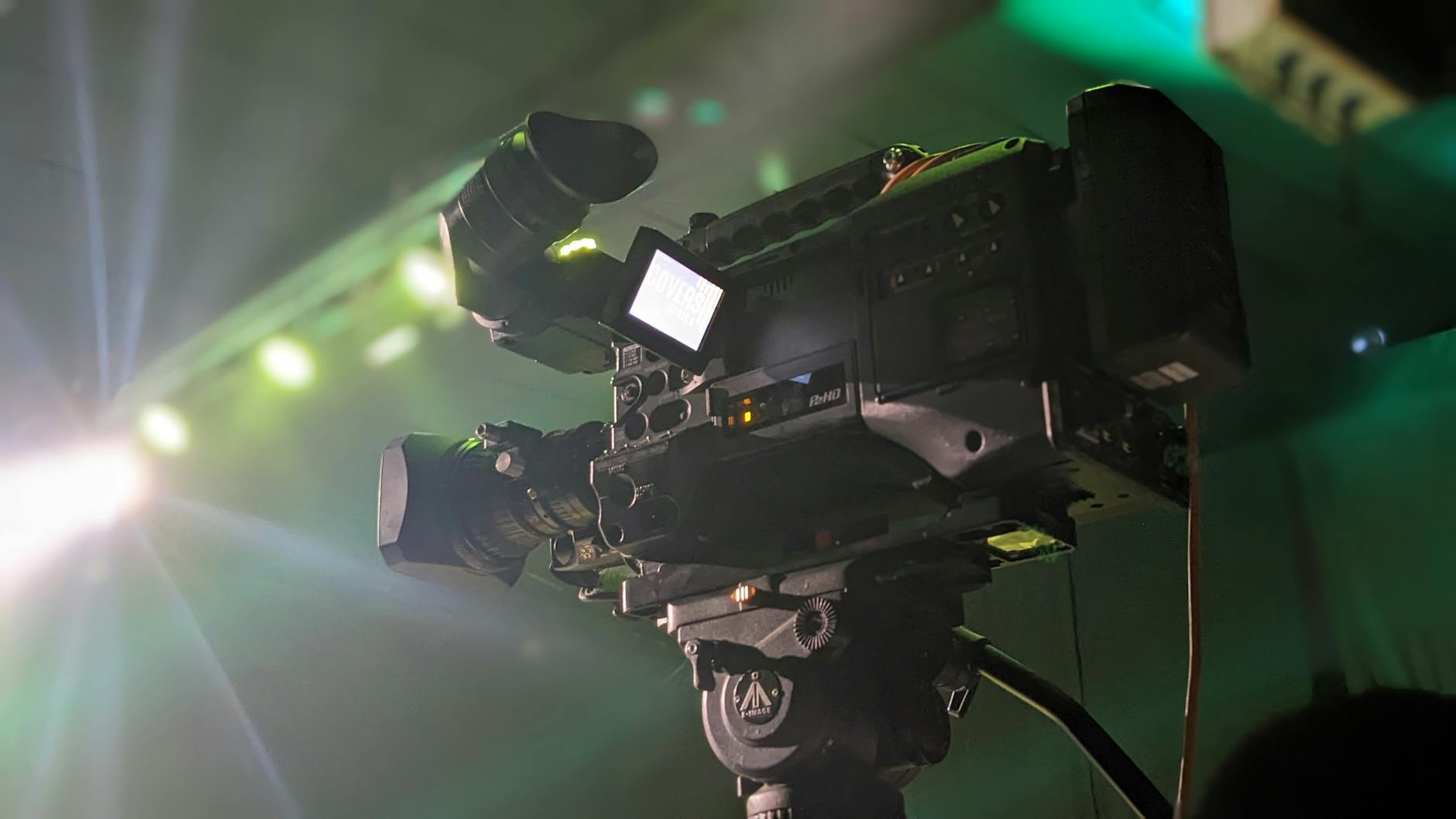
In Miami’s competitive broadcast landscape, aligning with recognized industry standards and continuous staff training enhances overall production quality. Skillful execution paired with compliance fosters trust and solidifies a reputation for delivering exceptional live event video coverage. By consistently applying these practices, production companies ensure that each live broadcast contributes positively to the event’s success and the brand’s visibility.
Industry Standards and Best Practices in Miami
Ensuring the highest quality in live event video coverage requires adherence to a set of industry standards that promote professionalism, safety, and technical excellence. Miami’s vibrant event scene demands production teams to stay current with evolving best practices, which serve as benchmarks for delivering reliable and captivating broadcasts.
Technical Quality and Equipment Maintenance
Consistency in delivering high-resolution video and seamless streaming relies heavily on meticulous equipment management. Regular maintenance routines, calibration of cameras, and timely upgrades to broadcasting hardware are fundamental. From HD cameras to multi-camera switching systems, each component must perform optimally to capture the event's dynamic atmosphere without hiccups. Adequate backup systems, including spare cameras, batteries, and redundant streaming servers, are essential to mitigate unforeseen technical failures.
Personnel Training and Skill Development
Operational excellence stems from a well-trained team familiar with the latest filming techniques, streaming protocols, and safety procedures. Continuous education ensures that technicians can adapt rapidly to on-site challenges and new technological advancements. In Miami’s fast-paced environment, staff should be proficient in managing complex setups, troubleshooting issues swiftly, and maintaining clear communication during live broadcasts.
Standard Operating Procedures and Protocols
Developing comprehensive SOPs for every stage of the production process—from pre-event planning to post-broadcast review—is vital. These procedures cover equipment checks, rehearsal schedules, signal testing, and emergency response plans. Clear documentation guarantees consistency across different projects and simplifies onboarding new team members, ultimately enhancing overall professionalism.
Compliance and Local Regulations
Respect for local ordinances and safety standards ensures smooth operations during live events. This includes adherence to venue-specific guidelines, ensuring all necessary permits are secured prior to the event, and coordinating with local authorities for crowd management and emergency access. Proper documentation and compliance reduce the risk of delays or disruptions, safeguarding a seamless viewing experience for audiences.
Quality Control and Continuous Improvement
Implementing quality assurance measures at each production stage minimizes errors. Pre-event rehearsals with technical dry-runs allow teams to test all equipment, verify streaming quality, and plan camera angles. During the event, dedicated personnel monitor video feeds and stream health, ready to resolve issues proactively. Post-event reviews help identify areas for improvement, fostering ongoing growth and elevated standards in future projects.
Safety and Risk Management
Safety protocols are integral to live coverage, especially in busy or high-profile venues. Proper cabling practices, secure rigging, and crowd management strategies minimize hazards for crew and attendees alike. Collaborating closely with venue management ensures all safety permits are in place, and all staff are trained to act swiftly in emergencies, maintaining a secure environment for everyone involved.

Choosing a Miami Production Agency for Live Video Coverage
Selecting the right production partner in Miami is a critical step in ensuring the success of your live event broadcast. An experienced agency brings a comprehensive understanding of the local event landscape, technical expertise, and the ability to adapt to dynamic live scenarios. When evaluating potential providers, consider their portfolio of past projects, especially those similar in scale or industry to your event. A reputable agency demonstrates a proven track record in delivering high-quality live coverage, adheres to industry standards, and maintains transparent communication channels.
Evaluating Technical Proficiency and Equipment
Technical competence is a cornerstone of effective live video coverage. Confirm that the agency utilizes state-of-the-art equipment, including high-definition cameras, professional-grade microphones, and reliable streaming hardware. Their team should be adept at managing multiple camera angles, live switching, and seamless transitions to create an engaging broadcast. Additionally, assess their backup systems and contingency plans. The ability to troubleshoot technical issues swiftly and efficiently is essential for maintaining stream stability and delivering an interruption-free viewing experience.
Understanding Experience with Different Event Types
- Corporate Events: conferences, product launches, and seminars require polished coverage with multiple camera setups and branded graphics integration.
- Sports Events: demand fast-paced switching, real-time replay capabilities, and instant highlight packages.
- Concerts and Festivals: require immersive audio-visual capturing, crowd interaction, and multi-camera coordination.
Assessing Customer Support and Communication
Effective communication throughout the planning and execution phases is vital. The agency should assign a dedicated project manager to coordinate efforts, clarify expectations, and ensure all technical and logistical requirements are met. Transparency regarding timelines, potential challenges, and on-the-day adjustments fosters confidence. Moreover, post-event follow-up to gather feedback and discuss improvements highlights a client-centric approach, contributing to a smooth collaboration and optimal results.
Verifying Compliance with Local Regulations
Even without explicitly referencing legal concerns, it remains important to partner with providers who are familiar with local operational practices. This includes coordination with venue management, adherence to safety standards, and securing the necessary permits for equipment setup and streaming. Proper planning minimizes disruptions and guarantees that all activities align with venue-specific protocols, safeguarding compliance and ensuring unobstructed coverage.
Additional Considerations for High-Quality Live Coverage
- Reputation and References: Seek testimonials or case studies to verify past performance and client satisfaction.
- Flexibility and Creativity: An innovative approach to camera work, graphics, and audience engagement enhances the viewing experience.
- Cost Transparency: Clear pricing structures and detailed quotes prevent surprises and facilitate budget management.