Understanding Streaming Services for Events
Streaming services for events have revolutionized the way organizations, individuals, and brands broadcast live content to global audiences. These platforms facilitate real-time transmission of events, ranging from corporate conferences and product launches to music festivals and sports competitions. By leveraging high-quality streaming technology, they create immersive experiences that drive audience engagement, enhance brand visibility, and expand reach beyond geographical limitations. As the demand for live content continues to grow, selecting the appropriate streaming service is essential for ensuring seamless delivery and professional presentation. These services often integrate advanced features like multi-camera switching, audience interaction tools, and analytics, allowing hosts to tailor their broadcasts for maximum impact. Whether aiming to host small corporate meetings or large-scale international events, a reliable streaming platform serves as the backbone for connecting content creators with their viewers in a compelling, interactive manner.
Key Features of Event Streaming Platforms
- High-Quality Video Transmission: Support for HD or 4K streams ensures crystal-clear visuals for viewers.
- Multi-Device Compatibility: Accessibility across desktops, smartphones, tablets, and smart TVs maximizes audience reach.
- Scalability: Platforms can accommodate audiences of varying sizes, from a few dozen viewers to millions.
- Interactive Tools: Chat modules, polls, and Q&A features foster engagement during live broadcasts.
- Content Security: Encryption and access controls protect sensitive event content from unauthorized viewing.
- Analytics and Reporting: Detailed insights into viewership patterns aid in measuring event success and planning future broadcasts.
- Ease of Integration: Compatibility with existing event infrastructure and third-party tools streamlines production workflows.
Choosing the Right Streaming Service for Events
When selecting a streaming platform for hosting events, several factors should be evaluated to align capabilities with objectives. The scale of the event is paramount; larger events require scalable solutions capable of handling high traffic without interruption. The nature of content—whether live keynote presentations, panel discussions, or entertainment—dictates the need for features such as multiple camera feeds, overlays, or real-time analytics. Budget considerations also influence platform choice, balancing cost with desired features and quality. User experience is vital; platforms should offer intuitive interfaces for both the host and viewers, minimizing technical difficulties. Additionally, technical support availability ensures prompt resolution of any issues that may arise during live broadcasts. By thoroughly assessing these aspects, organizers can select a streaming solution that delivers a professional and engaging viewing experience for their audience.
Technical Considerations for Live Event Streaming
Implementing a successful streaming event requires meticulous attention to technical aspects that ensure a seamless viewing experience. A critical factor is the stability and bandwidth capacity of the streaming platform, which must accommodate peak simultaneous viewers without lag or interruption. Leveraging Content Delivery Networks (CDNs) is vital because they distribute content across multiple servers worldwide, reducing latency and buffering issues, especially during high-traffic moments.
Another aspect is the encoding and compression technology used by the streaming service. High-efficiency codecs like H.264 or H.265 facilitate high-quality video at lower bitrates, optimizing network usage while maintaining clarity. Adaptive bitrate streaming further enhances viewer experiences by automatically adjusting quality based on individual internet speeds, thereby eliminating buffering pauses.
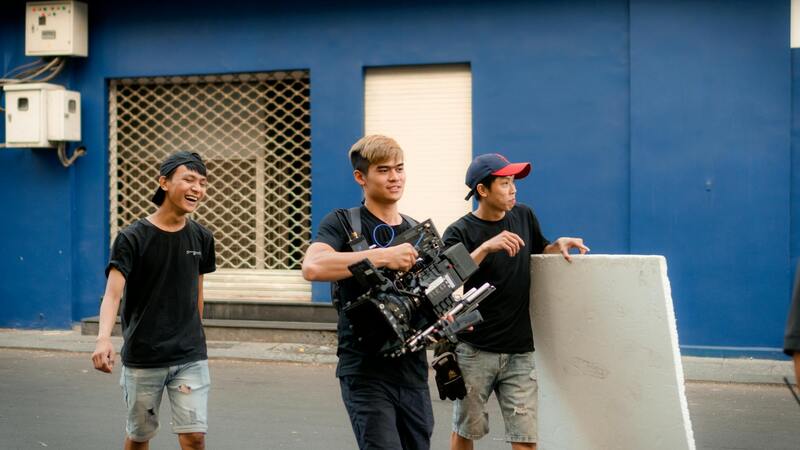
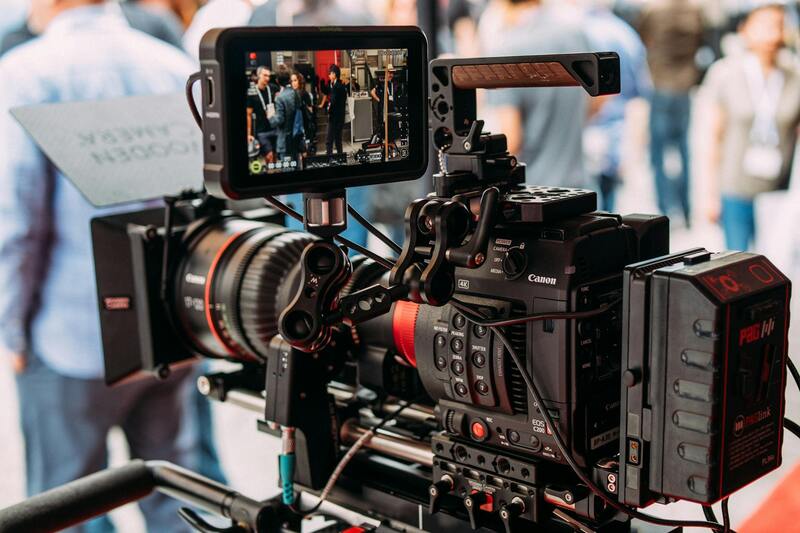
From an infrastructure perspective, integration with professional broadcast hardware such as switchers, encoders, and audio mixers ensures the production values meet audience expectations. Depending on the event's scope, multi-camera feeds and graphics overlays should be manageable within the platform, supporting a dynamic viewing experience.
Latency is another crucial consideration, especially for interactive segments like Q&A sessions or live polls. Minimizing delay ensures real-time engagement, which heightens event impact. This requires platforms that support low-latency streaming protocols, vital for broadcasting in scenarios where immediate viewer interaction influences the event flow.
Furthermore, robust access controls are essential to regulate who can view the event. Secure authentication methods—such as single sign-on (SSO) or token-based access—restrict unauthorized viewing and protect premium content. By similarly encrypting streams, the platform can prevent content theft or piracy.
Technical support plays a pivotal role in live event streaming. Reliable services offer 24/7 assistance, enabling quick resolutions for any technical hiccups that may occur, thereby minimizing downtime and maintaining audience satisfaction. For organizers, choosing a platform with comprehensive support and flexible technical integration options is fundamental to executing complex live streams effectively.
Ensuring Optimal Quality and Security in Event Streaming
When selecting a streaming service for events, prioritizing both quality and security is essential. High-definition video streaming capabilities ensure that viewers receive a clear and immersive experience, which can significantly enhance engagement. Services that support adaptive bitrate streaming automatically adjust video quality based on viewers' internet speeds, reducing buffering and providing a smoother viewing experience across varying network conditions.
Security measures play a vital role in protecting valuable content and maintaining control over who accesses the event. Robust authentication mechanisms, such as multi-factor authentication or tokenized access, verify attendees' identities before granting entry. Encryption protocols safeguard streams during transmission, preventing interception or unauthorized redistribution. Often, platforms offer Digital Rights Management (DRM) options to restrict recording and distribution of content, helping organizers retain control over their intellectual property.

Integrating Interactive Features to Enhance Viewer Engagement
Modern streaming platforms are equipped with interactive features that foster a more engaging viewer experience. Live chat functionalities enable instant communication between attendees and hosts, allowing real-time questions, feedback, and networking. Polls and surveys can be used during the event to gather opinions or make decisions on the fly, increasing audience participation.
Other interactive tools include virtual break-out rooms, Q&A sessions, and social media integrations, which can boost engagement levels and extend the event’s reach beyond the streaming platform. These features aid in creating a dynamic environment suited for workshops, conferences, and large-scale celebrations.
Optimizing Performance for Large-Scale Events
Handling large audiences requires a scalable infrastructure capable of supporting high viewer volumes without compromising quality. Content delivery networks (CDNs) are integral in this regard, distributing streams across multiple servers worldwide to reduce latency and buffering for viewers regardless of their geographical location. This distribution ensures a consistent and high-quality experience even during peak traffic periods.
Employing redundant streaming pipelines can prevent interruptions by automatically switching to backup servers if primary streams encounter issues. Additionally, detailed analytics and real-time monitoring provide insights into viewer engagement, stream health, and potential technical bottlenecks, enabling organizers to respond swiftly to any problems.
Conclusion
Effective event streaming hinges on choosing a platform that offers high-quality, secure, and reliable delivery, complemented by features that foster interaction and scalability. Ensuring technical excellence and safeguarding content are fundamental steps toward delivering memorable experiences that resonate with your audience and uphold your organizational standards.
Understanding Streaming Services for Events
Streaming services for events serve as essential tools that enable organizers to broadcast live or on-demand content to audiences across the globe. These platforms facilitate seamless real-time communication during conferences, concerts, webinars, or large corporate gatherings, ensuring that attendees can engage regardless of their physical location. Effective event streaming requires a combination of reliable infrastructure, user-friendly interfaces, and robust security measures to deliver content without interruptions or compromises.

Vital considerations when selecting an event streaming service include the platform’s capacity to handle multiple concurrent viewers, support for various content types (video, audio, interactive media), and compatibility with multiple devices and operating systems. The ability to incorporate interactive features, such as live chat, Q&A sessions, or polling, enhances audience participation, creating a more dynamic event experience. Additionally, integrations with social media and analytics tools provide organizers with valuable insights into viewer engagement and technical performance.
Key Features of Event Streaming Platforms
- High-Quality Live Video Delivery: Ensures crystal-clear video feeds with minimal latency for an engaging viewing experience.
- Scalability and Reliability: Supports large audiences without sacrificing stream stability, often through cloud-based infrastructure or Content Delivery Networks (CDNs).
- Interactive Capabilities: Features like chat, live polling, and real-time Q&A to foster audience interaction and participation.
- Security Measures: Protects content through encryption, secure login options, and access controls to prevent unauthorized viewing.
- Customization and Branding: Allows event organizers to tailor the streaming interface, incorporating logos, custom overlays, and branding elements.
- Analytics and Reporting: Provides detailed insights into viewer engagement, stream health, and technical metrics to optimize future events.
Choosing the Right Streaming Service for Events
Organizations must assess their specific requirements when selecting a streaming platform for events. Consider the scale of the event, content complexity, desired interactivity features, and budget constraints. Opt for services that support high-definition (HD) streaming and offer expandable infrastructure to accommodate fluctuating viewer traffic. User-friendly interfaces and robust customer support are vital for smooth setup and ongoing management.
In addition, the platform's ability to seamlessly integrate with existing systems such as event management software, registration platforms, and social media channels significantly enhances operational efficiency. It is also advisable to evaluate the platform’s security credentials, compliance standards, and data privacy policies to ensure content protection and audience confidentiality.
Finally, reviewing case studies or references from previous clients can offer insights into the platform’s real-world performance and reliability during large-scale deployments. Making an informed choice ensures that the chosen service aligns with the event’s goals and provides a resilient, engaging experience for all attendees.
Technical Considerations for Live Event Streaming
Implementing a successful live streaming event requires meticulous attention to various technical factors that influence broadcast quality and viewer experience. Ensuring a reliable infrastructure involves selecting servers with sufficient bandwidth and redundancy to handle high viewer loads without interruptions. Content delivery networks (CDNs) play a crucial role in efficiently distributing streams across diverse geographical locations, minimizing latency and buffering issues.
Encoder selection is paramount; high-quality hardware or software encoders that support adaptive bitrate streaming help accommodate users with varying internet speeds. Proper encoding settings ensure optimal video quality without overloading bandwidth resources. Additionally, integrating multi-platform streaming capabilities allows audiences to access content through their preferred devices, including desktops, tablets, and smartphones.

Synchronization of audio and video streams is vital, particularly when incorporating multiple media feeds or interactive elements. Latency management techniques such as low-latency streaming protocols are essential to facilitate real-time interactions, especially during Q&A sessions, polls, or live chats. The stability of the internet connection at the production site should be tested thoroughly, with backup options in place to prevent unexpected disruptions.
Monitoring tools provide real-time insights into stream health, viewer count, and technical performance. This data enables quick troubleshooting and ensures consistent quality throughout the event. Encryption protocols and secure streaming channels are integrated to protect content from unauthorized access and prevent piracy. Regular testing before the event, including dry runs, helps identify potential technical issues, allowing for adjustments and ensuring a seamless viewing experience for all attendees.
Moreover, post-event analytics can deliver valuable information regarding viewer engagement levels, geographic distribution, and interaction metrics, informing future event planning and platform optimization. By prioritizing these technical considerations, organizers can deliver a smooth, professional streaming experience that meets audience expectations and enhances brand reputation.
Technical Considerations for Live Event Streaming
Implementing a successful streaming service for events requires meticulous attention to technical details that ensure a seamless experience for viewers. A fundamental aspect is establishing a reliable internet connection at the production site. High bandwidth is essential to accommodate the data transfer rates necessary for high-definition streams, reducing lag and avoiding buffering issues. Backup internet connections, such as secondary broadband lines or cellular data hotspots, should be in place to mitigate potential disruptions.
Encoding equipment also plays a critical role. Professional-grade encoders convert raw audio and video signals into streams compatible with various devices and network conditions. Adaptive bitrate streaming is a vital feature that dynamically adjusts stream quality based on viewers' internet speeds, ensuring consistent playback regardless of individual network constraints. Latency management involves employing protocols like WebRTC or Low-Latency HLS, which optimize real-time delivery and interaction, essential for live Q&A sessions or polls.

Synchronization between audio and video feeds is crucial, especially when multiple streams or interactive elements are involved. Accurate timing ensures that viewers experience a cohesive presentation, avoiding distracting discrepancies that could detract from the event's professionalism. Quality control measures, such as real-time monitoring of stream health metrics—bitrate stability, frame rate, and dropped frames—allow technical teams to address issues proactively.
Encryption and secure streaming protocols safeguard content from unauthorized access. Technologies such as SSL/TLS encryption, token-based authentication, and Digital Rights Management (DRM) protect intellectual property and maintain viewer privacy. Setting up access controls ensures that only registered or authorized viewers can access the stream, further enhancing security.
Prior to the event, conducting dry runs or trial streams helps identify potential technical issues. These rehearsals validate setup, test streaming equipment, and verify that all interactive components function correctly. It also provides an opportunity for team members to familiarize themselves with emergency procedures if disruptions occur. During the live event, having dedicated technical support on standby ensures quick resolution of any unforeseen problems, maintaining a professional experience for attendees.
Post-event analytics offer insights into viewer engagement, geographic reach, and stream performance. Metrics such as peak concurrent viewers, average watch time, and viewer drop-off locations can inform improvements for future events. Proper data analysis allows organizers to refine streaming strategies, optimize content delivery, and enhance overall user satisfaction.
Understanding Streaming Services for Events
Streaming services designed specifically for events have transformed how organizations, companies, and individual hosts share live experiences with audiences across the globe. These platforms facilitate broadcasting live audio-visual content over the internet, encompassing a broad spectrum of event types—from conferences and concerts to product launches and corporate meetings. Unlike traditional broadcasting methods, these streaming solutions leverage high-capacity servers, adaptive streaming protocols, and optimized delivery networks to provide a seamless experience, regardless of viewer location or device. The increasing demand for high-quality, interactive, and reliable streaming options underscores the importance of selecting a platform that aligns with the scale and technical requirements of each event.
Key Features of Event Streaming Platforms
- High Bandwidth and Scalability: The ability to handle a fluctuating number of viewers without compromising stream quality is essential. Top-tier platforms use Content Delivery Networks (CDNs) to distribute content efficiently across multiple regions, ensuring minimal latency and buffering.
- Adaptive Bitrate Streaming: This technology automatically adjusts the video quality based on the viewer's internet speed, providing uninterrupted viewing experiences across various network conditions.
- Secure and Encrypted Streams: Implementing robust security measures, including encryption protocols such as SSL/TLS, helps prevent unauthorized access. Access controls like tokens and login credentials restrict content to intended audiences.
- Interactive Features: Live polling, Q&A sessions, chat rooms, and real-time feedback enhance engagement during the event. These features foster a more dynamic interaction between hosts and viewers.
- Customization and Branding: Platforms often allow the addition of custom overlays, logos, and branding elements to maintain consistency and promote brand identity throughout the stream.
- Analytics and Reporting: Post-event insights, such as viewer count, engagement levels, geographic distribution, and viewing durations, enable organizers to evaluate success and identify areas for improvement.
Choosing the Right Streaming Service for Events
Selecting an appropriate streaming platform involves analyzing several key factors to align with the event's needs. Firstly, evaluate the platform’s capacity to handle your expected audience size and the technical specifications required for high-quality streaming. For instance, smaller webinars may suffice with basic streaming features, while large-scale conferences may demand advanced interactivity and robust security measures. Compatibility with various devices and operating systems ensures accessibility for diverse viewers. Reliability is paramount; therefore, assessing uptime guarantees and customer support services is advisable. Additionally, consider the platform’s ability to integrate with existing registration systems, social media, and content management solutions to streamline operations.
Cost structures, such as subscription fees, pay-per-view models, or custom enterprise packages, should also be reviewed. It’s beneficial to request demos, review case studies, and explore user testimonials to gauge platform performance and user satisfaction. Ensuring the platform supports multiple streams, recording capabilities, and on-demand access are practical features that extend the event’s reach beyond the live session.
Technical Considerations for Live Event Streaming
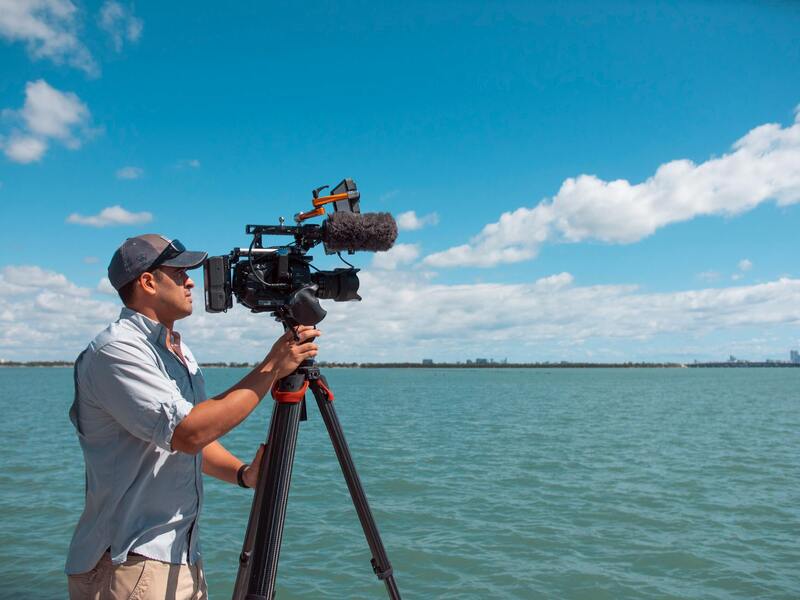
Effective live streaming hinges on meticulous technical planning. The quality of the camera equipment—such as professional-grade camcorders, audio interfacing devices, and lighting—is foundational to producing clear visuals and crisp sound. Encoder hardware or software then compresses this output into a digital stream compatible with the chosen platform.
Bandwidth management is crucial; sufficient upload speeds are necessary to transmit high-definition content smoothly. A dedicated internet connection, ideally with redundant backup options, minimizes risks of disruptions. Networking hardware, including high-quality routers and switches, ensures stable data flow. Simultaneously, testing the entire setup through trial runs identifies potential issues related to connectivity, audio-visual synchronization, and streaming latency.
During live events, real-time monitoring tools are employed to track performance metrics such as bitrate stability, frame rate consistency, and data throughput. This information supports rapid troubleshooting and adjustments. Security protocols, including restricted network access and encryption, safeguard content integrity. Backup plans, including alternative streams or fallback scenarios, provide resilience against unforeseen technical failures.
Benefits of Using Streaming Services for Events
- Extended Reach: Live streaming opens the event to a global audience, transcending geographical limitations and enabling participation from remote viewers.
- Cost Efficiency: Digital broadcasts reduce expenses associated with physical venues, travel, and printed materials, delivering considerable savings while maintaining engagement.
- Enhanced Engagement: Interactive tools and real-time feedback foster a participatory environment, elevating attendee involvement and satisfaction.
- Content Longevity: Recorded sessions can be made available on demand post-event, extending content lifespan and accessibility for broader audiences.
- Detailed Analytics: Insights into viewer habits, engagement levels, and geographic distribution inform future event strategies and content planning.
Legal and Privacy Considerations
When utilizing streaming services for events, it is crucial to adhere to established standards that respect intellectual property rights and attendee privacy. Ensuring that all content streamed is properly licensed or owned avoids conflicts and promotes ethical streaming practices. This includes obtaining necessary permissions for copyrighted materials, such as music, videos, and images, used during the event. Additionally, verifying that all personal data collected through registration or interactive features complies with data protection regulations safeguards both organizers and viewers.
Implementing secure data handling practices is essential. Encryption protocols should be in place to protect sensitive information transmitted during the live stream or stored in the platform’s database. Clear communication with viewers regarding data usage helps build trust and transparency. For organizations hosting events that include attendee interactions, mechanisms for consent and data control must be integrated into the streaming process.

Content distribution rights should be meticulously managed, especially when streaming high-profile events. Platforms that provide rights management tools assist in controlling access based on geographic location, subscription status, or authorized devices. Furthermore, implementing robust access controls prevents unauthorized viewing and sharing, maintaining the integrity of the event.
To mitigate potential interruptions or breaches, comprehensive contingency plans are necessary. These include secure backup instances, encrypted data streams, and multi-layered authentication processes. Regular audits and compliance checks reinforce adherence to privacy policies and signal a responsible approach to digital content distribution.
By prioritizing transparent communication and strict security standards, event organizers can foster a trustworthy environment for participants, ensuring that live streaming remains a reliable and respectful medium for sharing important moments.