Importance of Broadcasting Corporate Events Live
Live broadcasting of corporate events has become an essential component of modern business communication strategies. It allows organizations to reach a broader audience beyond physical attendees, creating opportunities for engagement, brand visibility, and message dissemination in real-time. By streaming events live, companies can ensure that stakeholders, clients, partners, and employees from different geographical locations experience the event simultaneously, fostering inclusivity and participation.
Implementing a high-quality live broadcast requires meticulous planning, technical expertise, and reliable equipment. When executed effectively, live streaming enhances the professionalism of corporate communications, provides immediate feedback through viewer interactions, and helps build a strong online presence. Furthermore, live broadcasts serve as valuable assets for future marketing initiatives, offering content that can be repurposed across various digital platforms.
From product launches to annual shareholder meetings, live broadcasting enables organizations to showcase their initiatives with clarity and impact. It also facilitates real-time Q&A sessions, panel discussions, and interactive segments which boost audience engagement and foster a sense of community around the event. Additionally, integrating live streaming into corporate events can lead to increased media coverage and social media buzz, amplifying the event's reach significantly.
In the digital age, the importance of professionally broadcasted live corporate events extends beyond the immediate presentation. The audience expects seamless, high-definition streams with minimal latency, requiring advanced production techniques and cutting-edge technology. Organizations that prioritize quality and reliability in their broadcasts differentiate themselves as industry leaders, establishing credibility and trust among their viewers.
Choosing a seasoned Miami-based production partner is crucial for executing successful live broadcasts. Local expertise ensures compliance with regional regulations, access to top-tier equipment, and an understanding of the unique logistics associated with Miami's vibrant event scene. By collaborating with experienced professionals, companies can optimize their broadcast setup, troubleshoot potential issues swiftly, and deliver a polished viewing experience.
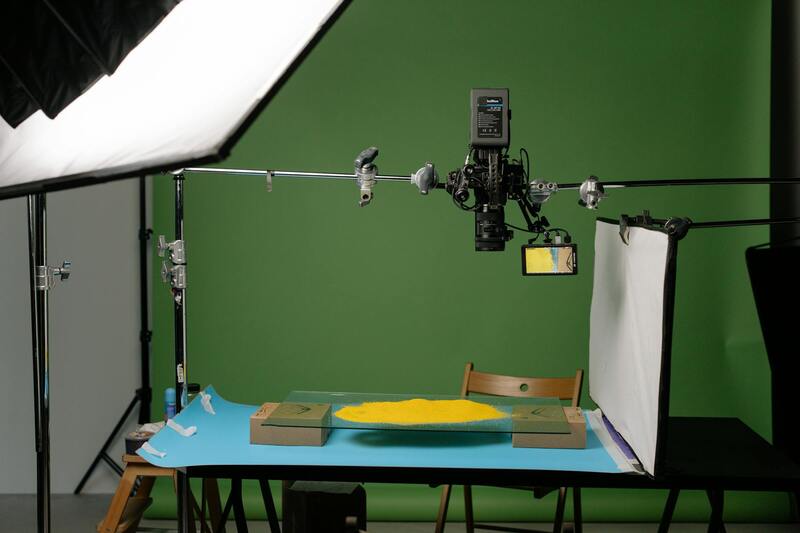
Legal and Logistical Considerations in Live Broadcasting
When broadcasting corporate events live, meticulous attention to legal and logistical details is essential to ensure a smooth and professional presentation. Coordination with local authorities and understanding the specific requirements for permits, copyright, and rights management are vital components of a successful remote broadcast.
It is important for organizations to secure necessary permissions for content that may include copyrighted materials, music, or proprietary visuals. Establishing clear agreements on rights and usage rights upfront prevents potential complications during the live stream. Additionally, compliance with regional broadcasting standards and regulations helps avoid interruptions or penalties that could impair the event’s success.
Logistical planning involves detailed coordination of the technical crew, equipment setup, and connectivity solutions. Site surveys can identify potential challenges such as power availability, signal interference, or restricted access points. A well-structured timeline ensures that all technical elements come together seamlessly during the event, including camera placement, audio setup, and streaming continuity.

Organizations should also consider backup solutions such as redundant internet connections and backup power supplies to mitigate risks of technical failures. Clear communication protocols among the production team, event staff, and remote viewers facilitate quick problem resolution and maintain a professional broadcast quality.
Understanding regional differences in network infrastructure is crucial. In areas where internet reliability fluctuates, employing adaptive streaming technologies can help maintain continuity and prevent buffering issues. Engaging a professional production team with regional expertise ensures adherence to these logistical nuances, delivering a polished event regardless of unforeseen circumstances.
Post-Event Content and Analytics
Following a live broadcast, the focus shifts toward analyzing performance metrics and leveraging content for ongoing engagement. High-quality recordings of the event can be repurposed for internal training, marketing campaigns, or future promotional materials, extending the value of the original broadcast.
Analytics tools facilitate detailed insights into viewer engagement, such as peak viewership times, audience demographics, and interaction patterns. These data points guide organizations in refining their future broadcasting strategies and improving content relevance. Monitoring viewer feedback and social media interactions also provides a qualitative understanding of audience reception, informing future event planning.
Integrating automated reporting into the post-broadcast review process ensures a comprehensive understanding of what worked well and areas needing improvement. This feedback loop helps organizations continuously elevate their live streaming initiatives, enhancing credibility, audience loyalty, and brand presence.
Post-Event Content and Analytics
Once a corporate event has been broadcast live, maximizing its impact involves a thorough analysis of content performance and audience engagement. High-quality recordings serve as invaluable assets, allowing organizations to repurpose the footage for various internal and external purposes. For example, edited highlight reels can be used in marketing campaigns to showcase the company's innovations or milestones, enhancing brand visibility and credibility. Additionally, full recordings can function as training materials for onboarding new team members or sharing knowledge internally, fostering professional development.
Beyond content reuse, analytics play a pivotal role in shaping future broadcasting strategies. Specialized tools provide deep insights into viewer behavior, including peak engagement periods, geographic viewer distribution, and device usage. These metrics help organizations understand which parts of the event resonated most, enabling targeted improvements for subsequent broadcasts. For example, if data indicates high engagement during specific breakout sessions or speakers, future events can be structured to highlight similar content.
In conjunction with quantitative data, qualitative feedback gathered through social media interactions and direct viewer surveys offers a comprehensive understanding of audience reception. Comments, shares, and real-time reactions shed light on emotional responses, content relevance, and overall satisfaction. This feedback loop allows organizers to fine-tune content topics, presentation styles, and technical execution, ensuring each subsequent event exceeds viewer expectations.
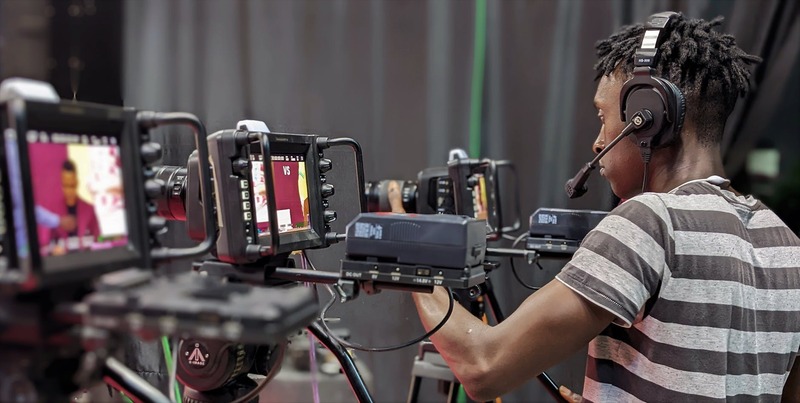
Automated reporting tools further streamline the post-broadcast review process. They compile key metrics into detailed reports that highlight areas of success and identify opportunities for enhancement. This systematic approach ensures that lessons learned are captured effectively, fostering an iterative process of development for live streaming initiatives. Ensuring transparency and clarity in these reports helps stakeholders understand the value added by professional broadcasting efforts and supports investment in future promotional endeavors.
Leveraging these insights not only improves the technical quality of broadcasts but also enhances strategic planning. Organizations become more adept at tailoring content to target demographics, selecting optimal broadcast timings, and deploying the most effective promotional channels. Ultimately, this data-driven approach elevates the organization’s ability to engage audiences meaningfully, strengthening its brand presence and fostering long-term loyalty.
Choosing the Right Equipment and Technology
To ensure a seamless live broadcast of corporate events, selecting the appropriate equipment and technology is crucial. High-definition cameras are standard for capturing detailed visuals, making the event visually engaging for remote viewers. Multi-camera setups allow for dynamic shot transitions, pairing wide shots with close-ups of speakers or special moments. Reliable audio equipment, including wireless microphones and sound mixers, guarantees clear communication, which is vital for maintaining audience engagement.
Implementing a robust streaming platform is equally important. This includes choosing services that support high-quality video delivery with minimal latency, ensuring viewers experience real-time coverage without buffering disruptions. Encoder devices, such as hardware or software encoders, convert high-definition video feeds into optimized streaming formats compatible with various internet speeds and devices. Backup systems for internet connectivity, like dual ISPs or mobile hotspots, help prevent interruptions due to network failures.
Additional technological considerations include reliable content management systems (CMS) for scheduling and managing feeds, use of graphics or overlays to brand the event professionally, and integration of live chat or Q&A modules to foster audience interaction. Incorporating these elements ensures a professional, engaging, and technically sound live broadcast experience that reflects positively on the organization and maximizes viewer retention.
Role of Professional Production Agencies in Miami
Partnering with a seasoned production agency based in Miami offers significant advantages when broadcasting corporate events live. These agencies bring specialized expertise in handling all technical aspects, from camera operation and audio management to streaming platform integration. Their experience in managing live events ensures that potential issues are proactively addressed, minimizing the risk of technical glitches or delays that could disrupt the broadcast.
Local agencies also possess a nuanced understanding of regional broadcasting regulations, venue logistics, and network infrastructure, which streamlines planning and execution. Moreover, they often have access to cutting-edge equipment and state-of-the-art studios, providing a polished, professional result that aligns with the organization's brand standards.
Collaboration with Miami-based professionals also offers logistical benefits, such as on-site support and real-time adjustments during the event. This ensures the broadcast runs smoothly regardless of unforeseen challenges, ultimately delivering a seamless viewing experience for remote audiences.
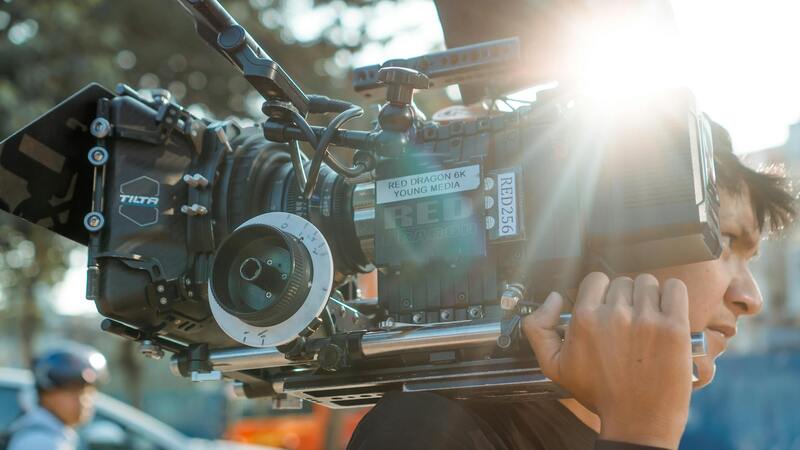
Choosing the right partner in Miami enables organizations to leverage local expertise and resources, creating a compelling, high-quality live broadcast that effectively conveys their message and strengthens audience engagement across digital channels.
Utilizing Official Streaming Platforms for Broadcast Distribution
Broadcasting corporate events live requires selecting appropriate platforms that deliver high-quality streams and ensure broad accessibility. Opting for established streaming services such as YouTube Live, Vimeo Livestream, or corporate-specific solutions provides a reliable foundation for content distribution. These platforms are equipped with advanced content delivery networks (CDNs) that optimize stream stability, minimize buffering, and ensure efficient data transmission irrespective of audience size or geographic distribution.
Deploying official streaming platforms allows organizations to leverage their built-in analytics tools, which offer valuable insights into viewer engagement metrics, geographic distribution, and viewing durations. This data supports future strategic planning by identifying audience preferences and behaviors, enabling tailored content delivery that maximizes impact.
It's crucial to verify that the chosen platform supports secure streaming protocols and offers customizable privacy settings. For instance, some services allow password protection or restricted access based on IP addresses, providing control over who can view the live content. Incorporating these features ensures that sensitive corporate information remains protected while facilitating efficient broadcast delivery.
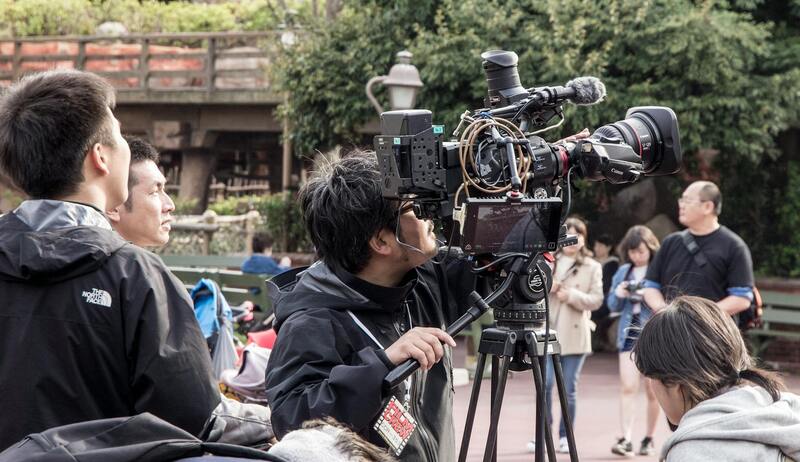
Another consideration involves platform compatibility across various devices such as desktops, tablets, and smartphones. Ensuring the broadcast is optimized for multiple endpoints guarantees that remote viewers experience high-quality video regardless of their device choice. This cross-platform functionality broadens audience reach and enhances overall engagement during the event.
In addition to public streaming options, organizations may also utilize private enterprise solutions like intranet-based streaming or secured webcast services. Such options are particularly advantageous for internal training sessions, shareholder meetings, or confidential product launches, where restricted access maintains content integrity and confidentiality.
Ensuring Smooth Broadcast Operations Through Data Security Measures
Given the importance of data integrity and stream security, organizations should implement robust encryption methods during transmission. Secure socket layer (SSL) certificates, multi-factor authentication, and end-to-end encryption help prevent unauthorized access or content interception. Including these measures upholds the professionalism of the broadcast and safeguards sensitive corporate information.
Finally, engaging a professional production team familiar with official streaming methods ensures that all technical configurations align with platform requirements. These experts coordinate feed ingestion, manage bandwidth optimization, and troubleshoot potential issues proactively, resulting in an uninterrupted viewing experience for a global audience.
Post-Event Content and Analytics
Following the conclusion of a corporate live broadcast, leveraging post-event content and analytics is essential to maximize the event’s impact and gather insights for future initiatives. Recording the live stream provides a valuable asset for creating edited highlight reels, promotional videos, or on-demand content that can be repurposed for internal training or marketing campaigns. Ensuring high-quality recordings are available also extends the longevity of the event’s messaging beyond its original broadcast window.
Analytics play a critical role in evaluating the success of a live broadcast. Real-time engagement metrics such as viewer count, geographic distribution, and viewer retention rates offer immediate feedback on audience interest and participation. Post-event analytics delve deeper, providing data on viewer behavior, interaction patterns, and device usage. These insights enable organizations to refine their content strategy, optimize future broadcasts, and better tailor messaging to their target audiences.

Utilizing specialized analytics platforms and reporting tools, companies can track key performance indicators (KPIs), including the number of concurrent viewers, average viewing duration, and engagement actions such as questions asked or poll participation. Incorporating viewer feedback through post-event surveys further assesses overall satisfaction and identifies potential improvements. The combination of comprehensive data analysis and qualitative feedback ensures continuous enhancement of live broadcast quality and audience experience.
Strategies for Post-Event Follow-Up
- Distribute recorded content across internal and external channels to extend reach and promote ongoing engagement.
- Share key takeaways and highlights through newsletters or social media to reinforce core messages.
- Gather audience feedback to understand perceptions and gather suggestions for future events.
- Develop a content calendar to schedule follow-up activities and capitalize on the momentum generated during the broadcast.
Investing in comprehensive post-event content and analytics not only boosts the ROI of the live broadcast but also facilitates data-driven decision-making, ensuring each subsequent event is more impactful and better aligned with organizational goals.
Post-Event Content and Analytics
After a corporate event has been broadcast live, the work does not end with the final segment. One of the critical phases is the creation of post-event content and comprehensive analytics to measure success and extract actionable insights. High-quality recorded footage from the live broadcast serves as a valuable asset for repurposing and extending engagement beyond the event itself. Organizations often edit recordings to produce highlight reels, interviews, or condensed summaries that can be shared on various platforms, enhancing visibility and reinforcing key messages.
Leveraging analytics tools allows companies to track various performance metrics, enabling a detailed understanding of how the event resonated with viewers. Metrics such as viewer engagement durations, peak viewership times, and interaction rates through polls or questions provide insight into audience interest and involvement. Analyzing comments and feedback collected during and after the broadcast reveals audience sentiment, preferences, and areas requiring improvement.
Beyond quantitative data, gathering qualitative insights through post-event surveys helps assess audience satisfaction and gather suggestions for future events. This dual approach of data analysis and feedback collection supports continuous refinement of live broadcasting strategies, ensuring each subsequent event achieves higher engagement and broader reach.
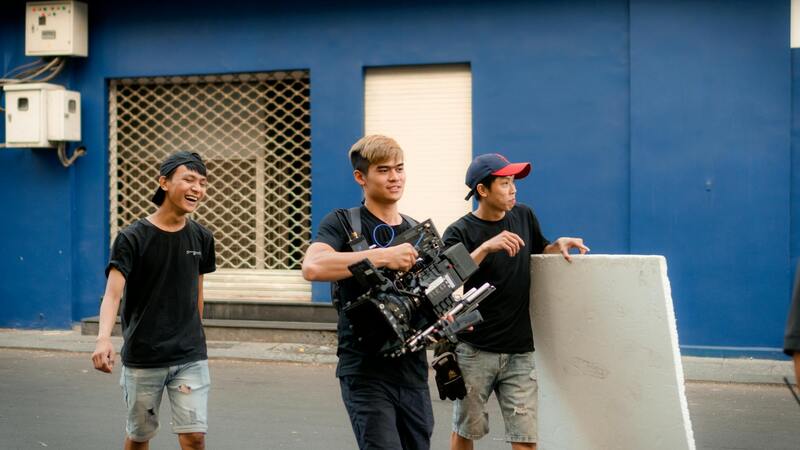
Strategies for Post-Event Follow-Up
- Distribute recorded content across multiple channels such as company websites, social media platforms, and email newsletters to maximize reach.
- Share highlights, key takeaways, and engaging snippets to reinforce core messages and sustain interest.
- Collect audience feedback through surveys and direct interactions to gauge perceptions and gather ideas for improvement.
- Create a scheduled content calendar to plan post-event activities, nurturing ongoing conversations and interactions with your audience.
Implementing these practices not only enhances audience engagement but also improves overall content strategy, ensuring each live broadcast contributes to your broader organizational goals and brand positioning. This strategic approach transforms raw broadcast data into actionable insights that drive more effective future events and foster stronger audience relationships.
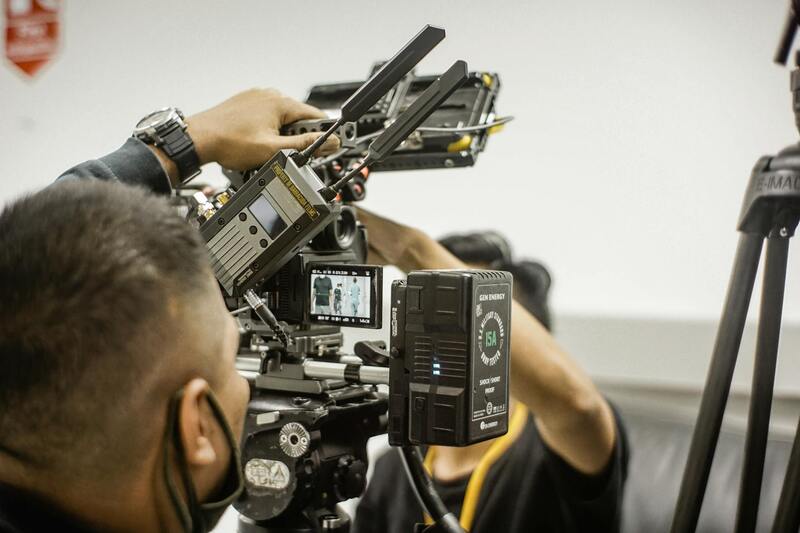
Best Practices for Successful Live Broadcasts
Executing a seamless live broadcast requires meticulous planning, professional execution, and real-time management. Prioritize thorough pre-event testing of all technical equipment, including cameras, microphones, streaming hardware, and internet connections. Consistency in audio and visual quality is essential to maintain viewer engagement and convey professionalism.
Engage remote audiences by incorporating interactive features such as live polls, Q&A segments, and chat interactions. These elements foster a sense of participation and community, making viewers more likely to remain engaged throughout the event. Assign dedicated technical staff to monitor streams, troubleshoot issues, and adjust settings as needed to ensure smooth playback.
Effective communication among team members, clear agenda setting, and contingency planning are fundamental. Use multiple streaming platforms when appropriate to diversify access points and reduce the risk of technical failures. Regular rehearsals, especially for complex presentations or multi-camera setups, can highlight potential issues before the live event.
Maintaining a professional yet accessible tone, providing clear visuals, and ensuring that transitions between segments are smooth contribute significantly to a positive broadcast experience. These best practices help create a polished, engaging digital event that reaches a broad audience with clarity and impact.
Post-Event Content and Analytics
Following the successful live broadcast of a corporate event, the focus shifts to post-event content management and comprehensive analytics evaluation. This phase is crucial not only for assessing the immediate success but also for shaping future broadcasting strategies. High-quality post-event content, such as highlight reels, interviews, and behind-the-scenes footage, can significantly extend the event’s reach, reinforce key messages, and maintain engagement with the audience.
Creating an impactful post-event video portfolio involves editing footage to highlight pivotal moments, speaker insights, and audience interactions. Incorporating graphics, captions, and branding elements ensures consistency and professionalism. Distributing these clips across multiple channels, including company websites, social media platforms, and email campaigns, maximizes visibility and viewer interaction.
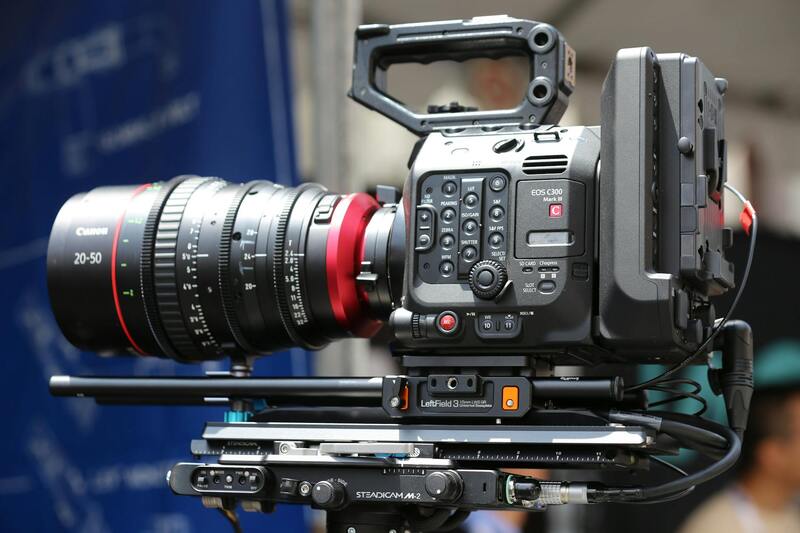
Analytics plays a pivotal role in evaluating the success of a live broadcast. Metrics such as viewer count, geographic distribution, engagement rates, and watch time provide actionable insights. Advanced analytics tools can also measure audience behavior, such as drop-off points and interaction times, to identify areas for improvement.
Data-driven analysis allows event organizers to understand audience preferences better and tailor future broadcasts accordingly. For instance, analyzing peak engagement times and the most interacted segments informs optimal scheduling and content structuring for upcoming events. Additionally, feedback gathered through post-event surveys and social media interactions offers qualitative insights that complement quantitative data, guiding strategic enhancements.
- Assess engagement through real-time and post-event analytics.
- Identify content preferences and audience behavior patterns.
- Refine future event planning based on insights gathered.
- Leverage high-quality clips for ongoing marketing campaigns.
Enhancing Future Broadcasts with Data Insights
Utilizing analytic insights effectively enables organizations to enhance audience experience continuously. It facilitates targeted content development, improved engagement tactics, and strategic planning for future live broadcasts. Tracking viewer demographics and interaction patterns also supports personalised marketing efforts, strengthening the overall impact of corporate communications.
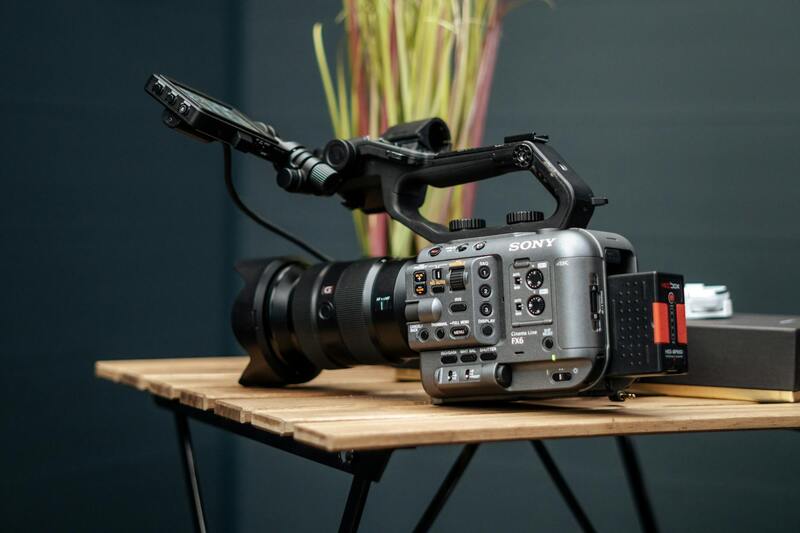
Post-Event Content and Analytics
After utilizing professional equipment and seamless broadcasting techniques, the focus shifts to extracting maximum value from the event through post-event content and detailed analytics. The recording of the live broadcast serves as a vital asset that can be repurposed across various channels to extend the event's reach and reinforce key messages. High-quality recordings can be edited into highlight reels, promotional snippets, or behind-the-scenes content, offering multiple touchpoints for audience engagement long after the live event concludes.
Analytics collected during the broadcast provide critical insights into viewer behavior, engagement levels, and content effectiveness. Metrics such as viewership numbers, average watch time, and interaction rates help evaluate the broadcast's success. Analyzing peak viewing times, audience demographics, and engagement hotspots allows organizers to fine-tune future event strategies. These insights can reveal which segments resonated most with viewers and which topics potentially need more emphasis or clarification in upcoming broadcasts.
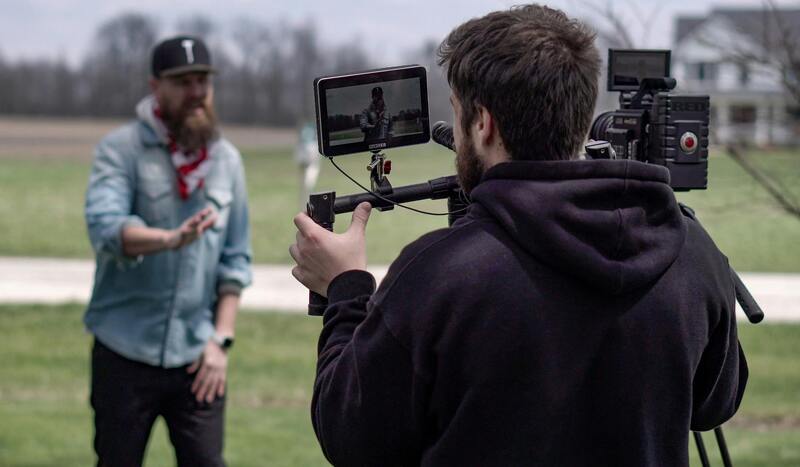
Leveraging these insights enables tailored content development, ensuring future broadcasts align with audience preferences. For instance, if analytics indicate higher engagement during Q&A sessions, organizers can plan more interactive segments. Likewise, understanding geographic viewing patterns helps in customizing messaging for specific regional audiences, further enhancing engagement.
Beyond raw data, qualitative feedback gathered through post-event surveys, social media interactions, and direct feedback channels contributes to a comprehensive understanding of audience perceptions. This feedback loop informs content creation, technical adjustments, and overall broadcast strategies, making each event more engaging and impactful than the last.
Importance of Broadcasting Corporate Events Live
Real-time broadcasting of corporate events offers unmatched immediacy and broadens audience access beyond physical locations. Live streaming captures the essence and energy of the occasion, providing viewers with an authentic and engaging experience. It allows remote participants, stakeholders, and clients to actively participate, fostering inclusivity and transparency.
Furthermore, live broadcasts serve as powerful branding tools. They reinforce a company's position as innovative and socially connected, showcasing leadership in industry trends. For organizations aiming to broaden their influence, live streaming converts attendees into global audiences, creating opportunities for expansive media coverage and social sharing that amplify the event's reach.
Choosing a Miami-Based Production Partner
Selecting a Miami-based production partner with expertise in live broadcasting is crucial for ensuring a professional and seamless experience. Local agencies best understand regional logistics, permitting, and infrastructure, reducing potential technical or operational hurdles. They offer customized solutions tailored to specific event needs, whether large-scale conferences, virtual product launches, or panel discussions.
The right partner should have a proven track record of delivering high-quality live streams, utilizing advanced broadcasting technology, and managing on-site technical teams. Their familiarity with local venues and regulatory requirements ensures smoother coordination from setup to execution. Additionally, a Miami-based producer can provide valuable insights into local audience preferences, helping shape content and presentation styles to maximize engagement.
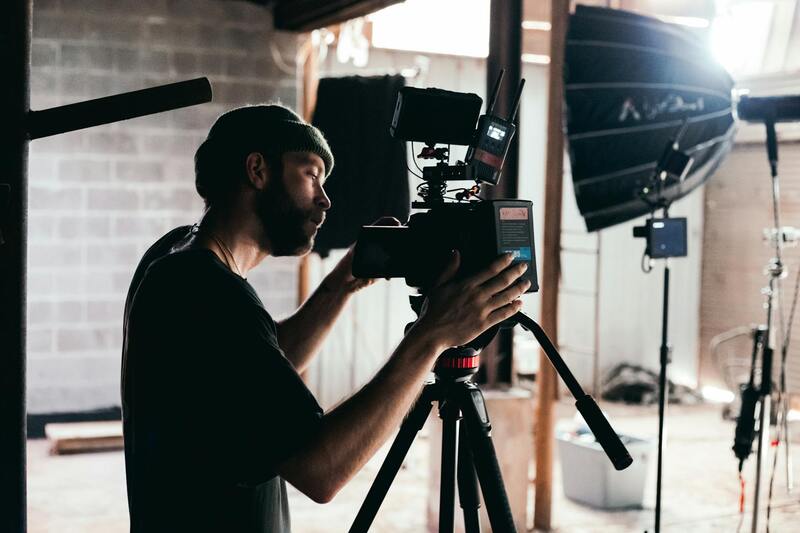
Engaging a local professional also facilitates rapid troubleshooting and real-time technical support, which are critical for maintaining broadcast continuity. Their established relationships with equipment rental companies and venue staff streamline logistics, minimizing delays and technical issues during the event. This regional advantage ensures that your corporate event broadcast not only meets but exceeds expectations, providing clarity, stability, and engaging audiovisual content to remote audiences.
Planning and Strategy for Live Broadcasts
Effective planning begins with defining clear objectives—whether to inform, educate, or promote—and understanding the target audience. A well-structured strategy involves timelines, content flow, and contingency plans for technical disruptions. Identifying key segments, preparing visual aids, and rehearsing crucial segments beforehand ensures the broadcast remains coherent and engaging.
Coordination between technical, creative, and logistical teams is vital. Strategic considerations include choosing optimal broadcast times to maximize viewership, integrating interactive elements like live polls or Q&A sessions, and establishing communication protocols for real-time adjustments. Leveraging a detailed storyboard or shot list helps maintain a consistent theme and visual identity aligned with your brand standards.
Choosing the Right Equipment and Technology
The backbone of a successful live broadcast is top-tier equipment and technology. High-definition cameras, professional audio equipment, and reliable streaming servers form the core of broadcast infrastructure. Multiple camera angles provide dynamic perspectives, while high-quality microphones ensure clear sound delivery.
Fiber optic internet connections offer the bandwidth necessary for uninterrupted streaming, especially for high-definition content. Encoder software or hardware is used to compress the video signal efficiently without sacrificing quality. Advanced switchers enable seamless transitions between scenes, graphics, and video feeds, creating a polished viewer experience.
Emerging technologies like 4K streaming, 360-degree cameras, and live augmented reality features are revolutionizing corporate broadcasts, making them more immersive and engaging. Integrating social media platforms with the broadcast setup allows for live comments and interaction, further increasing audience participation and brand visibility.
Role of Professional Production Agencies in Miami
Miami hosts a vibrant community of production agencies specialized in high-caliber live event broadcasting. These professionals bring a wealth of experience in managing complex events, coordinating multiple input sources, and delivering high-quality live content. Their expertise encompasses audiovisual engineering, graphic design, live editing, and audience engagement strategies.
Partnering with local agencies ensures access to cutting-edge equipment, skilled technical staff, and customizable solutions that meet specific business needs. These agencies also assist with venue selection, permits, and compliance, ensuring a smooth operation from setup through broadcast. Additionally, their knowledge of the local media landscape helps in leveraging regional broadcast channels and promotional platforms effectively.
Best Practices for Successful Live Broadcasts
- Pre-Event Rehearsals: Conduct technical and content rehearsals to identify potential issues and refine timing.
- Redundant Equipment: Use backup cameras, microphones, and internet connections to prevent disruptions.
- Clear Communication: Establish structured communication channels among the production team for real-time updates.
- Engaging Content: Incorporate multimedia, graphics, and interactive segments to captivate viewers.
- Audience Interaction: Enable live Q&A, polls, and social media engagement to foster participation.
- Post-Event Follow-Up: Share recordings and highlights, gather feedback, and analyze metrics for future improvements.
Post-Event Content and Analytics
Once the live broadcast of a corporate event concludes, the work continues with thorough content analysis and strategic dissemination. Edited recordings, highlights, and behind-the-scenes footage are essential assets that extend the event’s reach and engagement. High-quality recordings facilitate post-event marketing, internal training, and future promotional efforts, ensuring the investment in live broadcasting yields sustained value.
Analytics play a pivotal role in assessing the success of live broadcasts. Key metrics include viewer counts, peak concurrent viewers, engagement levels on social media, audience demographics, and interaction rates. Data collected from streaming platforms and social channels provides insights into viewer behavior and content preferences. This information enables companies to refine their messaging, tailor future events, and measure ROI effectively.
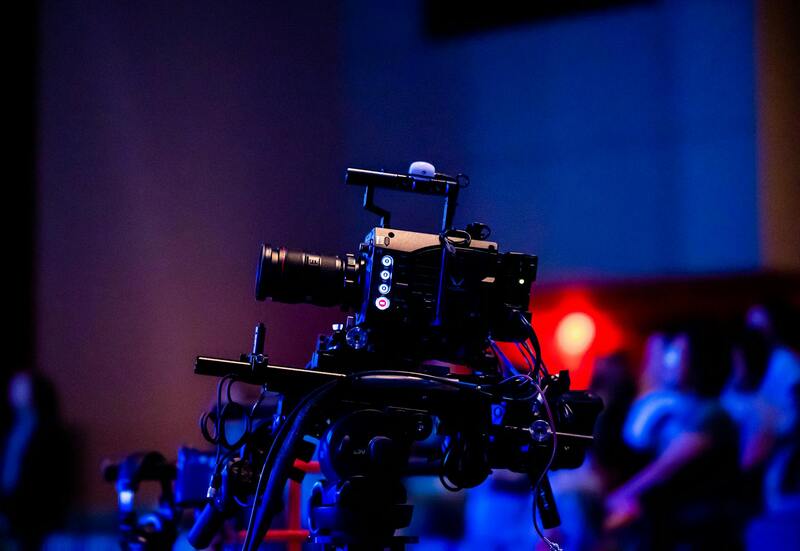
Effective distribution of post-event content involves multiple channels. Uploading recordings to company websites, social media platforms, and video hosting services ensures accessibility for broader audiences. Employing targeted email marketing campaigns with video highlights can rekindle interest and promote upcoming events. It is also advantageous to create personalized content segments based on audience segments identified during analysis, enhancing engagement and reinforcing brand messaging.
Leveraging Data for Continuous Improvement
- Identifying high-performing segments and topics from the analytics reports.
- Adjusting content strategies based on viewer feedback and engagement patterns.
- Enhancing interactive elements in future broadcasts to boost participation.
- Implementing technological upgrades based on performance issues encountered during the live event.
Integration of post-event analytics with customer relationship management (CRM) systems allows for tailored follow-up communications. Personalized outreach based on viewer engagement metrics can foster stronger relationships and elevate the overall effectiveness of corporate communication strategies.
Enhancing Future Broadcasts with Feedback and Insights
Collecting qualitative feedback from viewers, sponsors, and internal stakeholders provides context to the quantitative data obtained. Surveys and direct comments help identify content preferences, technical issues, and suggestions for improvement. Incorporating this feedback into planning processes ensures that future broadcasts align more closely with audience expectations and business objectives.
Case studies of successful post-event strategies demonstrate the importance of a continuous improvement cycle. These practices include reviewing the technical execution, assessing viewer interaction, and planning innovative ways to enhance engagement in subsequent broadcasts.
Ultimately, a data-driven approach combined with audience insights guides the creation of more compelling, impactful, and technically seamless live broadcasts, solidifying the reputation of your organization as a leader in corporate event broadcasting from Miami and beyond.