Understanding Timelapse Video in Miami
Timelapse videos have become a distinguished method for capturing the passage of time in a visually compelling way. This filmmaking technique involves photographing a scene at set intervals over a period, then compiling these images into a seamless video sequence. The result highlights the movement and transformation within a location, showcasing phenomena such as bustling city life, natural events, or architectural changes in a condensed format.
Miami, known for its vibrant urban landscape combined with lush natural scenery, serves as an ideal backdrop for timelapse filmmaking. Its diverse scenery—from iconic skylines and lively streets to shimmering beaches and dynamic weather patterns—allows creators to craft visually captivating stories that reveal the city's pulsating energy and beautiful transitions.
The popularity of timelapse videos in Miami is rooted in their ability to portray the city's fast-paced lifestyle and scenic beauty in just a few seconds. Whether it's capturing the sunset over South Beach, the sunrise over downtown Miami, or the flow of traffic along Biscayne Boulevard, these videos highlight moments that are often fleeting yet visually impactful. Many professional videographers and content creators leverage Miami’s distinctive environment to produce compelling visual narratives that resonate with audiences worldwide.
Furthermore, the increasing accessibility of advanced camera equipment and editing software has contributed to the growth of timelapse projects. Innovative solutions like high-resolution cameras, stabilization gear, and software capable of seamless image processing make it easier than ever to produce high-quality timelapse videos. This technological progress enables creators to showcase Miami’s ever-changing landscape with clarity, depth, and artistic flair.
The city’s vibrant cultural scene and diverse urban architecture also make it an excellent subject for timelapse projects. Urban developments, event celebrations, daytime-city transformations, and natural phenomena—all can be effectively captured and presented as visually stunning timelapse videos. The result often enhances promotional efforts for tourism, real estate, or city branding campaigns, providing viewers with an immersive experience of what Miami has to offer.
In essence, mastering the art of timelapse video in Miami requires an understanding of both the city's unique characteristics and the technical aspects of filmmaking. Creators who explore these possibilities not only produce impressive visuals but also contribute to the dynamic storytelling that captures Miami's essence—a city that moves, evolves, and shines with an unmatched energy.
Planning and Scheduling for Miami Timelapse Projects
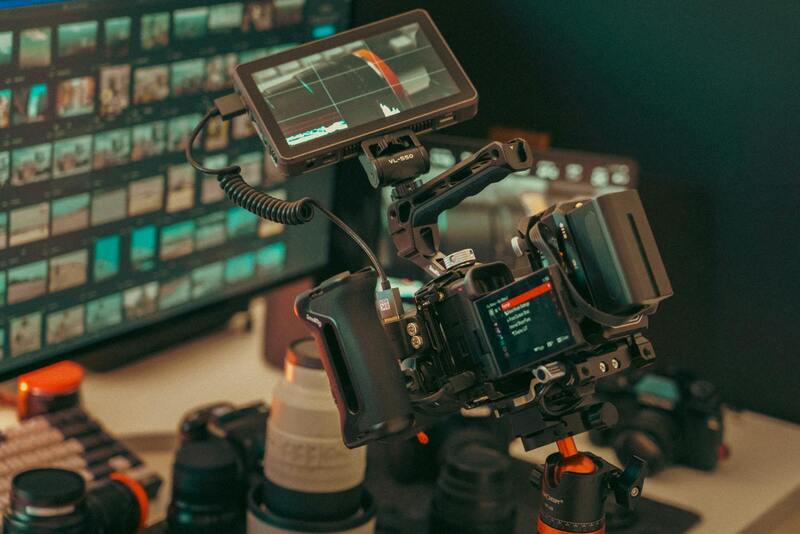
Effective planning and scheduling form the backbone of successful timelapse video production in Miami. Given the city’s rapid urban changes, traffic patterns, and natural light variations, meticulous planning ensures capturing the most compelling visuals. To achieve this, creators typically start by identifying key times of day, such as sunrise, sunset, or periods of high activity, which can drastically influence the mood and dynamism of the final footage.
Creating a comprehensive shot list is essential. This involves pinpointing specific locations, angles, and subject movements that align with the vision of the project. For Miami, this might include iconic landmarks like South Beach, the Miami skyline from Brickell Key, or the bustling Ocean Drive strip, each requiring tailored timing to optimize lighting conditions and activity levels.
Weather forecasts and atmospheric conditions also play a critical role in scheduling. Taking advantage of clear days or capturing weather phenomena like thunderstorms over the city can add dramatic effects. Flexible scheduling allows for adjustments based on real-time weather updates, ensuring the timelapse captures Miami’s vibrant environment authentically.
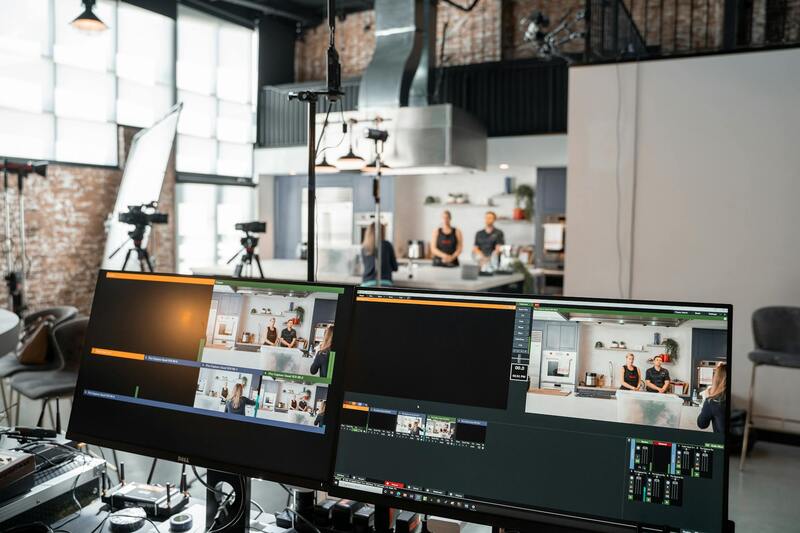
Additionally, understanding the city’s bustling hours and quiet periods helps determine optimal shooting windows. Some filmmakers prefer capturing during blue hour to emphasize Miami’s luminous cityscape with softer lighting, while others may choose high-traffic times to showcase the city’s vibrant energy.
To facilitate seamless shooting, securing permits or access to private properties well in advance is often necessary. This proactive approach prevents disruptions and ensures legal compliance with local ordinances. Mapping out the project timeline—including setup, potential weather delays, and backup locations—helps maintain a smooth workflow from initial planning to post-production.
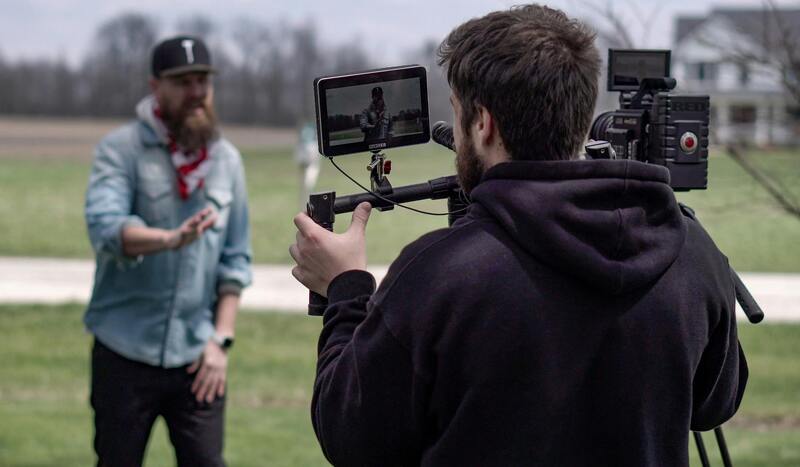
In summary, efficient planning and scheduling are crucial for capturing the essence of Miami’s constantly evolving scenery. The combination of precise location selection, timing considerations, and logistical coordination results in timelapse videos that not only showcase Miami’s beauty but also tell its story with clarity and impact.
Choosing the Right Equipment for Capturing Miami’s Vibrant Scene
Successful timelapse videos in Miami demand carefully selected technical gear to ensure high-quality footage that captures the city’s energy and charm. Professional equipment choices are pivotal in translating the dynamic urban environment and natural beauty into compelling visual stories.
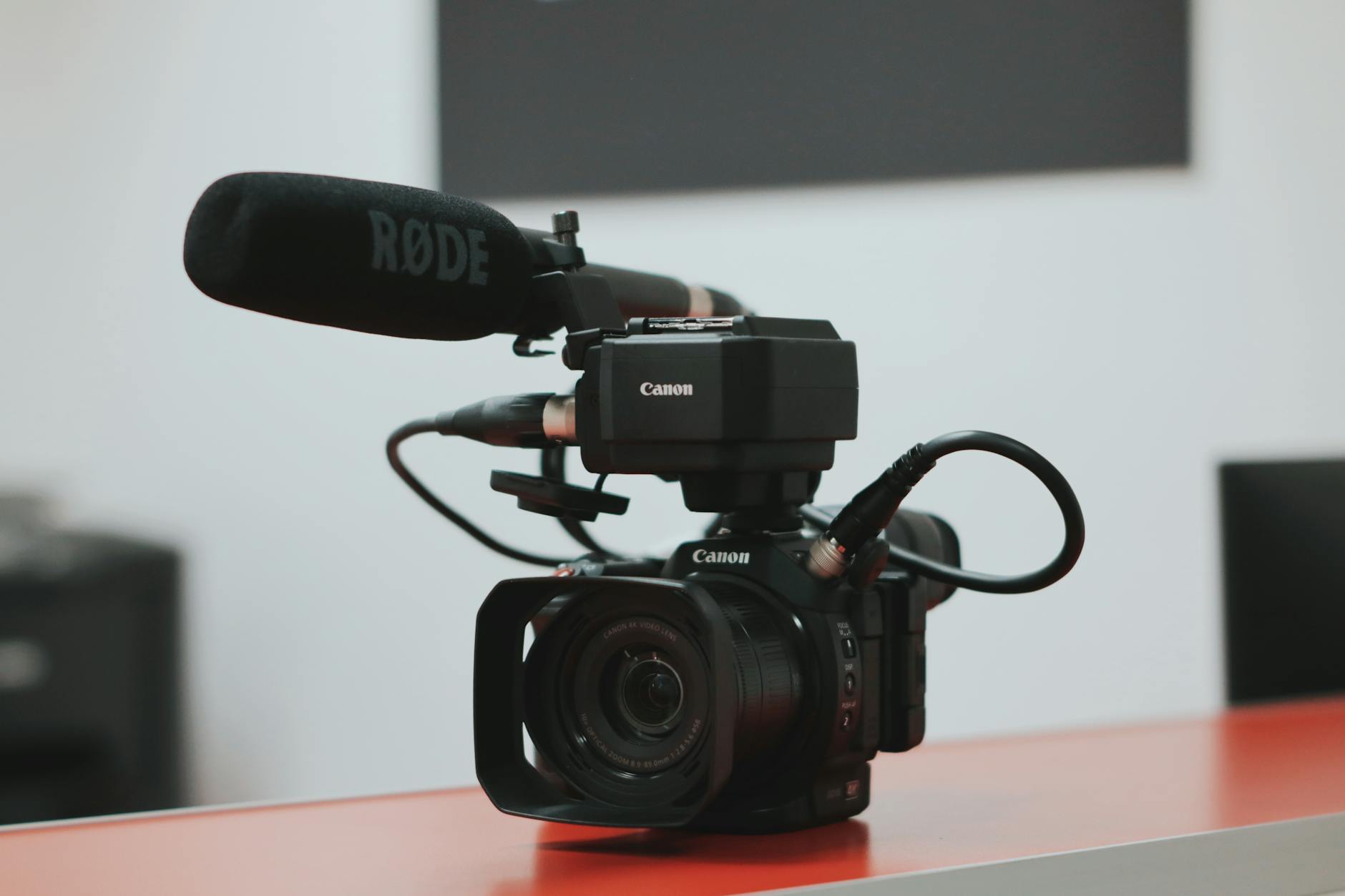
Investing in a reliable DSLR or mirrorless camera with high-resolution capabilities allows for detailed and crisp images, which are essential when creating seamless timelapse sequences. Coupled with a sturdy tripod, this ensures stability during prolonged shooting periods, especially in outdoor environments where wind and weather conditions can pose challenges.
The selection of a motorized intervalometer or a camera with built-in interval shooting features simplifies the process of capturing hundreds or thousands of frames at predetermined intervals. This enables smooth, well-paced sequences that effectively portray change over time, whether it's the shifting light of sunrise or the bustling movement of Miami’s streets and beaches.
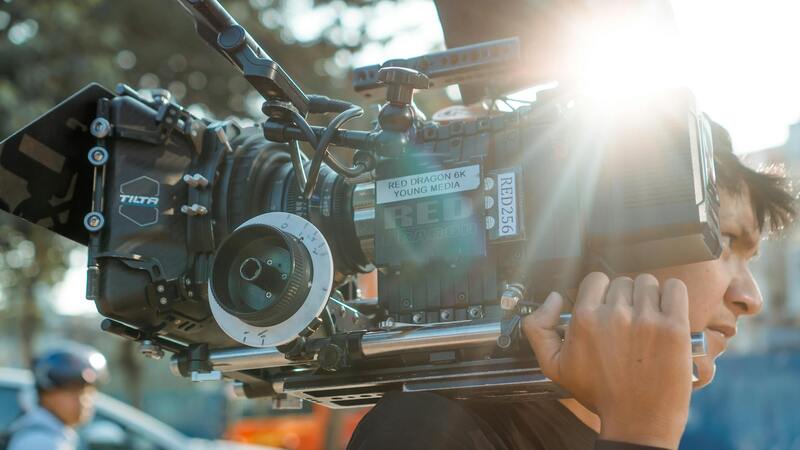
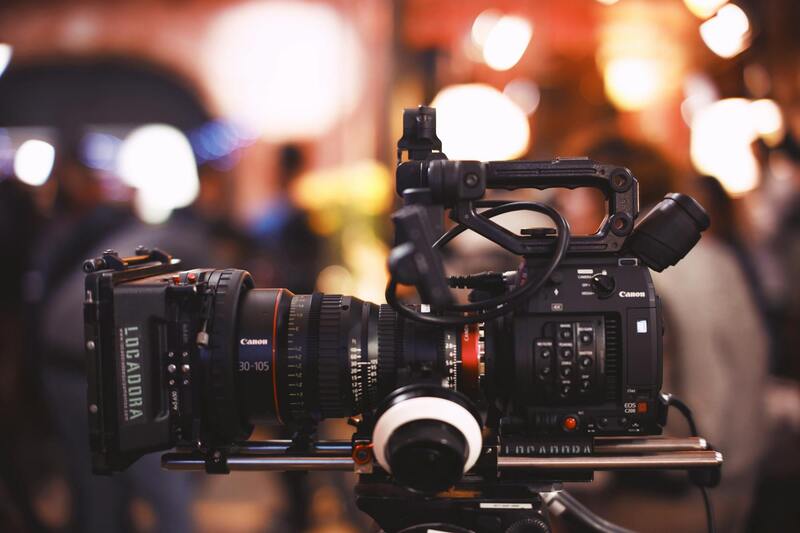
Lens selection also plays a significant role. Wide-angle lenses are typically preferred to capture expansive cityscapes or natural scenery, offering a sense of scale and immersion. For detailed shots of specific landmarks or architectural features, telephoto lenses can add depth and focus.
Furthermore, filters such as neutral density (ND) filters can help manage exposure during brightly lit conditions, especially when shooting in the middle of the day or during sunsets. Proper use of these filters prevents overexposure and maintains the cinematic look of the footage.
Camera Settings and Techniques for Miami Timelapse Projects
Achieving optimal results involves fine-tuning camera settings to match the scene's lighting and movement. Shooting in RAW format provides maximum flexibility during post-production, allowing for detailed adjustments without degrading image quality. Maintaining a consistent exposure and focus throughout the session is critical; manual focus and exposure settings are often preferred over automatic options to prevent shifts that disrupt the continuity of frames.
Adjusting the aperture to achieve a desired depth of field, setting a suitable ISO for low noise, and choosing a shutter speed that complements the natural motion—such as a slower shutter for smooth motion blur—are standard practices. For scenes with significant movement or changing light conditions, bracketing exposure or using auto-bracketing features can be beneficial, followed by blending in post-production.
Capturing Miami’s highlights—whether it's the ocean’s horizon, skyline, or vibrant urban life—requires planning for the right time of day to exploit lighting conditions. Shooting during golden hour or blue hour imparts a distinctive look, infusing footage with warmth or a cool, tranquil atmosphere. Time-lapse sequences may also benefit from combining different lighting conditions, seamlessly transitioning from day to night to showcase Miami’s nocturnal vibrancy.
Capturing Miami’s Dynamic Cityscapes and Natural Beauty
Achieving compelling timelapse footage in Miami hinges on selecting the right camera settings and stabilization techniques to handle the city’s vibrant energy and diverse environments. From towering skyscrapers and bustling streets to serene coastal scenes, each setting presents unique challenges and opportunities for creative expression. Properly configuring your camera to adapt to varying light conditions and motion speeds is essential for producing seamless, high-quality sequences.
Stability is paramount in timelapse photography. Using a high-quality tripod with fluid head capabilities allows for smooth panning and tilting shots, ensuring a consistent horizon and steady framing throughout extended shooting sessions. In situations involving significant movement, gimbal stabilization or motorized sliders can further enhance fluidity, especially when capturing expansive cityscapes or sweeping panoramic views.
Optimal camera settings vary based on the scene and lighting conditions. For daytime shots of Miami’s skyline, a narrower aperture (f/8 to f/16) can provide greater depth of field, keeping foreground and background elements in sharp focus. ISO should be kept as low as possible—preferably ISO 100 or 200—to minimize noise, especially in longer exposures. Shutter speed is typically set to twice the frame capture interval; for instance, if capturing one frame every five seconds, a shutter speed of around 1/10 or 1/15 seconds can produce natural motion blur, lending a cinematic feel to clouds or cars in motion.
For scenes involving changing light conditions, bracketing exposures and blending shots in post-production can help achieve a balanced exposure profile. During the blue hour or sunset, adjusting the white balance to match the ambient light ensures color fidelity, while bracketing helps in capturing details in both shadows and highlights. When transitioning from day to night, adjusting camera settings dynamically or planning the shoot during specific timeframes ensures continuity and consistency across frames.
Capturing Miami’s natural scenery, such as the beaches or parks, demands versatility from the camera's autofocus system. Switching to manual focus is often recommended to prevent focus shifts during extended captures, especially when filming in environments with changing distances or lighting. Using a telephoto lens can isolate specific elements like palm trees or architecture, adding depth and dimension to the timelapse sequence.
In addition to camera configurations, environmental factors like weather, lighting conditions, and crowd activity should influence your shooting schedule. Overcast days or periods of low wind stabilize the environment and reduce vibrations, resulting in sharper footage. Planning for optimal times—such as dusk, dawn, or night—captures Miami’s lively atmosphere in myriad moods, from bustling daytime energy to serene nocturnal scenes.
Technical Equipment and Settings for Miami Timelapse Videos
Creating high-quality timelapse videos in Miami requires selecting the right equipment and fine-tuning camera settings to adapt to the city’s diverse lighting conditions and vibrant scenery. The choice of camera is crucial; DSLR and mirrorless cameras with manual controls are preferred due to their flexibility and superior image quality. Using a sturdy tripod ensures stability across prolonged shooting sessions, which is vital for achieving seamless frame sequences.
Lens selection depends on the desired composition. Wide-angle lenses are ideal for capturing expansive city skylines or panoramic beach scenes, offering an immersive perspective that highlights Miami’s scale and vibrancy. Telephoto lenses can zoom in on architectural details, palm trees, or active street scenes, bringing specific elements into focus and adding depth to the timelapse.
Camera settings should be carefully adjusted to accommodate Miami’s distinct environments, especially when transitioning from daylight to nighttime scenes. Generally, shooting in manual mode provides control over exposure, focus, and white balance. Setting a low ISO (100-400) helps minimize noise, particularly during low-light scenes at dawn, dusk, or after sunset. Aperture selection depends on the scene; a moderate aperture (f/8 to f/11) ensures sharpness across the frame, while a wider aperture can be used for subject isolation.
Shutter speed and interval settings are integral to achieving the desired motion effect. For instance, capturing smooth cloud movements over Miami’s skyline involves longer exposures, while shorter intervals are suitable for busy streets or bustling crowds. Intervalometers or camera-specific interval shooting modes automate this process, maintaining consistent capture intervals—commonly between 1 and 5 seconds—depending on the scene dynamics.
Properly managing the white balance is essential to preserve color fidelity, especially during varying daylight conditions. Auto white balance can lead to color shifts, so manually setting it to daylight or daylight auto mode provides consistent results. During sunset and sunrise shots, bracketing exposures and blending images in post-production can help capture the full tonal range, preventing overexposure of bright skies and preserving details in shadows.
Protective gear such as weather-resistant housings and lens filters extend camera functionality amid Miami’s outdoor settings. Neutral density (ND) filters can regulate light to enable longer exposures during daylight, creating motion blur effects for clouds and water scenes, adding a cinematic quality to the timelapse.
Environmental factors like wind, rain, or foot traffic can influence shooting plans. Using remote shutters or intervalometers minimizes vibrations caused by manual operations, while weather protection ensures equipment safety. Planning the shoot during times of minimal crowd activity—early mornings or late evenings—helps maintain footage clarity and reduces interruptions.
Strategies for Effective Timelapse Shooting in Miami
Executing a successful timelapse project in Miami requires a detailed approach that incorporates not only technical proficiency but also a thorough understanding of the city's unique environment. To achieve high-quality footage, crew members must employ a combination of precise planning, versatile equipment, and adaptable techniques suited for diverse Miami landscapes. This involves selecting the right gear, understanding optimal shooting conditions, and tailoring camera settings to maximize image consistency and detail across varied lighting scenarios.
One core strategy is conducting comprehensive site reconnaissance before filming begins. Visiting locations like downtown skyline vistas, beaches, or urban parks during different times of the day allows filmmakers to assess lighting conditions, potential obstructions, and environmental factors. This preparatory step helps in scheduling shoots during optimal periods, such as sunrise, sunset, or twilight, when Miami's natural and artificial lighting creates captivating visuals.
Light management plays a vital role in timelapse photography. Managing exposure settings through techniques like bracketing can capture a broader tonal range, especially during transitions from daylight to dusk. Using manual focus and consistent white balance settings further ensures uniformity between frames, preventing flickering that can disrupt the seamless flow of the sequence. For scenes involving water, clouds, or moving objects, employing neutral density filters and adjustable apertures can achieve desired motion effects while maintaining the necessary exposure levels.
To minimize disruptions and optimize image quality, shooters should also consider environmental conditions such as weather and pedestrian traffic. Early mornings and late evenings generally offer quieter scenes, reducing the risk of unexpected interference or vibrations that could compromise the footage. Remote shutter releases and intervalometers are instrumental in creating steady, consistent captures, especially for extended shoots.
In addition, incorporating a variety of focal lengths can add depth and interest to the final sequence. Wide-angle shots emphasize the grandeur of Miami's skyline, while telephoto lenses can highlight dynamic details like moving boats, streaks of car lights, or architectural features. This diversity in perspectives enriches the storytelling aspect of the timelapse, making it more engaging for viewers.
Post-production also plays a crucial role in transforming raw footage into polished videos. Software tools enable adjustments to color grading, contrast, and stability, while techniques like frame interpolation can smooth out inconsistencies. Carefully managing these edits preserves the vibrancy of Miami’s colors—from the azure waters and lush greenery to the neon-lit city streets—creating a visually compelling narrative.
Legal Considerations for Shooting in Miami
When creating professional timelapse videos in Miami, it is essential to adhere to established procedures for securing necessary permissions and respecting property boundaries. While engaging in filming activities, operators should identify the specific locations intended for capture and verify whether any restrictions or permissions are required. This often involves coordinating with property owners or management entities prior to commencing the shoot, especially for projects in private or commercial areas.
Securing formal authorization helps facilitate smooth operations and ensures that the production process aligns with local protocols. It is advisable to maintain clear documentation of approvals, including issued permits or permissions, and to carry these during filming as evidence of compliance. In addition, understanding the boundaries of public spaces, such as parks, promenades, and government-owned facilities, ensures that filming activities do not inadvertently infringe on designated zones requiring special access.
Throughout the shooting process, professionals should remain vigilant about respecting residents' privacy and avoiding disruption. This includes minimizing noise, maintaining distance from private residences, and refraining from obstructing traffic or pedestrian flow. When in doubt, consulting with relevant authorities or local councils can provide clarity on permissible filming practices, helping to prevent potential misunderstandings or conflicts.

Moreover, leveraging official channels for consultation can streamline the process, especially for extensive projects that may involve multiple locations or require specialized equipment. By establishing clear communication with relevant Miami agencies, production teams can ensure their work proceeds efficiently while respecting local guidelines. This proactive approach not only safeguards the project’s integrity but also fosters positive relationships within the community.
In summary, adhering to local regulations, obtaining necessary permissions, and respecting private and public property are fundamental elements of conducting professional timelapse videography within Miami. These practices promote responsible filming and help to realize the full potential of capturing Miami’s vibrant city and natural landscapes with integrity and professionalism.
Legal Requirements and Best Practices for Filming Timelapse Videos in Miami
Successfully creating timelapse videos that highlight the vibrant essence of Miami involves more than just capturing striking visuals; it necessitates a clear understanding of the official procedures and guidelines that govern filming activities within the city. Ensuring adherence to these protocols not only facilitates smooth project execution but also demonstrates professionalism and respect for the city’s regulations and community standards.
Securing Official Permits and Clearances
For any filming endeavor that extends beyond private property or involves public spaces, obtaining the appropriate permits from Miami municipal authorities is a non-negotiable step. Approaches typically include applying through the local film commission or relevant city departments that oversee filming activities. These permits specify the scope, duration, and locations of the shoot, helping to avoid potential conflicts or misunderstandings. It is advisable to submit detailed project proposals outlining the nature of the timelapse, equipment to be used, and any additional requirements such as strobe lights or drone operations.
Coordinate with Local Authorities
Coordination extends beyond permit acquisition. It involves engaging with Miami’s city officials, local business owners, and community representatives, especially when filming in areas with high foot traffic or sensitive locations. These interactions help ensure that filming activities do not impede city functions or infringe on residents’ privacy. Often, establishing open communication channels can preempt issues and clarify any site-specific restrictions or guidelines.
Respect Private and Public Property
Respect for property rights is fundamental in any filming project. For shooting in private spaces, explicit permission from property owners is mandatory. Filming in public areas requires adherence to posted signage, designated zones, and compliance with local ordinances. Conducting a reconnaissance visit beforehand allows filmmakers to identify potential obstacles or restrictions, facilitating better planning and punctuality during the actual shoot.
Special Regulations for Drone Footage
If employing drone technology to capture Miami’s skyline or natural vistas, adherence to additional rules governing unmanned aerial vehicles (UAVs) is essential. These include altitude limitations, no-fly zones—particularly near airports, government buildings, or densely populated residential areas—and maintaining visual line-of-sight. Licensing pilots and registering equipment with relevant authorities further underscores a commitment to responsible filming practices.
Mitigating Disruption and Ensuring Safety
Filmmakers should implement protocols to minimize disruption to residents, pedestrians, and vehicular traffic. This involves scheduling shoots during less busy hours, deploying safety barriers, and having personnel on-site to manage crowds and traffic when necessary. Proper planning ensures that the timelapse creation process aligns with community safety standards and reduces the risk of conflicts or safety infringements.
Documentation and Record-Keeping
Maintaining comprehensive records of permits, correspondence, and approvals is crucial. These documents serve as verification of compliance, streamline permission renewals, and provide clarity in case of audits or inspections. Accurate documentation also contributes to a transparent workflow and enhances the professional reputation of the production team.
By following these structured procedures, creators of Miami timelapse videos can navigate administrative processes effectively, foster positive relationships within the community, and ultimately produce compelling visual narratives that showcase the city’s dynamic character responsibly and legally.