Understanding Timelapse Production
Timelapse production is an innovative filmmaking technique that condenses hours, days, or even weeks of real-time footage into a brief, compelling visual presentation. By capturing a scene at set intervals over an extended period, videographers create dynamic sequences that reveal changes and developments often unnoticed by the naked eye. This method has become a vital tool for visual storytelling, enabling filmmakers and content creators to showcase environments, infrastructure projects, natural phenomena, and bustling urban life with striking clarity and artistic flair.
Key elements that define effective timelapse production include precise planning, appropriate equipment, and an understanding of camera settings. These components work together to produce smooth, high-quality sequences that enhance narrative clarity and aesthetic appeal. The ability to control exposure, frame rate, and interval timing ensures the final footage maintains consistent visual quality, making it suitable for a variety of creative and documentary purposes. The technique’s versatility makes it ideal for capturing both natural landscapes and dynamic cityscapes, offering viewers a unique perspective on the passage of time.
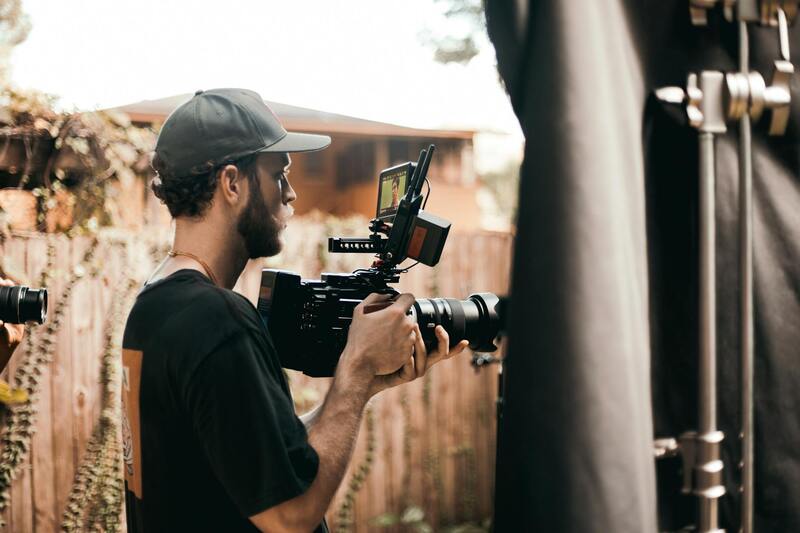
Timelapse production not only showcases the beauty and complexity of the world around us but also serves as a powerful tool in project documentation, event coverage, and artistic expression. Its relevance continues to grow as technology advances, making high-quality timelapse creation accessible to a broader range of professionals and enthusiasts. Successfully executing a timelapse project requires a comprehensive understanding of its purpose and the key elements involved, which will be further explored in the subsequent sections.
Choosing the Right Equipment
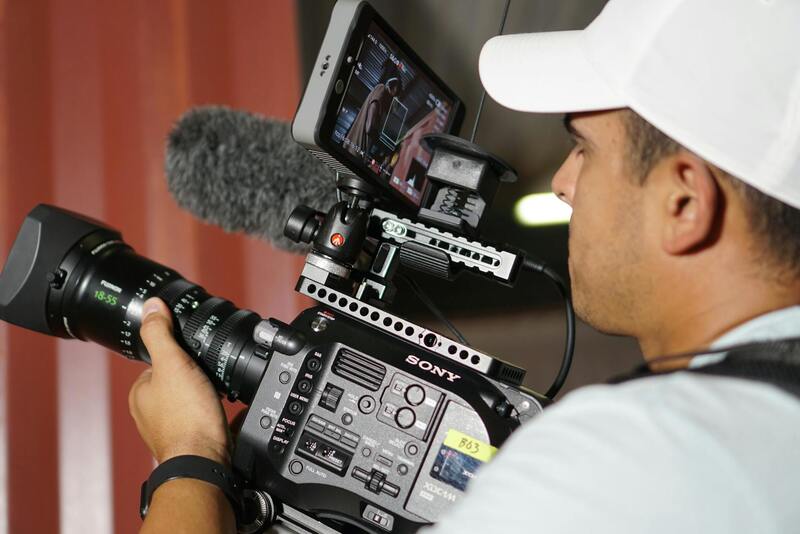
Effective timelapse production begins with selecting suitable equipment that ensures optimal results. The core components include a reliable camera capable of manual control, a sturdy tripod to maintain stability over extended periods, and an intervalometer or an in-camera interval setting to automate shot capture. Cameras with high-resolution sensors and good low-light performance prove advantageous, especially when shooting in variable lighting conditions typical of outdoor environments. In addition to the primary camera, accessories like panoramic heads can facilitate precise framing for wide-angle shots, while weather protection gear is essential for outdoor shoots in Miami’s diverse climate. Batteries with extended life or portable power sources are recommended to sustain continuous operation during lengthy captures. Furthermore, high-quality SD cards or storage solutions with ample capacity prevent interruptions caused by data overflow, ensuring uninterrupted footage collection. For professional timelapse projects, mirrorless cameras often strike a balance between compact form factor and high-end features. However, DSLR cameras remain popular due to their durability and extensive manual controls. When selecting equipment, consider factors such as frame rate requirements, desired resolution, and the specific visual effects you aim to achieve. Investing in robust, compatible gear lays the foundation for producing smooth, professional-grade sequences.
Techniques and Settings for Timelapse
Mastering camera techniques and settings is fundamental for capturing compelling timelapse footage. The process begins with choosing the appropriate interval between shots, typically ranging from one to several seconds, based on the subject’s movement and desired speed of the final sequence. For instance, capturing a bustling cityscape might require a shorter interval to highlight rapid urban life, whereas natural landscapes benefit from longer intervals to showcase gradual changes. Camera settings should be adjusted meticulously to maintain consistent exposure. Using manual mode allows for precise control over aperture, shutter speed, and ISO, reducing flickering and brightness fluctuations throughout the shoot. Shooting in a RAW format provides maximum flexibility during post-production, allowing for accurate color correction and detail enhancement. Stability is crucial; even slight camera movements can compromise the smoothness of the final video. Employing a remote shutter release or an intervalometer minimizes vibrations caused by physical contact. Additionally, monitoring weather conditions and lighting changes ensures optimal capture quality, particularly in Miami where varying sunlight and potential weather shifts can affect footage.
Advanced Camera Techniques and Dynamic Settings for Timelapse
Achieving high-caliber timelapse footage hinges on understanding and applying sophisticated camera techniques and settings tailored to specific scenarios. One of the foremost considerations is controlling exposure consistently throughout the shoot to prevent flickering, which can disrupt the visual continuity of the final sequence. Manual mode remains indispensable, granting precise control over key parameters such as aperture, shutter speed, and ISO. Proper synchronization of these settings ensures that changes in light—whether due to passing clouds or shifting sunlight—do not result in noticeable brightness shifts.
Using manual focus is equally important, especially in environments like Miami where diverse lighting and movement can influence focus stability. Focusing manually on a fixed point prevents the autofocus from hunting during intervals, maintaining sharpness across all frames. For scenes with significant movement, such as bustling city streets or traffic, techniques like focus stacking may not be applicable, making focus stability even more crucial.
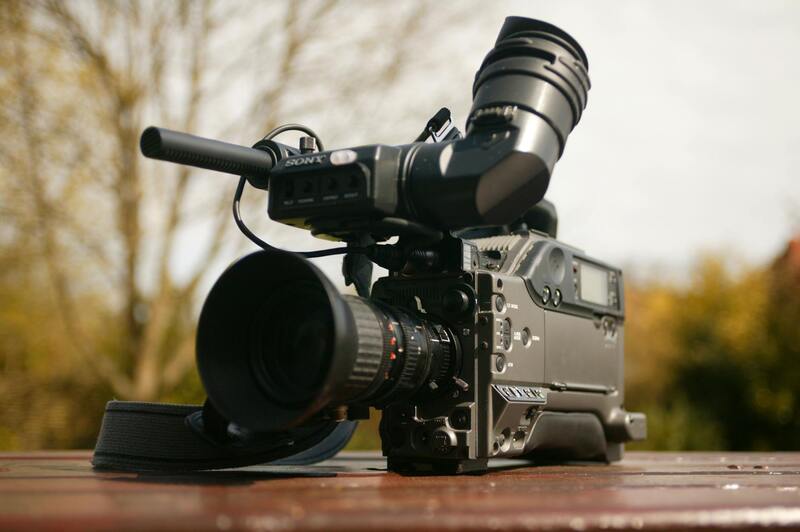
One technical strategy involves bracketing exposure settings or adjusting ISO and shutter speed to adapt dynamically to changing light conditions. Incorporating graduated ND filters can be advantageous in high-contrast settings, balancing exposure between sky and ground, characteristic of Miami’s vibrant urban skylines or scenic coastlines. Additionally, employing interval settings that match the subject’s speed of movement is essential; for rapid subject change, intervals of one to three seconds may suffice, while broader landscape shifts benefit from longer gaps of five to ten seconds.
Equipment stability is non-negotiable in the pursuit of seamless footage. Electronic or mechanical intervalometers should be set up securely on a sturdy tripod to prevent vibrations. For added stability, some professionals utilize weighted tripod bags or vibration isolation pads during outdoor shoots. In Miami’s environment, where wind can be a factor, equipment with efficient stabilization features enhances footage clarity. Finally, real-time monitoring via external screens or connected devices provides an opportunity to make on-the-fly adjustments, ensuring that every frame aligns with the creative vision.
In post-production, footage captured with these meticulous settings offers a robust base for editing. Consistent exposure and focus across frames simplify color grading and frame stabilization, resulting in a seamless, professional-grade timelapse sequence.
Capturing and Managing Raw Footage
Effective timelapse production hinges significantly on the meticulous handling of raw footage. As workflows become increasingly digital, organizing your captured sequences is essential for efficient editing and potential revisions. Before commencing the shoot, establish a clear file naming convention, including timestamps or scene identifiers, to streamline retrieval during post-production. Use high-capacity, reliable storage media to accommodate large raw files, ensuring data integrity throughout the project lifecycle.
During the shoot, it is critical to maintain consistent camera settings—particularly exposure, white balance, and focus—to prevent fluctuations that can disrupt the visual continuity of the sequence. Utilizing manual settings rather than auto modes helps preserve uniformity across all frames. When shooting in high-contrast environments typical of Miami’s vibrant urban landscape or dynamic coastal scenes, pay close attention to exposure levels. Bracketing can be employed intentionally during capture, allowing for later selection of the best exposure for each frame, especially in scenes with extensive tonal ranges.
Managing raw footage also involves safeguarding data. Employ redundant storage solutions, such as backing up onto external drives or cloud services, immediately after each shooting session. This practice minimizes the risk of data loss due to hardware failure or accidental corruption. Additionally, consider applying a consistent metadata structure to all files, embedding keywords, GPS data, or other relevant information that integrates seamlessly into your editing workflow.
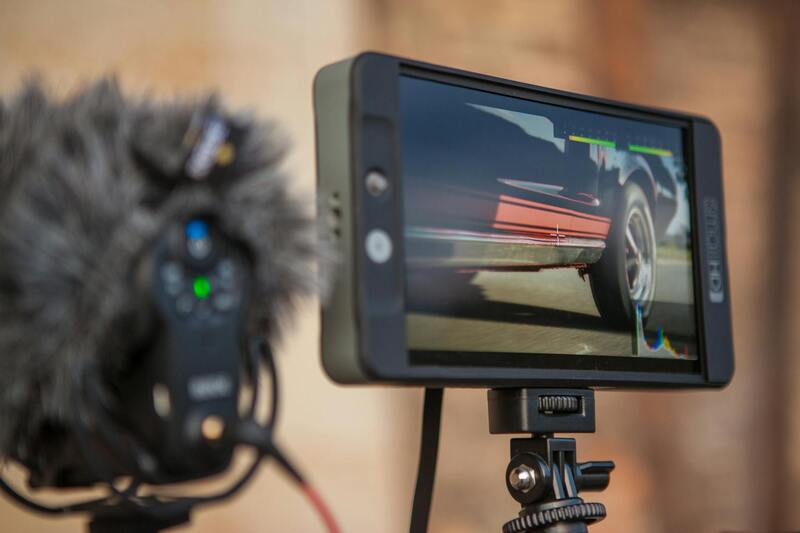
In terms of equipment, using quality memory cards with high write speeds ensures smooth data capture during continuous shooting. For longer timelapse sequences, a battery management plan is crucial, whether utilizing extended power sources or carrying spare batteries, particularly during outdoor shoots in Miami’s varying climate. Assembling a well-organized workflow from the moment footage is captured to its storage and backup sets a foundation for the high standards required in professional timelapse projects.
Advanced Techniques for Enhanced Timelapse Quality
To elevate the visual impact of your timelapse productions, incorporating advanced capturing techniques can make a significant difference. One such method is the use of image stabilization technologies, which help reduce unintended camera movement and produce smoother transitions between frames. Gimbal stabilizers or drone-mounted cameras can dramatically improve shot stability, especially when capturing dynamic or aerial scenes around Miami's bustling urban environments or scenic coastlines.
Implementing focus stacking ensures sharpness across the entire scene, particularly in architecture or nature shots with varying depths. Using autofocus with lock or manual focus adjustments allows for precise control, preventing focus drift during long shoots—crucial when capturing intricate Miami details like architectural facades or wildlife habitats.

Adjusting interval durations is another critical element. Customizing the shooting interval based on the scene's motion—faster intervals for bustling city scenes or slower ones for gradual changes—ensures a natural flow in the final video. For Miami's vibrant nightlife, varying interval times can beautifully capture the transition from sunset to city lights, creating captivating visual narratives.
Manual exposure control is indispensable for managing consistent brightness, especially in scenes with rapidly changing lighting conditions. Using a graduated ND filter can help balance exposure across scenes with extreme contrast, such as Miami's bright skies and shadowed street levels. This technique prevents overexposure and preserves detail, which is vital for post-production flexibility.
Incorporating time-lapse specific camera modes or intervalometers allows for precise, customizable control over shooting parameters. Some professional-grade cameras include built-in interval timers, streamlining the process and reducing the need for external devices. When paired with robust control software, these tools facilitate complex shooting schedules that adapt to varying scene dynamics seamlessly.
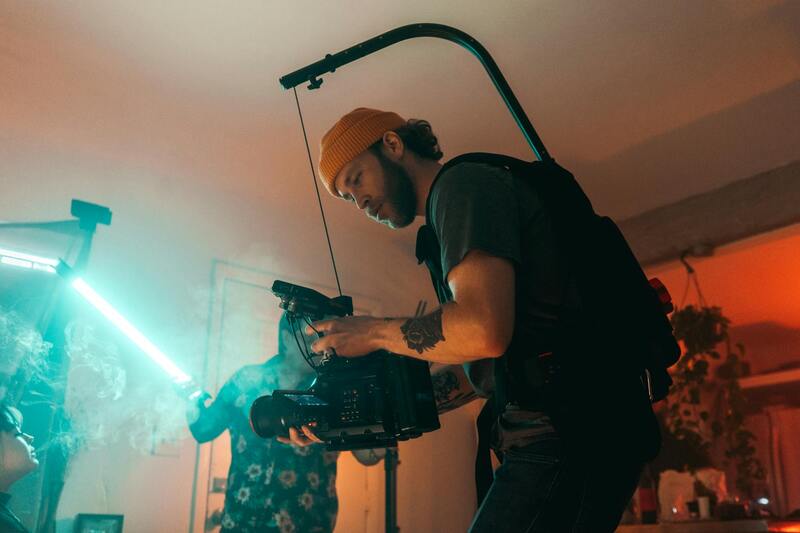
Employing HDR (High Dynamic Range) techniques during shooting sessions can also enhance a timelapse by capturing details in high-contrast scenes. Shooting multiple exposures at set intervals and blending them during post-production results in images that reveal a broader tonal range, ideal for scenes with bright skies and shaded streets characteristic of Miami.
Finally, meticulous planning of scene transitions can create compelling storylines within a timelapse. For instance, transitioning from Miami's sunrise over the ocean to a bustling cityscape at midday can illustrate the city’s vibrant energy, while smoothly blending different shooting techniques ensures visual cohesion and a polished final product.
Utilizing Off-Camera Devices for Precise Timing and Control
To achieve seamless and professional-looking timelapses, leveraging off-camera devices plays a significant role in enhancing control over shooting parameters. External intervalometers offer unrivaled flexibility beyond the built-in timer options available on many cameras. These devices can be programmed to trigger the camera at meticulously planned intervals, allowing for sophisticated shot sequencing that adapts to changing environmental conditions or specific creative intentions.
Modern intervalometers come equipped with features such as Wi-Fi or Bluetooth connectivity, enabling remote adjustments and real-time monitoring through dedicated apps. This capability is particularly advantageous in complex shoots where access to the camera is limited or when shooting in hard-to-reach locations. Remote control minimizes camera disturbance during critical moments, ensuring consistent framing and exposure.
Additionally, some control systems integrate with external software solutions, providing an intuitive interface for setting up detailed shooting schedules. Users can customize parameters like interval duration, total number of shots, exposure settings, and focus points, which is essential for capturing dynamic scenes that require precise timing. For instance, a timelapse of Miami's traffic flow can benefit from adjusting shot intervals to match speed changes during peak and off-peak hours.
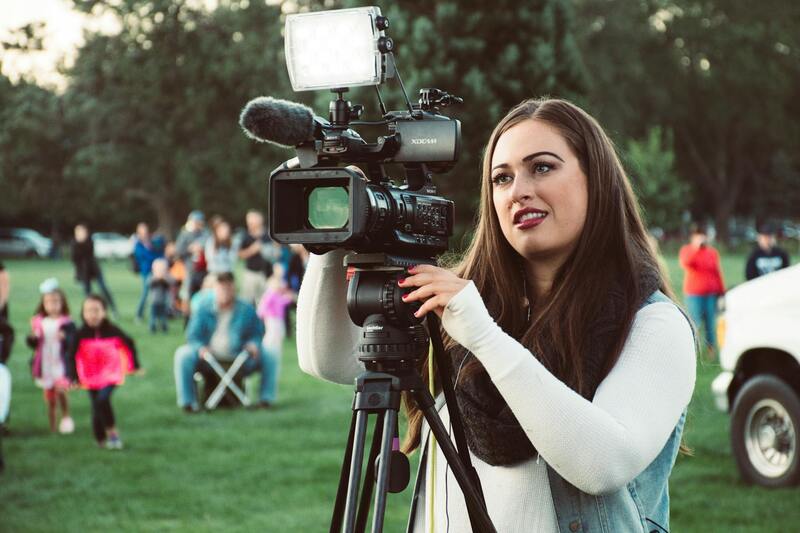
Managing Multiple Shooting Parameters to Maximize Image Quality
Effective timelapse production demands meticulous configuration of camera settings tailored to scene requirements. Shutter speed, aperture, ISO, and focus must be optimally set to ensure clean, sharp images across varied lighting conditions. When capturing Miami's vibrant urban environments or natural landscapes, it’s vital to fine-tune these parameters to balance exposure, depth of field, and motion blur.
- Shutter speed: Typically set to double the frame interval to achieve natural motion representation without flicker.
- Aperture: Chosen based on desired depth of field; smaller apertures like f/11 or f/16 may be necessary for expansive landscapes to maintain sharpness.
- ISO: Set as low as possible to reduce noise, especially in low-light conditions or late-in-night scenes.
- Focus: Often set to manual focus to prevent focus shifts during shooting, maintaining consistent image sharpness throughout the sequence.
Monitoring these settings through exposure and focus peaking features can improve consistency between shots. Furthermore, using in-camera bracketing or HDR modes during interval shooting can assist in capturing a wider tonal range in scenes with high contrast, such as Miami’s sky and shadowed alleyways.
Streamlining Workflow with Reliable Data Management and Storage Solutions
Timelapse production generates extensive data, necessitating efficient management systems to prevent workflow bottlenecks. Employing high-capacity, high-speed memory cards ensures smooth recording of large image sequences without interruptions. It’s advisable to use rugged cards with proven reliability, especially during extended shooting sessions.
Post-shoot, organizing footage with consistent naming conventions and metadata tagging simplifies the editing process. Utilizing dedicated external drives for backup and storage prevents data loss and maintains workflow continuity. For complex projects, maintaining separate folders for different scenes or time segments allows for easier navigation during editing.
Advanced software solutions that facilitate real-time data transfer from camera to storage equip producers with enhanced control over footage management. This strategy is crucial when working on large-scale timelapse projects requiring multiple shooting days or multi-camera setups, as it helps synchronize and compile footage efficiently for editing.
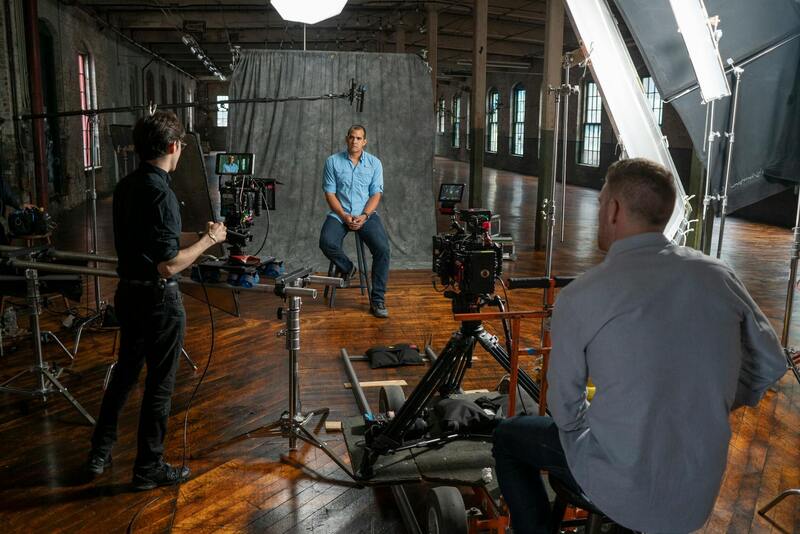
Technical Aspects of Timelapse Production
Achieving high-quality timelapse footage requires a meticulous understanding of camera settings and techniques. One of the most important factors is choosing the appropriate shutter speed. Maintaining a shutter speed that balances motion blur and sharpness is key; typically, 1/25 to 1/60 seconds works well, depending on the scene’s movement speed. For scenes with fast-moving objects or clouds, using a slightly faster shutter speed can prevent excessive motion blur, resulting in crisper images.
Adjusting the camera’s aperture and ISO is equally critical. A smaller aperture (higher f-stop number) increases the depth of field, ensuring more of the scene remains in focus throughout the sequence. To compensate for smaller apertures in bright conditions, ND filters can be employed to reduce light intake without affecting exposure settings. Additionally, setting a low ISO minimizes noise, which is particularly important in detailed landscapes or urban environments.
Proper interval selection influences the smoothness and pacing of the final timelapse. Fast-moving scenes may require shorter intervals (e.g., 1-3 seconds), while slower changes benefit from longer intervals. Customizing interval timing based on the specific subject and scene dynamics enhances the natural flow of the footage.
Controlling exposure consistency across all shots is vital for a uniform look. Using manual mode to lock exposure settings prevents flickering caused by automatic adjustments during the shoot. For scenes with high contrast, such as Miami’s vibrant cityscape against bright skies, creating exposure bracketing setups or utilizing in-camera HDR modes can assist in capturing a broader tonal range. This ensures that neither shadows nor highlights are lost, providing richer detail in post-production.
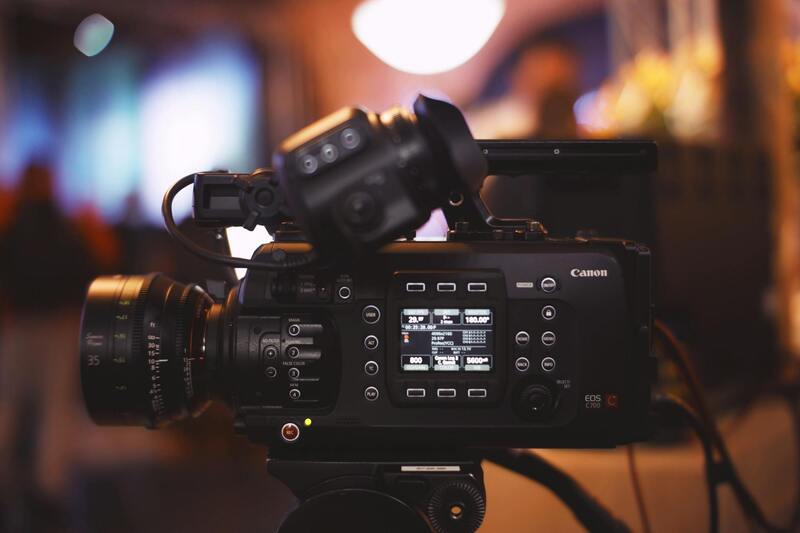
Another advanced technique involves using focus stacking or manual focus to prevent focus shifts between frames. Maintaining a consistent focus point ensures that the subject remains sharp throughout the sequence, which is particularly crucial when shooting at narrower apertures or scenes with varying distances.
In terms of image quality and detail, choosing cameras with high-resolution sensors and good dynamic range capabilities can significantly impact the final output. Mirrorless cameras and DSLRs equipped with the latest sensor technology are popular choices among professional timelapse producers, offering superior image quality and control options.
Optimizing Storage and Data Handling During Production
Given the substantial amount of data generated during timelapse shoots, setting up an efficient data management system is non-negotiable. High-capacity, fast-memory cards are essential to handle continuous high-resolution image capture without interruption. Professionals often opt for rugged, reliable SD or CF cards with proven durability in demanding environments.
Implementing a system for immediate data transfer and backup safeguards against potential data loss. Using external SSDs or high-speed portable drives enables quick transfer of image sequences from the camera, reducing the risk of corruption or missed shots. Maintaining a consistent file naming convention and organized folder structure simplifies the post-production workflow, especially when dealing with multiple scenes or extended shooting periods.
Employing specialized software that allows real-time footage management and synchronization can streamline the process of assembling large datasets. For projects involving multiple cameras or consecutive shooting days, incorporating metadata tagging and audio notes enhances navigation and accuracy during editing.
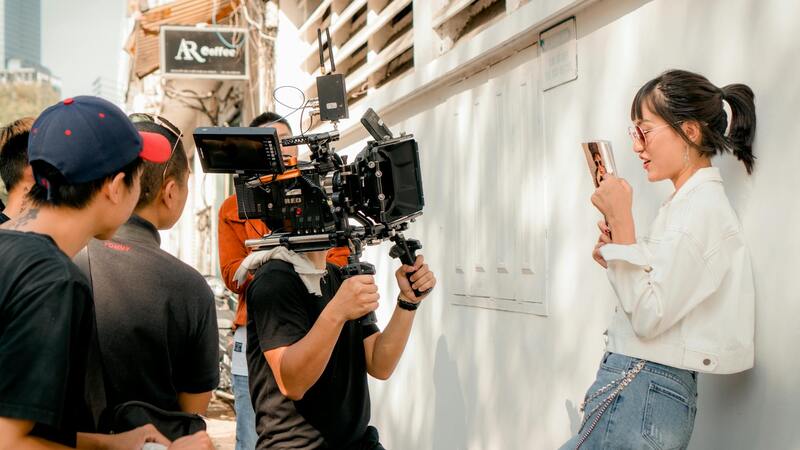
In summation, the technical precision in capturing and managing footage sets the foundation for a compelling timelapse project. Attention to detail in camera settings, combined with robust data handling strategies, empowers producers to deliver visually stunning and smoothly flowing timelapse videos that truly showcase their creative vision.
Advanced Tips for Fine-Tuning Your Timelapse Production
Achieving professional-grade timelapse videos involves meticulous planning and execution at every stage. Beyond basic shooting techniques, there are essential practices that can significantly enhance the quality and impact of your final product, especially when working within the diverse scenic landscapes and urban environments of Miami.
Optimizing Camera Settings for Dynamic Scenes
One of the critical factors in superior timelapse production is the precise adjustment of camera parameters to suit evolving lighting conditions and scene complexities. Dialing in consistent exposure settings, such as aperture, shutter speed, and ISO, ensures that footage remains uniform across lengthy shooting sessions, avoiding jarring transitions caused by fluctuating brightness. When capturing scenes with high contrast, employing techniques like graduated ND filters or bracketing exposures can facilitate seamless blending during post-production.
Implementing Motion Control for Smooth Dynamics
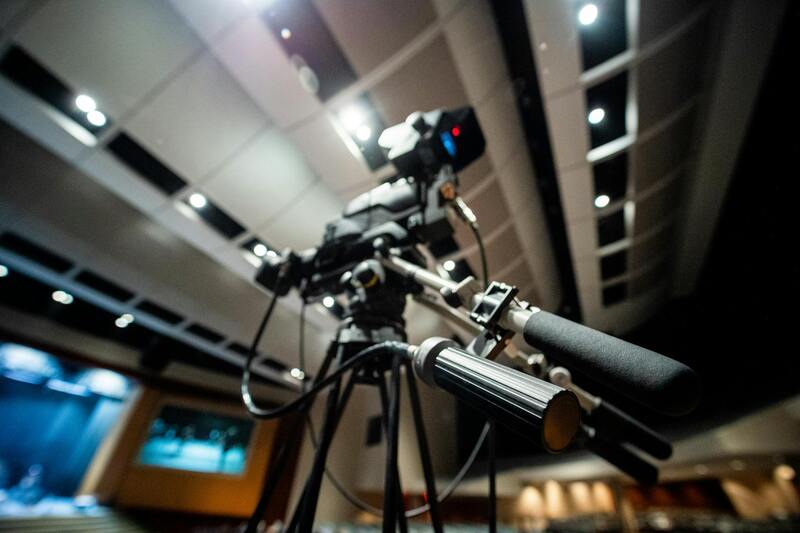
For scenes requiring precise camera movements, such as sweeping cityscapes or natural landscapes, utilizing motorized motion control systems can produce remarkably smooth results. These devices facilitate programmable camera movements like pans, tilts, or even complex multi-axis motions, adding a cinematic quality to your timelapse projects. When setting up motion control rigs, ensure they are calibrated meticulously to maintain consistent motion increments, preventing jittering or uneven transitions in the final footage.
Effective Color Grading and Enhancement
Post-production color grading plays a pivotal role in the visual storytelling of your timelapse. Starting with RAW or high-quality image sequences provides maximum flexibility for adjustments. Enhancing hues, contrast, and clarity can accentuate Miami’s vibrant city lights, sunset skies, or lush foliage, making scenes more captivating. Be mindful to maintain natural color balance unless a specific artistic effect is desired, as over-processing can compromise the authenticity of the footage.
Seamless Stitching of Image Sequences
During editing, a seamless transition between frames is vital for a fluid viewing experience. Employing advanced stitching algorithms and synchronization tools helps align images precisely, especially when capturing during variable weather or lighting shifts. Using overlaps and ensuring consistent framing throughout the shoot simplifies stitching efforts and results in a polished final product.
Addressing Common Pitfalls in Timelapse Shooting
- Lighting Changes: Monitor atmospheric and lighting changes closely. Adjust camera settings proactively or utilize neutral density filters to mitigate abrupt exposure shifts.
- Camera Stability: Invest in high-quality tripods, gimbals, or stabilization equipment to prevent jitters and maintain a steady horizon throughout prolonged shoots.
- Battery Life: Use high-capacity batteries and consider portable power solutions, especially when working in remote or outdoor environments to prevent interruptions in recording.
Enhancing Workflow Efficiency
An efficient workflow is essential for managing extensive image datasets typical in timelapse projects. Automating export and backup processes, employing batch processing in post-production, and utilizing metadata tagging streamline project management. Incorporating cloud storage solutions or high-speed external drives accelerates data transfer and archiving, reducing post-shoot delays and safeguarding valuable footage.
Leveraging Miami’s Unique Environment
Miami’s dynamic urban and natural environments offer a spectacular variety of scenes for timelapse production. To harness these effectively, plan shoots during golden hour for warm lighting, or at night to capture city lights in their full glory. Weather conditions can dramatically affect scenes; overcast skies, rain, or fog can add mood but require adaptability in settings and equipment usage. Utilizing local knowledge of the environment, including traffic patterns and seasonal events, can provide opportunities for unique shots that elevate your project’s storytelling strength.