Understanding Time Lapse Video Recording
Time lapse video recording is a specialized technique that captures a series of images at set intervals over an extended period. When played back at normal speed, these sequences produce a condensed view of slow-moving phenomena, revealing processes that are typically imperceptible to the naked eye. This method effectively accelerates hours, days, or even months into a few captivating seconds of footage, making it a powerful tool for visual storytelling, documentary work, and artistic expression.
Unlike standard video recording, which captures continuous motion in real-time, time lapse involves meticulous planning of capture intervals. These intervals are crucial in determining the final speed and fluidity of the footage. For instance, capturing one frame every second can illustrate a sunset or busy cityscape in a matter of seconds, while capturing one frame every minute might be suitable for documenting the growth of plants or construction progress over weeks. The resulting footage can highlight patterns, transformations, and trends that are often hidden within the flow of everyday life.
Time lapse videos find extensive applications across various industries, including filmmaking, real estate, construction, event documentation, and environmental monitoring. They are invaluable for showcasing large-scale projects, illustrating natural phenomena like weather changes, and even providing visual summaries of long-term processes for educational purposes. In the context of Miami, this technique can be used to capture the vibrancy of city life, the progression of construction projects along the skyline, or the stunning visuals of natural landscapes like beaches and parks transformed over time.
Creating effective time lapse videos requires a combination of proper equipment, strategic planning, and technical knowledge. Understanding the fundamental concepts of time lapse recording lays the groundwork for producing compelling visual content that accurately captures the essence of extended moments in a concise, engaging format. As a professional Miami video production service, miamivideoproducers.com specializes in leveraging the unique environment and dynamic cityscape of Miami to craft outstanding time lapse videos that meet diverse project needs.
Understanding Time Lapse Video Recording
Time lapse video recording involves capturing a series of still images at set intervals over a prolonged period. When these images are played back at normal speed, they reveal slow processes in a condensed and dynamic format, making it an invaluable technique for illustrating change and movement that would otherwise be imperceptible in real-time. This method is especially effective for showcasing natural phenomena, urban development, or the progression of events that span days, weeks, or even months.
To produce seamless and compelling time lapse footage, it is vital to grasp the interplay of various technical elements. The interval between each shot must be carefully selected based on the subject and desired effect. For instance, capturing a sunset might require intervals of a few seconds, whereas documenting a building’s construction over several months could involve several hours between images. Additionally, understanding the importance of consistent camera positioning, exposure settings, and focus ensures the final video maintains visual stability and clarity throughout the sequence.
One of the best ways to harness the full potential of time lapse recording is by integrating it with strategic planning. Location selection plays a critical role; choose viewpoints that offer unobstructed views and interesting compositions. For projects in Miami, this might mean capturing bustling Miami Beach boardwalks, the Miami skyline, or ongoing construction sites along the city’s waterfront. Proper planning also involves scheduling shoots during optimal lighting conditions, such as sunrise or sunset, or during specific weather patterns to accentuate the natural beauty or urban dynamism of Miami.
Furthermore, technical considerations extend to selecting the right equipment. While high-end cameras with manual controls provide superior image quality and flexibility, even advanced smartphones can be employed for smaller-scale projects. The stability of the camera setup is paramount; using durable tripods and mounts prevents jitter and shifts that might compromise the footage’s quality. Time lapse photography also demands ample storage capacity to handle large volumes of high-resolution images, highlighting the importance of investing in fast, reliable SD cards or external drives.
In professional settings, remote or automated intervalometers are often utilized to control the timing of shots precisely. These devices can operate independently of the camera’s built-in timer, allowing for more customized and complex shooting schedules especially useful in challenging environments or when capturing lengthy sequences. Additionally, weatherproofing equipment ensures that outdoor shoots in Miami’s variable climate are not disrupted by sudden rain or wind, maintaining the integrity of the images.
Mastering time lapse video recording requires a blend of technical knowledge, careful preparation, and creative vision. By understanding the fundamental principles and leveraging the appropriate tools and strategies, creators can craft visually stunning narratives that encapsulate the passage of time with precision and artistry. For projects that highlight Miami’s vibrant cityscape, unique landscapes, or ongoing development, precise execution can elevate the final product, capturing Miami’s dynamic energy and natural beauty in a compelling visual story.
Understanding Time Lapse Video Recording
Time lapse video recording is a technique that involves capturing a series of photographs at regular intervals over an extended period, which are then compiled into a seamless video sequence. This method effectively compresses hours, days, or even months of activity into a few minutes, revealing patterns and processes that often go unnoticed by the naked eye. In professional video production, mastery of this technique enables creators to showcase dynamic transformations such as city development, natural phenomena, or the progression of events within a captivating visual narrative. To achieve high-quality results, it's essential to understand the underlying principles of interval selection, shot duration, and camera operation.
The Fundamentals of Time Lapse Photography
At its core, time lapse hinges on the precise control of shot intervals and duration. The interval between images determines how smoothly the final footage will appear; shorter intervals result in a more detailed and fluid sequence, while longer intervals can highlight dramatic changes over time. Setting the correct exposure, focus, and ISO settings on the camera ensures that each frame maintains clarity and consistency, preventing flickering or exposure fluctuations that diminish the video's quality.
Using interval shooting modes built into modern cameras simplifies the process. However, for more advanced control, specialized intervalometers or remote trigger devices are integrated. These tools allow for complex scheduling, even in challenging environments, and can operate independently to avoid unnecessary camera handling that might introduce vibrations or disturbances.
Ensuring Proper Stabilization and Consistency
Consistent framing and stable camera placement are critical for professional-grade time lapse videos. Employing robust tripods or motorized pan-tilt heads ensures that the camera remains steady throughout the shoot, avoiding jitters or shifts that can distract viewers. In outdoor settings, especially in Miami’s humid and variable climate, weatherproof enclosures and protective gear safeguard equipment from unexpected rain, wind, or dust, thereby preserving the integrity of each shot.
Storage Solutions and Data Management
Time lapse projects generate significant data due to the high number of images captured over lengthy periods. High-capacity, high-speed SD cards or external drives are essential to handle these data volumes without interruptions. Regularly monitoring storage levels and backing up footage ensures that no frames are lost during the shoot. Additionally, using cameras with efficient data transfer capabilities helps streamline the process, reducing downtime and allowing for quick adjustments if necessary.
Advanced Techniques for Enhanced Results
In professional productions, custom scripting or automation tools are often employed to tailor shot schedules precisely to the scene's dynamics. For instance, variable interval shooting can be used to capture fast-changing scenes with increased frequency during rapid activity periods and lower frequency during slower phases. Time lapse videos capturing Miami’s bustling city life or natural landscapes benefit from these sophisticated techniques, which provide more control over the visual flow and storytelling.
Furthermore, incorporating filters, neutral density (ND) filters, or polarization can improve image clarity and color fidelity, especially in bright daylight conditions common in Miami. Post-processing adjustments—such as stabilization, color grading, and exposure correction—are pivotal steps that refine raw footage, ensuring the final video is polished and impactful.
Capturing the Perfect Time Lapse: Maintaining Consistency and Technical Precision
Achieving a high-quality time lapse video requires meticulous attention to consistency and accuracy throughout the shooting process. One of the fundamental principles is maintaining stable camera settings, such as aperture, ISO, and shutter speed, to ensure uniform exposure across all frames. Variations in these parameters can result in flickering or distracting inconsistencies that detract from the visual flow.
Furthermore, precise interval control is vital. The interval determines how frequently images are captured and directly influences the perceived speed and smoothness of the final sequence. Tailoring the interval to the specific subject—whether it’s the slow progression of sunrise or rapid urban traffic—ensures the footage accurately represents the scene’s dynamics.
Utilizing a tripod, cable releases, or remote shutter triggers is crucial for eliminating camera movement during long shoots. Stability minimizes jitter and helps produce seamless visuals. For dynamic environments, advanced stabilization technologies or motorized mounts can be employed to counteract vibrations caused by wind or other external factors.
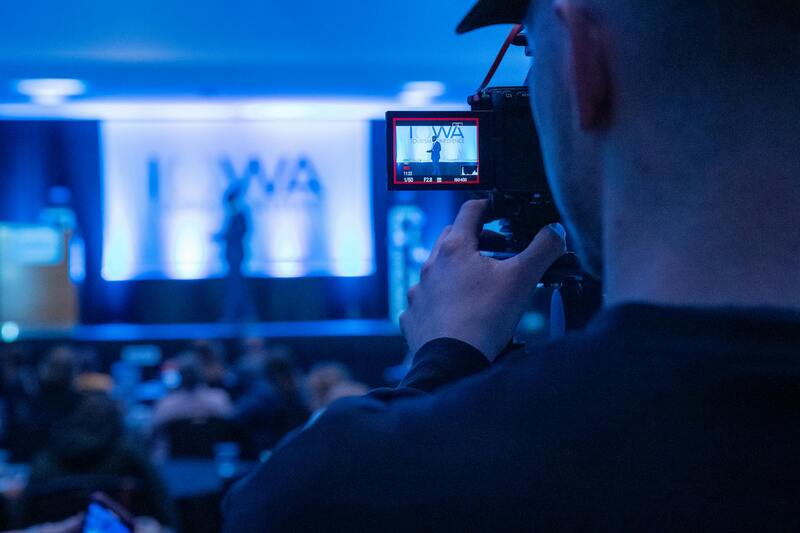
Camera automation plays an essential role in professional time lapse productions. Automated intervalometers or software-controlled shooting schedules allow for precise timing, adjusting intervals based on scene activity to optimize data capture and enhance storytelling. This automation ensures the camera captures the right moments without the need for manual intervention, reducing errors and maintaining consistent image quality.
In challenging lighting conditions, such as high contrast or direct sunlight, careful use of filters and camera settings helps preserve image clarity and color fidelity. Neutral density filters can lower exposure levels, preventing overexposure during bright daytime shooting in Miami, while polarization filters help reduce glare and enhance sky contrast.
Post-shoot, software tools are instrumental for stitching together images into a cohesive video. Consistent color grading, exposure correction, and stabilization techniques can significantly improve the final product. Specialized software offers frame-by-frame adjustments, allowing editors to fine-tune the visual narrative and ensure a polished, professional appearance.
Advanced Techniques for Enhancing Time Lapse Video Quality
Achieving exceptional results in time lapse recording extends beyond simply capturing images at predetermined intervals. Utilizing advanced techniques can significantly elevate the visual impact and professionalism of your project. One such method involves utilizing high-dynamic-range (HDR) imaging to better handle scenes with contrasting light levels. By capturing multiple exposures per interval and merging them during post-production, creators can maintain detail in both shadows and highlights, ensuring the final footage appears balanced and visually appealing.
Another sophisticated approach is the implementation of motorized dolly systems or remote-controlled camera sliders. These devices allow for smooth, controlled camera movements throughout the sequence, adding dynamic depth and perspective shifts that static shots cannot provide. When combined with precise interval photography, these motions introduce a cinematic quality that captures the unfolding of events with temporal fluidity.
In scenarios where lighting conditions change rapidly, integrating filters such as graduated neutral density (GND) filters can help balance exposure levels across scenes. They are particularly effective for outdoor shoots like sunrise or sunset timelapses, where the sky might be overly bright compared to the landscape. Additionally, applying lens filters that reduce glare or enhance colors can further improve image clarity and vibrancy.
For capturing expansive scenes, use panoramic or multi-shot techniques to stitch together several individual shots. This process, known as stitching or compositing, allows creators to showcase grand vistas or intricate cityscapes in unprecedented detail. When planning such projects, careful consideration of overlapping frames and maintaining consistent camera settings is essential for creating seamless, high-quality composite videos.
Utilizing Software Tools for Post-Production Refinement
Post-production plays a crucial role in transforming raw time lapse footage into a polished final product. Software solutions specialized in image sequencing and stabilization enable editors to refine the footage meticulously. Frame-by-frame adjustments for exposure, color grading, and contrast ensure visual consistency and enhance the emotional tone of the video.
Incorporating ancillary effects such as overlays, transitions, and sound design can amplify storytelling. For example, adding ambient city sounds or natural sounds aligned with the scene can create a more immersive experience. Noise reduction algorithms also contribute to smoother visuals, especially when shooting in low-light conditions or with older camera equipment.
Ultimately, mastering these advanced techniques and ensuring precise planning and execution can lead to time lapse videos that stand out professionally. Attention to detail in both shooting and post-production stages guarantees a visually stunning depiction of dynamic changes over time, whether documenting construction progress, natural phenomena, or cityscapes. Contracting experienced specialists who understand these nuances often results in a more refined and impactful final product.
Legal and Permitting Considerations in Miami
When planning to incorporate time lapse video recording into your Miami project, it is essential to be aware of the necessary permissions and authorizations required for filming in both public and private spaces. These procedures ensure the smooth execution of your shoot while respecting local regulations and property rights.
Understanding Permitting Processes in Miami
Miami's municipal regulations mandate obtaining permits from relevant authorities before engaging in professional filming activities, especially in locations that are publicly accessible or privately owned. The City of Miami Film Office often oversees these applications, providing guidance on the appropriate documentation needed for various filming scenarios, including time lapse projects.
The application process typically involves submitting detailed plans outlining the scope of the shoot, equipment to be used, dates, times, and impact on the public or private property. It may also require insurance documentation and adherence to specific safety protocols.
Necessary Permissions for Public Spaces
Filming in public areas such as parks, streets, or waterfronts typically necessitates a permit to manage traffic control, crowd management, and environmental concerns. These permits help coordinate the presence of filming crews with city services, ensuring minimal disruption and maximum safety. An application should be made well in advance of the planned shooting dates to accommodate review and approval processes.
Securing Private Property Permissions
When filming on private property, explicit permission from the property owner is fundamental. Drafting a detailed agreement or release ensures clarity on the scope of the filming, usage rights, and duration. This approach mitigates potential disputes and maintains professional relationships while securing access for filming.
Additional Considerations
- Notification and coordination with Miami's law enforcement may be necessary for shoots involving road closures or heavy equipment.
- Adherence to aerial filming regulations if drone footage is part of the time lapse project, which includes requesting specific FAA permissions and maintaining safety protocols.
- Environmental considerations, including protecting sensitive habitats or natural landmarks, often require specific permits and adherence to conservation guidelines.
Engaging a seasoned production agency experienced in Miami’s filming regulations can simplify the permitting process. Professionals familiar with local bureaucratic procedures can assist in preparing comprehensive applications, liaising with authorities, and ensuring compliance with all legal frameworks. This strategic partnership not only expedites the process but also reduces the risk of delays, allowing production teams to focus on capturing compelling footage.
Understanding Time Lapse Video Recording
Time lapse video recording involves capturing a sequence of photographs at set intervals over an extended period and then playing them back at a standard frame rate. This technique compresses time, revealing processes and changes that occur gradually—such as cityscapes transforming during sunset, the movement of clouds, or construction projects progressing over months—in a matter of seconds or minutes. Mastery of this method requires not only technical precision but also strategic planning to ensure footage remains consistent and visually engaging throughout the shoot.
Methodology and Principles
Unlike traditional videography, time lapse recording necessitates extremely stable camera setups to prevent unwanted shifts or jitter while capturing frames. Maintaining consistent exposure, focus, and framing is crucial to produce seamless transitions. An auto-exposure mode, while convenient for dynamic lighting conditions, may result in flickering; therefore, manual settings are preferred to ensure uniformity across all frames.
Attention to environmental factors such as lighting variations and weather conditions is vital. Changes in sunlight, shadows, or atmospheric elements can dramatically affect the visual coherence of the final footage. Planning around these variables through meticulous scheduling can optimize shot quality.
Technical Components Involved
- Intervalometers: Devices that automate the interval at which photos are taken, essential for long-duration shoots.
- Tripods and Stabilizers: Critical for maintaining camera stability and preventing motion artifacts.
- High-Resolution Cameras: Often preferred for capturing detailed footage that can be enlarged or cropped during editing.
- Power Sources and Storage: Sufficient batteries and memory cards are necessary to support prolonged recording sessions without interruptions.
Optimal Shooting Conditions
Choosing the right location and time frame enhances the impact of a time lapse video. In busy urban areas like Miami, capturing the city's vibrant energy and iconic landmarks requires considering the traffic patterns, lighting conditions, and atmospheric elements unique to the area. Shooting during specific times such as golden hour or across different seasons can yield diverse and captivating results.
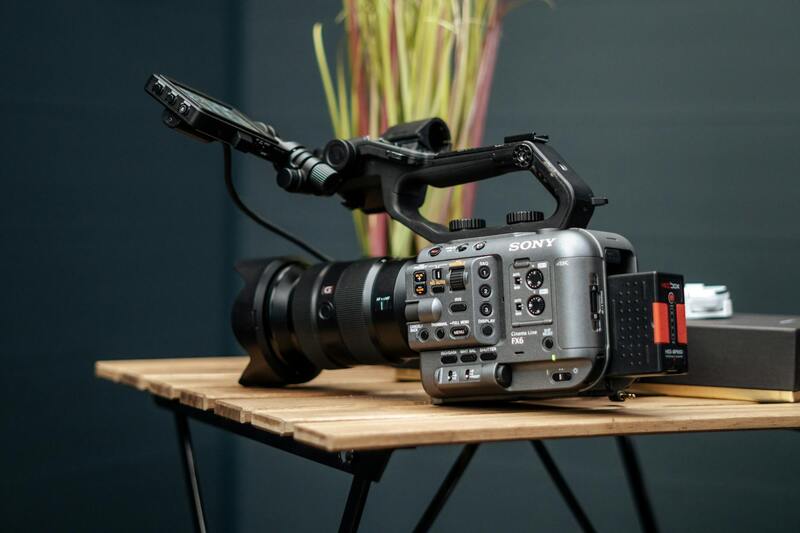
Equally important is securing stable infrastructure for the shoot, including proper camera mounts and weatherproof enclosures if outdoor conditions are extreme. Continuous monitoring during recording sessions, either remotely or via real-time video feed, can help identify issues early, such as light flickering or equipment malfunction, allowing immediate adjustments.
Capturing the Essence of Miami through Time Lapse
Miami's dynamic environment offers an ideal backdrop for compelling time lapse videos. From the bustling streets of downtown Miami to tranquil beaches and vibrant nightlife, each setting presents unique opportunities to showcase urban development, natural beauty, and cultural festivities. By meticulously planning the shoot and selecting appropriate technical tools, videographers can craft visually stunning narratives that encapsulate the city's energetic pulse and ongoing transformation.
Advanced Techniques and Post-Production Enhancements for Time Lapse Videos
Mastering the technical aspects of capturing a time lapse is only part of creating a stunning final product. The post-production phase plays a crucial role in refining footage, enhancing visual appeal, and ensuring the narrative aligns with the intended message. After gathering the raw footage, videographers should focus on a series of advanced editing techniques to maximize the impact of their project.
Consolidating and Stabilizing Footage
Segmentation of footage is essential, especially when shoots span several days or require multiple camera setups. Utilizing professional editing software, editors can align sequences seamlessly and perform color correction to ensure consistency across all clips. Stabilization tools are also vital for smoothing out any jitters or vibrations captured due to camera movement or environmental factors such as wind. Proper stabilization ensures fluid motion, vital for maintaining viewer engagement. 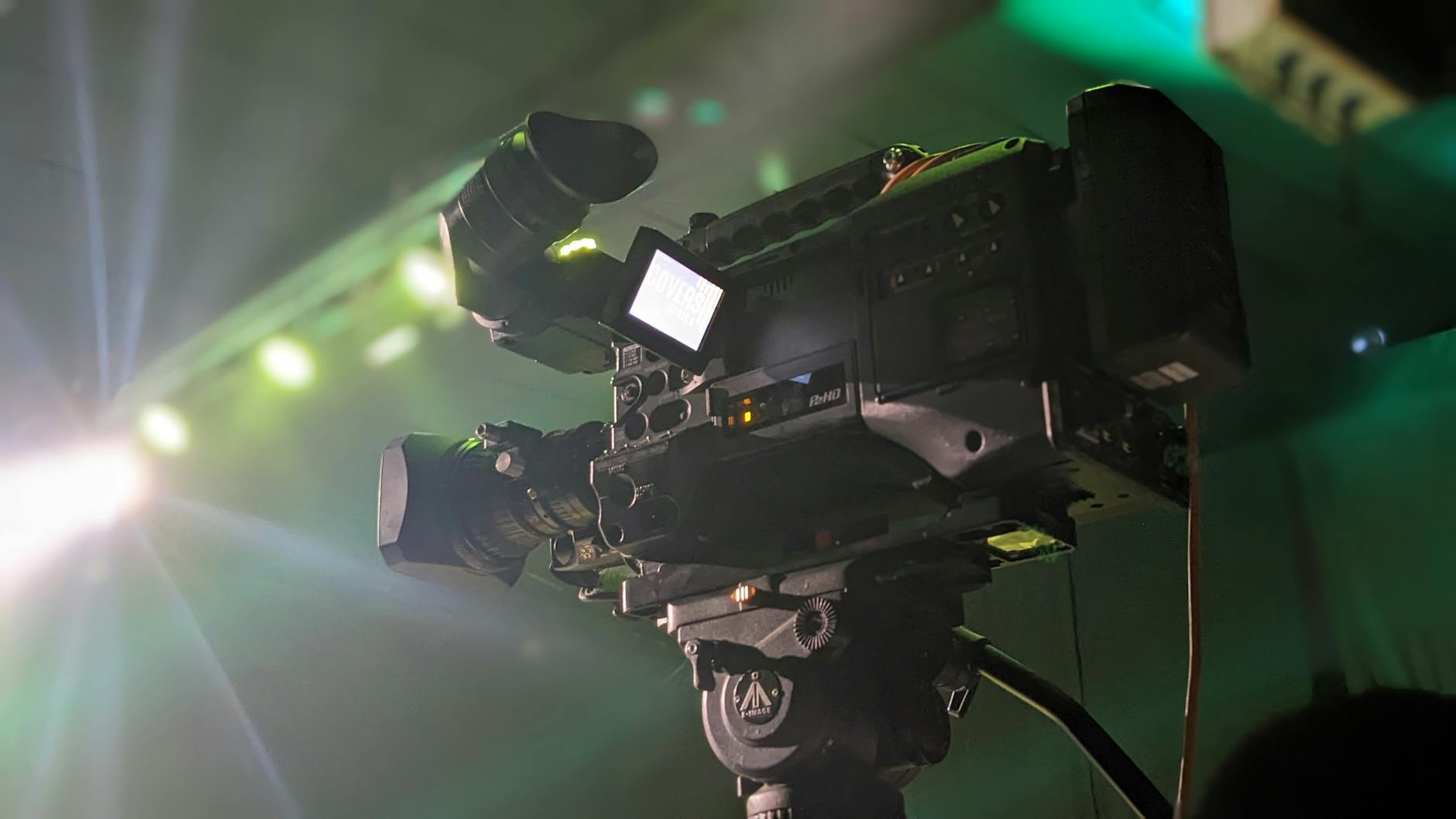
Adjusting Speed and Transitions
Fine-tuning playback speed is a central aspect of time lapse editing. Editors can accelerate or decelerate sequences to highlight specific moments, such as the peak activity of a busy Miami street or a serene sunset over the Biscayne Bay. Smooth transitions between different scenes or time frames help in constructing a cohesive visual story, guiding viewers through the temporal shifts in a natural manner. Incorporating subtle effects like fade-ins or cross dissolves can enhance continuity without detracting from the footage’s authenticity.
Adding Soundscapes and Visual Effects
A compelling time lapse video benefits from a thoughtfully selected soundtrack or ambient sound effects that complement the visual rhythm. For Miami, incorporating sounds of bustling city streets, waves, or urban nightlife can deepen emotional resonance. Additionally, visual overlays such as animated labels, date stamps, or artistic filters can add layers of context or elevate aesthetic appeal. However, it is critical to balance these elements to avoid overpowering the core footage.
Final Export and Format Considerations
The final step in post-production involves exporting the video in formats optimized for the intended distribution channels. High-resolution outputs are preferable for cinematic presentations, while compressed formats may be suitable for online sharing. Ensuring proper aspect ratios and frame rates preserves the integrity of the footage and guarantees compatibility across platforms. The quality of the export directly influences how viewers experience the visual story, making attention to detail essential in this stage.