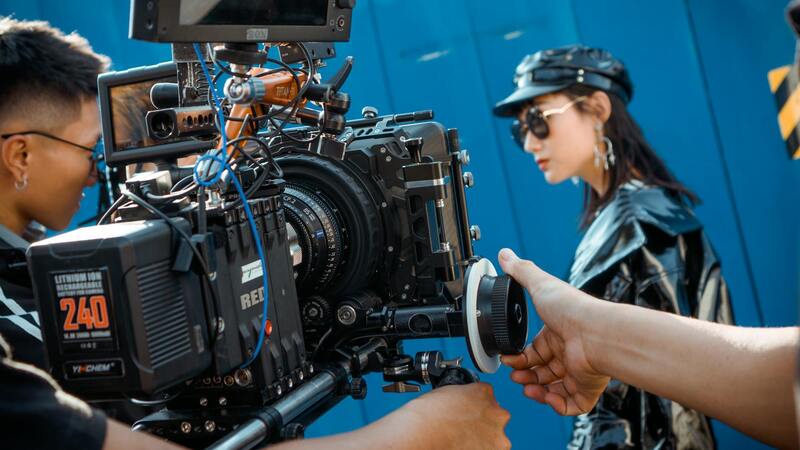
Understanding Time Lapse Video Production
Time lapse video production is a specialized technique in filmmaking and videography that condenses long periods of real-world activity into a short, engaging video segment. This method involves capturing individual frames at set intervals over an extended duration and then playing them back at a standard frame rate, usually 24 or 30 frames per second. The result is a visual narrative that accelerates the passage of time, revealing dynamic changes or processes that are otherwise difficult to observe in real time.
The primary purpose of time lapse videos is to showcase phenomena or developments that occur gradually, making them useful in diverse fields such as construction monitoring, cityscape transformations, natural scenery changes, and artistic projects. For instance, a time lapse can illustrate the construction of a skyscraper from start to completion or reveal the changing seasons in a rural landscape. This technique is also popular in event coverage, weather monitoring, and scientific research, where documenting slow-evolving processes is crucial.
Understanding how time lapse production differs from traditional videography is essential. While regular videos capture motion at a continuous rate, time lapse involves recording discontinuous moments, which are then speeded up during editing. This creates a dramatic visual effect that emphasizes progression and transformation over time. The controlled intervals between shots determine the final pacing and smoothness of the sequence, making it a versatile tool for storytellers and visual artists alike.
Employing time lapse imagery requires precise planning and technical knowledge. From selecting suitable equipment to choosing optimal camera settings, each aspect influences the quality of the final product. When executed correctly, time lapse videos can deliver compelling visual narratives that encapsulate the essence of prolonged events within a concise format. The artistic and informational potential of this technique continues to grow as videographers develop new methods and utilize advanced tools to enhance their creative output.
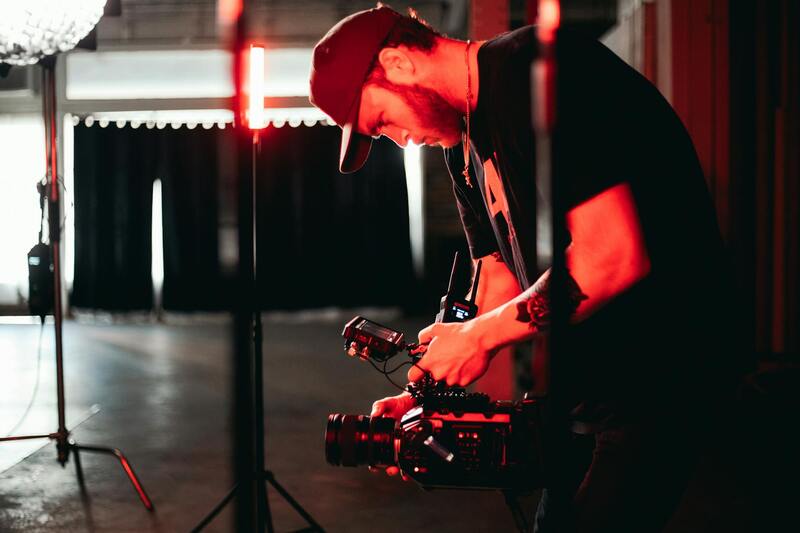
Choosing the Right Equipment and Camera Settings
For successful time lapse video production, selecting appropriate equipment and configuring optimal camera settings are paramount. High-quality cameras equipped with intervalometers or built-in time lapse functions enable precise control over shooting intervals, which directly impacts the rhythm and visual appeal of the final video. DSLR and mirrorless cameras are popular choices among professionals due to their extensive manual controls and excellent image quality.
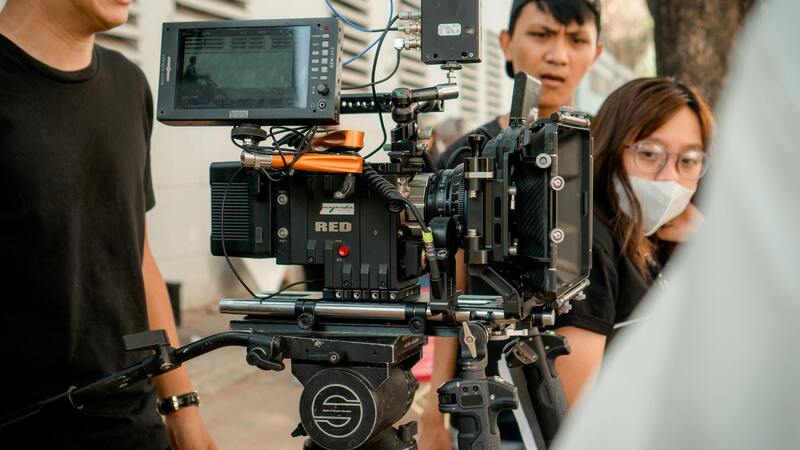
When setting up for a time lapse, consider factors such as shutter speed, aperture, ISO sensitivity, and focus. A narrow aperture (higher f-stop) ensures greater depth of field, keeping more of the scene in focus throughout the sequence. Adjusting ISO to the lowest possible setting minimizes noise, especially in low-light conditions. Manual focus is crucial to maintain consistent clarity over extended periods since autofocus can cause unwanted shifts during recording.
Battery life and storage capacity are often underestimated but are essential components of a reliable time lapse setup. Continuous shooting over hours or days requires equipment that can operate seamlessly without interruptions. Incorporating external power sources or continuous power adapters can extend filming durations, avoiding mid-shoot power failures. Additionally, high-capacity memory cards with fast write speeds prevent lag and buffer issues during intensive shooting sessions.
Technical Considerations for Optimal Results
- Choose an appropriate frame rate for the final video. Commonly, 24 or 30 frames per second provides a cinematic appearance, but recording at higher frame rates can offer more flexibility in post-production.
- Set consistent exposure and white balance for uniformity across shots. Variations can create distracting flickering effects, which can be corrected in editing.
- Use sturdy tripods or gimbals to eliminate camera shake, especially in outdoor environments prone to wind or uneven surfaces.
- Implement real-time monitoring through external displays or remote triggers to ensure proper framing and focus throughout the shoot.
Adopting these equipment choices and settings guarantees clarity, consistency, and professional-grade quality in time lapse videos. When executed with care and technical knowledge, the resulting sequences can vividly depict the passage of time, revealing details often missed in real-time footage. Such attention to detail not only enhances storytelling but also elevates the overall production value of the project.
Optimal Camera Settings for High-Quality Time Lapse Videos
Achieving professional-grade time lapse footage hinges on selecting proper camera settings tailored to the scene and desired outcome. The core parameters include frame rate, interval timing, exposure, and white balance. For cinematic quality, a frame rate of 24 or 30 frames per second typically suffices; however, higher frame rates such as 60 fps can offer smoother motion and increased flexibility during editing.
Interval timing plays a crucial role in determining the speed of the final video. Shorter intervals (e.g., 1-2 seconds) are ideal for capturing fast-moving phenomena like bustling cityscapes or fast-changing weather, ensuring smooth motion when playback is accelerated. Conversely, longer intervals (e.g., 10-30 seconds) suit scenes transforming gradually over hours or days, such as blooming flowers or shifting shadows.
Consistent exposure and white balance are paramount for seamless footage free of flickering. Utilizing manual controls to lock these settings helps account for changing light conditions, especially in outdoor environments where sunlight intensity varies. Properly calibrated exposure prevents overexposed highlights or underexposed shadows, maintaining visual clarity.
Moreover, stabilization methods, such as mechanical tripods, gimbals, or drone mounts, provide stability during prolonged shoots. This stability eliminates unwanted camera movement that can detract from the smoothness of the final product.
Understanding Time Lapse Video Production
Producing compelling time lapse videos involves a comprehensive grasp of both technical and creative elements. The process begins with meticulous planning, which includes determining the subject, setting a shooting schedule, and understanding environmental factors that may influence the footage. Whether capturing the bustling activity of Miami’s streets, the changing light of sunrise over the cityscape, or the slow transformation of natural landscapes, each project requires a tailored approach to achieve a seamless portrayal of passage of time.
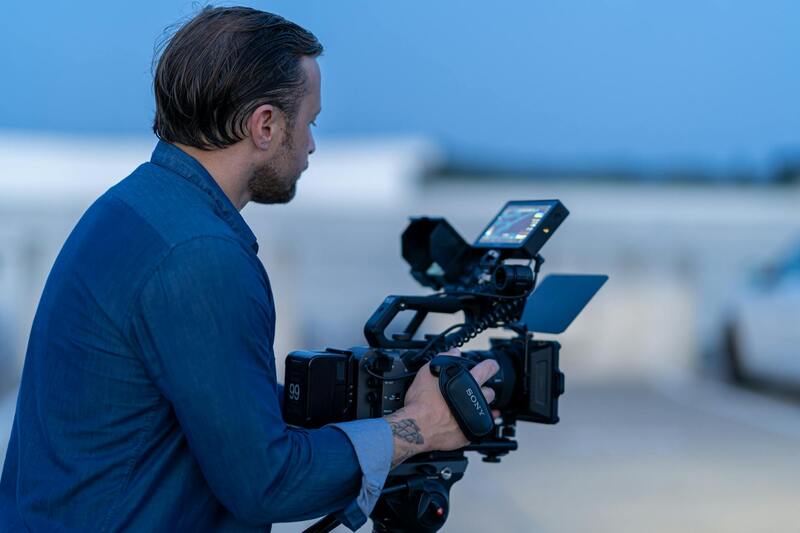
The core of effective time lapse production is a well-designed shot sequence. This involves selecting appropriate intervals between shots, camera angles, and movement strategies to emphasize the narrative or aesthetic intent. The interval duration, in particular, varies depending on the speed of the change being documented. For instance, a faster sequence of fast-moving clouds might require shots every second, whereas a slowly blooming flower may call for intervals of several minutes.
Post-shoot, the editing phase transforms raw images into a fluid visual story. Seamless stitching of images, stabilization to reduce jitters, color correction, and speed adjustments are integral elements. Skilled editors ensure the final sequence harmonizes the visual flow, highlighting the essence of the passage of time without sacrificing clarity or aesthetic appeal.
Effective time lapse video production is also about leveraging environmental conditions optimally. Factors such as weather, lighting conditions, and movement within the scene influence shooting strategies and camera settings. For instance, changing light conditions across different times of the day necessitate precise exposure controls to maintain consistent brightness and color fidelity throughout the sequence.
Choosing the Right Equipment and Camera Settings
Success in time lapse video production hinges on selecting equipment that meets the project’s technical requirements. Professional-grade digital cameras with intervalometers, high-resolution sensors, and extensive manual controls typically form the baseline. Additionally, stabilization accessories such as tripods, gimbals, or drone mounts are essential for capturing steady footage over extended periods.
Camera settings should be tailored to the specific scene. ISO should be kept as low as possible to reduce noise, while aperture settings are adjusted to control depth of field. Manual focus prevents focus drift throughout the shoot, ensuring sharpness remains consistent. Shutter speed, combined with interval timing, influences motion portrayal—faster shutter speeds for crisp, detailed images and slower speeds for more motion blur effects.
Particular attention must be paid to exposure settings. Bracketing techniques can be employed during longer shoots to handle changing light conditions effectively. Consideration of battery life, storage capacity, and weather resistance further influences equipment choices, ensuring the entire shoot process is uninterrupted and results meet professional standards.
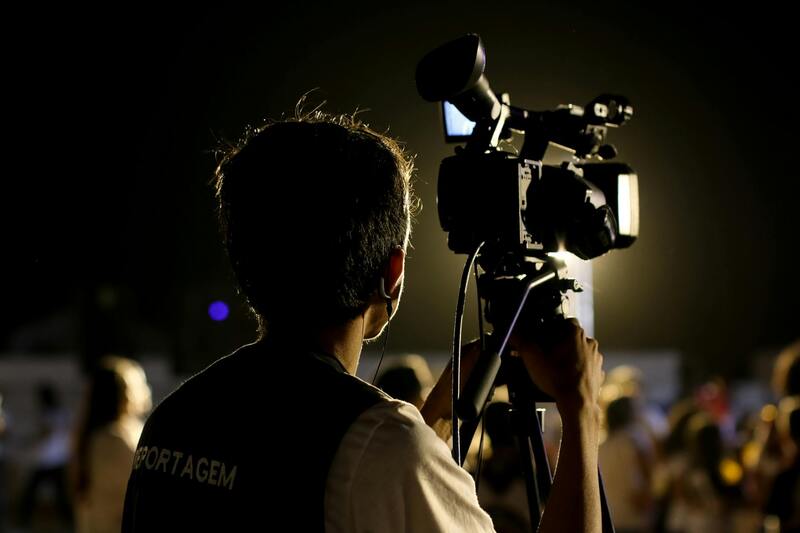
Integrating efficient power solutions and backup storage ensures continuous operation, which is especially critical for outdoor shoots in varying environmental conditions. The careful choice and configuration of equipment lay the foundation for capturing high-resolution, visually engaging time lapse sequences that capture the dynamic essence of Miami's vibrant urban and natural environments.
Understanding Time Lapse Video Production
Creating compelling time lapse videos requires a blend of technical knowledge, artistic vision, and meticulous planning. This process involves capturing sequences over extended periods, then condensing them into a short, visually engaging sequence that highlights change, movement, and the passage of time. Whether documenting bustling urban environments like downtown Miami, natural landscapes, or construction projects, the goal is to translate hours, days, or even months of activity into a seamless visual story.
Core Elements of Time Lapse Video Production
- Concept Development: Defining the purpose of the project, identifying key scenes, and determining the desired outcome.
- Preparation: Selecting appropriate locations, securing permits if necessary, and planning the shooting schedule around lighting and environmental conditions.
- Equipment Setup: Choosing cameras, stabilization gear, and power sources that suit the scene's demands and environmental challenges.
- Shooting: Executing the capture process with precise timing and camera settings to ensure consistency and quality across all frames.
- Post-Production: Assembling, editing, and enhancing footage to produce the final video that effectively communicates the passage of time.
Benefits of Professional Time Lapse Video Production
Professionally produced time lapse videos offer exceptional clarity, stability, and color fidelity, making them ideal for commercial presentations, promotional content, or documentary storytelling. They can highlight significant changes in urban development, environmental shifts, or cultural events in Miami, providing viewers with a captivating perspective on the city’s dynamic landscape.
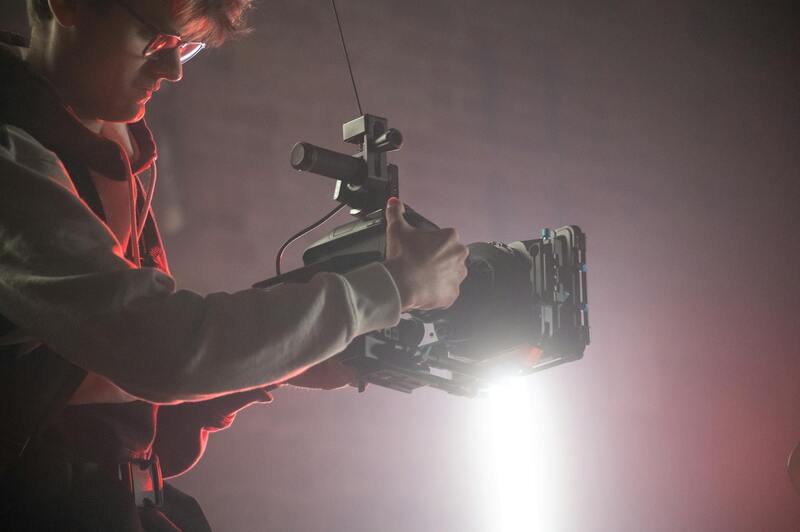
Strategic Approaches in Time Lapse Video Production
- Consistency in Camera Settings: Maintaining the same exposure, focus, and color profiles throughout the shoot prevents flickering and color shifts in the final sequence.
- Optimal Interval Timing: Adjusting the interval between shots based on the speed of the scene's activity—shorter intervals for rapid changes like traffic flow or construction, longer intervals for slow processes like sunset or urban expansion.
- Stabilization and Mounting: Using tripods, gimbals, or drone mounts to ensure steady footage, especially critical during long shoots in outdoor environments affected by wind or movement.
- Battery and Storage Management: Ensuring continuous power and ample storage capacity to avoid interruptions, particularly during prolonged outdoor sessions.
Focus on a well-conceived shooting plan that accounts for environmental variables, camera capabilities, and the scalability of footage for editing. Utilizing weather-resistant equipment and backup resources ensures uninterrupted capturing, which is vital for large-scale projects involving Miami’s diverse settings. Technical precision, coupled with artistic insight, results in compelling videos that stand out in visual storytelling and marketing applications.
Use of Drones and Aerial Platforms
Employing drones for time lapse video production introduces a new dimension of perspective, especially when capturing expansive Miami landscapes, dynamic cityscapes, or natural phenomena. Drones equipped with high-resolution cameras can achieve unique high-altitude shots that ground-based equipment cannot. However, operating UAVs requires adherence to specific flight regulations, including altitude limits and designated flight zones. Proper licensing and operator certification are necessary to ensure compliance with local aviation regulations, and obtaining relevant permits is a key step in the planning phase of aerial time lapse projects.
Before deploying drones, conducting thorough site assessments minimizes risks associated with obstacles or restricted airspace. Stability during flight is critical for consistent footage; therefore, choosing drones with advanced stabilization systems and GPS positioning enhances shot quality. Additionally, battery management becomes more complex, requiring extra batteries or portable chargers to sustain prolonged flights without interruptions. Flight planning tools that create detailed flight paths allow for synchronized shooting intervals, ensuring smooth time lapse sequences that accurately represent the unfolding scene.
Incorporating Professional Equipment and Accessories
To elevate the quality of time lapse videos, integrating professional-grade gear such as motorized sliders, remote timers, and intervalometers is vital. These tools automate shot intervals, ensuring consistency over long durations. High-quality lenses, including wide-angle or telephoto options, enable the capture of intricate details or broader scenes, depending on the project requirements.
Moreover, weather-resistant housings and protective filters safeguard equipment against Miami’s humid climate and unpredictable weather patterns. A stable mount or tripod with adjustable panning and tilting capabilities allows for dynamic sequences, particularly when capturing evolving scenarios like urban development or natural light changes. Using external power supplies or portable batteries ensures that equipment remains operational despite extended shooting periods, ultimately resulting in more seamless and visually appealing time lapse footage.
Monitoring and Adjustments During Shooting
Real-time monitoring is crucial for verifying focus, exposure, and framing, particularly when lighting conditions shift rapidly in Miami's outdoor settings. Employing Wi-Fi enabled monitors or remote viewing devices allows the operator to make immediate adjustments without disrupting the scene. Such oversight minimizes errors like overexposure during sunset or underexposure under harsh midday sun.
Additionally, constant evaluation of environmental conditions, such as wind speed or rain, informs necessary modifications to camera settings or protective measures. This ongoing assessment helps preserve image quality and prevents equipment damage. When capturing scenes over extended durations, periodic checks ensure that the camera remains properly aligned and that no mechanical issues affect shot consistency. This vigilance is essential for producing high-caliber time lapse videos that vividly depict Miami's vibrant life and natural beauty with technical fidelity and artistic flair.
Legal and Ethical Considerations in Time Lapse Shooting
When undertaking time lapse video production, it is essential to adhere to established guidelines that respect privacy rights, property boundaries, and community standards. Proper planning involves identifying public and private spaces, securing necessary permissions when filming on private property, and understanding local regulations related to drone use, if aerial shots are incorporated. This proactive approach ensures the footage captures the intended scene without infringing on individual privacy or property rights.
Intentionally capturing scenes that do not disclose personal details, especially in densely populated urban environments like Miami, helps mitigate potential concerns around privacy. Avoiding intrusive angles and high-resolution captures that can reveal identifiable personal activities or private property maintains ethical integrity in the production process.
Environmental impact also plays a role in ethical considerations. Respect for natural habitats, especially when filming in outdoor settings, involves minimizing disturbance to wildlife and ecosystems. Ensuring that equipment setup and movement do not harm local flora and fauna reflects responsible filming practices.
For drone operators, complying with local FAA regulations and Miami-specific guidelines on aerial photography is crucial. This includes avoiding restricted zones such as airports, military installations, or other sensitive areas. Maintaining safe distances from crowds and private events also enhances safety and privacy compliance.
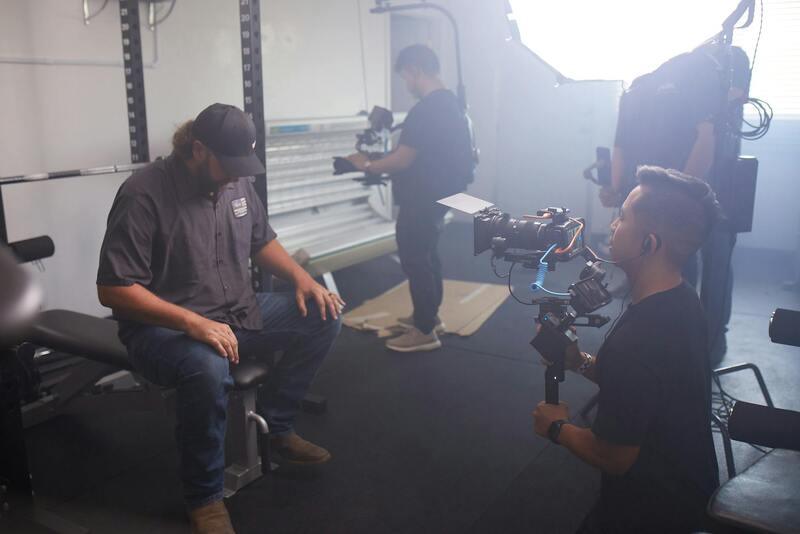
In addition to adhering to legal guidelines, establishing transparent communication with clients and stakeholders about the intended use and distribution of time lapse footage fosters trust and aligns expectations. Ethical production not only supports a positive reputation but also elevates the professionalism of the final content.
Engaging with local authorities and community leaders prior to filming can facilitate smoother operations and demonstrate a commitment to respectful and responsible production practices. When issues arise, promptly addressing concerns or inquiries helps maintain good community relations and ensures ongoing cooperation.
By meticulously planning and executing time lapse video projects within these established parameters, Miami videographers can create compelling visuals that faithfully represent the vibrant city scenery while upholding high standards of integrity and respect for all parties involved.
Maximizing the Impact of Your Time Lapse Video
Creating a compelling time lapse video extends beyond the shooting phase, emphasizing the importance of strategic distribution and presentation to reach your target audience effectively. Once your footage is finalized, leveraging appropriate channels for dissemination ensures your visual story resonates within the Miami community and beyond.
Optimizing Video Formats for Diverse Platforms
Different digital platforms and viewing devices often demand specific video formats and resolutions. Optimizing your time lapse footage for various channels—ranging from high-definition websites to social media platforms—ensures clarity and impact. For instance, formats such as MP4 or MOV with H.264 encoding are widely compatible, providing high-quality visuals while maintaining manageable file sizes.
Embedding Metadata and Titles
Enhancing your video's metadata, including descriptive titles, tags, and relevant keywords, improves searchability and discoverability. Clear, keyword-rich descriptions tied to time lapse production reinforce your content's relevance for users searching for Miami-specific visual narratives, urban transformations, or scenic landscapes.
Promoting Through Strategic Marketing
- Social Media Campaigns: Sharing snippets or behind-the-scenes content on platforms like Instagram, Facebook, or Twitter captures audience interest and directs traffic to the full video.
- Website Integration: Embedding your time lapse video on your professional website, such as miamivideoproducers.com, enhances credibility and offers clients a visual portfolio of your expertise.
- YouTube and Video Hosting: Utilizing YouTube or Vimeo allows for controlled presentation, analytics, and optional monetization, expanding your reach within relevant communities.
Engaging with the Local Community and Industry
Participating in local Miami events, industry expos, or collaborations with regional artists can spotlight your time lapse projects. Sharing your work during community-driven initiatives fosters relationships and positions your brand as a dedicated contributor to Miami's visual storytelling landscape.
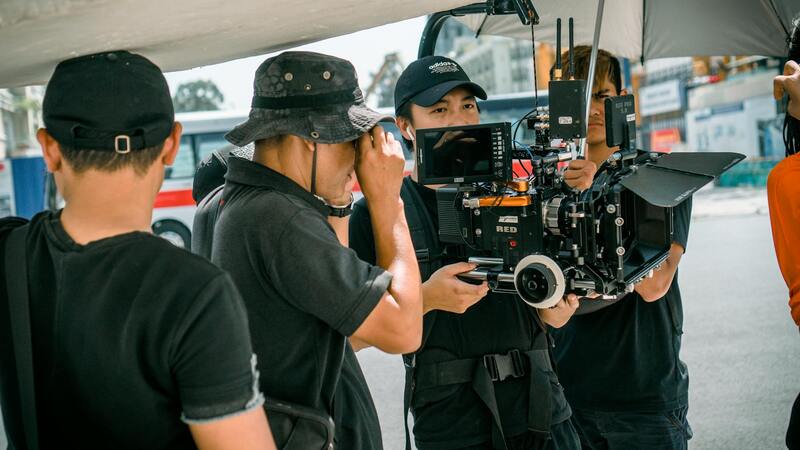
Tracking Performance and Audience Feedback
Utilizing analytics tools helps gauge engagement levels and viewer preferences, guiding future content strategies. Gathering feedback from viewers and clients informs adjustments that enhance the appeal and effectiveness of your video productions.
Archiving and Documenting Your Work
Maintaining organized archives of your completed projects facilitates easy access for future promotional efforts and client presentations. Documenting your methodology, equipment used, and challenges overcome can also support transparency and educational endeavors within the Miami media community.