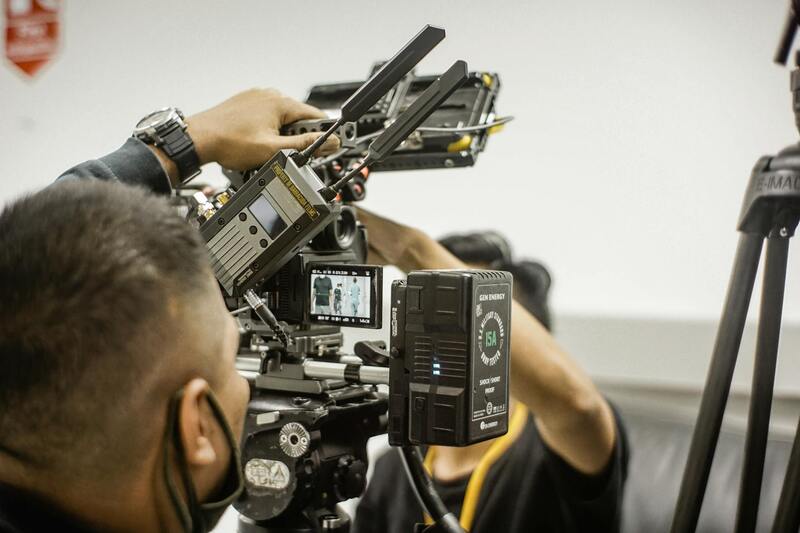
Understanding Timelapse Video
Timelapse videos are a captivating visual technique that condenses lengthy periods of time into a succinct, dynamic sequence. Unlike standard video recordings that capture events in real-time, timelapse filming involves photographing a scene at set intervals over an extended duration. When these images are played back at normal speed, viewers perceive a sped-up progression, revealing changes and movements that would otherwise unfold over hours or days in just a few seconds or minutes.
This method provides a unique perspective on the passage of time, highlighting phenomena such as the movement of celestial bodies, bustling city life, or natural landscapes transforming through the seasons. The core distinction between a timelapse and a regular video lies in the interval between shots; while traditional videos record every moment continuously, timelapse sequences are deliberately composed by capturing periodic snapshots. This approach reduces the amount of footage needed while emphasizing the evolution of the subject matter.
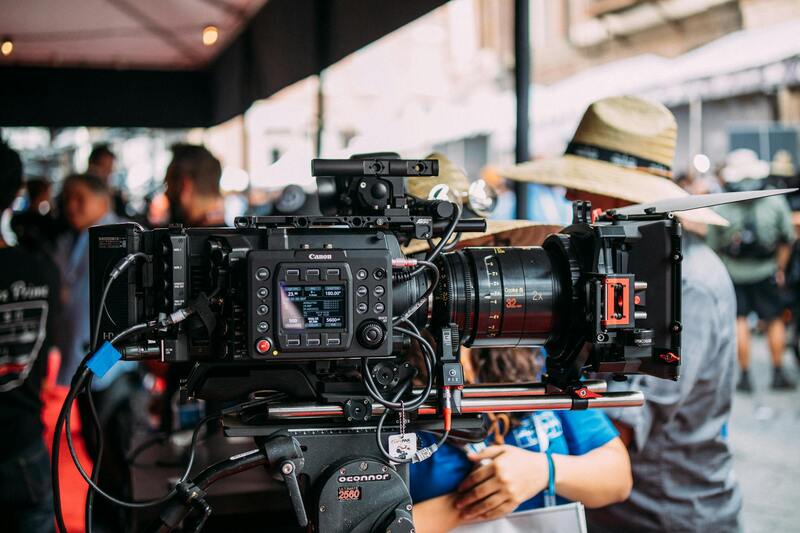
Understanding how a timelapse is created provides the foundation for effective production. It involves meticulous planning, selecting appropriate equipment, and mastering specific techniques to ensure smooth, compelling results. Whether used in filmmaking, marketing, or documentary projects, this visual form offers a unique storytelling tool that showcases progression, development, and movement over time with remarkable clarity.
Common uses of timelapse videos span a broad spectrum, including urban development progress, nature scenes, construction projects, astrophotography, and even artistic endeavors. As a visual technique that combines technical skill and creative vision, timelapse filming continues to grow in popularity for professional content creators seeking to engage their audiences with visually striking narratives.
Planning a Timelapse Shoot
When embarking on a timelapse video project, meticulous planning is essential to capture the desired narrative effectively. The initial step involves clearly defining the subject and environment you wish to document, whether it’s a sunrise over the city skyline or the intricate movements within a busy marketplace. Understanding the dynamics of the scene helps determine the best vantage points and the duration of the capture, ensuring the final video portrays a compelling transformation.
Timing plays a crucial role in timelapse creation. It’s important to consider the duration of the event and how it translates into a digestible clip, typically ranging from a few seconds to several minutes in finished form. This involves calculations related to frame interval, shot length, and total capturing time. For instance, capturing a natural landscape changing through the seasons might require days or weeks of footage, whereas a cityscape sunset could be compressed into a few minutes.
Preparation also includes checking environmental factors such as lighting conditions, weather, and potential obstructions. Consistency in these elements helps maintain visual coherence throughout the sequence. Additionally, securing access to the location and ensuring the safety of equipment are vital to avoid interruptions or losses.
To maximize quality and efficiency, creating a shot list and schedule is advised. This helps structure the shoot, manage battery life and storage capacity, and minimize potential issues during extended periods of recording. Whether employing a traditional camera or a drone, understanding the scene's parameters will translate into a more polished and impactful timelapse video.
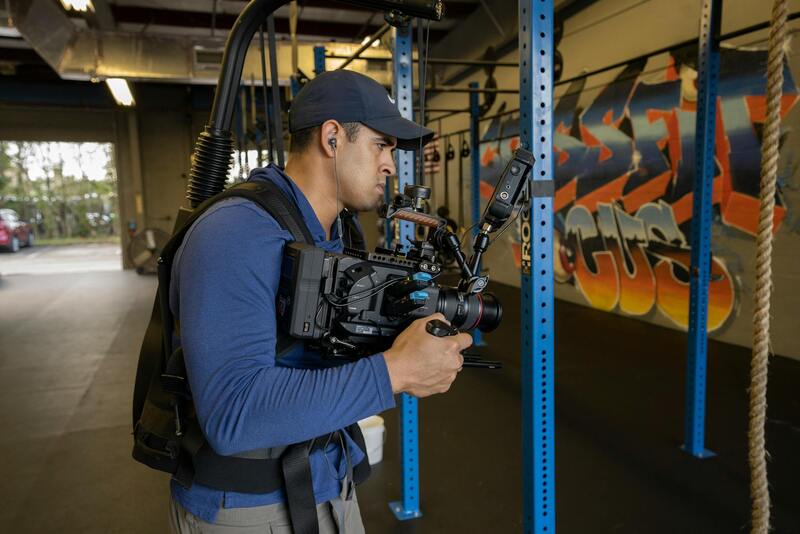
Equipment and Technology
The selection of equipment profoundly influences the quality and smoothness of a timelapse video. While many professional creators utilize high-end cameras with manual settings, modern devices such as mirrorless and DSLR cameras provide significant control over exposure, focus, and interval shooting. These settings are crucial to accommodate changing light conditions and to capture sharp, consistent images.
A sturdy tripod is indispensable for maintaining stability over prolonged shooting periods, preventing unwanted movement that could disrupt the sequence. For complex shots, motorized sliders or time-lapse rigs can introduce controlled motion, adding dynamic depth to the final piece.
In recent years, innovations in camera technology have broadened options, including intervalometers—devices that automate the shot timing process, or built-in interval shooting modes present in many mirrorless cameras. Remote monitoring apps and wireless shooting capabilities enable remote adjustments and real-time troubleshooting, especially useful when working in difficult or inaccessible locations.
Video converters, batteries with extended life, and ample storage are additional essentials. High-capacity memory cards facilitate capturing large quantities of images without interruptions. In the realm of drone videography, specialized drone cameras equipped with interval shooting features extend the creative possibilities for aerial timelapses.
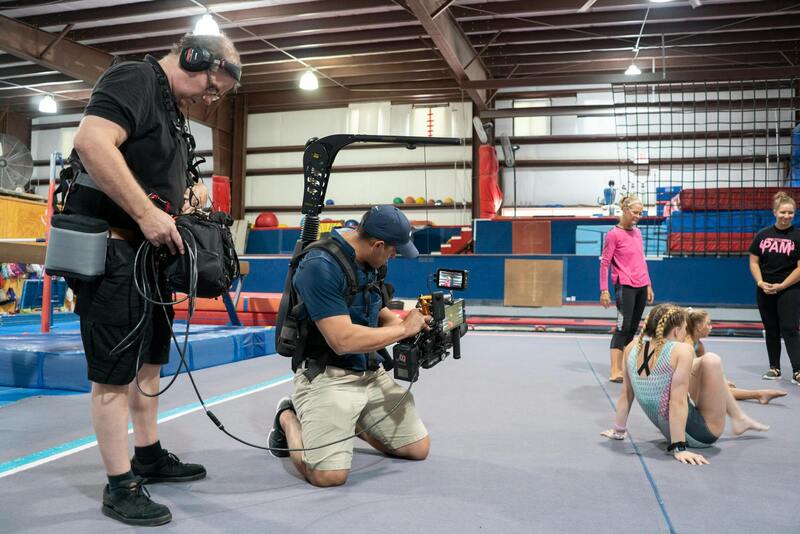
Techniques for Capturing Timelapse Footage
Executing a successful timelapse involves a combination of technical proficiency and artistic vision. Central to this is choosing the correct interval between shots. Shorter intervals are ideal for rapid movements like flowing water or bustling crowds, whereas longer intervals suit slower changes such as cloud movement or plant growth.
Consistent exposure and focus stabilize the visual flow. Many photographers opt to lock focus and exposure settings on a fixed point to prevent flickering or unwanted shifts during the sequence. When shooting in varying lighting conditions, manual adjustments or bracketing techniques can help maintain uniformity.
Motion control techniques can create dynamic effects, such as smooth camera pans or zooms. Using motorized sliders or gimbals, videographers can introduce subtle movements, transforming static scenes into engaging visual stories.
Furthermore, employing higher frame counts per second during shooting ensures smoother playback, especially when capturing intricate motion details. For example, capturing 1 frame every second over several hours and compiling the images into a video at 24 fps produces a fluid, captivating sequence.
Post-shoot, reviewing images to identify inconsistencies or exposure issues allows for corrections or reshoots, ensuring the final footage reflects a seamless narrative.
Choosing the Right Equipment and Technology for Timelapse Production
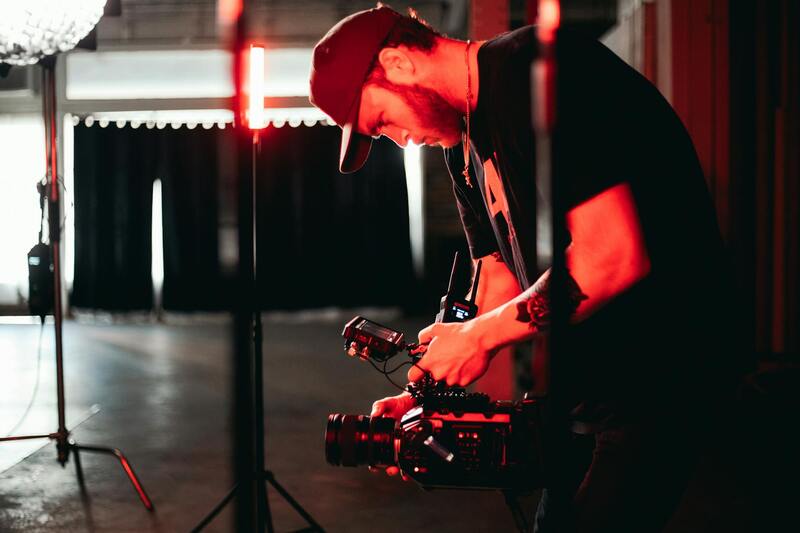
Implementing a successful timelapse video begins with selecting appropriate technical tools that can handle the demands of prolonged shooting periods and ensure high-quality results. The core of this setup involves a reliable camera capable of interval shooting, sturdy mounting equipment, and power sources that sustain extended operation.
While many professional videographers opt for DSLR or mirrorless cameras with programmable intervalometers, there are also dedicated timelapse cameras designed specifically for capturing seamless sequences over hours or days. These cameras often feature built-in interval shooting modes, Wi-Fi connectivity, and extended battery life. Investing in a camera with high dynamic range and good low-light performance can significantly enhance the aesthetic of scenes shot under varying lighting conditions.
In addition to the camera itself, stabilization equipment plays a vital role in achieving smooth, jitter-free footage. Tripods remain essential for static shots, offering stability over long periods. For more dynamic scenes, sliders, motorized gimbals, or motorized pan-tilt heads afford controlled camera movements, adding depth and interest to the sequence.
Power sources are equally important. External batteries or AC adapters enable extended shooting sessions without interruption, especially when working in remote locations. Ensuring ample storage capacity through high-capacity memory cards or portable drives guarantees no loss of captured frames during the process.
Furthermore, for complex shoots with multiple scenes or varying conditions, monitoring tools and remote control apps allow real-time adjustments and monitoring without disturbing the setup. This is particularly useful for projects requiring precise timing or when shooting in environments where direct access is limited.
Leveraging the right combination of camera technology, stabilization, power management, and monitoring tools ensures the resulting timelapse footage achieves both artistic vision and technical excellence. Proper planning of equipment setup helps prevent common issues like flickering, shakiness, or exposure inconsistencies, which can detract from the overall quality of the final video.
Advanced Techniques for Capturing Timelapse Footage
Mastering the fundamentals of timelapse videography involves a deep understanding of various advanced techniques that can elevate the visual impact of the final product. One such technique is hyperlapse, which involves capturing a sequence while moving the camera over considerable distances, creating a dynamic sense of motion and progression. Implementing hyperlapse requires precise planning, especially in maintaining consistent camera settings and stabilization throughout the movement.
Moreover, exposure blending is a critical method for scenes with high dynamic range, such as sunsets or bustling cityscapes. By capturing multiple exposures and blending them in post-process, videographers can ensure details are preserved in both shadows and highlights, avoiding overexposure or loss of detail.
Time-lapse sequences that incorporate camera motion necessitate specialized equipment like motorized sliders or gimbals that can automate smooth movements. When combined with thoughtful framing and movement paths, these tools add depth and realism, drawing viewers into the narrative of the scene.
Another advanced aspect is interval selection. Choosing the right interval between shots profoundly influences the final playback speed and appearance. Shorter intervals capture rapid changes – suitable for bustling urban environments or foliage in motion – while longer intervals better suit gradual transformations like star trails or cloud movements.
Equipment and Technology
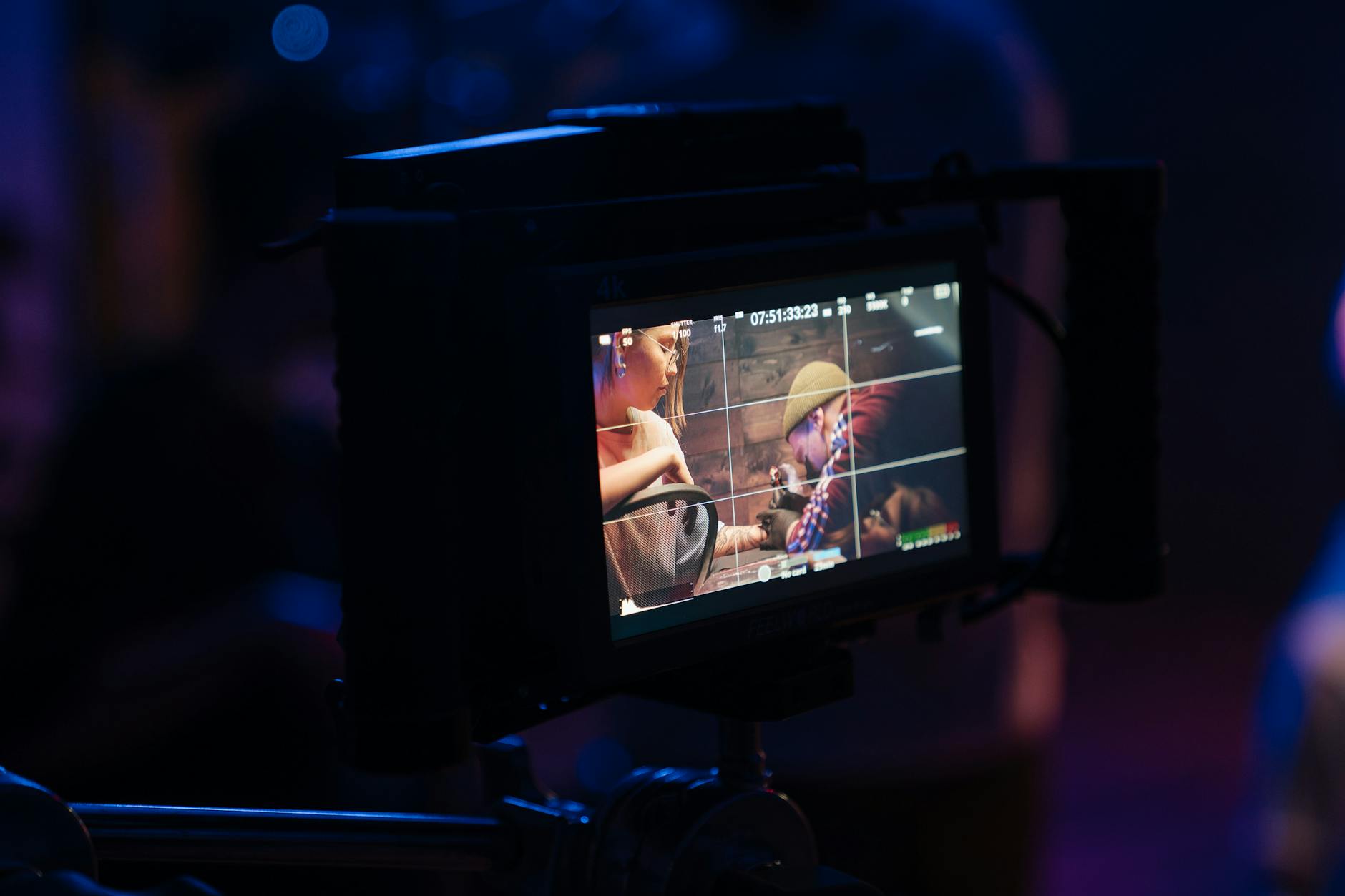
Creating compelling timelapse videos requires more than just a camera; it involves selecting the right equipment and utilizing appropriate technology to ensure smooth, high-quality footage. Key equipment includes cameras capable of interval shooting, sturdy tripods for stability, and remote control systems to facilitate precise capture, especially over extended periods. Modern cameras often feature built-in intervalometers or allow for external intervalometers to automate the shooting process, eliminating the need for constant manual intervention.
Opt for cameras with high dynamic range (HDR) capabilities to handle scenes with varying light intensities, such as sunsets or urban skylines. Additionally, cameras with excellent low-light performance will allow for longer exposures, especially important in dusk or night timelapses. Lenses should match the scene requirements; wide-angle lenses are common for capturing expansive landscapes or cityscapes, while telephoto lenses can isolate specific objects or details.
Monitoring and Control Technologies
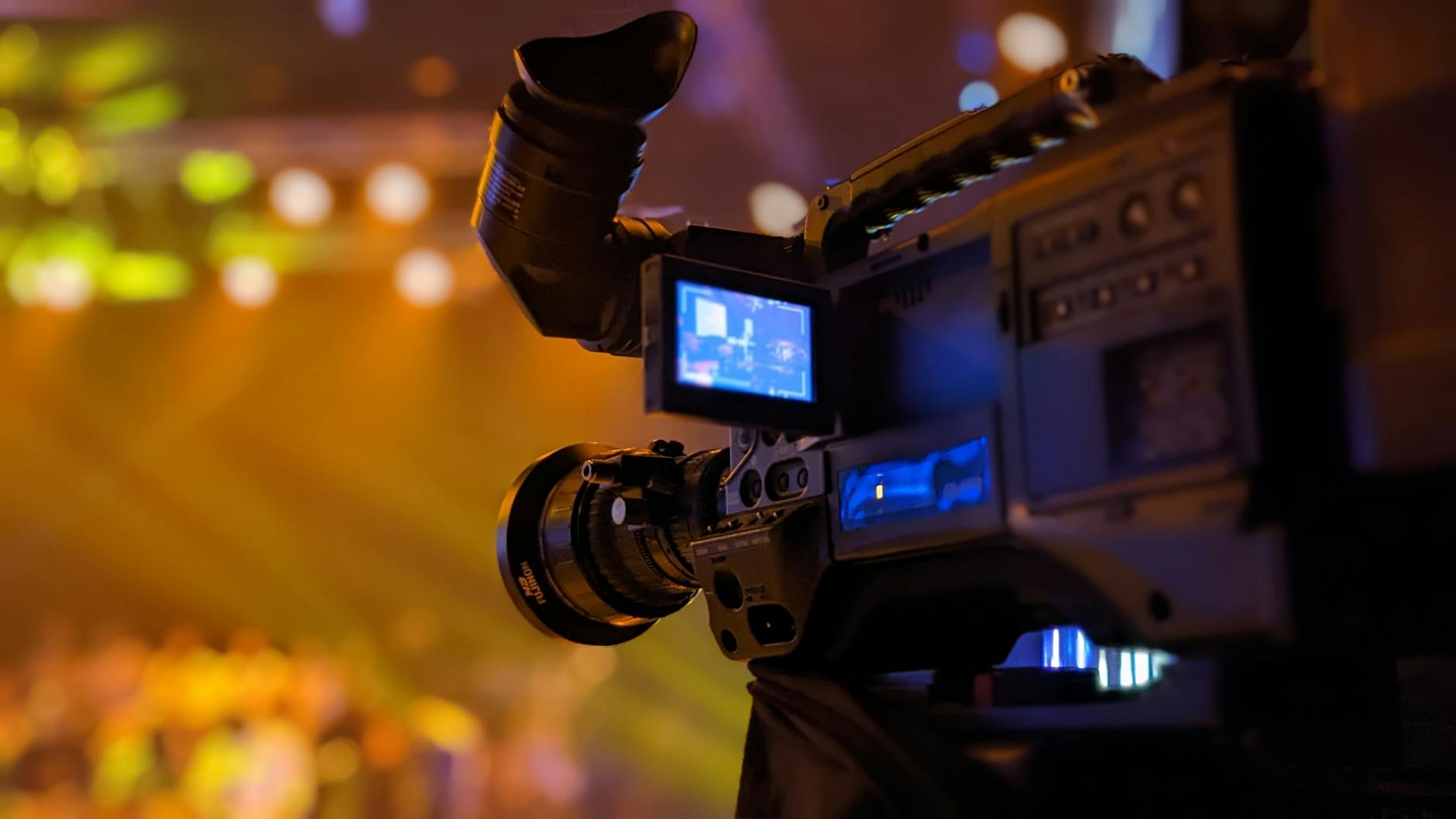
Advanced timelapse projects benefit from monitoring and control tools that enable remote operation and real-time adjustments. Wireless connectivity options, such as Wi-Fi or cellular modules integrated with cameras, allow shooters to check footage, modify settings, and troubleshoot without physical access to the camera equipment.
Utilizing external software interfaced with cameras can facilitate precise control over intervals, exposure settings, focus, and camera movements. These systems enable the creation of complex, camera-movement-driven timelapses, such as hyperlapses, which require careful planning and execution.
Incorporating interval recording apps and firmware upgrades further enhances the flexibility and functionality of timelapse setups, allowing filmmakers to adapt on the fly based on changing scene conditions or creative preferences.
Post-Production Considerations
Once footage has been captured, post-production plays a critical role in transforming raw images into a polished timelapse video. This stage involves selecting the best sequences, sequencing shots for narrative flow, and applying adjustments for color grading, stabilization, and sharpening.
Software solutions tailored for timelapse editing can automatically align and stabilize frames to counteract minor camera shake, ensuring smooth playback. Color correction ensures visual consistency across different lighting conditions during the shoot, enhancing the overall aesthetic.
Adding effects such as transitions or overlays, timing adjustments to refine speed, and sound design can elevate the final presentation, making the timelapse more engaging and immersive.
Advanced Techniques for Capturing Timelapse Footage
Optimizing the quality of your timelapse video requires mastery of several advanced shooting techniques. One crucial aspect is controlling exposure to prevent flickering, especially when lighting conditions change dramatically during the shoot. Employing manual exposure settings rather than relying on automatic modes ensures consistent brightness and color throughout the sequence. Many modern cameras and intervalometers allow for synchronized adjustments to shutter speed, aperture, and ISO, enabling a seamless visual flow.
Another key technique involves managing camera stability. Using robust tripods or specialized mounting rigs minimizes unwanted jitter. For longer sequences, incorporating motorized sliders or gimbals can introduce controlled camera movements, adding a dynamic element to the timelapse.
Focus control also impacts the clarity of your footage. Pre-focusing at the beginning of the shoot and disabling autofocus prevents focus shifts that can disrupt continuity. For scenes with changing focal points or depth of field, manual focus adjustments at strategic intervals, combined with focus stacking if applicable, help maintain sharpness.
Timing your shots is equally vital. Setting appropriate intervals depends on the subject’s movement speed or scene transformation. Faster movements require shorter intervals to capture the action effectively, while static scenes with slow changes benefit from longer intervals to conserve storage and processing time.
Considering light gradients and gradients in the scene, such as sunrise or sunset, is essential. Adjusting camera settings progressively or using graduated filters can help manage these variations. Additionally, incorporating neutral density (ND) filters reduces exposure during bright conditions, allowing for longer shutter speeds that contribute to a natural motion blur, enhancing the cinematic quality of the timelapse.
Legal and Licensing Considerations
Producing timelapse videos in Miami involves navigating various legal and licensing requirements to ensure a smooth and compliant project. Securing appropriate permissions is essential when filming in certain locations, especially private properties or areas with restricted access. This often includes obtaining permits from local authorities or property owners, which can specify conditions on where and when filming is permissible.
Understanding the specific regulations regarding drone usage is also crucial. Miami has designated airspace rules that might impact aerial timelapse shots, particularly when utilizing drones for capturing expansive cityscapes or environmental scenes. Ensuring compliance with these regulations not only safeguards the project but also maintains a good relationship with the community and authorities.
Additionally, licensing the footage for commercial or online use involves clarifying rights related to the location and any recognizable individuals appearing in the video. This process may include obtaining model releases if individuals are prominently featured or rights to music tracks used in post-production. Such precautions prevent potential disputes related to intellectual property rights.
It is also advisable to document all permissions and licenses acquired during the planning phase. Having clear documentation can expedite the editing and distribution process and provide legal reassurance if questions about usage arise.
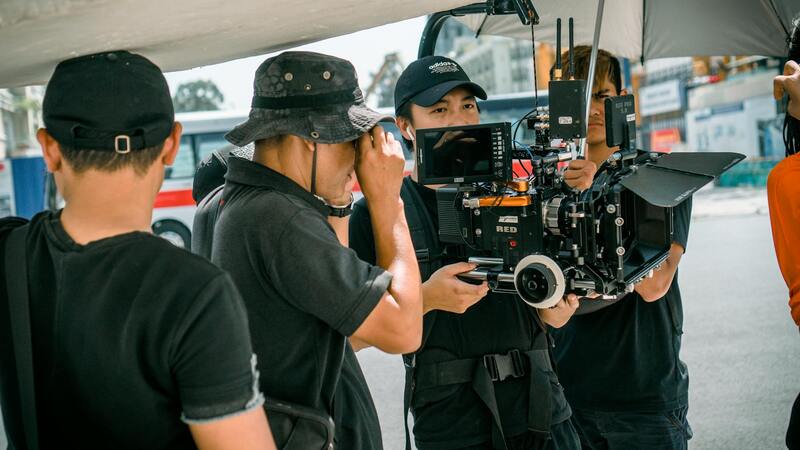
Collaborating with local production companies like Miami Video Producers can streamline this process. Experienced professionals familiar with Miami's specific regulations assist in acquiring necessary permits, managing location rights, and ensuring all legal aspects are addressed before filming begins. Their expertise minimizes delays and ensures that the timelapse project aligns with official requirements.
Ultimately, proactive planning around legal and licensing matters not only protects the creators but also enhances the credibility and professionalism of the timelapse video. It enables a focus on artistic and technical aspects, knowing that all regulatory elements are properly managed.
Legal and Licensing Considerations for Timelapse Videos
Creating an impactful timelapse video extends beyond capturing visually stunning footage; it requires careful attention to legal and licensing aspects that govern the use of various elements involved. Ensuring proper permissions is fundamental when filming in public or private spaces, especially in urban environments such as Miami. This encompasses securing necessary permissions for location usage, especially if the footage features sensitive or high-traffic areas subject to regulatory oversight.
Furthermore, when including recognizable individuals in your timelapse, obtaining model releases becomes important. These releases document consent for the use of their likenesses, particularly if the footage is intended for commercial applications. The process involves clear communication with individuals about the scope of use, duration, and potential platforms for display. This proactive approach helps avert complications that could arise from disputes over image rights.
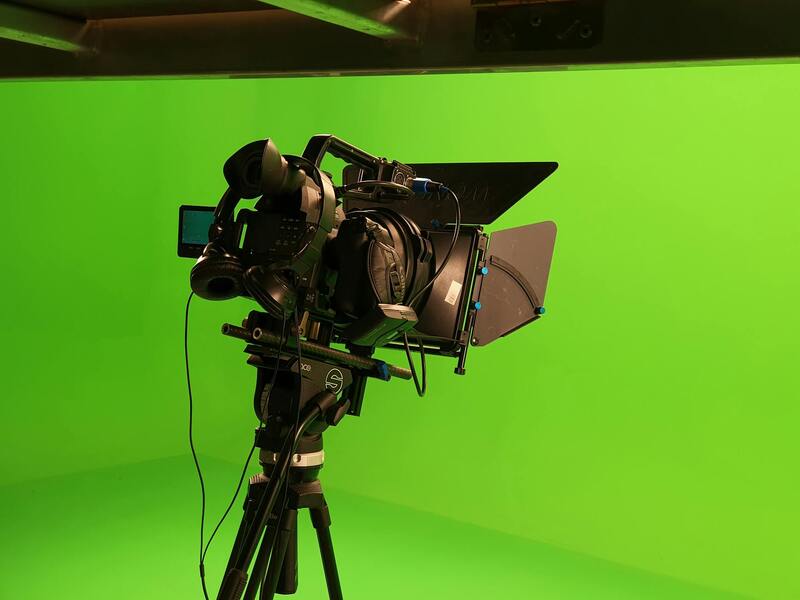
In addition to location and individual rights, licensing for copyrighted content, such as music, images, or video clips used in post-production, should be carefully managed. Utilizing licensed music tracks or royalty-free sound effects ensures compliance with intellectual property laws. Many production companies, including Miami Video Producers, advise on sourcing licensed materials, either through direct licensing agreements or by choosing from stock content repositories that provide clear usage rights.
Documentation and Recordkeeping
Meticulous recordkeeping is another cornerstone of responsible timelapse video creation. Keeping detailed documentation of all permits, permissions, and licensing agreements obtained during pre-production facilitates smooth post-production processes and helps address any legal inquiries that may surface later. Digital copies of signed release forms, permits, and licensing contracts should be organized and stored securely. This documentation acts as an official record that rights have been appropriately secured.
Collaborating with Local Experts
Partnering with local professional entities, such as Miami Video Producers, can significantly streamline the process of obtaining necessary legal approvals. Professionals familiar with regional regulations can assist in navigating complex permit requirements, managing rights with property owners, and ensuring compliance with city ordinances. Such collaborations save time, reduce risks, and enhance the overall quality and credibility of the timelapse project.
Long-term Considerations
Anticipating future use of the timelapse footage plays a role in licensing and legal planning. Clarifying rights for online distribution, broadcast, or commercial use during the initial phases of production ensures clarity and avoids contentious issues later. Understanding the scope of licensing agreements enables creators to adapt their content for different platforms or markets, thereby maximizing the longevity and utility of the project.