Understanding Marine Photo Production
Marine photo production encompasses the specialized process of capturing high-quality images and video content within maritime environments. This field requires meticulous planning, technical expertise, and a deep understanding of the unique challenges posed by working near water, ships, and marine wildlife. Its primary goal is to create visually compelling content that accurately represents marine vessels, coastal landscapes, and marine activities, serving various purposes such as branding, advertising, corporate communication, and media campaigns.
In the competitive marine industry, the visual presentation plays a crucial role in establishing a company's reputation and attracting potential clients. Effective marine photography showcases vessels' design and functionality, highlights maritime technology innovations, and captures the dynamic nature of marine environments. High-caliber images also support marketing initiatives, product launches, and media coverage, ensuring that brands convey their message with clarity and impact. As a result, marine photo production has become an essential component for businesses aiming to establish a strong visual identity within the maritime sector.
Achieving outstanding results in marine photography requires specialized equipment, environmental awareness, and logistical coordination. Photographers and media production teams must adapt to variable weather conditions, unpredictable lighting, and safety protocols critical in marine settings. The importance of precise scheduling, drone photography for aerial shots, and underwater imaging techniques underscores the complexity and professionalism necessary for effective marine photo production. Leveraging expert resources ensures that the final visuals are not only striking but also legally compliant and safe for all participants involved.
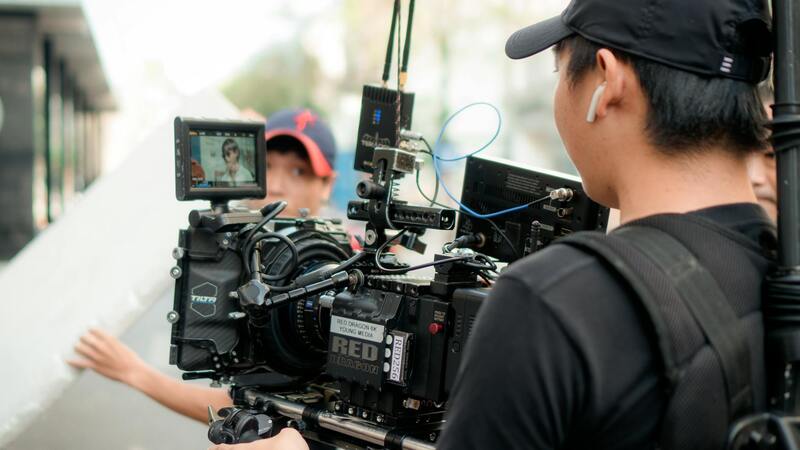
Ultimately, marine photo production is an investment in high-quality visual storytelling that elevates maritime brands and projects a powerful, authentic image. Working with experienced professionals ensures adherence to safety standards, environmental considerations, and technical excellence, resulting in imagery that resonates profoundly with targeted audiences.
Key Elements of Marine Photo Production
Effective marine photo production necessitates meticulous planning and the deployment of specialized resources tailored to the unique challenges of oceanic environments. The process begins with comprehensive equipment selection, which includes high-resolution underwater cameras, stabilized aerial drones for overhead shots, and waterproof lighting systems designed to withstand the corrosive marine atmosphere. Utilizing advanced stabilization technology ensures sharp, clear images despite the constant motion of the sea and weather fluctuations.
Equally critical is the composition of a skilled crew comprising experienced divers, boat operators, and skilled photographers familiar with marine settings. Diver support ensures underwater shots capture marine life, vessels, or specific environments with precision, while boat personnel assist in navigating access points and maintaining safety standards. A qualified crew's expertise in marine conditions accelerates workflow efficiency while adhering to the highest standards of safety and quality.
Location scouting is a pivotal aspect of marine photo production, requiring reconnaissance of suitable sites that meet the creative objectives. This often involves assessing tidal patterns, currents, and lighting conditions to optimize shooting schedules. Consideration is given to protected marine areas, ensuring adherence to environmental protocols and access permissions. Effective location scouting minimizes on-site disruptions and enhances the likelihood of capturing pristine imagery.
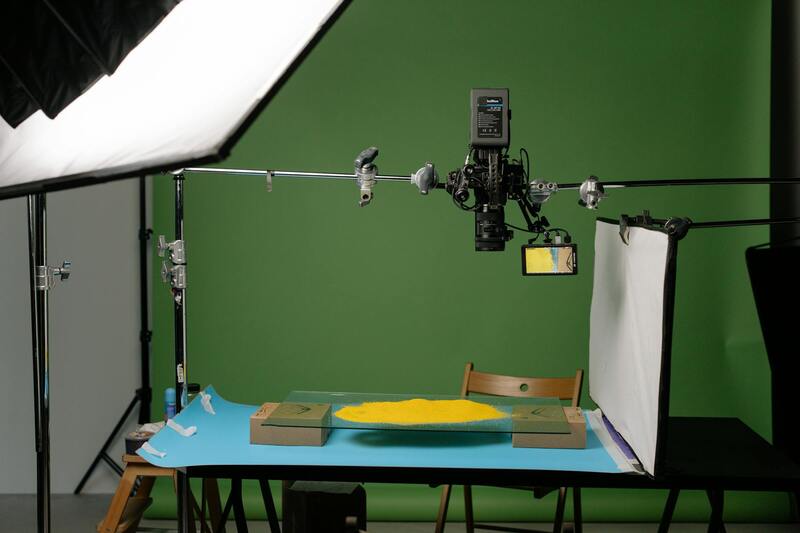
Safety measures form the backbone of successful marine photo shoots. This includes implementing strict protocols for working on or near water, such as life vest policies, emergency response planning, and communication systems. Ensuring all team members are trained in first aid and emergency procedures is essential for safeguarding personnel and equipment against unforeseen incidents.
Utilization of Advanced Techniques and Technology
- Drone Photography: Aerial shots provide expansive views of vessels and marine landscapes, adding dynamic perspectives crucial for marketing and branding.
- Underwater Imaging: Specialized underwater housings and lighting enable capturing marine life and submerged structures with high fidelity.
- Time-Lapse and Long Exposure: Techniques that highlight movement of water and marine phenomena, adding depth and storytelling elements to the visuals.
Incorporating these technologies enhances the visual storytelling, creating compelling content aligned with client needs and project specifications.
Pre-Production Planning for Marine Shoots
Effective pre-production planning is vital to the success of any marine photo production. It begins with detailed coordination between the client and the production team to establish clear goals, desired outcomes, and project timelines. This phase involves comprehensive site reconnaissance, which includes analyzing environmental conditions, tidal schedules, and potential obstacles that could impact shooting schedules or image quality. Access permissions and permits are secured to ensure compliance with any regulations governing marine environments, especially in protected or sensitive areas.
Developing a detailed shot list tailored to marine conditions helps streamline on-site activities, minimize delays, and maximize resource efficiency. This document should specify the types of visuals needed, preferred angles, and timing considerations, such as optimal lighting windows or specific tidal phases. The selection of appropriate equipment, including specialized cameras, lenses, and stabilization gear, is also planned during this stage, ensuring readiness for a variety of conditions.
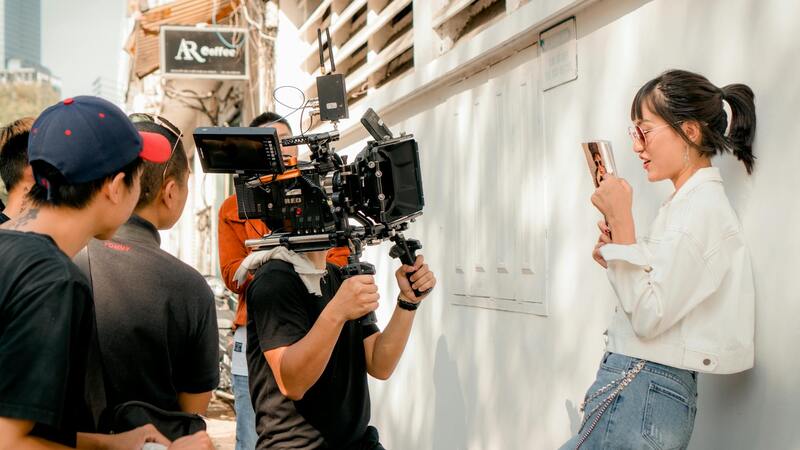
Engaging with local authorities and maritime agencies for access and safety clearances is a critical component of pre-production, particularly when working in offshore or restricted zones. Such collaborations facilitate smoother operations and help prevent interruptions during the shoot. Additionally, detailed risk assessments are conducted to identify potential hazards related to weather, water conditions, or equipment handling. These assessments result in the formulation of emergency response protocols, including evacuation plans and safety procedures.
Another key element involves logistical arrangements, such as organizing transportation to remote sites, securing support vessels, and coordinating crew schedules. Considering environmental conditions and the dynamic nature of marine settings, contingency plans are put in place to accommodate unexpected changes, like sudden weather shifts or equipment malfunctions. The coordination also extends to securing necessary insurance coverage and ensuring adherence to all safety standards.
During this phase, collaboration with specialists such as marine biologists, navigation experts, and drone operators helps tailor the shoot plan to specific project needs. These consultations ensure that technical requirements align with environmental considerations, enhancing the quality and efficiency of the production process.
Legal and Safety Considerations
When undertaking marine photo production, it is essential to adhere to established procedures and standards designed to ensure the safety of all personnel and the protection of the environment. Engaging with reputable local agencies and authoritative bodies ensures that the project complies with regional maritime guidelines, safety protocols, and environmental regulations. This collaboration often involves submitting comprehensive plans that detail the scope of the shoot, safety measures in place, and contingency strategies for potential emergencies.
In addition to organizational oversight, proper handling and maintenance of equipment are vital. This includes verifying that all vessels, drones, and photographic gear meet industry standards for seaworthiness and safety. Conducting pre-shoot equipment inspections minimizes risk and ensures operational readiness in challenging marine conditions.
Security arrangements also play a significant role in marine photo projects. Coordinating with maritime security agencies secures necessary clearances, manages restricted zones, and facilitates access to off-limits areas with minimal disruption. Implementing strict safety protocols on set, such as wearer protective gear, clear communication channels, and emergency evacuation plans, is crucial for avoiding accidents and safeguarding crew members.
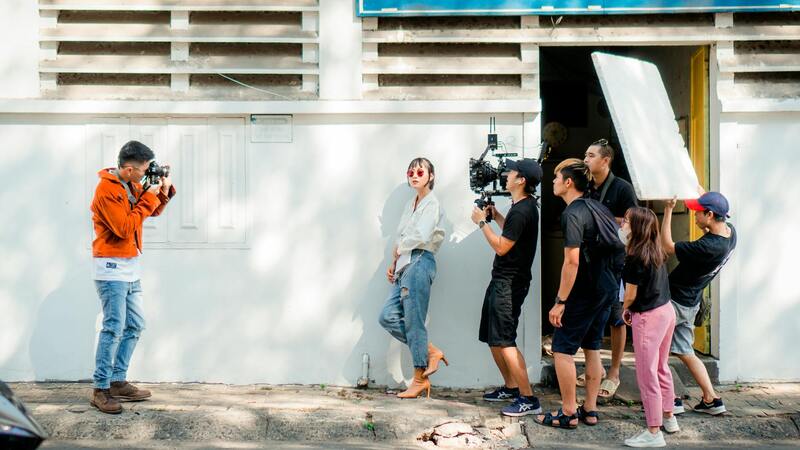
Environmental awareness is another important consideration. Professionals often work closely with environmental agencies to ensure that their operations do not disturb marine ecosystems. This involves conducting impact assessments and scheduling shoots to coincide with minimal ecological activity, thereby preserving the integrity of the local environment while capturing stunning maritime visuals.
Overall, a comprehensive approach to legal and safety standards enhances operational efficiency, minimizes risks, and contributes to the production's overall quality. Partnering with experienced local agencies knowledgeable in maritime regulations guarantees that the project proceeds smoothly, respecting all legal and safety frameworks governing marine environments in Miami.
Post-Production and Image Delivery
After capturing high-quality marine imagery, the post-production phase is critical to ensure the visuals meet professional standards and client expectations. This stage involves meticulous editing processes such as color correction, contrast adjustments, noise reduction, and image sharpening to enhance the clarity and vibrancy of marine scenes that often feature dynamic lighting and movement. Advanced software tools enable editors to balance hues and tones accurately, often replicating the natural environment's splendor or creating stylistic effects that emphasize the subject matter.
In marine photo production, image stabilization is crucial, especially when dealing with footage shot in turbulent water conditions. Techniques such as frame stabilization and digital cropping help create smooth, professional results that are suitable for commercial use, branding, or editorial publication.
Delivering the final images involves multiple formats tailored to the intended use. High-resolution digital files are typically provided for print purposes, ensuring maximum detail and quality. For online platforms, optimized images that balance quality and loading speed are supplied, such as JPEGs or PNGs with appropriate compression settings. Additionally, metadata embedding is essential for branding, copyright protection, and ease of asset management.
Secure delivery methods, such as encrypted cloud sharing or dedicated servers, are employed to protect the integrity and confidentiality of the images during transfer. Clients may also request additional deliverables like video clips, behind-the-scenes footage, or interactive multimedia presentations to maximize the impact of their marine campaigns.
Legal and Safety Considerations
Adherence to all relevant maritime regulations and safety standards remains paramount throughout the production process. This includes securing necessary permits for specific locations, understanding restricted zones, and respecting environmental guidelines to prevent habitat disruption. Clear documentation of permissions and compliance ensures that the project proceeds smoothly without interruptions or legal complications.
Safety protocols are rigorously enforced at every phase, from pre-shoot planning to post-production. Crew members are trained to operate in marine environments, equipped with personal protective gear, and briefed on emergency procedures. Medical readiness, such as having first aid and rescue equipment on board, minimizes risks associated with water-based activities.
Benefits of Choosing Local Miami Agencies
Partnering with local Miami-based marine photo production agencies offers distinct advantages rooted in regional expertise and extensive industry networks. Local agencies are well-versed in Miami’s maritime laws, environmental regulations, and the logistical landscape, which streamlines the planning and execution phases of marine shoots. They possess established relationships with port authorities, security agencies, and environmental bodies, facilitating smoother permit acquisitions and clearance processes.
Moreover, local agencies understand the unique environmental conditions of Miami’s waters, enabling them to select optimal shooting times and locations while minimizing ecological impact. Their familiarity with maritime infrastructure also ensures efficient logistical management, safe handling of equipment, and quick response to unforeseen challenges.
Having a Miami-based partner enhances communication, as the team is readily available for on-site coordination, troubleshooting, and adjustments. This proximity reduces costs associated with travel and permits, ultimately delivering high-quality results within budget and schedule constraints. Local agencies also foster relationships with regional talent, including drone pilots, underwater photographers, and marine safety experts, enriching the production value of marine imagery projects.
Legal and Safety Considerations
Executing marine photo production in Miami demands meticulous attention to legal and safety protocols to ensure a seamless and compliant operation. Rigorous adherence to maritime regulations, environmental standards, and safety procedures is essential for protecting personnel, equipment, and marine life. The process involves coordinating with various authorities, including port officials, maritime security agencies, and environmental agencies, to secure necessary permits and ensure compliance with local laws.
One fundamental aspect involves thorough planning to mitigate risks associated with marine environments. This includes conducting comprehensive risk assessments, implementing robust safety protocols, and ensuring all personnel are trained in emergency response procedures. A well-defined safety plan must cover potential hazards such as rough waters, adverse weather conditions, and vessel operational risks. Proper safety equipment, including life vests, communication devices, and safety barriers, must be readily accessible on site.
In terms of legal considerations, obtaining proper permissions for marine photography activities is crucial. This encompasses securing permits for boat access, drone usage, undersea photography, and any environmental protections specific to the Miami region. Working with local agencies aware of regional legal frameworks simplifies this process, ensuring all necessary documentation is in place before shooting begins.
Dedicated marine production teams often employ advanced safety equipment such as GPS tracking, emergency communication devices, and safety harnesses for aerial or underwater shoots. These measures are vital for maintaining personnel safety, especially when working in unpredictable marine conditions. Furthermore, adhering to environmental guidelines helps prevent disturbances to aquatic ecosystems, safeguarding the region's rich biodiversity while achieving high-quality imagery.
Establishing Clear Communication and Documentation
- Maintaining open lines of communication with all stakeholders, including local authorities, environmental agencies, and crew members, is critical for a smooth operation.
- Documenting all permissions, safety measures, and safety-related incidents ensures transparency and provides a reference for future projects.
- Ensuring all team members are informed about safety protocols reduces risks and enhances teamwork efficiency during shooting.
By prioritizing these legal and safety considerations, marine photo production in Miami not only adheres to regional standards but also establishes a model for responsible and efficient marine imagery projects.
Effective Techniques for Post-Production and Image Delivery in Marine Photography
Post-production plays a critical role in transforming raw marine imagery into captivating visual assets that meet the specific objectives of clients. The process begins with a comprehensive review of the captured footage or photographs, allowing editors to select the best shots based on clarity, composition, and relevance to the project's overall narrative. Precise editing techniques involve color correction, contrast adjustment, and restoration to enhance the natural beauty of marine environments while maintaining authenticity.
Specialized software tools such as Adobe Photoshop, Lightroom, and DaVinci Resolve are employed to refine images, ensuring they conform to industry standards and client expectations. For underwater photography, color correction is essential due to the shifting light conditions, often resulting in images with a bluish tint or reduced contrast. Applying selective color adjustments and noise reduction techniques yields vibrant, sharp visuals that accurately depict marine life and seascapes.
In addition to artistic edits, post-production workflows include the integration of visual effects, such as removing distracting elements or enhancing specific features to highlight the subject’s details. For video projects, color grading and stabilization are critical for delivering smooth, visually appealing footage that captures the dynamic marine environment effectively.
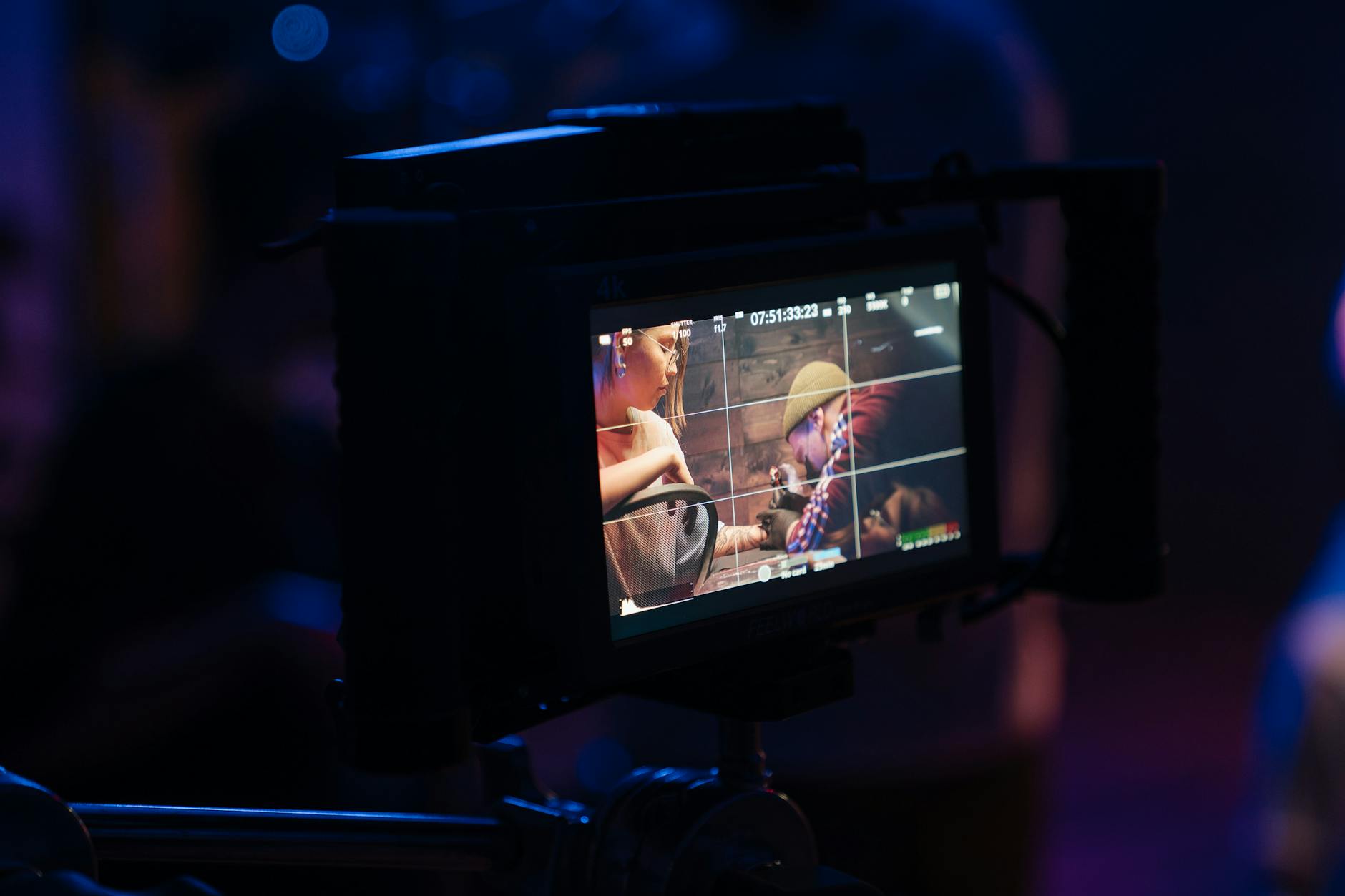
Once editing is complete, the delivery phase involves preparing the final assets in formats suitable for their intended platforms—whether for digital marketing, broadcast, or print materials. High-resolution files are provided for large-format prints, while optimized versions are prepared for online use, ensuring fast loading times and compatibility across devices. Additionally, offering multiple file formats such as JPEG, TIFF, or PNG ensures versatility for various applications.
Secure data management protocols are vital to protect the integrity of the images and prevent unauthorized use. This includes organized archiving of original and edited files, clear documentation of licensing terms, and explicit rights management to ensure compliance with contractual agreements.
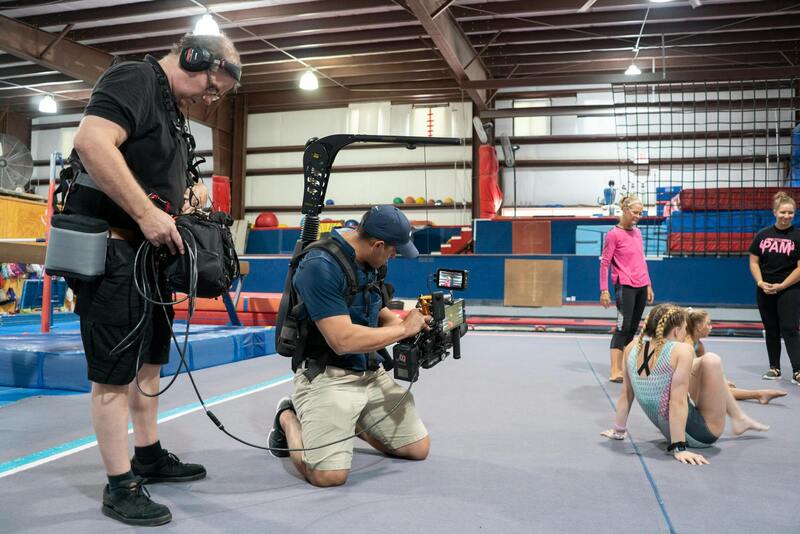
In some cases, clients may require additional assets such as detailed image catalogs, storyboards, or behind-the-scenes footage for promotional purposes. Providing comprehensive pre- and post-shoot documentation ensures seamless integration into broader marketing campaigns or documentary projects.
Effective communication throughout the post-production phase helps clarify expectations, approve final edits, and establish a timeline for delivery. This collaborative approach ensures that each marine imagery project not only meets technical standards but also resonates deeply with its intended audience.
Legal and Safety Considerations
Successful marine photo production requires strict adherence to established protocols that prioritize safety and operational procedures. Ensuring crew members are thoroughly trained in maritime safety standards minimizes risk during shoots on water. This includes proper utilization of safety gear, awareness of maritime communication signals, and knowledge of emergency response procedures. When working on vessels, all personnel should be briefed on safety protocols, emergency evacuation routes, and first aid procedures to mitigate potential hazards.
To protect personnel and equipment, comprehensive risk assessments are conducted prior to filming. These assessments evaluate weather conditions, water currents, vessel stability, and accessibility of shooting locations. Identifying potential hazards allows producers to implement necessary precautions such as securing equipment, scheduling shoots during optimal weather windows, and selecting suitable vessels for the environment.
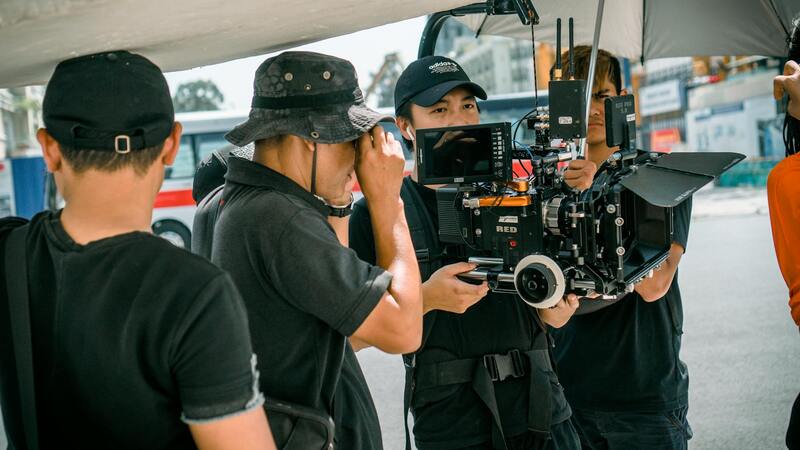
Additionally, compliance with maritime safety regulations involves coordinating with local authorities and adhering to maritime operational guidelines. Permitting processes may vary depending on the location and scope of the shoot, necessitating thorough planning and documentation to secure necessary approvals in advance. This proactive approach helps prevent delays or disruptions that could compromise safety or project timelines.
From a legal standpoint, securing appropriate insurance coverage is essential. Insurance policies tailored for marine work protect against claims related to property damage, personal injury, or environmental incidents. Proper insurance verification not only safeguards the production but also demonstrates professionalism to clients and regulatory bodies.
Environmental sustainability is also a key consideration, especially when operating in sensitive maritime ecosystems. Following best practices for waste management, avoiding disturbance to marine life, and respecting protected areas are vital to maintaining ecological integrity. Strict adherence to environmental standards also aligns with ethical production practices, fostering positive relationships with local communities and authorities.
Effective communication and documentation form the backbone of safe and compliant marine photo production. Clear operational plans, safety briefings, and detailed permits ensure all team members are on the same page. Regular safety audits and equipment maintenance further reinforce a secure working environment. When all these elements are seamlessly integrated, the resulting imagery captures the essence of the marine environment while prioritizing safety and responsible operation.