Understanding Yacht Videography
Yacht videography involves the specialized craft of capturing high-quality visual content of luxury yachts and the marine environments they inhabit. This discipline combines advanced filming techniques, cinematic storytelling, and technical expertise to showcase the elegance, engineering marvels, and exclusive experiences that large yachts offer. These videos serve multiple purposes, ranging from marketing and promotional campaigns for yacht brokers and manufacturers to personal keepsakes for yacht owners who wish to memorialize their maritime adventures. The primary aim of yacht videography is to create compelling visual narratives that highlight the yacht’s design, amenities, and performance on the water. It also captures the vibrant marine scenery, crew activities, and often a luxurious lifestyle associated with yachting. These videos are crafted to evoke emotion, inspire admiration, and assist clients in marketing their vessels to prospective buyers or guests. Since luxury yacht video content can significantly influence purchasing and charter decisions, the craft of yacht videography demands meticulous attention to detail, technical proficiency, and an eye for aesthetic composition. Capturing these scenes often involves a combination of drone footage, stabilized onboard cameras, and vantage points that demonstrate the yacht's size and features accurately. The goal is to produce an immersive viewing experience that conveys the opulence and uniqueness of each vessel. The strategic use of angles, light, and movement creates a dynamic showcase that appeals to affluent clientele interested in luxury marine experiences. This form of videography involves understanding maritime environments, which can be challenging due to variable weather conditions, movement of the vessel, and the need for precise camera operation in fluid scenarios. Operators must balance technical skills, such as gimbal stabilization, aerial shot management, and underwater filming, with artistic sensibility. When executed correctly, yacht videography results in a polished, cinematic product that elevates the vessel’s appeal and supports the commercial or personal objectives of clients. In essence, yacht videography is more than just recording footage on water. It is about transforming a yacht’s physical presence into a compelling visual narrative that highlights sophistication, innovation, and luxury, elevating the perception of the vessel and enriching the viewer’s experience of maritime grandeur.
Techniques for Capturing Yacht Footage
Mastering the art of yacht videography involves applying specialized techniques that highlight the vessel's luxury while ensuring technical excellence. Effective techniques include utilizing dynamic camera movements, such as drone sweeps and stabilized handheld shots, that accentuate the yacht's sleek design and expansive decks. Leveraging natural light is critical; shooting during golden hours—early morning or late afternoon—provides warm, diffused illumination that enhances the yacht's opulent features and the surrounding marine scenery.
Aerial shots via drones offer breathtaking perspectives, revealing the vessel’s size, layout, and the yacht’s interaction with its environment. When executing drone footage, operators must manage altitude and angle carefully to avoid disruptive shadows or reflections that could detract from the shot's clarity. Onboard stabilized cameras are indispensable for capturing smooth, fluid shots of the yacht's interior and exterior while underway. These devices ensure footage remains clear and professional, regardless of vessel movement.
Underwater filming demands water-resistant equipment capable of capturing high-resolution images beneath the waterline. This technique is particularly useful for showcasing hull design, underwater lights, or marine life in the vicinity, adding layers of depth to the overall video presentation.
To create a compelling narrative, filmmakers often combine static shots with moving sequences, using cinematic techniques such as depth of field, slow motion, and time-lapse. These methods showcase the yacht's features and ambiance, elevating the visual storytelling.
Proper planning also involves rehearsing shot sequences and understanding the timing relative to sunlight and yacht activity, ensuring that each scene aligns with the desired aesthetic. Additionally, adjusting camera settings such as aperture, shutter speed, and ISO in real-time helps maintain optimal exposure amid changing lighting conditions.
Operational expertise extends to managing multiple camera angles simultaneously, often incorporating onboard gimbals or steadycams to facilitate versatile shot options without sacrificing stability. This comprehensive approach results in footage with cinematic quality, capable of captivating viewers and effectively communicating the vessel’s luxury appeal.
Techniques for Capturing Yacht Footage
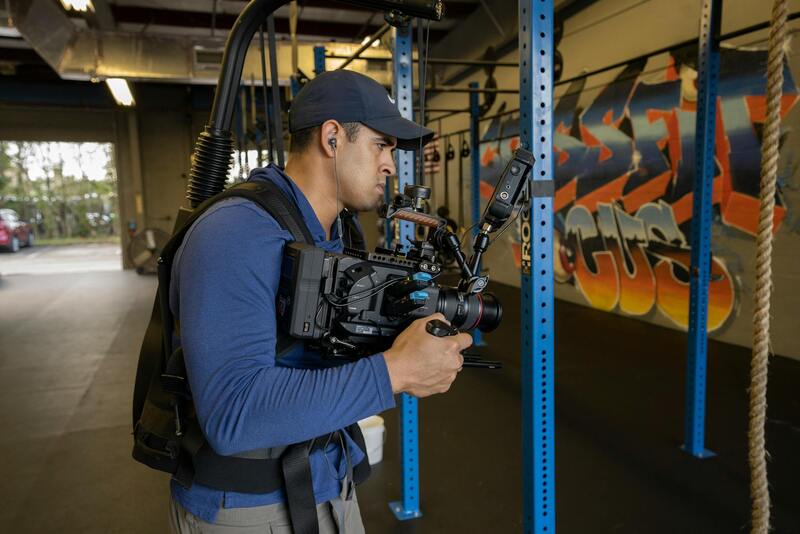
Capturing stunning yacht footage requires a combination of technical skill and strategic planning. The movement of the water and the vessel itself introduces unique challenges that videographers must adeptly manage to produce smooth and captivating visuals. Stabilization is paramount; utilizing gimbals, steadycams, or specialized mountings helps eliminate unwanted shake and jitter, especially during dynamic shots taken while the yacht is underway or in rough waters. These tools enable operators to maintain fluid motion, allowing the filmed content to appear seamless and professional.
Camera angles play a crucial role in highlighting the yacht’s design and the surrounding environment. Low-angle shots from the water level emphasize the yacht's grandeur, while aerial perspectives captured via drone enhance the scale and luxury of the vessel. Intricate interior shots often employ wide-angle lenses to showcase spacious cabins or elegant lounges, providing viewers with an immersive experience.
Lighting conditions on the water can fluctuate rapidly, influenced by weather, sun position, and time of day. Optimizing camera settings for these varying conditions is essential. On bright days, adjusting the aperture and using polarized filters can reduce glare and reflections, ensuring the yacht’s details are vividly rendered. During sunset or sunrise, balancing exposure becomes more challenging but offers dramatic color palettes that add cinematic quality to the footage.
In addition, capturing the yacht's movements—such as docking, sailing, or engaging in onboard activities—requires precise timing and familiarity with the vessel’s operational rhythm. Filmmakers often coordinate movements to synchronize with vessel maneuvers, maximizing the visual impact of each shot.
Beyond camera work, pre-planning encompasses scouting locations, analyzing weather forecasts, and considering logistics like power sources and safety measures. These preparations help mitigate potential setbacks and ensure the production remains on schedule.
Official Methods for Securing Filming Permissions and Access
Gaining authorized access for yacht videography hinges on transparent communication and adherence to established procedures. The first step involves establishing a formal relationship with yacht owners, charter companies, or fleet managers. This process often begins with detailed proposals outlining the scope of work, intended footage, and usage rights. Providing a comprehensive plan demonstrates professionalism and respect for the vessel’s operations, fostering trust and cooperation.
Next, securing the necessary permissions involves lobbying through official channels, such as yacht owner associations or maritime authorities. These organizations typically have protocols for granting filming licenses or authorizations that detail permissible activities, timeframes, and safety requirements. It is crucial to present verified identification, proof of insurance, and liability coverage documentation. This not only satisfies procedural requirements but also reassures stakeholders that all measures are in place to prevent incidents and protect assets.
Engaging with port authorities or maritime security officials may be necessary when filming in public or shared waters. These agencies manage harbor access and can provide oversight, ensuring that all activities align with local regulations. This collaboration minimizes disruptions and maintains the integrity of the operation. Additionally, to avoid delays or conflicts, filmmakers often coordinate with local maritime patrols or coast guard units, especially in sensitive or restricted zones.
Legal compliance extends beyond obtaining permits. It involves meticulous planning around safety protocols, such as crew briefings, security clearances, and hazard assessments. Documentation of all safety measures and compliance processes should be maintained and easily accessible during filming. Keeping a detailed record underscores a commitment to operational integrity and professionalism, which is fundamental when coordinating with yacht owners and maritime authorities.
Furthermore, establishing a clear contractual agreement with all involved parties clarifies responsibilities, footage rights, and confidentiality clauses. This legal framework protects both the videographer and the vessel owner, facilitating a seamless production process. Negotiating terms upfront—such as compensation, exclusivity, and usage rights—prevents misunderstandings and supports a productive working relationship.
In essence, cultivating professional relationships, adhering strictly to formal procedures, and maintaining comprehensive documentation are critical components of executing yacht videography projects through legitimate channels. These strategies guarantee that all filming activities are conducted responsibly, efficiently, and with respect for existing maritime and property regulations.
Ensuring Proper Filming Techniques and Operational Procedures
Executing professional yacht videography requires adherence to strict operational procedures that ensure quality footage while maintaining safety standards. The process begins with thorough planning, where a comprehensive shot list is developed to maximize the use of available time and vantage points on the vessel. This planning involves coordinating with the yacht crew and owner to identify key features, scenic routes, and moments of interest that align with the client’s vision. Clear communication ensures that all stakeholders understand the filming schedule and specific requirements, thus minimizing disruptions during operations.
Utilizing stable camera setups, such as gimbals and drones, allows videographers to capture smooth, high-quality footage even in dynamic maritime environments. When employing drones, specific attention must be given to their operational parameters—such as altitude restrictions, wind conditions, and no-fly zones—to ensure safe and precise flying. Continuous monitoring of weather conditions is essential; calm, clear days are ideal for drone operations, whereas adverse weather can compromise safety and footage quality.
In terms of vessel handling, filming from different angles often involves moving the yacht at controlled speeds or station-keeping to achieve the desired shot compositions. Coordinating with the crew for engine adjustments, mooring operations, and navigational maneuvers can optimize the footage and enhance safety. Implementing pre-shoot safety briefings and using communication systems like radios or hand signals ensures that everyone remains synchronized, reducing risks associated with maritime filming.
Maintaining High Standards and Compliance during Yacht Videography
Maintaining high standards throughout the production process involves rigorous checks of all equipment prior to going on deck or aboard the vessel. This includes inspecting camera gear, stabilizers, batteries, and storage devices for functionality, ensuring no technical failures occur mid-shoot. Additionally, safety gear such as life jackets, harnesses, and weather-resistant equipment should be readily available.
Operational protocols dictate that all crew members involved in filming must be briefed on safety procedures, emergency protocols, and crew movements. Monitoring ongoing weather conditions and vessel operations is vital; sudden weather changes can pose hazards or affect the quality of footage. It’s also prudent to keep detailed logs of filming sessions, including timestamps, locations, and equipment used. This documentation serves as essential records for quality assurance and future reference.
To coordinate with maritime authorities and satisfy official requirements, a comprehensive operations plan should be submitted beforehand. This plan outlines intended routes, timing, and safety measures, demonstrating professional diligence and fostering cooperative relationships with relevant agencies. Having such a framework in place enhances operational efficiency and reduces potential interruptions, ensuring a seamless production experience.
Utilizing Official Methods for Yacht Videography
Securing the necessary permits and permissions is a fundamental aspect of conducting yacht videography in a professional and compliant manner. This involves liaising with local maritime authorities, port authorities, or relevant agencies to obtain clearances for filming operations. These permits typically specify authorized filming zones, permissible equipment, and operational time frames, ensuring that the shoot adheres to maritime regulations and safety standards.
It's also crucial to coordinate with yacht owners and operators to align on the scope of the project, shooting schedule, and specific requirements. Establishing formal agreements that outline responsibilities, usage rights, and safety protocols can prevent misunderstandings and foster a smooth collaboration. Engaging in comprehensive planning with all stakeholders prior to filming not only streamlines operations but also demonstrates professionalism and respect for the vessel's operations.
Respecting privacy rights and sensitive areas is paramount during yacht videography. This involves obtaining explicit consent from yacht owners and crew members before capturing footage, especially when individual identities or proprietary activities may be involved. Employing clear communication channels and formal documentation helps safeguard all parties' interests and upholds ethical standards throughout the production process.
Official Documentation and Certification
Maintaining comprehensive records of all permits, permissions, and certifications related to yacht videography creates an organized framework that can be reviewed or audited if necessary. Certification of insurance coverage, safety clearances, and operational authorizations not only demonstrates due diligence but also provides a safeguard against unforeseen incidents. These official documents serve as proof of adherence to regulatory standards and reassure clients and vessel owners of a responsible production process.
Engaging with accredited agencies and adhering to established maritime and filming standards enhances credibility and promotes a reputation of reliability. Keeping digital copies of all documentation and updating them regularly ensures quick access and compliance with evolving regulations.
Compliance with Maritime Protocols
Following established maritime protocols during filming operations involves respecting navigation rules, keeping communication channels open with the vessel's crew, and monitoring weather and sea conditions continuously. Proper training for crew members involved in the shoot, including safety and emergency response procedures, minimizes risks and ensures a safe environment for everyone onboard.
By strictly adhering to these official methods and maintaining a high standard of professionalism, yacht videographers can deliver compelling content while respecting all legal and operational frameworks. This approach not only enhances the quality and safety of the production but also strengthens relationships with clients, yacht owners, and regulatory bodies.
Legal and Safety Considerations
Executing yacht videography with precision and professionalism involves adherence to specific procedures and documented protocols that safeguard all parties involved. Prior to any filming, obtaining the necessary operational clearances is essential. These clearances often include permissions from the vessel's management, maritime authorities, and relevant maritime safety agencies. Having these approvals documented ensures that the production remains compliant with established standards and helps to prevent interruptions or legal complications during the shoot.
In addition to securing permissions, comprehensive safety planning is fundamental. This includes detailed risk assessments that identify potential hazards, such as adverse weather conditions, equipment malfunctions, or unforeseen navigation challenges. Developing contingency plans that address these risks ensures preparedness, minimizes disruptions, and promotes a secure environment for crew and talent alike.
Regular safety briefings for the crew and talent are a crucial component of safe filming practices. These briefings should cover emergency procedures, communication protocols, and specific safety measures related to working on a floating vessel. Establishing clear lines of communication between the filming team and vessel crew ensures smooth coordination, especially in dynamic marine environments.
Moreover, the proper certification and training of crew members involved in the production contribute to operational safety. Crew members should be familiar with maritime safety procedures, emergency response techniques, and the use of safety equipment such as life vests, rafts, and communication devices. Ensuring all personnel are equipped and trained reduces the likelihood of accidents and promotes a professional work environment.
Weather considerations play a critical role in planning yacht videography sessions. Continuous monitoring of marine forecasts allows crews to reschedule shoots or adjust plans to avoid hazardous conditions. This proactive approach minimizes risks and enhances the likelihood of capturing high-quality footage without compromising safety.
Adhering to maritime protocols extends beyond safety to include navigation regulations, communication procedures, and operational standards. Maintaining open communication channels with the vessel’s crew fosters teamwork and ensures that filming activities do not interfere with navigational safety or vessel operations. Respecting crew instructions and maritime rules demonstrates professionalism and helps build trust with yacht owners and operators.
Documentation of all safety measures, permissions, and procedural adherence forms a critical part of the production process. Keeping detailed records supports transparency and accountability, providing assurance to clients that all activities were conducted responsibly and in accordance with accepted standards.
By applying these official and meticulous methods, yacht videographers can deliver superior content while upholding safety, operational integrity, and the highest level of professionalism. This rigorous approach not only results in better-quality footage but also cements long-term relationships built on trust and competence with clients, yacht owners, and regulatory bodies.
Final Steps: Professional Delivery and Building Client Relationships in Yacht Videography
Ensuring the successful delivery of yacht videography projects involves meticulous adherence to industry standards for quality and professionalism. This stage encompasses comprehensive review processes, where every frame is scrutinized for clarity, color accuracy, and coherence with the initial creative brief. High-resolution playback on calibrated monitors assists editors in identifying and rectifying subtle imperfections, ensuring the finished product aligns with client expectations.
Once post-production is complete, delivering the final content requires secure transfer methods that preserve video integrity and confidentiality. Utilizing encrypted file transfer protocols, such as secure FTP servers or specialized cloud-based platforms, guarantees that sensitive footage remains protected during delivery. Additionally, providing clients with various formats tailored for different dissemination channels—such as social media, broadcast, or large-format displays—facilitates seamless distribution.
During final delivery, offering supplementary materials can enhance client satisfaction. These might include high-resolution still images extracted from video footage, behind-the-scenes clips, or a detailed project report outlining the production process. Clear communication about the usage rights, licensing agreements, and any restrictions ensures transparency and fosters trust.
Beyond project completion, cultivating long-term relationships with clients and yacht owners is fundamental for sustained success in yacht videography. This involves active engagement through follow-up communications to gather feedback, testimonials, and referrals. Offering post-project support, such as updates or additional edits, demonstrates commitment to client satisfaction and adaptability to evolving needs.
Building a reputation for reliability and high-quality content opens doors to lucrative opportunities within the luxury yacht industry. Effective networking, participation in industry events, and showcasing a diverse portfolio of completed projects further position a videographer as a trusted professional. Personalizing service delivery—understanding individual client preferences, yacht specifications, and branding goals—enhances loyalty and encourages repeat business.
Additionally, maintaining a comprehensive portfolio and a professional online presence, including a dedicated website and active social media channels, allows potential clients to easily access samples of your work. A well-organized, updated portfolio demonstrates expertise, versatility, and a commitment to excellence in yacht videography.