Role and Responsibilities of a Superyacht Photographer
A superyacht photographer specializes in capturing the opulence and unique features of luxury vessels while documenting the lifestyle of their owners and guests. Their primary duties include producing high-quality images that highlight the yacht's design, craftsmanship, and amenities, ensuring these visuals align with the client's brand and personal taste. Precision in composition, lighting mastery, and an eye for detail are essential elements of their work.
This role demands an extensive understanding of maritime aesthetics and the luxury lifestyle, enabling the photographer to portray the yacht not just as a vessel but as a symbol of elegance and affluence. Many projects involve establishing rapport with yacht owners, captains, and crew to coordinate photo sessions with minimal disruption to onboard activities. The photographer’s responsibilities extend beyond execution, encompassing pre-shoot planning, location scouting, and post-production editing to deliver images that meet the highest standards.
Superyacht photographers must also be adept at capturing lifestyle shots that evoke sophistication and exclusivity. These include images of interiors, exteriors, and the leisure activities enjoyed aboard. Their work often serves marketing and promotional needs for yacht builders, brokers, and owners aiming to showcase their assets to an elite clientele.
Given the bespoke nature of superyacht photography, professionals need exceptional discretion and professionalism, ensuring client confidentiality and privacy at all times. Their mastery lies in transforming the natural environment and yacht features into visually compelling narratives that resonate with affluent audiences.
Technical Skills and Equipment Used
Excelling as a superyacht photographer requires proficiency in various technical domains, from camera operation to lighting design and editing. High-resolution DSLR or mirrorless cameras equipped with state-of-the-art lenses are fundamental tools, enabling capturing detailed images that emphasize the yacht’s craftsmanship. Drone photography has become increasingly popular for showcasing the vessel’s exterior and its surroundings from captivating perspectives.
Lighting is a crucial aspect of superyacht photography. Photographers often work during golden hours—early mornings or late afternoons—to exploit natural light that enhances textures and colors. Additionally, they employ external lighting, reflectors, and diffusers to manage interior illumination and exterior reflections.
Post-processing with advanced editing software like Adobe Lightroom and Photoshop allows photographers to refine images, correct color discrepancies, and enhance the overall photogenic quality. The mastery of these tools ensures that images are polished without losing authenticity.
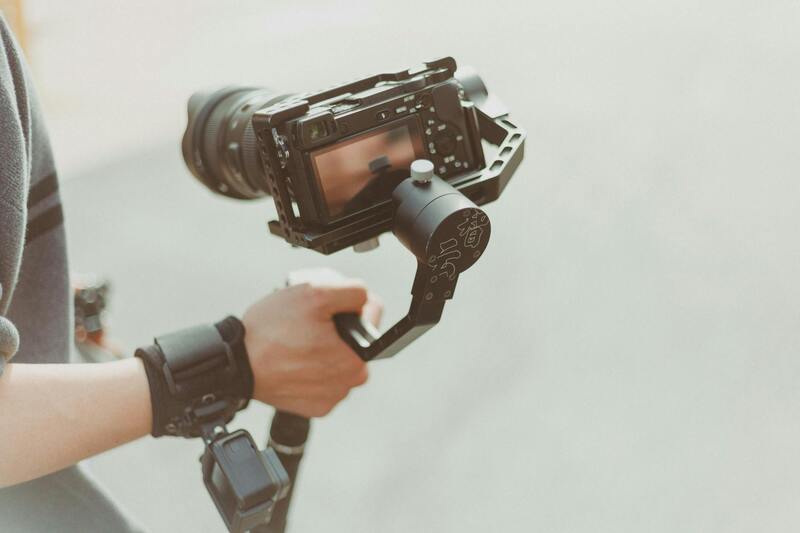
A thorough understanding of maritime safety regulations influences equipment choices and shooting techniques, especially when working onboard vessels in dynamic environments. Stability gear, such as gimbals and tripods, facilitate sharp images, even in challenging conditions.
Understanding Yacht and Maritime Environments
Successful superyacht photography hinges on a deep comprehension of maritime environments and vessel specifics. This knowledge guides photographers in selecting optimal angles, lighting conditions, and timing for shoots. Awareness of how natural elements such as sunlight, sea state, and weather affect photographs is essential for creating compelling images.
Photographers must familiarize themselves with different yacht designs, interior layouts, and material finishes to highlight unique features effectively. This often involves reviewing technical documentation or specifications provided by yacht builders.
Environmental considerations extend to safety protocols when working onboard or near water. Adapting to various conditions, like wind, reflections, and motion, enables the photographer to produce stable, high-quality images regardless of external variables.
Understanding the maritime environment also includes respecting the privacy of guests and the operational procedures of the vessel, ensuring minimal disruption during shoots.
The ability to anticipate natural lighting changes and position oneself accordingly is a vital skill. It allows for capturing authentic, aesthetically pleasing images that showcase the vessel’s beauty in its actual setting.
Technical Skills and Equipment Used
Achieving stunning images of superyachts requires a combination of advanced technical skills and high-end equipment. Photographers must possess a strong understanding of composition, exposure, and timing to optimize each shot. Mastery of natural light utilization ensures that images highlight the yacht’s features without unwanted shadows or overexposure, particularly during sunrise or sunset shoots when the light is most dramatic.
High-resolution digital cameras are the foundation of superyacht photography. Professional-grade DSLR or mirrorless cameras with weather-sealed bodies are preferred to withstand maritime conditions. Wide-angle and telephoto lenses are essential for capturing both expansive exterior views and detailed interior features, such as luxurious finishes or mechanical components.
Stabilization equipment, including gimbals and tripods, helps mitigate motion blur caused by the vessel’s movement or environmental factors like wind and waves. Drones are increasingly employed to achieve aerial perspectives, providing unique angles that emphasize the yacht’s size and surroundings. However, operating drones requires precise precision and adherence to safety protocols to prevent accidents or damage.
Lighting techniques in superyacht photography extend beyond natural sunlight. Photographers often utilize reflectors, diffusers, and portable LED lights to accentuate specific areas, especially in interior settings with challenging lighting conditions. Post-processing software like Adobe Lightroom and Photoshop plays a role in enhancing images, ensuring colors are vibrant and details are crisp, while maintaining authenticity.
Additionally, photographers should be proficient in file management and shooting in RAW format to maximize post-production flexibility. Understanding color grading and retouching ensures that the final images meet the luxury standards expected in high-end marketing campaigns or promotional materials.
Understanding Yacht and Maritime Environments
Proficiency in yacht and maritime environments is essential for superyacht photographers aiming to deliver compelling visuals that resonate with luxury clientele. Familiarity with yacht design, including interior layouts and exterior architecture, enhances the photographer’s ability to highlight unique features and craftsmanship. Recognizing the various materials, finishes, and decor elements ensures that photographic techniques accentuate the yacht’s sophistication and exclusivity.
Knowledge of maritime safety considerations is equally critical. Photographers must be aware of vessel protocols, safety zones, and crew operations to navigate efficiently and avoid disruptions. This awareness contributes to seamless photoshoots and prevents unintended hazards, such as equipment damage or safety incidents, especially during shoots involving access to mechanical systems or confined spaces.
Developing an understanding of maritime lighting conditions, such as the impact of natural sunlight at various times of day and environmental factors like wind or reflections on water, enables photographers to plan optimal shooting windows. This knowledge also aids in selecting appropriate camera settings and lighting gear to enhance image clarity and depth.
Client Expectations and Customization of Photoshoots
Clients commissioning superyacht photography often have specific visions aligned with branding and marketing objectives. To meet these expectations, photographers must collaborate closely with clients to understand their preferences, target audience, and intended use of images. Customization involves adjusting the shoot plan to emphasize particular yacht features, whether it be exterior vistas, luxurious interiors, or detailed mechanical elements.
Personalized shoots may require tailored lighting setups, specific angles, or post-processing styles. Clear communication regarding deliverable formats, image resolutions, and stylistic preferences ensures that the final portfolio aligns with the luxury standards anticipated by clients in the high-end yachting industry.
Logistics and Challenges of Shooting on Superyachts
Shooting on superyachts introduces a unique set of logistical considerations. Access is often limited, requiring advance coordination with crew to ensure availability of docking and interior access. Mobility around the vessel can be constrained by narrow passages, moving parts, or safety protocols, demanding careful planning and precise timing.
Environmental conditions such as wind, rain, or changing lighting also pose challenges, impacting equipment stability and image quality. Photographers must be prepared with weather-resistant gear and backup plans to adapt swiftly to unforeseen circumstances.
Transporting professional equipment onto a yacht requires careful planning to prevent damage and meet security protocols. The confined spaces and narrow walkways demand lightweight, compact gear without compromising quality. Additionally, respecting the yacht’s privacy and operational schedule is vital, ensuring the shoot does not interfere with daily vessel activities or guest experience.
The Superyacht Photography Market in Miami
Miami stands as a pivotal hub for superyacht photography, benefiting from its status as a global yachting capital. The city’s vibrant maritime scene attracts high-net-worth individuals, charter companies, and yacht builders seeking premium imaging services. Photographers operating in Miami often collaborate with brokers, luxury brands, and yacht owners to craft marketing visuals that emphasize opulence, craftsmanship, and adventurous lifestyle elements associated with high-end yachting.
The competitive market in Miami pushes photographers to remain innovative, utilizing the latest equipment and techniques to produce stand-out images. The region’s favorable weather, scenic coastline, and diverse urban backdrops provide ample opportunities for dynamic, visually stunning compositions that appeal to discerning clients.
Building a Career and Portfolio as a Superyacht Photographer
Establishing a successful career entails developing a comprehensive portfolio that showcases versatility and technical mastery. Aspiring photographers should seek opportunities to collaborate with yacht owners, brokers, and charter companies to gather varied shot types—exterior, interior, aerial, and detail shots—highlighting their range.
Participation in industry events, yacht showcases, and networking functions can open doors to high-profile assignments. Maintaining a professional online presence, including a dedicated website and social media platforms, allows potential clients to evaluate quality and style. Continuous skill development, through advanced courses in marine photography, drone operation, and editing, keeps a photographer competitive in this specialized market.
Future Trends and Innovation in Superyacht Photography
Advancements in drone technology are increasingly revolutionizing superyacht imagery, enabling ultra-high-resolution aerial shots from previously inaccessible angles. As drone regulations evolve, skilled pilots and operators will become even more integral to capturing expansive views that emphasize the yacht’s grandeur against scenic backgrounds.
Emerging imaging techniques like 3D photogrammetry and virtual reality offer immersive experiences that can showcase yachts in innovative ways, opening new marketing avenues. Additionally, the integration of artificial intelligence for enhanced editing, color correction, and image stabilization promises more efficient workflows without compromising quality. Photographers who adapt to these technological shifts will continue to set standards in luxury yacht imaging, meeting the evolving desires of a global elite market.
Understanding the nuances of superyacht photography logistics and challenges
Capturing stunning imagery of superyachts requires meticulous planning and adaptability, given the complex environments involved. Photographers must navigate a series of logistical considerations to ensure each shoot proceeds smoothly, resulting in high-quality visuals that meet client expectations. The necessity of coordinating with yacht crews, managing scheduling around vessel movements, and adhering to maritime safety protocols are critical aspects of this process.
One of the primary logistical challenges is securing access to the yacht itself. This involves establishing agreements with yacht owners, charter companies, or brokerage firms to gain the necessary permissions in advance. Understanding the yacht’s itinerary and coordinating shoots during ideal times—such as calm weather, minimal sea swell, and favorable lighting conditions—is essential for optimal results. Weather unpredictability remains a constant factor, requiring flexibility in scheduling to adapt to sudden changes that could affect shot quality or safety.
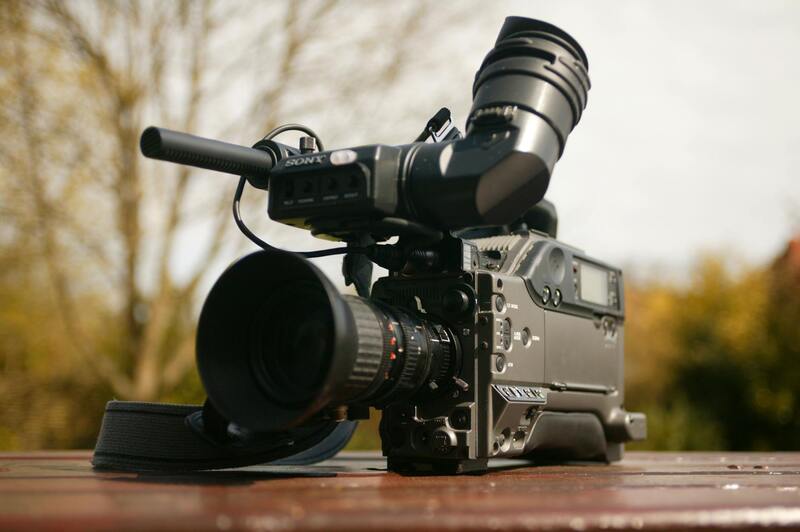
Another key consideration is the need for specialized equipment that can withstand marine environments. Saltwater, high humidity, and fluctuating temperatures pose risks to camera gear, necessitating the use of weather-sealed equipment, protective covers, and regular maintenance. Additionally, drone operation in these settings demands certified pilots who are well-versed in adhering to evolving regulations, airspace restrictions, and safety protocols. This ensures aerial shots can be taken responsibly without risking damage to the vessel or other maritime traffic.
Logistical coordination extends to post-shoot processes as well. Transporting and editing large image files, managing licensing rights, and delivering the final product within the client’s timeline are integral components. Ensuring minimal disruption to the yacht’s schedule and maintaining a professional tone throughout the project fosters positive relationships, increasing the likelihood of repeat business and recommendations.
Overcoming challenges with professionalism and expertise
Superyacht photographers operating in this luxe niche must develop solutions to common hurdles. For instance, in cases of limited access to interior spaces or restricted outdoor decks, creative framing and natural lighting are leveraged to craft compelling compositions. When wind or sea conditions compromise exterior shots, timing and the use of stabilization equipment become crucial factors.
Furthermore, in prioritizing safety and efficiency, seasoned photographers often collaborate closely with crew members for guidance on vessel movements, docking schedules, or areas off-limits during shoots. Such coordination helps avoid delays and ensures the safety of both personnel and equipment.
This high level of planning and responsiveness exemplifies the professional standards expected in superyacht photography. By anticipating potential obstacles and executing every detail methodically, photographers can produce exceptional imagery that elevates their clients’ marketing and branding efforts within this exclusive market segment.
Role and Responsibilities of a Superyacht Photographer
A superyacht photographer holds a dual responsibility: capturing the elegance and grandeur of luxury vessels while adhering to the unique operational environment of the maritime setting. This role demands a keen eye for detail, artistic composition, and an understanding of both the technical and aesthetic aspects of high-end photography. The primary objective is to create compelling images that highlight the yacht's design, interiors, exteriors, and lifestyle opportunities, appealing directly to prospective clients, brokers, and marketing agencies.
Equally important is the ability to work discreetly and professionally within the confines of a yacht’s operational schedule. This means coordinating with crew members, ensuring minimal disruption to the vessel’s activities, and respecting the privacy of onboard guests. A superyacht photographer must also be skilled in managing their equipment efficiently, often dealing with challenging lighting conditions, limited space, and environmental factors such as wind and sea spray that could impact the quality of shots.
Responsibility extends beyond mere image capture. Post-shoot responsibilities include meticulous editing to enhance visual appeal, managing licensing rights and image rights, and delivering a polished final product that aligns with the client’s branding standards. Maintaining a high level of professionalism and confidentiality is crucial, as images may be used for exclusive marketing campaigns, luxury publications, or high-profile brokerage listings. This role also involves staying informed about the latest trends and technology in both the superyacht industry and photography to consistently deliver innovative and captivating visuals.

Technical Skills and Equipment Used
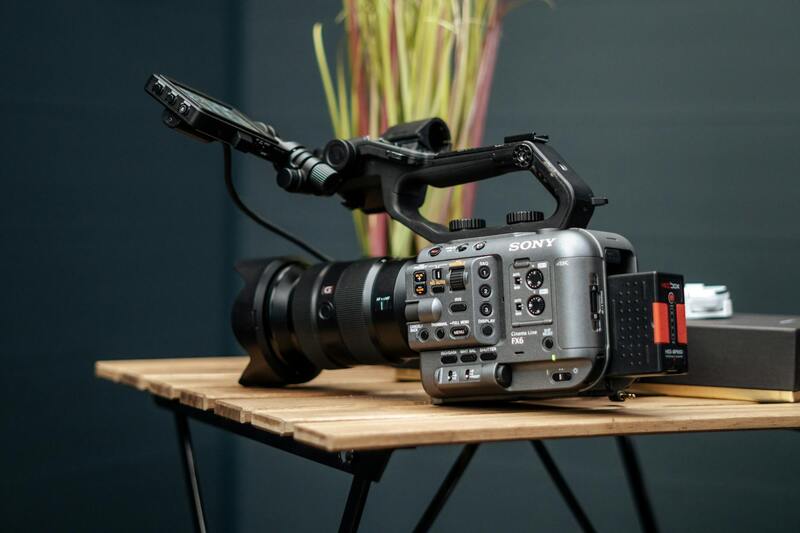
Superyacht photographers utilize advanced photographic equipment to navigate the demanding conditions of maritime environments. The core setup often includes high-resolution DSLR or mirrorless cameras capable of capturing sharp imagery under varying lighting conditions. Lenses play a significant role—wide-angle lenses for interior shots, telephoto lenses for exterior details, and macro lenses for close-up highlights of craftsmanship and décor.
Stabilization tools such as gimbals and tripods are essential, especially when working on unstable decks or in moving environments. Graduated ND filters and polarizers help manage reflections and glare from water surfaces and windows, ensuring clear, vibrant images. Drone photography has become an increasingly popular tool, providing aerial perspectives that showcase the yacht’s scale and surroundings, adding a dynamic element to marketing visuals. Ensuring proper waterproofing and dust protection for equipment is paramount, given the exposure to saltwater and moisture.
Understanding Yacht and Maritime Environments
Effective superyacht photography hinges on a comprehensive understanding of the maritime environment. This includes knowledge of the vessel's layout, operational protocols, and safety procedures, which helps in planning shoots that do not interfere with vessel activities or passenger privacy. Recognizing the ideal times for natural lighting—such as golden hours during sunrise or sunset—is key to producing warm, appealing images.
Photographers must also be adept at working within the constraints of a yacht's limited space. Interior shoots require a keen sense of composition to maximize the impact of confined settings, often employing wide-angle lenses and creative framing. Exterior shots benefit from an understanding of maritime navigation, allowing photographers to anticipate deck angles and vantage points that highlight a yacht's design features without obstructing operational safety.
Additionally, weather conditions play a crucial role. Wind, rain, and sea states can affect shoot schedules and the quality of images. Skilled photographers plan for these variables, adjusting timing and equipment use to ensure the best possible results under unpredictable maritime weather patterns.
Client Expectations and Customization of Photoshoots
Clients commissioning superyacht photography services have specific expectations rooted in both the vessel’s design and the intended use of the images. These may include a focus on luxury interiors, detailed shots of bespoke features, or expansive exterior views that highlight the yacht’s silhouette against ocean scenery. Understanding these needs allows photographers to tailor their approach, selecting angles, lighting, and moments that meet or exceed client visions.
Customization extends to post-production editing, where color grading, retouching, and image cropping are aligned with branding requirements. Particular clients may desire a specific style—be it highly polished and commercial or more natural and editorial—demanding adaptability and collaboration throughout the process.
Moreover, the flexibility to accommodate last-minute client requests, adapt to changing weather conditions, and work within tight schedules is vital. Clear communication and proactive planning are essential for setting and managing expectations, ensuring the final set of images perfectly showcases the luxury and exclusivity of the superyacht.
Logistics and Challenges of Shooting on Superyachts
Capturing stunning images of superyachts involves navigating a complex web of logistical considerations that demand meticulous planning and adaptability. Unlike traditional photography environments, the maritime setting presents unique challenges such as limited space, constant movement, and fluctuating weather conditions. Photographers must coordinate carefully with yacht crews and management to ensure access and optimal timing for shoots, often aligning with specific lighting conditions such as sunrise or sunset to enhance visual impact.
Transportation and equipment management are critical components, especially given the constraints of onboard storage and power. Photographers typically employ versatile, lightweight gear—such as compact high-resolution cameras, stabilizers, and drone technology—to adapt swiftly to changing scenarios while minimizing disturbance to the yacht's operations. Ensuring equipment security in a humid, salty environment also necessitates protective measures, including waterproof cases and rust-resistant accessories.
Weather unpredictability is a constant challenge in maritime shoots. Photographers must stay informed about marine weather forecasts and be ready to adjust plans at short notice. This flexibility extends to rescheduling shoots to avoid rain, strong winds, or harsh sunlight that can diminish image quality or compromise safety. The dynamic nature of sea conditions requires a proactive approach, often involving contingency plans that allow quick repositioning or alternative shot lists.
There are also safety considerations when working on a superyacht. Photographers must be aware of the vessel’s operations, including navigation and safety protocols, to prevent accidents. Proper communication with crew members helps in managing movements around the yacht, especially during dynamic shooting angles or when setting up complex shots involving cranes, drones, or stabilizing rigs.
Another logistical aspect involves post-production workflows. Due to the high-profile nature of superyacht imagery, retouching must uphold quality standards while ensuring ethical representation. Color correction, removal of minor distractions, and enhancement of natural textures are often performed to meet clients’ branding or editorial standards, with the understanding that the initial images were captured under challenging conditions.
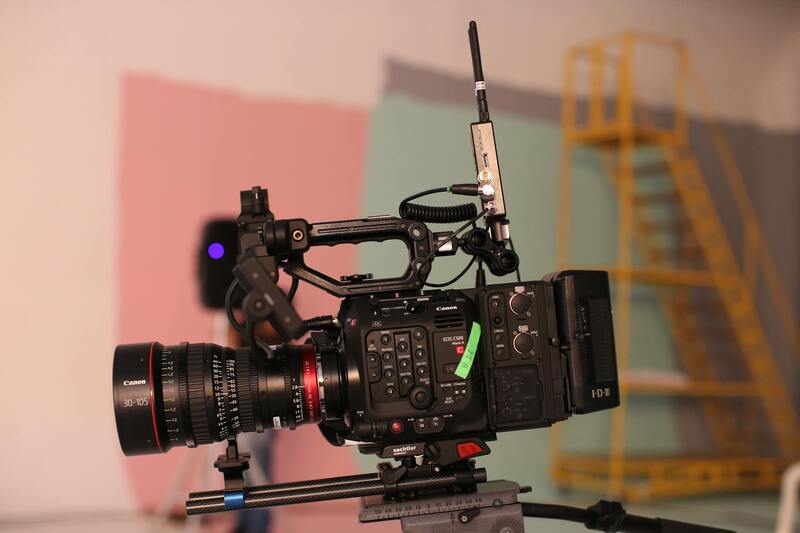
In essence, the success of superyacht photography hinges on strategic planning, technical proficiency, and the ability to adapt quickly to the maritime environment. It involves harmonizing the technical aspects of camera work with the practical realities of working aboard a vessel—ultimately capturing images that evoke a sense of grandeur and exclusivity for clients seeking unparalleled visual storytelling.
Role and Responsibilities of a Superyacht Photographer
A superyacht photographer holds the crucial responsibility of capturing images that highlight the vessel's luxury, design, and intricate details. Their role extends beyond simple photography, demanding an understanding of the yacht’s architecture, interior design, and the yacht's operational environment. This expertise enables them to produce imagery that not only showcases the yacht’s aesthetic appeal but also aligns with the branding and marketing goals of yacht owners and brokers. Their responsibility includes creating compelling compositions under unique conditions, often involving challenging lighting, movement, and confined spaces onboard. Accurate depiction of the yacht’s scale and craftsmanship requires a keen eye for detail and a strategic approach to framing shots.
Superyacht photographers also work closely with interior designers, brokers, and yacht builders to ensure the imagery aligns with the vessel’s concept and the client’s expectations. They often create a visual narrative that conveys the lifestyle potential of the yacht, emphasizing luxurious spaces and scenic maritime environments. Additionally, they are responsible for ensuring high-quality retouching that preserves the authenticity of the vessel while enhancing its visual appeal. This comprehensive approach ensures the final images serve multiple purposes, from marketing materials to editorial features, reflecting the exclusivity and craftsmanship of each superyacht.
Technical Skills and Equipment Used
Proficiency in advanced photographic techniques and familiarity with top-tier equipment are vital for superyacht photographers. They typically utilize high-resolution DSLR or mirrorless cameras equipped with wide-angle lenses, telephoto lenses, and sometimes specialized macro or tilt-shift lenses. Drone photography has become increasingly prominent, offering expansive shots of the yacht from various angles and elevations, which elevate the visual storytelling aspect.
Lighting plays a significant role, and photographers often rely on natural light during daylight shoots. However, they are also skilled in manipulating artificial lighting to highlight specific features or to compensate for variable weather conditions. Stabilizing equipment such as gimbals or drone stabilization rigs ensures sharp images, even in motion or turbulent sea conditions. Post-production software like Adobe Photoshop and Lightroom is essential for color correction, detail enhancement, and aesthetic consistency across a series of images.
Understanding Yacht and Maritime Environments
Successful superyacht photography hinges on an in-depth understanding of the maritime environment. Photographers must consider factors like natural lighting conditions at different times of the day, weather variations, and the movement of the vessel. They need to optimize shooting times, often during golden hour, to produce warm, inviting images that highlight the yacht’s features and surroundings.
Familiarity with maritime safety protocols is also essential. Photographers should be aware of operational procedures on vessels, including navigation, crew movements, and safety measures, to work efficiently without disrupting onboard activities. This knowledge allows them to plan shoots that are both safe and effective, ensuring they can access the best angles while respecting the vessel's operations.
Client Expectations and Customization of Photoshoots
Every client has unique visions and branding standards that influence the scope of a superyacht photography session. Whether the focus is on interiors, exteriors, crew lifestyle, or scenic backdrop shots, photographers must tailor their approach accordingly. This involves detailed consultations beforehand to understand client priorities, preferred angles, styling requirements, and desired mood for the images.
Custom shoots may include staged scenes, portraiture, or candid moments that evoke a sense of luxury and adventure. Photographers also prepare shot lists to ensure all vital aspects of the yacht are captured, from intricate decor details to panoramic views of the vessel at sea. Flexibility and creativity are critical, as conditions can change unexpectedly on the water, warranting quick adjustments to the plan to meet client expectations effectively.
Logistics and Challenges of Shooting on Superyachts
Organizing a superyacht photoshoot involves meticulous planning. The logistics include coordinating with crew members, securing permissions for access, and scheduling shoots during optimal weather conditions. The confined spaces onboard require the photographer to be resourceful with angles and lighting, often needing elaborate setups to achieve the desired shots.
One of the key challenges is working amidst a moving platform. Stability is crucial, particularly when using equipment like drones or high-value camera gear, and often requires stabilization devices or specific shoot techniques. Additionally, logistical considerations such as timing with tides, scheduling around the yacht’s operational timetable, and minimizing disruptions to the vessel’s regular activities are vital for a seamless shoot.
Overcoming these challenges demands extensive experience, foresight, and a solid understanding of maritime operations. Effective communication with the crew and proactive planning contribute significantly to the success of each session, ensuring high-quality visuals that capture the essence of luxury lifestyle at sea.
The Superyacht Photography Market in Miami
Miami stands out as a premier hub for superyacht photography, owing to its vibrant yacht industry and luxurious lifestyle associations. The region attracts some of the most exclusive yachts in the world, providing photographers with ample opportunities to showcase their expertise in capturing high-end vessels amidst stunning coastal backdrops. Many professional superyacht photographers in Miami develop strong networks within the industry, collaborating with yacht brokers, charter companies, and luxury brands.
The local market demands a high standard of visual storytelling, emphasizing both technical mastery and artistic vision. As a result, Miami-based photographers often invest in the latest equipment and continuously refine their craft to stay competitive. They also participate in industry events, yacht shows, and promotional shoots to expand their portfolios and attract elite clientele.
Role and Responsibilities of a Superyacht Photographer
Superyacht photographers carry the crucial task of visually representing luxury vessels and the lifestyle they embody. Their responsibilities extend beyond mere image capture, involving meticulous planning to ensure each shot aligns with the client’s brand and aesthetic preferences. This includes coordinating with crew members, understanding yacht specifications, and respecting maritime safety protocols during shoots. The ultimate goal is to create compelling visuals that showcase the vessel’s design, craftsmanship, and the opulence of the yachting experience.
They are often tasked with producing a variety of images—interior shots highlighting bespoke furnishings, exterior images emphasizing yacht design, and lifestyle photos capturing onboard activities. Photographers must also be adept at capturing the ambiance of the surrounding environment, such as the stunning Miami coastline or exotic cruising destinations. This multidimensional approach demands a keen eye for detail and an ability to adapt quickly to changing conditions on board.
A superyacht photographer must also manage post-production processes, ensuring color accuracy, image sharpness, and overall aesthetic appeal. Effective communication with clients is vital to understand their expectations and to tailor the visuals accordingly. The photographer’s work is often pivotal in marketing campaigns, catalogues, and promotional materials for yacht sales or charter services, making precision and consistency essential elements of their role.
Technical Skills and Equipment Used
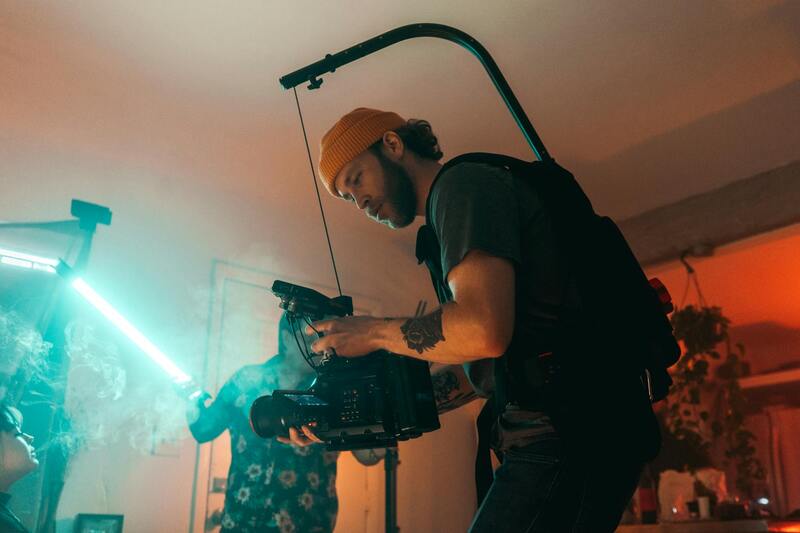
Proficiency in advanced photography techniques is fundamental for superyacht photographers. They typically employ high-resolution DSLR or mirrorless cameras, equipped with wide-angle and telephoto lenses to accommodate diverse shooting scenarios. Drones are increasingly integral for capturing aerial perspectives, offering sweeping views of yachts against scenic coastlines or open seas. Stabilization equipment like gimbals are essential for smooth footage and sharp images, especially when shooting in motion or challenging maritime conditions.
Photographers must also be skilled in HDR imaging, panoramic stitching, and color grading to enhance the visual impact. Proper lighting equipment, including external strobes and reflectors, helps illuminate interior spaces without disrupting the natural ambiance. Additionally, waterproof housings and protective gear safeguard equipment against humidity and saltwater exposure. In post-processing, advanced editing software ensures images meet high standards for clarity, color accuracy, and aesthetic appeal.
Understanding Yacht and Maritime Environments
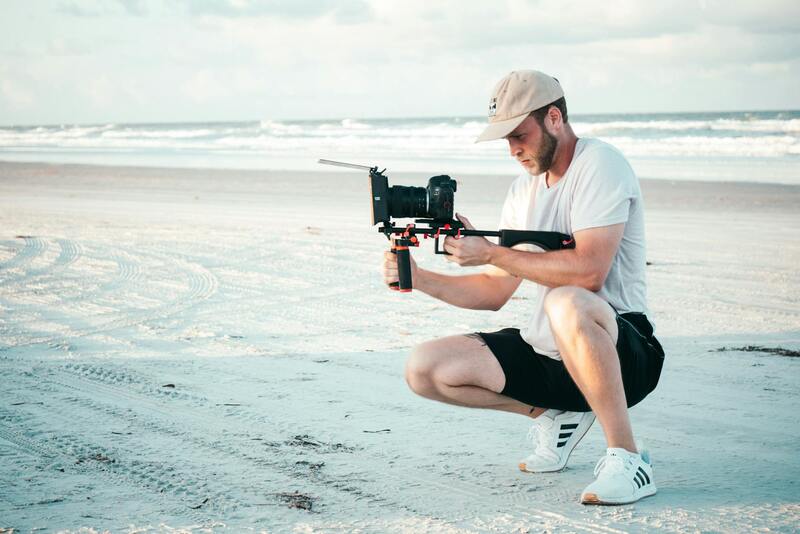
Successful superyacht photography hinges on a thorough understanding of maritime environments and vessel characteristics. Photographers should familiarize themselves with yacht layouts, interior designs, and navigation principles to prioritize safety and efficiency during shoots. Recognizing lighting conditions typically encountered at sea, such as the quality of natural light during different times of day, is crucial for optimal image capture.
Being conversant with maritime safety protocols ensures smooth cooperation with crew members and minimizes disruptions. Additionally, understanding sea conditions and weather patterns helps in scheduling shoots, avoiding rough seas or inclement weather that could compromise both safety and image quality. Knowledge of yacht classifications, luxury amenities, and design themes allows photographers to tailor their approach, highlighting features that resonate with affluent clientele seeking exclusivity and elegance.
Client Expectations and Customization of Photoshoots
Clients commissioning superyacht photography typically seek visuals that evoke a sense of sophistication, exclusivity, and adventure. Customization begins with detailed consultations where photographers understand the client’s vision, target audience, and branding goals. Whether the shoot aims to showcase a new yacht model, promote charter services, or create content for marketing campaigns, adaptations are made to style, lighting, and composition accordingly.
Photo sessions may include themed setups, staged lifestyle scenes, or candid shots of guests enjoying onboard amenities. Photographers often work closely with yacht managers and lifestyle coordinators to ensure the narrative aligns with the luxury experience. Post-shoot edits are also tailored, with options for retouching, color grading, or adding graphical elements to produce professionally polished images suitable for print or digital media.
Logistics and Challenges of Shooting on Superyachts
Conducting photography sessions on superyachts involves intricate logistical planning. Arrangements must account for access permissions, scheduling around yacht operations, and coordinating with crew members. The limited space onboard necessitates careful management of equipment to prevent damage and ensure safety. External factors such as sea conditions, weather, and lighting variability further complicate planning.
Challenges also include working in confined or unconventional spaces, adapting to unpredictable lighting, and maintaining stability while shooting in motion. Time constraints are common, requiring efficient workflow and swift decision-making to maximize limited shoot windows. Overcoming these hurdles demands flexibility, experience, and strong organizational skills, ensuring the final images meet high standards despite environmental constraints.
The Superyacht Photography Market in Miami
Miami’s prominence as a hub for luxury yachting creates a vibrant market for superyacht photography. The city attracts a diverse clientele, including yacht owners, brokers, charter companies, and luxury brands seeking expert imagery to showcase their vessels and services. The competitive landscape encourages photographers to differentiate themselves through innovative techniques and high-quality visuals that reflect the city’s opulent lifestyle.
Networking plays a vital role in establishing a foothold within this market. Participation in yacht shows, industry events, and exclusive galas helps photographers build relationships with key stakeholders. Continuous improvement in technical expertise and investment in cutting-edge equipment further enhance their competitiveness. Miami-based photographers often collaborate on promotional campaigns, social media content, and high-profile publications, consolidating their reputation as top-tier superyacht image creators.
The market’s dynamic nature promotes a constant pursuit of artistic growth, fostering an environment where innovation in photographic perspectives is highly valued. As the luxury yachting industry evolves, so does the demand for visually compelling storytelling that captures the essence of exclusivity and grandeur characteristic of Miami’s yachting scene.