Understanding the Role of a Yacht Photographer
A yacht photographer specializes in capturing the beauty, luxury, and intricate details of high-end vessels through professional photographic techniques. These experts are tasked with producing visually stunning images that effectively showcase yachts for various purposes, including marketing, sales, and personal memories. Their role extends beyond simple picture-taking; it involves a comprehensive understanding of yacht design, marine environments, and lighting conditions to highlight the vessel's features in the most appealing manner.
Yacht photographers often work closely with yacht owners, brokers, and marketing agencies to deliver images that enhance the vessel's appeal. They are responsible for planning photoshoots meticulously, considering factors such as angles, lighting, and composition to emphasize the yacht's luxury and craftsmanship. Their work plays a crucial part in the promotional efforts of yacht brokers and sales teams, helping to attract discerning clients from around the world.
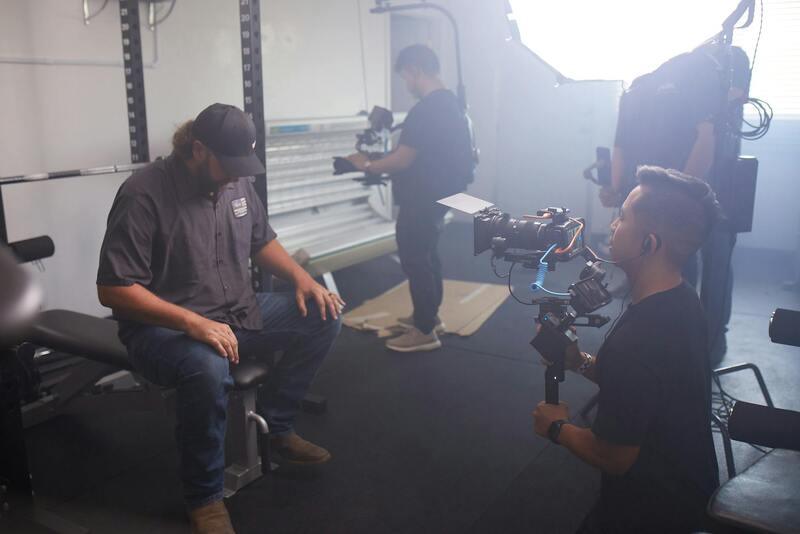
A proficient yacht photographer combines artistic vision with technical expertise. They understand how to balance natural and artificial lighting to highlight the yacht’s most attractive features and ensure images convey the vessel’s size, elegance, and craftsmanship accurately. The importance of this role cannot be overstated, as captivating visuals can significantly influence luxury yacht sales and ownership experience.
Beyond the aesthetics, yacht photographers also focus on capturing various perspectives, including exterior shots, interior layouts, and details such as fixtures and finishes. These images are often utilized in marketing brochures, online listings, and promotional campaigns, making the photographer's role vital in creating an immersive visual story of each yacht.
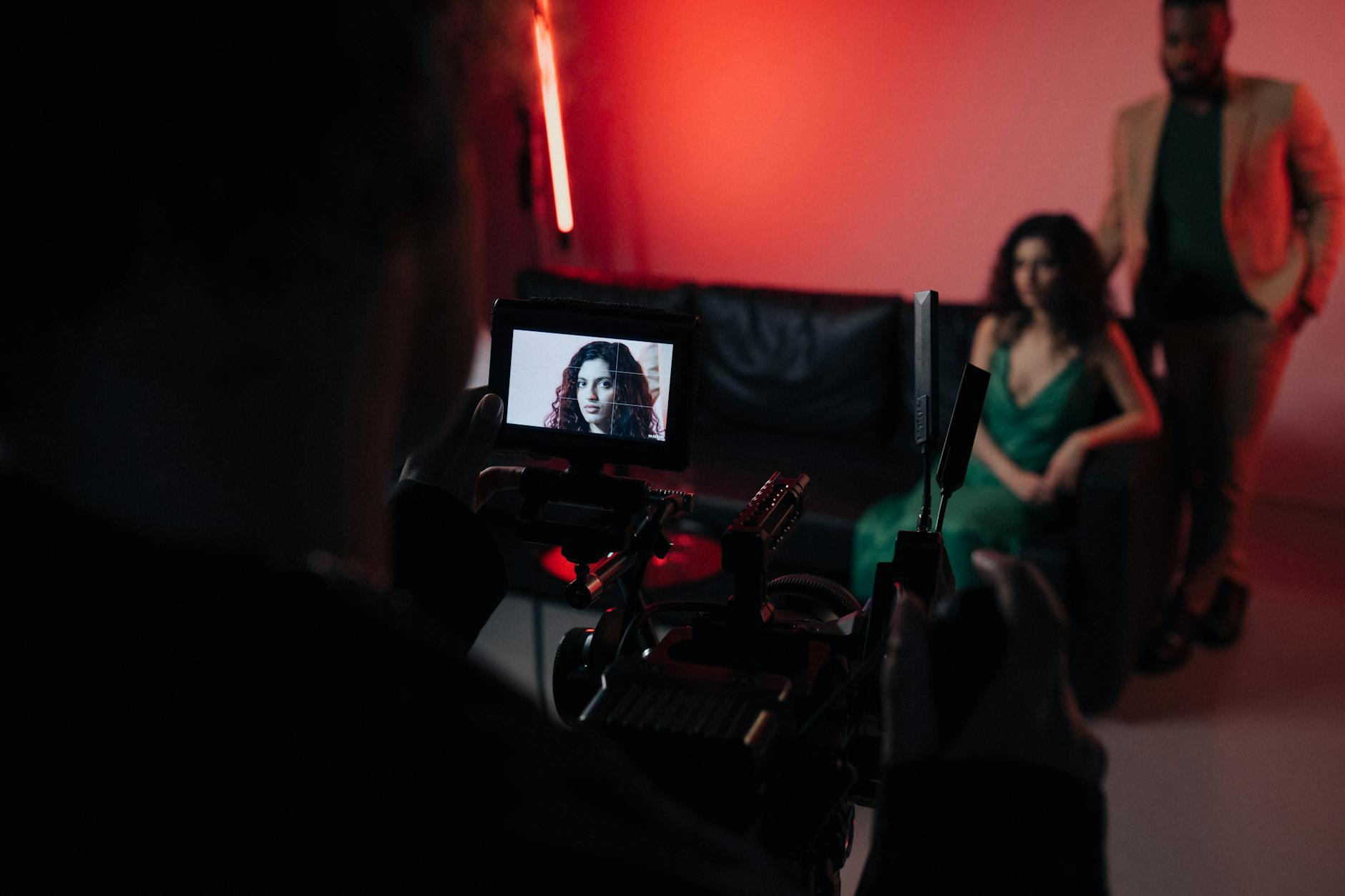
It’s essential for yacht photographers to stay updated with the latest advancements in photography technology, editing software, and industry trends. This ensures that their images remain competitive in the high-stakes market for luxury yacht sales and leasing. From capturing sleek lines and reflective surfaces to illustrating the spaciousness and luxurious amenities, yacht photographers serve as the visual storytellers of the seas, translating architectural and design excellence into captivating imagery that resonates with prospective buyers and enthusiasts alike.
Key Skills and Equipment Needed for Yacht Photography
Producing exceptional yacht photography requires a specific set of skills and top-tier equipment that can handle the unique challenges presented by maritime environments. A professional yacht photographer must possess mastery in composition, lighting, and post-production techniques to deliver images that truly capture the essence of each vessel. Expertise in managing reflections, capturing the yacht’s interior and exterior in various lighting conditions, and portraying scale accurately is fundamental. Proficiency in using high-resolution DSLR or mirrorless cameras is essential, as these devices offer superior image quality and flexibility in different shooting scenarios. Wide-angle lenses enable the photographer to encompass the yacht’s entire exterior and interior spaces, highlighting the vessel’s grandeur. Telephoto lenses, on the other hand, are useful for capturing finer details and distant shots that emphasize craftsmanship and design intricacies. Stabilization equipment such as gimbals and drone technology are increasingly integral to yacht photography. Drones permit the capture of expansive exterior shots from dramatic aerial perspectives, showcasing the yacht within a scenic backdrop that enhances visual appeal. Stabilizers ensure sharp images during handheld shooting, especially in the dynamic environment of a moving yacht or when dealing with challenging lighting conditions. Lighting mastery extends beyond natural sunlight. Photographers often utilize portable flash units, reflectors, and diffusers to balance shadows and enhance details without compromising the scene's authenticity. Post-processing software like Adobe Photoshop and Lightroom plays a vital role in refining images—correcting color balance, enhancing contrast, and removing distractions while preserving the yacht’s natural beauty. Understanding maritime safety protocols is also crucial for yacht photographers. Navigating the decks, working with crew members, and handling equipment on a vessel require a keen awareness of safety procedures, ensuring productive shoots without incident. In addition to technical skills, a yacht photographer must possess a keen artistic eye to compose shots that highlight the yacht’s distinctive features, such as sleek hull lines, luxurious interiors, and panoramic views. The ability to adapt quickly to changing weather conditions and lighting situations—while maintaining a professional demeanor—is indispensable. Overall, excellence in yacht photography hinges on an integrated approach combining specialized technical skills, the latest equipment, and a deep understanding of the marine environment. These elements ensure that every shot underscores the yacht's elegance, craftsmanship, and unique qualities, ultimately supporting successful marketing and sales efforts.
Importance of Location and Lighting in Yacht Photography
For a yacht photographer, selecting the optimal location and understanding the environmental conditions are fundamental to capturing compelling imagery. The unique positioning of a yacht often dictates the quality and style of photos produced. Choosing sites with unobstructed views, natural light, and minimal visual distractions enhances the yacht’s appeal. Popular locations in Miami, such as Biscayne Bay or the Intracoastal Waterway, provide abundant scenic backdrops and diverse lighting opportunities that can be leveraged to accentuate the yacht's features.
Natural light plays a pivotal role in maritime photography. The golden hours around sunrise and sunset offer warm, diffused light that softens reflections and reduces harsh shadows, creating a luxurious and inviting atmosphere. During midday, when the sun is directly overhead, shadows are more defined, which can emphasize the yacht’s sleek lines but requires careful management of reflections and glare. Overcast days, although less predictable, can diffuse light uniformly, reducing glare and producing a softer aesthetic that highlights intricate interior details or specific exterior characteristics.
Effective use of location involves strategic positioning around the vessel. Shooting from elevated points grants sweeping panoramic views, emphasizing the yacht’s size and design. Conversely, lower or water-level shots can capture the yacht’s hull craftsmanship and dynamic movement. It’s essential to consider tide levels and weather patterns, as these factors influence water clarity and reflection, which directly impact image quality.
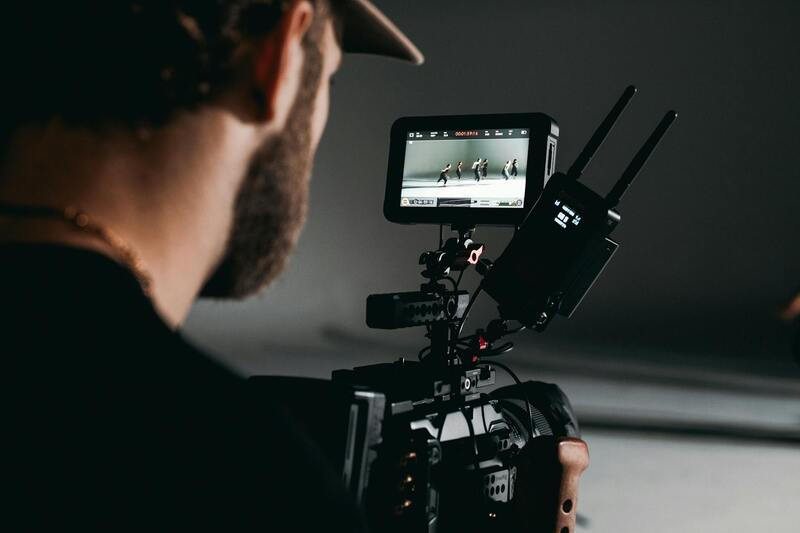
Equipment choices also align with environmental considerations. Professional cameras with high dynamic range capabilities, polarized filters, and helicopter or drone integrations are often employed to handle bright reflections from the water surface and interior lighting variations. Post-shoot adjustments further refine the images, ensuring they highlight the yacht’s elegance while conveying a sense of luxury and adventure.
Understanding the Role of a Yacht Photographer
A yacht photographer specializes in capturing the luxurious features, sleek design, and elegant ambiance of yachts through professional photography techniques. This role involves more than just snapping pictures; it requires an understanding of maritime aesthetics, lighting conditions at sea, and the unique attributes of each vessel. A yacht photographer’s primary responsibility is to produce compelling images that showcase the vessel’s beauty and appeal to prospective buyers, charter clients, or event hosts. These images serve as powerful marketing tools for brokers and owners seeking to highlight the yacht’s craftsmanship and luxurious amenities.
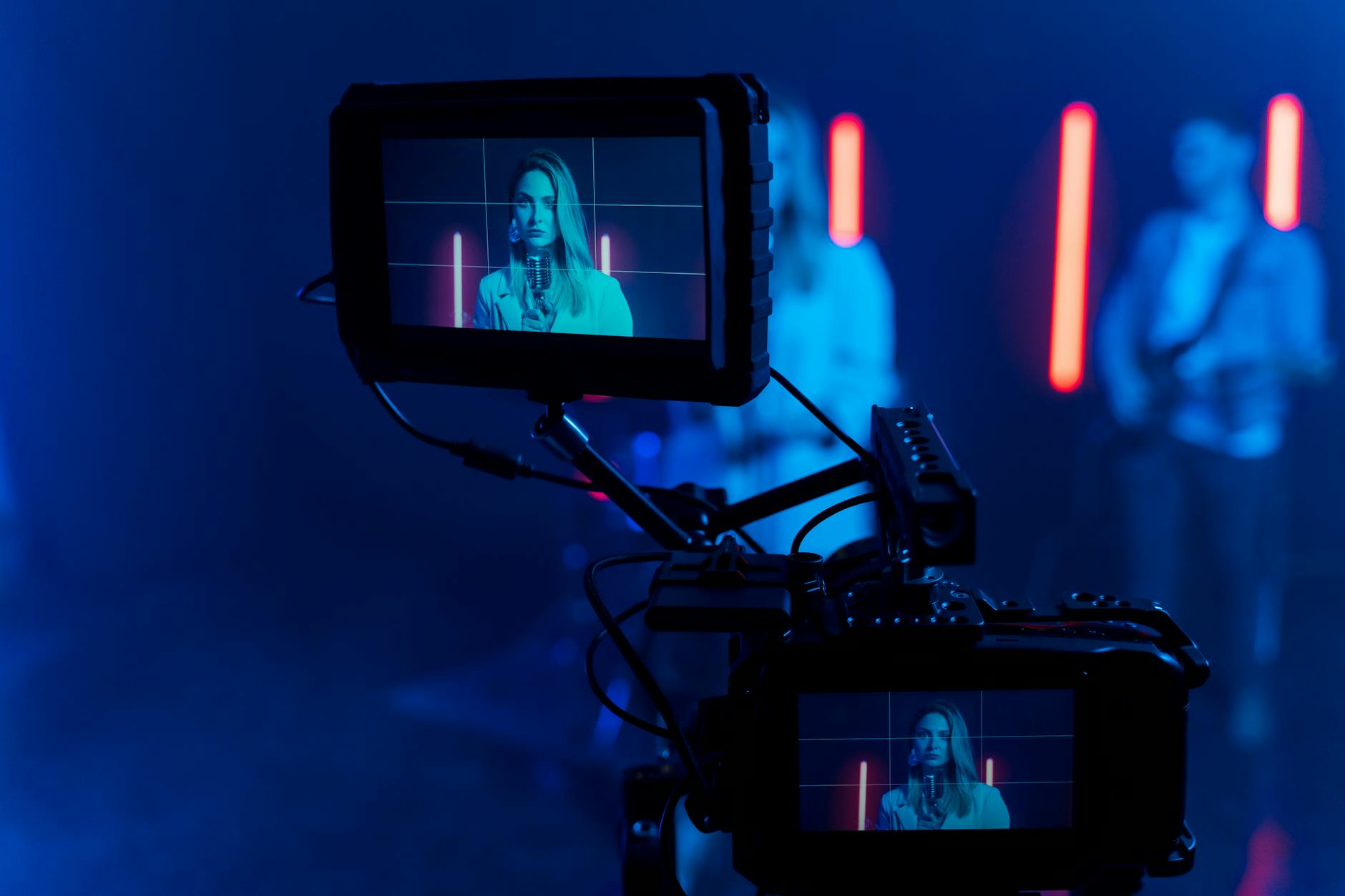
Beyond technical skill, the yacht photographer must possess an artistic eye to compose shots that accentuate a vessel’s best features. This includes selecting optimal angles, controlling reflections on the water or windows, and utilizing natural lighting to evoke a specific mood. When photographing yachts, especially in a vibrant market like Miami, a blend of technical prowess and creative vision ensures that each image captures the essence of the vessel, enticing potential clients and elevating the vessel’s allure in competitive listings.
Key Skills and Equipment Needed for Yacht Photography
Succeeding as a yacht photographer demands a comprehensive toolkit and mastery of advanced photographic techniques. Camera equipment should include high-resolution DSLR or mirrorless cameras capable of capturing fine details under varying lighting conditions. Lenses selected for yacht photography typically range from wide-angle options for exterior shots to telephoto lenses for detailed interior or close-up features. Additionally, polarized filters are essential to manage reflections on water surfaces and glass windows, enhancing clarity and reducing glare.
Other equipment crucial for this specialized field includes drone technology to obtain sweeping aerial views, stabilizers for smooth shots, and external lighting to illuminate interior spaces in shadowed areas. A keen understanding of environmental factors such as sunlight angles, water reflections, and weather conditions is vital to optimize each shot. Post-processing software like Adobe Photoshop or Lightroom allows a yacht photographer to fine-tune color balance, correct distortions, and enhance overall image clarity, ensuring the final product reflects the vessel’s true luxury appeal.
Types of Yacht Photography Services Offered
Yacht photographers provide a variety of services tailored to client needs. These include:
- Exterior yacht photography: Showcasing the yacht’s hull, deck, and overall design from multiple angles, often utilizing drone footage for expansive views.
- Interior yacht photography: Capturing the elegance of cabins, lounges, and amenities using strategic lighting and careful staging.
- Event coverage: Documenting yacht parties, onboard events, or private gatherings to highlight the vessel in social settings.
- 360-degree virtual tours: Creating immersive digital experiences that allow prospective clients to explore the yacht remotely.
- Luxury lifestyle imagery: Capturing the vessel engaging in activities such as cruising or at anchor, emphasizing the lifestyle associated with yacht ownership.
Each service is designed to meet the specific marketing goals of yacht owners and brokers, ensuring their vessels are presented in the most appealing and professional light across all platforms.
Working with Yacht Owners and Brokers in Miami
Collaborating with yacht owners, brokers, and production agencies in Miami requires a strategic approach that prioritizes clear communication and a thorough understanding of each client’s specific needs. The process begins with detailed consultations to identify the key features of the vessel that should be highlighted to maximize appeal. Establishing a timeline is essential, especially considering Miami’s dynamic weather patterns and the optimal conditions required for capturing high-quality images.
Effective coordination involves scheduling shoots during favorable lighting hours, typically early morning or late afternoon, when natural light accentuates the yacht’s design and finishes. It also involves understanding the yacht's usage, whether it is a private vessel or a brokerage listing, to tailor the photography style accordingly. For instance, luxury lifestyle images may emphasize the yacht's recreational features in situ, while renderings or staged interiors focus on craftsmanship and comfort.
Building strong relationships with clients in this niche industry ensures a seamless workflow, from initial planning and site visits to final delivery of images. Good communication ensures that all parties are aligned on the creative vision and logistical details, such as access, safety procedures, and permissions. Establishing trust and professionalism enhances repeat collaborations and helps foster a reputation for reliability within Miami’s vibrant yachting community.
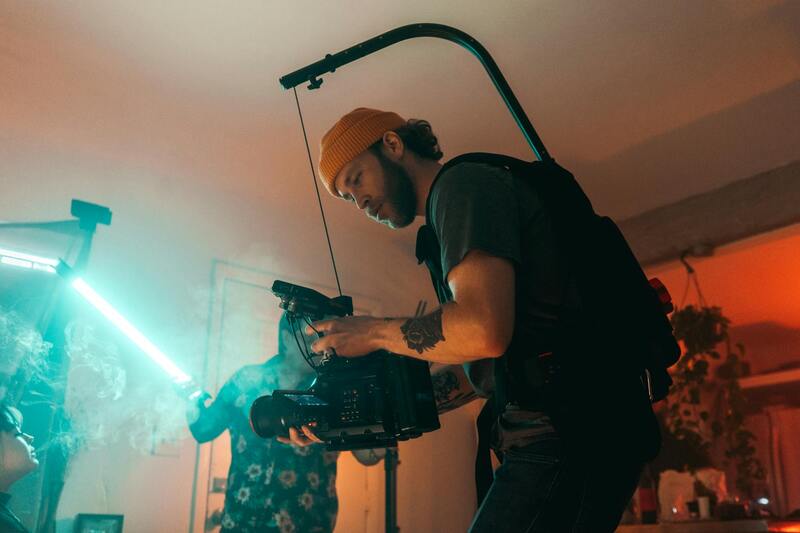
Yacht photographers often work closely with brokers to tailor marketing content that aligns with current sales strategies and branding efforts. This collaboration may extend to creating promotional materials such as brochures, online listings, or social media content, all designed to showcase the yacht's unique qualities. Maintaining flexibility and adaptability during shoots ensures the final imagery captures the vessel’s most compelling features, accounting for weather variations and operational schedules.
Furthermore, establishing a reliable network of local contacts—such as boat handlers, drone operators, and staging professionals—enhances the efficiency and quality of the shoot. These relationships help streamline planning, reduce logistical hurdles, and ensure that each project adheres to the highest standards of professionalism and safety. Overall, working with yacht owners and brokers in Miami depends on a delicate balance of technical skill, industry knowledge, and personal rapport, fueling successful and memorable visual storytelling.
Leveraging Official Documentation and Permits for Yacht Photography
Securing the appropriate documentation and permits is a fundamental step in establishing a credible yacht photography practice in Miami. Such documentation not only facilitates smooth operations during photo sessions but also demonstrates professionalism and adherence to local regulations. This process typically involves obtaining specific permissions from relevant maritime authorities, marina management, or private yacht owners, depending on the location and scope of the shoot.
For photographers operating in high-profile or sensitive environments, having a clear set of permits ensures access to designated areas of the yacht or restricted zones within marinas. These permits often require a comprehensive outline of the shoot plan, safety protocols, and liability coverage. By proactively managing these legal requirements, yacht photographers can prevent delays, avoid interference with yacht operations, and safeguard themselves against unforeseen disputes.
One of the most effective ways to secure these permissions is through official channels, such as submitting formal applications to maritime authorities or working with licensed agents familiar with yacht regulations in Miami. This approach guarantees that all necessary paperwork is validated and that the photographer’s credentialing aligns with industry standards. Additionally, maintaining an organized record of issued permits and licenses bolsters credibility and reassures yacht owners and brokers that their assets are being handled with utmost responsibility.
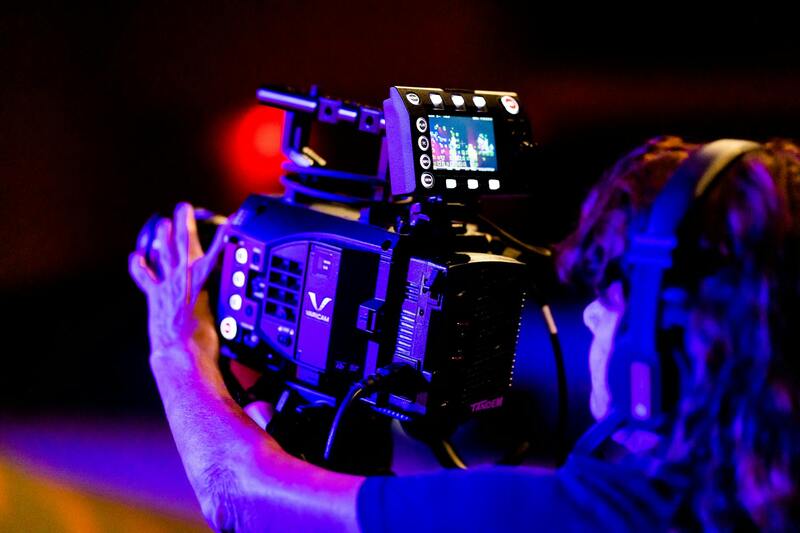
Beyond permits, professional liability insurance is also crucial. It covers potential damages or accidents that may occur during a shoot, protecting both the photographer and the client. Many high-end yacht owners and brokers expect photographers to carry comprehensive insurance as part of their service package, reflecting a commitment to safety and accountability.
Actively engaging with local maritime agencies and industry associations can further streamline the permit process. These organizations often provide updates on regulatory changes, assist in expediting paperwork, and serve as valuable contacts within Miami’s yachting community. Ultimately, adherence to official procedures and transparent documentation foster trust and demonstrate a photographer’s dedication to maintaining a high standard of professionalism in every project.
Understanding the Role of a Yacht Photographer
A yacht photographer specializes in capturing high-quality images of luxury yachts, both exterior and interior, to showcase their design, craftsmanship, and appeal. Their expertise extends beyond basic photography skills, requiring a deep understanding of yacht features, marine environments, and client expectations. These professionals possess an eye for detail and an ability to highlight the unique aspects of each vessel, often working closely with yacht owners, brokers, and marketing teams.
Embarking on yacht photography involves navigating complex logistics that include scheduling shoots around yacht availability, weather conditions, and desired lighting scenarios. Successful yacht photographers are proficient in managing these variables while maintaining a professional and discreet presence. Their role is crucial in producing visual content that not only attracts potential buyers or charter clients but also elevates the yacht’s brand image within the competitive luxury market.
Key Skills and Equipment Needed for Yacht Photography
Efficient yacht photographers possess a combination of technical prowess and artistic sensibility. Critical skills include an understanding of lighting conditions, composition, and digital editing. Mastery over specialized equipment such as high-resolution DSLR or mirrorless cameras, wide-angle lenses for expansive shots, and stabilizers for smooth footage is fundamental.
- Camera Gear: High-end digital cameras capable of capturing fine details and performing well in low-light conditions.
- Lenses: Wide-angle lenses for interior shots, telephoto lenses for distant details, and macro lenses for close-up features.
- Lighting Equipment: Portable lighting solutions or reflectors to enhance natural light, especially in shaded or interior spaces.
- Accessories: Drone technology for aerial shots, gimbals for stable video footage, and waterproof gear for exterior, marine environments.
Beyond equipment, a yacht photographer’s proficiency in post-processing tools is vital for refining images and ensuring they meet high standards of clarity and color accuracy, which influence the vessel’s visual impact.
Types of Yacht Photography Services Offered
The scope of yacht photography services is diverse, tailored to meet different client needs within the luxury yachting sector. These include:
- Exterior Photography: Showcasing the yacht’s innovative design, sleek lines, and outdoor features suitable for marketing brochures and online listings.
- Interior Photography: Highlighting luxury cabins, lounges, and amenities, emphasizing comfort and style to attract high-end clientele.
- Aerial Shots: Using drones to capture stunning views from above, illustrating yacht placement within scenic locations or marina layouts.
- Event and Action Shots: Documenting yacht parties, water sports, or cruising scenarios to convey lifestyle and entertainment aspects.
- Video Tours: Producing dynamic walkthroughs and 360-degree views to enhance virtual viewing experiences for clients overseas.
Importance of Location and Lighting in Yacht Photography
Choosing the right backdrop and optimizing natural light are crucial elements that influence the visual quality of yacht images. A well-selected location can accentuate the vessel's features, whether anchored in a picturesque bay or docked at a bustling marina. The surrounding environment provides context and enhances the glamour associated with luxury yachting.
Lighting conditions, particularly during the golden hours—shortly after sunrise or before sunset—offer soft, warm illumination that accentuates details and creates a captivating atmosphere. Overcast days can also be advantageous, diffusing light evenly and reducing harsh shadows. Experienced yacht photographers plan their shoots meticulously, taking into consideration weather forecasts and natural lighting patterns to ensure ideal shooting conditions.
Final Considerations for Hiring a Yacht Photographer in Miami
When seeking a professional yacht photographer in Miami, it is essential to prioritize individuals or agencies with a proven track record of capturing luxury vessels with sophistication and technical excellence. A seasoned photographer’s experience in the maritime and luxury lifestyle sectors ensures a nuanced understanding of how to highlight the unique features of each yacht, from sleek hull designs to intricate interior details. Having a comprehensive portfolio that showcases a diverse range of yacht photography projects is indicative of their ability to adapt to different vessel styles, sizes, and client preferences.
It is also beneficial to select a photographer familiar with Miami’s vibrant and dynamic yachting scene. Local industry knowledge enables the photographer to recommend optimal locations, best times for shooting, and the nuances of working within marina environments. This familiarity can lead to more efficient sessions and higher-quality results, as they are adept at navigating the logistical aspects of yacht photography in such a lively maritime hub.
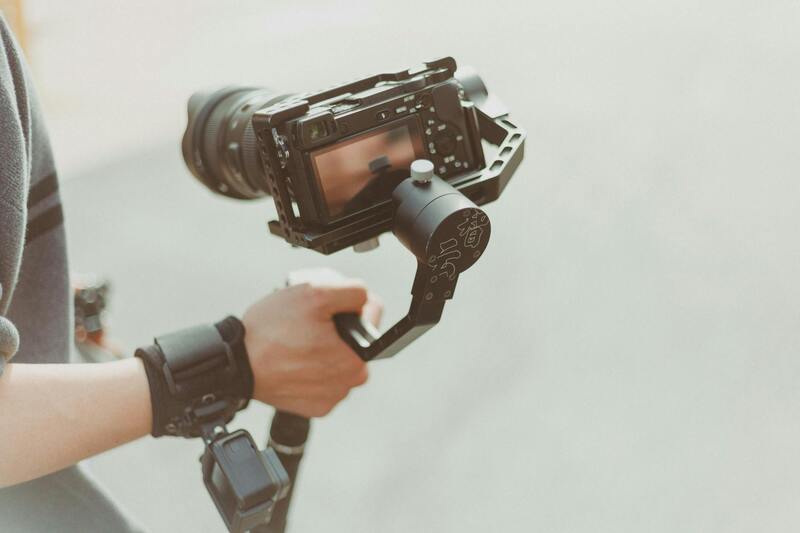
During the selection process, discussing specific project needs and expectations is crucial. Clarify whether the focus is on corporate promotional content, luxury marketing, or high-end personal branding. A professional photographer will tailor their approach accordingly, incorporating their expertise in lighting, composition, and post-processing to ensure the final images align with your vision and marketing goals.
- Review Credentials: Evaluate their portfolio for consistency and quality across different projects.
- Experience with Luxury Yachts: Confirm they have worked with vessels comparable to yours in size and style.
- Knowledge of Miami's Maritime Environment: Ensure they understand the local weather patterns, marina layouts, and scenic spots beneficial for photography.
- Technical Proficiency: Assess their mastery of camera equipment, drone photography, and editing software.
- Client Testimonials: Seek feedback from previous clients to gauge professionalism and results.
Ultimately, choosing the right yacht photographer in Miami involves aligning with a professional who combines technical skill, artistic vision, and local expertise to create compelling imagery that elevates your yacht's profile in the competitive luxury market.