Overview of South Florida Photography Scene
South Florida stands out as a vibrant hub for photography, attracting both professionals and enthusiasts due to its diverse landscapes, dynamic urban environments, and year-round favorable weather. The region encompasses a rich blend of cultural influences, natural beauty, and bustling cityscapes, making it an ideal destination for a wide range of photographic styles. Miami, often regarded as the entertainment and fashion capital of the area, is a key hotspot for fashion shoots, editorial photography, and high-end portrait sessions. Surrounding regions such as Fort Lauderdale, West Palm Beach, and the Florida Keys contribute additional unique backdrops, from pristine beaches to lush parks and historic districts.
The South Florida photography industry boasts a broad spectrum of services and specialties, supported by a community of skilled photographers who serve local residents, tourists, and international clients. The region's appeal as a tourism magnet and a cultural melting pot naturally fuels demand for professional photography, whether for personal milestones like weddings and family portraits or commercial ventures including branding, real estate, and hospitality marketing.
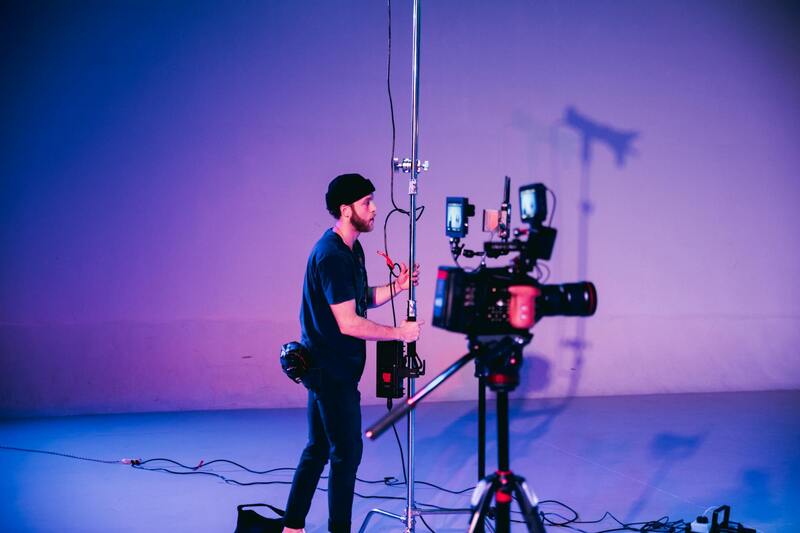
Unlike regions with limited scope, South Florida’s photography scene is characterized by its adaptability and specialization. Photographers often tailor their services to target specific markets such as luxury real estate, fashion, or events. The regional economy’s diversity ensures a steady influx of projects and opportunities, allowing photographers to build reputable careers and foster artistic innovation. This environment also encourages collaboration and networking among professionals, further boosting the quality and scope of available services.
Furthermore, the growth of digital media and social platforms has amplified the visibility ofSouth Florida photographers, helping them reach a broader client base while showcasing the region’s picturesque settings. As a result, the local photography industry continues to evolve rapidly, embracing new techniques, equipment, and trends to remain competitive and relevant in the global marketplace.
Key locations such as Miami’s South Beach, the Historic Art Deco District, and scenic spots like Everglades National Park or Key Biscayne exemplify the diverse photographic opportunities. Photographers here are not only capturing aesthetic landscapes but also documenting the vibrant urban life, cultural festivals, and unique natural environments that make South Florida an ideal backdrop for creative projects.
Legal and Licensing Considerations
Ensuring that a photographer operates within the appropriate legal framework is fundamental when selecting a professional in South Florida. Licensed photographers typically have registered their business with relevant local authorities, which often involves applying for necessary permits and adhering to regional regulations. This process not only affirms their compliance but also ensures they meet industry standards for quality, safety, and ethical practices.
For photographers offering commercial services, having the proper licensing helps facilitate smooth transactions, especially for high-profile projects such as advertising campaigns, fashion shows, or corporate events. It provides clients with confidence that the service provider maintains legitimate operations and safeguards client interests through formal agreements and documented credentials.
In addition to licensing, certifications from recognized professional bodies or industry associations can serve as indicators of credibility and expertise. These certifications often require ongoing education and adherence to ethical codes, further reinforcing the photographer’s commitment to quality and professionalism.
Understanding the necessary permits for location usage, drone photography, or photo sessions in public and private spaces is also important. Many popular South Florida sites such as Miami Beach or Everglades National Park have specific regulations governing commercial photography activities. Complying with these requirements avoids potential conflicts and ensures that the shoot proceeds without legal complications.
When considering a photographer, clients should ask for proof of licensing, insurance, and relevant permits, especially for large-scale projects or shoots involving equipment that may impact public spaces. This transparency reinforces trust and demonstrates the photographer’s commitment to lawful and responsible operation.
Legal and Licensing Considerations
Securing the appropriate legal permissions is essential for a seamless photography experience in South Florida. Photographers operating in this region must adhere to specific requirements that facilitate the use of public and private spaces for commercial and personal shoots. These permissions often involve obtaining permits from local authorities or land management agencies, especially when shooting in high-traffic tourist destinations or environmentally sensitive areas.
For instance, popular locations like Miami Beach, Coral Gables, and the Everglades have established procedures for approval of commercial photography. These permits ensure that shoots do not interfere with public access or disrupt local ecosystems. The process typically includes submitting detailed plans of the shoot, providing proof of insurance, and paying relevant fees. Ensuring these steps are followed helps avoid operational delays or potential penalties.
In addition to location-specific permits, drone photography in South Florida requires compliance with federal and state regulations. Operators must verify that their drone use aligns with FAA guidelines, especially over areas with restricted airspace or wildlife habitats. Licensing for drone pilots often involves FAA certifications, which attest to the pilot’s understanding of safety protocols and airspace regulations.
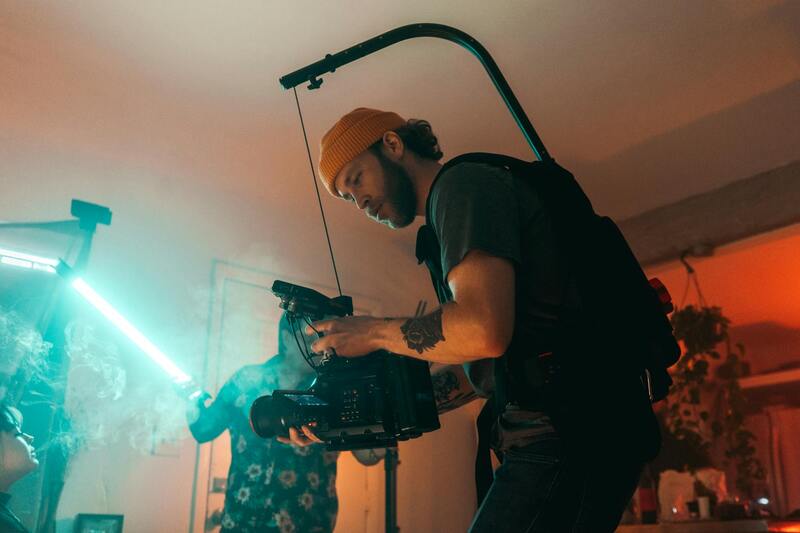
For all professional shooters, maintaining a comprehensive portfolio that includes proof of licensing, insurance coverage, and applicable permits demonstrates credibility and readiness for large-scale projects. Clients and agencies tend to prioritize photographers who transparently showcase these credentials, as they reflect compliance with regional and industry standards.
Understanding and fulfilling these legal obligations not only streamlines the production process but also reinforces a photographer’s reputation as a responsible and authorized professional in the South Florida market. When engaging with a photographer, clients should inquire directly about their licensing status and any necessary permits for specific shoot locations. This proactive approach reduces risk and ensures that the creative process proceeds without unnecessary bureaucratic interruptions.
Legal and Licensing Considerations
Engaging a professional photographer in South Florida involves understanding the legal frameworks that underpin successful and compliant shoots. While operating in this vibrant region, photographers must secure the appropriate licenses and permits tailored to the specific requirements of their projects and locations. These credentials demonstrate adherence to regional regulations and facilitate a smooth production process, preventing delays or unforeseen complications.
For commercial photography, permits are often necessary when capturing images in publicly accessible spaces, especially those with protected environments or high-traffic areas. Securing these permits often entails submitting detailed plans of the shoot, explaining the scope, equipment to be used, and duration of the project. Permits may also include safety measures and insurance documentation, emphasizing the photographer’s preparedness and professionalism.
In addition to location-based permissions, photographers utilizing drones for aerial shots must comply with federal regulations stipulated by the Federal Aviation Administration (FAA). This typically involves obtaining a remote pilot certificate and adhering to operational guidelines over populated areas, wildlife habitats, and restricted airspace zones.
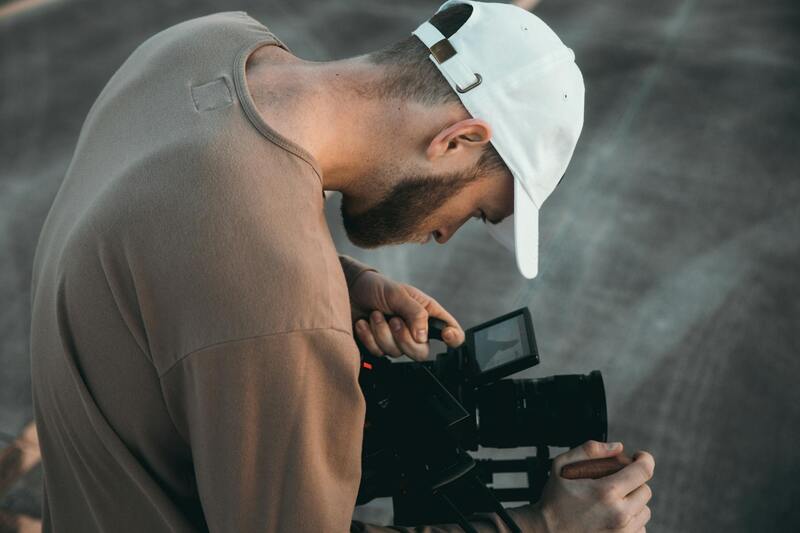
Photographers should carry proof of their licensing and insurance coverage to demonstrate their compliance and readiness. Showcasing these credentials not only enhances credibility but also reassures clients of the photographer’s capacity to manage large-scale or complex projects responsibly.
When hiring a photographer, clients are encouraged to verify their licensing status, inquire about specific permits for the shoot location, and review their insurance coverage. This due diligence helps streamline the planning process and minimizes bureaucratic hurdles, allowing focus to remain on creative outcomes.
Maintaining transparency about these credentials not only signifies professionalism but also aligns with industry standards, fostering trust and long-term collaborations. Ultimately, securing the necessary legal and licensing documentation is an investment in a smooth, successful photography venture within South Florida’s dynamic environment.
Legal and Licensing Considerations
In South Florida, engaging with a professional photographer involves understanding the essential legal and licensing frameworks that support a seamless photoshoot experience. Photographers operating in this region often need to secure specific permits when capturing images in public or protected areas, especially if the shoot involves aerial photography, the use of drones, or commercial-grade equipment. These permits are typically issued by local municipal authorities or state agencies, ensuring adherence to regulations designed to maintain safety and environmental integrity.
Procurement of appropriate permits is critical when planning to shoot in iconic locations such as beaches, parks, or city landmarks. This process often requires providing detailed information about the scope of the project, the type of equipment used, and the duration of the shoot. Not obtaining necessary permissions may result in disruptions, fines, or the halting of the photoshoot, affecting overall project timelines.
Additionally, photographers should carry proof of their licensing, which demonstrates their compliance with regional laws and regulations. This includes any professional licenses, drone operation certifications, and insurance documents, which underscore their capability to manage the project responsibly and mitigate potential liabilities.

For clients, verifying that a photographer holds the appropriate permits and licenses before establishing a contract provides assurance of their professionalism and adherence to industry standards. This due diligence also facilitates smoother project planning by reducing unforeseen legal obstacles. When reviewing a photographer’s credentials, clients should confirm their qualifications—such as drone certifications, licensing for commercial photography, and proof of insurance coverage—before proceeding.
By prioritizing legal and licensing considerations, both photographers and clients contribute to a responsible, efficient, and professional photography environment in South Florida. Clear communication about these aspects not only fosters trust but also ensures that projects comply with regional guidelines, ultimately leading to successful outcomes and long-term collaborations.
Legal and Licensing Considerations
Understanding the legal framework surrounding photography in South Florida is fundamental for both professionals and clients alike. This involves securing the appropriate permits for on-location shoots, especially when working in protected areas, public parks, or private properties. Photographers should be well-versed in the specific permits required by different municipalities or state agencies to ensure compliance and to avoid disruptions or fines.
Furthermore, licensing specific to certain photographic activities—such as drone photography—must be adhered to strictly. Certified drone operators who wish to capture aerial footage are required to hold valid certifications, and their operations must align with federal and state regulations. Maintaining proof of these licenses not only affirms their qualification but also streamlines permissions when working in sensitive or regulated zones.
Equally important are contractual agreements that define the scope of usage rights, ownership, and licensing of the photographs. Clear contracts safeguard the rights of both the photographer and the client, clarifying how images can be used, whether for commercial, promotional, or personal purposes. Licensing arrangements should specify duration, geographical scope, and any restrictions, avoiding potential disputes after the shoot.
For photographers, maintaining comprehensive insurance coverage is an essential component of responsible practice. Insurance documents demonstrate their preparedness to handle unforeseen circumstances, such as equipment damage or accidents during shoots, thereby assuring clients of their professionalism.
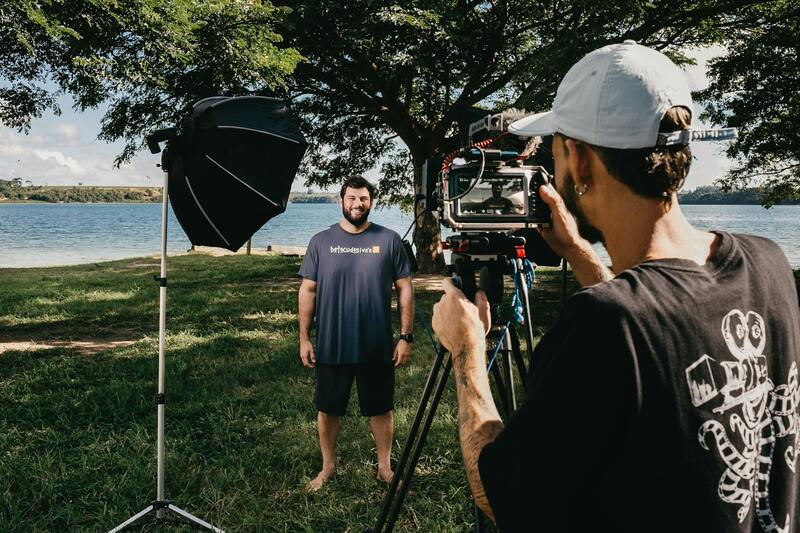
In addition to individual certifications, photographers should stay updated on local regulations that may impact their work. Regional ordinances might restrict shooting in certain areas or require specific permissions to prevent conflicts with property owners or local authorities. By proactively understanding these rules, photographers can plan shoots more effectively, avoiding interruptions caused by non-compliance.
Implementing a comprehensive legal approach enhances the credibility of South Florida photographers, ensuring their work aligns with regional standards and facilitates smooth collaboration with clients. Proper documentation, permits, and contractual clarity create a foundation for successful, legally compliant photography projects.
Legal and Licensing Considerations for South Florida Photographers
Understanding the appropriate legal and licensing requirements is crucial for photographers operating in South Florida. These regulations ensure that professional work is conducted smoothly, with all necessary permissions in place to avoid disruptions or conflicts. Photographers must obtain specific permits for certain types of shoots, especially those involving private properties or public spaces that require authorization from local authorities. Such permits not only facilitate lawful access but also demonstrate a commitment to responsible practice.
Official permits and licenses should be tailored to the scope of each project, clearly defining the geographic area, duration, and nature of the shoot. This precise documentation helps prevent misunderstandings and provides a record of compliance. In urban settings or protected natural environments, additional permissions may be needed, especially if drone photography or commercial shoots are involved. Local municipalities often have specific regulations governing activities such as commercial filming, drone operation, and the use of equipment in public areas.

Having comprehensive insurance coverage is equally important. It safeguards photographers against potential liabilities, including damage to equipment or accidents that could occur during a shoot. Insurance policies should explicitly cover the scope of activities being undertaken, such as aerial photography or portraits, providing clients with confidence in the photographer’s professionalism.
Beyond obtaining permits and maintaining insurance, photographers should stay updated on regional regulations that might affect their work. Local ordinances can impose restrictions on certain activities, such as drone use or shooting in specific protected zones, requiring prior approval. Familiarity with these rules helps in strategic planning and ensures that shoots comply with regional standards, ultimately promoting a seamless production process.
Having a robust legal framework not only facilitates lawful operations but also enhances the reputation of photographers within South Florida. When contractual agreements, permits, and insurance are in place, clients and collaborators benefit from clarity and security, fostering long-term relationships and consistent project success.
Legal and Licensing Considerations
Operating as a professional photographer in South Florida requires adherence to a comprehensive framework of legal and licensing standards. Ensuring that all necessary permits and licenses are in place not only facilitates smooth execution of projects but also protects the integrity of the business and its clients. Photographers must familiarize themselves with local, state, and federal regulations that may pertain to their specific area of work, such as commercial photography, drone operations, and the use of specialized equipment.
Securing appropriate permits is essential when shooting in public spaces, particularly in popular locations or protected areas. This can involve obtaining filming permits from city or county authorities, which specify permitted activities, filming hours, and area restrictions. For drone photography, operators are often required to have specific certifications and adherence to FAA guidelines, including registration and operational restrictions within certain zones.
Insurance coverage forms another critical component of a photographer's operational standards. Professional liability insurance safeguards against potential claims related to property damage, personal injury, or data loss during a shoot. Equipment insurance ensures that expensive cameras, lighting, and specialty gear are protected against theft, damage, or loss—reducing potential financial setbacks and demonstrating a commitment to professional standards.
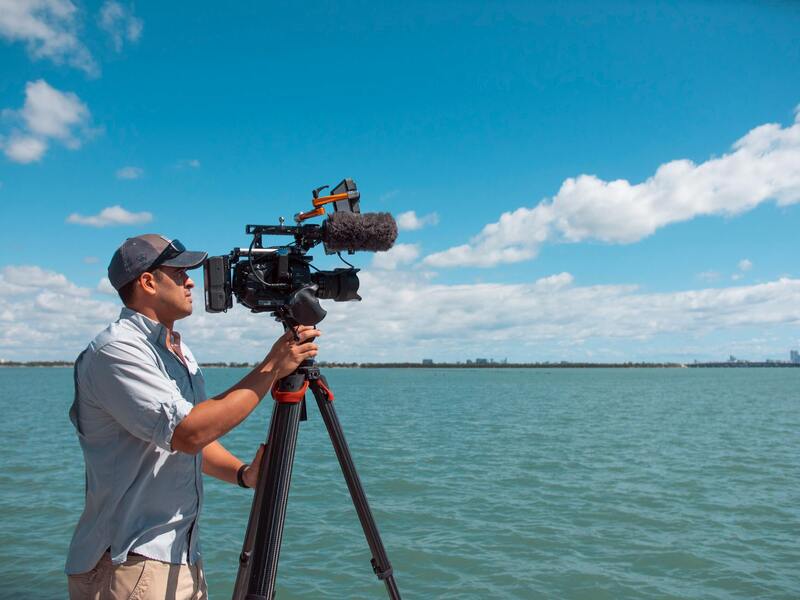
Moreover, understanding regional regulations about airspace use is vital when utilizing drones for aerial photography. South Florida features numerous protected and sensitive zones where drone flights may be restricted or require special authorization. Knowledge of these zones helps photographers plan their shoots more effectively and avoid unintended violations.
Having a clear, contractual agreement with clients is fundamental. Contracts should outline project scope, usage rights, and liability clauses to establish mutual understanding and accountability. This legal clarity minimizes misunderstandings and sets a professional tone for ongoing collaborations.
Staying informed about evolving regulations and regional guidelines is an ongoing process that helps photographers maintain high standards. Regular consultations with legal advisors and industry organizations can provide updates on new laws or regulations, fostering a compliant and reputable practice. Ultimately, a well-established legal and licensing foundation enhances credibility, instills confidence among clients, and paves the way for sustained success in South Florida’s dynamic photography industry.