Understanding the Importance of Real Estate Photography
In the competitive real estate market, captivating visual content can be the deciding factor that influences a potential buyer’s interest. High-quality real estate photography serves as the first impression of a property, often determining whether a listing garners further attention or gets overlooked. Well-executed images not only highlight the property's best features but also create an emotional connection with prospective buyers, encouraging them to explore the property further.
Professionally captured photos elevate a property's appeal by accurately representing its size, layout, and unique attributes. They facilitate faster sales by attracting more viewings and generating higher engagement online. In fact, listings with high-quality images tend to sell more quickly and often at a better price point, thanks to a clearer presentation of the property's value. For real estate professionals, investing in expert photography translates into increased visibility, credibility, and ultimately, a more efficient sales process.
Additionally, compelling visual content plays a crucial role in digital marketing strategies. From online listings to social media campaigns, high-caliber images increase the reach and attractiveness of a property across multiple platforms. This comprehensive approach helps real estate agents stand out amidst a crowded marketplace, ensuring that properties receive the attention they deserve. The influence of professional real estate photography underscores its essential role in modern property marketing and sales success.
Equipment and Techniques for Real Estate Photography
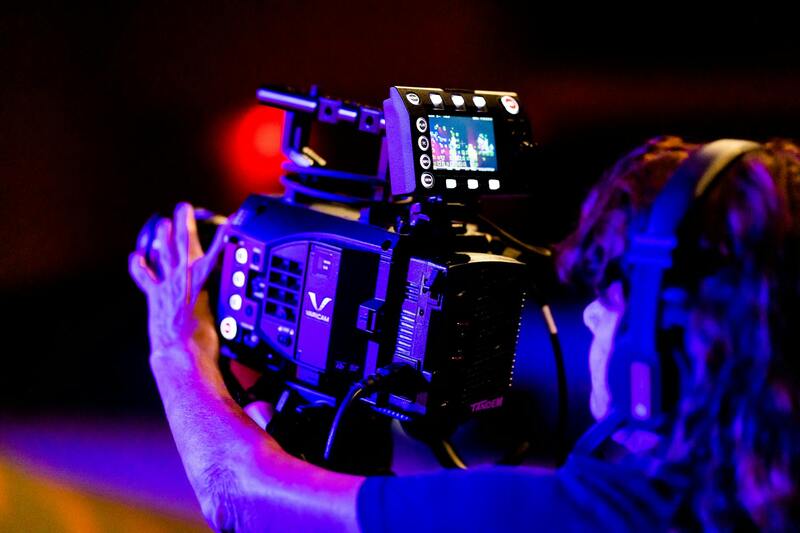
Achieving high-quality real estate images hinges on the appropriate selection of equipment and refined techniques. Professional-grade cameras, typically DSLR or mirrorless models, equipped with wide-angle lenses, are fundamental in capturing the expansive and detailed views of a property. These lenses allow photographers to include more of a room or exterior in a single shot, creating a sense of space and openness that appeals to prospective buyers.
Tripods are essential to ensure stability and sharpness, especially in low-light conditions or interior settings where longer exposure times may be necessary. Additionally, remote shutters or timers help minimize vibrations that can blur images. For interiors, wide-aperture lenses are preferred to achieve a balanced depth of field, presenting both foreground and background with clarity.
In terms of technique, mastering the art of proper framing and composition is crucial. Overhead shots and vertical angles highlight architectural details and spatial dimensions effectively. Photographers often employ the rule of thirds to create visually engaging images, guiding viewers' eyes through the space naturally.
Posture adjustments and correct perspective alignment are also important. When capturing spaces, keeping lines straight and avoiding distortion preserves the property's true proportions. This involves adjusting the camera's perspective to prevent converging lines, which can make spaces appear skewed.
Advanced Techniques in Real Estate Photography
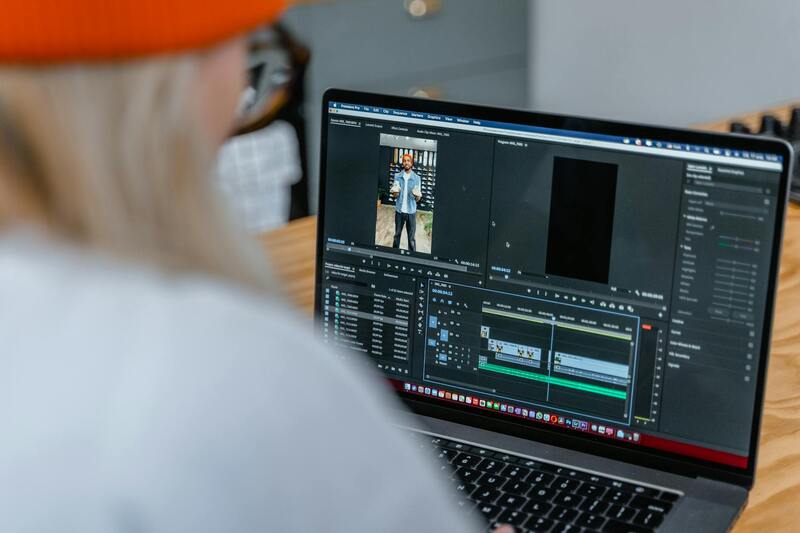
Achieving outstanding real estate photos requires a mastery of various sophisticated techniques that elevate the visual appeal of property images. One of the key methods involves the strategic use of multiple exposures combined through HDR (High Dynamic Range) processing. This technique captures several images at different exposure levels and blends them to produce a well-balanced photograph that reveals the intricate details in both shadows and highlights. This approach is particularly useful for spaces with diverse lighting conditions, such as rooms with large windows orhigh ceilings, ensuring these areas are neither overexposed nor lost in darkness. Another vital technique is the utilization of panoramic stitching, especially when capturing expansive interiors or large outdoor areas. Stitching multiple images seamlessly creates a comprehensive view that conveys the full scope of a property's layout. This method provides viewers with an immersive experience, allowing them to virtually explore the property’s depth and spatial relationships. Tilt-shift lenses are also instrumental in maintaining perspective accuracy. These specialized lenses help correct converging lines that often distort architectural features, keeping building lines straight and aligned. This correction preserves the authenticity of the property’s appearance, ensuring that potential buyers see a true representation of the space. To enhance visual storytelling, photographers frequently employ staged compositions. This includes intentional placement of furnishings and decor to highlight key features and make spaces feel inviting. Complementing staging, strategic use of aperture settings allows for selective focus, directing attention to specific details like fireplace mantels, kitchen islands, or unique architectural elements. In terms of technical precision, maintaining a level camera and consistent horizon line across shots is crucial for a cohesive series of images. Employing tripod foundations and bubble levels ensures stability and accuracy, preventing misalignments that can distract viewers. Finally, post-shoot editing plays a pivotal role in refining images. Color correction, sharpening, and subtle adjustments to contrast enhance overall clarity and vibrancy. While these edits aim to improve appeal, they also strive to stay truthful to the actual appearance of the property, reinforcing trust with prospective clients. Overall, embracing a combination of advanced shooting techniques and meticulous post-processing creates real estate visuals that are both stunning and reliable, significantly boosting marketing efforts and client engagement.
Legal Considerations in Real Estate Photography
Employing legitimate methods in real estate photography begins with understanding and respecting property rights, privacy regulations, and local ordinances. While real estate professionals aim to produce the most appealing images possible, they must also adhere to established legal standards that govern property rights and image use.
One fundamental aspect involves securing the necessary permissions before photographing a property. This means obtaining consent from property owners or authorized representatives, especially when shooting interior spaces or private features. This practice not only fosters trust but also ensures that all images are captured in accordance with contractual and privacy obligations.
Furthermore, photographers should familiarize themselves with regulations concerning drone usage if aerial images are part of the marketing strategy. Many jurisdictions require drone operators to acquire certifications or permits, adhere to restricted airspace regulations, and respect privacy concerns of neighboring properties. Compliance with these rules guarantees that aerial images are produced legally and safely.
When creating a comprehensive visual marketing package, it is essential to avoid manipulating images in a way that misrepresents the property. Techniques such as excessive editing, altering the scope of rooms, or fabricating features can lead to misperceptions and potential disputes.
Using stock images or digitally inserting elements into property photos should also be approached with caution. Such practices may breach ethical standards and possibly violate intellectual property rights, which can undermine credibility and lead to legal repercussions.
To maintain a reputation for integrity, real estate photographers should operate transparently and document all permissions, licenses, and adherence to rules throughout their projects. This approach not only ensures compliance but also enhances client confidence, positioning the photographer as a reliable and reputable professional in the industry.
Lighting Strategies for Property Photos
Effective lighting plays a pivotal role in ensuring real estate photographs accurately represent a property’s interior and exterior spaces. Proper illumination highlights the property’s features, creates visual depth, and evokes an inviting atmosphere that attracts potential buyers. When planning lighting for real estate shoots, professionals typically employ a combination of natural light and artificial lighting sources to achieve optimal results.
Maximizing natural light involves scheduling photo sessions during times of the day when sunlight is abundant and evenly distributed. Early morning or late afternoon often provides a warm, soft glow that enhances the appeal of interior spaces. Photographers may move furniture or open window coverings to allow maximum light flow, avoiding dark, shadowy areas that diminish the overall quality of the photograph.
In spaces where natural light is insufficient, high-quality artificial lighting becomes essential. These may include strobes, LED panels, and flash units, strategically placed to fill in shadows and balance the overall lighting. The use of diffusers and reflectors further softens harsh light and prevents overexposure, ensuring that details are visible without the glare that can distort images.
Properly calibrated lighting not only enhances visual clarity but also maintains color accuracy. Accurate color representation is critical in real estate photography because it provides an honest depiction of the property. This authenticity builds trust with prospective buyers who rely heavily on visual cues when evaluating homes remotely.

Additionally, understanding the unique lighting requirements of different areas within a property is important. Kitchens may benefit from cooler, brighter lighting to showcase appliances and surfaces, while bedrooms might require warmer tones to evoke comfort. External shots, such as landscaped gardens or outdoor patios, should be taken when lighting conditions highlight the property's curb appeal, often during golden hour for optimal effect.
Photographers should also consider the use of lighting control systems, such as dimmers or automated lighting schedules, to maintain consistent exposure levels across various shooting sessions. Consistency in lighting contributes to a cohesive and professional presentation in the property’s marketing materials, reinforcing the property's desirability and helping distinguish listings in a competitive market.
Incorporating Aerial and Drone Photography in Real Estate Marketing
Utilizing aerial photography through drones has revolutionized the way properties are showcased in the real estate industry. These high-angle shots provide a comprehensive perspective that ground-level images cannot capture, offering potential buyers a clear understanding of the property's layout and its relation to the surrounding environment.
Drone photography effectively highlights sprawling outdoor spaces, landscaped gardens, swimming pools, driveways, and the overall size of the lot. When these images are integrated into property listings, they significantly enhance visual appeal and allow viewers to appreciate the property in its entirety.
Furthermore, aerial images are invaluable for illustrating the neighborhood context, proximity to amenities, and accessibility features. Aerial shots can demonstrate views, natural surroundings, and neighborhood appeal, which are key factors influencing buyer decisions. These visuals tend to position a property more favorably, especially when they are captured during optimal weather conditions and lighting, like during the golden hour to maximize aesthetic impact.

For real estate professionals, integrating drone footage into marketing strategies increases engagement and differentiates listings in a competitive market. When employing aerial photography, it is essential to ensure safe flight practices, proper permissions, and compliance with local regulations. This not only guarantees aesthetic quality but also maintains professional standards and safety on set.
By combining ground-level photography with strategic aerial shots, a complete visual story of the property emerges, aiding buyers in forming a detailed mental image. This holistic approach improves the attractiveness of listings and can expedite the sales process by providing prospective clients with the most comprehensive view of the property details upfront.
Ultimately, aerial photography adds depth to marketing campaigns, boosts listing visibility, and supports a more engaging visual narrative that appeals to modern homebuyers seeking immersive property experiences.
Understanding the Importance of Real Estate Photography
High-quality real estate photography is a critical component in the modern property market. It serves as the visual foundation that draws prospective buyers and tenants, providing a first impression that can significantly influence their decision-making process. When professional images are utilized, they highlight the unique features and curb appeal of a property, translating into increased interest and faster sales or leasing cycles. Accurate and compelling photos facilitate online browsing, where most property searches commence. They help potential clients visualize living in the space, often reducing the number of in-person viewings required and streamlining the sales process.
Effective real estate photography emphasizes clarity, composition, and realism, capturing each property's essence without over-staging or misrepresentation. Properly executed imagery conveys a sense of space, light, and architectural style, making even modest properties appear spacious and inviting. The aesthetic quality of these images heavily influences listing engagement: properties with vibrant, well-lit photographs tend to garner more clicks, views, and inquiries. This underscores the necessity for professional-grade photography to maximize property visibility in a competitive market environment.
Key Elements of Professional Real Estate Photos
To ensure each shot conveys maximum impact, several key elements must be carefully considered during the photography process:
- Lighting: Natural light is preferred to emphasize warmth and space. Proper timing, such as shooting during the golden hour, can enhance visibility and aesthetic appeal.
- Composition: Framing the shot to showcase the property’s best features and ensure a balanced perspective is essential. Uncluttered spaces with clear sightlines create a welcoming atmosphere.
- Angles and Perspective: Wide-angle lenses help portray the full extent of rooms, but they should be used judiciously to avoid distortion. Strategic angles highlight important details and architectural features.
- Image Quality: High-resolution images prevent pixelation and allow for versatile use across various platforms, from online listings to print marketing materials.
- Staging and Decluttering: Empty or cluttered spaces diminish visual appeal. Proper staging, including furniture arrangement and minimal personal items, helps viewers envision their future home.
Equipment and Techniques for Real Estate Photography
Utilizing the right equipment and techniques ensures images meet professional standards. Essential gear includes high-resolution DSLR or mirrorless cameras equipped with wide-angle lenses. Tripods stabilize the camera, especially in low-light conditions or interior shots, reducing blurring and ensuring sharpness. Some photographers employ HDR (High Dynamic Range) techniques, capturing multiple exposures to balance bright windows with darker interior areas, producing evenly lit photos.
Advanced techniques involve the use of tilting and panoramic shots to showcase expansive rooms or to create immersive virtual tours. A meticulous approach to camera settings, including aperture, ISO, and shutter speed, helps capture optimal lighting conditions. Regular calibration of equipment and the use of proper lighting equipment, such as softboxes or reflectors, influence the consistency and quality of images captured in varying conditions.
Lighting Strategies for Property Photos
Effective lighting directly impacts the visual clarity and attractiveness of property images. When natural light is sufficient, photographing during daylight hours—preferably mid-morning or late afternoon—can produce warm, inviting images. Maximizing natural light involves opening curtains and blinds to flood interiors with sunlight, reducing shadows and highlighting textures.
In interior shots where natural light is limited or inconsistent, supplemental lighting becomes necessary. Use of diffused softboxes, LED panels, or reflectors helps evenly distribute light, eliminate harsh shadows, and reveal detail in darker areas. Consistency in lighting across photos ensures a cohesive look for the property portfolio.
For exteriors, early morning or late afternoon light accentuates architectural features and landscape details while avoiding the stark shadows created midday. Properly exposing for the sky and the building maintains natural contrast and color accuracy. Strategic positioning of lights and reflectors can also enhance focal points, such as entryways or scenic views, creating a captivating visual story that appeals to viewers.
Ensuring Compliance with Photographic Standards and Best Practices
Comprehensive understanding and application of industry-best practices are fundamental for producing high-caliber real estate photographs that meet the expectations of clients and stand out in competitive markets. Consistent adherence to established guidelines for composition, lighting, and post-processing ensures that each image accurately represents the property’s unique features and appeal.
Standardized procedures in capturing images include maintaining proper camera settings for clarity, employing systematic shot compositions to highlight key architectural and interior elements, and documenting multiple angles to provide a complete visual narrative of the property. These practices facilitate the creation of cohesive photo collections that boost marketing effectiveness and foster buyer interest.
Optimizing Photographic Content for Digital Platforms
Once images are captured, optimizing them for various digital platforms is crucial to maximize visibility and impact. This process involves resizing photos to appropriate dimensions, compressing files without losing quality, and selecting suitable formats to ensure fast loading times across websites and mobile devices. Proper metadata, including relevant keywords and descriptive tags, further enhances search engine visibility, attracting more prospective buyers and investors.
Color correction and tone adjustment during post-processing help maintain true-to-life representations while correcting minor imperfections such as lens distortions or exposure issues. Consistency in editing style across the property portfolio fosters a professional appearance that reinforces brand recognition and trustworthiness.
Utilizing Aerial Photography for Comprehensive Property Showcasing
Aerial photography offers a unique perspective that emphasizes the scale and landscape context of a property, especially valuable in showcasing large estates, scenic environments, or strategic locations. Using drones equipped with high-resolution cameras allows for striking overhead views that capture the entirety of the property’s exterior and surrounding amenities. This visual approach provides prospective buyers with a comprehensive understanding of the property's spatial relationships and landscape features.
Careful planning in flight paths and camera angles is essential to avoid distortion and ensure images highlight the property’s best attributes. Incorporating aerial photos into marketing materials can significantly increase engagement by offering a compelling visual narrative that conventional ground-level photos may not convey.
Legal and Ethical Considerations in Real Estate Photography
Adherence to professional standards entails respecting privacy boundaries and obtaining necessary permissions when photographing private properties. Clearly marking boundaries and ensuring that all shots reflect the property accurately without misrepresentation uphold transparency and trust. Photographers should stay informed about local regulations governing drone operations and property rights to prevent operational issues.
Ethical talent deployment involves transparent communication with clients about the scope of photography services, especially regarding the inclusion of aerial images and virtual staging. Maintaining integrity in photography practices reinforces the professional reputation and promotes long-term client partnerships.
Partnering with a Reputable Miami Real Estate Photography Service
Choosing an experienced local provider such as Miami Video Producers ensures access to advanced equipment, skilled photographers, and streamlined workflows tailored to the Miami real estate market. An established service with a proven track record can deliver consistently high-quality imagery that aligns with the latest industry standards. Their expertise in marketing strategies and digital distribution further amplifies the reach and effectiveness of property listings, ultimately accelerating sales cycles.