Overview of 3d House Photography
3d house photography has revolutionized the way real estate is marketed, offering a dynamic and immersive experience for potential buyers. Unlike traditional still photography, which captures images from static viewpoints, 3d house photography creates comprehensive, interactive virtual models of properties. This technology employs advanced imaging techniques, including laser scanning and high-resolution photography, to generate highly accurate digital representations of homes. In the competitive Miami real estate market, leveraging 3d visualization significantly enhances a property’s online appeal, attracting more prospective buyers and facilitating faster sales.
At its core, 3d house photography provides a virtual walkthrough experience that users can access from anywhere, at any time. These virtual models allow viewers to explore every room, assess spatial relationships, and closely examine design details without physically visiting the property. This capability is particularly valuable in today’s fast-paced environment, where potential buyers often conduct initial property evaluations remotely. As a result, 3d house photography bridges the gap between traditional listing photos and in-person visits, offering a detailed, engaging preview that can influence purchasing decisions.
Furthermore, 3d house photography integrates seamlessly with various digital marketing platforms, including real estate websites, social media, and virtual tour portals. This allows real estate agents and property owners in Miami to showcase their listings more professionally and effectively. The method’s ability to highlight architectural features, interior design, and property layout with precise detail surpasses conventional photography, leading to increased engagement and higher-quality leads.
Implementing 3d house photography also facilitates detailed comparisons between properties, simplifying the decision-making process for buyers. The visual clarity and depth provided by this technology help eliminate ambiguity, making it easier for potential buyers to envision themselves living in the space. In highly competitive markets like Miami, where buyers often evaluate numerous listings within a short timeframe, these innovative imagery solutions can provide a crucial edge, ultimately accelerating sales processes and enhancing marketing strategies.
Expanding on its advantages, 3d house photography also offers versatile visualization options, such as virtual staging and animated walkthroughs. These features enable users to better understand how spaces can be utilized or furnished, providing a comprehensive view that surpasses traditional photos. As the real estate landscape continues to evolve with technological advancements, 3d house photography remains at the forefront of digital marketing innovations, offering tangible benefits for sellers, agents, and buyers alike in Miami’s vibrant property market.
Key Features of 3d House Photography Services
For real estate professionals seeking to leverage 3d house photography, understanding the core features that distinguish high-quality service providers is essential. These features directly influence the effectiveness of the visual content and the overall success of property marketing campaigns. Among the most crucial aspects are high-resolution imaging, seamless virtual walkthroughs, and precise spatial measurements.
High-resolution imaging ensures that every detail of a property is captured with crisp clarity, enabling viewers to scrutinize interior finishes, textures, and architectural elements without ambiguity. This level of detail can significantly influence buyer confidence and interest, especially when complemented by detailed floor plans and interactive elements.
Virtual walkthrough capabilities allow potential buyers or tenants to virtually explore a property in a manner that mimics an in-person visit. These immersive experiences foster a stronger emotional connection to the space, encouraging further inquiries and visits. Advanced services also incorporate features like hot spots, which enable users to click on specific areas for additional information, such as room dimensions or renovation histories.
Accurate spatial measurements are another defining feature. Precise 3D data helps clients verify room sizes and layout configurations, reducing the risk of misunderstandings and streamlining decision-making processes. When combined with realistic lighting and material rendering, these features contribute to an authentic viewing experience that elevates listing appeal.
Additional capabilities such as virtual staging allow for customization of spaces with furniture and decor, providing viewers with a tangible sense of potential interior design options. Animations and 3D dollhouses further enhance visualization by offering different perspectives and comprehensive spatial understanding. Ultimately, these comprehensive features empower real estate agencies to craft engaging, attractive listings that resonate with prospective buyers in Miami's dynamic market.
Key Features of 3d House Photography Services
3d house photography services incorporate several advanced features designed to enhance the presentation and usability of real estate listings. At the core, virtual tours offer a seamless, interactive experience allowing prospective buyers and tenants to navigate through a property from any location. These tours are typically supported by high-resolution 3D renderings that accurately depict each room’s layout, spatial relationships, and architectural details.
3D floor plans are another crucial element, providing clear, scaled visualizations of the property’s interior configuration. These plans not only help viewers understand the spatial flow but also facilitate better decision-making by showcasing room dimensions and overall layout. High-quality renderings further elevate listing quality, rendering interiors with realistic lighting, textures, and material finishes to mimic real-world appearances.
Additionally, some services incorporate features like hot spots within virtual tours, enabling users to access detailed information about specific areas or features of the property, such as appliance details, material specifications, or renovation history. Interactive elements like clickable icons or overlays help make the experience more engaging and informational, supporting a comprehensive understanding of the property’s value.
Beyond static visualizations, immersive animations and walkthroughs can be customized to showcase property highlights dynamically. These features not only give prospective buyers a thorough sense of space but also highlight potential modifications through virtual staging or interior design simulations. By leveraging these capabilities, real estate professionals can ensure their listings stand out in Miami’s competitive market and attract serious inquiries from qualified clients.
Key Features of 3D House Photography Services
Professional 3D house photography services offer a range of advanced features designed to create immersive and highly detailed visualizations of Miami properties. These features are tailored to enhance the visual appeal of listings, making them more attractive to potential buyers and investors. One of the core features is the creation of high-resolution 3D virtual tours and walkthroughs, allowing viewers to explore a property interactively from any device. This virtual experience replicates walking through the actual space, providing a realistic sense of scale, flow, and spatial relationships.

Another key feature involves the development of precise 3D floor plans combined with realistic architectural renderings. These plans are scaled accurately and incorporate detailed textures and lighting to mimic real interior finishes, giving clients a clear understanding of room dimensions and layout configurations. This not only streamlines the decision-making process but also enables viewers to visualize potential modifications or furniture placement effectively.
Interactivity is a major component as well. Many services include features such as clickable hotspots within the virtual environment that provide additional information about specific areas or fixtures—like appliance details, renovation history, or material specifications. This interactivity adds a layer of engagement, making the virtual tour a comprehensive informational tool. Real estate professionals can highlight unique property features, recent upgrades, or architectural details through these hotspots, which enhances the property's appeal and provides a richer user experience.

Beyond static 3D models, state-of-the-art services also include animated walkthroughs and virtual staging. These features enable visualization of the property’s potential, such as showcasing different interior design styles or furniture layouts to appeal to specific buyer preferences. Incorporating virtual remodeling options further allows clients to see how the space could evolve, increasing its attractiveness and helping buyers envision their future home more vividly.
Furthermore, the integration of augmented reality (AR) elements is emerging as a cutting-edge feature in 3D house visualization. AR enables users to project virtual features and furnishings directly into the physical space via compatible devices, offering a hybrid view that bridges digital renderings with reality. This capability significantly enhances the customization and personalization of property presentations, making it easier for buyers to connect emotionally and practically with a property.
These comprehensive features, offered by seasoned 3D photography providers, help Miami real estate listings stand out in a competitive market. They provide prospective buyers with a rich, engaging, and informative experience that supports better decision-making and accelerates the sales process.
Advanced Techniques and Innovations in 3D House Photography
As the demand for immersive property visuals continues to escalate within Miami’s dynamic real estate market, providers are adopting cutting-edge techniques to elevate the quality and effectiveness of 3D house photography. These innovations not only enhance visual appeal but also serve strategic marketing purposes, ensuring listings stand out amid fierce competition.
One of the most significant advancements is the integration of high-dynamic-range imaging (HDRI) and photogrammetry. HDRI enables capturing a broader spectrum of light and color, resulting in 3D models with remarkable fidelity and realism. This technique is especially beneficial when photographing properties with complex lighting conditions or intricate architectural features, as it preserves the nuance and depth of the space.
Photogrammetry, another transformative technology, involves creating highly detailed 3D models through the process of stitching together multiple photographs. This method allows for precise representation of the property's interior and exterior, capturing every detail from ornate moldings to textured wall finishes. The resulting models are invaluable for generating accurate virtual tours and even for use in augmented reality applications.
Real-time rendering powered by advanced software is also revolutionizing the field. Interactive 3D environments can be navigated seamlessly on any device, providing prospective buyers with a fluid and engaging experience. Such platforms often incorporate features like virtual furniture placement, lighting adjustments, and room layout customization, allowing users to personalize their viewing experience.
Emerging trends point toward augmented and virtual reality integration, which offer fully immersive property explorations. Using VR headsets, clients can 'walk through' properties from anywhere in the world, experiencing spatial relationships and design elements as if physically present. This technology is particularly advantageous in Miami's international property market, where remote buyers seek to make confident purchasing decisions without physical visits.
Moreover, AI-driven enhancements are making automated scene creation and editing more feasible. These tools can quickly generate multiple staging variations, highlight property features, or suggest improvements based on data analysis. For real estate professionals, leveraging such technologies accelerates the marketing cycle while maintaining high-quality standards.
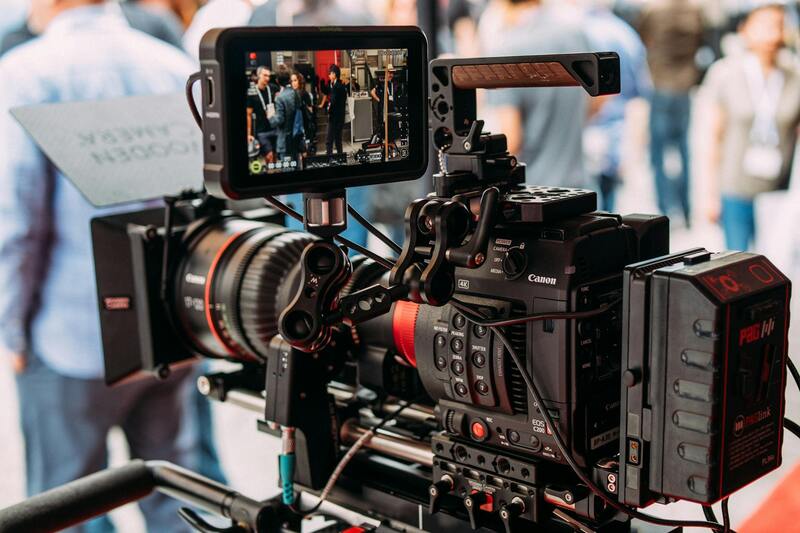
In an increasingly digital landscape, the proficiency of Miami-based 3D house photography providers in utilizing these innovative methods is vital. They ensure that property listings communicate their full potential through visually compelling, technologically advanced presentations—ultimately driving buyer interest and facilitating faster sales.
Process of Creating 3d House Photography
Developing high-quality 3D house imagery involves a meticulous, multi-step process that ensures precise representation of the property while highlighting its best features. The process begins with detailed on-site scanning, where specialized equipment such as laser scanners and high-resolution cameras capture comprehensive spatial data and visual details of each room. This initial phase is crucial, as it lays the foundation for accurate virtual modeling, ensuring that every corner, wall, and architectural feature is documented with precision.
Following data collection, the imagery is uploaded into sophisticated 3D modeling software. Here, experienced designers and technicians begin transforming raw data into a detailed digital model. They optimize the mesh, correct any distortions, and start overlapping textures to replicate materials like paint, flooring, and fixtures convincingly. During this stage, attention is paid to the proportions and spatial relationships within the property to preserve realistic scale and flow.
Once the model is crafted, lighting adjustments are made to simulate natural light flow and enhance visual appeal. Adjusting lighting settings can dramatically influence mood and perceived space within the virtual environment. Virtual furniture and decor can be added or repositioned to demonstrate potential layouts and staging options, offering clients an immersive preview of how spaces can function with different interior designs.
Texture and material finishing are then applied to refine surface appearances, followed by rendering—where the 3D software generates photorealistic images. High-resolution renders allow viewers to examine every detail, from the texture of kitchen cabinets to the reflection of sunlight on a polished floor. The process may include multiple iterations to refine angles, lighting, and staging, aligned with the property’s unique selling points.
Advancements in artificial intelligence and automation tools are increasingly integrated into this workflow, enabling faster model generation and scene customization. These innovations allow real estate professionals in Miami to produce diverse visualization scenarios rapidly, from different interior styles to renovation previews. This capacity not only streamlines the marketing cycle but also enhances the overall presentation quality, making property listings more compelling for prospective buyers, especially in Miami’s competitive real estate market.
Options for Making 3D House Photography More Engaging and Customizable
To maximize the impact of 3D house photography, real estate professionals in Miami often explore various techniques to create more engaging and tailored visual experiences. While relying on high-quality equipment and advanced rendering software forms the basis of compelling virtual imagery, additional options allow for further customization and enhancement of property presentations.
Integration of Interactive Elements
Interactive features significantly elevate viewer engagement. Incorporating clickable hotspots within the 3D walkthrough allows potential buyers to access additional information about specific features, such as appliance specifications or material details. These interactive components provide a seamless, informative experience that encourages users to spend more time exploring the property virtually.
Virtual Staging and Decor Customization
Virtual staging remains a powerful tool for transforming empty or outdated spaces into inviting, modern interiors. Advanced 3D house photography services provide extensive libraries of furniture, decor items, and color schemes that clients can customize in real-time. This flexibility demonstrates the potential of each space, allowing prospective buyers to visualize their personal style and lifestyle within the property without the costs associated with physical staging.
Augmented Reality (AR) Capabilities
Augmented reality integration takes 3D visualization a step further by enabling users to project virtual models directly into physical spaces through AR-enabled devices. This technology is particularly useful during open houses or client presentations, offering an immersive preview of how furniture, fixtures, or renovations will look in situ. AR also facilitates personalized customization as users can alter design elements on the spot, making the experience uniquely tailored to their preferences.
Enhanced Lighting and Material Effects
Advanced rendering options allow for more precise simulation of natural lighting conditions and material finishes. Real estate agents can showcase daily and seasonal light variations within the property or demonstrate changes in interior decoration styles. By adjusting these visual aspects, clients can better understand the ambiance and character of a space, leading to more confident purchasing decisions.
Use of Drone Footage Combined with 3D Visualizations
Combining aerial drone footage with detailed 3D interior visualizations offers a comprehensive perspective on the property. Aerial shots highlight the property's external features, landscaping, and neighborhood context, while the 3D interior models focus on the living spaces. When integrated, this multifaceted approach creates a compelling narrative that emphasizes the property's full appeal and potential.

Offering these customizable options ensures that Miami real estate professionals can deliver immersive, personalized experiences that resonate with prospective buyers. Such innovations not only capture attention but also foster emotional connections to the property, ultimately facilitating faster sales and higher closing values in a competitive market.
Final Considerations: Ensuring Quality and Authenticity in 3d House Photography
When investing in 3d house photography, it is essential for Miami real estate professionals to prioritize quality and visual authenticity. High-resolution imaging, accurate color rendition, and meticulous attention to detail are foundational elements that determine the effectiveness of these visual assets. The goal is to create an immersive experience that accurately represents the property, helping prospective buyers visualize themselves within the space and reducing time spent on property visits that do not match expectations.
Engaging with experienced 3d photography providers ensures that the generated images and virtual walkthroughs meet high technical standards. These providers utilize state-of-the-art equipment and software, ensuring optimal clarity, correctness of proportions, and seamless integration of various elements in the virtual environment. Proper calibration and validation of 3d models also prevent distortions or misrepresentations, which is pivotal in maintaining trust and confidence among clients.
Furthermore, up-to-date training and adherence to best practices are critical for 3d photographers. Specialists in the field continually refine their skills to handle complex interior and exterior spaces, adapting to new software capabilities and evolving aesthetic standards. This professional approach guarantees that the final visualizations are not only appealing but also truthful representations of the properties.
Price point considerations should align with the quality delivered. While premium 3d visual solutions might involve higher costs initially, they tend to deliver significant return on investment through faster sales cycles, increased listing engagement, and higher selling prices. The enhanced visualization tools afford real estate agents and sellers a competitive edge, especially in a vibrant market like Miami, where visual appeal can markedly influence buying decisions.
Clients should also verify that the 3d imaging solutions incorporate advanced features such as customizable viewpoints, interactive floor plans, and virtual staging options. These elements offer added value, empowering buyers with a comprehensive understanding of the property and facilitating a more personal connection to the space. As digital presentation standards continue to evolve, maintaining access to cutting-edge visualization technologies remains a strategic priority for top-tier real estate marketing teams.