Understanding the Real Estate Videography Market in Miami
Miami's real estate sector continues to flourish, driven by both commercial and residential growth. As one of the most sought-after markets in the United States, it attracts a diverse pool of buyers, investors, and developers striving to showcase properties effectively. In this competitive landscape, high-quality real estate videos have emerged as a crucial tool for stand-out marketing, giving potential buyers an immersive view of properties from afar. The demand for compelling visual content is intensifying, prompting real estate professionals to seek specialized videography services to meet client expectations.
Local market trends illustrate a shift towards digital-first property marketing strategies. Buyers are increasingly relying on online property listings that feature virtual tours and professionally crafted videos. These videos not only highlight a property's features but also evoke an emotional connection, which can significantly influence purchasing decisions. Consequently, real estate videography has become a vital aspect of the marketing mix for Miami agents and developers aiming to accelerate sales and increase visibility.
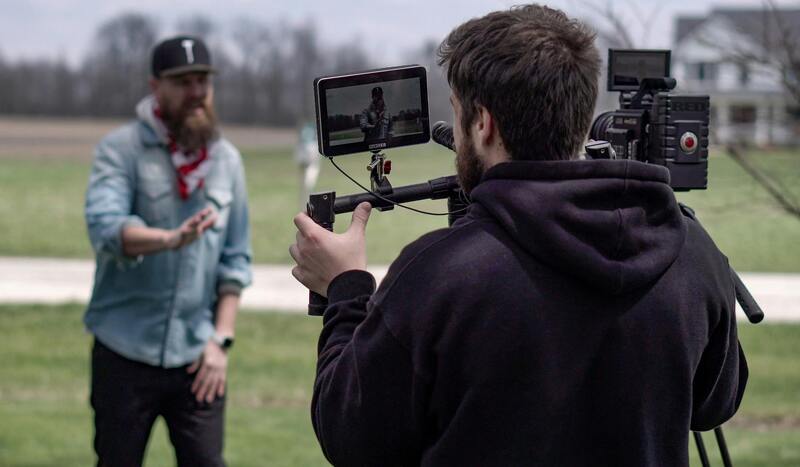
The Miami market's unique facets—its diverse architecture, luxury condos, waterfront properties, and bustling neighborhoods—require a high level of videography expertise to capture their distinctive appeal. Potential clients expect videos that are not only visually stunning but also expertly edited to showcase a property's best features. These expectations have elevated the standards for real estate video productions, prompting videographers to adopt innovative techniques and cutting-edge technology to deliver superior content.
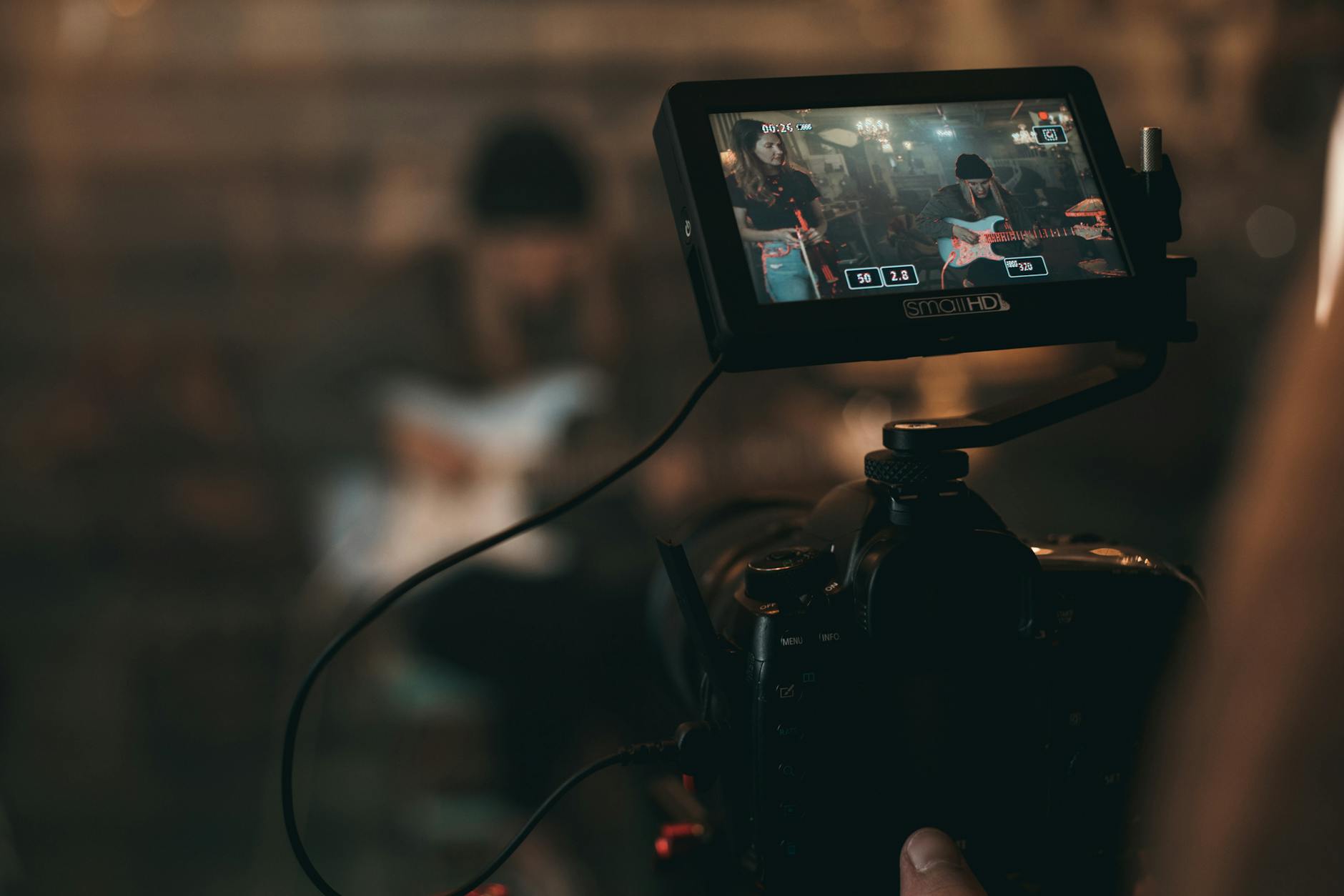
Understanding these market dynamics is essential for establishing a successful real estate videography business in Miami. By aligning your services with the evolving needs of local real estate professionals, you can position yourself as a valuable partner in property marketing efforts. This involves mastering the craft of capturing Miami’s vibrant neighborhoods, luxurious interiors, and scenic waterfronts through professional videography techniques that resonate with both agents and prospective buyers.
Understanding the Real Estate Videography Market in Miami
Miami’s dynamic real estate environment presents numerous opportunities for videographers specializing in property marketing. To succeed, it’s essential to grasp the market's unique characteristics, including its diverse architecture, high-end waterfront estates, and vibrant urban neighborhoods. These elements demand videography that goes beyond basic filming, emphasizing artistic storytelling combined with technical precision to effectively showcase each property’s distinctive features.
The competitive nature of Miami’s real estate sector means listings must stand out with polished, engaging videos that command attention across digital platforms. The use of drone footage, stabilized shots, and advanced editing techniques enables videographers to craft compelling narratives that resonate with prospective buyers and investors. These visual stories provide not just a glimpse of the property but an immersive experience that helps buyers visualize living or investing in these exclusive locations.
Understanding the preferences of Miami’s diverse clientele, from international investors to local homebuyers, is crucial for tailoring video content effectively. Realtors and developers are increasingly seeking videos that combine cinematic quality with practical information, such as emphasizing proximity to beaches, nightlife, and transportation. As a result, a videographer’s ability to adapt to different property types and market segments becomes a significant differentiator.
The Demand for High-Quality Visual Content
Market trends indicate a growing preference for videos that not only feature stunning visuals but also incorporate strategic storytelling elements. This includes highlighting unique architectural features, capturing the ambiance of outdoor living spaces, and integrating aerial views to showcase property size and surroundings. Video length and pacing must be carefully optimized to maintain viewer engagement while delivering key property highlights.
Furthermore, emerging technologies such as 4K resolution, virtual reality integration, and interactive video formats are setting new standards in property marketing. Videographers equipped with these tools can produce immersive content that ignites buyer interest and accelerates the sales process.
Aligning Services with Market Expectations
To establish a reputable presence within Miami’s real estate sector, videographers should develop a portfolio demonstrating their expertise across various property types—from luxury condos and oceanfront estates to commercial spaces. Building relationships with local real estate agencies, developers, and property management firms allows providers to gain repeat business and referrals based on proven results.
Offering comprehensive packages that include pre-production consultation, professional filming, editing, and final delivery tailored to marketing channels ensures a full-service experience that appeals to busy real estate professionals. Positioning your business as a trusted partner capable of delivering high-impact visuals is essential for long-term growth in this vibrant market.
Essential Equipment and Technology for Real Estate Videos
Achieving high-caliber real estate videography demands a carefully curated assortment of professional-grade equipment. Central to this setup are high-resolution cameras capable of capturing vibrant, detailed imagery that showcases the property’s best features. Modern 4K-capable cameras are standard, providing crisp visuals that translate well across various marketing platforms. Complementing these are lenses optimized for wide angles, allowing the videographer to encompass spacious interiors and impressive exteriors in a single shot without distortion.
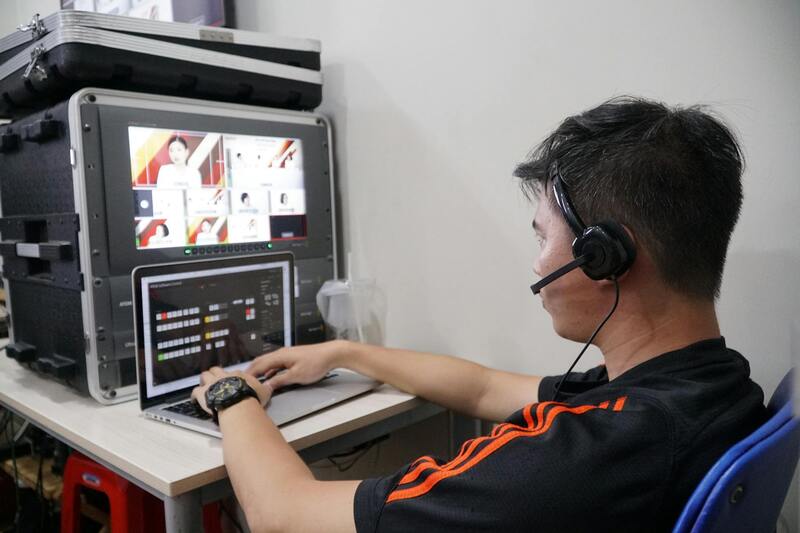
Drones constitute a vital component in a real estate videographer’s toolkit. Aerial footage offers a perspective that ground-level shots simply cannot match, capturing the property's size, landscape, and neighborhood context with stunning clarity. When selecting a drone, priority should be given to models equipped with stabilizing gimbals and multiple flight modes to ensure smooth, professional footage while adhering to local regulations.
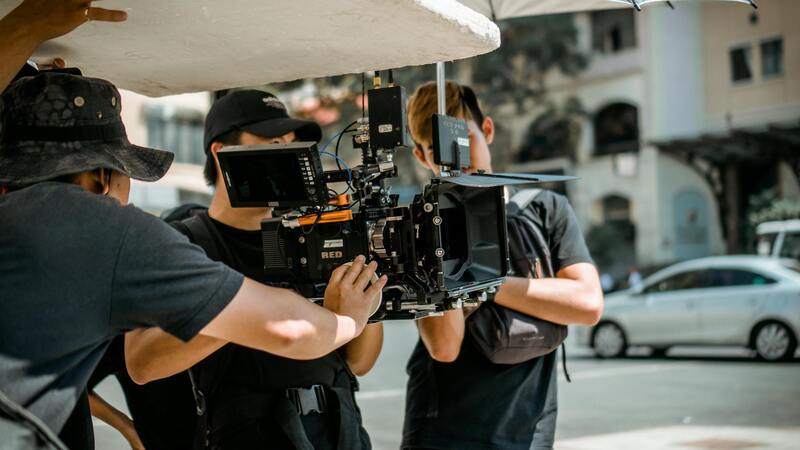
Stabilization devices such as gimbals and steadicams are essential for maintaining camera stability during handheld shots, especially when navigating tight spaces or moving through properties. These tools help produce smooth, professional videos free from jitter or shakiness, which is crucial for capturing the elegance of luxury homes or commercial spaces.
On the editing front, powerful software solutions like Adobe Premiere Pro, Final Cut Pro, or DaVinci Resolve are fundamental. They enable meticulous post-production work, including color grading, scene transitions, and sound editing, to enhance the visual appeal and storytelling quality of the final product. Additionally, light kits and reflectors may be used to ensure proper lighting conditions indoors, emphasizing architecture and interior design features.
Incorporating stabilization systems, high-performance editing software, and advanced imaging tools allows real estate videographers to produce content that stands out in an increasingly competitive market. The integration of emerging technologies such as virtual staging, 3D walkthroughs, and 360-degree cameras continues to elevate the quality and engagement level of property videos, appealing to modern buyers and real estate professionals seeking cutting-edge marketing solutions.
Adopting a Client-Centric Approach and Building a Strong Portfolio
For a real estate videography business to thrive in Miami’s competitive market, establishing a client-centric approach is essential. Effective communication with real estate agents, property developers, and homeowners ensures that each project aligns with their marketing goals. Listening carefully to client needs helps tailor the content to highlight unique property features, target specific buyer demographics, and meet various branding standards. Offering personalized consultations and demonstrating a comprehensive understanding of the local Miami real estate landscape can set your business apart.
Developing a diverse portfolio that showcases a range of property types — from luxury waterfront estates to commercial buildings and residential developments — provides tangible proof of your expertise. High-quality samples serve as compelling evidence when pitching to prospective clients, illustrating your ability to capture properties effectively and creatively. It is advisable to organize your portfolio on a professionally designed website, such as miamivideoproducers.com, emphasizing completed projects, client testimonials, and before-and-after visuals to demonstrate your growth and reliability in the industry.
Implementing Industry-Standard Business Practices
Running a legitimate and sustainable real estate videography enterprise involves adopting structured business practices. Registering your business with the appropriate official bodies ensures compliance with state requirements and helps establish credibility. Securing the necessary permits for drone operations within Miami and adhering to FAA regulations safeguard your projects from disruptions and legal complications.
Establishing clear contractual agreements with clients defines project scope, deliverables, timelines, and payment terms, reducing misunderstandings and fostering long-term relationships. Utilizing professional invoicing and accounting software facilitates transparent financial management, while systematic project management tools help streamline workflow and communications. Additionally, investing in reliable insurance coverage for equipment and liability further solidifies your business foundation and provides peace of mind for both your team and clients.
Many successful videography companies also prioritize ongoing education and industry certifications, ensuring their skills remain current with the latest technological innovations and market trends. Participating in local business chambers, real estate associations, and industry trade shows further enhances your professional network and opens avenues for referrals and collaborative ventures.
Creating Compelling Real Estate Video Content
Producing high-quality real estate videos requires a meticulous approach that combines technical proficiency with an understanding of what appeals to potential buyers. Effective content should highlight a property’s unique features, spatial flow, and ambiance, making viewers feel as if they are walking through the space themselves. To achieve this, several key elements must be incorporated into your video production process.
Pre-Production Planning
Start with comprehensive planning. Meet with your client to understand their selling points and the property’s unique aspects. Conduct a thorough walkthrough to identify the best angles, lighting conditions, and features that should be emphasized. Developing a shot list and storyboard helps ensure that you capture all necessary footage efficiently, avoiding redundant shots and minimizing post-production editing time. Pay particular attention to creating a narrative flow that guides viewers seamlessly through the property, from the exterior curb appeal to interior living spaces.
Lighting and Composition
Proper lighting is crucial for making spaces appear inviting and spacious. Utilize natural light whenever possible, scheduling shoots during times of day when sunlight enhances the property’s features. Supplement ambient light with professional lighting equipment to eliminate shadows and ensure uniform brightness. When composing shots, adhere to principles of symmetry and framing to create visually appealing visuals. Wide-angle lenses are typically employed to capture more of a room in a single frame, but care must be taken to avoid distortion that misrepresents the space.
Camera Techniques and Equipment
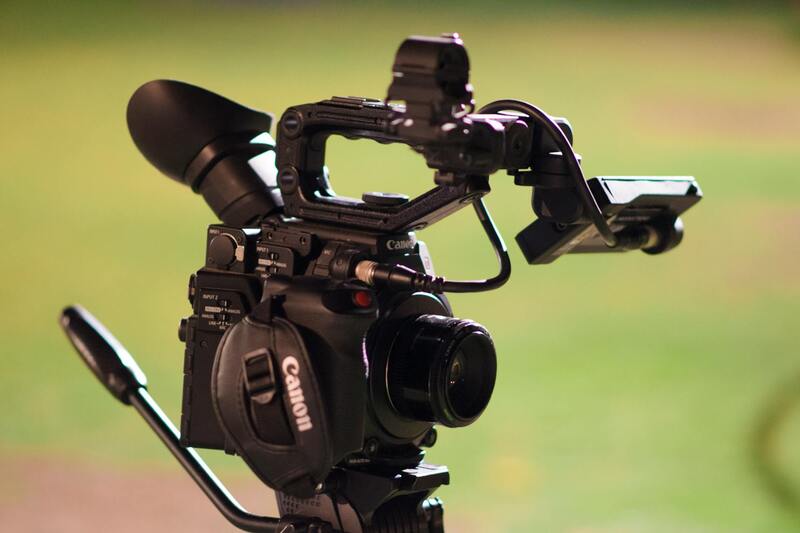
Invest in high-resolution cameras capable of capturing crisp, detailed footage. A stabilizer or gimbal ensures smooth camera movements, adding a professional touch. Drone footage adds dramatic aerial views that showcase a property’s size, landscape, and surrounding amenities, especially valuable for larger estates and properties with extensive land features. Use tiered camera angles—such as eye-level, high, and low shots—to add depth and variation. Steady pacing during walkthrough sequences helps maintain viewer engagement and highlights key features without causing visual fatigue.
Post-Production Editing
Post-production is where footage transforms into a polished marketing tool. Color correction ensures that images accurately reflect the property’s appearance under various lighting conditions. Incorporate smooth transitions, music, and voiceovers that complement the property’s vibe and enhance storytelling. Maintain a consistent branding style across your videos, including logo placement and color schemes, to build recognition and professionalism. Shortening lengthy clips and emphasizing the most appealing aspects help create engaging videos that resonate with prospective buyers.
Optimizing for Marketing
Once finalized, videos should be optimized for various platforms. High-quality, mobile-responsive formats are essential since many viewers will access content via smartphones and tablets. Embedding relevant keywords, such as architectural style, neighborhood features, and nearby amenities, in video descriptions improves search engine visibility. Incorporating captions and descriptive metadata makes videos accessible to a broader audience, including those with hearing impairments. Consistent branding, paired with targeted distribution on social media channels and real estate listing websites, amplifies reach and attracts potential clients.
Legal Considerations and Business Best Practices
Establishing a real estate videography business in Miami requires diligent adherence to various regulations and industry standards that ensure professionalism, protect your reputation, and foster trust with clients. While navigating these frameworks, focus on transparent communication, comprehensive contracts, and consistent quality assurance to build a sustainable enterprise.
Starting with contracts, it is essential to have clear agreements that outline the scope of work, deliverables, timelines, pricing, and rights to the footage. Well-crafted contracts help prevent misunderstandings and provide legal clarity regarding usage rights, especially when integrating brand elements or footage obtained from third-party sources. Contracts should also specify policies on revisions, cancellations, and client responsibilities, such as access to properties and permissions.
Compliance with local licensing and business registration requirements is vital. Register your business with Miami-Dade County or relevant authorities, obtain any necessary permits, and secure appropriate insurance coverage—covering equipment, liability, and workers’ compensation if applicable. Insurance not only protects your assets but also demonstrates reliability and professionalism to clients.
Implement standard operational procedures to maintain quality and consistency across projects. This includes pre-production planning, equipment checklists, shooting protocols, and post-production workflows. Developing a portfolio of work, including testimonials and case studies, enables credibility and provides a foundation for marketing efforts.
Utilize reliable software for editing and project management, ensuring data security and efficient workflow. Protect client footage and personal information through secure storage solutions and GDPR-compliant data handling practices. Ethical conduct, transparency in pricing, and prompt client communication are critical for maintaining a positive reputation.
Lastly, stay informed about evolving Industry standards, local policies, and technology advancements. Regularly participating in industry seminars, workshops, and local business networks enhances your understanding of best practices and fosters connections with other professionals. This proactive approach supports continual improvement, positioning your business for sustainable growth within Miami’s competitive market.
Legal Considerations and Business Best Practices
Establishing a robust framework for your real estate videography business in Miami requires attention to contractual agreements, licensing, insurance, and ethical standards. Clear and comprehensive contracts form the backbone of professional relationships, outlining scope of work, payment terms, deadlines, rights to footage, and confidentiality clauses. Well-structured agreements protect both your business and clients, minimizing misunderstandings and ensuring smooth project execution.
Licensing requirements are essential for operational compliance. While specific filming permits may not always be necessary for interior shots, drone operations typically demand FAA certification alongside local permissions. Securing the right licenses ensures adherence to Miami’s regulatory environment, facilitating seamless shoot schedules.
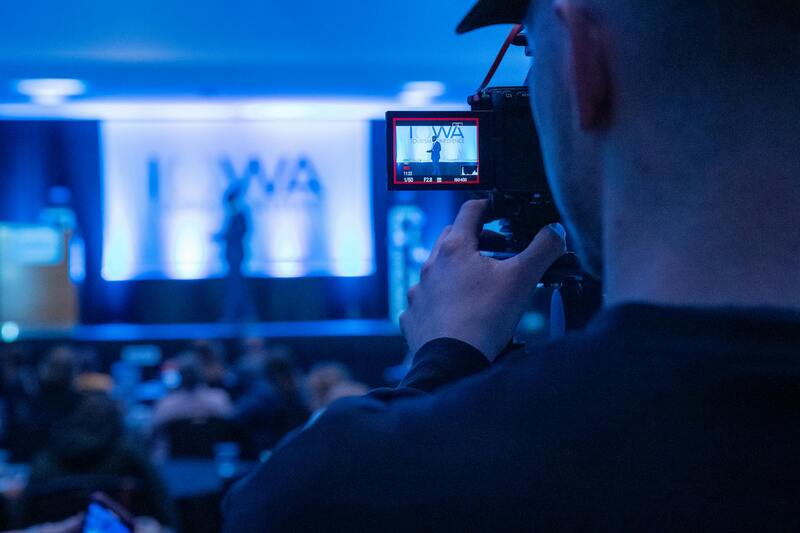
Insurance coverage is another cornerstone of a reputable real estate videography business. Policies should encompass equipment, liability, and workers’ compensation, where applicable. Insurance safeguards your assets against damage or loss, and demonstrates reliability and professionalism to clients, instilling confidence in your services.
Adhering to ethical standards and industry best practices fosters trust and long-term relationships with clients. Transparency in pricing, respectful communication, and prompt project delivery are vital components of maintaining a positive reputation. When working with property owners, agents, and developers in Miami’s competitive market, demonstrating integrity and professionalism can differentiate your business.
Business Best Practices
- Maintain Clear Documentation: Keep detailed records of contracts, permissions, and correspondence for each project.
- Implement Standard Operating Procedures: Develop workflows for pre-production, filming, and post-production stages to ensure consistency and quality.
- Invest in Ongoing Education: Stay updated on Miami’s local regulations, technological advancements, and industry standards through seminars and industry groups.
- Build Reliable Vendor Relationships: Establish connections with equipment suppliers, software providers, and drone operators for seamless collaboration.
- Focus on Data Security: Utilize secure storage solutions, encrypt client files, and comply with data protection standards to maintain client confidentiality.
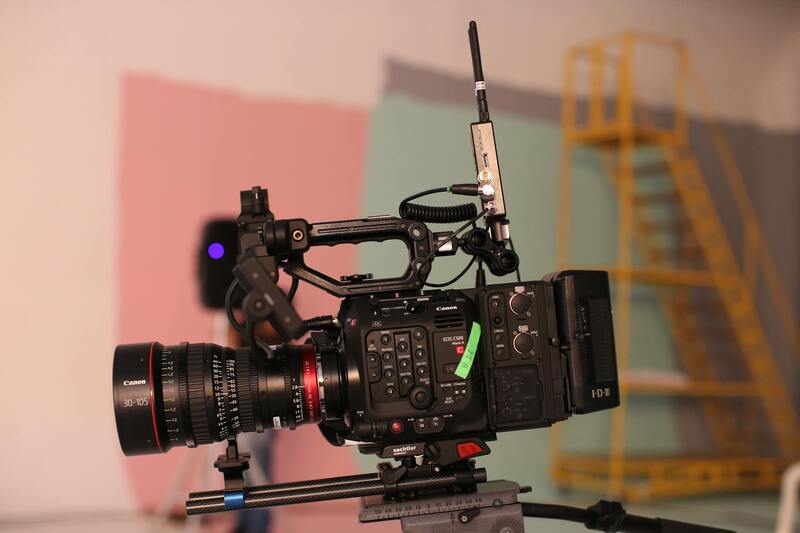
Engaging in local industry networks and participating in Miami-specific property events can facilitate new client introductions and partnership opportunities. Demonstrating adherence to standards, regulatory compliance, and ethical practices not only elevates your brand reputation but also positions your business for sustainable success within Miami’s vibrant real estate environment.
Legal Considerations and Business Best Practices
Running a successful real estate videography business in Miami requires adherence to certain approvals, permits, and regulatory standards to ensure smooth operations and uphold professional integrity. Securing necessary permissions before footage capture ensures compliance with property and privacy rights, especially when filming within private residences, commercial complexes, or restricted areas. Collaborating with property owners, agents, and developers to obtain documented consent minimizes misunderstandings and fosters trustworthy relationships.
In addition to permissions, maintaining detailed documentation for each project plays a fundamental role. Contracts should clearly outline the scope of work, deliverables, timelines, and payment terms. Including clauses about content rights and usage rights provides clarity and safeguards against disputes. Utilizing standardized service agreements also streamlines the onboarding process for new clients and sets professional expectations from the outset.
Developing and implementing standard operating procedures (SOPs) across all aspects of production ensures consistency and reliability. These SOPs should detail steps for pre-production planning, equipment setup, filming processes, and post-production review. Clear workflows enhance efficiency, improve quality, and help train new team members to meet established standards.
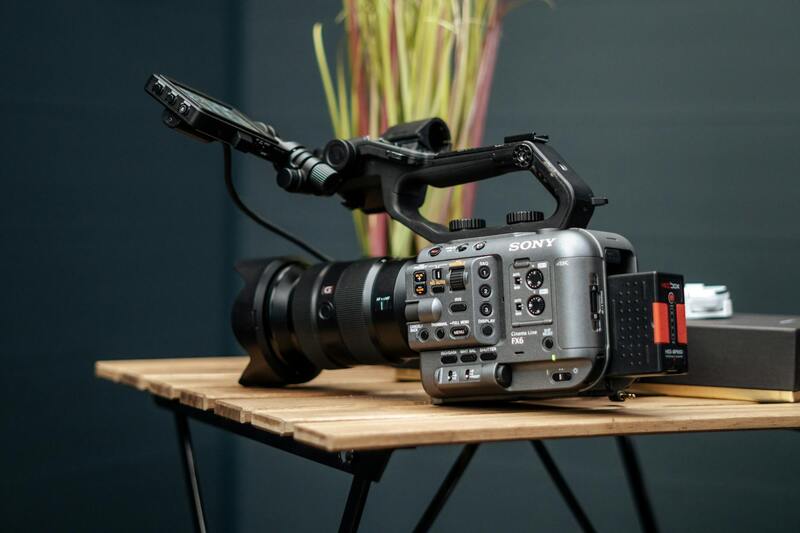
Continual professional development remains a cornerstone of sustainable growth. Attending industry workshops, Miami-specific real estate expos, and subscribing to relevant publications keeps your knowledge current with evolving market trends, technological advancements, and changing regulations. Active involvement in local industry networks facilitates valuable connections, potential collaborations, and opportunities for referrals.
Building robust relationships with reliable vendors is equally crucial. Partnering with trusted equipment suppliers, software developers, and drone operators ensures access to cutting-edge tools and timely support. These collaborations can significantly enhance production quality and streamline project timelines.
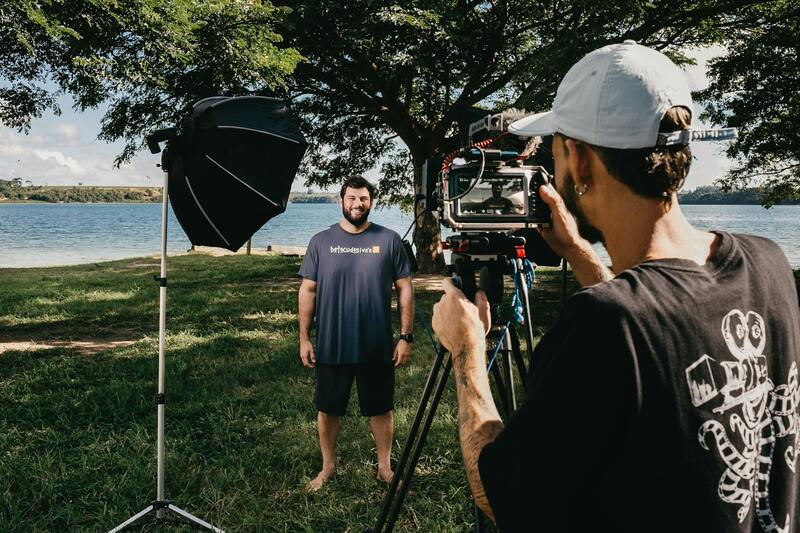
Data security and client confidentiality are critical components of professional service. Implementing secure digital storage solutions, encrypted file transfers, and regular backups protect sensitive client data. Upholding high standards of data management not only fulfills client expectations but also enhances your reputation for reliability.
Finally, staying informed about local zoning laws, filming restrictions, and property access protocols specific to Miami’s diverse neighborhoods ensures ethical compliance and operational smoothness. Regularly reviewing these standards prevents potential setbacks during project execution and supports long-term business resilience.