Understanding the Importance of Video in Miami Real Estate
In the highly competitive Miami real estate market, the utilization of high-quality video content has become an indispensable tool for real estate professionals aiming to increase property visibility and attract potential buyers. Video marketing provides a dynamic way to showcase the unique features of each property, capturing its essence more effectively than static images or text descriptions alone. This visual storytelling enhances engagement, allowing prospective buyers to experience a property virtually before scheduling an in-person visit.
Miami’s vibrant real estate scene, characterized by luxury condominiums, sprawling estates, and waterfront properties, demands innovative marketing approaches. Well-produced videos serve as a window into the lifestyle that Miami offers, highlighting panoramic views, modern interiors, outdoor spaces, and exclusive amenities. This immersive experience helps listings stand out in a crowded market, facilitating quicker sales and often achieving higher asking prices.
The transformation of traditional property marketing to include professional real estate videos has also created new opportunities for real estate agents and businesses. With platforms like social media, YouTube, and property listing websites emphasizing visual content, a compelling property video can significantly boost online visibility and lead generation. Moreover, professionally crafted videos foster trust and credibility, reinforcing the agent’s reputation for quality service and attention to detail.
Furthermore, real estate video content improves SEO performance for property listings by increasing engagement signals such as time spent on page and shares. Search engines favor rich media content, making videos an essential element in a comprehensive digital marketing strategy. As Miami continues to attract global investors and homebuyers, the demand for innovative, high-quality visual marketing will only grow, solidifying video as a core component in real estate promotion.
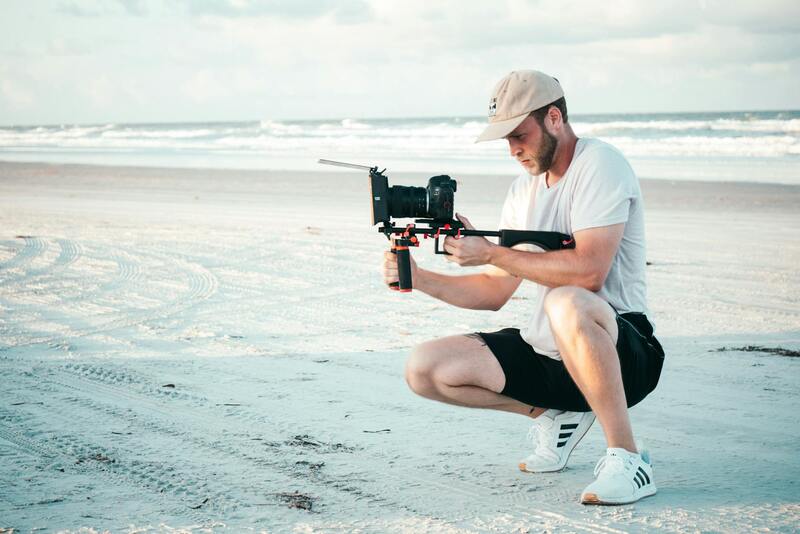
In sum, integrating professional real estate videos into marketing efforts not only enhances the overall appeal of Miami properties but also provides measurable benefits in terms of viewer engagement, faster sales, and higher market positioning. This trend underscores the proactive approach needed by real estate businesses seeking to thrive in Miami’s dynamic environment.
Essential Equipment and Techniques for High-Quality Real Estate Videos
Achieving professional-grade real estate videos in Miami requires a strategic approach to equipment selection and filming techniques. Using the right tools ensures that each property is showcased in its best light, capturing the unique features that appeal to potential buyers and investors. Essential equipment typically includes 4K cameras with adjustable lenses to accommodate various shot types, stabilized gimbals for smooth footage, and high-quality audio recording devices to capture clear sound where needed.
Drone technology has become a staple in real estate videography, especially for Miami properties with expansive estates, waterfront views, or unique architectural features. A drone equipped with a high-resolution camera provides sweeping aerial shots that can add a dramatic perspective, highlighting the property’s size, design, and surrounding environment. To maximize safety and legality, collaborating with certified drone operators ensures compliance with local regulations and safety standards.
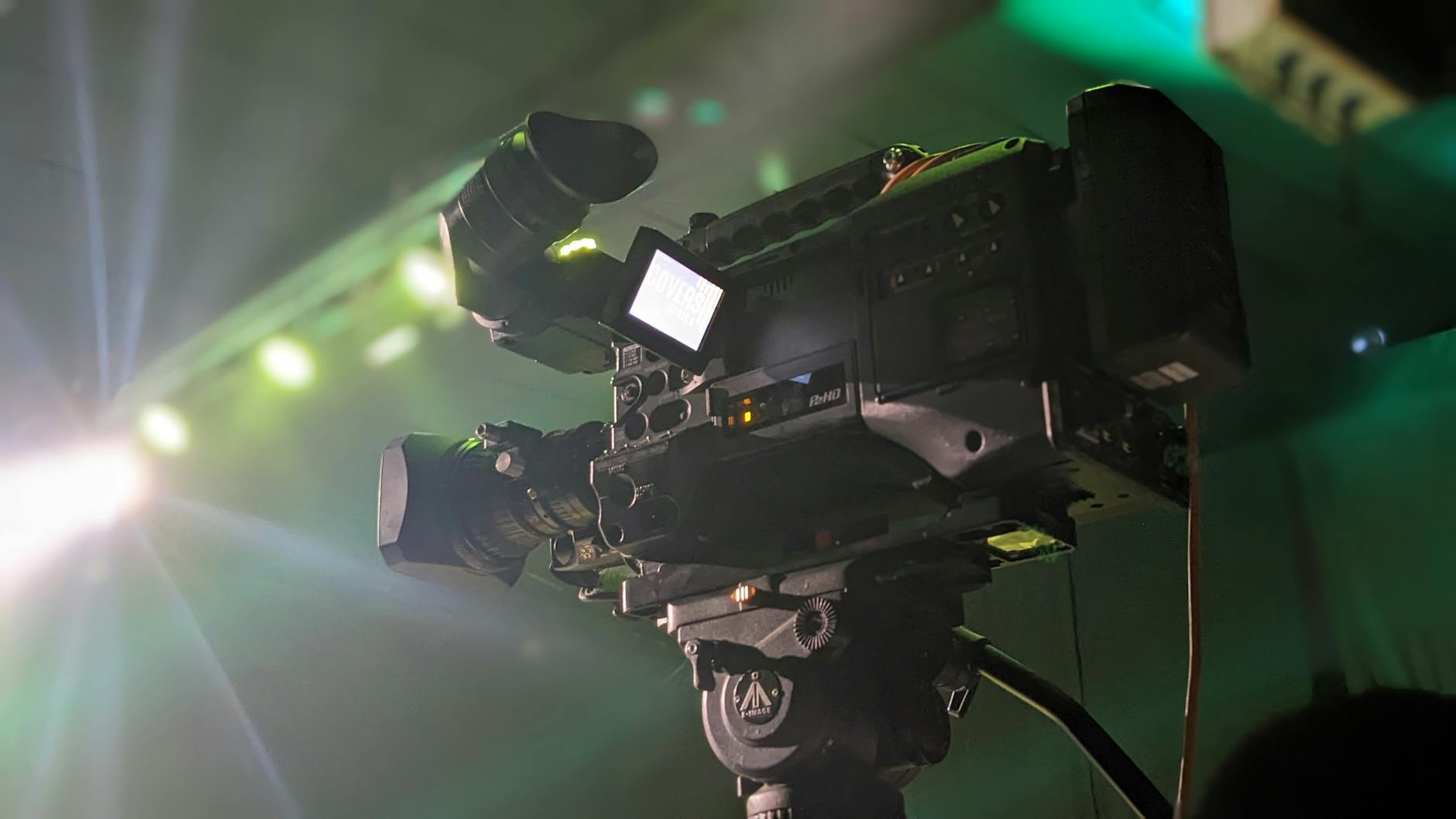
Lighting is another crucial element; using natural light during daytime shoots minimizes the need for extensive equipment, but additional professional lighting may be necessary for interior shots or shadowed areas. Proper lighting brings out textures, colors, and architectural details that will resonate well in the final video. Additionally, employing wide-angle lenses helps capture broad spaces, making rooms appear larger and more inviting.
Filming techniques also play a pivotal role in producing engaging real estate content. Smooth camera movements, achieved through equipment like sliders or stabilizers, prevent shaky footage and convey professionalism. Strategic shot compositions, including establishing shots, detailed close-ups, and dynamic walkthroughs, guide viewers seamlessly through the property, creating an immersive experience. Post-production editing further refines the footage by correcting color, enhancing contrast, and integrating branding elements, ensuring the final product aligns with marketing objectives.
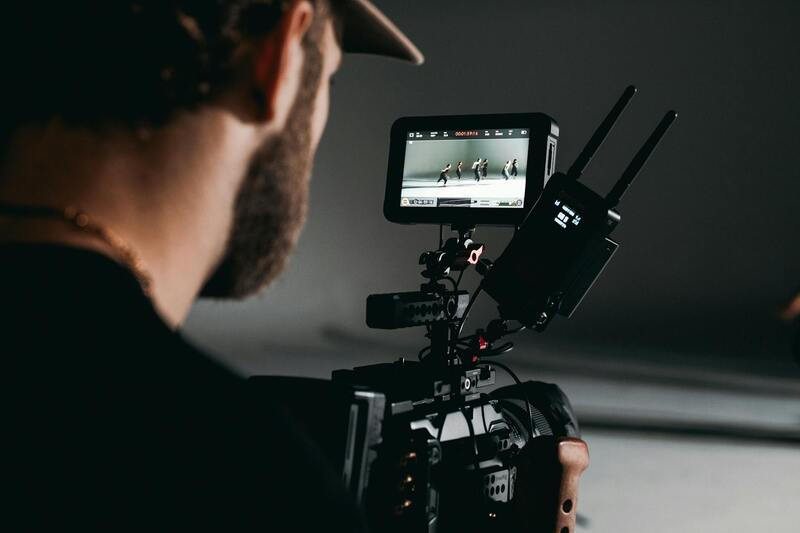
With Miami’s vibrant real estate market, investing in top-tier equipment and refined filming techniques is essential for standing out. A well-executed video not only highlights the property's best features but also emphasizes the lifestyle Miami offers, appealing to a broader audience of potential buyers and investors.
Maximizing Reach Through Strategic Distribution Channels
To effectively showcase Miami real estate properties through videography, leveraging targeted distribution channels is essential. High-quality videos should be integrated across a range of online platforms where potential buyers are most active. This includes dedicated real estate websites, social media platforms, and property listing portals. Each channel demands a tailored approach to ensure the content resonates with the audience and drives engagement.
Posting videos on popular social media platforms such as Instagram, Facebook, and LinkedIn allows real estate professionals to reach diverse audiences. Shortened clips or teaser videos created specifically for these platforms can increase interest and direct viewers to the full property showcase. Using platform-specific features like Instagram Stories or Facebook Ads helps increase visibility and engagement rates.
Additionally, embedding professional videos into property listings elevates the appeal of the listing, making it more attractive to prospective buyers who often browse multiple listings. This approach not only enhances visual appeal but also reduces the time a property spends on the market.
For broader outreach, collaborating with real estate portals that specialize in Miami properties enables targeting a geographically relevant audience. These portals often offer advanced advertising options that allow precise audience segmentation based on demographics and interests, ensuring that the video content reaches qualified buyers actively searching for Miami real estate investment opportunities.
Beyond traditional outlets, implementing email marketing campaigns with embedded videos can engage previous clients and interested parties. Personalized video emails featuring property highlights foster stronger connections and encourage inquiries. These tactics are particularly effective when combined with multi-channel marketing strategies, creating a comprehensive approach that enhances visibility and buyer interest.
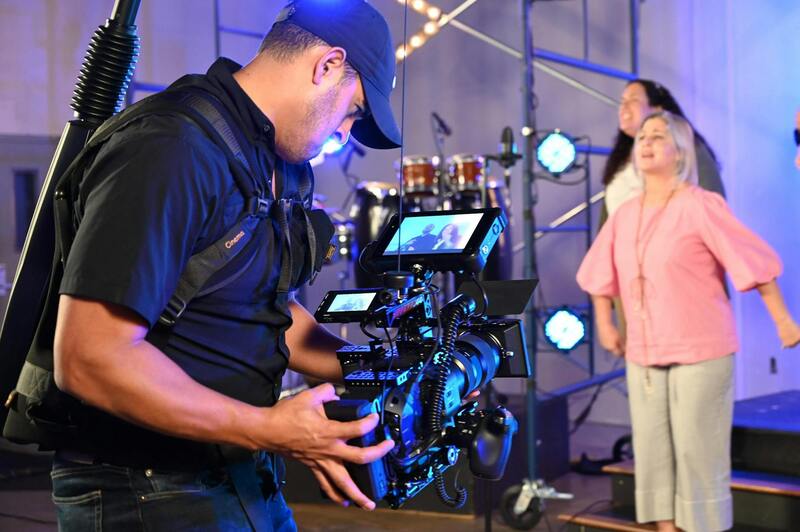
Evaluating performance metrics across these channels helps refine future marketing efforts. Analyzing data such as view counts, engagement rates, and lead conversions provides insights into which platforms and content formats are most effective. Continuous optimization ensures the real estate video business maintains a competitive edge in Miami's dynamic market.
Legal Considerations and Permits in Miami
Operating a successful real estate video business in Miami requires a thorough understanding of the local regulatory environment to ensure compliance and facilitate smooth project execution. Securing relevant permits and adhering to established guidelines are essential steps in establishing a reputable presence within the market.
In Miami, video production activities, especially those conducted on properties or in public spaces, often necessitate obtaining specific permits. These permits serve as official authorizations for filming activities, ensuring that the process aligns with city regulations and minimizes disruptions to residents and property owners. For instance, shooting interiors typically does not require permits; however, drone footage or aerial shots capturing public areas or private properties may require clearances from city authorities or property owners.
Additionally, if commercial filming involves the use of specialized equipment or setups that could impact public safety or traffic flow, additional permits might be necessary. This includes the use of large equipment, lighting rigs, or extended shooting hours, which may interfere with normal city operations. Collaborating closely with local film offices or municipal authorities helps streamline this process, ensuring all necessary paperwork and approvals are secured before production begins.

Understanding property rights is another critical component. When filming on private property, it is essential to obtain explicit permission from property owners. Contracts should clearly define the scope of work, usage rights, and any restrictions related to the footage. Failure to secure appropriate permissions can lead to legal complications and hinder marketing efforts.
Furthermore, utilizing drone technology in Miami comes with specific mandates. The Federal Aviation Administration (FAA) oversees drone operations nationwide, and local laws may impose additional restrictions. Any drone footage must be consistent with FAA regulations regarding altitude, flight over people, and operation during certain hours. Operators often need to hold valid licenses or certifications, and maintaining current knowledge of evolving drone laws is vital for uninterrupted service and safety compliance.
Adopting a proactive approach by keeping abreast of Miami’s regulatory updates and maintaining open communication channels with municipal agencies supports a seamless production process. Investing in proper insurance coverage also safeguards your business against unforeseen events, including property damage or accidents during filming activities.
Legal Considerations and Permits in Miami
Successfully operating a real estate video business in Miami hinges on understanding the various legal frameworks and permit requirements that govern filming activities within the city. Recognizing the intricate processes involved in coordinating permits for drone footage, commercial shoots, and private property access ensures that productions proceed without unnecessary delays or complications. Securing permits typically involves detailed documentation, proof of insurance, and adherence to specific filming hours, especially in historically or highly regulated districts.
When working with private property, it is crucial to obtain explicit consent from property owners or legally authorized representatives. This consent is documented through comprehensive contracts that specify the scope of the shoot, usage rights, and any restrictions. These agreements protect both the service provider and property owners, fostering clear expectations and safeguarding each party’s interests. Proper documentation minimizes risks associated with unauthorized filming and helps maintain professional integrity within the Miami real estate market.

Drone operations, increasingly vital in showcasing Miami’s sprawling neighborhoods and waterfront properties, require navigating additional layers of regulation. The Federal Aviation Administration (FAA) mandates specific operational guidelines, including altitude restrictions, no-fly zones in sensitive areas, and operational hours. Operators are often required to possess valid remote pilot certificates, and adhering to these standards ensures footage collection aligns with legal parameters. Local ordinances may also impose restrictions on drone usage, especially in densely populated or protected environments.
Understanding Miami’s zoning laws and designations, such as historic districts or environmentally sensitive zones, guides filmmakers in planning their shoots responsibly. Permitting agencies often coordinate with Miami’s municipal departments to streamline approval processes for commercial filming, which can include filming in public parks, landmarks, or busy streets. Staying current with city regulations and maintaining ongoing communication with permitting officials facilitate smoother production workflows and help avoid costly violations or re-shoots.
Proactive management of all legal considerations reflects professionalism and enhances the reputation of a real estate video business. Maintaining meticulous records of permits, permissions, and contracts ensures accountability and readiness for any regulatory reviews or audits. Additionally, investing in proper insurance coverage for equipment, personnel, and third-party liabilities provides comprehensive protection, supporting seamless operations even when unforeseen circumstances arise.
Ultimately, a thorough understanding of Miami’s permitting landscape and legal expectations allows real estate videographers to focus on delivering high-quality content while confidently navigating the complex regulatory environment. This approach not only ensures compliance but also builds trust with clients, property owners, and official agencies, strengthening the presence of the video business in Miami’s competitive real estate market.
Legal Considerations and Permits in Miami
Operating a successful real estate video business in Miami necessitates a thorough understanding of the formalities involved in filming properties and utilizing drone footage. While the core focus remains on capturing striking visuals that attract buyers, adherence to established procedures ensures smoother project execution and fosters trust with clients.
First and foremost, securing proper permits for on-location shoots is fundamental. The city of Miami offers streamlined pathways for obtaining filming permits, especially when working within designated areas or public spaces. These applications typically involve submitting detailed shoot plans, including dates, times, locations, and the nature of the footage to be captured. Compliance with these procedures guarantees that all filming activities align with city regulations and that any necessary authorizations are granted in advance.
For drone operations, specific permissions are required that address safety and privacy concerns. Miami's drone regulations stipulate that commercial drone use, such as capturing videos for real estate marketing, must be conducted under the guidelines established by the Federal Aviation Administration (FAA) and local aviation authorities. Drone pilots should obtain an FAA Remote Pilot Certificate and adhere to established altitude and operational zones, especially when filming over private properties or in congested areas.
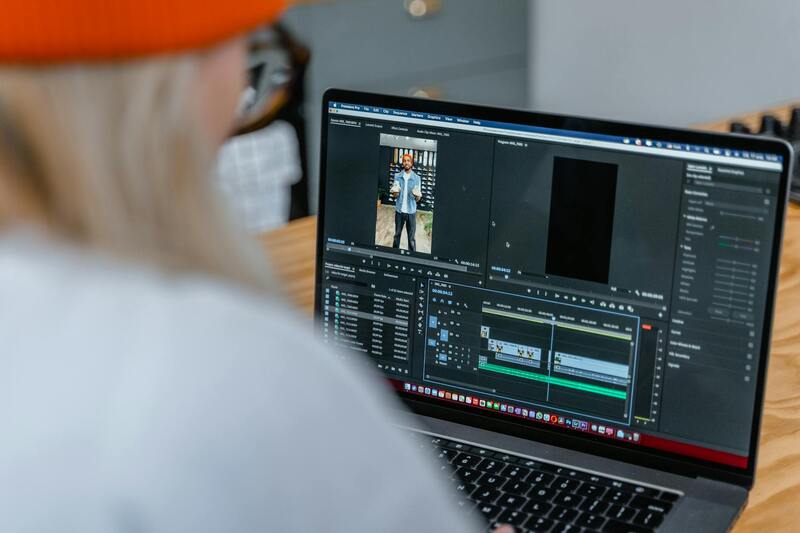
Privacy considerations also play a vital role. Respecting the privacy of residents and neighboring properties involves avoiding intrusive filming angles and securing consent when filming on private land. Clear communication with property owners and stakeholders helps prevent misunderstandings and potential disputes. Documenting these agreements in contracts adds an essential layer of clarity and professionalism.
Maintaining meticulous records of all permits, permissions, and contractual agreements is a best practice that streamlines compliance audits and facilitates smooth operation. Investing in comprehensive insurance coverage—covering equipment, personnel, and third-party liabilities—is equally vital. Such measures not only provide financial protection but also demonstrate a commitment to responsible business practices that clients and partners value highly.
In navigating Miami’s complex regulatory environment, staying current with policy updates and maintaining proactive communication with municipal agencies reduces delays and enhances the overall quality of your service. A strategic approach to permits and legal considerations ensures your real estate video business operates efficiently, sidesteps costly setbacks, and cultivates a solid reputation within Miami’s competitive market.
Expanding Your Service Offerings and Establishing Industry Authority
To position your real estate video business as a trusted leader in Miami’s vibrant property market, it is essential to diversify your offerings and continuously enhance your industry knowledge. Broaden your portfolio beyond standard property walkthroughs by incorporating specialized video services such as drone footage, 3D virtual tours, and cinematic promotional videos. These advanced visuals can significantly boost property appeal and attract high-end clients looking for premium presentation styles.
Building authority within the local real estate scene involves more than just delivering high-quality videos. It necessitates establishing a reputation for reliability, professionalism, and creative expertise. Engaging with local real estate associations, participating in industry events, and showcasing your work across professional networks positions your brand as a go-to resource for real estate marketing in Miami.
Effective Client Communication and Service Customization
Success in the real estate video sector hinges on clear, consistent communication with clients. Understanding their unique needs and expectations allows you to tailor your services accordingly. Offering bespoke packages—such as highlighting luxury amenities or capturing the lifestyle appeal—enables you to meet specific marketing goals. Providing detailed proposals and project timelines fosters trust and demonstrates your dedication to quality service.
Content Optimization and Digital Presence Development
Maximizing the reach of your videos involves strategic digital marketing practices. Optimize your content with relevant keywords and engaging descriptions to improve visibility on search platforms. Maintaining a professional website—like miamivideoproducers.com—with a comprehensive portfolio, client testimonials, and a blog with industry insights can attract inbound inquiries. Consistent social media activity and targeted advertising also expand your brand awareness and generate leads.
Investing in Cutting-Edge Technology and Training
Staying ahead of industry trends involves investing in the latest equipment, from high-resolution cameras and stabilizers to professional editing software. Regular training in new filming techniques and post-production workflows ensures your team consistently delivers stunning visuals that meet the high standards of Miami’s competitive real estate market. Developing expertise in emerging technologies like 360-degree videos or interactive virtual tours can open new revenue streams and differentiate your business.
Building Client Relationships and Ensuring Repeat Business
Long-term success depends on cultivating strong relationships with real estate professionals. Providing excellent customer service, prompt project delivery, and after-sales support encourages repeat business and referrals. Implementing client feedback mechanisms and maintaining ongoing communication helps adapt your services to evolving market needs.
By focusing on these strategic areas—industry authority, service differentiation, technological investment, and strong client relationships—your real estate video business can solidify its presence in Miami’s dynamic property market. A commitment to continuous improvement and client-centric approaches positions you for sustained growth and increased market share in this competitive environment.
Legal Considerations and Permits in Miami
Establishing a reputable and compliant real estate video business in Miami requires a thorough understanding of the region’s regulatory environment. Navigating local permits, licensing requirements, and compliance standards is critical to operating smoothly and avoiding potential disruptions. While the process may seem intricate, adhering to official procedures ensures your business maintains integrity and builds trust with clients and partners.
One of the primary steps involves registering your business with local authorities, which may include obtaining a business license and any specific permits related to filming activities. Miami-Dade County has established regulations governing commercial filming, including restrictions during certain hours or in sensitive areas, such as parks, historic sites, or private properties. Ensuring you secure the appropriate permissions before filming not only safeguards your operations but also promotes goodwill with property owners and the community.
To streamline compliance, it is advisable to develop a comprehensive permitting checklist that aligns with Miami’s official guidelines. This should encompass obtaining property owner approvals, especially when shooting on private land, and adhering to city ordinances that regulate drone usage, noise levels, and environmental considerations. Using official channels, such as the Miami-Dade Film Office or local municipal websites, helps verify current requirements and application procedures.
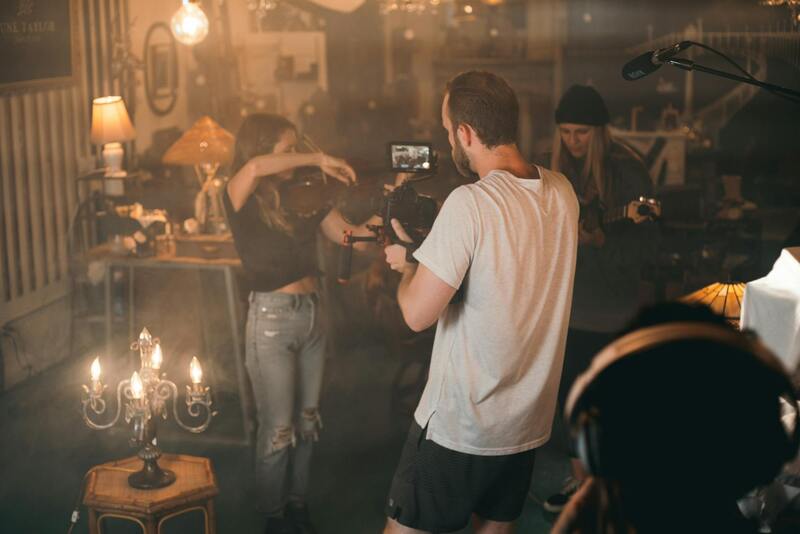
Understanding drone regulations is particularly crucial given the popularity of aerial footage. Miami has specific guidelines governing the operation of unmanned aircraft, including restrictions over certain districts, airports, or congested areas. Securing necessary FAA authorizations and local drone flight permits is vital to avoid penalties and protect your reputation.
Maintaining thorough records of all permits, approvals, and correspondence related to filming projects ensures transparency and accountability. Additionally, staying informed about evolving regulations, such as new environmental or safety standards, allows your business to adapt proactively. Consulting with legal professionals or industry associations can provide valuable guidance on compliance issues and best practices in Miami’s bustling real estate market.
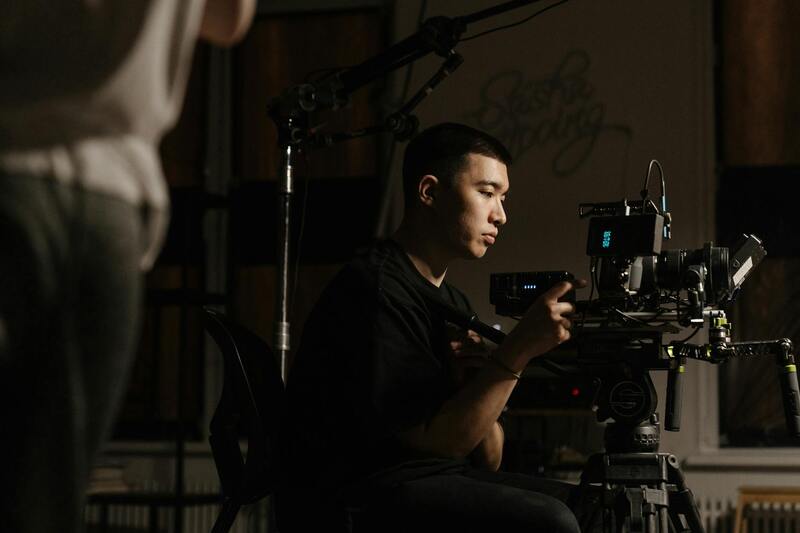
By systematically managing permits and official certifications, your company will uphold operational integrity and foster long-term growth. This diligence not only protects your business from legal repercussions but also enhances your reputation among Miami’s real estate professionals and property owners, positioning you as a trusted and compliant service provider. Ultimately, navigating Miami’s regulatory landscape with professionalism and attention to detail lays a solid foundation for continued success in the competitive real estate media space.