Importance of High-Quality Property Photos
In the competitive realm of real estate, the first impression often occurs through visual presentation. High-quality property photos serve as a crucial gateway to attracting prospective buyers by vividly showcasing the unique features, layout, and ambiance of a property. Professionally captured images have the power to evoke emotional responses, stimulate interest, and encourage viewers to take the next step in the buying process. They create a perception of value and professionalism, setting the stage for successful transactions. In fact, studies indicate that listings with high-quality images receive significantly more views and inquiries compared to those with poorly lit or cluttered photos.
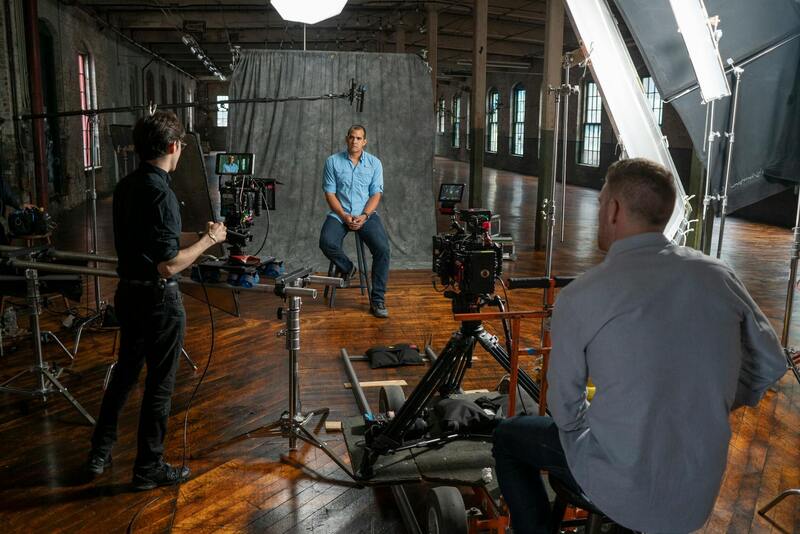
Beyond initial attraction, polished images are instrumental in establishing credibility and trustworthiness of the listing. Homebuyers often rely heavily on online representations because they cannot physically visit every property of interest. Clear, well-composed images reduce ambiguity, minimize misconceptions, and foster a positive perception of the property. This can shorten the decision-making process and facilitate quicker sales. Moreover, professional property photos enhance marketing efforts across various platforms such as real estate websites, social media, and email campaigns, providing consistency and a high-end presentation that resonates with potential clients.
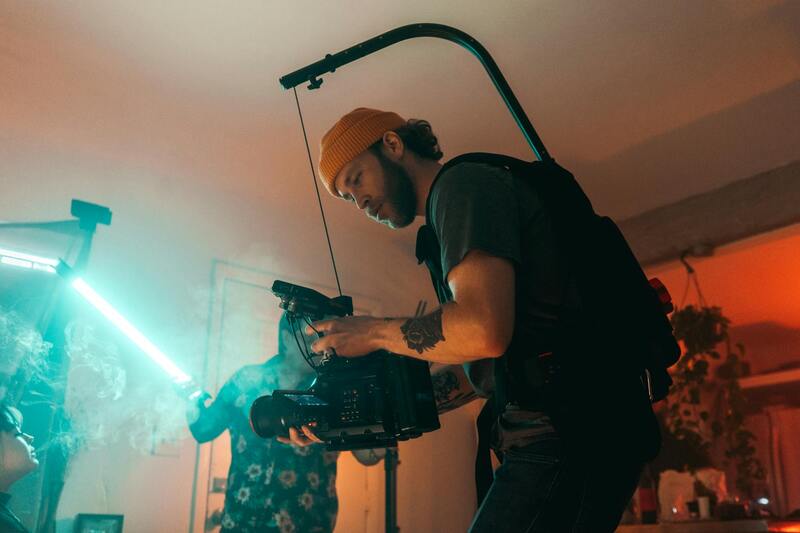
In addition, in the digital age where virtual tours and 3D walkthroughs are increasingly prevalent, high-quality photography forms the foundation for these immersive experiences. The clarity, lighting, and composition of images influence the success of these advanced marketing tools, ultimately affecting the overall sale timeline and pricing. Real estate professionals recognize that investing in top-tier property photography is not merely an aesthetic choice but an essential element to stand out in a crowded marketplace and maximize property value.
Key Elements of Selling Property Photos
Capturing compelling real estate images involves meticulous attention to several core elements that contribute to accurate and attractive portrayals of a property. These components ensure that each photograph effectively highlights the property's strengths while maintaining authenticity. High-quality property photos are built upon the foundation of optimal lighting, precise composition, strategic angles, and detailed focus.
Lighting plays a pivotal role in digital property presentations. Utilizing natural light enhances the space’s brightness and warmth, emphasizing the property's inviting ambiance. Properly timed shoots during daylight hours maximize natural light absorption, reducing the need for extensive post-processing. In interior shots, supplementing with professional lighting equipment can eliminate shadows and evenly illuminate key features, ensuring clarity and visual appeal.
Composition involves arranging the scene to showcase the property's most advantageous features. This includes maintaining clean, clutter-free spaces, and selecting perspectives that accentuate room size and flow. Framing important elements—such as fireplaces, windows, or distinctive architectural details—draws viewers' attention and creates a focal point that resonates with potential buyers.
Angles significantly influence how space dimensions are perceived. Wide-angle lenses are frequently employed to capture entire rooms in a single frame, providing viewers with a comprehensive understanding of the space. However, careful consideration must be given to avoid distortion, which can misrepresent the property's true proportions. Shooting from slightly elevated positions often offers an encompassing view, allowing prospective buyers to grasp the overall layout efficiently.
Focus and detail retention are critical for delivering sharp images that reveal textures, surface finishes, and fine features. Maintaining consistent focus across all images guarantees uniformity and professionalism in the listing presentation. Additionally, photographing specific features—such as built-in cabinetry, modern appliances, or landscaped gardens—adds depth and appeal to the overall portfolio, making the property stand out among competitors.

Incorporating these key elements into the photographic process ensures that property listings not only attract more viewers but also accurately represent the property's true potential. This precision builds buyer confidence, enhances the overall marketing strategy, and ultimately accelerates the sale process, positioning the property as a desirable and trustworthy option within a competitive market.
Types of Photos for Real Estate Listings
Creating a compelling property listing requires a strategic selection of photographic styles that together provide a comprehensive view of the property. Each type of photo plays a distinctive role in highlighting different aspects and features, enhancing the overall appeal to prospective buyers.
- Exterior Photos: These images establish the property's curb appeal and first impression. Well-composed exterior shots should capture the front façade, backyard, driveway, and any notable landscaping or outdoor amenities. Ensuring proper lighting during the golden hours—early morning or late afternoon—can accentuate architectural features and add warmth to the visuals.
- Interior Photos: These images showcase the internal spaces — living rooms, bedrooms, kitchens, bathrooms, and additional rooms. Wide-angle lenses are often used to depict the full scope of each room, but care must be taken to prevent distortion. Highlighting natural light, clean spaces, and uncluttered surfaces can significantly boost the attractiveness of these images.
- Aerial Shots: Drone photography offers a unique, bird’s-eye perspective that displays the property in relation to its surroundings. Aerial images provide context about neighborhood features, proximity to amenities, and land size, which are critical for buyers assessing property value and location advantages.
- Detail Images: Close-up photographs focus on specific features such as high-end appliances, decorative elements, textured surfaces, or landscaped gardens. These shots add depth, convey quality, and draw attention to premium aspects that set the property apart.

Using a well-rounded mix of these photo types ensures audiences receive a vivid, accurate picture of the property’s characteristics. It combines broad contextual visuals with detailed highlights, resulting in a more engaging and trustworthy presentation. High-quality imagery, aligned with strategic marketing goals, can significantly influence the listing’s visibility and attractiveness, ultimately attracting more interested buyers and facilitating faster sales.
Choosing the Right Photography Equipment and Techniques
In the realm of real estate photography, selecting appropriate equipment is crucial to capture images that genuinely reflect the property's appeal. High-resolution digital cameras with wide-angle lenses are standard tools for real estate professionals, allowing for expansive shots that encompass entire rooms and outdoor spaces in a single frame. Employing lenses with focal lengths typically ranging from 14mm to 24mm helps to maximize the field of view without significant distortion, preserving the proportions of interior features. A tripod is indispensable, providing stability that results in sharp, clear images, especially in low-light conditions or when longer exposure times are necessary to balance interior lighting with natural daylight. Additionally, utilizing a remote shutter release minimizes camera shake during exposure, ensuring crisp details. When it comes to lighting techniques, maximizing the use of natural light is highly effective. Opening curtains and blinds before shooting allows sunlight to illuminate interior spaces, enhancing warmth and vibrancy. Supplementing with professional lighting equipment, such as portable strobe lights or softboxes, helps to eliminate harsh shadows and evenly light rooms that may lack sufficient sunlight. HDR (High Dynamic Range) photography is a valuable technique for real estate images. It involves capturing multiple exposures and merging them to balance exposure levels between bright and dark areas, revealing details in both the shadows and highlights. This approach is particularly beneficial for scenes with windows or contrasting interior and exterior lighting. Properly calibrated color settings on the camera ensure that the images accurately depict the property's color palette, from wall shades to flooring and furnishings. Post-capture, it is essential to handle image processing carefully to retain realism but enhance attractiveness. This includes adjusting brightness, contrast, and sharpness, and removing minor imperfections without creating deceptive representations. Lastly, understanding the importance of composition—such as maintaining clean lines, framing key features effectively, and ensuring level horizons—translates to more compelling visuals that resonate with potential buyers.

Enhancing Real Estate Listings through Professional Photography
Optimizing Visual Impact with Correct Image Presentation
Maximizing the visual appeal of real estate property photos involves careful consideration of how images are presented across various digital platforms. High-quality photos should be optimized for fast loading without compromising resolution, ensuring potential buyers have quick access to detailed visuals. Compressing image files using appropriate methods reduces load times, which can significantly enhance user experience and engagement on a website.
Furthermore, consistency in photo dimensions and aspect ratios across listings creates a cohesive and professional appearance. This uniformity helps build a recognizable brand and reassures visitors of the quality standards maintained. Additionally, employing descriptive and keyword-rich filenames for images improves their visibility in search engine results, drawing more traffic to the listing.
Implementing Effective Image Organization and Presentation Tactics
A logical sequence in displaying property photos guides viewers smoothly through the property’s features, from exterior shots to interior highlights. Starting with eye-catching exterior images establishes initial interest, while subsequent interior images should emphasize unique architectural details, spaciousness, and functional layouts. Using thumbnail galleries that enlarge upon clicking enables prospects to explore images seamlessly without cluttering the page.

Incorporating 360-degree panoramic shots and virtual tours can further elevate an online listing, making it more immersive and interactive. These tools allow potential buyers to explore the property environment realistically, fostering a deeper emotional connection and increasing the likelihood of inquiries and visits.
Maintaining Accuracy and Honesty in Visual Content
While high-quality images aim to attract and persuade, they must also accurately represent the actual property. Overly edited photos or the use of filters that distort true colors or dimensions can lead to misconceptions. Professional photographers and property owners should strive for authenticity, ensuring that any enhancements or edits highlight the property’s best features without misleading prospects about its true condition or layout.
Including detailed captions and descriptions alongside images provides additional context. This practice not only enriches the viewer’s understanding but also reinforces transparency, building trust and credibility with potential buyers.
Advanced Techniques for Creating Stunning Property Visuals
Utilizing wide-angle lenses can capture more of a room in a single shot, conveying spaciousness effectively. However, it is important to correct for lens distortion during editing to maintain realistic proportions. Drone photography offers unique perspectives of the property’s exterior, neighborhood, and surrounding landscape, adding a compelling dimension to the visual narrative.
Lighting remains a critical consideration; well-lit images with natural or professionally arranged lighting can drastically enhance the perceived quality of the space. Combining photos taken during different times of day can also provide various atmospheres, showcasing how the property looks in different lighting conditions.
Conclusion
Investing in professional, well-organized, and honest property photos is essential for effective real estate marketing. These images serve as the primary point of interaction with potential buyers and significantly influence their decision-making process. By adhering to best practices in image presentation and leveraging advanced photographic techniques, real estate professionals can create compelling visual stories that resonate with prospective buyers and lead to successful transactions.
Legal and Ethical Considerations in Real Estate Photography
High-quality property photos are a cornerstone of successful real estate marketing, but it is equally important to ensure that these images uphold certain standards to maintain transparency and integrity. Ensuring that photographs accurately represent the property's true appearance helps prevent misunderstandings and builds lasting trust with potential buyers. Outright misrepresentation, whether intentional or accidental, can lead to dissatisfaction, delays in sales, or even legal complications, thereby diminishing the reputation of involved parties.
One of the key ethical practices involves avoiding over-editing or digital enhancement that might alter the true state of the property. Adjustments in brightness, contrast, and color correction should aim to present the property in the best light without exaggerating space, features, or condition. For instance, brightening a photo to brighten a room is acceptable, but fabricating details or removing existing flaws can mislead viewers, damaging credibility and future business opportunities.
When capturing exterior shots, it is essential to depict the property and surrounding landscape honestly. This includes avoiding angles or perspectives that artificially inflate the size of the lot or the grandeur of the property. Drone photography offers remarkable vantage points; however, the images should reflect the real perspective and scale to avoid misleading potential buyers regarding the scope of the property or the surrounding area.

Legal considerations extend beyond ethical behavior, encompassing compliance with certain standards for privacy and security. Images should be taken from public spaces or with the property owner’s consent, especially in sensitive areas such as backyards or private entrances. Ensuring that photographs do not infringe upon neighbors' privacy or reveal confidential details supports responsible marketing practice.
Furthermore, real estate professionals should maintain consistency in the quality and style of photos throughout a listing. This consistency upholds a professional image and provides potential buyers with a clear, honest visual narrative of the property. Transparency regarding the extent of renovations or improvements can also be communicated through the photographic process, enhancing trustworthiness and reinforcing the credibility of the listing.
Maintaining Transparency with Visual Content
- Accurate Image Representation: Photos should faithfully depict the property’s current condition to set proper expectations.
- Avoiding Deceptive Angles: Use of wide-angle lenses should be balanced with correction techniques to prevent distortions.
- Respect for Privacy: Ensure images do not compromise the privacy of residents or neighbors.
- Consistent Presentation: Maintain style and quality uniformity across all listing images.
- Clear Communication of Renovations: Highlighting changes thoughtfully without exaggeration enhances listing credibility.

Legal and Ethical Considerations in Real Estate Photography
Maintaining integrity and professionalism in real estate photography involves adhering to established standards that respect privacy, property rights, and truthful representation. Securing explicit permission from property owners before photographing is crucial, especially in private or sensitive areas. This ensures that the images captured are authorized and comply with ethical guidelines.
Photographers must be diligent in avoiding the capture of images that could infringe upon the privacy of neighbors or reveal confidential or personal information. For instance, photographing through windows or over fences without consent can breach privacy expectations, and should be avoided. When photographing common areas or exteriors, it’s important to focus solely on the property being marketed.
Accurate and honest visual depictions are essential. Wide-angle lenses are often employed to showcase the full scope of interior spaces efficiently, but they should be used carefully to prevent distortions that could mislead potential buyers. Post-processing corrections should aim to present the property as accurately as possible without exaggerating features, ensuring that prospective clients receive a truthful representation.

Standardized presentation across all images within a listing helps maintain a coherent narrative, fostering potential buyers’ trust. Consistent lighting, angles, and quality levels portray professionalism and provide clarity about what the property offers. Additionally, any renovations or improvements should be depicted transparently, allowing viewers to understand the property's true condition.
Best Practices for Respectful and Responsible Photography
- Obtain Clear Permissions: Always secure explicit consent from property owners or authorized representatives before photographing their property.
- Avoid Sensitive Areas: Steer clear of capturing private or confidential spaces, especially in shared or semi-private environments.
- Use Balanced Equipment: Employ wide-angle lenses judiciously, ensuring that the depiction remains accurate without undue distortion.
- Maintain Image Authenticity: Limit post-processing to necessary corrections, avoiding manipulations that could mislead viewers.
- Respect Privacy of Others: Be attentive to neighboring properties and public spaces to prevent unintended privacy breaches.
- Document Changes Clearly: Accurately reflect renovations or improvements without exaggeration or omission.
Consequences of Misrepresentation
Utilizing misleading visuals can lead to diminished trust from prospective buyers, damage to reputation, and potential complications during the transaction process. Transparent practices, grounded in ethical standards, help establish a professional reputation and foster long-term client relationships.
Legal and Ethical Considerations in Real Estate Photography
Capturing property images involves adhering to established standards that promote transparency and fairness. Photographers and property marketers must follow stringent protocols to ensure images accurately represent the property, avoiding enhancements or omissions that could mislead potential buyers. Proper documentation of the property's condition, including any recent renovations or repairs, should be included in descriptions and visual content to provide a comprehensive overview of the property’s features.

Respect for privacy is paramount. Photographers must obtain explicit permission from property owners or authorized representatives before commencing any shoot. In shared or multi-unit buildings, care must be taken not to infringe upon the privacy of neighbors or showcase private spaces inadvertently. Use of wide-angle lenses should be balanced with a commitment to authenticity, avoiding distortions that could give a false impression of space or layout.
Post-processing should be applied responsibly. Basic edits, such as adjusting brightness, contrast, or fixing minor blemishes, are generally acceptable. However, significant alterations that could alter the perceived size, structure, or features of a property should be avoided. The goal is to maintain an image’s authenticity while enhancing clarity and visual appeal.

It is essential to document any improvements or changes made to the property carefully. Omission or exaggeration of renovation details can misinform viewers and complicate the transaction process. Ethical practices in real estate photography also include respecting neighboring properties and public spaces, ensuring that the images do not violate privacy rights or create unauthorized representations.
Impacts of Misrepresentation in Property Photography
Using images that do not accurately reflect the property's true condition can severely undermine trust with prospective buyers. Such practices might lead to disagreements, cancellations, or legal scrutiny, which can damage a professional reputation within the industry. Maintaining high ethical standards not only fosters confidence but also helps to cultivate long-term client relationships, reinforcing a brand’s integrity and credibility.