Understanding Real Estate Photography Virtual Staging
Virtual staging in real estate photography is a sophisticated technique that involves digitally enhancing property images to showcase their potential appeal without physically altering the space. This process uses advanced graphic design software to add furniture, decor, and other visual elements into photographs of vacant or cluttered properties. The primary goal is to create a compelling visual story that attracts prospective buyers, provides a clear understanding of the property's layout, and helps buyers imagine the space as their future home or investment.
In the competitive Miami real estate market, virtual staging offers a strategic advantage by transforming ordinary photographs into inviting and stylish showcases that resonate with a wide audience. This method allows real estate professionals to present a property’s best features without the cost, time, and logistical challenges associated with traditional physical staging. It also enhances online listings, making them more engaging and shareable across digital platforms.
The benefits of virtual staging extend beyond aesthetics; it creates an emotional connection by illustrating different lifestyle possibilities within a space. For example, a vacant condo can be staged virtually with modern furnishings, cozy living areas, and trendy decor to demonstrate its functionality and style. Additionally, virtual staging can quickly adapt to different marketing themes or target demographics, providing a dynamic approach to property presentation.

Photographic Requirements for Virtual Staging
High-quality photography forms the foundation of effective virtual staging. To ensure seamless integration of digital furnishings, real estate professionals and photographers must adhere to specific technical standards when capturing property images. Optimal lighting is paramount; natural light is preferred to reduce shadows and enhance the clarity of the space. Supplementary lighting fixtures may be employed to balance light distribution, especially in rooms with limited sunlight.
The choice of camera and lens also impacts the quality of the final images. A high-resolution digital camera with a wide-angle lens is typically recommended, as it captures more detail and provides a broader perspective of each room. This allows digital designers to add virtual furniture and decor in a way that accurately reflects the spatial dimensions, fostering a realistic and inviting appearance.
Proper perspective and framing are equally important. Photographs should be taken from strategic vantage points to showcase the room's best features and layout. Avoiding distortions, such as keystone effects, ensures that virtual staging elements align perfectly with the physical space, maintaining authenticity and consistency.
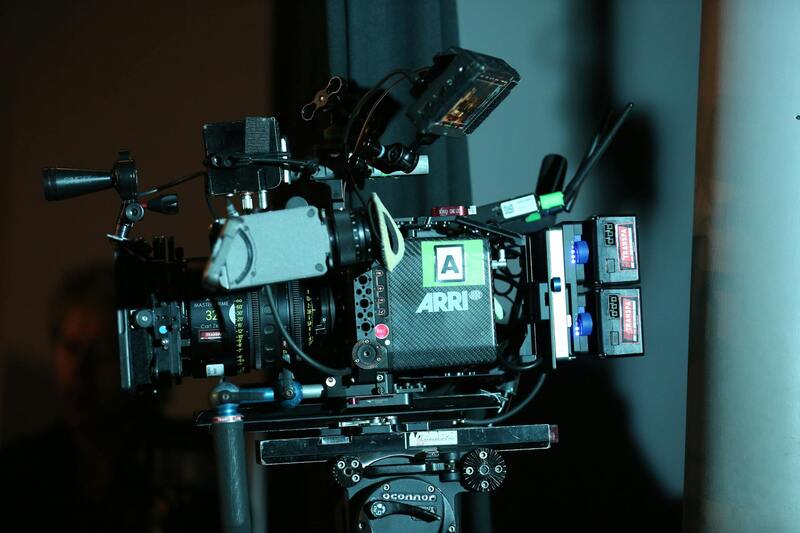
Post-processing steps, such as color correction and perspective correction, should be performed carefully to optimize image quality before virtual staging begins. These measures contribute to a cohesive, professional look that appeals to prospective buyers and enhances the overall listing presentation.
Choosing a Virtual Staging Service Provider in Miami
When selecting a virtual staging provider, Miami-based real estate agents and marketers should consider several key attributes. Expertise in digital design and an understanding of local market preferences are essential to produce images that resonate with Miami’s diverse buyer demographic. A reputable provider offers a portfolio demonstrating previous work, highlighting versatility in staging styles and attention to detail.
Speed and responsiveness are critical factors, as timely delivery can influence marketing timelines and sales velocity. Additionally, providers should offer options for customization and revisions, ensuring that the staged visuals align with the property’s unique features and target audience expectations.
Cost-effectiveness without sacrificing quality is another vital consideration. Budget-conscious professionals should seek providers who offer transparent pricing models and scalable solutions that match the scope of their listings. Establishing a clear scope of work upfront minimizes misunderstandings and facilitates smooth collaboration.

Ultimately, effective partnership with a knowledgeable virtual staging firm empowers real estate professionals to elevate their listings dramatically. It also ensures that visual assets are optimized for various digital platforms, increasing engagement and attracting qualified buyers in Miami’s competitive real estate environment.
Photographic Requirements for Virtual Staging
To achieve optimal results in real estate photography virtual staging, it is essential to adhere to specific photographic standards that facilitate seamless integration of digital furniture and decor. High-resolution images form the foundation of effective virtual staging, as they allow for detailed editing and ensure that the enhanced visuals appear realistic and appealing. Professionals recommend capturing images in well-lit conditions, ideally during the daytime, with ample natural light to showcase the property's best features and minimize shadows or reflections.
Uniform perspectives and consistent angles across different rooms are crucial to maintain visual harmony and coherence in the staged images. Wide-angle lenses are often employed to portray spaciousness and depth, but care must be taken to avoid distortion. When photographing interiors, straight lines should be preserved to prevent the illusion of skewed spaces, which can distract viewers or undermine the realism of the virtual staging.
Additionally, it’s vital to include overlapping or adjacent shots of connecting spaces, such as living rooms, kitchens, and bedrooms, to facilitate a smooth digital staging process. Clear, clutter-free images with minimal distractions enable virtual stagers to focus on enhancing the property's potential without interference from extraneous details.

Photographic Requirements for Virtual Staging
For virtual staging to achieve realistic and compelling results in Miami's competitive real estate market, the foundation begins with high-quality, strategically captured images. Accurate photographic techniques set the stage for seamless digital enhancements, ensuring buyers receive an authentic visual experience that accurately represents the property's potential.
First, optimal lighting conditions are essential. Natural light during daytime hours, ideally between late morning and early afternoon, minimizes shadows and highlights interior features without overexposure. Supplementary lighting, such as softbox or diffused artificial light, can further enhance interior shots, providing even illumination that makes virtual staging more effective.
Next, the choice of equipment plays a significant role. Wide-angle lenses are predominantly used to portray spatial dimensions realistically; however, care must be taken to prevent distortion, which can mislead viewers. Maintaining consistent focal lengths and camera heights across all images ensures uniformity. The camera should be positioned at eye level to mirror natural human perspective, offering a truthful representation of space.
Proper framing is critical. Capturing images with minimal clutter ensures that virtual staging can focus solely on enhancing the property's features. Overlapping shots that include connecting spaces—such as living rooms flowing into kitchens or bedrooms—allow for cohesive digital staging across multiple areas. Each photograph needs to be straight and level, with lines parallel to the edges of the frame, to preserve architectural accuracy and prevent visual distortions.
Post-processing is the finishing touch that prepares images for virtual staging. Color correction balances the hues for a natural look, while perspective alignment ensures that walls and furniture appear plausible once digitally added. Exposure adjustments prevent underexposed or washed-out images, creating a neutral base for staging. Sharp, clear images with consistent lighting conditions across all photographs enable virtual stagers to produce more lifelike and appealing results, directly influencing how prospective buyers perceive the property.

Investing in quality photography is an indispensable step in the virtual staging process. It not only enhances the visual appeal of a listing but also accelerates sale potential by conveying a realistic vision of how a space can be transformed. Clear, professional images serve as a robust foundation for virtual staging that can elevate Miami’s real estate listings to attract targeted buyers effectively.
Legal and Ethical Considerations in Virtual Staging
Virtual staging has become a transformative tool in real estate marketing, offering sellers and agents an innovative way to showcase properties without the physical effort and expense of traditional staging. However, it is essential to adhere to professional standards and maintain transparency throughout the process.
One primary consideration is ensuring that images are accurately represented. Virtual staging should enhance the property's visual appeal without creating misconceptions about the space's size, layout, or features. For example, virtual furniture and decor should be proportionate to the actual room dimensions, avoiding any exaggeration that might mislead prospective buyers.
Clarity in communication with clients is paramount. Agents and stagers must clearly disclose when images have been virtually staged, providing transparency that builds trust with potential buyers. This approach fosters integrity and allows buyers to appreciate the value of the staging while understanding the current state of the property.

Due diligence involves using high-quality, professional software and avoiding overly manipulated images that could distort real property characteristics. Over-editing to excessively alter space dimensions or features undermines credibility and could result in failed transactions or reputation damage within the Miami real estate market.
Maintaining ethical standards also means respecting intellectual property rights. When sourcing furniture, decor, or digital assets for virtual staging, it is vital to use licensed or original content, avoiding copyright infringements that could lead to legal complications.
Adherence to these principles not only upholds professional integrity but also enhances the consumer experience. Accurate, transparent, and ethically produced virtual staging images serve as powerful marketing tools that appeal to serious buyers, accelerating sales and fostering long-term trust in the real estate ecosystem.
Understanding Real Estate Photography Virtual Staging
Virtual staging in real estate photography involves the digital enhancement of property images to showcase a potential living space in its best light. This technique utilizes advanced computer software to add furniture, decor, and stylistic elements that are either minimalistic or luxurious, depending on the target market. Unlike traditional staging, which requires physically moving furniture and accessories into the property, virtual staging offers a cost-effective and time-efficient alternative that can significantly influence prospective buyers’ perceptions. It allows real estate professionals to present vacant or poorly furnished properties with attractive interior designs that highlight the property’s true potential, thereby improving visual appeal and engagement.

Effective virtual staging hinges on accurate representation and high-quality imagery. Photographers must capture well-lit, sharp images that serve as the foundation for digital enhancements. Proper lighting, camera angles, and room dimensions are essential to avoid distorting the space once staged virtually. This approach ensures the inserted furniture and decor appear natural and proportionate, providing a realistic visualization of the space. When executed correctly, virtual staging can help buyers visualize how a room can be used, understand the flow of the space, and get a sense of the home's ambiance, all while maintaining an efficient marketing pipeline.
Photographic Requirements for Virtual Staging
- High-resolution images: To ensure the digital enhancements integrate seamlessly, professional-grade cameras should be used to capture clear, detailed photographs.
- Consistent lighting: Uniform lighting minimizes shadows and highlights, making virtual furniture placement look natural.
- Optimal angles: Wide-angle shots that showcase the property's layout facilitate more effective virtual staging.
- Accurate room dimensions: These data points are crucial for proportional furniture digital placement and prevent visual distortions.

Attention to these details ensures the virtual staging process complements the true features of the property, creating a compelling visual experience that accurately reflects the home’s character while appealing to the target demographic.
Understanding Real Estate Photography Virtual Staging
Virtual staging in real estate photography involves digitally adding furnishings, decor, and stylistic elements to photographs of vacant or sparsely furnished properties. This technique leverages advanced image editing software to transform empty rooms into inviting, fully furnished areas, giving prospective buyers a clear sense of how spaces can be utilized without the need for physical staging. The process begins with capturing high-quality, well-lit images of the property, which serve as the foundational visuals for the virtual enhancement. The digital furniture and accessories are carefully selected to complement the architectural style and target market, thereby creating a realistic and aspirational representation of the home. Proper execution ensures that the virtual furnishings appear natural and proportionate, enhancing the appeal of the property while maintaining authenticity. Virtual staging allows real estate agents and property owners to showcase a property's full potential efficiently, appealing to buyers through visually engaging and contextually relevant imagery, especially in highly competitive Miami markets where aesthetics can significantly influence buyer interest.
Benefits of Virtual Staging for Miami Real Estate
In Miami's vibrant real estate landscape, virtual staging offers numerous advantages that enhance property marketing efforts:
- Cost Efficiency: Virtual staging incurs significantly lower costs compared to traditional physical staging, making it a practical choice for sellers and agents looking to maximize marketing budgets.
- Time Savings: Digital staging can be completed rapidly, enabling quicker listing turnarounds and reducing the waiting period associated with physical furniture rental and setup.
- Versatility: Virtual staging allows customization of decor styles to match various target demographics, from luxury modern aesthetics to cozy family-oriented environments.
- Enhanced Visual Appeal: Professionally staged images attract more online views and generate higher engagement by showcasing a property's best features in a polished manner.
- Expanded Possibilities: Even vacant or under-renovation properties can be made market-ready with virtual furnishings, aiding buyers in envisioning the space's potential.
These benefits collectively improve the property's marketability, especially in Miami's competitive market where visual presentation can determine a property's sale speed and final price. High-quality virtual staging images can turn an ordinary listing into a standout advertisement, drawing more interest from both local and international buyers.
Types of Virtual Staging Techniques
Virtual staging techniques vary based on the desired aesthetic and the property's characteristics. The most common methods include:
- Photo-Based Virtual Staging: Utilizing existing photographs, digital artists insert furniture and decor elements into the images, ensuring they fit seamlessly within the space.
- 3D Virtual Staging: This advanced approach involves creating a three-dimensional digital model of the space, allowing for a highly realistic and customizable virtual environment. It offers greater flexibility in viewing different layout options and styles.
- Mix-and-Match Virtual Staging: Combining physical decor elements with digital enhancements, this method helps visualize finished spaces while maintaining authenticity in the design process.
Choosing the appropriate technique depends on factors such as the property's layout, target audience preferences, and marketing goals. Each approach offers distinct advantages, with 3D virtual staging providing the most immersive experience for viewers.
Photographic Requirements for Virtual Staging
Achieving compelling virtual staging results hinges on the quality of the original photographs. Impeccable image capture is crucial and involves attention to several key elements:
- High-Resolution Photography: Use professional-grade cameras to produce images with sharp detail, ensuring digital enhancements blend naturally.
- Consistent Lighting: Uniform lighting minimizes shadows and highlights, providing a balanced canvas for virtual furniture placement.
- Optimal Angles: Wide-angle shots that clearly depict room layouts are essential for effective virtual staging, ensuring digital furniture is proportionate and well-integrated.
- Accurate Room Dimensions: Precise measurements support correct scale and placement of virtual furnishings, avoiding distorted or unrealistic visuals.
Properly prepared images serve as the foundation for a successful virtual staging process, helping create an authentic and appealing visual narrative that resonates with prospective buyers.
Understanding Real Estate Photography Virtual Staging
Real estate photography virtual staging is a sophisticated digital technique that transforms empty or sparsely furnished property images into inviting and fully furnished spaces. This process involves the use of advanced software to overlay virtual furniture, decor, and design elements onto high-quality photographs of the property. Unlike traditional staging, which requires physical movement and placement of furniture and accessories, virtual staging offers a cost-effective, time-efficient, and flexible alternative that allows real estate professionals to showcase a property’s potential without the logistical constraints of physical staging.
The core principle behind virtual staging is accuracy and realism. Digital designers carefully select furniture and decor styles that complement the property’s architecture and target audience preferences. The result is an immersive visual experience that helps prospective buyers visualize living in the space, thereby enhancing emotional connection and increasing the likelihood of a sale. For Miami’s dynamic real estate market, virtual staging not only enhances visual appeal but also accelerates sales cycles by providing captivating online listings that stand out amid competitive properties.
Effective virtual staging hinges on expert skill, technologically advanced software, and a clear understanding of the property’s unique features. The end goal is to produce seamless, high-resolution images that accurately portray spatial proportions, lighting conditions, and design aesthetics. Careful attention to detail ensures that virtual furniture appears natural within the environment and aligns with the existing architecture, making it an invaluable tool for marketing luxury condos, beachfront homes, and other high-end properties in Miami.

Benefits of Virtual Staging for Miami Real Estate
Implementing virtual staging in Miami’s real estate listings offers multiple tangible benefits. It significantly heightens visual interest and provides a competitive edge in a bustling market where properties often compete for attention online. Virtual staging allows sellers and agents to showcase the full potential of a space, highlighting layout possibilities and design versatility that may not be immediately apparent through clean, empty rooms or cluttered setups.
Another advantage is cost-efficiency. Virtual staging reduces the expenses associated with traditional physical staging, such as hiring furniture rental companies, storage, and labor costs. This affordability enables real estate professionals to present multiple staging options or make adjustments easily, providing a tailored presentation to different target demographics or market segments.
Flexibility and speed are crucial in Miami’s fast-paced environment. Virtual staging can be completed within days, allowing listings to go live quickly and capture market interest promptly. Furthermore, digital images are highly adaptable; they can be optimized for various marketing channels, including MLS listings, social media platforms, and virtual tours. This adaptability ensures a consistent and compelling visual message across all marketing avenues, crucial for attracting both local and international buyers in Miami’s global real estate landscape.
In addition, virtual staging is particularly effective in illustrating the potential of problematic or unconventional spaces, such as small rooms, basements, or properties with unusual layouts. By virtually furnishing these areas, agents can demonstrate how these spaces can be optimized for comfort and style, overcoming visual and psychological barriers that might otherwise hinder buyer interest.

Types of Virtual Staging Techniques
Virtual staging encompasses a variety of techniques tailored to meet diverse property presentation needs. The most common methods include:
- 2D Virtual Staging: This traditional digital overlay involves 2D graphic elements added directly onto photographs. It offers rapid implementation and is suitable for straightforward room presentations.
- 3D Virtual Staging: Utilizing advanced rendering software, this technique creates three-dimensional models of furniture and decor, providing a more immersive and realistic visualization of spaces. 3D virtual staging is highly detailed and flexible, allowing clients to see different design styles and configurations.
- Virtual Renovation: Extending beyond furniture placement, this approach digitally renovates or remodels spaces. It can showcase potential structural changes, paint schemes, or architectural modifications, helping buyers envision larger renovations or upgrades.
- Mix-and-Match Virtual Staging: Combining physical decor with digital enhancements, this hybrid approach allows for more authentic presentation while maximizing flexibility in showcasing different styles and design concepts.
Choosing the appropriate technique depends on the property’s specifics, target market preferences, and the desired presentation style. For luxury condos or homes in Miami’s high-end neighborhoods, 3D virtual staging often provides the most engaging and realistic experience, while simpler 2D methods may suffice for commercial or rental properties.

Photographic Requirements for Virtual Staging
High-quality images are fundamental for successful virtual staging. The process relies on precise photographic capture to ensure digital enhancements blend seamlessly and appear authentic. Essential photographic elements include:
- High-Resolution Photography: Employ professional cameras with high megapixel counts to produce clear, sharp images that support detailed digital overlaying and prevent visual artifacts.
- Consistent Lighting Conditions: Shooting during optimal daylight hours or with controlled lighting minimizes shadows, highlights, and uneven illumination, creating a neutral base for digital enhancements.
- Optimal Angles: Wide-angle lens shots that encompass entire rooms help virtual staging specialists to accurately gauge proportions and scale, ensuring virtual furniture fits naturally within the space.
- Accurate Room Dimensions and Layouts: Including measurements and comprehensive spatial information facilitates precise placement of digital elements, avoiding distortions and discrepancies that could compromise realism.
Preparing images with these standards ensures a seamless transition from original photograph to virtual staging, ultimately producing imagery that convincingly portrays the property’s potential and entices prospective buyers to take the next step.