Overview of Drone Photography in the Miami Real Estate Market
Drone photography has become an integral component of the real estate industry in Miami, driven by the city’s dynamic property market and client demand for innovative marketing solutions. The use of unmanned aerial vehicles (UAVs) to capture high-quality images and videos offers unparalleled perspectives of properties, from sweeping aerial shots to detailed neighborhood overviews. This technological advancement enhances the visual appeal of listings, leading to increased engagement and faster sales cycles.
In Miami’s competitive real estate landscape, showcasing a property’s unique features through compelling aerial visuals creates a significant advantage. Buyers and investors are increasingly seeking immersive experiences when evaluating properties, and drone footage provides an authentic sense of scale, layout, and surrounding amenities that traditional photography cannot match. As a result, real estate professionals are actively incorporating drone services to meet this growing demand, making it a vital part of property marketing strategies.
The market trends reveal a steady increase in the adoption of drone photography across residential, commercial, and luxury real estate segments. High-end properties, in particular, benefit tremendously from aerial imaging, as they often boast expansive landscapes, waterfront views, or unique architectural elements that are best appreciated from above. By leveraging professional drone photography, real estate businesses in Miami can differentiate their listings, attract more prospective buyers, and ultimately achieve quicker sales at favorable prices.

The increasing availability of drone services, combined with the real estate market’s rapid growth, underscores the importance of integrating aerial imaging into property marketing. As it continues to evolve, drone photography not only elevates listing presentations but also aligns with the broader digital shift that favors high-quality visual content. For real estate professionals aiming to stay ahead in Miami’s vibrant market, investing in sophisticated drone solutions and establishing a reliable drone photography operation is essential for sustained success.
Equipment Selection and Technical Considerations
Establishing a successful real estate drone photography business in Miami hinges on choosing the right equipment tailored to the specific demands of aerial property imaging. The drone fleet must balance high-resolution camera capabilities, flight stability, and operational endurance to ensure comprehensive coverage of various property types, from sprawling estates to high-rise commercial buildings.
Professional-grade drones equipped with 4K or higher resolution cameras are essential to produce sharp, vibrant images that capture the finest architectural details and landscape features. Gimbals with advanced stabilization systems enhance image clarity, especially in wind-prone environments characteristic of Miami’s coastal areas. Additionally, drones with longer flight times—generally around 20 to 30 minutes per battery—allow for efficient shoot sessions, reducing turnaround times for clients.
Beyond camera quality, considerations should include GPS accuracy for precise positioning, obstacle avoidance sensors for safe flight around complex structures, and compatibility with professional editing software. These technical features ensure smooth operations, minimize potential risks, and help produce consistently high-quality visual content. Understanding the specific needs of Miami’s real estate market can further refine equipment choices. For example, wide-angle lenses facilitate capturing expansive waterfront properties or large estates, while thermal imaging or other specialized sensors might be useful for niche marketing or commercial projects.
Furthermore, operational safety features such as emergency landing capabilities and failsafe protocols are indispensable components of a comprehensive drone setup. Maintaining and calibrating equipment regularly ensures optimal performance and adherence to continuously evolving aerial imaging standards.
Investing in reliable, professional-grade drones from reputable manufacturers can reduce downtime and technical issues, ultimately delivering a seamless client experience. As Miami’s real estate landscape expands and diversifies, a well-chosen fleet of drones with the right technical features becomes a cornerstone of differentiation and quality assurance for a drone photography enterprise.
Legal and Regulatory Requirements for Drone Operations
Executing a successful real estate drone photography business in Miami involves adhering to established operational standards that promote safety, efficiency, and compliance with aviation directives. A comprehensive understanding of airspace regulations ensures that each flight is conducted responsibly and without disruptions to surrounding environments or properties. This includes obtaining necessary permits for commercial drone use and scheduling flights at appropriate times to avoid interference with other airspace activities.
Effective operational planning encompasses detailed pre-flight assessments, including evaluating weather conditions to prevent accidents caused by high winds, rain, or other adverse elements typical of Miami’s climate. Operators must also develop flight plans that respect property boundaries and nearby structures, minimizing risks while maximizing visual impact. Incorporating established safety protocols such as maintaining line-of-sight contact with the drone at all times and implementing contingency procedures helps safeguard equipment, personnel, and the integrity of the property.
Engaging with local authorities and industry associations can provide valuable insights into current best practices and emerging standards within the drone and real estate sectors. Regularly updating operational procedures to reflect changes in regulations and technological advancements ensures ongoing compliance and maintains a professional reputation in Miami's competitive market.
Maintaining accurate documentation of flights, including flight logs and permits, aids in transparency and accountability. Such records can be crucial for reviewing operational performance, resolving any disputes, or demonstrating compliance during audits or inspections. Ultimately, a structured approach to legal and regulatory adherence enhances credibility with clients and partners, fostering long-term success in Miami’s vibrant real estate market.
Legal and Regulatory Requirements for Drone Operations
Operating a successful real estate drone photography business in Miami necessitates a thorough understanding of the specific legal and regulatory framework governing drone flights. The Federal Aviation Administration (FAA) oversees drone operations across the United States, including Miami, and mandates adherence to established rules aimed at ensuring safety and efficiency. Business owners must obtain a Remote Pilot Certificate, which verifies their competence to operate drones commercially. This certification process involves passing a written exam that covers airspace classification, weather considerations, and operating procedures.
In addition to certification, operators should familiarize themselves with Miami-specific airspace regulations. No-fly zones near airports, military installations, or sensitive infrastructure require careful planning to avoid unauthorized incursions. Miami International Airport, along with other regional facilities, details no-fly zones and operational restrictions that must be observed to prevent interference with manned aircraft and maintain a safe environment for all airspace users.
Beyond federal and regional regulations, local ordinances may impose additional constraints related to privacy, property access, and permissible flight altitudes. Engaging with Miami’s local authorities and planning permits in advance is vital for seamlessly integrating drone operations into real estate workflows. These permits often require detailed flight plans, including designated flight zones, intended photography angles, and safety measures to protect residents and property owners.
Maintaining meticulous records of each flight operation is equally important. This documentation should include flight logs, permits obtained, and specific details of each session. Such records not only demonstrate compliance but also support claims of due diligence, particularly in case of disputes or audits. Additionally, staying updated on evolving policies through industry associations or official government channels ensures ongoing adherence and a reputation for professionalism within Miami’s competitive real estate market.
Overall, a strategic approach to legal compliance enhances credibility and confidence among real estate clients. By prioritizing safe, authorized flights backed by proper certification and permitting processes, a drone photography business establishes a reputation for reliability and excellence in Miami’s bustling property sector. This foundation supports long-term growth and positions the business as a trusted provider of high-quality visual marketing solutions tailored to the nuances of Miami’s real estate environment.
Developing a Service Offering for Real Estate Clients
Creating a compelling and comprehensive package of drone photography services is essential for attracting and retaining clients within the Miami real estate market. These offerings should be carefully tailored to meet the unique demands of real estate professionals, property owners, and developers seeking high-quality visuals to enhance property listings and marketing campaigns.
Offering a range of service tiers enables flexibility and appeals to clients with diverse budget considerations and project scopes. For instance, basic packages might include aerial exterior shots of properties, while premium options could incorporate 3D virtual tours, high-resolution videography, and twilight photography to showcase property features in different lighting conditions. Integrating additional services such as panoramic panoramas, interior drone shots, and neighborhood highlight videos can further differentiate the business and add value to client proposals.
Building robust case studies and portfolio samples is critical for demonstrating expertise and establishing credibility. Highlighting successful collaborations with local real estate agents and showcasing before-and-after images can effectively communicate the impact of professional drone visuals. These showcase examples serve as persuasive tools during client consultations and marketing efforts, illustrating the tangible benefits of investing in high-quality aerial imagery for property listings.
Innovative service options, such as time-lapse videos of property transformations, aerial inspections for large estates, or detailed footage of waterfront properties, meet specific market demands unique to Miami’s diverse real estate landscape. Emphasizing quick turnaround times and flexible scheduling is also advantageous, as real estate transactions often operate under tight timelines.
Enhancing client communication through detailed proposals, regular updates, and post-project reviews fosters transparency and confidence. It is crucial to establish clear agreements on deliverables, rights to images, and usage terms to safeguard both service providers and clients. This level of professionalism not only boosts client satisfaction but also builds lasting relationships essential for continued growth.
By offering tailored, high-quality, and versatile drone photography packages aligned with the evolving needs of Miami's real estate sector, a drone photography business can position itself as a trusted partner capable of elevating property marketing strategies across the city. The combination of innovative service options, effective communication, and strategic portfolio development lays a solid foundation for long-term success.
Implementing Effective Procedural Protocols for Drone Operations
Establishing meticulous operational procedures is fundamental for delivering high-quality drone photography services tailored to the Miami real estate market. Precise planning involves creating detailed flight plans tailored to each property’s unique features, ensuring thorough coverage of all relevant angles and aspects. Prior to each shoot, conducting comprehensive site assessments helps identify potential obstacles such as power lines, tall structures, or restricted zones, optimizing flight paths for safety and efficiency.
Utilizing pre-flight checklists guarantees that all equipment — from drones to cameras, batteries, and communication devices — is in optimal condition. Regular maintenance routines and calibration procedures advance the reliability of equipment, minimizing the risk of technical failures that could disrupt scheduled shoots.
During operation, adhering to structured flight protocols, including altitude limits and controlled maneuvering, enhances both the safety and professionalism of the service. Pilot training programs focusing on advanced flight techniques and emergency handling not only improve output quality but also foster confidence among clients.
Post-Flight Procedures and Content Management
After capturing the necessary footage, implementing standardized workflows for editing and processing ensures consistency and quality. This includes organizing footage effectively, selecting the best takes, and applying professional editing techniques to enhance color grading, stabilization, and image clarity.
Metadata tagging and detailed cataloging of content streamline the delivery process and facilitate quick retrieval for revisions or future projects. Secure storage solutions for raw and finished footage protect client assets and support seamless project management.
Streamlined Delivery and Client Communication
Effective communication strategies involve establishing clear timelines and formats for delivery, considering client preferences and project scope. Using cloud-based platforms or dedicated client portals can facilitate real-time access to finalized footage, enabling clients to review and request revisions promptly.
Professional documentation, including detailed project reports, licensing agreements, and usage rights, fortifies transparent interactions. Follow-up consultations post-delivery help gather feedback, enabling continuous service optimization based on client experiences.
Workflow Optimization and Delivery Processes
Efficient workflow management plays a crucial role in maintaining high standards within the Miami real estate drone photography industry. From initial footage capture to final delivery, establishing clear procedures ensures consistency, speed, and quality. This begins with pre-flight planning, where a comprehensive checklist helps verify equipment functionality and flight permissions, reducing the risk of delays or errors during operations.
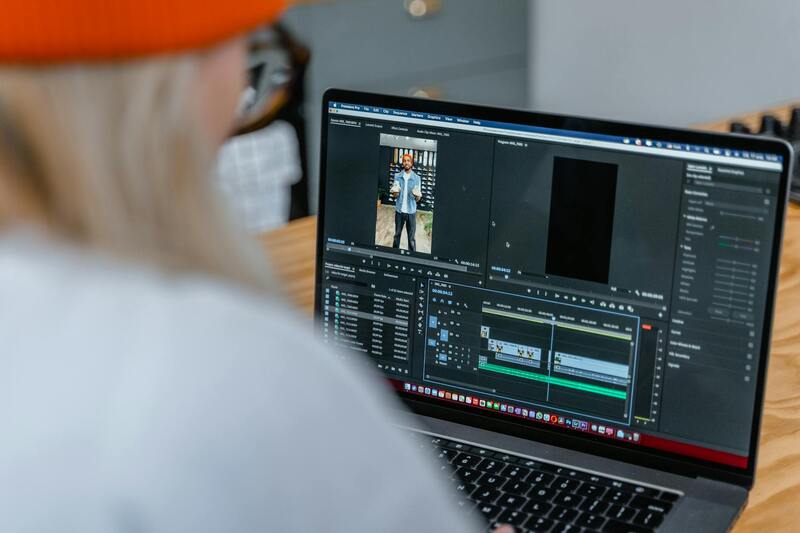
In the post-flight phase, organizing raw footage systematically is essential for seamless editing. Utilizing professional editing software allows for precise adjustments, such as color grading and image stabilization, which highlight property features effectively. Maintaining a consistent editing style aligns visuals with client branding and marketing strategies, reinforcing professionalism in every project.
Metadata tagging and detailed cataloging of images and video content enable rapid retrieval and streamline revisions. Secure storage solutions, including encrypted cloud services or dedicated servers, safeguard raw and final assets, providing peace of mind to clients and protecting their proprietary data.
Delivery methods also significantly impact client satisfaction. Opting for digital platforms that support high-resolution files, such as secure client portals or cloud sharing solutions, facilitates efficient distribution. Offering multiple formats—whether for online listings, print brochures, or social media—ensures versatile usability of the footage.
Establishing transparent communication pathways is essential. Providing clients with a clear timeline for delivery and updates fosters trust and allows for timely feedback. Detailed project documentation, including licensing details, permitted usage, and project summaries, reinforces clarity and professionalism in every transaction.
Follow-up consultations after project completion help gather insights into client experiences, revealing areas for process improvement. Continual refinement of workflows ensures the drone photography business remains agile, responsive to client needs, and capable of delivering superior results in the highly competitive Miami market.
Ensuring Ethical and Professional Practices in Drone Photography for Real Estate
Building a reputable presence in Miami's real estate drone photography industry hinges on unwavering commitment to ethical standards and professional conduct. This dedication not only helps establish trust with clients but also ensures sustainable growth within a competitive market landscape.
Adhering to Industry Best Practices
Implementing standardized operating procedures guarantees consistent quality across all projects. This includes rigorous pre-shoot planning, such as coordinating with property owners and agents to understand specific requirements and restrictions. Clear communication prior to shoots helps avoid misunderstandings and ensures the delivery of visuals that meet client expectations.
Maintaining transparency with clients during the entire process fosters confidence. Providing detailed project timelines, regular status updates, and post-delivery follow-ups demonstrates professionalism and builds long-term relationships.
Upholding Client Privacy and Data Security
Protecting client information and proprietary content is paramount. Secure handling of raw footage and final assets involves encrypted storage solutions and controlled access. When sharing images and videos digitally, utilizing secure, password-protected platforms helps prevent unauthorized viewing or distribution. Respecting client privacy involves obtaining appropriate permissions and adhering to agreed-upon usage rights, ensuring that content is utilized solely for its intended purposes.
Continuous Training and Skill Development
Staying current with technological advancements and emerging trends requires ongoing education. Participating in industry workshops, certifications, and networking events equips operators with the latest techniques, safety protocols, and best practices. This proactive approach ensures that the business maintains high standards, adapts to changing client needs, and mitigates operational risks.
Implementing Responsible Flight Operations
Flying drones responsibly involves thorough pre-flight planning, including checking weather conditions, verifying flight paths, and conducting risk assessments. Adhering to designated altitude limits and maintaining line-of-sight control exemplifies responsible flying standards. This diligent approach minimizes potential disruptions, such as interference with other aerial equipment or privacy intrusions, and reinforces a professional image.
Ethical Marketing and Client Communication
Effective marketing strategies should focus on transparency and value, highlighting proven capabilities and achievements without exaggeration. Clear, honest communication about the scope of services, pricing, and project timelines helps set realistic expectations. Ethical marketing also involves showcasing authentic portfolio work, avoiding deceptive claims, and respecting client confidentiality.
Fostering Industry Relationships and Community Engagement
Participating in local industry groups and real estate associations enhances credibility and provides opportunities for collaboration. Giving back to the community through educational workshops or open forums on drone safety demonstrates social responsibility. Establishing a network of trusted professionals—including real estate agents, photographers, and property managers—further expands service reach and reinforces industry standards.