Importance of Property Video Production in Real Estate
In the highly competitive Miami real estate market, showcasing properties effectively has become more essential than ever. High-quality property videos offer a dynamic way to highlight the unique features and potential of a property, making listings stand out amid a sea of options. These videos serve as a virtual tour, providing prospective buyers with an immersive experience that static images cannot match. Well-produced videos can significantly enhance online listings by capturing the property's ambiance, layout, and details in a compelling manner.
For real estate professionals, investing in professional property video production translates into increased visibility across digital platforms, notably social media and real estate websites like MiamiVideoProducers.com. The ability to attract more qualified leads results from a combination of engaging visuals and strategic presentation. As more buyers begin their property searches online, having a captivating video becomes an indispensable marketing tool.
Effective property videos help bridge the geographical gap for potential buyers, allowing them to view properties from the comfort of their homes. This can lead to faster decision-making and more serious inquiries. Additionally, professional videos can improve search engine rankings and improve overall marketing efforts by providing content that is richer and more engaging than standard photographs. Properly crafted videos also reinforce the credibility of the listing agent, demonstrating a high level of professionalism and commitment.
In Miami’s diverse and vibrant real estate market, utilizing property video production is not just a matter of visual appeal but a strategic move to elevate brand presence, attract more interest, and streamline the sales process. The investment in such media supports the goal of closing deals more efficiently and establishing a strong online reputation.
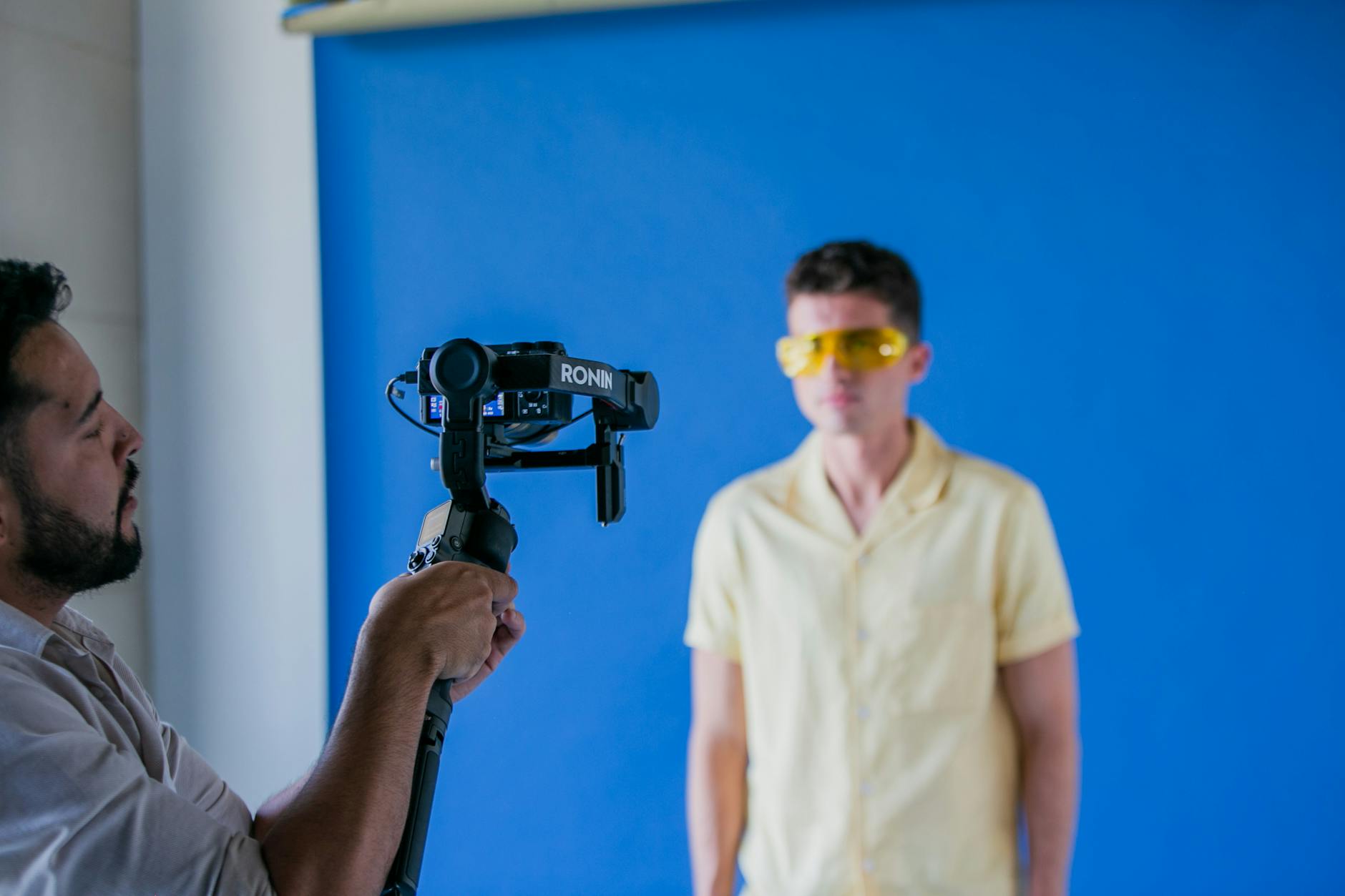
Legal and Ethical Considerations in Property Video Production
In the realm of property video production, adherence to established standards and ethical practices is essential to maintain trust and professionalism within the industry. Ensuring the rights to use all visual and audio elements included in a property video is a foundational step. This involves obtaining proper permissions for any drone footage, music, or third-party media incorporated into the final product. Respecting privacy is equally important; capturing images and videos that do not infringe on personal boundaries or private spaces fosters a positive reputation and avoids potential conflicts.
Transparency with clients about the scope of video content, usage rights, and distribution channels strengthens professional relationships. Clear communication on how the videos will be used, whether for online listings, social media, or other marketing outlets, helps set appropriate expectations. This openness also aligns with industry best practices by promoting honest and accurate representations of properties.
Quality assurance processes are a vital component of maintaining high standards in property video production. This includes diligent review of footage for accuracy, clarity, and completeness before finalizing the product. Avoiding misleading enhancements or alterations ensures that the visuals reliably reflect the property, fostering credibility and trustworthiness.
Furthermore, moral considerations extend to respecting cultural sensitivities and community norms. When crafting videos that highlight neighborhoods or surrounding areas, it’s important to present an authentic portrayal that aligns with community values and avoids exploiting stereotypes. Emphasizing truthful storytelling helps build confidence among prospective buyers and rental clients.
Legal and Ethical Considerations in Property Video Production
Producing property videos involves adherence to strict guidelines that ensure honest representation and respectful portrayal of properties and their surroundings. It is crucial to use official and verifiable methods to capture video content, such as employing licensed drones, professional cameras, and authorized filming techniques. This approach guarantees high-quality footage while respecting property rights and privacy concerns.
To maintain integrity in property videos, filters, enhancements, or editing techniques should be used judiciously. Adjustments aimed at improving visual clarity and lighting should not mislead viewers about the property's actual condition or features. When emphasizing specific details, clarity and accuracy take precedence over exaggerated effects, which helps in building trust and credibility with prospective buyers.
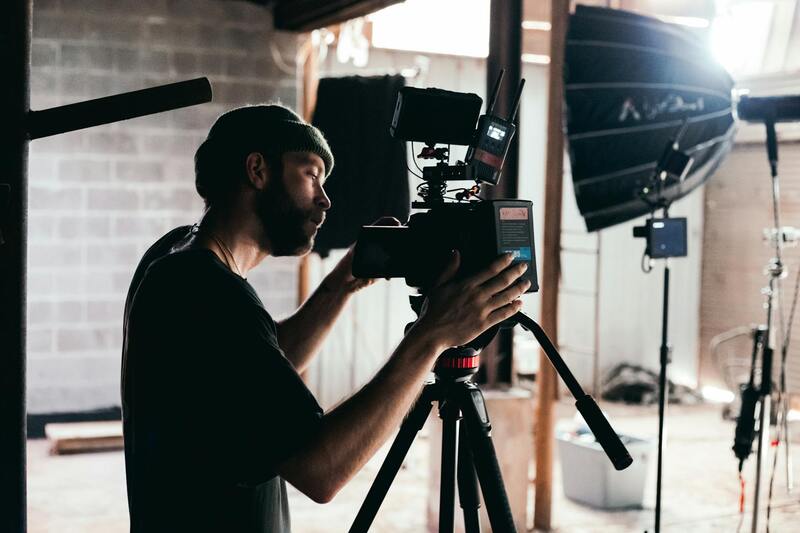
It is also important to obtain proper authorization before filming on private property or public spaces. This includes securing necessary permits or permissions from property owners, local authorities, or community associations. Respecting these protocols not only aligns with official procedures but also demonstrates professionalism and respect for stakeholders involved.
Another significant aspect pertains to the portrayal of neighborhoods or surrounding areas. Content should be framed in a manner that authentically reflects the community's character without resorting to stereotypes or sensationalism. Accurate storytelling helps prospective clients form realistic expectations, fostering a transparent relationship from initial viewing through to the closing process.
Furthermore, safeguarding privacy remains paramount. Filming should avoid capturing private spaces or personal belongings without consent. When using drone footage or wide shots, maintaining a respectful distance and framing is essential to avoid intrusive captures.
These practices not only uphold official methods but also strengthen the reputation of the production agency by demonstrating commitment to ethical standards. Consistent application of these principles minimizes risks of misunderstandings or disputes, ensuring a smooth and reputable property video production process that aligns with industry best practices.
Legal and Ethical Considerations in Property Video Production
Maintaining adherence to official procedures during property video production is essential for preserving transparency and building trust within the real estate industry. This involves detailed planning and meticulous execution, ensuring every aspect of the shoot aligns with established protocols. Proper authorization is a core element, mandating the acquisition of necessary permissions from property owners, local authorities, or relevant community bodies prior to filming. These steps allow production teams to operate within a defined framework, preventing potential disputes or misunderstandings that could arise from unauthorized filming.
When filming on private properties, it is important to establish clear communication channels with the property owners. This ensures that all parties are aware of the scope of the shoot, the intended use of footage, and any specific restrictions or requests. Formal agreements or permissions should be documented, reflecting the exact terms of access and usage rights. Such documentation not only safeguards the interests of the production company but also reassures stakeholders of their rights and privacy considerations being respected.
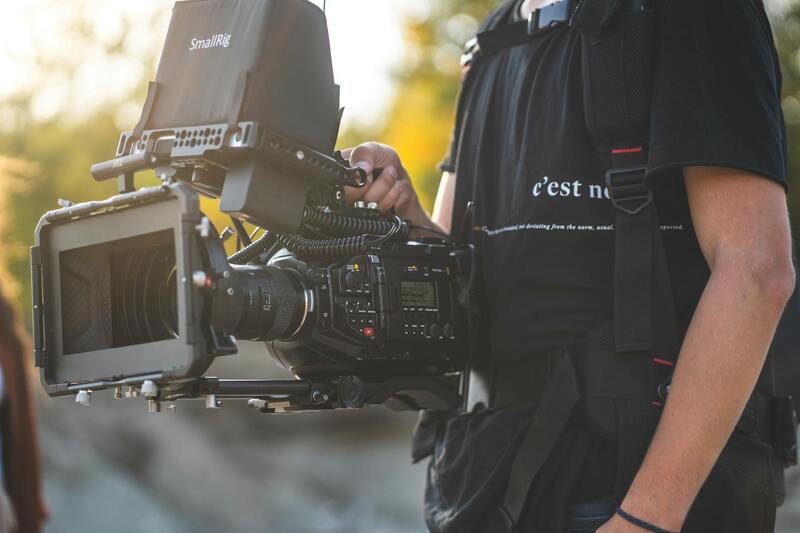
Furthermore, filming in public spaces or neighborhoods requires compliance with local regulations. Permits for drone operations or aerial footage, for example, must be obtained in advance, often involving coordination with aviation authorities or municipal bodies. This demonstrates a commitment to official procedures and ensures safety protocols are followed, protecting both crew members and the community.
Respecting community character and individual privacy is another important consideration. Content should be crafted to accurately showcase neighborhood features without resorting to stereotypes or sensationalism. Careful framing ensures that private residences or personal belongings are excluded from wide shots, especially when using drone footage or panoramic views. Obtaining explicit consent when capturing private spaces establishes clear boundaries and prevents potential privacy infringements.
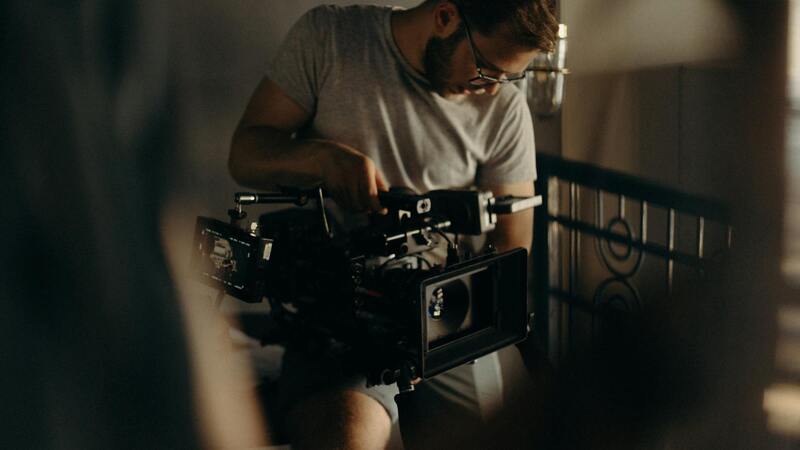
Implementing these official methods in property video production not only fosters professionalism but also reduces risks related to disputes or misrepresentations. It demonstrates a genuine commitment to ethical standards and enhances the agency or production company's reputation. Consistent application of these protocols ensures the content produced is trustworthy and aligns with best practices within the real estate market, ultimately supporting a smoother transaction process for all involved.
Legal and Ethical Considerations in Property Video Production
Adhering to established procedures during property video production ensures that content creation aligns with official standards and community expectations. Securing necessary permissions for location shooting, employing appropriate signage, and respecting private property rights are fundamental components of a credible production process. These measures prevent unauthorized access and maintain transparency with property owners, fostering mutual trust and cooperation. Documentation of permissions and clear communication with stakeholders serve as documentation of compliance, which is vital for a seamless project execution.
When utilizing advanced filming techniques such as drone footage or panoramic shots, following approved guidelines for aerial and panoramic captures holds significant importance. Operators must verify that they have obtained all relevant authorizations from aviation authorities or municipal bodies before conducting aerial filming. This ensures safety protocols are met and operations are conducted within legal parameters, avoiding potential disruptions or penalties.
Another key aspect involves respecting individual privacy and community character. Visual content should be curated carefully to highlight property features without infringing on personal privacy. This is especially relevant when capturing neighboring properties or public spaces; framing the shot to exclude private or sensitive details demonstrates ethical responsibility. Additionally, obtaining explicit consent from residents prior to shooting in private areas reinforces respect for privacy rights and helps avoid disputes.
Ethical content development extends to honest representation of property features. Accurate descriptions and truthful visuals prevent misrepresentation, which can impact buyer trust and credibility. Avoiding exaggerated or misleading imagery preserves the integrity of the marketing effort and supports fair dealings in the market.
Implementing rigorous protocols for permissions, privacy, and truthful presentation demonstrates commitment to professional standards. Such practices not only bolster the reputation of the production agency but also contribute to a more transparent and reliable real estate marketplace. Consistency in applying these guidelines ensures that every property video produced upholds the highest standards of ethical conduct, fostering long-term relationships with clients, property owners, and prospective buyers.
Legal and Ethical Considerations in Property Video Production
Creating compelling property videos in Miami necessitates adherence to several important norms that safeguard the interests of all involved parties. While capturing stunning visuals of a property, it is essential to respect the boundaries of privacy, trademarks, and rights of third parties. Ensuring that footage does not infringe upon private residential areas or public spaces without necessary permissions not only upholds the integrity of the production but also prevents potential disputes that could delay or complicate the marketing process.
Clear consent should be obtained from property owners and residents prior to filming, especially when capturing interior spaces or private exteriors. This consent process often involves formal release forms that document approval for specific shots and usage rights. This approach reduces the risk of future claims related to unauthorized use and demonstrates a commitment to ethical best practices.

When utilizing drone footage, additional considerations come into play. The operational guidelines for drone use in Miami typically include restrictions on flying over private property without explicit permission. Flight paths should be planned carefully to avoid encroaching on sensitive private areas, and pilots must operate within the designated airspace and altitudes to stay compliant with local regulations. Proper licensing and training for drone operators are crucial to ensure safety and adherence to legal standards.
In terms of content accuracy, it is vital to present an honest depiction of the property. Overly edited or manipulated visuals risk misleading viewers and undermining trust. This includes avoiding exaggerated features or misrepresentation of the property's condition, dimensions, or surroundings. Honest portrayals foster transparency, boosting buyer confidence and maintaining the reputation of the marketing campaign.
Respecting Community and Public Rights
Part of ethical property video production involves respecting the community fabric and observing public rights. Filming in publicly accessible areas should be done with awareness of local rules and cultural sensitivities. When capturing public spaces, practitioners should avoid intrusive or disruptive behavior, ensuring their presence is non-intrusive and respectful of ongoing activities.
Many property videos include neighborhood highlights to showcase the community's appeal. In these cases, it is advisable to focus on publicly accessible features and incorporate visual cues that do not compromise the privacy or security of neighboring residents. Proper framing and editing techniques can capture the area's essence without crossing privacy boundaries.
Additionally, adhering to intellectual property rights is paramount. This covers the use of licensed music, images, and footage, which must be obtained through legal channels. Unauthorized use of copyrighted material can lead to legal complications and diminish the credibility of the marketing effort.
Maintaining Professional Standards
In line with high standards of professional conduct, property video production should include comprehensive planning, including review of all content for compliance with legal and ethical standards. Consistency in applying these practices ensures that each property is presented not only attractively but also responsibly. This, in turn, strengthens the trust between real estate professionals, agencies, and prospective buyers, fostering a more transparent and fair marketplace.
Legal and Ethical Considerations in Property Video Production
Creating high-quality property videos involves adhering to a set of authoritative methods that uphold the integrity of the marketing process. When documenting real estate, it is essential to follow official procedures that protect all parties involved and ensure the content is both accurate and respectful of privacy and property rights. This involves securing necessary permissions from property owners and ensuring that filming activities align with local codes regarding public and private spaces.
One fundamental practice is obtaining explicit consent from property owners or authorized representatives before filming. Documented permission helps prevent misunderstandings and demonstrates professionalism in handling sensitive assets. This process also involves clearly communicating the scope of the video, how it will be used, and sharing the final product for approval when appropriate, to avoid misunderstandings or misrepresentations.
Respect for privacy is paramount. Filmmakers should focus on publicly accessible areas and avoid capturing private zones without consent. When including neighborhood highlights, it is critical to use footage that does not infringe on residents’ privacy, such as focusing on parks, streets, and communal amenities that are publicly visible.
Upholding intellectual property rights is also a key aspect. This encompasses securing licenses for any music, images, or footage incorporated into the final video. Using content without proper licensing can lead to significant legal complications and damage the reputation of the real estate firm. Consulting with legal professionals or licensing agencies ensures all multimedia elements are legally obtained and appropriately credited.
Professionalism extends to the editing and distribution phases of property video production. All visual content should be truthfully represented, avoiding exaggeration or misleading descriptions. This honest approach not only complies with regulatory standards but also enhances buyer confidence.
Furthermore, maintaining consistent standards in video quality and presentation reflects well on the agency’s commitment to ethical marketing practices. This consistency helps reinforce credibility and fosters long-term relationships with clients and prospects.
Ensuring Proper Use of Property Videos in Marketing Strategies
Leveraging property videos effectively requires adherence to official procedures that maintain transparency and professionalism. This involves ensuring all content accurately represents the property without embellishment, which is vital for building trust with prospective buyers. Precise and truthful portrayal of a property's features, layout, and surrounding environment reassures clients and minimizes the risk of misunderstandings that could jeopardize the transaction process. It is important to verify the accuracy of visual data and avoid any alterations or enhancements that could mislead viewers.
Another critical aspect is securing appropriate permissions for the use of all multimedia elements incorporated into the property video. This includes obtaining licenses for music, stock footage, and other media components to prevent intellectual property infringement issues. Proper licensing not only complies with regulatory standards but also exemplifies the professional integrity of the real estate entity. Consulting licensing agencies or legal counsel can facilitate the acquisition of necessary rights, ensuring all content used is fully authorized for commercial purposes.
Maintaining a comprehensive record of permissions and licenses acquired during the production process is advisable. This documentation can serve as proof of compliance should questions arise during inspections, audits, or potential disputes.
Respect for Privacy and Neighborhood Considerations
While showcasing a property, careful attention must be given to respecting the privacy of current residents and neighboring properties. Filmmakers should focus primarily on areas that are publicly accessible to avoid capturing private spaces or personal activities. Using wide-angle shots that emphasize the property's exterior, street views, and nearby amenities allows for comprehensive visualization while respecting personal boundaries.
When highlighting neighborhood features, footage should be obtained in a manner that does not intrude upon residents' privacy. Publicly visible parks, streets, and community facilities can be captured without concern, but private yards or entrances require prior consent or should be avoided altogether. Maintaining this boundary not only preserves legal standards but also reinforces the ethical reputation of the marketing effort.
Navigating Regulations and Local Guidelines
Property video production must align with local regulations governing filming in private and public spaces. These guidelines often specify necessary permissions for drone use, filming durations, and restrictions related to certain neighborhoods or properties with sensitive or protected status. Ensuring compliance involves consulting local authorities, property owners, or homeowners' associations when planning shoots in these areas.
In addition, adherence to safety standards during filming, such as safeguarding equipment and minimizing disruption to the community, is essential. Establishing clear communication channels with relevant parties prior to production can facilitate smoother operations and foster good relations within the community.
Conclusion
Applying official and proper procedures in property video production not only safeguards against potential issues but also enhances the credibility and professionalism of your real estate marketing. From securing necessary licenses and permissions to respecting privacy and local regulations, a methodical approach ensures your visual content serves as a trustworthy and effective marketing tool. This commitment to ethical standards ultimately contributes to long-term success, reinforcing client confidence and establishing your agency’s reputation within the Miami real estate market.