Importance of High-Quality Photography in Real Estate
In Miami’s dynamic and highly competitive real estate market, visual presentation plays a crucial role in attracting potential buyers and closing deals efficiently. High-quality real estate photography serves as a powerful marketing tool that can elevate a property’s appeal, showcase its best features, and create an emotional connection with prospective buyers. Well-crafted images not only highlight the unique characteristics of each property but also enhance online listings, making them stand out amidst numerous competitors.
Buyers often start their property search online, where the first impression is formed based on visual content. Clear, professional photographs can significantly increase the number of views, clicks, and inquiries, ultimately leading to faster sales and higher prices. Especially in Miami, where luxurious waterfront estates, modern condominiums, and historic homes all vie for attention, compelling imagery can tilt the scale in favor of a listing.

Moreover, the impact of strong visual content extends beyond online listings. High-resolution photographs are pivotal in printed marketing materials, social media campaigns, and virtual tours. They contribute to a consistent, professional brand image for real estate agents and agencies, fostering trust and confidence among clients. In Miami’s upscale property market, where attention to detail can make a significant difference, investing in professional real estate photography is essential for success.
Key Elements of Professional Real Estate Photography
Achieving captivating images that truly represent a property's potential requires meticulous attention to several fundamental elements. Effective lighting remains the cornerstone, as it defines the mood, highlights architectural features, and ensures that spaces appear inviting and bright. Natural light is preferred wherever possible, but supplementary artificial lighting can enhance interior shots, especially in areas with limited sunlight.
Composition plays a critical role in guiding the viewer's eye through the space. Symmetry, balanced framing, and the strategic placement of furniture and decor contribute to an aesthetically pleasing photograph. Wide-angle lenses are commonly employed to capture more of a room in a single shot, creating a sense of spaciousness essential in real estate imagery.
Angles are chosen carefully to emphasize the property's strengths. For example, shooting from a corner can make a room feel larger, while focusing on key features like an updated kitchen or scenic water views can attract targeted interest. Proper framing ensures that every image showcases the property's best attributes, avoiding clutter and distractions that could detract from the overall impression.
Staging is another vital element that complements professional photography. Well-staged spaces, with thoughtfully arranged furniture and decor, create a welcoming atmosphere that allows prospective buyers to envision themselves living in the home. Cleanliness, decluttering, and the addition of subtle decor accents can elevate the visual quality of images, making listings more attractive and relatable.
Overall, the harmony of lighting, composition, angles, and staging collectively enhances the property's visual storytelling. This precise attention to detail ensures that each photograph not only captures the essence of the home but also resonates with potential buyers, setting the stage for a successful sale.
Choosing the Right Equipment and Techniques
For capturing professional real estate images that truly highlight a property's attributes, the selection of proper equipment and adherence to specialized techniques are essential. The foundation of high-quality real estate photography begins with utilizing the appropriate camera gear, primarily full-frame DSLR or mirrorless cameras equipped with high-resolution sensors to provide crisp, detailed images. These cameras excel in capturing nuanced lighting and texture, which are crucial in making property photos stand out.
Wide-angle lenses are indispensable in real estate photography as they allow photographers to showcase more of a space within a single shot. Typically ranging from 14mm to 24mm, these lenses help create a sense of spaciousness, making rooms appear larger and more inviting. When choosing a lens, opt for one with minimal distortion to ensure that room proportions are accurately represented, avoiding misrepresentation that could undermine buyer trust.
The use of drone photography has become increasingly prevalent, especially for establishing a property's context within its surroundings. Drones equipped with high-quality cameras provide stunning aerial shots that capture sweeping views of the property, landscape, and neighborhood amenities. These perspectives convey a sense of scale and location that ground-level photography alone cannot achieve.

Proper camera settings play an equally vital role in producing appealing images. Achieving optimal exposure involves balancing ISO, aperture, and shutter speed. Typically, a low ISO setting reduces noise, while an aperture between f/8 and f/11 ensures sufficient depth of field, keeping the entire scene in focus. Shutter speed is adjusted according to lighting conditions to avoid overexposure or underexposure.
Lighting equipment and techniques must also be considered to optimize image quality. Utilizing external flash units or continuous lighting in darker areas can illuminate interior spaces evenly, preventing harsh shadows. Natural light, when available, should be harnessed, with images captured during the golden hour—shortly after sunrise or before sunset—to achieve warm, inviting tones.

Incorporating camera stability with high-quality tripods and remote shutter releases ensures sharp images, especially in low-light conditions. Post-processing software then enhances these images by adjusting color balance, correcting lens distortions, and refining overall clarity to produce polished visuals that meet professional standards.
Enhancing Visual Impact with Post-Processing Techniques
Post-processing is a crucial step in elevating raw real estate images to the highest professional standards. Skilled editors utilize specialized software to fine-tune various aspects of photography, ensuring that each shot accurately represents the property’s unique features and aesthetic appeal. Adjustments to color balance revive the warmth of natural sunlight, making interiors appear inviting and exteriors vibrant. Correcting lens distortions and vertical lines ensures architectural precision, which is essential for showcasing the true structure of Miami's luxury homes.
Clarity and sharpness are enhanced through selective sharpening techniques, emphasizing details that prospective buyers will notice when viewing online listings or promotional materials. Noise reduction is particularly important for images shot in low-light conditions, especially in interior spaces with dim lighting, ensuring a clean and professional look. Exposure adjustments help in balancing highlights and shadows, thereby avoiding overexposed windows or dark corners that might otherwise obscure key features.
Proper post-processing not only enhances aesthetic appeal but also plays a strategic role in marketing. High-quality images created through meticulous editing can significantly increase engagement rates on listing platforms and social media. These images convey the property's value authentically, encouraging viewers to envision themselves living there. The integration of consistent color grading and style across all marketing visuals further establishes a cohesive brand identity for real estate professionals and agencies in Miami.
Investing in expert post-processing services ensures that real estate visuals stand out in a competitive market. It transforms standard photographs into compelling visual narratives that highlight a property’s best features and elevate its market position.
Choosing the Appropriate Lighting and Composition Techniques
Effective lighting is fundamental in professional real estate photography, particularly for showcasing Miami’s luxury properties where natural light plays a significant role. Photographers should utilize a combination of ambient light, supplemental lighting, and reflective surfaces to illuminate interior spaces uniformly. This approach minimizes shadows and highlights architectural details, creating an inviting atmosphere that captures the property's essence.
Composition techniques are equally crucial in framing each shot. Adhering to the rule of thirds, leading lines, and symmetry guides the viewer’s eye naturally across the image, emphasizing focal points such as spacious living areas, elegant kitchens, or scenic views. Strategic staging—such as decluttering spaces and arranging furniture to highlight the property’s best features—further enhances visual appeal.

Utilizing Natural and Artificial Lighting Effectively
Balancing natural and artificial lighting ensures the property's interior is presented accurately and attractively. During daylight hours, leveraging sunlight through large windows can infuse warmth and vibrancy into photos. Photographers often shoot during the golden hour — shortly after sunrise or before sunset — to capitalize on soft, diffused natural light, which enhances textures and reduces harsh shadows.
Artificial lighting, such as softboxes or LED panels, can be employed to fill in shadowed areas or to create a consistent lighting environment when natural light is insufficient. Properly adjusted, these lights prevent overexposure of bright outdoor scenes while maintaining interior detail. This balance results in images that are luminous yet true to life, appealing to buyers seeking an authentic representation.

Incorporating Aerial Shots and External Perspectives
Exterior photography, including drone aerial shots, provides a comprehensive overview of Miami’s impressive property landscapes. High-resolution drone images can showcase expansive yards, proximity to nearby amenities, or scenic city views, offering prospective buyers a sense of the property’s context within its neighborhood.
Complementing ground-level shots with aerial imagery helps to convey the full scope of the property’s features and enhances online listings. Strategic use of tilt-shift lenses and other specialized equipment allows for captivating perspectives that highlight unique architectural details or landscaping. Proper planning of lighting conditions, wind considerations, and flight paths ensures safety and consistency across aerial images.
Achieving Consistency and Branding Across Visuals
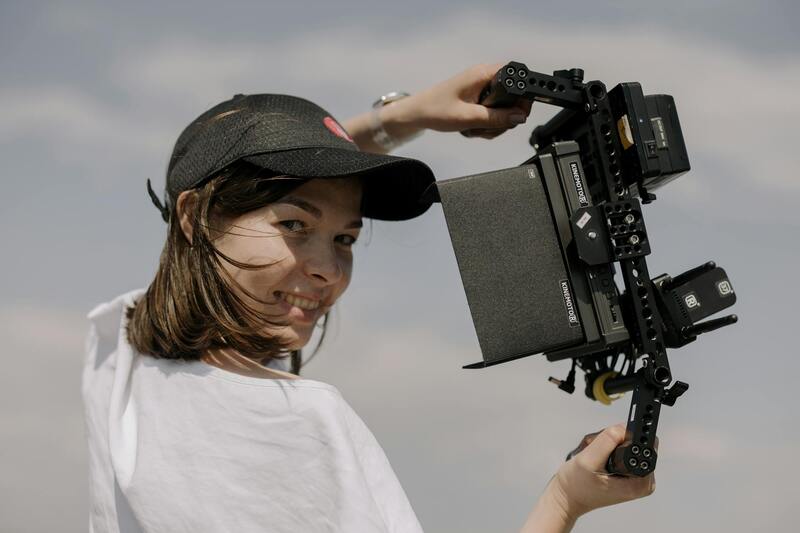
Maintaining a cohesive visual style across all marketing images reinforces brand identity and elevates property presentation. This involves consistent use of color grading, contrast, and aperture settings to ensure that each photograph conveys a uniform quality. Standardized composition rules and staging techniques also help build recognizable and trustworthy visuals.
Advanced editing tools facilitate the fine-tuning of color accuracy and image sharpness, making the collection of photographs feel unified and professional. Such consistency not only boosts the aesthetic appeal but also promotes a sense of reliability and expertise for real estate agencies operating in Miami’s competitive market.
Enhancing Listing Appeal Through Strategic Photo Presentation
Effective real estate photography extends beyond capturing attractive images; it involves strategic presentation that maximizes the property’s appeal and appeals to prospective buyers’ preferences. High-quality photographs that are meticulously curated highlight key features of a property, from architectural details to interior design elements, ensuring that each shot communicates value and lifestyle potential. The arrangement of visuals in a compelling sequence creates a narrative that invites viewers to envision living in the space. Incorporating various angles, lighting conditions, and focal points produces an immersive experience that can significantly influence the decision-making process.
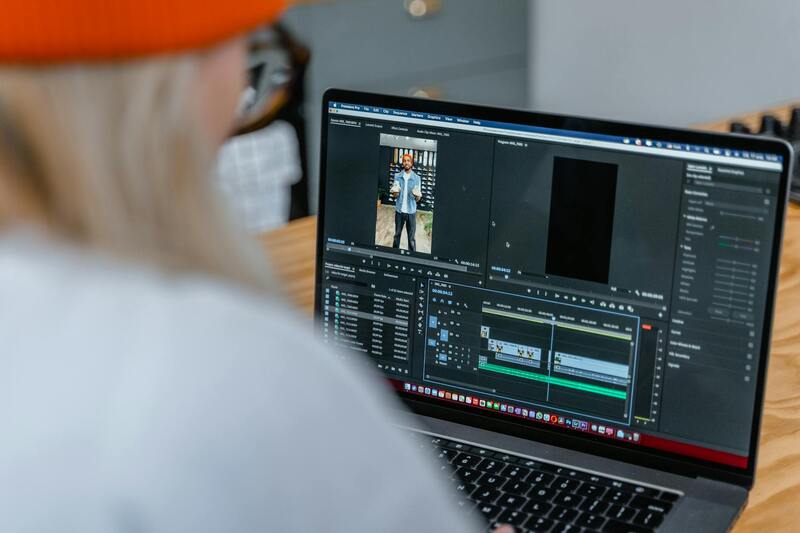
Utilizing advanced techniques such as HDR (High Dynamic Range) photography ensures that both bright and shadowed areas are clearly visible, providing a realistic and inviting depiction of each room. This approach offers a balanced exposure that prevents overexposed windows or underexposed interiors, creating images that accurately reflect the property’s ambiance. Additionally, the precise use of lens choices, tilt-shift perspectives, and controlled lighting conditions help to accentuate architectural features and spatial dimensions, making rooms appear more spacious and appealing.
Leveraging Lighting to Enhance Visual Impact
Proper lighting is fundamental to high-quality real estate imagery. Natural light is preferred during daylight hours, as it creates vibrant, welcoming atmospheres. Strategic placement of lights and the use of diffusers help minimize shadows and highlights, ensuring each room is presented in the best possible light. For interiors with limited natural light, professional photographers often employ supplemental lighting equipment, such as softboxes or reflectors, to maintain consistent brightness and color balance. The goal is to produce images that are lively, accurate, and inviting, ultimately helping potential buyers visualize their future lifestyle within the property.
Maintaining Consistency with Branding and Style
Consistent visual branding through uniform color palettes, contrast levels, and editing styles enhances the professionalism of real estate listings. When all images adhere to a coherent style, it establishes a recognizable and trustworthy brand presence for agents or agencies. This consistency also simplifies marketing efforts across various platforms, including websites, social media, and printed brochures. Professionals often develop bespoke editing presets to streamline the post-processing workflow, ensuring all images reflect a polished, high-quality standard aligned with the agency’s brand identity.
Optimizing for Digital and Print Platforms
In today’s digital real estate market, photographs must be optimized for various display formats. High-resolution images are essential for print marketing materials, while slightly compressed files can enhance webpage loading speeds without sacrificing visual quality. Proper aspect ratios, file sizes, and color profiles are crucial for efficient marketing, ensuring images appear sharp and vibrant across devices and mediums. Color correction and sharpening tools are employed during post-processing to improve clarity and draw attention to the property’s best features. This meticulous attention to detail in image optimization significantly boosts online engagement and viewer interest.
Incorporating Lifestyle and Contextual Shots
Beyond showcasing the property itself, images that capture the Miami lifestyle enhance overall marketing impact. Featuring nearby amenities, scenic views, or leisure spaces demonstrates the property’s environment and community advantages. These contextual visuals help prospective buyers see how the property fits into their desired lifestyle, fostering an emotional connection. When integrated seamlessly into the property’s visual narrative, these images provide a comprehensive perspective that elevates the property’s overall appeal and market competitiveness.
Role of Authentic Visuals in Building Trust with Buyers
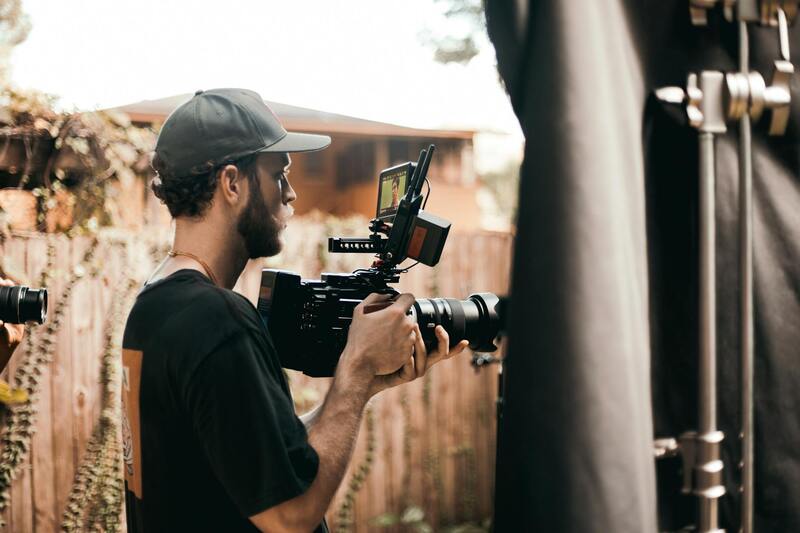
Authentic and high-quality imagery plays a pivotal role in establishing trust between real estate professionals and prospective buyers. When potential clients browse property listings, the first impression they form heavily relies on the images presented. Clear, well-composed photographs that accurately depict each space help buyers visualize themselves in the property, fostering a sense of transparency about what they can expect. Visuals that genuinely represent the property’s features avoid over-promising or misrepresenting, which is essential for building credibility.
Professional real estate agents leverage these authentic images to reinforce their expertise and integrity in the marketplace. When property visuals are mastered through skilled photography, they convey a sense of professionalism that naturally enhances the agent’s reputation. This trust factor accelerates the decision-making process, as buyers feel assured of the legitimacy and quality of their investment. Authentic visuals also reduce the likelihood of future buyer dissatisfaction, leading to smoother transactions and positive word-of-mouth referrals.
Technical Standards for Consistent and Impactful Presentation
Implementing disciplined technical standards in real estate photography ensures consistency across all listings, supporting brand recognition and professionalism. Properties should be captured with uniform lighting, color balance, and framing to avoid visual discrepancies that could undermine perceived quality. Employing proper composition techniques such as the rule of thirds, leading lines, and strategic use of natural light enhances the visual appeal and directs viewers' attention to key property features.
The resolution of images is crucial; high-resolution files enable viewers to zoom in on details without loss of clarity, which is vital when highlighting intricate architectural details or high-end finishes. Proper post-processing workflows include color correction to match actual property hues, removal of minor imperfections, and sharpening to ensure crispness. These practices contribute to a polished presentation that resonates with discerning buyers, reinforcing the property’s value.
Creating a Cohesive Visual Narrative
Building a compelling visual story involves a strategic selection of images that showcase both the property’s best features and its surrounding environment. Wide-angle shots are effective in portraying spaciousness, while close-ups highlight luxurious or unique details. Lifestyle images, such as a cozy outdoor lounge or a modern kitchen, help potential buyers envision everyday living.

Enhancing Property Listings with Professional Photography Techniques
Utilizing official and well-established methods to showcase Miami real estate is essential for captivating potential buyers and establishing credibility in a competitive market. Precision in capturing each property with standardized, high-quality imagery ensures that listings stand out and accurately represent the unique features and ambiance of the space. This involves employing proven techniques and adhering to industry standards that emphasize clarity, composition, and visual storytelling.
Optimized Use of Equipment and Shooting Parameters
Leveraging advanced camera systems, professional lighting, and stabilized tripods ensures sharp, evenly lit images that highlight both interior and exterior spaces. Modern digital cameras with high-resolution sensors facilitate capturing details with clarity, even in challenging lighting conditions. The choice of lenses—primarily wide-angle for interiors—allows for expansive shots that convey spaciousness, while macro lenses can be used to emphasize distinctive decorative features or premium finishes.
During shooting, employing techniques such as HDR (High Dynamic Range) imaging balances exposure levels between bright windows and darker interior corners, ensuring a realistic and inviting look. Proper framing and perspective management draw viewers into a virtual walkthrough, highlighting key selling points while minimizing distractions. Consistent camera settings across a series of images foster uniformity, making the property appear cohesive and professionally presented.
Calibration and Maintenance of Equipment
Regular calibration of cameras and monitors ensures color accuracy and sharpness, which are critical during post-processing. Maintaining equipment prevents technical issues that could diminish image quality, ensuring every shot meets high standards necessary for impactful marketing. Attention to detail at every stage—from setup to editing—reiterates a commitment to excellence, influencing prospective buyers' perception of the property.
Advanced Post-Processing for Perfected Visuals
Post-production workflows enhance raw images by correcting color imbalances, adjusting contrast, and sharpening details to produce polished visuals that faithfully represent the property’s interior and exterior features. Skilled editing also involves removing minor imperfections like dust spots or glare, which can detract from a listing’s professional appearance.
Maintaining consistency in editing styles across multiple listings reinforces brand professionalism, making the portfolio recognizable and trustworthy. Incorporating subtle enhancements, such as sky replacement or daylight adjustments, can significantly improve exterior shots, especially in varying weather conditions common in Miami.
Realism and Authenticity in Property Representation
While post-processing enhances visual appeal, it is vital that images accurately depict the property. Authentic representations foster trust and reduce dissatisfaction during viewings. High-quality, true-to-life photography not only attracts serious buyers but also minimizes misunderstandings that could arise from exaggerated or overly edited visuals.