Importance of High-Quality Photography in Real Estate
In today’s competitive real estate market, the visual presentation of a property can significantly influence its sale potential. Professional photography has become a vital component of effective property marketing strategies, especially for estate agents aiming to maximize property visibility and attract serious buyers. High-quality images create a compelling first impression, highlighting a property’s best features and fostering an emotional connection with prospective buyers even before they visit in person.
Research consistently demonstrates that listings with professional photographs garner more online views, longer engagement times, and accelerated sale timelines. These images serve as a virtual handshake, showcasing the property’s ambiance, layout, and unique characteristics with clarity and impact. For estate agents, investing in expert photography translates into increased foot traffic, higher inquiries, and ultimately, higher sale prices.
Moreover, in an era where digital platforms dominate property sales, the importance of high-resolution, well-composed images cannot be overstated. They ensure properties stand out in crowded marketplaces and help establish trustworthiness and professionalism in listings. This not only benefits the immediate sale prospects but also reinforces the agency’s reputation for quality service.
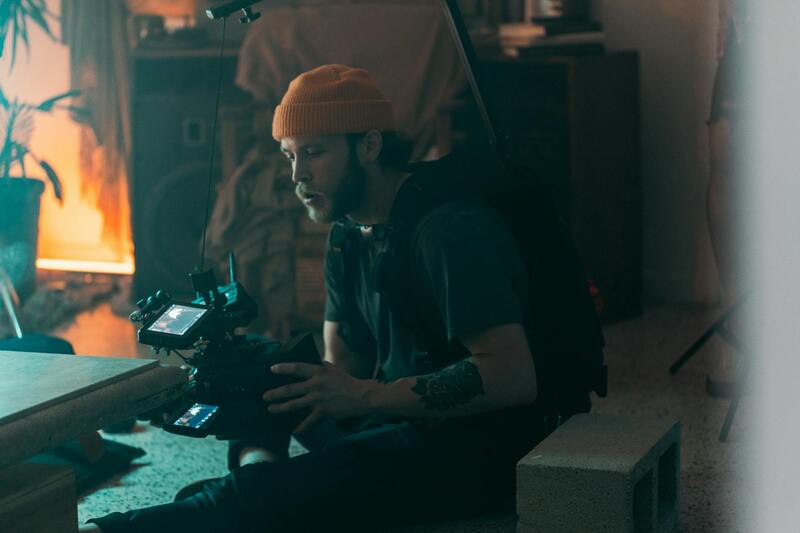
Effective real estate photography captures the spatial qualities and unique features of a property, emphasizing natural light, interior design, and exterior aesthetics. For estate agents, partnering with seasoned photographers who understand the nuances of real estate imaging ensures that each property is presented in the best possible light, ultimately transforming listings into powerful selling tools.
In essence, professional photography is an indispensable component in the modern real estate landscape, directly influencing a property’s marketability and success. The right images can turn viewers into visitors and visitors into buyers, making high-quality photography an essential investment for estate agents aiming to achieve optimal sales outcomes.
Choosing the Right Equipment for Property Photos
High-Resolution Cameras
Selecting cameras that offer high-resolution sensors is crucial for capturing detailed and crisp images of properties. Full-frame DSLR or mirrorless cameras are preferred for their superior image quality, ability to handle various lighting conditions, and wider dynamic range. These characteristics ensure that both interior and exterior shots reveal the property's true colors, textures, and spatial dimensions effectively.
Wide-Angle Lenses
Utilizing wide-angle lenses allows photographers to capture more of a room or space within a single frame, making rooms appear larger and more inviting. A lens with a focal length typically between 14mm and 24mm is ideal for interior shots, helping to emphasize key features and improve the overall composition. Proper lens selection minimizes distortion and ensures the images accurately represent the property's dimensions.
Tripods and Stabilization Devices
Stability is paramount for sharp, professional images. Tripods provide the necessary steadiness for long exposure shots, especially in low light conditions or when capturing interior spaces with limited natural light. Advanced stabilization equipment, such as gimbals or remote controls, further enhances image clarity by reducing camera shake during handheld shots.
Lighting Equipment
Effective lighting enhances the visibility of architectural details and creates a pleasant atmosphere. External flash units, diffusers, and continuous lighting setups allow photographers to balance natural and artificial light sources. Mastering lighting techniques is essential for avoiding shadows, highlighting features, and producing visually appealing images that authentically depict the property.
Additional Technologies
- Drone cameras for aerial shots that showcase a property's exterior surroundings and landscape features.
- 360-degree cameras for virtual tours, providing immersive experiences for prospective buyers.
- Infrared and HDR imaging to capture details in challenging lighting conditions, such as shadowy corners or bright exteriors.
Investing in the right equipment ensures that each shot aligns with the high standards expected in real estate marketing, effectively conveying the property’s appeal and inspiring confidence in potential buyers. Partnering with specialists who have access to professional-grade equipment is a strategic move for estate agents aiming to elevate their property listings through superior imagery.
Choosing the Right Equipment for Property Photos
For estate agents committed to presenting properties with the highest clarity and appeal, selecting the appropriate photography equipment is fundamental. The choice of camera influences the level of detail, color accuracy, and overall quality of images, directly impacting prospective buyers’ perceptions. Use digital single-lens reflex (DSLR) cameras or mirrorless options with high megapixel counts to ensure sharpness and the ability to capture fine architectural details. Full-frame sensors are particularly advantageous because they excel in various lighting conditions, providing rich depth and clarity.
Lens selection plays a crucial role in framing and emphasizing property features. Wide-angle lenses, typically ranging from 14mm to 24mm, are favored for interior shots, as they allow capturing expansive views within limited spaces. This creates an impression of spaciousness, which is attractive to potential buyers. A tilt-shift lens can be employed to correct perspective distortions, especially in shots of facades and large interiors, ensuring lines and proportions appear true to life.
Accessories such as tripods, remote shutter releases, and stabilization equipment contribute to image stability and sharpness. Tripods are essential in achieving consistent framing, especially in low-light conditions, while remote controls minimize vibrations during exposure. Additional lighting accessories—including external flash units, diffusers, and portable LED panels—help manage illumination, balance natural light, and avoid unwanted shadows or hotspots. High-quality filters, such as UV or polarizing filters, can further enhance image clarity and color consistency, making the property appear inviting and true to its actual appearance.
Understanding the Importance of Lighting Equipment
Proper lighting setup is indispensable for creating compelling property images. Natural light can be complemented with artificial sources, such as external flash units and continuous LED lights, to produce even illumination that highlights the property’s best features. Diffusers soften harsh light, while reflectors bounce light into shadowed areas, ensuring balanced exposure throughout each shot. Mastery of lighting techniques ensures that colors are vibrant without overexposure and that interior spaces appear inviting and well-defined, which is critical for attracting prospective buyers.
In addition to conventional lighting, modern technology offers advanced tools like infrared and HDR imaging systems. These tools are especially useful for capturing high-contrast scenes, such as bright exteriors against shaded interiors, or in complex lighting environments where details might otherwise be lost. By leveraging these sophisticated solutions, estate agents can present properties in a manner that emphasizes their unique characteristics with clarity and professionalism.
Maximizing the Impact of Professional Photography Through Post-Processing and Image Optimization
Once the initial images are captured, the post-processing phase becomes an integral part of delivering high-quality photos that resonate with prospective buyers. This stage involves refining images to enhance their visual appeal without misrepresenting the property's true appearance. Skilled editing ensures color accuracy, proper exposure, and sharpness, making each photograph compelling and inviting.
Color correction is essential for portraying the property’s actual hues accurately. This involves adjusting white balance and saturation to prevent images from appearing overly warm or cool, which could mislead viewers. Additionally, correcting lens distortions common with wide-angle lenses ensures rooms appear proportionate, avoiding the exaggerated perspective that can distort spatial understanding.
Artificial enhancements like brightness and contrast adjustments further help to highlight key features and create a welcoming atmosphere. Removing distracting elements, such as minor blemishes or clutter, can also significantly elevate the visual quality. However, care must be taken to maintain authenticity; over-editing can lead to images that don't accurately reflect the property, potentially causing issues during negotiations.
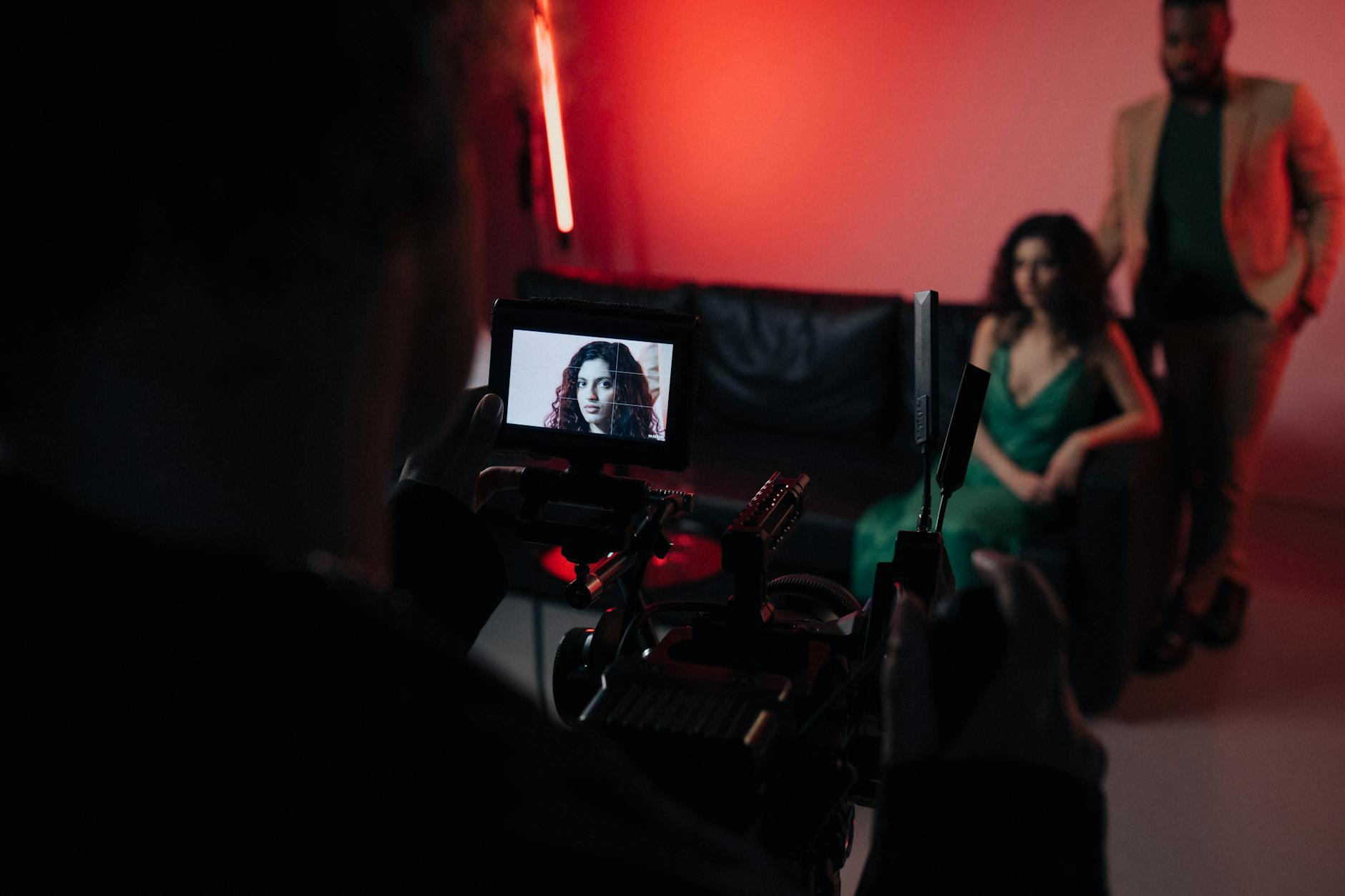
Optimization for online platforms is equally critical. Smaller file sizes without sacrificing quality ensure fast loading times, which improves user experience and search rankings. Proper image SEO includes descriptive filenames and alt texts that include relevant keywords, such as "professional photography for estate agents," helping listings appear prominently in relevant searches.
Applying consistent editing standards across all images maintains a professional appearance throughout the property portfolio. This uniformity increases brand credibility and facilitates easier sharing across different marketing channels. By consistently delivering visually appealing and accurately represented images, estate agents can substantially increase engagement and attract serious buyers more efficiently.
Utilizing Virtual Tours and 3D Photography to Enhance Property Presentations
Beyond traditionalStill photography, virtual tours and 3D imaging offer immersive experiences that enable prospective buyers to explore properties remotely. A well-executed virtual tour provides a comprehensive view of the space, allowing viewers to navigate through the property as if they were physically present. This technique can significantly reduce the number of in-person viewings, saving time for both agents and clients while increasing engagement.
3D photography, including matterport scans and interactive floor plans, creates detailed digital representations of a property’s layout. These tools enable potential buyers to visualize spatial relationships more accurately, which is crucial for larger or more complex properties. Integrating virtual tours and 3D models into listings demonstrates a commitment to technological innovation and professionalism, further elevating the estate agent’s reputation in a competitive marketplace.
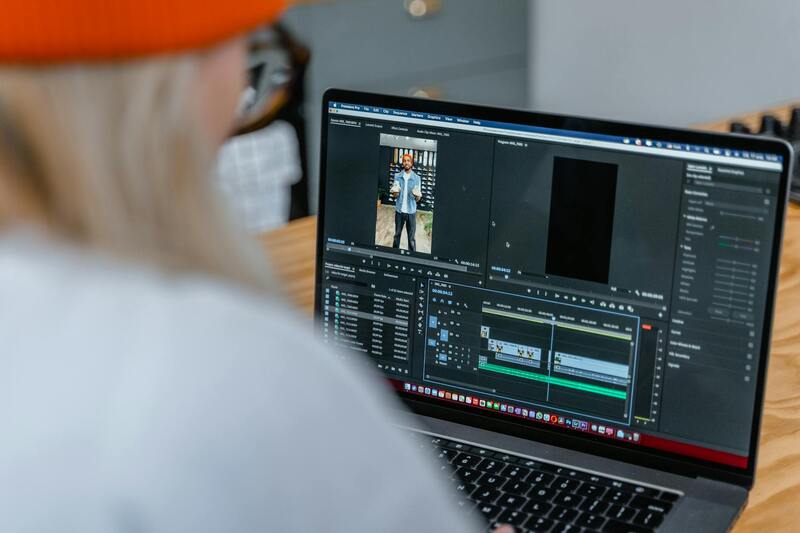
When executed properly, these digital assets complement professional photography, providing a layered experience that caters to various buyer preferences. They also facilitate wider reach, attracting international and remote buyers who can assess properties thoroughly without physical visits. This multi-dimensional approach makes the property stand out and encourages serious inquiries, ultimately accelerating the sales process and maximizing the property's market potential.
Post-Processing and Image Optimization
Once high-resolution property images are captured, professional post-processing becomes essential to ensure each photograph accurately represents the property’s features while maintaining a polished appearance. The process begins with brightness and contrast adjustments to highlight key areas without overexposing or darkening the scene. Enhancing color accuracy ensures that the images reflect the true hues of the property’s interiors and exteriors, creating an authentic viewing experience for potential buyers.
Clarity and sharpness enhancements are vital for showcasing architectural details, textures, and finishes. Advanced editing software allows for noise reduction, particularly in low-light conditions, to produce cleaner images that look professional across various digital platforms and print materials. Correcting lens distortions and perspective issues ensures that lines remain straight, especially in photos of rooms and exteriors, reinforcing a sense of spatial accuracy.
Image optimization also involves resizing and compressing images without sacrificing quality to enhance loading times on websites and listing portals. Properly optimized images can significantly improve a property listing’s speed, usability, and visual appeal, drawing more potential buyers to engage with the listing. Additionally, consistent editing standards across all images help build a cohesive and recognizable brand identity for the estate agency.
Effective post-processing requires a meticulous approach, combining artistic judgment with technical expertise. Skilled photographers and editors know how to enhance without exaggerating or misrepresenting the property, upholding transparency and trustworthiness in marketing efforts. This attention to detail ensures that the images not only draw viewers’ attention but also inspire confidence, ultimately influencing buyer decision-making processes.
By leveraging professional editing techniques, estate agents can ensure their property photographs resonate across all marketing channels—from MLS listings and social media to printed brochures—maximizing the exposure and appeal of each property. High-quality, well-optimized images serve as a vital component of a compelling real estate marketing strategy, creating a lasting impression that differentiates listings amidst competitive markets.
The Role of Virtual Tours and 3D Photography
In today’s digital real estate landscape, the integration of virtual tours and 3D photography has become essential for constructing a comprehensive online presentation of properties. These advanced visualization tools offer potential buyers an immersive experience that traditional photographs cannot fully deliver, allowing them to virtually walk through a property and examine details from various angles. Such technologies also enable estate agents to showcase properties in a manner that highlights unique features and spatial layouts more effectively, fostering stronger engagement and interest.
Virtual tours and 3D imaging serve multiple purposes in the marketing ecosystem. They not only provide an accessible means for remote buyers to explore a property at their convenience but also enhance the overall credibility and professionalism of an estate agency’s listings. When these tools are incorporated into marketing campaigns, they can significantly extend reach and visibility across digital platforms, including social media, real estate websites, and email campaigns.

Furthermore, the data derived from virtual tours and 3D images assists agents in better understanding buyer preferences and behaviors. This insight can influence future marketing strategies, refine property staging, and improve overall sales approaches. Adopting such immersive tools demonstrates a commitment to transparency and professionalism, setting a property apart in highly competitive markets. With the rapid advancement of technology, estate agents who leverage high-quality virtual content position themselves as industry leaders, building confidence among clients and boosting conversion rates.

Choosing a Miami-Based Production Agency
Selecting a capable and experienced local agency is crucial for capturing the essence of Miami's vibrant real estate market. A professional photography team that specializes in estate listings will possess an in-depth understanding of the unique architectural styles, natural lighting conditions, and cultural nuances prevalent in Miami. This expertise ensures that each property’s visual presentation accurately reflects its value and appeal.
When evaluating potential agencies, consider their portfolio of past projects, particularly those that highlight properties similar to your listings in size, style, or location. A reputable firm will have an extensive collection of high-resolution images demonstrating their ability to capture both interior and exterior spaces effectively. Additionally, their familiarity with Miami's neighborhood dynamics enables them to tailor each shoot to showcase the most compelling features of the property.
Communication and professionalism are vital. An agency should provide clear timelines, detailed outlines of their workflow, and transparent pricing structures. Their team should also be proficient with the latest photographic equipment and editing software, ensuring optimal image quality and color accuracy. Partnering with a Miami-based production agency not only facilitates seamless scheduling but allows for on-location consultations that can refine the creative approach, making sure the final images align with the property's marketing goals.
Integrating Photography into Real Estate Marketing Strategies
Effective real estate marketing hinges on the strategic integration of high-quality imagery. Professional property photos should be viewed as a cornerstone of your overall approach, complementing other promotional tools for maximum impact. Well-crafted visuals attract prospective buyers by providing a compelling first impression, encouraging them to engage deeper with the listing.
To optimize this integration, consider the following methods:
- Consistent Branding: Use a unified visual style across all marketing channels, including online listings, social media, and print materials. Consistency reinforces brand recognition and professionalism.
- Enhanced Online Presence: Incorporate high-resolution images into your website and property portals to stand out amid competing listings. Include virtual tours and 3D walkthroughs to increase engagement.
- Targeted Campaigns: Utilize targeted advertising strategies that highlight unique property features through striking visuals. High-quality photos increase click-through rates and inquiries.
- Open House and Virtual Showings: Use professional images and immersive digital tours to prepare prospective buyers before physical visits, saving time and generating serious interest.
By integrating top-tier visual content into your broader marketing approach, estate agencies can not only attract a larger pool of potential buyers but also demonstrate a commitment to quality and professionalism that sets them apart in Miami’s competitive market.
Additional Strategies for Maximizing the Impact of Professional Photography in Real Estate Marketing
Implementing high-quality property images as part of a comprehensive marketing plan requires thoughtful integration across various channels. When estate agents leverage professional photography effectively, they elevate their listings' appeal and increase the likelihood of attracting serious buyers. Here are several tried-and-true methods to enhance your marketing efforts:
Strategic Placement of Visual Content
Optimal placement of images within online listings is crucial. Use the most striking photographs at the top of your property pages to immediately grab attention. Once potential buyers are engaged, supplement these with detailed shots that highlight key features of the property. In print media, ensure high-resolution images are prominently featured in brochures, flyers, and magazine advertisements to boost visual impact.
Consistent and Cohesive Branding
Maintain a uniform aesthetic across all marketing materials. A consistent visual style that aligns with your agency’s branding helps build recognition and trust among prospective clients. This includes using similar color palettes, fonts, and graphic elements in both digital and printed content to create a professional, polished appearance.
Enhancing Digital Presence with Interactive Media
Supplement static images with dynamic content such as virtual tours, 3D walkthroughs, and interactive floor plans. These tools enable prospective buyers to experience the property remotely, providing a comprehensive understanding of space and layout. Embedding high-quality images within these virtual experiences ensures a seamless and engaging customer journey.
Maximizing Social Media Engagement
Share striking property images regularly across social media platforms. Use targeted campaigns to reach specific demographics, leveraging sponsored posts and stories to boost visibility. High-quality visuals are particularly effective in capturing attention in crowded feeds, encouraging shares and inquiries that expand your reach.
Leveraging Print and Direct Mail Campaigns
Physical mailings such as postcards and brochures remain effective in certain markets. Incorporate professionally shot images to showcase properties and entice recipients to learn more. Including QR codes linked to virtual tours or detailed listing pages can further bridge the gap between offline and online marketing efforts.
Employing Photography as a Trust-Building Tool
High-quality imagery fosters trust by demonstrating professionalism and attention to detail. Consistent use of excellent photos reassures potential clients of your commitment to quality. When clients see that you prioritize presentation, they are more likely to consider your agency a credible partner in their property journey.
Collaborating with Miami-Based Photography Experts
Partnering with seasoned local professionals ensures access to cutting-edge equipment and industry best practices, tailored to Miami’s dynamic real estate landscape. Local expertise also enables photographers to capture properties in their best light, highlighting neighborhood features and local amenities that resonate with prospective buyers.
Incorporating these methods into your marketing strategy ensures that professional real estate photography serves as a powerful tool, driving engagement, enhancing brand reputation, and ultimately, closing deals more efficiently.