Importance of High-Quality Real Estate Photography
In today’s competitive real estate market, high-quality property photography is a critical element for successfully marketing a home. Exceptional visuals can significantly enhance a property’s curb appeal and highlight its best features, making it stand out among numerous listings. Professional photography not only attracts potential buyers but also facilitates a faster sales process and can positively influence the final sale price. Well-composed images provide a genuine representation of the property, giving buyers a clear understanding of the space and its unique attributes. This authenticity builds trust, encourages inquiries, and sets realistic expectations, ultimately leading to more serious offers and smoother transactions.
Investing in a professional house photography for real estate ensures consistent quality across listings, reinforcing the credibility of the seller and agent. The power of good visuals extends beyond online listings; they are also crucial in marketing brochures, social media campaigns, and promotional videos, amplifying the property’s visibility. The impact of professional photography is undeniable, making it an essential tool in the modern real estate industry.
Preparing a Property for Photoshoot
Proper preparation is fundamental to capturing compelling real estate images. Decluttering the space ensures that each room appears spacious and inviting. Organize furniture and remove personal items to create a neutral environment that appeals to a broad audience. Cleanliness is paramount; a spotless property demonstrates meticulous care and enhances visual appeal. Consider minor repairs or touch-ups, such as repainting scuffed walls or fixing fixtures, to present the property in its best light.
Staging can significantly influence how spaces are perceived. Adding fresh flowers, adjusting furniture placement, and ensuring all lamps are functioning optimally can transform the ambiance of each room. When the property is well-prepared, photography can more effectively showcase its potential, compelling viewers to envision themselves living there.
Choosing the Right Time and Lighting
The optimal time for real estate photography is during the day when natural light is abundant. Shooting during periods of soft, diffused sunlight minimizes harsh shadows and brings out the true colors of the property. Overcast days are often ideal, as they produce even lighting that enhances interior and exterior photos.
In addition to natural light, supplementary lighting can be used to brighten darker areas, especially in rooms with limited windows. Proper lighting ensures clarity and color accuracy, highlighting architectural details and interior design. Avoid shooting during midday when shadows are stark; instead, opt for early mornings or late afternoons to achieve a warm, welcoming glow that attracts potential buyers.
Photography Techniques and Equipment
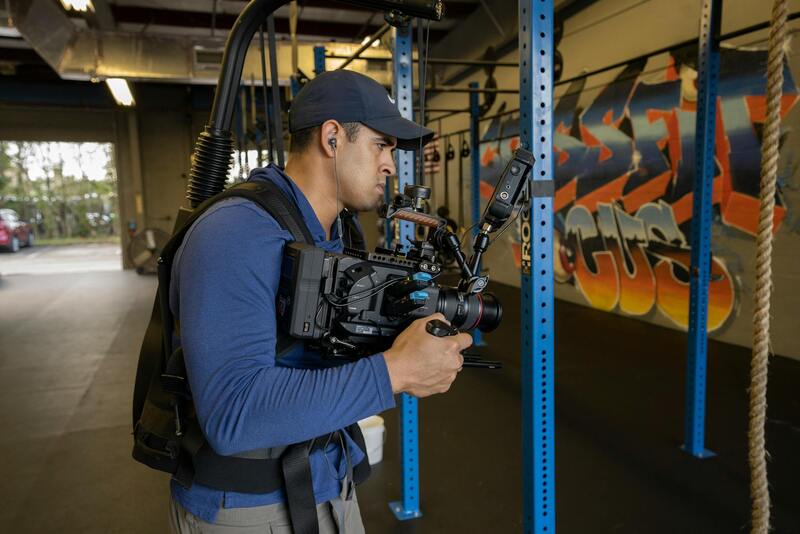
Professional real estate photographers utilize high-quality cameras equipped with wide-angle lenses to maximize space and detail. Tripods stabilize equipment for sharp images, especially in low-light environments. Advanced techniques like HDR (High Dynamic Range) photography combine multiple exposures to balance interior and exterior lighting, revealing details in both bright and shadowed areas.
Utilizing proper equipment and techniques ensures that images are crisp, well-lit, and true to life. Drones may also be employed for capturing impressive aerial shots of the property and surrounding area, providing prospective buyers with a comprehensive view of the property’s location and features.
Composition and Angles for Listing Photos
Effective composition guides the viewer’s eye through each photograph, emphasizing the property’s most desirable aspects. Vertical and horizontal lines should be aligned correctly to prevent distortion. Shooting from multiple angles allows for a diverse visual presentation, showing the property’s layout and scale accurately.
Key shooting strategies include:
- Using wide-angle shots to showcase entire rooms.
- Highlighting special features such as fireplaces, built-in shelving, or panoramic views.
- Capturing the flow of space, linking living areas, kitchens, and outdoor spaces.
- Avoiding cluttered corners or obstructive objects that distract from the main subject.
Editing and Post-Processing
Post-processing is essential for refining images to achieve a professional appearance. Adjustments may include correcting color balance, enhancing brightness and contrast, and removing minor imperfections. However, editing should remain subtle to preserve authenticity and avoid misleading potential buyers.
Advanced techniques, such as perspective correction and sky replacement, can be employed judiciously to optimize visuals. Final images should accurately reflect the property, appealing yet honest representations that foster trust and interest among prospective buyers.
Legal and Ethical Considerations
Adherence to ethical standards in real estate photography involves accurately representing the property without deceptive alterations. Permission should be obtained for the use of any drones or aerial devices, and all images must comply with local regulations and guidelines. It’s important to respect privacy and property rights, ensuring that images do not infringe on anyone’s privacy or property boundaries.
Using professional photographers who understand these standards ensures lawful and ethical marketing practices, reinforcing the integrity of the listing and fostering trust with clients and potential buyers.
Working with a Miami Real Estate Photography Agency
Engaging a reputable Miami-based real estate photography agency, such as Miami Video Producers, offers access to experienced professionals equipped with the latest technology and techniques. Such agencies understand the nuances of South Florida’s market and tailor their services to highlight each property’s unique charm.
Collaborating with a specialized agency ensures high-quality visuals that meet industry standards, incorporating both interior and exterior shots, drone footage, and virtual tours if desired. Their expertise can streamline the process, providing timely results that elevate the property’s online presentation and attract the right buyers efficiently.
Preparing a Property for Photoshoot
Effective real estate photography begins long before the camera clicks. Proper preparation of the property ensures that every shot captures the space’s best features while maintaining a clean, inviting appearance. Staging involves arranging furniture and decor to highlight the property’s layout and functionality, creating an environment that appeals to prospective buyers. It is advisable to remove personal items such as family photographs, clutter, and excess furnishings that can distract from the home's real features.
Clutter and disorganization diminish the visual impact of a property. A thorough cleaning regime should be implemented, focusing on carpets, windows, and surfaces, making sure the space looks spotless. Attention to detail, such as freshening up paint, repairing minor damages, and organizing storage areas, enhances the overall impression. Natural light should be maximized, so blinds and curtains should be adjusted appropriately before the shoot.
Ensuring adequate lighting—both natural and artificial—is crucial. Open curtains and blinds to let in sunlight, and consider supplementing with professional lighting equipment to eliminate shadows and highlight architectural features. A well-prepared property with a neat, bright appearance will translate into compelling images that engage viewers and generate interest among potential buyers.
Choosing the Right Time and Lighting
The timing of the photoshoot significantly influences the quality of images. Ideally, interior photography should be scheduled during daylight hours when natural light floods the rooms, creating a warm and welcoming atmosphere. The time of day varies based on property orientation—east-facing rooms look best in the morning, while west-facing spaces benefit from late afternoon light. Exterior shots should be taken during the golden hour, shortly after sunrise or before sunset, when soft, diffused sunlight enhances the property's curb appeal.
Artificial lighting plays a complementary role, especially in spaces with limited natural light or during overcast days. High-quality professional lighting equipment can be used to evenly illuminate rooms, minimizing shadows and emphasizing architectural details. Balancing natural and artificial light ensures consistent colors and brightness, resulting in images that accurately portray the property’s ambiance and features.
Photography Techniques and Equipment
Capturing high-quality images requires specialized techniques and equipment. Wide-angle lenses are essential in real estate photography, allowing photographers to capture more of a room’s dimensions and create a sense of spaciousness. A tripod stabilizes the camera for sharp images, especially in lower light conditions. Bracketing exposures and then blending them during post-processing can produce images with a balanced exposure, capturing both bright windows and shadowed interiors effectively.
Modern photographers utilize high-resolution digital cameras capable of capturing crisp details and vibrant colors. Drone photography is increasingly popular for showcasing a property’s exterior and surrounding landscape from unique perspectives. This aerial perspective can highlight features such as large yards, pools, or waterfront access, adding visual interest and context to the listing.
Utilizing the latest equipment and techniques ensures that every image reflects the property accurately and attractively. It also provides flexibility during post-processing, allowing for fine-tuning of colors, contrast, and sharpness to produce polished final images that stand out in competitive markets.
Composition and Angles for Listing Photos
Effective composition is integral to creating appealing real estate images. Photographers prioritize capturing rooms from multiple angles to showcase their full potential. The 'rule of thirds' is applied to arrange key features within the frame, guiding the viewer's eye across the image and highlighting architectural elements, focal points, and spatial relationships.
Angles should be chosen strategically; shooting from corners often provides a sense of depth and makes rooms look larger. Vertical lines, such as walls and doorframes, should remain straight to maintain a realistic perspective. High vantage points can reveal impressive room layouts, while low angles can emphasize ceiling height and grandeur.
Exterior shots are best taken from viewpoints that encompass the entire façade, including landscaping, driveway, and entry points. Including elements like greenery, pathways, and outdoor living spaces enhances visual storytelling and contextualizes the property’s environment.
Editing and Post-Processing
Post-processing is a critical step in real estate photography, refining images to meet industry standards while maintaining realism. Basic adjustments include correcting brightness, contrast, saturation, and perspective distortions. These enhancements bring out the property's true colors and details, making images more vibrant and appealing.
Advanced editing may involve removing minor household imperfections or distracting elements that can detract from the overall presentation. Care must be taken to preserve the authenticity of the property, avoiding overly edited images that could mislead viewers. High-quality visuals should accurately reflect the space to build trust and facilitate informed decision-making.
Consistency in editing style across all images helps create a cohesive visual narrative, reinforcing the property's key features and aesthetic appeal. Properly edited images are more likely to perform well online, attracting increasing traffic and generating higher interest among prospective buyers.
Effective Use of Composition and Angles in House Photography for Real Estate
Mastering composition and the selection of angles plays a vital role in creating compelling real estate images that captivate potential buyers. Well-planned compositions guide viewers' eyes through the property’s best features and provide a sense of space and flow within each room. One fundamental principle is the rule of thirds, which involves placing key elements along imaginary lines dividing the image into thirds both horizontally and vertically. This technique results in balanced and engaging visuals that highlight focal points, such as a fireplace, view, or architectural detail.
Perspective choices significantly influence how a space is perceived. Shooting from eye level provides a natural view that aligns with how viewers experience the property. However, strategic variations, such as shooting from a slightly elevated or low angle, can add depth and emphasize certain features. For example, low angles can accentuate ceiling heights, making rooms appear more spacious, while elevated shots can showcase entire layouts more comprehensively.
Utilizing wide-angle lenses is common in real estate photography because they allow capturing more of a room in a single shot, which helps convey the sense of size. Nevertheless, care should be taken to avoid distortions that can misrepresent actual space dimensions. Proper lens selection combined with correct camera settings ensures images are both expansive and accurate.
In addition to technical considerations, framing elements within the shot can enhance visual storytelling. Incorporating furniture, architectural details, or outdoor views adds context and helps prospective buyers visualize living in the space. A thoughtful approach to composition involves balancing elements to prevent clutter and directing focus toward the property’s strengths. This involves considering the placement of windows, doorways, and natural light sources to enhance the composition further.
Angle selection should be aligned with the property’s aesthetics. For spacious rooms, wide shots from corners are effective in showcasing size, while detailed shots focus on unique features like custom cabinetry or elegant fixtures. Exterior shots benefit from vantage points that include landscaping, driveway, and entryways, offering a comprehensive view. Shooting during soft, natural lighting conditions typically results in vibrant images that render the property’s true colors and textures beautifully.
Implementing Editing and Post-Processing for a Polished Look
Post-production is an integral part of real estate photography that enhances the original images, ensuring they meet high standards of quality. The goal is to refine images to accurately reflect the property's appearance while highlighting its key features. Common editing techniques involve adjusting brightness, contrast, saturation, and sharpness to enhance visual appeal. Perspective correction may also be necessary to straighten tilted lines and ensure walls and floors appear true to their actual dimensions.
Advanced post-processing may include removing minor household imperfections, such as stains or clutter, which can distract viewers. However, moderation is essential to preserve authenticity and avoid misleading representations. The focus should always be on delivering images that are both visually appealing and truthful to the property’s real condition.
Creating a consistent editing style across all photographs helps in establishing a cohesive visual narrative. This consistency reinforces the property's aesthetic, making online listings more professional and attractive. Such images attract more traffic, generate higher engagement, and ultimately facilitate quicker sales by providing potential buyers with a truthful and inviting impression of the property.
Optimal Use of Equipment and Techniques for Stunning House Photography
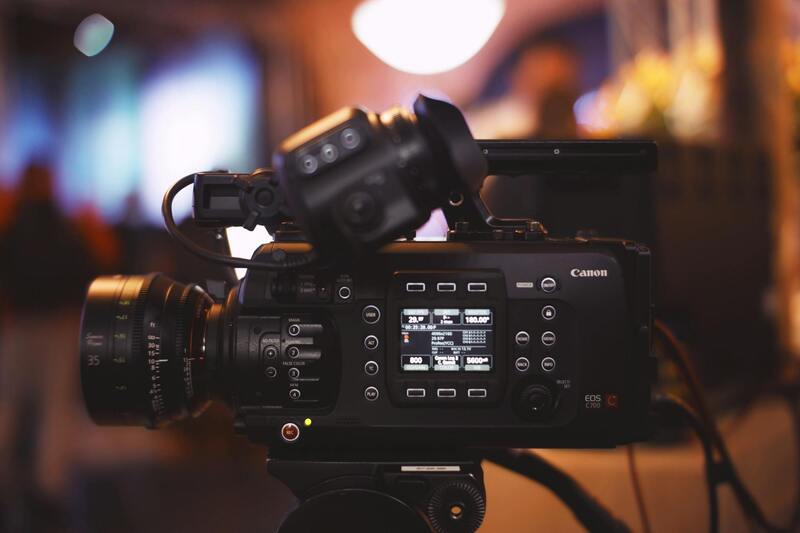
Achieving high-quality real estate images hinges on the strategic use of specialized tools and refined techniques. Professionals in the industry rely heavily on wide-angle lenses, which allow for capturing expansive interior and exterior spaces within a single frame. These lenses help convey the sense of space and openness that potential buyers find appealing, making rooms appear larger and more inviting. Tripods further enhance image sharpness and stability, especially in low-light conditions or when capturing HDR (High Dynamic Range) images, which blend multiple exposures to retain details in both shadows and highlights.
Incorporating aerial perspectives through drone photography has become increasingly valuable, providing a comprehensive view of the property's exterior, landscape, and surrounding amenities. Drones can access vantage points difficult to reach physically, revealing the property's full context within its neighborhood. When used appropriately, drone shots add a dynamic element that enhances online listings.
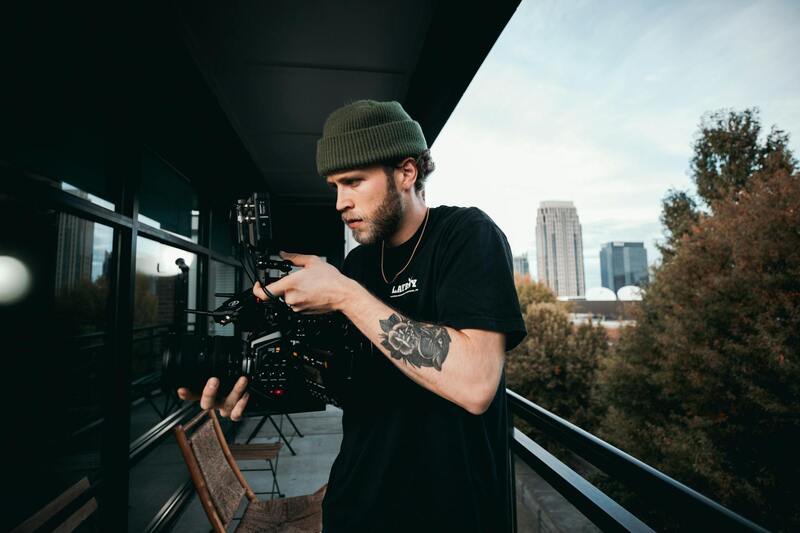
Techniques like proper depth of field, strategic framing, and adherence to the rule of thirds help create visually balanced and engaging images. Using natural lighting as a primary source reduces the need for extensive editing and preserves authenticity. In interior shots, turning on all relevant lights and balancing their intensity ensures a warm, welcoming atmosphere that highlights the property's best features.
When photographing exteriors, especially during the golden hour — shortly after sunrise or before sunset — homes are bathed in soft, warm light that enhances color vibrancy and reduces harsh shadows. Overcast days also provide even, diffused lighting ideal for capturing exterior details without unwanted glare or shadows.
Employing panoramic shots or stitch photos together can showcase larger spaces or outdoor areas comprehensively. The key is to plan the shoot meticulously — considering the ideal angles, lighting conditions, and equipment to produce images that are both aesthetically pleasing and true to the property.
Composition and Angles for Listing Photos
Effective composition plays a pivotal role in showcasing a property’s best features and enticing potential buyers. By thoughtfully selecting angles and framing, real estate photographers can create images that convey space, highlight architectural details, and evoke a sense of lifestyle appeal.
When photographing interiors, a primary objective is to make rooms appear more spacious and inviting. Using wide-angle lenses allows capturing a broader view within confined spaces, making rooms seem more expansive. Positioning the camera at eye level and slightly angling it can prevent distorted perspectives that detract from realism. To accentuate key features such as fireplaces, bay windows, or custom cabinetry, framing should be deliberate, drawing the viewer's attention naturally.
For exterior shots, capturing the home at the right vantage point involves selecting angles that showcase its curb appeal while minimizing obstructions. Elevation shots taken from a slightly higher vantage point can reveal the property's layout and landscape design, offering viewers a comprehensive perspective. Zooming in on architectural elements like doorways, porches, or unique façade features provides detailed views that add depth to listings.
Utilizing the rule of thirds enhances visual interest and balance within each frame. Aligning key elements of the scene along the gridlines or at their intersections naturally guides the viewer's eye, emphasizing the most attractive parts of the property. Incorporating leading lines, such as pathways or fences, can direct attention toward the home or highlight the flow of outdoor spaces. Additionally, symmetry in images—especially in well-designed exteriors—can create pleasing, harmonious visuals that resonate with viewers.
Flexible shot selection is essential; capturing multiple perspectives of each room ensures options during editing. Including corner shots provides context and depth, while detailed close-ups showcase craftsmanship or luxury features, such as high-end fixtures or unique finishes. Overall, strategic framing combined with diverse angles results in a visually compelling narrative that emphasizes the property's strengths and potential.
Legal and Ethical Considerations in House Photography for Real Estate
Maintaining transparency and adhering to best practices are essential when capturing images for real estate listings. It is important to accurately represent the property without manipulating images in ways that could mislead potential buyers. This includes refraining from enhancing or removing features that do not exist or are significantly different from reality, ensuring that prospective buyers can make informed decisions based on authentic visuals.
Photographers should obtain proper permissions from property owners before conducting photoshoots, especially when on private premises. Clear communication regarding the purpose of the images and how they will be used helps foster trust and professionalism. Additionally, respecting the privacy of residents and avoiding intrusive shots of private spaces is crucial. This means limiting photography to publicly accessible areas or spaces the owner consents to feature.
It is also advisable to keep detailed records of the photoshoot process, including agreements with property owners and a comprehensive list of images captured. This documentation serves to verify the authenticity of the images should any questions arise during the listing process.
In an era where digital manipulation can be performed quickly, maintaining ethical standards involves a commitment to truthful representation. While minor adjustments for color balance and brightness are acceptable to enhance visual appeal, any significant alterations that could deceive viewers should be avoided. Ensuring that the final images mirror the property's true condition and appearance helps sustain credibility and builds buyer trust.
Utilizing Proper Equipment for Authentic Real Estate Imagery
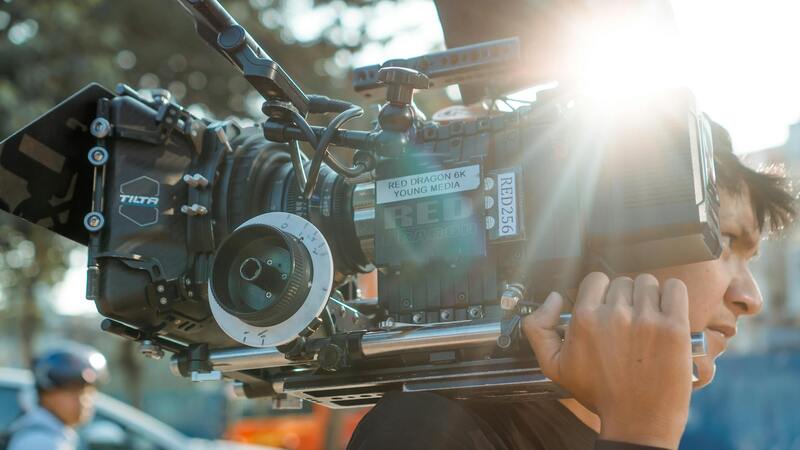
To capture compelling and accurate representations of a property, the selection and use of appropriate equipment play a vital role. High-quality digital cameras with broad dynamic range and the capability to handle various lighting conditions are essential. DSLR and mirrorless cameras equipped with wide-angle lenses are preferred for real estate photography, as they enable the photographer to include more of a room in a single shot, providing viewers with a realistic sense of space.
Tripods are indispensable for ensuring stability, especially in lower light situations where slower shutter speeds are necessary. They help in minimizing camera shake and achieving sharp, clear images. Additionally, utilizing remote shutter releases or camera timers can further reduce movement during shot capture, resulting in crisper photos.
Lighting equipment, including portable flashes and softboxes, can be employed to enhance interior illumination, particularly in spaces with uneven natural light. Proper lighting not only brightens images but also preserves color accuracy, making rooms appear inviting and true to life.
Mastering Composition and Effective Angles
Achieving captivating property images relies heavily on composition. A balanced layout guides potential buyers through the space while highlighting its best features. Employing the rule of thirds can create more engaging photos; aligning key elements along grid lines naturally draws the viewer’s eye.
Choosing optimal angles involves more than straightforward shots. Shooting from slightly higher vantage points can provide a comprehensive view of a room, illustrating its scale and layout. Conversely, low-angle shots can emphasize ceiling height and grandeur. Incorporating a mixture of wide and narrow perspectives offers diverse visual storytelling that appeals to prospective buyers.
When photographing exteriors, capturing the facade from multiple points of view, including front and side angles, adds depth to listings. Highlighting unique architectural features and landscaping details can further distinguish a property in a competitive market.
Legal and Ethical Considerations in House Photography for Real Estate
Maintaining transparency and integrity in real estate photography is crucial for building trust with clients and potential buyers. Photographers must ensure that images accurately represent the property’s condition, features, and layout without using manipulative techniques that could distort perception. This involves avoiding the use of overly aggressive edits that alter the property's true appearance, such as excessive photo enhancements or compositing that misrepresent space or features.
It is essential to secure all necessary permissions before photographing certain areas or features within a property, especially those that are private or sensitive. Respect for homeowner privacy and confidentiality should always be a priority, avoiding the inclusion of personal belongings or confidential spaces unless explicitly authorized. Properly timing the shoot to not interfere with the current occupants’ privacy rights is also a good practice. Furthermore, respecting intellectual property laws related to the use of copyrighted materials, including proprietary photography techniques or branded equipment, ensures ethical compliance. Photographers should also be aware of local regulations or industry standards that govern property marketing visuals, aligning their practices accordingly to uphold professional credibility. Maintaining accurate, factual descriptions alongside visual content maximizes transparency and fosters a trustworthy experience for all parties involved in the real estate transaction. Such standards guide the development of compelling yet honest property listings that attract serious buyers and enhance the reputation of the photographer and real estate agency.