Commercial Real Estate Video Pricing: Factors and Considerations
Factors Influencing Video Pricing for Commercial Real Estate
Understanding the cost structure of commercial real estate videos requires a comprehensive look at the various elements that influence pricing. Several critical factors determine the final quote from video production agencies, and being familiar with these can help clients plan their budgets effectively.
One of the most significant influences on pricing is the length of the video. Shorter clips, typically under two minutes, tend to be less costly due to reduced shooting and editing time. Conversely, longer videos, such as virtual tours or detailed property showcases, necessitate more extensive production efforts.
Video complexity also plays a crucial role. Simple highlight reels with minimal editing, basic aerial shots, or straightforward walk-throughs are generally more affordable. However, projects involving advanced animations, 3D models, or proprietary graphics substantially increase costs.
Production quality and the level of professionalism required significantly impact pricing. High-definition footage, cinematic effects, and seamless editing demand professional-grade equipment and seasoned crew members, which naturally elevate the total expense.
Additional Elements Affecting Cost
Other factors influencing pricing include the scope of pre-production planning, such as scheduling, location scouting, and script development. Post-production editing, including color correction, sound design, and special effects, can also significantly alter costs.
Location-specific considerations may influence travel expenses and permit costs, especially when shooting across multiple sites or in complex regulatory jurisdictions. Ensuring clear communication of project scope helps establish accurate estimates tailored to specific needs.

Conclusion
Various factors intricately connect to shape the overall pricing landscape for commercial real estate videos. By evaluating video length, complexity, production quality, and logistical considerations, clients can better align expectations with achievable outcomes, facilitating a smooth production process. Having a clear understanding of these key elements ensures that investments in high-quality visual content effectively serve marketing objectives and elevate property visibility.
Role of Location and Market Conditions in Pricing
Location plays a crucial role in determining the overall cost of producing commercial real estate videos. Urban environments with high-density zoning, busy streets, and complex logistical requirements often demand additional planning and resources. Shooting in downtown districts or in proximity to major transportation hubs can incur higher costs due to permit requirements, restricted access, and the need for specialized equipment to navigate these challenges.
Conversely, shooting in suburban or less congested areas may reduce logistical expenses but could still involve costs related to travel, transportation, and securing permissions. For properties situated in remote or difficult-to-access locations, additional travel and setup fees are typically factored into the overall budget.
Market conditions, including seasonal demand and regional competition among production companies, also influence pricing. During peak seasons, such as spring and summer, the demand for professional video services increases, which can lead to higher rates. Conversely, off-peak periods may offer more cost-effective options, although availability could be limited.
It's essential to consider these location and market variables early in the planning process. Precise scope definition and early communication with your production team help in forecasting expenses accurately, ensuring no unforeseen costs impact your investment.
Production Quality and Equipment Impact on Pricing
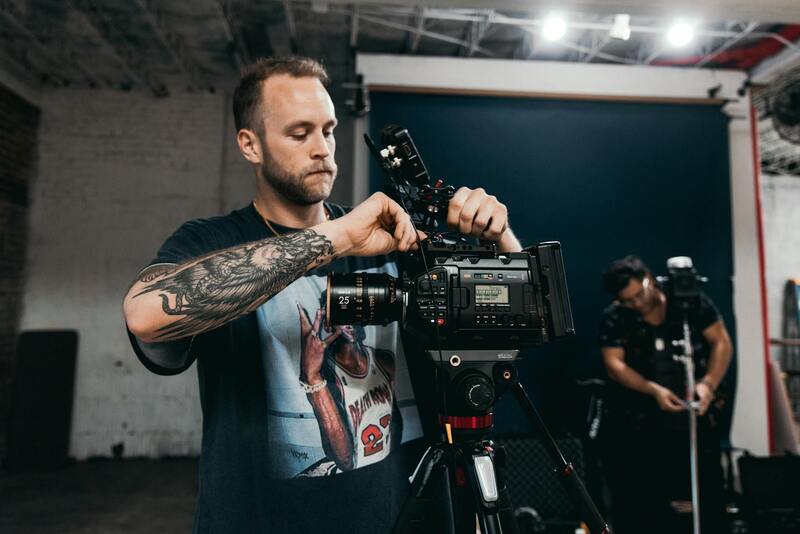
The quality of production directly impacts the final cost of a commercial real estate video. Utilizing high-end cameras, cinematic lenses, professional lighting, and stabilization equipment enhances visual appeal and marketability but comes with increased rental or operational costs. Advanced drone technology, 4K or 8K resolution footage, and virtual staging can significantly elevate production expenses.
Moreover, the expertise level of the crew—whether seasoned videographers, drone pilots, or editors—affects pricing. Skilled professionals often command higher fees but deliver polished content that aligns with branding standards and ensures maximum property visibility.
Post-production also plays a critical role. High-quality color grading, sound design, and visual effects require sophisticated software and experienced editors, further influencing the cost. The integration of virtual tours or 3D walkthroughs, which provide immersive property experiences, likewise entails additional investment but can substantially boost the property's attractiveness to prospective tenants or buyers.
Pricing Models and Packages for Commercial Real Estate Videos
Most production companies offer a variety of pricing models tailored to project scope and complexity. Transparent packages generally include dispersed tiers, such as basic tours, standard promotional videos, and comprehensive advertising clips. Each package is structured around the specific needs of the client, encompassing geographic scope, number of locations, and film length.
Flat-rate packages can simplify budgeting, covering pre-production, filming, and post-production services. Alternatively, customized quotes are common for more complex projects, especially those requiring extensive editing, multiple shooting days, or specialized equipment.
Clients should carefully review what each package includes, such as revisions, licensing rights, and deliverable formats, to select the most cost-effective option that still meets their marketing objectives. Detailed proposals that outline scope, timelines, and deliverables help prevent unexpected costs and facilitate clear communication between clients and producers.
Role of Location and Market Conditions in Pricing
The geographic positioning of a commercial property plays a significant role in determining video production costs. In vibrant markets like Miami, where properties are often situated in unique or high-demand areas, production companies may adjust their pricing to accommodate logistical challenges and the need for specialized permits. Urban settings with dense infrastructure require careful planning to ensure access and safety, which can influence overall project expenses.
Additionally, market conditions such as seasonal demand and local competition among production firms impact pricing. During peak periods, increased demand for high-quality marketing content can lead to elevated costs due to resource availability and scheduling constraints. Conversely, in off-peak times, some providers may offer more competitive rates or customizable packages to attract clients.
Producers might also consider regional factors such as weather patterns, especially in Miami where tropical conditions can affect filming schedules. Planning around unpredictable weather is essential; contingency measures may entail additional costs, particularly for outdoor shots requiring drone footage, aerial shots, or extensive lighting setups.
Furthermore, the availability of local talent, drones, and other equipment can vary based on location, influencing both the scheduling and expenses of a project. In regions where specialized gear or seasoned drone pilots are less accessible, costs may increase due to equipment travel fees or extended hiring periods.
Understanding these geographic and market-specific factors enables property owners and marketers to anticipate potential adjustments in their video production budgets, ensuring a comprehensive approach that aligns with both the property's characteristics and local market dynamics.
Production Quality and Equipment Impact on Pricing
The level of production quality significantly influences the cost of creating commercial real estate videos. High-definition footage, advanced stabilization equipment, and professional-grade cameras contribute to a more polished final product but come with increased expenses. High-quality equipment, including cinematic cameras, drones, and lighting gear, ensures that the property is showcased in the best light, capturing fine details and dynamic visuals that appeal to prospective investors or tenants.
Post-production services, such as color grading, sound editing, motion graphics, and visual effects, further elevate the video's professional appeal but also add to the overall cost. The more intricate the editing process, the more hours required from skilled editors, which consequently raises the project budget. For instance, a simple walk-through video with minimal editing differs substantially in cost from a high-concept promotional video with animated overlays and cinematic sequences.
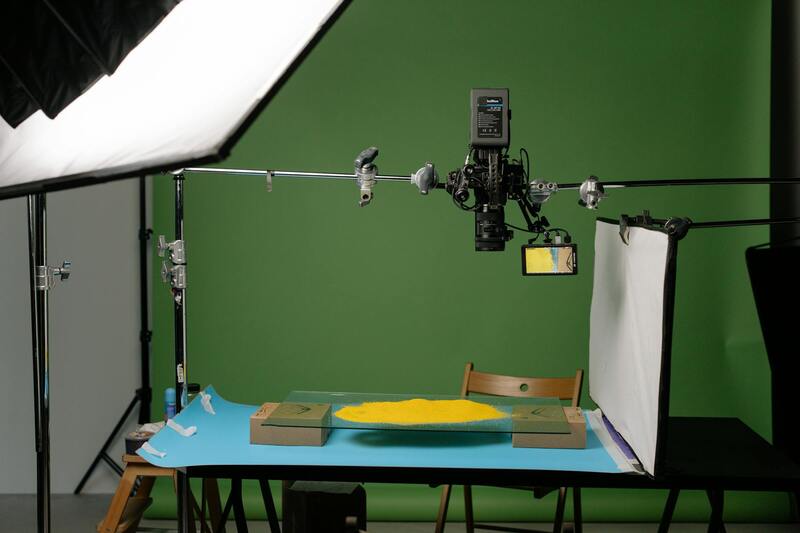
Investing in advanced filming technology such as 4K or 8K cameras, drone aerials, and stabilized gimbals increases production expenses but yields visually compelling content that can boost property value. Moreover, the selection of post-production techniques—such as virtual staging, 3D modeling, and immersive virtual tours—are additional factors that impact the final cost. These sophisticated methods enhance viewer engagement and provide a comprehensive presentation of commercial spaces, especially in competitive markets.
It’s also pivotal to consider the experience level of the production team. Skilled videographers and editors with extensive portfolios in commercial real estate tend to charge premium rates due to their specialized expertise. Their nuanced understanding of property highlights and branding strategies ensures the delivery of content that meets your marketing objectives, justifying higher investments in high-quality production craftsmanship.
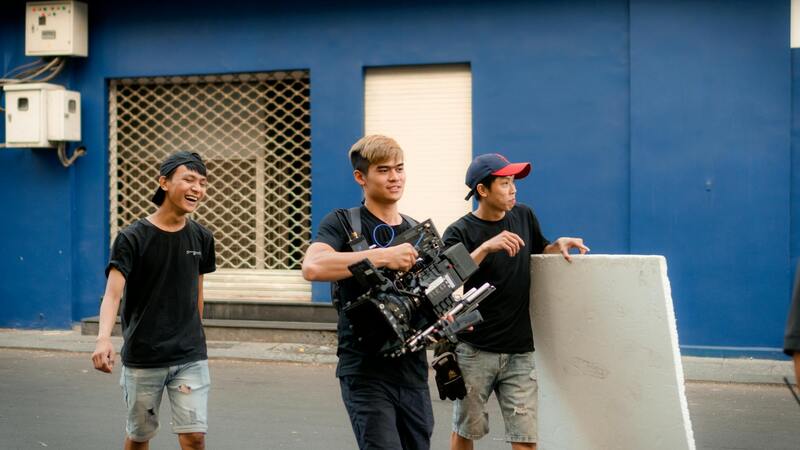
Ultimately, the choice of equipment and editing services should align with your specific project goals, target audience, and overall marketing strategy. While premium equipment and post-production services tend to increase costs, they deliver exceptional visual quality and storytelling power, essential for commanding attention and achieving your commercial real estate objectives.
Factors Influencing Video Pricing for Commercial Real Estate
When evaluating commercial real estate video pricing, several core elements significantly contribute to the overall cost. Primarily, the scope and complexity of the project dictate the resource requirements and, consequently, the pricing. For example, a simple walk-through video capturing a single property might involve fewer shooting hours and less editing, resulting in a lower price point. Conversely, comprehensive projects that include multiple locations, drone footage, and detailed virtual tours demand more extensive planning, equipment, and post-production work.
Additional factors include the duration of the final product. Longer videos that thoroughly showcase a property or portfolio will inherently cost more due to increased filming and editing time. Similarly, the level of customization and special effects incorporated—such as animated signage, virtual staging, or 3D walkthroughs—also influence the price. These enhancements require specialized skills, software, and additional layers of editing to produce polished and engaging content.
Moreover, the experience and reputation of the production team can impact pricing stability. Experienced videographers with a portfolio emphasizing commercial real estate work often charge higher fees. Their expertise ensures a higher quality output that aligns with marketing goals and facilitates the desired viewer engagement. In addition, location-specific considerations like logistical complexity, accessibility, and permitting requirements for drone use can introduce unanticipated costs that factor into the total pricing.
Finally, turnaround time is a vital element. Projects with tight deadlines necessitate prioritized scheduling, which can increase expenses. Quick deliveries often mean double shifts or expedited editing, which come with premium charges. When budgeting for commercial real estate videos, understanding these influences helps in assessing the overall investment and aligning expectations with the specific needs of the property and target audience.
Additional Costs and Considerations in Video Pricing
When evaluating commercial real estate video pricing, it is crucial to understand that initial estimates often reflect only the core production expenses. Several supplementary factors can influence the final cost structure, either elevating or optimizing the overall budget. These considerations include licensing fees, permissions, and insurance, which are vital for compliant and risk-managed filming, especially when involving drone footage or shooting in restricted areas.
For properties requiring aerial captures, drone operation fees can significantly add to production costs. This is due to the specialized equipment and pilots needed, along with the permits required for drone flights. As drone use often involves complex airspace regulations, securing proper authorization can lead to additional administrative expenses. Furthermore, licensing for music, footage, or any third-party content integrated into the video necessitates clear rights acquisitions, impacting the final pricing.
Location-specific factors also play a distinct role. Urban environments with high traffic, limited parking, or logistical challenges may impose extra costs related to transportation, equipment setup, and on-site management. In contrast, more remote or less accessible locations might require additional planning or specialized gear, which influences staffing and logistical planning.

Post-production is another significant element. While basic editing may be included in standard packages, advanced features such as color grading, virtual tours, 3D renderings, or animations typically come at an extra cost. These enhancements demand skilled editors and sophisticated software and can extend the timeline, thereby raising the overall expense.
Similarly, project management and client-specific customization, like incorporating branding elements, detailed floor plans, or other marketing materials, can add to the total price. These tailored features often require additional consultation, revisions, and specialized editing, all of which impact costs.
Finally, expedited delivery services, especially for time-sensitive campaigns, incur premium charges. Rapid turnarounds necessitate prioritization of editing schedules, extended working hours, and sometimes additional crews, all of which contribute to higher project fees. When planning for a commercial real estate video, it’s advisable to clarify these potential add-on costs upfront to avoid surprises and ensure the project aligns with the overall marketing budget.
Factors Influencing Video Pricing for Commercial Real Estate
Determining the cost of a commercial real estate video involves analyzing multiple elements that directly impact the overall budget. One of the primary factors is the scope of the project, including the complexity of the content, the required shooting locations, and the level of detail desired in the final product. For instance, a simple walk-through featuring basic footage and minimal editing will cost less than a professionally produced virtual tour with scripted narration, drone footage, and detailed animations.
Additionally, pre-production planning plays a crucial role. Script development, storyboarding, casting, and scheduling can add to the expenses, especially for high-end productions that demand precision and a tailored approach. The number of locations also influences costs; multiple site shoots require additional crew, equipment setup, transportation, and coordination, all of which contribute to the total price.
Expenses related to post-production should not be overlooked. Basic edits, color correction, and audio optimization might be incorporated into standard packages, but advanced features like 3D visualizations, virtual staging, or significant CGI elements often involve higher charges. Skilled editors, specialized software, and extended editing timelines contribute to these premium costs.

Furthermore, recourse to additional services such as voiceovers, on-screen graphics, or custom animations will also influence the pricing. These elements enhance the video’s presentation but require additional professional input, increasing both time and resources needed for completion.
Types of Commercial Real Estate Videos and Their Costs
Different styles of videos come with varied price ranges, aligned with the production complexity and purpose. A simple property walkthrough or static aerial footage might fall on the lower end of the spectrum, typically ranging from a few hundred to a couple thousand dollars. Conversely, high-end productions that integrate drone views, 3D walkthroughs, or immersive virtual reality components can cost several thousand dollars or more.
For example, a basic property tour with minimal editing and standard footage might be priced between $1,000 and $3,000. A more elaborate, feature-rich virtual tour that includes drone captures, animated floor plans, and branded elements might range from $5,000 to $15,000, depending on the complexity and duration of the project.
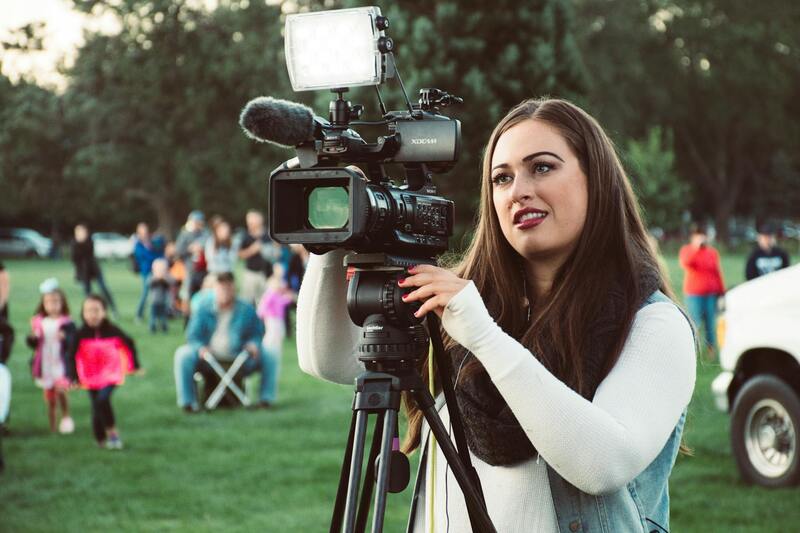
Role of Location and Market Conditions in Pricing
Location significantly affects manufacturing and logistical costs associated with commercial real estate videography. Urban areas or locations requiring special permits, extensive travel, or complex access arrangements tend to incur higher expenses. For example, shooting in a downtown district might necessitate permits, additional safety measures, or coordination with local authorities, all of which increase costs.
Market conditions also influence pricing, especially in high-demand regions where competition among production companies drives prices upward. Remote or less populated areas might reduce some costs but could necessitate additional equipment or crews familiar with challenging terrains, which may add to the overall budget.
Production Quality and Equipment Impact on Pricing
The quality of equipment utilized directly correlates with the perceived professionalism and visual fidelity of the final product. High-definition cameras, stabilized gimbals, drone technology, and advanced lighting setups command higher rental and operational costs. For instance, premium aerial shots with 4K or 6K resolution require sophisticated drones and experienced pilots, elevating the price significantly.
Moreover, integration of specialized equipment for cinematic shots, such as robotic camera rigs or 360-degree cameras, increases production costs but yields a more immersive viewing experience. Clients seeking a polished, high-end product should anticipate a commensurate increase in the overall budget reflecting the sophistication of the tools employed.
Factors Influencing Video Pricing for Commercial Real Estate
Pricing for commercial real estate videography is shaped by multiple interrelated elements that influence the overall cost structure. Factors such as project scope, duration, complexity, and post-production requirements play a pivotal role in determining the final expense. A comprehensive understanding of these aspects allows clients to budget effectively while ensuring the production quality aligns with their marketing objectives.
Project Complexity and Scope
The intricacy of a project often directly impacts pricing. Simple walk-throughs or basic shot lists tend to be more affordable, whereas comprehensive campaigns involving multiple locations, extensive drone footage, or specialty shots demand more resources. The number of scenes, duration of the footage, and desired visual effects all contribute to initial estimates and final costs.
Duration and Shooting Days
The length of filming sessions influences pricing significantly. Shorter shoots focusing on key property highlights are generally less expensive. Conversely, projects requiring extended filming days, especially in challenging weather conditions or tight schedules, will incur higher labor and equipment costs.
Post-Production Efforts
Post-production is a substantial part of the overall budget. High-quality editing, color grading, motion graphics, animation, and sound design elevate the final product’s professionalism. The complexity and length of editing sessions directly correlate with costs, especially when revisions or additional effects are requested.
Additional Considerations
- Permits and Access Fees: Certain locations may necessitate permits, which can add to expenses especially in urban or protected areas.
- Special Equipment: Use of advanced tools like 4K drones, robotic gimbals, or VR equipment influences pricing depending on the degree of technical sophistication required.
- Travel and Logistics: Traveling to remote or international sites involves transportation, accommodation, and logistical coordination, all contributing to overall costs.
- Legal and Insurance Costs: Ensuring proper coverage for equipment, personnel, and location-specific liabilities can add to the financial planning.
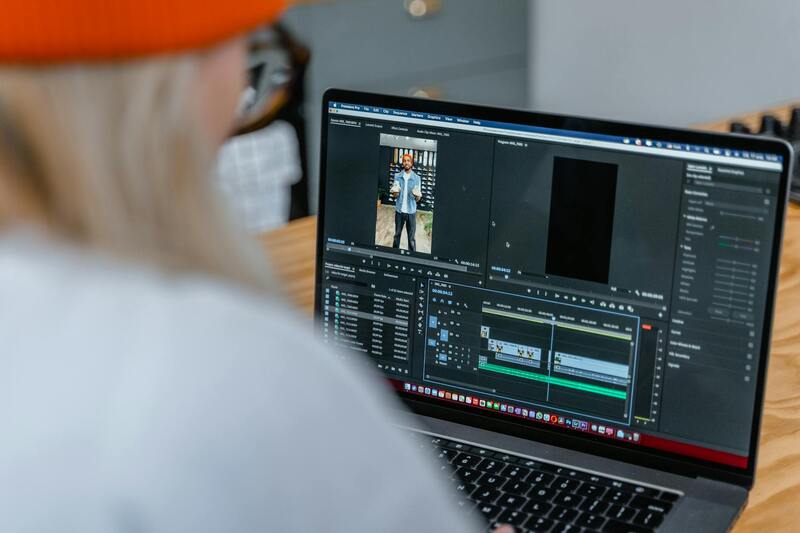
Role of Location and Market Conditions in Pricing
The geographical context of the project significantly affects pricing strategies. Urban centers with high demand or complex permit requirements naturally lead to elevated costs, whereas remote areas might reduce certain expenses but introduce additional logistical considerations. Fluctuations in market demand and competition among production companies also influence bidding and rates.
Production Quality and Equipment Impact on Pricing
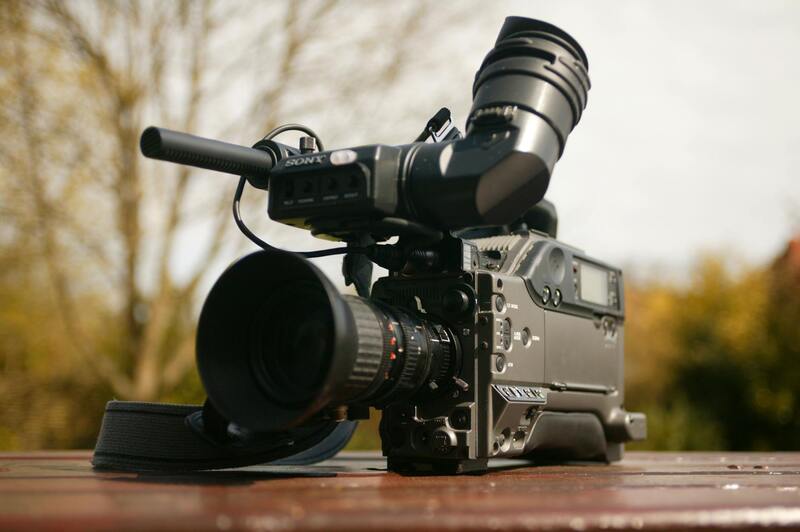
The caliber of equipment directly correlates with the visual impact and professionalism of the final video. Utilizing high-end cameras, specialized lenses, stabilizers, and drone technology entails rental fees and operational expenses that are reflected in the overall cost. For example, filming aerial views with a 4K drone operated by a licensed pilot involves considerable investment compared to standard ground footage.
Enhanced cinematic effects such as 360-degree views or robotic camera rigs augment production value but also necessitate additional technical resources. When aiming for a polished, high-definition presentation that highlights the property's key features, clients should anticipate related expenses aligning with the sophistication of the technological assets employed.
Pricing Models and Packages for Commercial Real Estate Videos
Many providers offer tiered pricing structures that reflect levels of service and deliverables. Basic packages may include essential footage, standard editing, and limited revisions, making them suitable for budget-conscious clients. Mid-range options often add advanced editing, multiple shooting days, and enhanced visual effects. Premium packages might feature cinematic production techniques, extensive post-production, and dedicated project management to ensure a top-tier final product.
Budgeting Tips for Commercial Real Estate Video Projects
- Define clear objectives and prioritized deliverables upfront to avoid scope creep.
- Solicit detailed quotes and breakdowns from multiple producers to compare offerings effectively.
- Allocate a contingency budget for unforeseen requirements or last-minute changes.
- Balance quality and cost by choosing services that match the project's specific needs and intended use.
- Plan timeline carefully to minimize rushed orders, which often involve premium rates and additional charges.
How to Choose a Production Agency for Your Video Project
Evaluating potential production partners involves assessing their experience, portfolio, and technical expertise in commercial real estate videography. Clients should look for agencies that demonstrate a strong grasp of branding, storytelling, and technical standards aligned with their objectives. Transparent pricing, clear communication, and a proven track record of successful projects in similar markets are essential considerations. Moreover, understanding their approach to equipment, post-production, and client engagement ensures the final product will meet expectations and provide value for investment.