Importance of High-Quality Photos in Residential Real Estate
In the vibrant and competitive Miami real estate market, the visual presentation of properties can significantly influence their sale prospects. High-quality residential real estate photography serves as a powerful tool that captures the essence of a home, highlighting its unique features and creating an emotional connection with potential buyers. Professionally taken images often translate to increased engagement online, better listing visibility, and ultimately, quicker sales cycles.
Buyers increasingly rely on digital listings to make initial judgments about properties. Flawless, well-composed photographs demonstrate professionalism and attention to detail, making listings stand out amid a multitude of options. When buyers see clear, bright images that accurately portray the property's space, layout, and ambiance, they are more inclined to schedule visits or make offers. This is particularly critical in Miami’s dynamic market, where properties are often viewed remotely before physical visits.
In addition to attracting more inquiries, high-quality visuals enhance the overall perception of the property’s value. They serve as an extension of the property’s marketing narrative, emphasizing its best attributes and creating a compelling story. This visual storytelling approach can lead to a competitive edge, especially when listings are combined with strategic marketing efforts such as social media promotions, virtual tours, and targeted advertising campaigns.
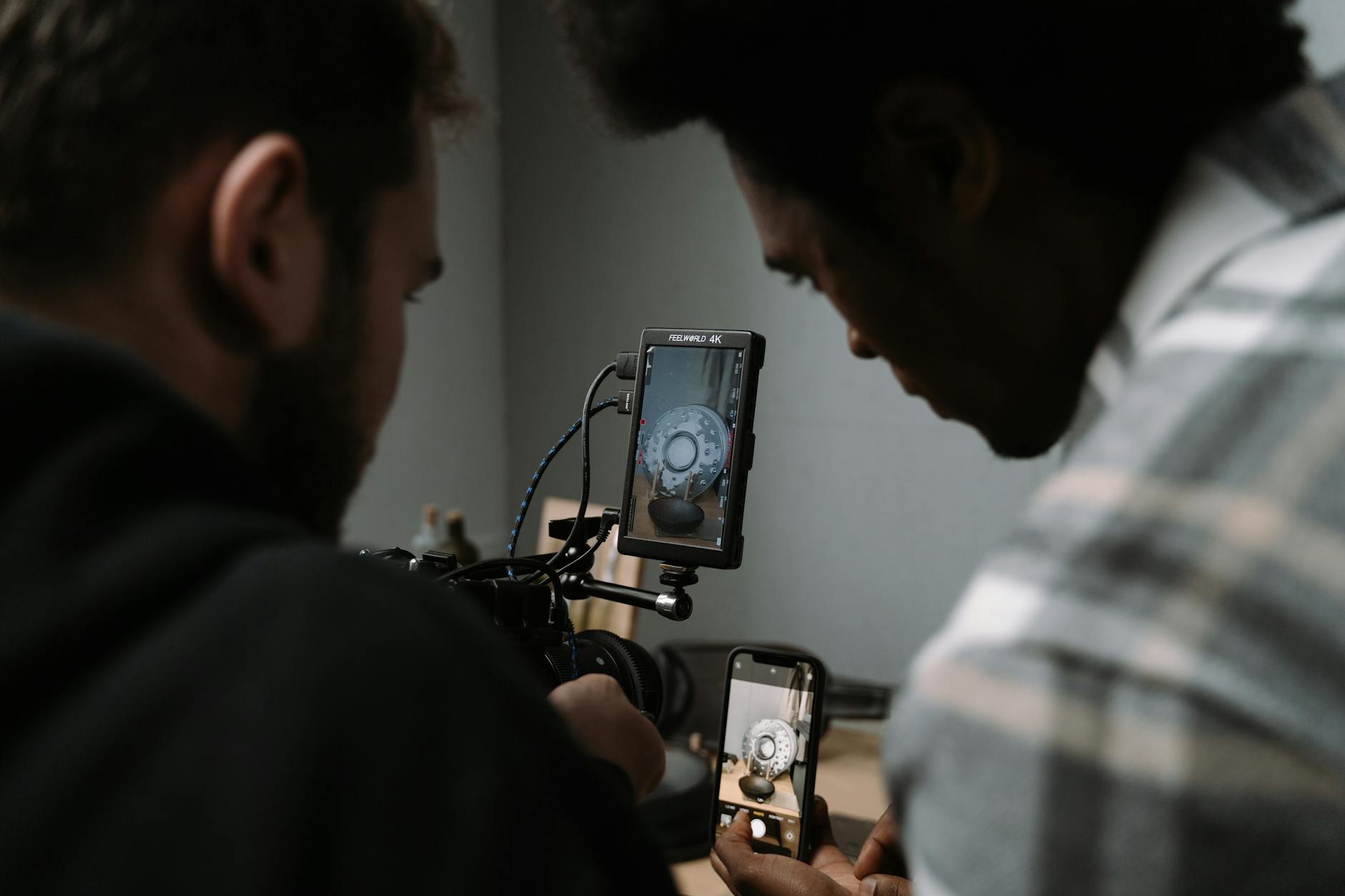
Furthermore, the importance of high-quality images extends beyond immediate sales. Well-crafted photographs can preserve the property's appeal for longer periods, attracting more serious buyers and minimizing time on the market. High-resolution imagery also aids in building the real estate agent’s credibility, demonstrating a commitment to excellence and attention to detail that clients value highly.
Ultimately, investing in professional residential real estate photography is a strategic move that maximizes a property's market potential, fosters buyer interest, and enhances the overall reputation of the listing provider. In Miami, where competition is fierce and buyer expectations are high, this component of marketing can be the decisive factor in closing deals efficiently and at optimal prices.
Key Elements of Effective Residential Property Photography
Capturing the true essence of a Miami home requires meticulous attention to detail and a strategic approach. Key elements such as optimal lighting, balanced composition, thoughtful angles, and a clutter-free environment are fundamental in creating captivating images that highlight a property's unique features. When executed correctly, these aspects not only showcase a property's aesthetics but also evoke an emotional connection with potential buyers, increasing their interest and engagement.
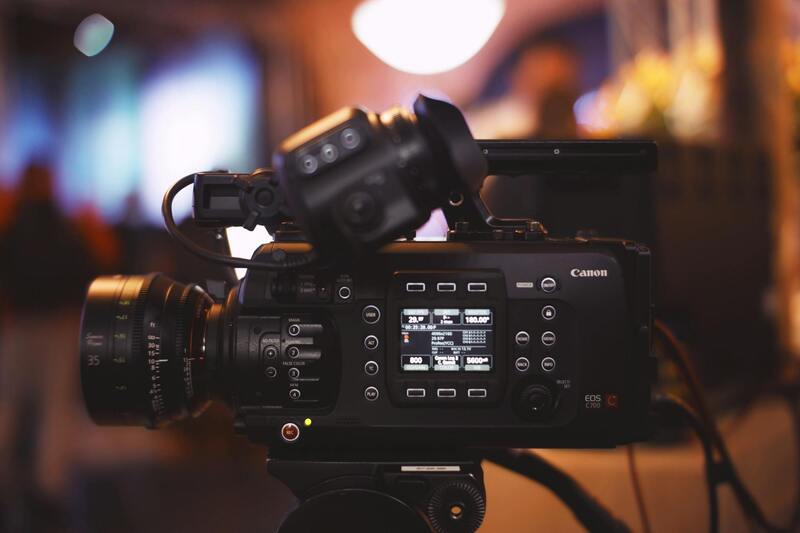
Lighting plays a crucial role in residential real estate photography, especially in Miami where abundant sunlight is prevalent. Utilizing natural light during the day can produce vibrant, inviting images that accurately portray the property's atmosphere. Properly managing interior lighting—by supplementing natural light with carefully placed artificial lights—ensures that rooms are evenly illuminated, reducing shadows and enhancing color accuracy. Equipment like wide-angle lenses enables photographers to capture more of each space, emphasizing openness and spatial flow.
Composition is equally vital. A well-balanced frame that emphasizes the room's purpose and flow can significantly influence a viewer’s perception. Symmetry, leading lines, and strategic framing guide the viewer’s eye through the space, creating visual harmony. Changing perspectives and shooting from different angles helps to highlight architectural features and the layout's functionality.
Decluttering and staging are often overlooked but are integral to compelling photography. Removing personal items and excess furniture creates a clean, inviting environment that allows potential buyers to imagine themselves living in the space. Proper staging emphasizes the home’s best attributes, conveying warmth and usability without overwhelming the viewer.
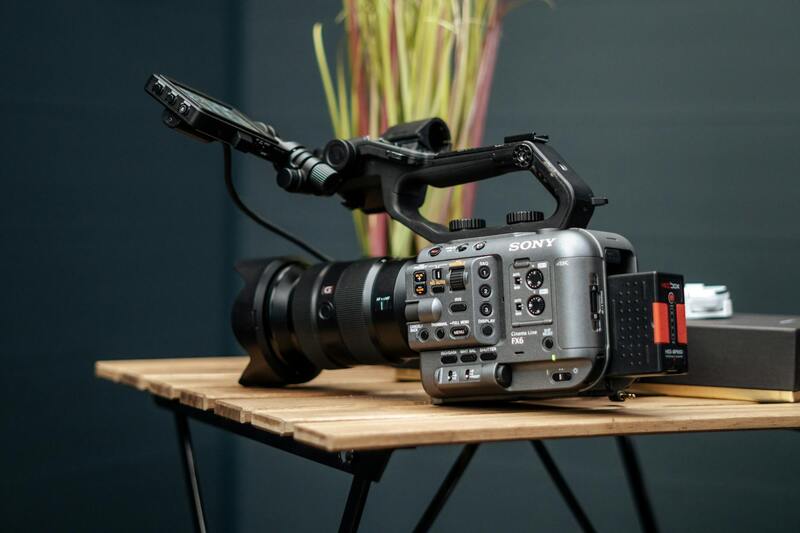
In summary, mastery of lighting, careful composition, strategic angles, and clean staging form the backbone of effective residential real estate photography. Together, these elements communicate the property’s value and personality, making listings more attractive and competitive in the Miami real estate market.
Choosing the Right Equipment and Techniques
Achieving professional-grade residential real estate photographs hinges on selecting appropriate equipment and employing effective techniques that capture the property's true essence. High-quality digital cameras with full-frame sensors are essential, as they offer superior image resolution, dynamic range, and low-light performance, resulting in clear, vibrant photos that attract potential buyers. Wide-angle lenses, typically ranging from 14mm to 24mm, are indispensable for interior photography because they allow for capturing more of a room in a single shot, emphasizing space and openness without distortion when used correctly.
Tripods are a fundamental component, ensuring stability and sharpness, especially in low-light conditions or when employing longer exposure times. Utilizing a tripod also helps maintain consistent framing across multiple shots, which is beneficial during editing for achieving cohesive image sequences. Additionally, polarized filters can be employed to reduce glare from reflective surfaces such as glass doors and windows, showcasing the property’s interior and exterior features more accurately.
Techniques such as HDR (High Dynamic Range) imaging combine multiple exposures to manage scenes with contrasting lighting—bright windows and darker interior corners—ensuring no details are lost. Shooting during optimal lighting conditions, typically early morning or late afternoon, can harness natural light to create warm, inviting atmospheres. When natural light is insufficient, supplementing with professionally positioned artificial lighting, such as softboxes or LED panels, helps balance exposure and eliminate harsh shadows.
Proper camera settings are crucial: using a low ISO minimizes noise, while a smaller aperture (higher f-stop) increases depth of field, keeping more of the scene in focus. Bracketing exposures and stitching images in post-production can produce high-resolution, professional images that comprehensively represent the property's space and features.
Mastering these equipment choices and techniques entails understanding the specific attributes of each property. Tailoring the approach—such as adjusting angles, lighting, and composition—ensures each listing is presented in the most compelling light, ultimately driving increased interest and engagement.
Choosing the Right Equipment and Techniques
Precision in residential real estate photography hinges on the appropriate selection of equipment and adherence to proven techniques that bring out the best features of each property. For capturing interior and exterior spaces effectively, professional-grade cameras with high-resolution sensors are essential. These cameras should support interchangeable lenses, allowing photographers to adapt to various shooting scenarios and achieve desired composition and clarity.
Wide-angle lenses, typically ranging from 14mm to 24mm, are favored for their capacity to encompass expansive rooms and exterior landscapes within a single frame. This equipment minimizes distortions that can occur with lesser lenses, ensuring that spaces are represented accurately and attractively. In addition, aerial imagery captured through drones provides a distinctive perspective, highlighting the property's size, surrounding landscape, and accessibility—elements that often appeal to prospective buyers.
Utilizing stability tools such as tripods guarantees sharpness and consistency, especially during low-light conditions or when employing HDR techniques. HDR imaging plays a vital role in balancing high-contrast scenes—such as rooms with large windows—by combining multiple exposures into a single, well-lit photograph that retains detailed highlights and shadows.
Lighting techniques constitute another crucial aspect. Natural light remains the most desirable element; however, when lighting conditions fall short, employing professionally positioned artificial lighting, like softboxes, LED panels, or reflectors, can enhance the ambiance and reveal details without creating harsh shadows or uneven exposure.
Proper camera settings optimize image quality further. Employing a low ISO setting reduces noise, while a narrow aperture (high f-stop number) increases the depth of field, ensuring all elements within the scene remain in focus. Bracketing exposures for high dynamic range images and subsequent stitching techniques in post-production enable the creation of high-resolution visuals that faithfully represent spatial dimensions and details.
Incorporating Advanced Techniques for Optimal Visual Appeal
Beyond basic equipment use, mastering specific techniques elevates the overall quality of property images. For instance, hyper-realistic color grading during post-processing can enhance the vibrancy of images, making them more compelling without misrepresenting the property. Perspective correction ensures architectural features are accurately framed, avoiding unnatural distortions that could mislead viewers.
Similarly, attention to detail during post-processing—removing distracting clutter, straightening lines, and balancing white levels—ensures that every image communicates professionalism. Sequential photo shooting, which captures multiple angles and focal points throughout a property, followed by thoughtful editing, results in an engaging virtual tour experience for potential buyers or renters.
Legal and Ethical Considerations in Residential Photography
When conducting residential real estate photography, professionals must adhere to standards that uphold the integrity of the images and respect the rights of all parties involved. Accurate representation of properties is fundamental; photographers should ensure that visual content faithfully reflects the actual state of the property without deceptive enhancements or omissions that could influence buyer perception unfairly.
Photographers need to obtain proper permissions before photographing private spaces, especially in occupied homes. This involves securing consent from homeowners or tenants, which not only maintains respectful relationships but also mitigates potential disputes or misunderstandings. Clear communication about the scope of the shoot, the intended use of images, and any post-processing applied helps foster transparency and trust.
Furthermore, maintaining an ethical stance in editing practices is crucial. While post-processing can significantly enhance visual appeal, alterations should not distort the property's real appearance. Overly manipulated images that misrepresent a property, leading buyers to develop false expectations, can compromise professionalism and credibility in the industry. Striking a balance ensures images are attractive yet honest representations of the property.
Another key aspect is privacy. Photographers must be conscious of capturing the right angles and avoiding intrusive shots of neighboring properties or private areas outside the scope of the property being marketed. Respecting neighbors' privacy rights preserves good community relations and maintains the photographer's reputation.
In addition to respecting privacy, adhering to marketing regulations and guidelines ensures that all promotional content aligns with industry standards. This includes disclosing if images have been significantly edited, especially in cases where the alterations could impact buyer perceptions. Providing accurate, ethically produced visuals safeguards the credibility of a real estate professional and enhances the overall buyer experience.
Ultimately, professionalism in residential real estate photography extends beyond technical skills to encompass ethical practices that foster transparency, trust, and respect for legal boundaries. These elements are essential for building a reputable brand and ensuring long-term success in the competitive real estate market.
Legal and Ethical Considerations in Residential Photography
In the realm of residential real estate photography, maintaining integrity and professionalism is crucial. Photographers must always prioritize obtaining clear permissions from property owners or authorized representatives before conducting a shoot. This step ensures that all parties are aware of and agree to the use of images for marketing purposes, fostering trust and preventing potential conflicts.
Respect for neighbors and surrounding residents is equally important. Photographers should be mindful of angles and shot selection to avoid capturing private areas or neighboring properties without explicit consent. Doing so not only respects personal privacy but also preserves positive community relationships and upholds the reputation of the real estate professional.
Adherence to local regulations and industry guidelines further guides ethical practices. Photographers should be familiar with any legal requirements specific to the area, such as restrictions on drone usage or designated privacy zones. When editing images, disclosure of significant alterations is also recommended to maintain transparency with clients and potential buyers, ensuring that representations remain honest and accurate.
Maintaining Transparency and Credibility
Authentic visuals that accurately depict properties underpin the trustworthiness of the marketing process. Photographers and real estate professionals should aim for images that highlight true property features without excessive editing or deception. Ethical photography practices help establish credibility in the competitive housing market and distinguish reputable agencies from less transparent competitors.
Best Practices for Ethical Residential Photoshoots
- Secure written permission from property owners or authorized agents before the shoot.
- Respect privacy by avoiding intrusive shots of private spaces or neighboring properties.
- Comply with local regulations, including drone flight restrictions and privacy laws.
- Be transparent about any post-processing or editing carried out on the images.
- Use images solely for the purpose agreed upon, avoiding any unauthorized distribution or commercial use.
By adhering to these practices, professionals in residential real estate photography ensure that their visual content not only appeals to prospective buyers but also aligns with high ethical standards. This commitment fosters consumer confidence, enhances brand reputation, and supports a transparent, honest real estate marketplace.
Legal and Ethical Considerations in Residential Photography
Professional residential real estate photography demands adherence to established ethical standards and policies that ensure the integrity of visual representations. This approach emphasizes honesty and transparency, fostering trust between agents, photographers, and prospective buyers. When capturing images of properties, professionals should obtain explicit consent from property owners or authorized representatives prior to the shoot. This practice not only respects property rights but also clarifies the scope and intent of the photography session.
Respecting privacy is paramount, especially when photographing interiors or surrounding neighborhood features. Photographers must exercise discretion to avoid intrusive or sensitive images, such as personal belongings, private spaces, or neighboring properties, unless prior approval has been granted. Such considerations prevent unintended exposure of private information and uphold the dignity of all involved parties.
Compliance with regional guidelines and regulations is also essential. This includes adhering to laws governing drone operations, which are often used to capture expansive exterior shots. Photographers should verify the necessary permits and restrictions related to aerial photography and ensure that all technology used is compliant with local airspace policies. Additionally, respecting privacy laws related to resident consent and data privacy must be a priority.
Post-processing and editing should be conducted transparently. While enhancing images to correct lighting or highlight features is common, overly manipulated photos can mislead viewers about the property's appearance. Clearly documenting any editing practices maintains credibility and demonstrates a commitment to honesty. Photographers should also restrict image use to the terms agreed upon with clients, avoiding unauthorized redistribution or commercial exploitation beyond the initial scope.
Establishing ethical practices in residential real estate photography not only preserves professional integrity but also enhances client confidence and consumer trust. A reputation for truthful, respectful, and compliant imagery attracts more clients and positions the photographer and real estate agents as trustworthy sources in the competitive housing market. Maintaining high standards in visual content ultimately benefits all parties involved by facilitating a transparent and reliable property marketing process.
Legal and Ethical Considerations in Residential Photography
Adhering to legal guidelines and ethical standards is essential for producing credible and responsible residential real estate images. Photographers must ensure they have obtained all necessary permissions before capturing images, especially when photographing private properties or using aerial equipment. Respect for residents’ privacy is paramount, requiring clear communication and consent for any interior or exterior shots that may include identifiable individuals or personal property.
Proper documentation of permissions helps maintain transparency and avoids potential disputes. Additionally, photographers should be aware of restrictions related to the use of certain equipment, such as drones, which often require specific permits and adherence to airspace regulations. Using technology responsibly minimizes risks and demonstrates a commitment to lawful practices.
Post-production processes should be handled with integrity. While editing is a common part of professional photography, it should not misrepresent the property's features or condition. Overly exaggerated enhancements can mislead prospective buyers and damage trust. Disclosing any significant alterations, such as virtual staging or image compositing, maintains transparency and reinforces the photographer's reputation for honest work.
Finally, content licensing and usage rights need clear arrangements. Photographers should specify how images can be used to prevent unauthorized redistribution and ensure that the content is only employed within the scope agreed upon with clients. This respectful approach to image rights enhances professional credibility and aligns with industry best practices.
Integrating Photography into Real Estate Marketing Strategies
High-quality imagery plays a crucial role in effective property marketing. It complements online listings, engages potential buyers, and enhances overall marketing campaigns. For optimal results, real estate professionals should integrate professional photography seamlessly across various channels, including websites, social media platforms, and virtual tours.
Creating a consistent visual narrative helps attract targeted audiences and showcases properties at their best. Engaging images can generate more inquiries, shorten time on the market, and contribute to quicker sales processes. Moreover, combining photography with other digital marketing tools, such as 3D virtual tours and drone footage, creates a comprehensive and compelling property presentation that appeals to modern buyers.
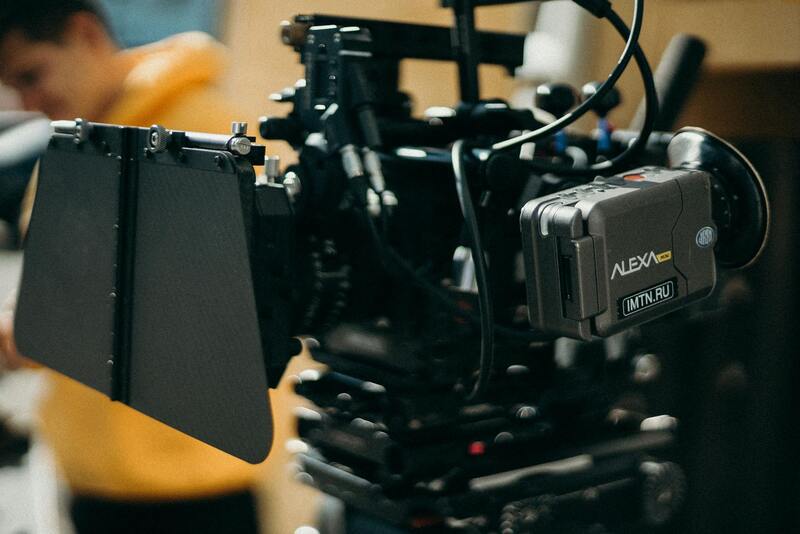
Incorporating high-quality residential real estate photography within a strategic marketing plan ensures that property listings stand out in a competitive marketplace. Professional visuals elevate listings’ perceived value and convey a sense of quality and care that resonates with buyers.