Overview of Residential Photography
Residential photography is a specialized branch of real estate imagery focusing on capturing the essence and appeal of residential properties. In the competitive Miami real estate market, high-quality photography serves as an essential tool for showcasing homes in their best light. These images facilitate a compelling visual presentation that attracts potential buyers, ultimately influencing their decision-making process.
Effective residential photography highlights the unique architectural features, spatial layouts, and the overall ambiance of a property. It employs various photographic techniques to emphasize the property’s strengths while minimizing imperfections. In Miami, where the real estate market is highly dynamic and diverse, professionally captured images are critical for standing out amidst numerous listings.
Using professional photography can significantly enhance a property’s online visibility and appeal. Listings with clear, attractive images tend to generate higher interest, leading to more showings and quicker sales. Moreover, well-executed residential photography elevates the perceived value of a home, often resulting in increased offers and better sale prices. As such, it has become an indispensable element in contemporary real estate marketing strategies.
In the vibrant Miami real estate scene, where properties range from urban condos to luxurious waterfront estates, professional residential photography acts as a crucial bridge between the property and prospective buyers worldwide. It captures not just the physical aspects but also conveys the lifestyle associated with the property, making it a powerful marketing asset.
Investing in professional residential photography is a strategic move that yields tangible benefits. High-quality images draw more online engagement, generate serious inquiries, and contribute to quicker transactions. For real estate agents, property owners, and developers seeking to maximize their investment, understanding and leveraging the power of professional residential photography is essential to succeed in Miami’s competitive market landscape.
Legal Considerations and Best Practices
When engaging in residential photography, adhering to established procedures ensures the creation of compelling images while respecting the rights and privacy of property owners and occupants. It is essential to operate with proper permissions, ensuring all necessary approvals are obtained prior to shooting. This involves clear communication with property owners or management, outlining the scope of work and securing consent for photographs to be taken and used for marketing purposes.
Respecting privacy is paramount, especially in inhabited homes. Photos should be taken in a manner that avoids capturing personal belongings or private spaces without permission. This not only upholds professional integrity but also aligns with industry standards for ethical conduct in real estate marketing.
Utilizing correct metadata practices enhances the professionalism of the photographic content. Assigning accurate file names, descriptions, and tags aids in efficient management and improves the discoverability of images in online listings. High-resolution images should be delivered through secure channels, ensuring they arrive intact and are used appropriately by clients.
It is also advisable to stay informed about local regulations that may influence photography practices - such as restrictions on drone use for exterior shots or specific rules related to capturing images in certain residential communities. Working with industry-leading standards ensures that the work process is compliant and positions the photographer as a trustworthy professional in the market.
Furthermore, maintaining clear contracts that specify the scope of work, usage rights, and delivery timelines helps prevent misunderstandings and establishes a formal basis for collaboration. Documentation of permissions, agreed-upon terms, and deliverables creates a solid framework for the photography project, safeguarding both the photographer and client throughout the process.
By following these guidelines and best practices, residential photographers can deliver exceptional images, respect privacy rights, and uphold the standards that define the industry's best work. This disciplined approach not only fosters client trust but also contributes to sustained success in an increasingly competitive real estate photography landscape.
Preparation and Staging of the Property
Effective residential photography begins with meticulous preparation and staging of the property. The goal is to create a welcoming atmosphere that highlights the home’s best features, appealing directly to prospective buyers or tenants. Decluttering plays a critical role in this process; removing unnecessary items and personal belongings helps to present a spacious and neutral environment that feels inviting and easy to envision as a new home. Professional stagers often recommend removing excess furniture to avoid overcrowding rooms, which can make spaces appear smaller than they are.
Lighting and seasonal adjustments are also vital considerations. Ensuring windows are clean and maximizing natural light enhances the indoor ambiance, creating bright and airy images. In cases of insufficient daylight, supplementary lighting, such as diffused softboxes or ring lights, can be used to evenly illuminate the interior, reducing shadows and highlighting architectural details.
Attention to detail extends to the exterior. Well-maintained lawns, neatly trimmed landscaping, and clean walkways contribute to curb appeal, making first impressions memorable. Strategically arranging outdoor furniture and accessories can evoke a lifestyle image that resonates with potential buyers or viewers.
Properly staged and lit interiors combined with thoughtful composition can significantly enhance visual appeal, drawing viewers into the space and helping them imagine living in the home. This approach is essential for producing compelling real estate images that stand out in a competitive market.
Techniques for Capturing Attractive Interiors
Achieving visually compelling interior photographs requires a combination of strategic composition, optimal angles, and meticulous camera settings. The goal is to showcase the property's best features while evoking a sense of warmth and spaciousness that appeals to prospective buyers or tenants.
One of the fundamental principles is to shoot from a corner angle, which helps to encompass more of the room and provides a natural perspective that highlights the property's dimensions. Using a wide-angle lens is common practice, enabling the capture of expansive spaces without distortion; however, it's essential to adjust focal lengths appropriately to avoid exaggerated perspectives that might misrepresent the property's true size.
Lighting plays a pivotal role in interior photography. Combining natural light with controlled artificial lighting ensures a balanced, inviting atmosphere. During daytime shoots, opening curtains and blinds allows natural light to fill the space, emphasizing clarity and brightness. When natural light is limited, diffuse softboxes or ring lights can be employed to soften shadows and evenly illuminate features, resulting in a polished look that accurately reflects the space’s ambiance.
Properly adjusting camera settings is also critical. A slightly narrower aperture (such as f/8 or f/11) ensures that more of the scene remains in focus, which is crucial for capturing detailed images that convey the full extent of a property's features. Keeping ISO settings low reduces grain, and utilizing a tripod helps stabilize the camera, especially in low-light conditions, to produce sharp images with minimal noise.
Composition Tips for Effective Interior Photos
- Focus on Symmetry and Balance: Align key elements within the frame to create harmonious images that draw the viewer's eye naturally through the space.
- Highlight Architectural Details: Incorporate unique features such as crown molding, fireplaces, or built-in shelving to add character and appeal.
- Use Leading Lines: Incorporate lines created by flooring, furniture, or architectural features to guide viewers’ gaze through the image.
- Avoid Clutter: Employ careful staging and tidying to maintain a clean, inviting environment that emphasizes spaciousness and functionality.
By integrating these technical and compositional techniques, photographers can produce engaging interior visuals that not only attract attention but also accurately represent a home’s true appeal. High-quality images foster emotional connections, encouraging prospective buyers or renters to envision themselves living in the space, ultimately supporting an effective real estate marketing strategy.
Overview of Residential Photography
Residential photography plays a crucial role in showcasing the unique character and appeal of a property. It involves a strategic combination of technical skill, artistic vision, and meticulous preparation to produce images that highlight the home’s best features. This field requires an understanding of lighting, composition, and staging to craft visual narratives that resonate with prospective buyers and renters. High-quality residential photography not only increases interest but also accelerates the sales or leasing process by providing an authentic and inviting glimpse of the property’s interior and exterior spaces.
Essential Equipment and Equipment Setup
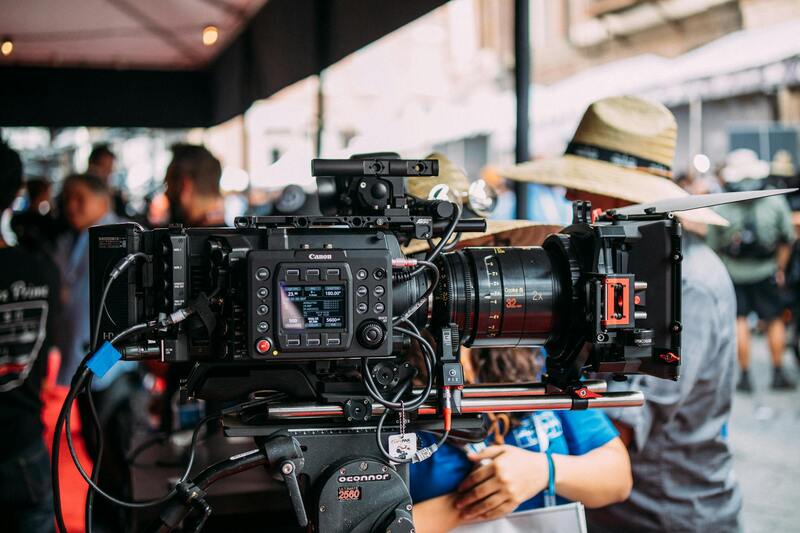
Achieving professional-grade residential images begins with selecting the right equipment. A wide-angle lens is fundamental, as it captures more of the space within a single shot, making rooms appear larger and more inviting. A sturdy tripod is essential for stability, especially in lower light conditions or when shooting multiple exposures for HDR processing. Lighting accessories, such as external flash units or portable lighting kits, help illuminate darker areas and ensure even light distribution throughout the scene.
Proper setup involves meticulous calibration of camera settings. Utilizing a small aperture (such as f/8 or f/11) maintains sharpness across the entire image, preventing blurring of foreground and background details. Low ISO settings reduce grain, yielding cleaner images. For optimal results, stabilization with a tripod combined with remote shutter releases or timers minimizes motion blur. Additionally, wide-angle lenses should be used carefully to avoid distortion, which can be corrected in post-processing to maintain true-to-life proportions.
Preparation and Staging of the Property
Preparation starts well before the camera is wielded. Homeowners and agents should ensure the property is clean, decluttered, and meticulously organized. Staging involves arranging furniture to create a sense of flow and functionality, emphasizing spaciousness and comfort. Simple enhancements like fresh coats of paint, well-placed accent pieces, and strategic lighting can dramatically improve visual appeal.
Natural light should be maximized by opening curtains or blinds and scheduling shoots during peak daylight hours. Additionally, removing personal items and excess belongings ensures that the focus remains on the property itself. Strategic placement of furniture and decor can guide the viewer’s eye toward architectural features and highlight the home’s best aspects. Attention to small details such as decorative cushions, fresh flowers, and tidy surfaces adds a polished look that resonates in photographs.
Techniques for Capturing Attractive Interiors
Interior photography demands technical finesse and an eye for aesthetics. Compositionally, it's vital to focus on symmetry and balance, aligning prominent elements within the frame to produce pleasing visuals. Incorporating leading lines, such as flooring patterns or architectural features, directs the viewer’s gaze across the space, creating a sense of depth and movement.
Highlighting architectural details adds character; this can include intricate moldings, fireplaces, or unique built-ins. Employing HDR (High Dynamic Range) techniques can effectively balance extremely bright and dark areas within a room, ensuring details are visible throughout. Adjusting camera angles to capture the full height of ceilings or large windows enhances the sense of space. Keeping the environment uncluttered and tidy amplifies the inviting atmosphere, encouraging viewers to imagine themselves within the space.
Legal Considerations and Best Practices
Ensuring that your residential photography sessions adhere to industry standards and respectful practices is essential for building trust with clients and maintaining professional integrity. When photographing private homes, obtaining clear consent from property owners or authorized representatives is a fundamental step. This not only respects the privacy of homeowners but also aligns the project with ethical standards within the real estate and photography communities. Communicating openly about the scope of the shoot, the intended use of images, and any associated rights helps prevent misunderstandings and fosters a positive working relationship.
Maintaining high-quality, original photographs is critical in showcasing properties effectively. Use of copyrighted materials, such as proprietary furniture, artwork, or branded items, should be properly managed to avoid infringement issues. It's important to record detailed documentation of the property's features and modifications, especially if the images will be used for promotional purposes that could influence market value.
In terms of technical standards, consistently applying industry best practices in lighting, composition, and editing ensures that the images are both appealing and accurate representations of the property. This includes avoiding deceptive enhancements that might mislead prospective buyers or renters about the property's condition or features.
Practicing transparency with clients regarding editing techniques, image rights, and content usage rights also plays a vital role in maintaining professionalism. Clear agreements should specify who holds the rights to the images post-shoot and how they can be used. Furthermore, safeguarding client data and images by employing secure storage methods and privacy protocols helps prevent unauthorized access or distribution.
Finally, staying updated with local guidelines, property disclosure laws, and industry standards ensures that your residential photography practices are compliant and reputable. Regularly participating in professional development, workshops, and industry code of conduct initiatives can reinforce your commitment to ethical standards, ultimately enhancing your reputation and trustworthiness in the Miami real estate and photography markets.
Legal Considerations and Best Practices
When engaging in residential photography within Miami, adhering to established protocols for rights and permissions is essential for maintaining professional standards. This involves obtaining explicit consent from property owners prior to conducting a shoot, ensuring they are fully aware of how the images will be used and shared. Such clear communication safeguards both the photographer’s integrity and the client's expectations.
Photographers should also be vigilant about the privacy rights of individuals present during the shoot. If tenants, residents, or other individuals are visible in the images, obtaining their permissions minimizes the risk of disputes or misunderstandings. This process often involves signing model releases or consent forms that specify the scope of image usage.
Respect for property boundaries and restrictions is equally critical. Some residential communities or homeowners associations may have specific guidelines regarding photography or media presence. Confirming these rules before scheduling a shoot prevents potential conflicts and demonstrates professionalism.
Furthermore, documenting the details of the photography session through contracts or written agreements helps define the terms of the project, including deliverables, deadlines, and usage rights. This formal approach not only streamlines communication but also provides legal clarity for both parties involved.
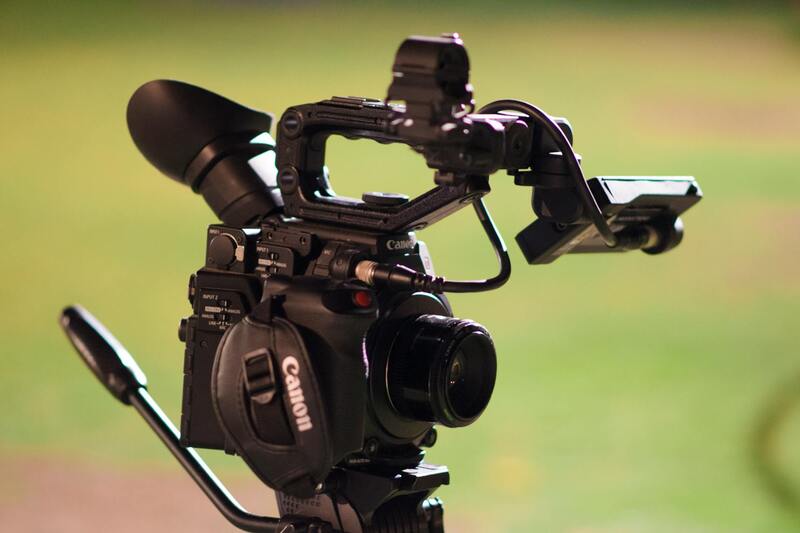
Maintaining high ethical standards in residential photography involves ongoing education and awareness of evolving industry norms. Staying informed about local policies, property disclosure regulations, and community guidelines fosters compliance and enhances a photographer’s reputation within the Miami real estate market.
In addition, practitioners should cultivate transparency in all interactions—clarifying image rights, usage limitations, and confidentiality issues. Clear, written agreements help protect both the photographer and the client, reinforcing trust and establishing a solid foundation for ongoing professional relationships.
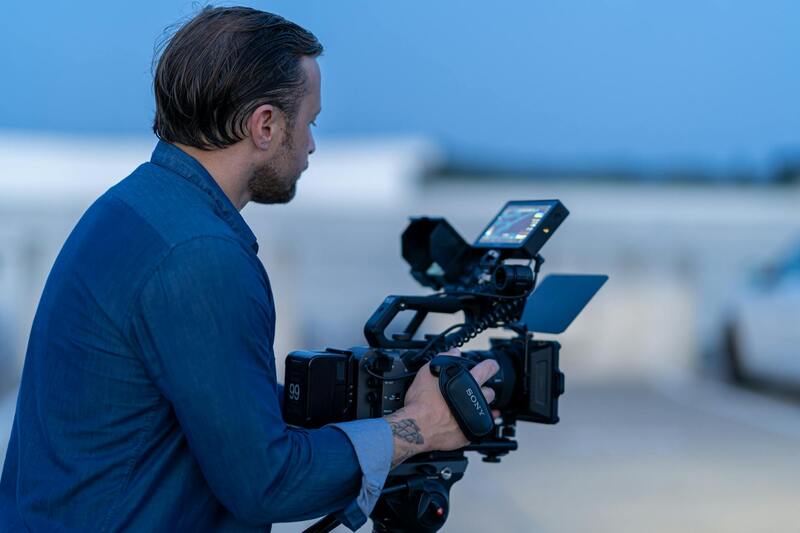
Lastly, regular participation in industry workshops, seminars, and ethical training sessions can reinforce best practices. Such initiatives contribute to heightened awareness of legal considerations and foster a culture of professionalism that benefits clients and practitioners alike in the competitive Miami market.
Legal Considerations and Best Practices in Residential Photography
When engaging in residential photography, adhering to established legal practices ensures a smooth and professional process. This involves obtaining the necessary permissions from property owners or authorized representatives prior to capturing images, especially when using drones or specialized equipment that might require additional authorizations. Clear documentation of these permissions is essential, often formalized through written agreements that specify the scope of the shoot, usage rights, and confidentiality standards.
Implementing strict privacy considerations is also a crucial component of best practices. Photographers should ensure that visual representations do not inadvertently capture private or sensitive areas—such as personal belongings, security devices, or other identifiable personal information—without explicit consent. This proactive approach helps maintain trust and respects the privacy expectations of residents and property owners.

Another key element involves understanding and respecting community and property-specific guidelines. Many residential areas enforce regulations related to property aesthetics, signage, and even restrictions on drone usage. Familiarity with these rules helps prevent issues during the shoot and ensures compliance with community standards, fostering positive relationships with clients and local authorities.
For drone-based residential photography, specific operational guidelines often apply. These include line-of-sight requirements, altitude restrictions, and flight zones. Securing the necessary permits or waivers in advance helps avoid operational conflicts. Utilizing drone footage responsibly not only enhances marketing but also upholds safety and privacy standards—maintaining the integrity of the professional relationship.
Maintaining Ethical Standards and Transparency
Practicing transparency about image usage rights is central to ethical photography. Providing clients with detailed agreements on how images will be used, stored, and shared solidifies mutual understanding and trust. It’s also advisable to disclose any potential limitations on image distribution, such as restrictions on third-party sharing or commercial use.
- Secure written permissions prior to the shoot.
- Respect privacy by avoiding the capture of personal or sensitive content.
- Comply with community and property-specific guidelines.
- Maintain transparency on image rights and usage terms.
- Document all agreements and permissions clearly.
Ongoing education about evolving regulations and industry standards enhances professionalism. Attending industry workshops, participating in ethics training, and staying informed about regional policies help photographers uphold high standards and adapt to any changes in legal or community expectations within the Miami real estate market.