Understanding the Importance of Realtor Photoshoots
In the highly competitive real estate market, the presentation of a property plays a critical role in attracting potential buyers. High-quality realtor photos serve as the initial visual impression of a home, often influencing whether a prospective buyer schedules a visit or moves on to another listing. Good photographs highlight a property's best features, showcasing its space, design, and unique attributes in a compelling manner. This visual storytelling can significantly enhance a listing's visibility across online platforms and social media, where imagery is paramount.
Effective realtor photos do more than just illustrate a property; they create a perception of quality and value. Buyers are increasingly making decisions based on digital images before physically visiting a home. Poorly lit, blurry, or poorly composed photos can deter interest, while sharp, well-composed images can generate excitement and curiosity. Well-crafted photos that accurately reflect the property's condition and ambiance foster trust and transparency, leading to more qualified inquiries and faster sales.
Furthermore, the visual content from a professional photoshoot can serve as a cornerstone of a comprehensive marketing strategy. It enables the creation of virtual tours, social media shares, and digital advertisements—all of which extend the property's reach and draw a broader pool of potential buyers. In essence, investing in a high-quality realtor photoshoot boosts the property's marketability and accelerates the sales process by providing clear, attractive, and engaging images that resonate with prospective buyers.

Preparation and Planning for a Realtor Photoshoot
Preparing for a realtor photoshoot involves meticulous planning to ensure the images capture the property at its best. Prior to the shoot, a detailed walkthrough allows for identifying key features, optimal angles, and potential areas that may require staging or cleaning. Scheduling the shoot during times of the day with ideal natural lighting, typically late morning or late afternoon, ensures a warm, inviting ambiance.
In addition to staging the interiors, external curb appeal should be enhanced by tidying up landscaping, removing clutter, and ensuring the exterior is well-lit and free of distractions. It’s essential to communicate the property's highlights to the photographer, including any unique architectural elements or selling points. This collaborative approach ensures that the photographer understands the desired outcomes and can plan the sequence of shots accordingly.

Choosing the Right Photographer and Equipment
Selecting a professional photographer with experience in real estate imagery is crucial for producing high-quality photos. Skilled photographers understand how to utilize equipment like wide-angle lenses, tripod stabilization, and proper lighting to create sharp, well-exposed images that accurately portray space and ambiance.
Investing in appropriate equipment enhances the visual quality of the images. Wide-angle lenses allow capturing broader interior views, making spaces appear more spacious, while drones can provide stunning exterior shots and aerial views of the property’s surroundings. Lighting tools, including reflectors and external flashes, help eliminate shadows and highlight architectural features.
When choosing a photography provider, review their portfolio to assess their style and quality, ensuring alignment with your branding and marketing goals. An experienced real estate photographer will also be adept at post-processing techniques, such as color correction and image enhancement, to ensure the final images are polished and professional.

Developing a Precise Shot List and Mastering Composition Techniques
Crafting a detailed shot list is essential to ensure all aspects of the property are effectively showcased. This list serves as a blueprint for the photoshoot, guiding the photographer through each room, exterior view, and feature that should be highlighted. Key areas typically include the front facade, living spaces, kitchen, bathrooms, bedrooms, outdoor amenities, and any unique architectural elements or landscaping features. Including specific details such as angles, focal points, and lighting preferences for each shot helps optimize the final imagery.
Good composition is fundamental to producing compelling real estate images. Photographers often employ the rule of thirds to create balanced, engaging shots where architectural features and furniture are aligned along intersecting points, drawing the viewer's eye naturally across the image. Leading lines, reflections, and natural framing elements can add depth and perspective, making spaces appear more inviting.
Utilizing wide-angle lenses allows capturing expansive interior views, which helps convey the size and layout of rooms without distortion if used correctly. Proper camera height and angle also significantly influence how spacious or cozy a room feels. For exterior shots, the time of day and lighting conditions are critical; shooting during the golden hour—shortly after sunrise or before sunset—produces warm, appealing images with well-balanced shadows.
Property staging plays a vital role before the photoshoot. Decluttering, arranging furniture to accentuate architectural features, and adding tasteful decor create a welcoming environment that photographs well. When combined with strategic camera positioning and an eye for compelling composition, these efforts significantly improve the quality and attractiveness of the images.
Post-Processing and Editing to Elevate Real Estate Photos
After capturing images, post-processing ensures the photos resonate with viewers by enhancing clarity, color accuracy, and overall appeal. Skilled editing involves color correction, straightening lines, correcting lens distortions, and adjusting brightness and contrast to reflect the property’s true ambiance. It is also common to remove minor imperfections, such as dust or fingerprints, to keep images pristine.
High-end editing may include sky replacement for exterior shots to achieve a dramatic, sunny look, or subtle vignetting to draw attention toward key features. However, it is essential that the enhancements remain true to the property's actual appearance to provide an honest representation—this builds trust with potential buyers.
Consistent editing style across a series of images is crucial for professional listings. Clear, vibrant photos not only attract more views but also facilitate quicker decisions and higher engagement from prospective buyers. Collaborating with a seasoned photographer who is proficient in post-production techniques guarantees polished images that elevate the property's online presence and marketing materials.
Ensuring Authentic Representation through Trusted Methods
When it comes to producing high-quality realtor photos, the focus must remain on authentic and visually compelling imagery that accurately portrays the property. To achieve this, professionals rely on established techniques and equipment that deliver consistent results, aligning with industry standards.
One fundamental approach is utilizing high-resolution digital cameras equipped with wide-angle lenses. These lenses enable capturing the full scope of interior and exterior spaces, making rooms appear larger and more inviting. Proper lens selection is crucial; it ensures images are not distorted or exaggerated beyond the physical reality of the property.
In addition to camera choice, lighting plays a vital role. Realtors and photographers typically employ a combination of natural light and supplemental lighting tools, such as portable flashes or strobes. Strategic lighting arrangements eliminate shadows and highlight architectural features without creating false impressions. This balanced approach ensures that property images reflect their true appearance, fostering trust with prospective buyers.
Meticulous staging of the space prior to the shoot enhances the overall aesthetic appeal. Organizing furniture, decluttering surfaces, and emphasizing unique selling points help create a clean, welcoming environment. Such preparation minimizes the need for excessive editing, reducing the risk of misrepresenting the space.
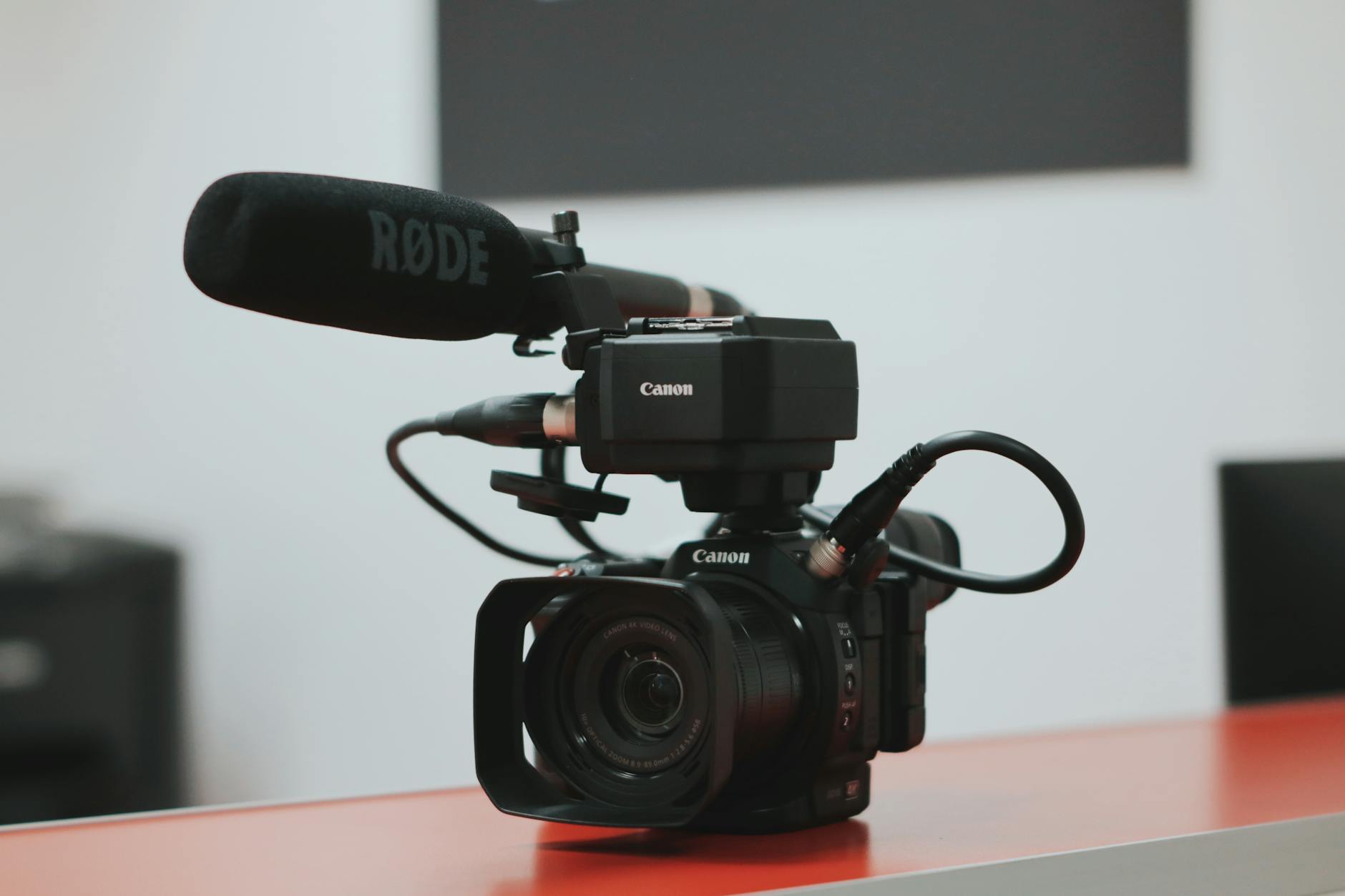
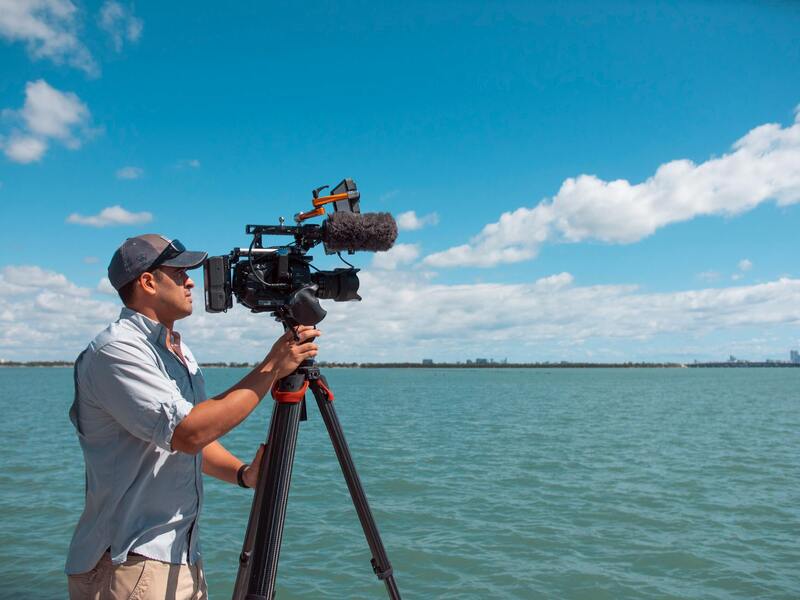
On the technical front, the use of stabilizing equipment like tripods ensures sharp, blur-free images. Additionally, photographers often employ remote shutter releases to prevent camera shake during exposure, especially in low-light scenarios like evening exterior shots.
Ensuring Authentic and High-Quality Images Through Proper Editing and Post-Processing
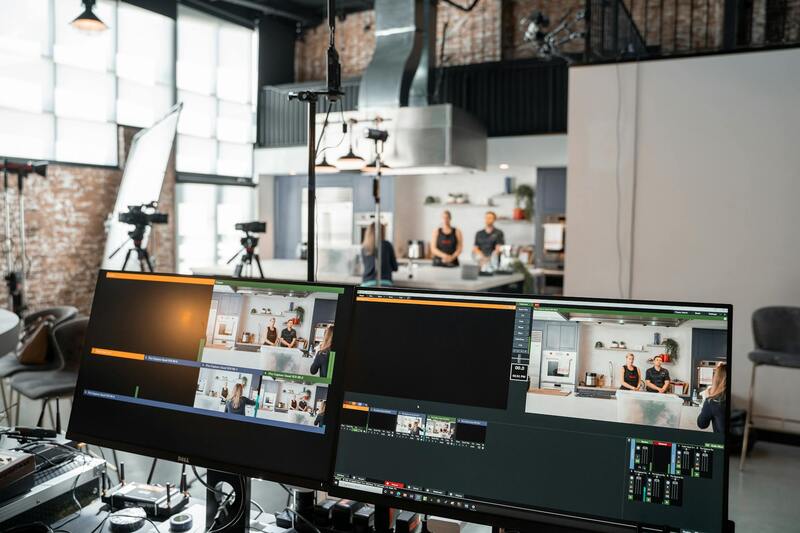
After capturing the initial photographs, the next step involves careful editing and post-processing to enhance visual appeal without compromising the authenticity of the property. Professional editing techniques are employed to correct exposure, balance colors, and eliminate minor imperfections that may distract viewers. However, it is crucial that these adjustments do not distort the true appearance of the space, maintaining an accurate representation for prospective buyers.
Key aspects of ethical editing include consistent color correction to reflect real-world hues, such as the true tone of walls, flooring, and fixtures. Removing clutter or distracting elements doit with discretion, ensuring the image remains a truthful portrayal of the property. Advanced techniques like perspective correction ensure lines are straight and structures are accurately depicted, which helps in presenting the property professionally and accurately.
When it comes to image enhancement, the use of high-dynamic-range (HDR) imaging can be beneficial. HDR involves merging multiple exposures to create a balanced image that captures both interior brightness and exterior views, providing a comprehensive overview of each space. This technique offers potential buyers a clear, detailed look at the property’s features and ambiance.
It is important to remember that the primary goal of post-processing is to support the visual storytelling of the property, reinforcing key features without creating a misleading impression. Accurate color correction, appropriate contrast adjustments, and minimal retouching for minor blemishes help ensure that the final images are both appealing and reliable. This honest approach enhances the trustworthiness of online listings, ultimately facilitating a smoother, more transparent buying process.
Utilizing Proper Image Files and Formats
For real estate listings, selecting the appropriate image formats and managing digital files effectively are crucial for maintaining high quality and fast loading times on various platforms. High-resolution JPEG files are typically preferred because they balance image clarity with manageable file sizes, ensuring that prospective buyers experience crisp visuals without long download times. Using lossless formats like TIFF is suitable during the editing process, but conversion to JPEG or WebP is standard for online listings.
It is essential to compress images adequately without sacrificing visual fidelity. This optimization ensures fast webpage loading speeds, which directly influence user experience and engagement. Large image files can negatively impact page performance, leading to higher bounce rates and diminished ranking in search engines. Therefore, embedding appropriately resized and compressed images becomes a key step in preparing realtor photos for online presentation.
Implementing Consistent Image Metadata
Embedding relevant metadata within image files enhances the property's online discoverability. Including descriptive alt text, titles, and captions that incorporate SEO keywords improves search engine indexing. Proper metadata not only helps search engines understand the content but also assists visually impaired users who rely on screen readers, fostering an inclusive browsing experience.
Maintaining consistent naming conventions for image files and categorizing images according to room or feature type facilitates streamlined management and updates of listings. This organization simplifies the process of updating visual content for different properties and ensures a cohesive visual narrative across marketing materials.
Showcasing the Property with a Cohesive Visual Narrative
Beyond technical quality, realtor photos should tell a compelling visual story that highlights the property's unique features and ambiance. This includes structuring the sequence of images to guide potential buyers through the property's layout logically, from welcoming exterior shots to detailed interior views. A consistent style in lighting, color tones, and composition creates a harmonious presentation that aligns with the property's branding.
Utilizing lifestyle images that depict potential living scenarios helps buyers envision themselves in the space, strengthening emotional appeal. High-quality photos captured through a professional photographer's expert eye can showcase the property's best attributes, such as spacious kitchens, inviting living rooms, or scenic outdoor areas, in a manner that attracts more inquiries and viewings.
Integrating Virtual Staging and Enhanced Visual Elements
Virtual staging can be combined with realtor photos to demonstrate the property's potential without physical alterations. This technique involves digitally adding furniture, decor, or landscaping elements to empty rooms, helping buyers to understand the space's full utilization. When executed ethically and with transparency, such enhancements can significantly boost online engagement and interest.
Additional visual techniques like aerial drone shots, 3D walkthroughs, and panoramic images provide multi-angle perspectives that enrich the visual storytelling. These tools are invaluable for capturing expansive outdoor areas, complex architectural features, or hard-to-reach spaces, offering a comprehensive view that static images alone may not convey.
Legal and Ethical Considerations
Ensuring that all elements featured in realtor photoshoots adhere to legal and ethical standards is crucial for maintaining trust and transparency in real estate transactions. Photography must accurately represent the property without deceptive enhancements or misrepresentations. This includes avoiding the inclusion of personal possessions or any clutter that could mislead potential buyers about the property's condition or layout.
It is essential for agents and photographers to obtain proper permissions when capturing images that include private or restricted areas, ensuring privacy rights are respected. When incorporating aerial drone shots, adherence to local regulations governing drone usage is fundamental, such as following flight restrictions and securing necessary permits. These measures not only promote compliance but also reinforce a professional image that prioritizes ethical conduct.
Furthermore, all digital edits and virtual staging should be transparently communicated. Buyers appreciate honesty, and any modifications—like digitally enhanced furniture or landscaping—should be clearly disclosed to prevent misconceptions. This approach fosters trust and promotes a positive reputation in the competitive real estate market.
Utilizing professional photography services also minimizes the risk of misrepresentation. Experienced photographers understand how to showcase a property’s strengths effectively while respecting boundaries regarding alterations. Careful consideration of lighting, angles, and staging ensures that images remain genuine, high-quality, and compliant with industry standards.

Post-Processing and Quality Assurance
Once the photographer has captured the desired shots, the focus shifts to post-processing. This stage is crucial in enhancing the visual appeal of the images while maintaining authenticity. Skilled editing involves adjusting brightness, contrast, and color balance to reflect the true appearance of the property. Over-editing or adding filters that significantly alter the image's realism should be avoided, as accurate representation builds buyer trust.
Consistency across all images is essential; therefore, applying uniform color profiles and exposure levels helps create a cohesive visual narrative. This consistency not only improves the aesthetic quality but also ensures that viewers can accurately compare different spaces within the listing.
Quality assurance checks should include viewing images on various devices to verify clarity and detail. Particular attention must be given to crucial features such as kitchen appliances, bathroom fixtures, and outdoor amenities, which should be prominently visible and accurately represented. Proper cropping and straightening of images contribute to a polished presentation, free from distracting distortions.
Image Optimization for Online Platforms
High-quality visuals are a cornerstone of effective online property listings. To ensure optimal load times and display quality, images should be compressed appropriately without sacrificing detail. Using modern file formats like JPEG 2000 or WebP can significantly improve webpage performance and user experience.
Additionally, metadata such as descriptive alt text enhances search engine visibility, making listings more accessible to prospective buyers conducting online searches. Descriptive alt tags should be specific, including details like room type, view, and unique features, for example, "Spacious living room with natural light and modern fireplace."
Reviewing the images on different devices and screens ensures they appear professional across various user experiences. Proper aspect ratios and dimensions prevent distortion or cropping issues when images are displayed in different formats or on multiple listing platforms.
Maintaining Ethical Standards in Visual Marketing
Lastly, transparency remains fundamental in realtor photography. Conveying an honest depiction of the property's condition fosters trust and encourages meaningful engagement from potential buyers. Refraining from digital alterations that could mislead—such as enlarging rooms or removing structural imperfections—upholds a professional standard. Clear communication about any enhancements or virtual staging efforts ensures buyers have an accurate understanding of what to expect.
Effective Strategies for Enhancing Realtor Photoshoot Results
Maximizing the impact of realtor photos hinges on leveraging image optimization techniques that cater specifically to online listing standards and viewer engagement. High-resolution images, properly compressed, can significantly improve load times, ensuring prospective buyers experience smooth browsing without delays. Utilizing advanced formats such as WebP compresses images further without sacrificing clarity, which benefits website performance and search engine ranking. Properly optimized images also adapt well to various devices, from desktops to mobile phones, maintaining visual integrity across different viewport sizes.
In addition to technical optimizations, the strategic use of descriptive metadata enhances online discoverability. Including detailed alt text that highlights key property features not only improves accessibility but also aligns with search engine algorithms that crawl image data. This practice increases the likelihood of the listing appearing higher in relevant search results, drawing more qualified traffic to the property.

Consistent visual branding throughout the property’s online presentation builds trust and familiarity. A cohesive portfolio of images—a mix of wide-angle shots, close-ups of unique features, and lifestyle photographs—provides potential buyers with a comprehensive understanding of the property's appeal. Regularly reviewing how images are displayed across various listing platforms ensures that they maintain their quality, aspect ratio, and framing, preventing distortions or unintended cropping that could diminish the property’s visual impact.
Incorporating virtual staging or subtle enhancements can highlight the property's potential without misleading viewers. When such techniques are used, transparent communication about modifications maintains professionalism and consumer confidence. This approach allows buyers to visualize the space more effectively and can be especially powerful in competitive markets where compelling imagery makes a significant difference.
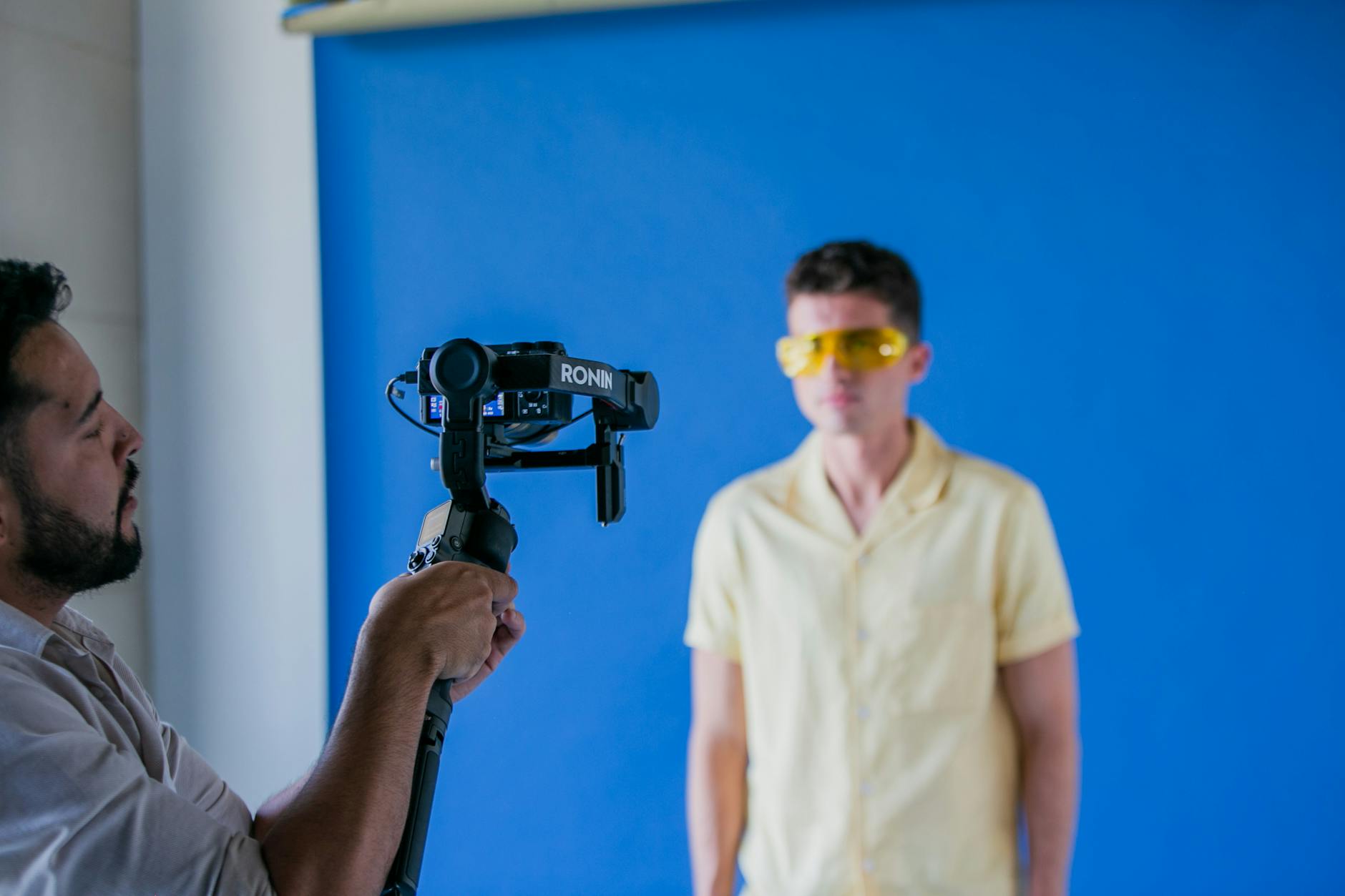
Investing in a thorough post-processing workflow—ranging from color correction to perspective adjustments—further elevates the final images. Use of professional editing tools ensures the images are vibrant, color-accurate, and free of distractions, which collectively draw more attention to the property’s best features. These efforts culminate in a captivating visual narrative that entices potential buyers and encourages quicker decisions.
Ultimately, a thoughtfully executed realtor photoshoot combined with strategic image processing creates a compelling visual story. These images serve as powerful marketing assets that can accelerate the sales process, command higher offers, and build a trusted reputation for real estate professionals. Properly optimized and ethically presented photographs form the cornerstone of effective digital marketing for property listings, making them indispensable in today’s competitive market landscape.