Importance of High-Quality Realtor Photos
In the competitive real estate landscape of Miami, the visual presentation of a property can significantly influence its market performance. Realtor photos serve as the first impression prospective buyers encounter online. High-quality, professionally captured images not only highlight the property's best features but also evoke a sense of trust and professionalism from prospective clients. When potential buyers scroll through countless listings, compelling photographs stand out, increasing the likelihood that they will click on the listing to learn more.
Effective realtor photos can dramatically enhance a property's visibility across multiple platforms, boosting online engagement and generating higher traffic to the listing. In Miami's vibrant market, where numerous properties compete for attention, the difference between average and outstanding images can determine how quickly a property moves from listed to sold. Well-executed photos translate into greater buyer interest, often resulting in faster sales and potentially higher offers.
Moreover, professional photos contribute to establishing the credibility of the listing agent and the seller. They reflect a commitment to quality and transparency, which builds confidence among prospective buyers. As Miami's real estate market continues to evolve, leveraging high-caliber photos remains an essential strategy for standing out and attracting serious inquiries. Ultimately, investing in top-tier realtor photography can lead to increased listing exposure, improved market positioning, and more successful sales outcomes.

Key Elements of Effective Realtor Photos
To maximize the impact of realtor photos, several key elements must be incorporated into every shot. These components ensure that images are not only visually appealing but also strategically constructed to highlight the property's strengths.
- Lighting: Proper lighting is essential. Natural light helps create a bright, inviting atmosphere, while artificial lighting can be used to eliminate shadows and highlight specific areas.
- Composition: Photography should follow composition principles such as the rule of thirds, leading lines, and framing to create balanced and engaging images.
- Staging: Well-staged interiors with minimal clutter offer a clear view of the property's potential. The decor should complement the space without overwhelming it.
- Angles: Capturing multiple angles of each room provides a comprehensive view, allowing prospective buyers to assess space and layout accurately.
- Highlight Features: Focus on unique selling points, such as panoramic views, high-end finishes, or creative architectural details.
Integrating these elements ensures each photograph effectively communicates the property’s value and appeal, helping it stand out in a saturated online market.
Choosing the Right Photographer and Equipment
Securing professional realtor photos begins with selecting a photographer experienced in real estate imagery. Not all photographers possess the same skill set or equipment tailored for property shoots. Opting for a professional who specializes in real estate photography ensures that the images capture the property’s essence with precision and technical excellence.
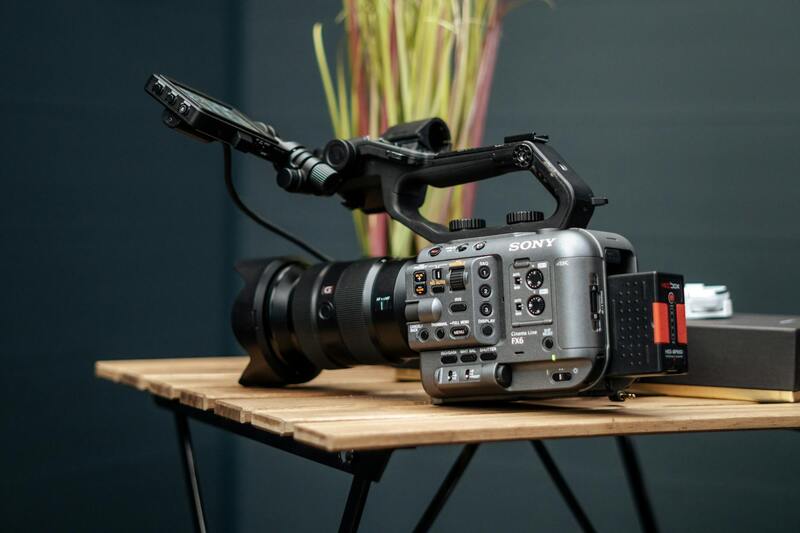
A skilled realtor photographer will utilize high-resolution digital cameras capable of capturing detailed images with accurate color representation. Equipment such as wide-angle lenses is crucial, as they allow the photographer to encompass more space within a single shot without distortion, giving a true sense of room scale. Tripods are also important for maintaining stability, especially in low-light conditions, to produce clear and sharp images.
Additional tools like drone cameras can provide aerial shots, highlighting larger properties or unique architectural features that ground-level photos cannot capture effectively. Elevated perspectives can demonstrate the property’s proximity to amenities, landscaping, or surrounding features, adding depth to the listing.
When choosing a photographer, review their portfolio to assess previous work in the real estate niche. Look for consistency in quality, clarity, and the ability to portray spaces attractively. Engage with professionals who understand the importance of staging and lighting, as these elements are integral to creating compelling images that appeal to buyers.

Best Practices for Preparing a Property for Photos
Before scheduling a photo shoot, proper preparation of the property ensures the images reflect its best features. Staging the home appropriately involves decluttering all spaces to create a sense of openness and order. Removing personal items, excess furniture, and staging accents highlights the property's potential instead of distracting from it.
Deep cleaning is fundamental; sparkling surfaces, spotless floors, and tidy bathrooms contribute to an inviting atmosphere. Interior lighting should be maximized by opening curtains and blinds, allowing natural light to flood the rooms. For spaces lacking sufficient daylight, supplementary artificial lighting can be used strategically.
Exterior preparations are equally important. Mow lawns, trim landscaping, and remove debris to enhance curb appeal. Consider watering plants and cleaning pathways to create a pristine first impression. The goal is to present the property as move-in ready, emphasizing its strengths visually.
Finally, coordinate with the photographer regarding optimal times of day for shooting, typically when natural light is softest, such as early morning or late afternoon. Properly prepared properties translate into striking imagery that attracts prospective buyers online.

Choosing the Right Photographer and Equipment
Securing professional-grade realtor photos hinges on selecting a photographer with extensive experience in real estate imaging. An adept photographer understands how to manipulate lighting, angles, and composition to best showcase each property's unique features. They are familiar with current visual marketing trends and know how to create images that resonate with potential buyers.
Furthermore, the equipment used significantly impacts the quality of the images. High-resolution digital cameras with wide-angle lenses are standard tools for capturing expansive and detailed views of interiors and exteriors. Such lenses allow for a broader capture of spaces without distortion, providing viewers with an accurate representation of the property's true dimensions.
Utilizing supplementary equipment like drone cameras can add unique perspectives, offering aerial views that highlight the property's surroundings and overall layout. Proper lighting gear, such as professional strobes or flash units, may be used to balance interior light and eliminate shadows, especially in spaces with limited natural light.

Investing in experienced photographers equipped with the latest technological tools ensures consistent delivery of sharp, vibrant, and aesthetically pleasing images. This investment ultimately translates into more engaging listings and attracts a broader pool of prospective buyers.
Additional Considerations
- Assess a photographer's portfolio to gauge their style and experience in real estate photography.
- Ensure the photographer is familiar with current online listing platforms and understands how to optimize images for different digital formats.
- Discuss specific goals or features of the property that should be highlighted during the shoot.
Choosing the right professional with the appropriate equipment and expertise is the foundation for compelling realtor photos that effectively communicate the property's value and appeal directly to the target market.
Technical Strategies for Enhancing Realtor Photos
In the competitive realm of real estate marketing, employing advanced technical strategies can significantly elevate the quality of realtor photos. A meticulous approach to image capture, combined with post-processing techniques, ensures that each listing presents the property in the best possible light, attracting more prospective buyers.
Utilizing HDR Imaging
High Dynamic Range (HDR) imaging is a vital technique that captures multiple shots at varying exposure levels to create a balanced and vivid image. This method effectively manages challenging lighting conditions, such as bright windows or dim interiors, ensuring that both the interior and exterior details are visible and well-exposed. HDR images contribute to a more accurate portrayal of the property's ambiance, helping potential buyers visualize living spaces more realistically.
Color Correction and White Balance
Proper color correction and white balance adjustments are essential in maintaining true-to-life colors within realtor photos. These adjustments prevent color distortions caused by artificial lighting or camera settings, resulting in images that accurately reflect the property's natural hues. Consistent color tones across all images create a cohesive visual presentation, making listings appear more professional and appealing.
Sharpness and Clarity Enhancements
Applying selective sharpening techniques boosts the clarity of key features within the photos, such as architectural details, fixtures, and textures. Ensuring that images are crisp and free of blurriness enhances viewer engagement, facilitating a better understanding of the property's design and quality. It's crucial to balance sharpness adjustments to avoid over-processing, which can appear unnatural.
Distortion Correction
Architectural lines and proportions can sometimes appear distorted in wide-angle shots. Leveraging software tools for distortion correction helps straighten lines and preserve the property's true dimensions. Accurate representation of space prevents misinterpretation and establishes trustworthiness, which is vital for a successful sale.
Consistency and Branding
Implementing a uniform editing style across multiple images maintains consistency and reinforces branding identity. Consistent color grading, cropping, and lighting adjustments across all photos contribute to a professional presentation that enhances credibility and attracts serious buyers.
Leveraging Advanced Editing Software
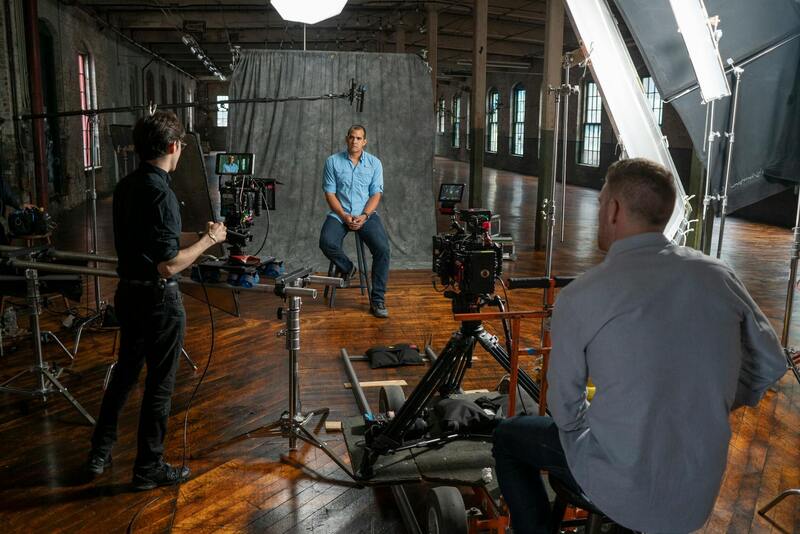
Professional editing software such as Adobe Photoshop and Lightroom provides comprehensive tools to refine realtor images. These programs facilitate detailed retouching, perspective adjustments, and the enhancement of visual elements without compromising authenticity. Skilled editors can selectively highlight the property's best features, ensuring each photo maximizes its visual impact.
Retouching and Object Removal
Minor imperfections, clutter, or distractions within the photos can be seamlessly removed through retouching, enabling a cleaner presentation. Removing unnecessary objects or background clutter helps focus viewer attention on the property's core features, increasing its appeal.
Preparing Images for Different Online Platforms
Different listing sites and social media platforms have specific image size and quality requirements. Optimizing images for each platform involves resizing, compressing, and adjusting resolution to ensure fast loading times without compromising quality. Properly prepared images enhance visibility and engagement across all digital channels.
Maintaining Authenticity and Ethical Standards
While post-processing enhances visual appeal, it is crucial to maintain a dedication to authenticity. Over-editing or misrepresenting a property can lead to unrealistic expectations and potential dissatisfaction. Ethical practices involve accurately portraying the property's characteristics, avoiding deceptive enhancements, and providing a truthful visual account that aligns with the actual features.
Legal and Ethical Considerations in Selling Realtor Photos
When it comes to selling realtor photos, adhering to established guidelines and standards is essential to maintain trust and professionalism in the real estate industry. High-quality images not only serve as visual representations of properties but also influence prospective buyers' perceptions and decision-making processes. Ensuring that photos accurately reflect a property's appearance, layout, and features is critical to providing potential buyers with a truthful preview, which helps build confidence and minimizes misunderstandings during the buying process.
Transparency in showcasing your work is key. Every photo should faithfully depict the property's current condition without misleading enhancements or omissions. This includes accurately representing room sizes, architectural details, and the overall ambiance. By doing so, real estate professionals and photographers uphold a standard of integrity that benefits all parties involved, fostering long-term trust and a positive reputation in the marketplace.
Moreover, understanding the importance of privacy and respecting property owner rights is vital. Permission should always be obtained before photographing and distributing images, especially in cases involving private or sensitive spaces. Clear communication regarding the usage and dissemination of images ensures that all parties are aligned and that no inadvertent disclosures occur, safeguarding professional relationships and compliance with industry norms.

Additionally, when licensing or selling realtor photos, it's important to offer appropriate rights and clarity about the scope of usage. This means providing detailed agreements outlining where and how images can be used, ensuring that both photographers and real estate agents operate within clear boundaries. Such practices not only prevent misunderstandings but also reinforce a commitment to ethical standards in the marketing of properties.
Engaging in ongoing education about evolving industry standards and technological advancements can further ensure that your approach remains compliant. Staying informed about best practices for image presentation, data protection, and platform-specific requirements helps maintain the professionalism expected in real estate marketing. This dedication to ethical conduct ultimately enhances clarity for clients and fosters a stronger market reputation for your services.
In summary, the ethical handling and responsible sale of realtor photos involve truthful representation, respecting privacy, providing clear usage rights, and maintaining transparency with clients and stakeholders. These practices are fundamental to establishing credibility and ensuring positive experiences for everyone involved in the property marketing process.
Best Practices for Preparing a Property for Photos
Preparing a property adequately before a professional photoshoot is crucial to capturing its best features and creating an inviting, compelling visual presentation. This process involves a combination of decluttering, staging, and ensuring the space is well-lit. Decluttering eliminates distractions, allowing viewers to focus on the property's attributes without feeling overwhelmed by personal items or excess furniture. Staging, whether done professionally or through strategic arrangement of existing furnishings, enhances the property's appeal by showcasing its potential for livability and design potential.
Adequate lighting is fundamental to high-quality realtor photos. It is essential to maximize natural light by opening curtains and blinds and scheduling photoshoots during times of the day when sunlight floods the space. Supplementary lighting, such as soft-boxes or LED panels, can help eliminate shadows and ensure consistent illumination across different rooms.
Pay attention to minor details such as making beds neatly, removing personal clutter, and ensuring surfaces are clean and shiny. Properly arranged furniture should highlight the room's size and flow without overcrowding. Small touches, like fresh flowers or decorative cushions, can add vibrancy without overwhelming the space.
On an exterior level, ensure the landscaping is tidy, and consider adding elements like potted plants or outdoor furniture to enhance visual interest. The goal is to create an environment that looks both welcoming and aspirational, helping potential buyers visualize themselves living there.
" 
In addition, examining details such as fixing minor repairs—replacing burnt-out bulbs, sealing any leaks, or repainting chipped walls—can make a substantial difference in how a property is perceived. These enhancements project a well-maintained and move-in ready impression, factors that are often influential in the decision-making process of potential buyers.
Another critical aspect is coordinating the timing of the photoshoot. Scheduling during daylight hours and favorable weather can dramatically improve photo quality. If outdoor conditions are less than ideal, the focus should be on capturing inviting indoor shots that highlight natural light and spaciousness. Ultimately, meticulous preparation ensures that the realtor photos accurately reflect the property's best qualities and appeals to buyers' aspirations, giving listings a competitive edge in the market.
Legal and Ethical Considerations in Selling Realtor Photos
Maintaining integrity in realtor photography is essential for fostering trust and transparency in real estate transactions. It is crucial to present properties accurately, ensuring that images reflect the true condition and features of the home. This honesty not only upholds professional standards but also aligns with the expectations of prospective buyers, who rely heavily on visuals to make informed decisions.
When capturing images for real estate listings, photographers and agents should avoid any form of deceptive enhancement or misrepresentation. This includes manipulating images to distort perspective, omit unappealing details, or exaggerate a property's size or features. Such practices can lead to mismatched expectations and disappointment during property visits, ultimately undermining the credibility of the listing and the reputation of the agents involved.
Adherence to established industry standards involves following guidelines that promote accurate depiction without over-promising. For instance, using wide-angle lenses is common to showcase spacious interiors, but these should be used responsibly to prevent creating an illusion of a larger space than exists. Proper lighting, balanced color correction, and clear framing contribute to honest and compelling images that set realistic expectations for viewers.
It is also advisable to include recent photos that truly reflect the current state of the property. Stale images from previous seasons or outdated images can mislead buyers and hinder the decision-making process. Transparency in all visual content fosters long-term trust, encouraging positive relationships with clients and buyers.
Best Practices for Ethical Realtor Photography
- Use authentic images: always showcase the property as it genuinely appears.
- Avoid excessive editing: refrain from manipulating images to create illusions of space, luxury, or condition.
- Highlight true features: focus on capturing the property's actual attributes, including imperfections when necessary for transparency.
- Update images regularly: ensure all photos represent the current state of the property, including renovations or damages.
- Respect privacy: obtain permission before including images that may contain personal belongings or private areas.
By following these guidelines, real estate professionals can ensure their visual representations serve as trustworthy tools that inform and attract potential buyers, fostering a positive market reputation and avoiding complications related to misrepresentation.
Legal and Ethical Considerations in Selling Realtor Photos
When showcasing properties through high-quality realtor photos, professionals must adhere to established standards that uphold transparency and authenticity. It is essential to present images that accurately reflect the property's current condition without exaggeration or misrepresentation. This approach not only fosters trust with prospective buyers but also aligns with the best practices for honest marketing.
Properly capturing a property involves honest depiction of its features, including any imperfections or areas requiring improvement. This transparency helps set realistic expectations, minimizing potential dissatisfaction or disputes later in the sales process. Accurate imagery also ensures that listings are consistent across various platforms, reducing the likelihood of discrepancies that could tarnish credibility.
Another critical aspect involves respecting privacy and property rights. Prior to photographing private spaces or personal belongings, agents should obtain explicit permission from the homeowner. This practice safeguards privacy rights and maintains professionalism. Additionally, sensitive areas within a property should be photographed with discretion, avoiding intrusive shots that could make current occupants uncomfortable or breach privacy boundaries.
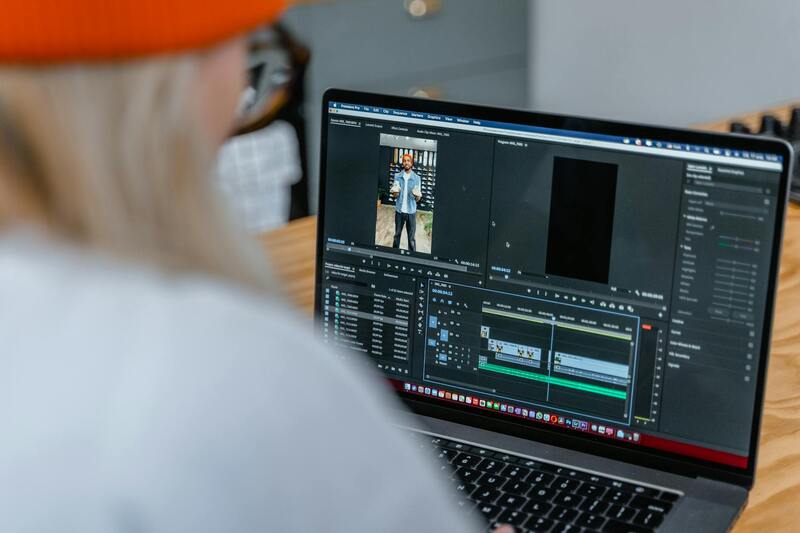
In the editing process, balancing enhancement with authenticity is vital. Post-processing adjustments such as correcting lighting, color balance, or minor blemish removal should not distort the true appearance of the property. Excessive editing that creates false expectations can lead to mistrust, damage the professional reputation, and trigger potential conflicts during the sale process.
Maintaining consistent standards when creating realtor photos also involves regular updates and reviews of the images used in listings. If a property undergoes renovations, repairs, or experiences damage, it is crucial to provide current imagery that accurately depicts its state. This ongoing transparency supports informed decision-making and contributes to long-term trust in the professional's marketing practices.
Adhering to Ethical Marketing Standards
- Use Accurate Representations: Always showcase the property as it genuinely appears without manipulation or deceptive enhancements.
- Avoid Over-Editing: Limit post-processing to minor corrections that enhance clarity without altering the property's true features.
- Disclose Any Special Conditions: If the property has unique features or conditions that may affect a buyer’s decision, ensure these are accurately reflected in the imagery.
- Obtain Necessary Permissions: Secure consent before featuring private spaces or personal belongings in listing photos.
- Update Photos Regularly: Keep images current, reflecting any changes or renovations to maintain listing accuracy.
By following these guidelines, real estate professionals uphold the integrity of their marketing efforts, foster buyer trust, and enhance their reputation within the competitive Miami property market.