Importance of Realtor Photography in Miami Real Estate
In the dynamic Miami real estate market, where luxury properties and unique architectural designs abound, the significance of high-quality realtor photography cannot be overstated. First impressions are often formed through photographs, making compelling images crucial for attracting potential buyers. When prospective clients browse property listings online, their initial perception heavily relies on the visual appeal of the photos. Well-executed images can evoke an emotional response, highlight the property’s best features, and create a desire to schedule a viewing. Miami's real estate environment is highly competitive, with numerous properties vying for attention. This underscores the necessity for professional realtor photography that stands out amidst the sea of listings. High-resolution photos with proper lighting, accurate color representation, and strategic staging foster trust and credibility. This not only increases the likelihood of inquiries but also accelerates the sales process. Moreover, in an area known for luxury homes and waterfront properties, the aesthetic quality of photos influences perceived value. Buyers from around the globe often start their property searches online; thus, showcasing properties with superior photography ensures they perceive the listing as premium and exclusive. This initial visual impact can generate significant interest and ultimately lead to faster and more lucrative transactions. Investing in professional realtor photography also benefits agents and realtors by establishing a credible brand image. Consistently high-quality images demonstrate attention to detail and a serious approach, reassuring clients that their property will be marketed effectively. As digital platforms dominate property marketing, strategic visual presentation becomes an integral component of a successful real estate strategy. Finally, in a high-stakes market like Miami, where properties can command millions of dollars, the quality of visual content can directly influence sales outcomes. Photography that captures the essence of a property’s luxury, location, and lifestyle appeal can significantly elevate a listing’s visibility, attracting a wider pool of qualified buyers and achieving optimal results.
Types of Shots to Include in Realtor Photography
Effective realtor photography encompasses a diverse range of shots that collectively present a comprehensive view of a property’s features. To maximize appeal, include wide-angle shots of main living areas such as the living room, kitchen, and bedrooms, which help prospective buyers appreciate the space and flow of the layout. These wide shots should be taken with high-quality lenses that minimize distortion and provide a natural perspective.
Exterior shots are equally essential, showcasing curb appeal and the property's surroundings. Capture different front elevations during optimal lighting conditions, such as early morning or late afternoon, to emphasize architectural details and landscaping. Including shots of outdoor amenities like pools, patios, and gardens can elevate interest among buyers looking for that outdoor lifestyle.
Detail images focusing on high-end features—such as custom cabinetry, designer fixtures, and upgraded appliances—highlight luxury aspects of the property. These close-up shots should be well-lit and free of clutter, drawing attention to quality craftsmanship and unique selling points. Incorporate shots that demonstrate lifestyle appeal, like a dining area set for an evening gathering or a cozy reading nook, to evoke an emotional connection with viewers.
In addition, consideration should be given to capturing the property during different times of day to reflect its ambiance under various lighting conditions. A twilight shot, for instance, can impart a warm, inviting atmosphere that appeals to potential buyers seeking a vibrant neighborhood feel. Drone photography can also be integrated to provide sweeping views of large properties, waterfronts, or surrounding landscapes, offering an expansive perspective that standard photos cannot achieve.
Lastly, including a series of virtual tours or 3D walkthroughs enhances the overall presentation. These interactive media elements allow prospective buyers to experience the property remotely, increasing engagement and the likelihood of scheduling in-person visits.
Professional Techniques and Equipment for Optimal Miami Realtor Photography
Achieving high-quality realtor photography that resonates with potential buyers necessitates the use of specialized equipment and advanced techniques. Standard cameras often fall short when capturing the dynamic lighting and expansive spaces typical of Miami properties. Investing in high-resolution DSLR or mirrorless cameras equipped with wide-angle lenses is fundamental. These tools enable photographers to encompass more of the space within a single shot, creating a sense of openness that appeals to viewers.
Steady shots are crucial for professional presentation. Employing tripods minimizes camera shake and allows for longer exposure times, especially in low-light conditions such as twilight shoots or interior scenes with limited natural light. This results in crisper images with vibrant, true-to-life colors. Additionally, using HDR (High Dynamic Range) photography effectively balances challenging lighting scenarios by combining multiple exposures to accurately render both shadowed and illuminated areas.
Drone photography has become an essential component in showcasing large properties, waterfront estates, and scenic surroundings characteristic of Miami. Mounted with high-quality stabilizers, drones capture sweeping aerial views that emphasize property scale and geographic context. Properly planned flight paths ensure the shots highlight significant features such as oceanfront access, landscaped grounds, or pool areas, offering prospective buyers an immersive perspective.
Golden hour, or early morning and late afternoon lighting, can dramatically improve the vibrancy of images, capturing properties in warm, inviting tones. Photographers often utilize reflectors and diffusers to manage natural light and reduce harsh shadows. When photographing interiors, controlling window glare and balancing interior lighting through supplemental flashes or softboxes enhances details without overexposure.
Post-Processing Techniques for Realtor Images in Miami
After capturing the initial shots, meticulous editing elevates the visual appeal of realtor photographs. Adjustments focus on optimizing exposure, contrast, and color accuracy to ensure images faithfully represent the property. Advanced software enables seamless correction of distortions often caused by wide-angle lenses, ensuring structural lines are true to real-world dimensions.
Retouching may also include removing minor imperfections such as dust spots, marks on walls, or clutter, to present the property at its best. Enhancing features like sky, water reflections, and greenery through subtle adjustments can evoke the vibrant Miami environment. It is vital to maintain a natural look, as authentic images foster trust and meet viewer expectations.
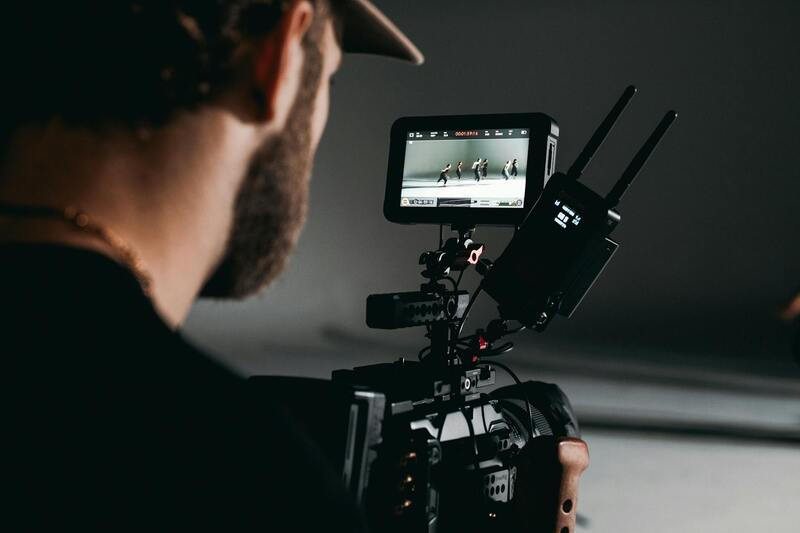
Color grading and sharpening techniques further refine images, creating a polished, professional appearance. Exporting photos in various formats optimized for web and print ensures they are versatile for all marketing platforms. Consistency in editing style across listings also reinforces brand professionalism and helps maintain a recognizable visual identity.
By combining adept use of professional equipment, strategic shooting methods, and precise post-production work, Miami real estate professionals can significantly enhance the visual presentation of their listings, attracting more interested buyers through compelling imagery.
Legal and Ethical Considerations in Realtor Photography
When it comes to showcasing Miami real estate, adhering to ethical standards and best practices in photography is essential for building trust and credibility with clients and potential buyers. Professional real estate photography involves more than just capturing attractive images; it requires a commitment to honesty and transparency that reflects the true condition and appearance of a property. This means avoiding techniques that could mislead viewers, such as overly digital enhancements or staging that significantly alters the property's original features.
Respecting privacy is another critical aspect. Photographers must ensure they have proper authorization before photographing interior spaces, especially in cases where the property involves sensitive areas or personal belongings. Securing consent from homeowners and adhering to property access guidelines help maintain professional integrity and foster positive relationships.
Accurate representation extends beyond images to the overall listing content. Photographers should collaborate closely with real estate agents to ensure that captions, descriptions, and visual portrayals align seamlessly, providing a holistic and truthful view of the property. This not only helps manage buyer expectations but also contributes to a smooth transaction process.
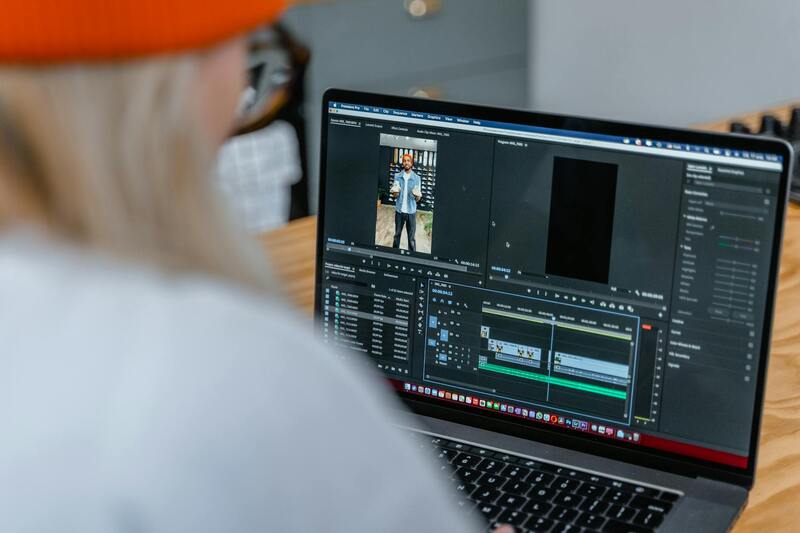
Additionally, adhering to guidelines regarding the use of drones for aerial shots is vital. Operators should follow local regulations regarding altitude limits, privacy zones, and authorized flight areas. Proper licensing and insurance further demonstrate a professional approach, reducing risks associated with aerial photography while complying with city-specific rules in Miami.
Finally, maintaining transparency about editing processes with clients helps establish clear expectations. Disclosing the extent of post-processing, especially when applied to interior or exterior photos, affirms the photographer's honesty and commitment to fair representation. In a competitive market like Miami, a reputation built on ethical practices positions real estate professionals as trustworthy sources, ultimately leading to more successful listings and satisfied clients.
Legal and Ethical Considerations in Realtor Photography
Realtor photography in Miami requires adherence to established standards that promote transparency, professionalism, and respect for property owners' rights. Ensuring that all images accurately represent the property is fundamental to maintaining trust with clients and prospective buyers. This involves avoiding deceptive enhancements that could mislead viewers about the true condition or appearance of the property. Photographers should disclose any significant digital alterations, particularly when they influence the perception of space, lighting, or features.
Furthermore, respecting privacy and access rights during the photography process is crucial. Securing proper permissions before photographing interior spaces or surrounding areas safeguards relationships with homeowners and upholds ethical practices. When capturing aerial shots using drones, compliance with local regulations and appropriate licensing demonstrates a commitment to responsible photography. This includes respecting designated no-fly zones, privacy buffers, and altitude restrictions established by Miami authorities.
In addition to legal considerations, professional interaction with clients involves transparent communication about the scope and limitations of the photography process. Clear agreements regarding photo usage rights and post-processing expectations help prevent misunderstandings. Photographers should also ensure they have the necessary insurance coverage to mitigate liabilities associated with drone operations or property access.
Aligning photography practices with industry standards not only protects all parties involved but also fosters a professional reputation that attracts better listings and client confidence. Ethical realtor photography reflects a dedication to truthful representation, which is vital for long-term success in Miami's dynamic real estate environment.
Legal and Ethical Considerations in Realtor Photography
When engaging in realtor photography within Miami, a comprehensive understanding of responsible practices is essential to uphold professional standards and foster trust among clients and potential buyers. This involves adhering to specific guidelines that ensure the integrity of visual representations and respect for all parties involved.
Respect for Privacy and Property Access
One of the foundational aspects of ethical realtor photography is obtaining proper permissions before photographing interior and exterior spaces. Clearly communicating with homeowners or property managers about the scope, purpose, and intended use of images helps prevent misunderstandings and preserves good relationships. In cases involving shared or leased properties, securing formal consent can mitigate potential conflicts and legal issues.
Further, photographers should be mindful of privacy concerns regarding the inclusion of neighboring properties, private land, or confidential areas. Techniques such as framing shots to exclude intrusive elements or editing out unsuitable features protect the privacy rights of others and ensure the images focus solely on the property in question.
Responsible Use of Drone Photography
Drone-based aerial shots offer valuable perspectives, yet they require careful compliance with local regulations governing airspace and privacy. Responsible operators obtain necessary licenses, respect designated no-fly zones, and follow altitude restrictions established by Miami authorities. This responsible approach demonstrates professionalism and respect for the community’s safety and privacy.
Integrity in Visual Representation
Accurate, honest portrayal of a property is vital for maintaining credibility in the Miami real estate market. Photographers must avoid manipulations that could distort the property's true features, such as excessive editing, misleading angles, or selective highlighting of certain areas. The goal is to offer a genuine reflection that accurately informs prospective buyers while showcasing the property's best qualities.
Transparency with Clients and Buyers
Clear communication regarding what the photography will entail, including the scope, style, and post-processing techniques, helps prevent misunderstandings. Establishing agreements about image rights and usage rights is essential, ensuring all parties understand their rights and responsibilities. This transparency also extends to disclosures about digital enhancements or alterations conducted during post-processing.
Insurance and Liability Considerations
Professional photographers working in Miami should carry appropriate liability insurance, especially when operating drones or photographing on-site. Adequate coverage protects against potential damages or accidents during the shooting process, ensuring a smooth workflow and safeguarding the interests of both the photographer and client.
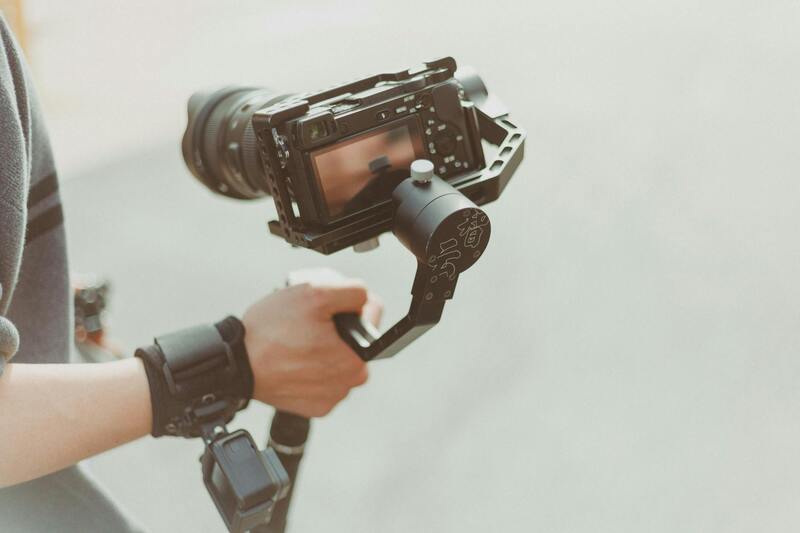
Adhering to these principles not only aligns with established industry standards but also contributes to a trustworthy and reputable image for the real estate professionals involved. Consistently applying ethical considerations in realtor photography fosters long-term relationships, elevates client confidence, and enhances the overall market perception of Miami's vibrant property landscape.
Legal and Ethical Considerations in Realtor Photography
Effective realtor photography in Miami extends beyond capturing stunning images—it also involves adherence to established standards that respect property rights, privacy, and intellectual property. Real estate professionals and photographers must understand the principles guiding responsible image usage to maintain integrity within the marketplace and foster trust among clients and prospective buyers.
Understanding Image Rights and Ownership
Clear agreements regarding the ownership and usage rights of photographs are essential in realtor photography. Typically, the photographer retains the copyright unless explicitly transferred through a contractual agreement. Such contracts should specify how images may be used, including online listings, social media, promotional materials, and other marketing channels. This clarity helps prevent disputes and ensures both parties are aligned on the scope of use.
Respecting Property Privacy and Security
Photographers and real estate agents must be diligent about respecting the privacy of property owners and tenants. It is important to obtain consent before photographing interior spaces, especially private areas or sensitive information. Additionally, when shooting in shared or gated communities, appropriate permissions should be secured to avoid infringing on residents’ privacy or security protocols.
Photographing with Ethical Standards
- Accuracy over Enhancement: While post-processing can enhance visual appeal, it should not distort the property's true appearance. Overly manipulated images can mislead potential buyers and damage trust.
- Full Disclosure of Editing: When digitally altering images, disclose the extent of enhancements, especially if they significantly alter lighting, staging, or perspectives. Transparency upholds ethical standards and sets correct expectations.
- Respect for Property and Personal Items: Photographers should avoid capturing or sharing images of personal belongings or confidential spaces unless given explicit consent.
Copyright and Fair Use Considerations
Proper attribution and licensing are necessary when using third-party images or copyrighted content in marketing materials. Copyrighted elements within property images, such as artwork or branded items, should be used with permission or be in the public domain to avoid infringement issues.
Compliance with Local Regulations and Industry Standards
Miami's vibrant real estate market is governed by local regulations that may impact how photographs are used and displayed. Staying informed about these regulations ensures compliant practices, preserves the professional reputation of agents, and safeguards against potential legal complications. This includes understanding rules related to drone photography, privacy laws, and advertising guidelines specific to the Miami area.

By adhering to these principles, real estate professionals can leverage realtor photography as a powerful marketing tool that upholds integrity, respects all parties involved, and enhances the credibility of their listings in the competitive Miami housing market. Ethical practices not only safeguard legal interests but also reinforce a trustworthy reputation that attracts discerning clients and ensures long-term success.
Legal and Ethical Considerations in Realtor Photography
Adhering to legal and ethical standards in realtor photography is essential to maintain professionalism, respect client privacy, and ensure transparent marketing practices. For real estate professionals in Miami, understanding and applying these principles safeguards reputation and fosters trust among clients and prospective buyers alike.
One critical aspect involves respecting the privacy and property rights of homeowners. Photographers and agents should obtain explicit consent before capturing images that include personal belongings, private areas, or confidential spaces within the property. This consent extends to the usage of these images across various marketing platforms, ensuring all parties are aware of and agree to the promotional exposure.
Copyright and fair use considerations play a significant role in realtor photography. When incorporating proprietary or third-party content—such as artwork, branded items, or copyrighted materials—proper permissions and licenses are necessary. Using images without appropriate rights can lead to infringement claims or disputes that may damage professional credibility and incur legal repercussions. It is advisable to verify that all visual elements are either in the public domain or used under valid licensing agreements.
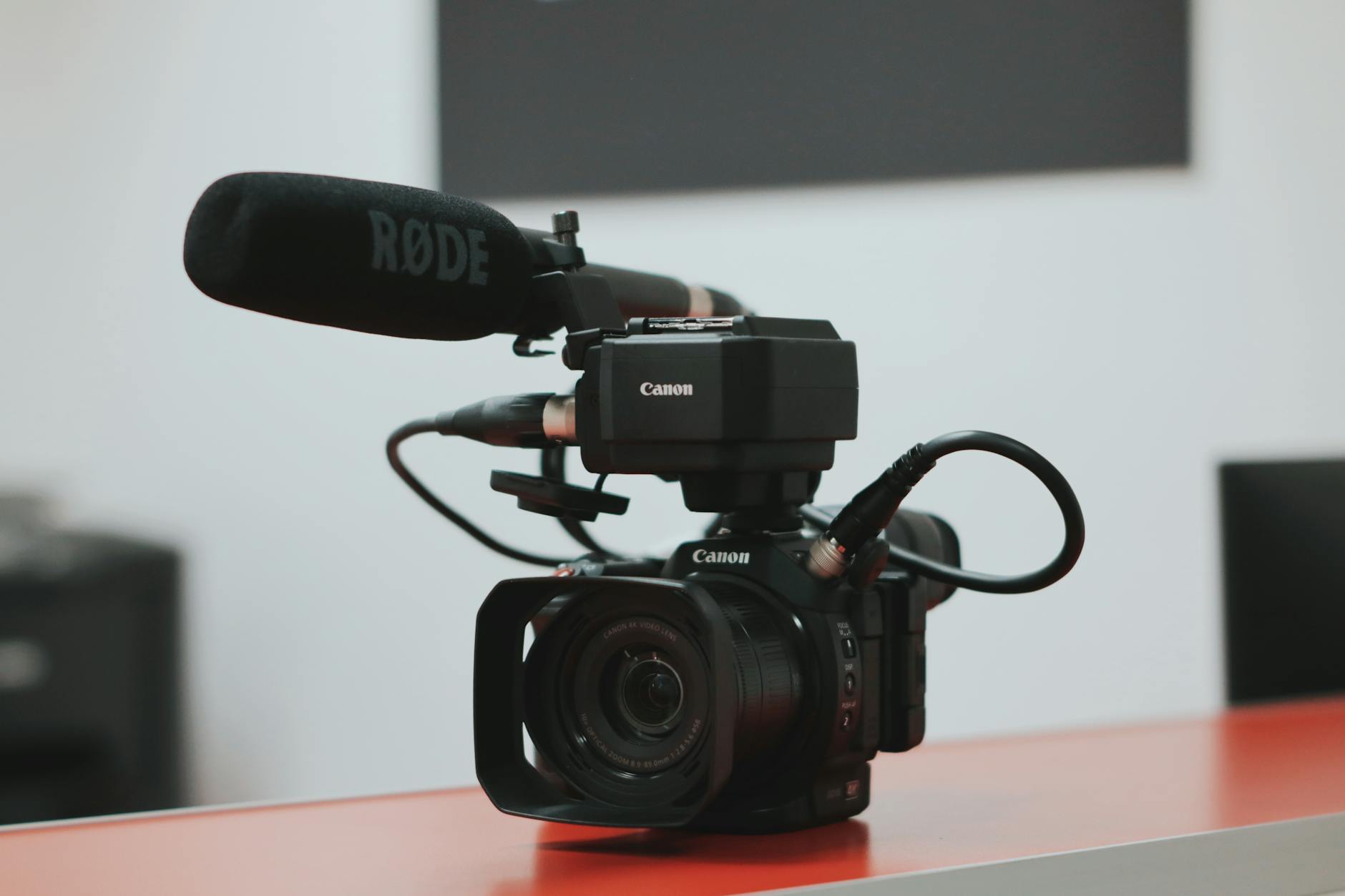
Compliance with local regulations is particularly vital in the Miami real estate market, where specific laws govern drone photography, privacy, and advertising practices. For example, drone operators must adhere to FAA regulations and have the necessary permits to avoid interference with aviation authorities. Additionally, Miami’s privacy laws may restrict the capture or dissemination of images that reveal personal details or confidential property information without proper authorization.
Maintaining high ethical standards also involves transparency and honesty in showcasing properties. Realtors should accurately represent the property’s features without manipulating images to exaggerate size or quality, which could mislead potential buyers. This honesty enhances credibility and builds long-term trust within the local community.
By following these guidelines, Miami real estate professionals demonstrate integrity and professionalism in their marketing efforts. Ethical practices in realtor photography reinforce a positive reputation, attract discerning clients, and support sustainable growth in a highly competitive housing market.