Factors Influencing Real Estate Video Costs
When evaluating the expense of producing real estate videos, several key factors significantly impact the overall price. These elements include the desired video length, production quality, and the specific type of footage utilized. Understanding these components helps sellers, agents, and property managers make informed decisions about their visual marketing investments.
Video Length and Duration
The duration of a real estate video directly correlates with production costs. Short clips, typically around 1-2 minutes, tend to be more budget-friendly and suitable for quick property highlights. Conversely, longer videos or virtual tours that extend beyond 3-5 minutes may require more filming time, editing, and post-production efforts, thereby increasing the overall cost.
Production Quality and Equipment
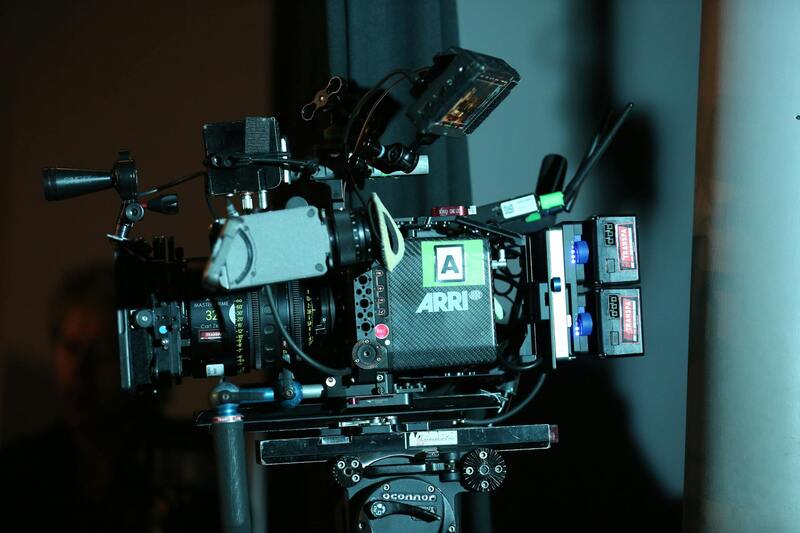
High production values involve professional-grade equipment, advanced editing techniques, and skilled personnel. This includes the use of 4K or higher resolution cameras, drone footage for aerial views, stabilized gimbals, and professional lighting. Higher quality outputs demand more resources and expertise, which naturally elevate the price point.
Type of Footage and Shooting Style
The choice between simple walkthroughs, cinematic virtual tours, aerial drone shots, or a combination of these influences the cost considerably. Aerial shots through drone technology, for example, require specialized pilots and additional post-processing, adding to the total expenditure. Additionally, customized or stylized shooting styles tailored to specific branding or marketing themes can also impact pricing.
Additional Elements and Complexity
Complex projects incorporating special effects, voice-over narration, festive themes, or animated maps will typically incur extra charges. These enhancements enhance viewer engagement but demand more time and expertise during production, thereby affecting overall costs.
In sum, the variation in real estate video costs is largely driven by these core factors, and a clear understanding of each aspect allows for precise budgeting and expectation management.
Cost Variations Based on Video Style and Complexity
Real estate video costs can vary significantly depending on the style and complexity of the footage produced. Properties that require more dynamic and engaging presentations often necessitate advanced filming techniques, specialized equipment, and meticulous editing processes. For example, a basic walk-through video might only involve standard filming and straightforward editing, resulting in a more affordable production. In contrast, a cinematic virtual tour that leverages multiple camera angles, drone footage, and stylized transitions will require additional resources, time, and expertise, inevitably increasing the overall expense.
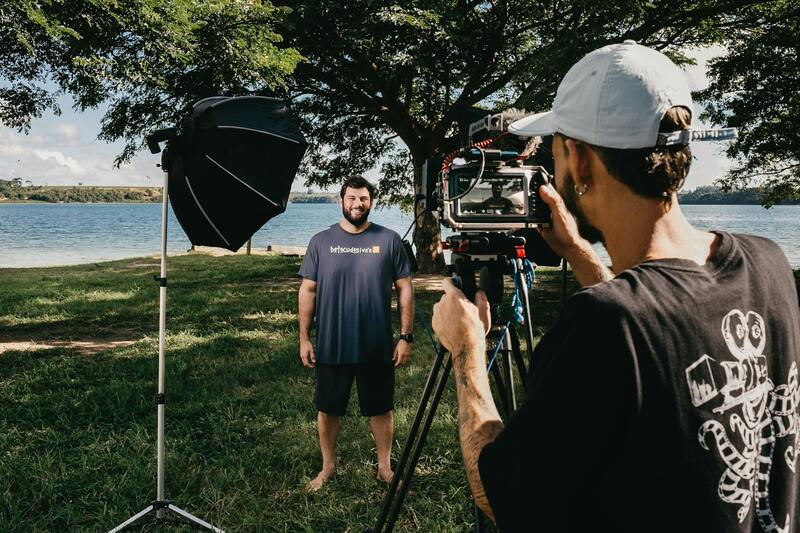
Additionally, the inclusion of specific features such as aerial shots provides a compelling perspective of the property. Flying drones operated by licensed pilots capture sweeping exterior views that are highly attractive but also require specialized skills and equipment, thus impacting the budget. Customized shooting styles—tailored to match branding themes or marketing strategies—also contribute to cost differences because they often involve creative direction sessions, stylized filming, and specific post-production techniques.
Influence of Post-Production and Special Effects
The post-production phase plays a crucial role in determining the final cost of a real estate video. High-quality editing, color correction, sound design, and the addition of special effects elevate the production value but also demand greater effort and technical skill. For example, animated maps, virtual staging overlays, or embedded floor plans can significantly enhance viewer engagement, yet they require extra editing hours and complex software, which inevitably leads to higher pricing.
Moreover, incorporating voice-over narration or background music adds elements of professionalism and storytelling to the video, contributing to increased costs. Each of these elements should be considered when developing a budget, as they directly influence the overall expenditure and the final quality that can be delivered to clients.
Duration of Production and Editing
The length of the final video is another determinant of cost. Longer videos with extensive footage require more filming days, editing hours, and post-production revisions. For properties with intricate layouts or large estates, the filming process may span multiple days, involving detailed planning to efficiently capture all key features. Editing longer videos with multiple scenes, transitions, and effects can also extend delivery times and intensify the costs.
Clients should clearly communicate their expectations concerning video length and detail to ensure accurate budgeting. A well-defined scope helps balance quality and cost, avoiding unnecessary expenditures while still achieving an effective marketing tool.
Role of Equipment and Crew Expertise
Premium filming equipment and a skilled crew are essential for producing high-caliber real estate videos. Professionals typically utilize 4K or higher resolution cameras that provide crisp, detailed visuals, ensuring the property looks its best. Stabilized gimbals and slider systems help achieve smooth camera movements, especially during cinematic shots or walkthroughs. Drone pilots with experience in aerial cinematography capture expansive exterior views with precision and safety.
The expertise of the production team—ranging from directors and camera operators to editors and sound engineers—also influences pricing. Highly experienced professionals bring a level of finesse and quality assurance that elevates the final product. Their skill set ensures the footage is captured efficiently, creatively, and in alignment with marketing goals, warranting higher hourly or package rates.
Summary of Cost-Influencing Factors
- Type and complexity of filming style (walkthrough, cinematic, aerial)
- Degree of post-production enhancements (effects, narration, animations)
- Length and intricacy of the final video
- Use of advanced equipment and technology
- Expertise and experience of the production team
- Additional features like virtual staging or interactive elements
Services Included in Real Estate Video Pricing
Understanding what is encompassed within the price of a real estate video helps in evaluating proposals and ensuring comprehensive coverage of your marketing needs. Typically, standard packages include pre-production planning, filming, post-production editing, and delivery of the final video in the preferred format. These core services are designed to produce a polished presentation that highlights the property's best features.
Pre-production involves planning shot lists, scouting locations, and coordinating schedules, ensuring the filming process proceeds smoothly. During filming, professional crews utilize high-quality equipment to capture both interior and exterior spaces, often from multiple angles to provide a comprehensive view. Post-production editing is equally vital, involving color correction, sound design, visual effects, and graphical overlays if necessary—elements that can greatly enhance visual appeal and viewer engagement.
Additional services that may be included or available as upgrades include drone footage, virtual staging, 3D walkthroughs, interactive floor plans, and narration or voice-overs. These enhancements can add significant value, making the property stand out in a competitive market. Pricing for such services depends on the scope and complexity involved, often reflected in the overall cost structure.
Factors That Can Increase or Decrease Costs
Several key elements influence the final cost of real estate videos, which can either escalate or reduce expenses depending on the specific requirements of the project. Notably, the complexity and style of the filming have a direct impact. For instance, a simple walk-through with basic editing will cost significantly less than a cinematic production with aerial shots and intricate post-effects.
Additional factors include:
- Length and duration of the video—longer videos naturally demand more shooting and editing time, increasing costs.
- The use of advanced technology such as drones or 360-degree cameras—these tools require specialized equipment and skilled operators, which can elevate pricing.
- Bulk or recurring projects—multiple videos or ongoing content creation may attract discounts due to economies of scale.
- Timeline urgency—expedited delivery requirements generally come with premium charges to prioritize completion.
- Location-specific challenges—difficult access or unique environmental considerations may lengthen production times and increase expenses.
By carefully assessing these factors, clients can better understand potential cost variations and plan accordingly to meet their marketing objectives within budget constraints.
Factors Influencing Real Estate Video Costs
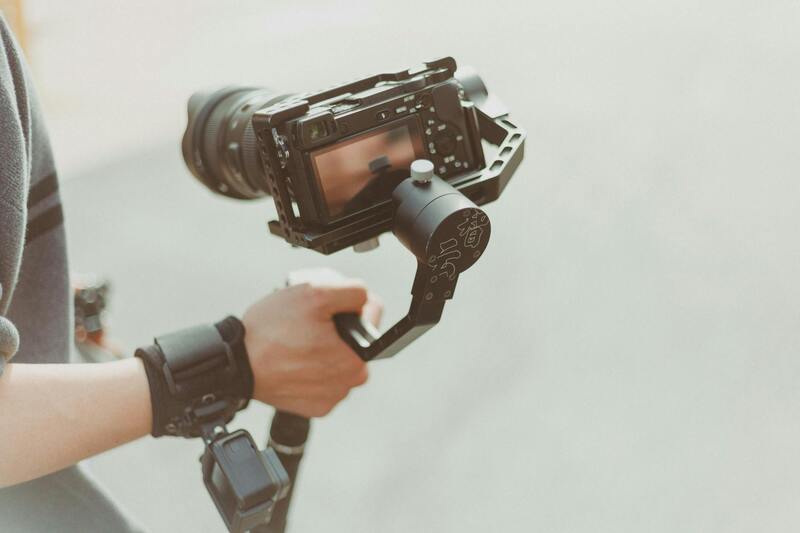
When evaluating the expenses associated with producing real estate videos, several key factors come into play. A primary consideration is the complexity of the desired footage. Basic walk-through videos which involves straightforward shooting and minimal editing tend to be less costly. Conversely, more elaborate productions that include cinematic elements, such as drone footage, stabilized gimbal shots, or 360-degree views, significantly increase the budget due to the specialized equipment and skilled personnel involved.
Another critical element is the length and scope of the video. Shorter clips focusing on specific property features may incur lower costs, whereas comprehensive virtual tours covering multiple angles and details necessitate additional shooting time and editing effort, raising the overall price. Additionally, the inclusion of premium post-production effects—such as color grading, motion graphics, or optimized transitions—can further influence costs.
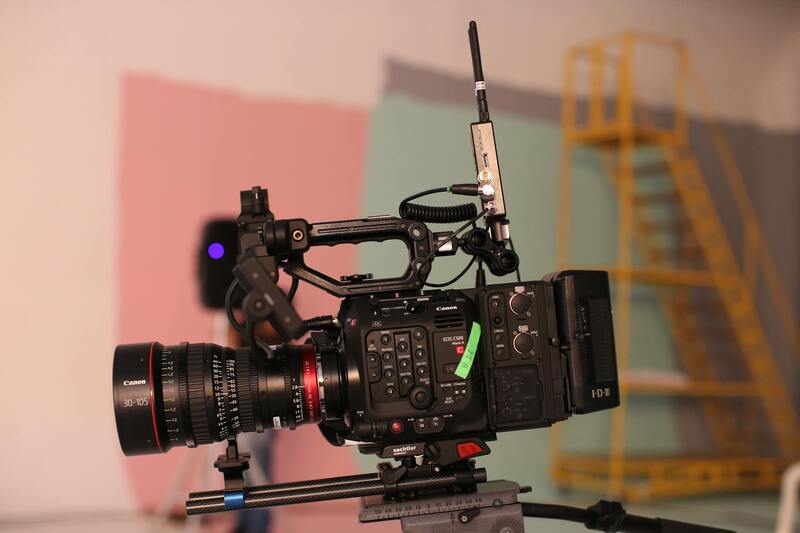
Technology plays a significant role in cost variations. The use of drones or 360-degree cameras involves specialized equipment and trained operators, both of which are associated with higher fees. The level of technological integration often correlates with the property type and marketing goals—luxury homes or commercial spaces typically benefit from these advanced methods.
Project timeline and turnaround requirements also influence final pricing. Urgent requests that demand expedited services generally carry premium charges, as they require prioritization and potentially additional staffing. Environmental conditions and access challenges, such as remote property locations or restricted access areas, may extend shooting schedules and require extra planning, which affects costs as well.
Lastly, volume and frequency of video production can lead to negotiated discounts. Clients producing multiple videos for different listings in a campaign benefit from economies of scale, reducing average costs per project. Thorough assessment of these factors ensures more accurate budgeting and strategic allocation of resources for real estate marketing efforts.
Types of Real Estate Videos and Their Price Ranges
Real estate video offerings can vary from simple walkthroughs to highly cinematic productions. Understanding these types and their associated costs helps in aligning expectations with budget constraints.
Basic Walk-Through Videos: These videos typically involve straightforward shooting of the property interior and exterior, with basic editing for clarity and flow. Cost range is generally between $200 and $600, depending on property size and location.
Enhanced Virtual Tours: Incorporating multiple angles, hotspots, and longer durations, these offer a more comprehensive view of the property. Prices usually fall between $600 and $1,200, reflecting more extensive filming and editing.
Cinematic Property Films: These involve professional storytelling, drone footage, high-end editing, and sometimes 3D walkthroughs. Costs for such productions can range from $1,200 to over $3,000, particularly for luxury or commercial properties where high visual impact is essential.
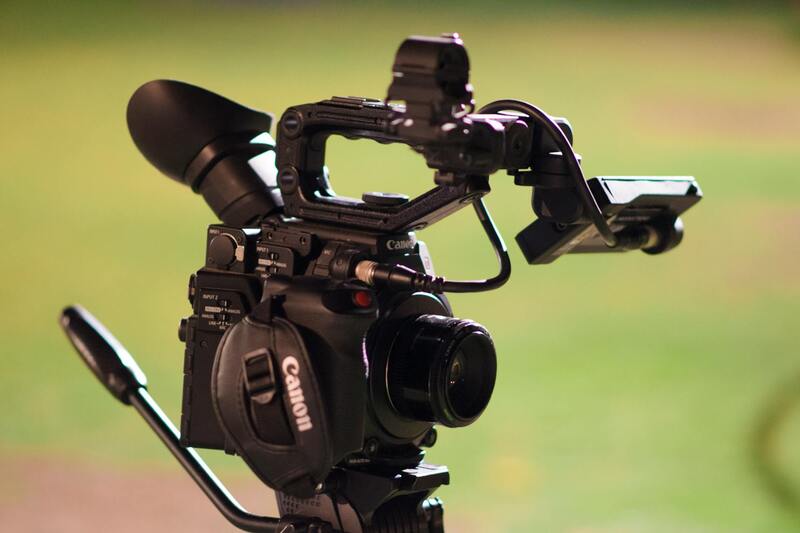
Investment in a tailored video style depends on the property's target market, overall marketing plan, and desired outcome. Strategic choice of video type ensures maximum engagement and effective property promotion.
Average Costs for Real Estate Videos in Miami
In Miami, a vibrant market known for upscale properties and diverse clientele, real estate video costs tend to be competitive yet reflective of high production standards. Basic walk-through videos here often range from $300 to $700, influenced by factors like property size, location, and production quality. More comprehensive virtual tours and cinematic productions typically span $1,000 to $3,500, with premium services for luxury estates or commercial spaces exceeding these figures.
Multiple property videos or ongoing marketing campaigns can attract discounts, further optimizing your budget. Providers in Miami specialize in delivering high-impact visuals tailored to the local real estate landscape, emphasizing specialized techniques such as aerial cinematography and narrated virtual walkthroughs. The selection of production tools and post-production enhancements also varies, with high-end homes commanding more elaborate video packages.
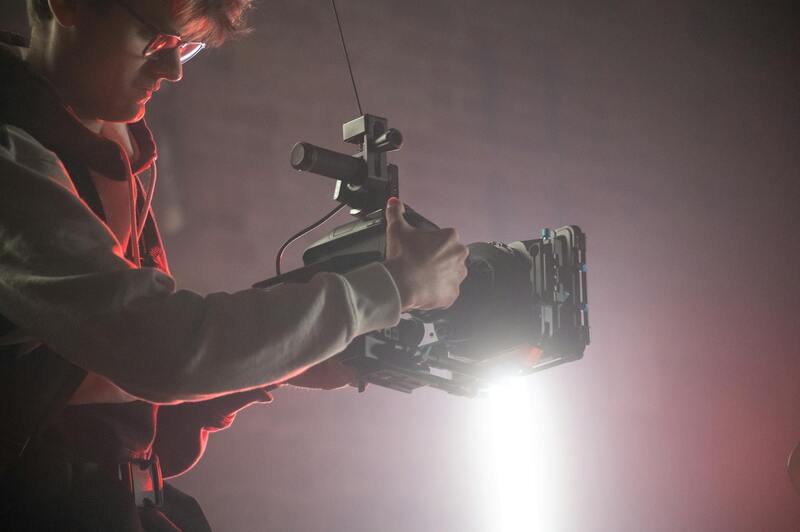
Considering these regional price trends, clients can plan effectively by aligning their marketing goals with realistic production budgets, ensuring they achieve compelling visuals that resonate with prospective buyers while maintaining cost efficiency.
Factors That Can Increase or Decrease Costs
Understanding the variables that influence real estate video costs is essential for creating an accurate budget and ensuring the video production aligns with marketing goals. Several elements play a critical role in determining the final expense, ranging from technical requirements to logistical considerations.
Property Size and Complexity
The size of the property is a primary factor affecting production costs. Larger estates or commercial buildings require more footage, longer shooting times, and additional preparations, such as staging and inspections. Complex architectural features or interior details may demand specialized equipment or extensive lighting setups, increasing overall expenses. For instance, a sprawling estate with multiple structures will typically incur higher costs compared to a modest single-family home.
Shooting Conditions and Location
Shooting in multiple locations or difficult environments can elevate costs due to logistical challenges. Urban settings with restrictions or limited access, as well as outdoor shoots during adverse weather, might necessitate additional planning and resources. Moreover, popular or high-security areas may require permits or coordination, which can increase production timelines and expenses.
Video Style and Production Quality
The choice of video style significantly influences pricing. Standard walk-throughs are generally more cost-effective, while cinematic productions with advanced camera movements, drone footage, and professional narration will command higher fees. High-end editing, visual effects, and color grading further add to the overall cost. Custom animations or 3D walkthroughs are premium options that can substantially increase the investment required.
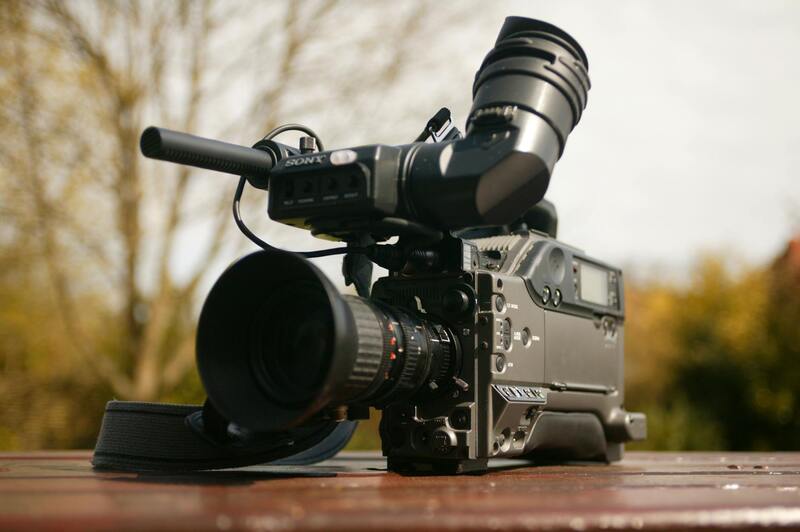
Turnaround Time and Delivery Requirements
Expedited projects often incur additional charges due to the need for quick turnaround and priority scheduling. Clients requiring rapid delivery to meet market demands should budget accordingly. Conversely, projects allowing longer timelines for planning and post-production can sometimes benefit from more cost-effective arrangements.
Post-Production Enhancements
Post-production plays a pivotal role in elevating the final product. Advanced editing, motion graphics, color correction, and sound design can elevate a basic video into a compelling marketing tool. These enhancements typically increase costs but are often justified by their impact on viewer engagement and perceived property value.
Understanding these factors allows property marketers and real estate professionals to balance desired video quality with budget constraints, ensuring effective promotion without overspending. Collaborating closely with production providers can help tailor packages that meet specific needs and maximize return on investment.
Factors Influencing Real Estate Video Costs
Several key elements determine the overall expense of producing high-quality real estate videos. These factors encompass the scope of production, equipment used, and the level of post-production required. The complexity of the project can significantly influence the budget, as more intricate filming techniques often necessitate specialized equipment and expertise.
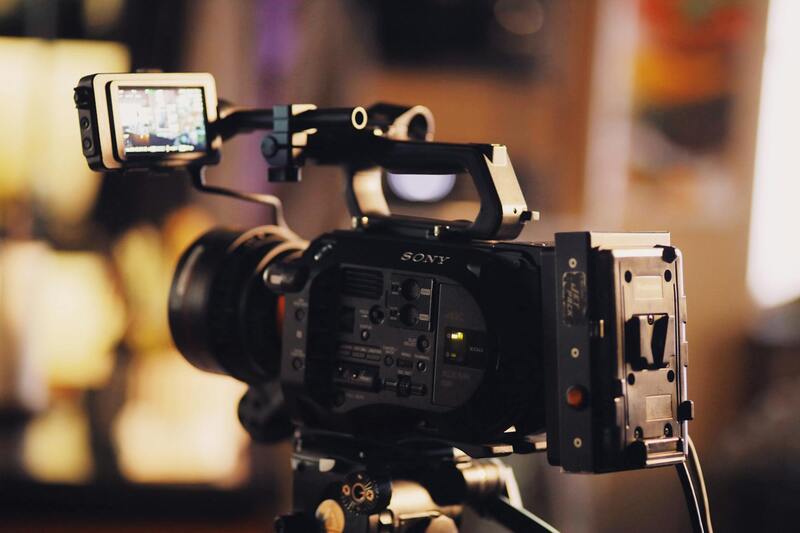
Equipment quality and operator skill are pivotal in achieving professional visuals. High-definition cameras, drones for aerial shots, steadicams for smooth motion, and advanced lighting setups contribute to higher costs. Additionally, the location and accessibility of the property can impact logistical expenses, particularly if shooting involves intricate setups or multiple days.
Post-production work, including editing, color grading, sound design, and visual effects, further enhances the final product but also adds to the pricing. Customized animations, 3D walkthroughs, or virtual staging are premium options that can elevate a property's marketing appeal and consequently increase costs.
Types of Real Estate Videos and Their Price Ranges
The range of real estate videos spans from simple virtual tours to elaborate cinematic productions. Basic walk-through videos, often shot with handheld or stabilized cameras, generally fall within the lower price spectrum, making them suitable for homes with modest marketing budgets. These typically range between a few hundred to $1,000, depending on length and additional features.
Mid-tier productions include drone footage, fixed-camera shots, and professional narration. These videos can range from $1,000 to $3,000, offering a more polished presentation suitable for competitive listings and larger properties.
High-end real estate videos incorporate advanced cinematography, animation, extensive post-production, and special effects. These premium productions often exceed $3,000 and can reach upwards of $10,000 for luxury properties requiring a cinematic approach.
Average Costs for Real Estate Videos in Miami
In Miami, the vibrant real estate market and competitive landscape influence local production prices. Basic virtual tours start around $500 to $1,200, often suitable for small or mid-range homes. For properties requiring drone footage, professional editing, and narration, budgets range from $1,500 to $4,000, aligning with the area's high-end market segment.
Luxury properties, waterfront estates, and commercial spaces often necessitate bespoke cinematic productions, with costs ranging from $5,000 to $15,000 or more. The city’s high demand for premium marketing content encourages providers to offer tailored packages that emphasize quality and uniqueness.
Services Included in Real Estate Video Pricing
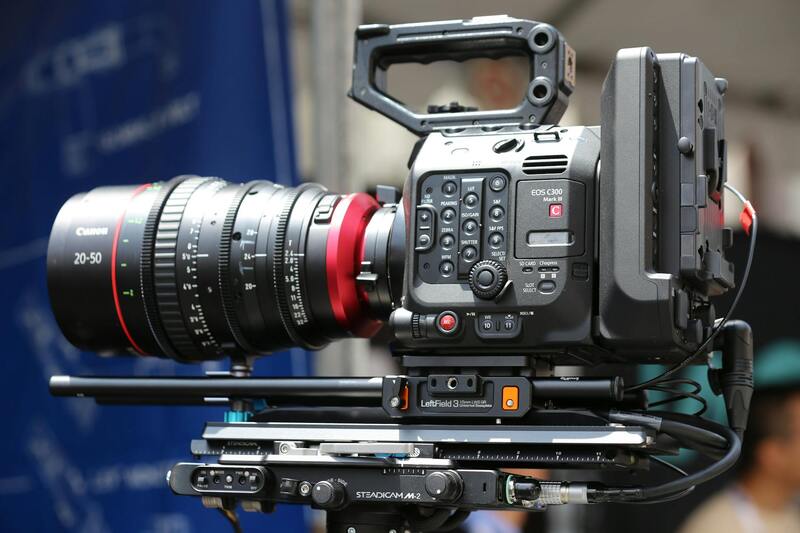
Pricing typically encompasses pre-production planning, filming, and post-production editing. Pre-production involves property staging, shot planning, and scheduling. During filming, professional videographers utilize high-end equipment, including 4K cameras, drones, and stabilization gear to capture compelling visuals.
Post-production accounts for editing, color correction, sound editing, and visual enhancements. Many packages also include voiceovers, background music, and basic graphics to highlight property features. Some providers offer additional services such as virtual staging, 3D animations, and custom typography, further elevating the marketing material but impacting overall costs.

Factors That Can Increase or Decrease Costs
Additional costs may arise from expedited delivery requests, which require priority scheduling and longer working hours. Multiple-day shoots, complex drone footage, or shooting in challenging conditions can also add to the overall expenses.
On the other hand, opting for simpler videos, fewer filming locations, and longer lead times for post-production can lead to cost savings. Clear communication of project scope, realistic expectations, and a well-defined timeline enable property marketers to optimize budget allocation effectively.
Factors Influencing Real Estate Video Costs
Numerous elements play a role in determining the final cost of a real estate video production. At the core are the scope and complexity of the project, which directly impact both time and resource allocation. Larger properties or multiple locations typically require more extensive planning and filming, contributing to increased expenses. Additionally, the level of production quality sought by the client influences costs, as high-end equipment and specialized technical expertise are essential for producing premium visuals.
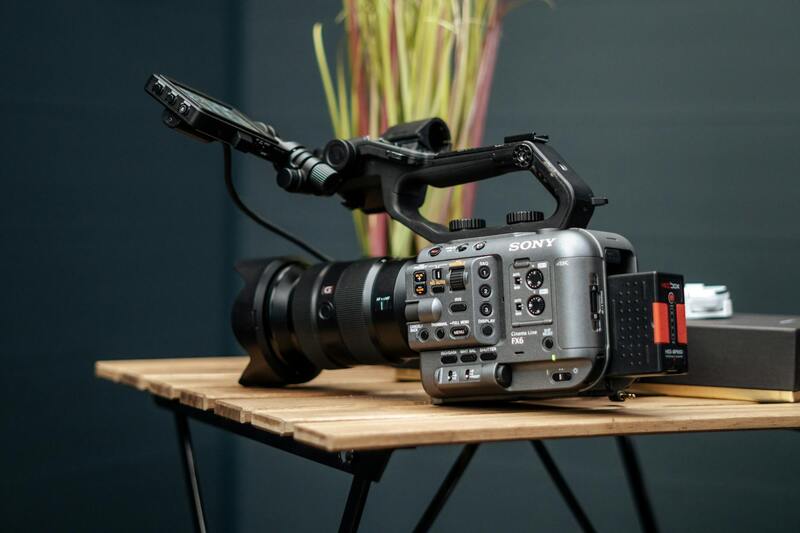
Equipment choice and usage form another significant cost factor. Advanced tools like drone cameras for aerial shots, 4K resolution cameras for crisp visuals, and stabilization gear for smooth footage are costly but necessary for high-caliber results. The use of these tools not only elevates the production quality but also influences the budget significantly. Skilled operators and technicians, proficient in handling such equipment, further add to the cost structure.
Location-specific considerations also impact expenses. Negotiations with property owners for access, the logistical arrangements for shooting in challenging urban environments, and permits required for drone usage or restricted areas can contribute to overall costs. Moreover, the complexity of the shoot—such as shooting in challenging weather conditions or during specific times of the day—may increase requirements for additional manpower or specialized equipment.
Post-production work further influences the final price. This includes editing, color correction, sound design, and visual effects to craft a compelling property story. Enhancements like virtual staging, 3D walkthroughs, or animated graphics can substantially add to costs but significantly boost property appeal. The complexity and timeline of editing also vary, with expedited services naturally incurring higher charges.
Additional Charges Impacting Pricing
- Rush Orders: expedited delivery often necessitates additional staffing and overtime, increasing costs.
- Multiple Shooting Days: prolonged filming sessions in multiple locations can lead to higher fees.
- Specialized Shots: drone footage, night shoots, or complex camera angles typically entail additional expenses.
- Revisions and Edits: extra rounds of editing beyond initial agreement can lead to supplementary charges.
Understanding these factors allows property marketers to anticipate expenses more accurately and plan budgets effectively, ensuring the delivery of high-quality videos that effectively showcase listings without overspending.
Factors Influencing Real Estate Video Costs
Several elements play a critical role in determining the overall expense of producing a real estate video. The scope and scale of the project significantly impact the cost, including the complexity of the shoot, the location, and the desired production quality. For instance, a simple walkthrough video captured with a handheld camera will generally be less expensive than a professionally staged and filmed property tour utilizing drone footage and specialized equipment.
Equipment choices directly influence costs, with high-definition cameras, drone technology, stabilizers, and lighting systems adding to the expenses. The inclusion of advanced visual effects or animations for property features can also escalate the budget. Furthermore, the location's accessibility and any logistical challenges—such as restricted areas or requiring permits—add layers of complexity, which can contribute to higher fees.
The level of post-production work required is another crucial factor. Basic editing, color grading, and sound balancing are standard, but more sophisticated enhancements like virtual staging, 3D walkthroughs, or animated graphics increase costs. The timeline for editing and revisions also impacts the final price; faster delivery services typically come with a premium charge.
Additional considerations include the number of shooting days, whether multiple properties or angles are involved, and the necessity for specialized shots such as aerial or night footage. Each factor must be weighed carefully to balance quality with budget constraints, ensuring that the final product captures the property's value compellingly without unnecessary expense.
Types of Real Estate Videos and Their Price Ranges
The variety of real estate videos available caters to different marketing needs and budgets. Basic property tours, typically shot with handheld cameras or basic stabilization equipment, often range from a few hundred to around a thousand dollars. These videos focus on straightforward walkthroughs, highlighting key features without extensive post-production work.
Enhanced videos, which incorporate stabilizers, professional lighting, and basic editing, usually fall within the $1,000 to $3,000 range. Such videos may include ambient sound, simple graphics, and smooth transitions that elevate the viewing experience.
High-end productions involving drone footage, cinematic shots, and comprehensive editing services can cost anywhere from $3,000 to over $10,000. These are tailored for luxury listings or high-profile properties where visual impact is critical. They often include layered visual effects, virtual staging, and immersive walkthroughs, providing a compelling narrative that attracts serious buyers.
Specialized formats like 3D virtual tours or interactive videos tend to be on the higher end of the spectrum due to their technical complexity and the skill required in their production. Each type serves different marketing strategies, allowing property sellers to choose an option aligned with their financial and branding goals.
Average Costs for Real Estate Videos in Miami
In Miami, the competitive market and high property values influence the pricing of real estate videography. On average, basic listing videos start at approximately $500 to $1,000, making them suitable for residential properties requiring straightforward promotion. Mid-tier videos, incorporating professional visuals, basic drone shots, and editing, typically range between $1,200 and $3,500.
For luxury properties or commercial listings, filmmakers often charge between $4,000 and $10,000, reflecting the added complexity and high production standards. These projects frequently include aerial footage, nighttime shoots, and extensive post-production work to ensure the video highlights the property's unique features.
Market trends show that investing in higher-quality videos correlates with faster sales and higher listing prices, underscoring the importance of aligning video production costs with overall marketing strategy. Local providers in Miami tend to adapt their packages to client needs, often offering customizable options to maximize return on investment.
Services Included in Real Estate Video Pricing
- Pre-Production Planning: consultations, storyboarding, and scheduling
- Filming: professional camera work, drone footage, and specialized shots
- Post-Production: editing, color correction, sound design, and visual effects
- Graphics and Virtual Staging: overlay graphics, animated titles, and property walkthroughs
- Revisions: opportunities for edits to meet client expectations
- Delivery Formats: multiple resolutions for online listings, social media, and print
The comprehensive nature of these services ensures property listings are visually stunning and effectively communicate value. It's essential for clients to verify what specific packages include to avoid unexpected costs and to ensure the final product aligns with marketing objectives.
Factors That Can Increase or Decrease Costs
- Additional Shooting Days: Longer projects or multiple locations require more crew hours.
- Specialized Equipment: Drone footage, night shots, and 360-degree cameras incur extra charges.
- Expedited Delivery: Urgent turnarounds typically involve premium fees for faster editing and delivery.
- Revisions: Additional rounds beyond initial agreements can raise costs, especially for complex edits.
- Property Complexity: Unique architectural features or challenging areas may necessitate extra planning or equipment.
Understanding these factors helps clients anticipate potential expenses, facilitate clearer communication with providers, and effectively allocate marketing budgets.
Budgeting for Real Estate Video Production
Effective budgeting begins with identifying key project requirements and expected outcomes. For properties requiring basic exposure, allocating between $1,000 and $2,000 might suffice, covering essentials like filming and editing. For more elaborate campaigns involving drone shots, virtual staging, and multiple property angles, a budget of $5,000 or more may be appropriate to ensure high production value.
It's advisable to include contingency funds—typically 10-15% of the total budget—to accommodate unforeseen costs or additional service needs. Clear communication of expectations with providers ensures that deliverables align with financial parameters, preventing surprises during final stages.
Clients should also consider long-term use for videos, assessing whether the investment supports ongoing marketing efforts or is a one-time promotion, to optimize expenditure.
Choosing a Miami Video Production Agency
Selecting the right partner involves evaluating experience, portfolio, and equipment capabilities. Agencies with a strong portfolio in real estate videography demonstrate an understanding of market trends and aesthetic standards, ensuring the final product resonates with targeted audiences.
Local providers in Miami benefit from familiarity with popular neighborhoods and property types, facilitating more tailored and impactful visuals. Checking references and client reviews can provide insights into their professionalism, adherence to timelines, and overall quality of work.
Additionally, comprehensive service offerings—including pre-production planning, on-site filming, post-production, and multiple revisions—are indicative of a reliable partner capable of managing all aspects of the project seamlessly.
Pricing transparency is also crucial. Agencies should offer clear packages and detailed estimates to enable clients to compare options effectively. Investing in an experienced, well-equipped team yields a greater return through polished visuals that truly elevate property appeal.