Understanding the Importance of Professional Real Estate Photography
In the vibrant Miami real estate market, where competition is fierce and properties often serve as luxurious lifestyle symbols, the value of high-quality photography cannot be overstated. Professional real estate photography plays a pivotal role in capturing the true essence and appeal of a property, translating its unique features into compelling visuals that attract potential buyers and investors effectively. Well-crafted images do more than just showcase space; they evoke emotions, highlight lifestyle benefits, and establish trust with viewers, making them essential tools for successful property marketing.
Enhanced visual content significantly increases online engagement, as most prospective buyers begin their property search through digital platforms. Bright, clear, and professionally composed images create an immediate positive impression, encouraging viewers to explore listings further. In Miami’s competitive scene, where eye-catching visuals can differentiate a listing from countless others, investing in professional photography ensures properties stand out on multiple online channels, including listings, social media, and digital campaigns.
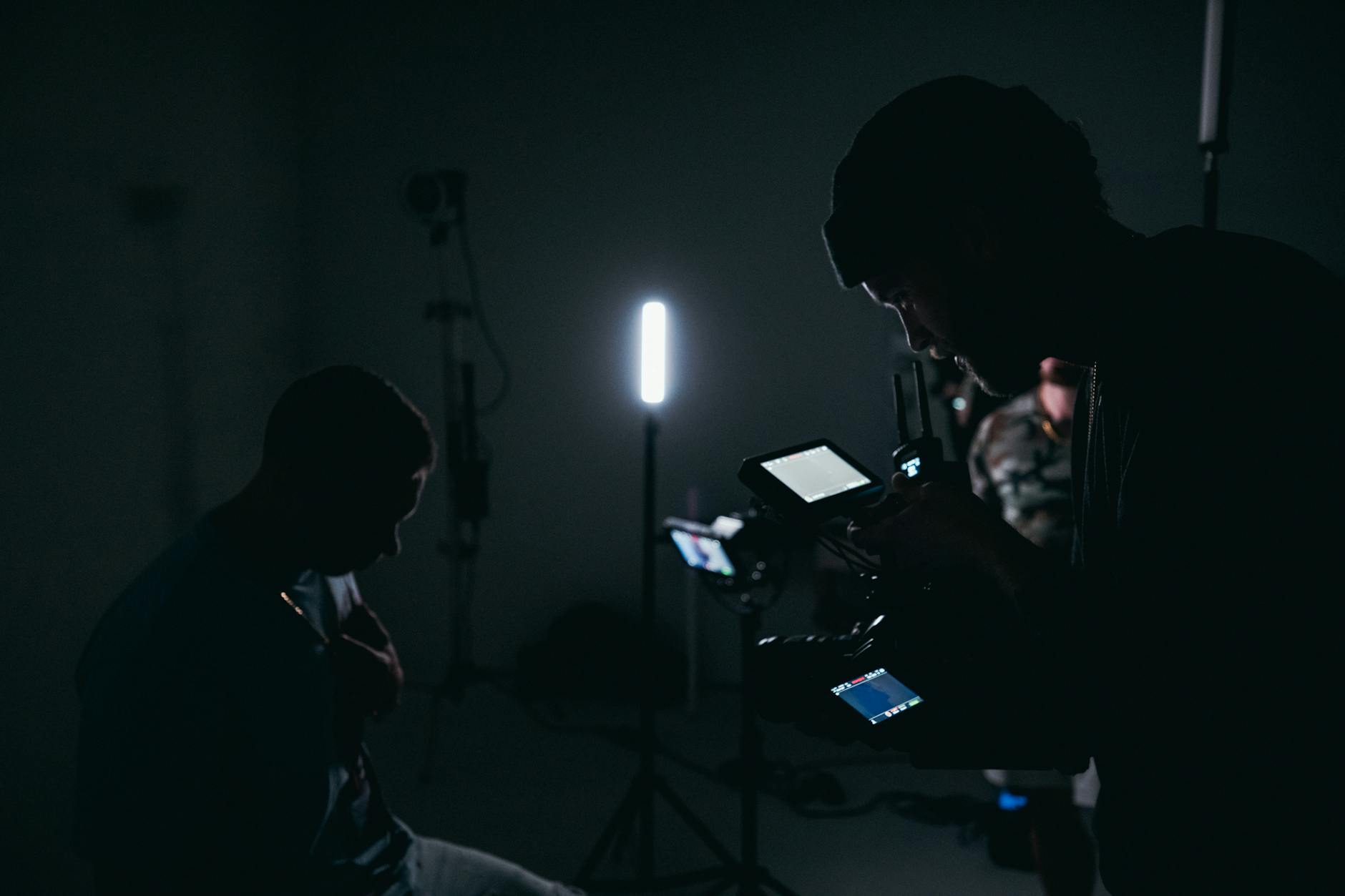
Moreover, professional real estate photography helps to accurately represent the property's size, layout, and features. This transparency builds confidence among potential buyers, reducing the likelihood of misunderstandings or misrepresentations that could hinder a sale later in the process. A comprehensive visual presentation, crafted by experts, ensures every aspect of the property, from spacious living areas to intricate architectural details, is showcased at its best.
In markets like Miami, characterized by luxury and diversity, the impact of exceptional imagery extends beyond mere aesthetics. It is a strategic asset that facilitates faster sales, potentially higher asking prices, and wider reach. As digital marketing continues to evolve, the importance of professional real estate photography is more evident than ever, making it an indispensable element in an agent’s or seller’s toolkit for successful property promotion.

Choosing the Right Equipment and Lighting
Selecting the appropriate equipment is vital for achieving stunning real estate images that capture the property's essence. High-resolution DSLR or mirrorless cameras are industry standards, offering the detail and clarity necessary for compelling visuals. Wide-angle lenses, typically between 14mm and 24mm, enable photographers to capture expansive interior spaces in a single shot, emphasizing the property's openness and flow. Tripods are essential for maintaining stability, especially in lower light conditions, ensuring sharp images without motion blur.
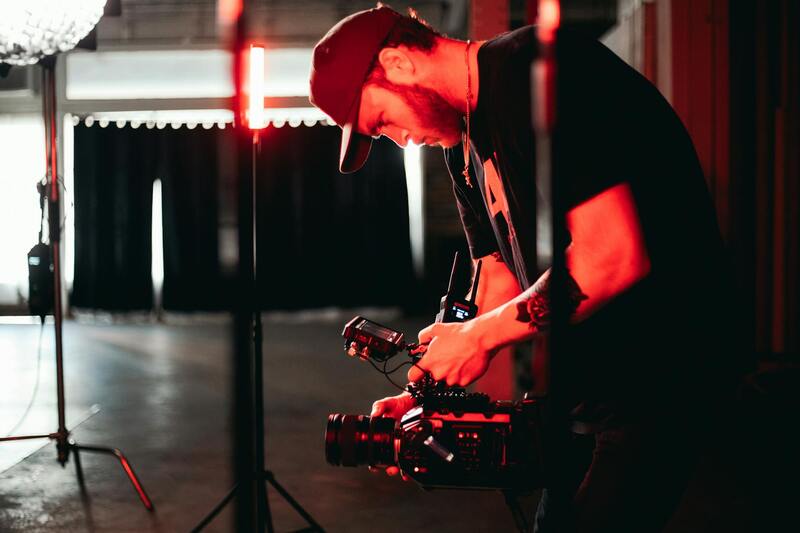
Lighting plays a critical role in real estate photography. Natural light enhances the vividness and accuracy of colors and textures, making spaces appear warm and inviting. Photographers often schedule shoots during the day to capitalize on optimal sunlight—typically during mid-morning or late afternoon when sunlight is softer and more diffuse. In interior settings, supplemental lighting such as softboxes or LED panels ensures consistent illumination, eliminating shadows and highlighting architectural details. Proper lighting setup can dramatically improve image quality, providing a bright, clear view of each room, which aids prospective buyers in envisioning themselves within the space.
Best Times and Conditions for Shooting
Timing your shoot to coincide with the best weather and natural lighting conditions is crucial. Overcast days offer diffuse sunlight that reduces harsh shadows, creating balanced illumination across both interior and exterior photos. Early mornings or late afternoons are ideal because they provide warm, soft light that enhances the property's curb appeal and interior ambiance. Avoiding midday sun minimizes reflections and blown-out highlights, leading to more balanced images. Seasonal considerations can also influence the shoot's success. For example, shooting in spring or early summer can showcase vibrant landscaping, while winter shoots may emphasize cozy interiors. Ensuring the property is free from weather-related obstructions, such as rain or fog, will help maintain clarity and focus. Ultimately, selecting the right time maximizes natural light and ensures the property looks its best in the resulting images.

Capturing Different Types of Shots
A comprehensive real estate shoot includes a variety of shot types to fully showcase the property’s layout and features. Wide-angle shots are used for main living spaces and exteriors, conveying the scale and openness of areas like living rooms, kitchens, and outdoor terraces. Detail shots focus on unique architectural elements, finishes, appliances, and decorative features that add character and appeal. Interior shots should emphasize space and flow, capturing rooms from multiple angles—corner views, doorways, and top-down perspectives when possible. Exterior images highlight curb appeal, landscaping, and outdoor amenities such as pools, patios, and gardens. Aerial shots, if available, can provide a comprehensive view of the property and its surroundings, especially in Miami’s scenic neighborhoods. Portrait-style or lifestyle shots can also be incorporated to evoke an emotional response, depicting the property as a desirable lifestyle destination. By diversifying shot types, real estate professionals can craft a compelling visual story that appeals to a broader audience and emphasizes different selling points of the property.
Post-Production Editing and Optimization
After capturing images, the editing process refines visuals to meet high standards. Professional editing involves adjusting brightness, contrast, and color balance to enhance realism and aesthetic appeal. Correcting any lens distortions or perspective issues ensures images accurately represent the space. Removing temporary distractions such as clutter, wires, or reflections further improves the overall presentation. Image optimization is essential for online platforms where quick loading times and visual clarity are crucial. Resizing images to appropriate dimensions, compressing them without loss of quality, and applying subtle sharpening techniques help maintain professionalism and usability across various marketing channels. Color consistency is maintained throughout the shoot, ensuring all images reflect the true appearance of the property, which builds trust and transparency. Employing advanced editing software allows for fine-tuning details, enhancing textures, and highlighting architectural features, making each image more impactful and engaging for prospective buyers.
Best Practices for Delivering and Using Real Estate Photos
Timely delivery of high-quality images is critical for seamless marketing campaigns. Digital files should be provided in multiple resolutions, including optimized versions for online listings and high-resolution images suitable for print or brochures. Clear file naming conventions and organized folders streamline the process for agents and marketers. Consistency in style and presentation enhances the property’s professional image, reinforcing branding efforts. High-quality images should be used across all channels—MLS listings, social media platforms, email campaigns, and printed marketing materials—to maximize outreach. When deploying images, ensuring they are properly categorized and tagged facilitates easy access and referencing. Incorporating virtual tour capabilities or 360-degree views alongside images offers a comprehensive virtual experience, engaging buyers remotely. Regularly updating visual content to reflect changes in property condition or landscaping helps maintain an accurate online presence. Ultimately, well-curated and strategically delivered images serve as powerful tools that attract more inquiries, generate interest, and accelerate sales processes.
Choosing the Right Equipment and Lighting
Achieving high-quality real estate images begins with selecting the appropriate equipment and establishing proper lighting conditions. Professional-grade cameras with full-frame sensors are preferred, as they offer superior resolution and dynamic range, ensuring that every detail of the property is captured vividly. Lenses should be versatile, with wide-angle options (typically 14-24mm) to encompass entire rooms in a single shot, providing viewers with a comprehensive perspective of interior spaces.
Supplementing camera gear with a sturdy tripod ensures stability, reduces motion blur, and facilitates precise framing, especially in lower light conditions. Remote shutters or timer functions prevent camera shake during exposure, crucial for sharp images.
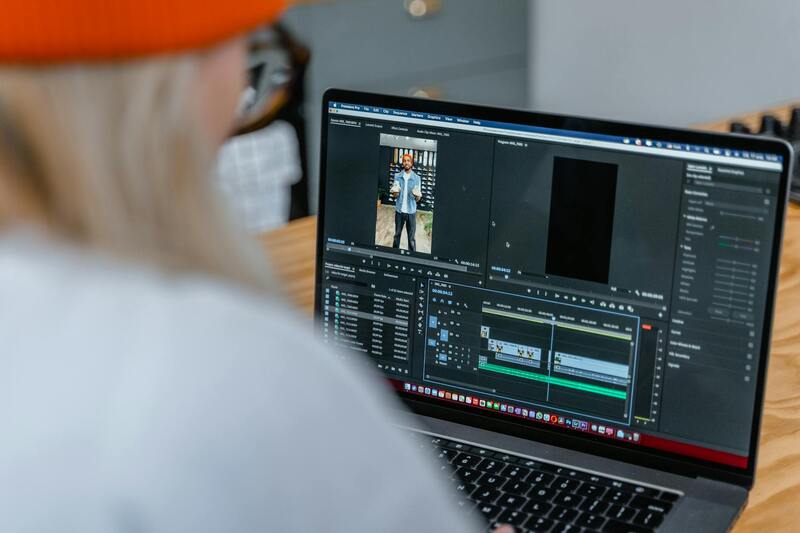
Lighting plays a pivotal role in real estate photography. Natural light is ideal when available, so scheduling shoots during daylight hours with optimal sunlight enhances brightness and color accuracy. To complement natural light, professional lighting equipment such as softboxes, diffusers, and reflectors can be employed to soften shadows and evenly illuminate darker areas.
On-site lighting adjustments are essential for balancing interior light levels, especially in rooms with different window sizes or lighting fixtures. Using high Color Rendering Index (CRI) bulbs ensures that colors appear true to life, which accurately represents the property's aesthetic. Skillful use of supplemental lighting not only brightens spaces but also emphasizes architectural features, textures, and finishes.
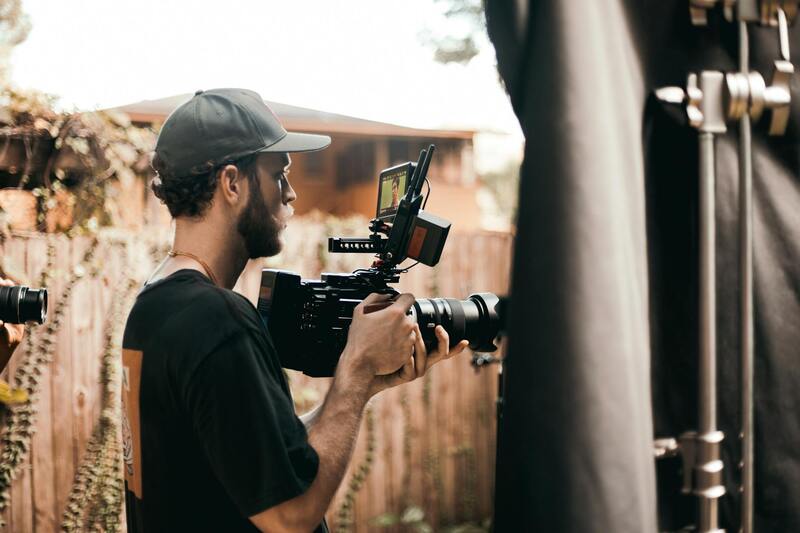
Mastering equipment and lighting fundamentals allows photographers to produce images that are both visually appealing and technically precise. The combination helps to create a compelling visual narrative that draws potential buyers' attention and showcases the property's true potential.
Choosing the Right Equipment and Lighting
To achieve compelling real estate imagery that accurately represents a property's appeal, selecting the appropriate equipment and mastering lighting techniques are fundamental. High-quality DSLR or mirrorless cameras equipped with wide-angle lenses are often preferred because they can effectively capture expansive interior spaces without distortion. Tripods are indispensable for ensuring stability, especially in low-light conditions or when shooting interiors with limited natural light. These devices allow for longer exposures, which contribute to brighter, clearer images with minimal camera shake.
In addition to camera gear, proper lighting setup is essential. Natural light is the most desirable source; scheduling shoots during midday when sunlight is abundant often results in vibrant, true-to-life photos. When natural light is insufficient or uneven, professional lighting tools like softboxes, diffusers, and reflectors can be employed to uniformly illuminate rooms. Proper placement of lights minimizes shadows, enhances textures, and accentuates architectural features.
Using lighting with a high Color Rendering Index (CRI) ensures that colors are vividly represented, creating an accurate visual impression of the space. This attention to detail helps prospective buyers gauge the true appearance of the property. Together with appropriate equipment, skillful lighting creates an inviting atmosphere that highlights the property's best attributes and downplays less attractive areas.
Capturing Different Types of Shots
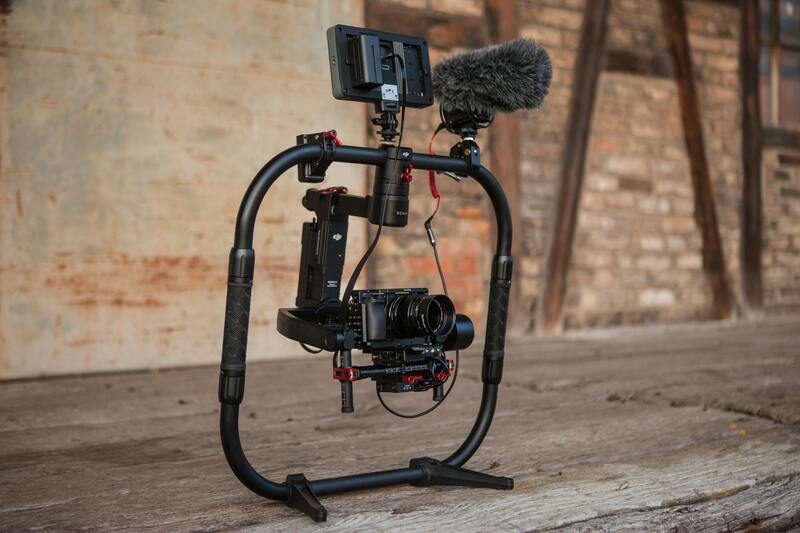
A comprehensive real estate shoot involves a variety of angles and perspectives to vividly showcase a property’s features. Exterior shots set the first impression, highlighting curb appeal and landscaping. For these images, wide-angle lenses capture the full façade, emphasizing the scale and design elements of the property. Drones are especially effective here, providing aerial views that showcase the property's size, neighborhood context, and surrounding amenities. Such footage offers prospective buyers an understanding of the property's setting within its environment.
Interior shots focus on layout, natural lighting, and architectural details. Using wide-angle lenses helps to convey spaciousness in living rooms, bedrooms, and kitchens, while telephoto lenses are useful for emphasizing specific features like intricate moldings or textured surfaces. Consistent image quality and lighting are critical to achieve a polished look. Properly staged rooms with tidy, inviting atmospheres tend to perform best, as they appeal to viewers seeking ready-to-move-in homes.
Detail shots are equally important for highlighting unique or desirable features, such as custom cabinetry, high-end appliances, or special architectural details. These images add depth to the property’s presentation and can influence buying decisions by emphasizing quality and craftsmanship. Implementing a strategic combination of exterior, interior, drone, and detail shots ensures that viewers receive a well-rounded understanding of the property, compelling them to engage further.
Post-Production Editing and Optimization
Following the shoot, editing plays a crucial role in refining images to meet high standards of quality and consistency. Color correction ensures that the property’s hues are vibrant yet truthful to reality, aiding in accurate representation. Adjusting brightness, contrast, and sharpness enhances visual appeal without oversaturating or distorting features.
Retouching can also be applied sparingly to remove distractions such as minor imperfections, cables, or clutter, while preserving the integrity of the space. This step ensures that each image presents the property in its best light, attracting more interest from potential buyers. Additionally, optimizing images for various digital platforms—such as websites, social media, and listing portals—means resizing and compressing files without sacrificing quality, allowing for rapid loading times and clear visuals across all devices.
Best Practices for Delivering and Using Real Estate Photos
High-quality images are fundamental for marketing a property effectively. Clear, well-lit photographs should be delivered promptly to keep listings current and engaging. Including a balanced selection—covering exterior shots, main living spaces, bedrooms, bathrooms, and standout features—ensures viewers receive a comprehensive visual overview.
Imagery should be used strategically across multiple channels. Online listings with appealing images tend to attract more inquiries, while virtual tours or 3D walkthroughs incorporating these photographs enhance engagement. Consistency in branding and image style across platforms builds trust and professionalism. Utilizing images in social media marketing, email campaigns, and website galleries helps maintain a cohesive property presentation, increasing the likelihood of attracting serious buyers.
Partnering with Miami Real Estate Agents and Agencies
Collaborating with local real estate professionals ensures that the visual material aligns with market expectations and target demographics. Agents provide valuable insights into the property’s most appealing features and can advise on specific shot preferences or staging strategies. Such partnerships facilitate a seamless process, from scheduling shoots to final delivery.
Experienced Miami real estate agents often have established marketing channels, including online listings, print materials, and print advertisements, where high-quality imagery significantly enhances property visibility. Working together allows for a tailored approach—highlighting a property's unique selling points and positioning it competitively within Miami’s vibrant market. This synergy between professional photography and real estate expertise consistently results in increased interest and quicker sales.
Understanding the Importance of Professional Real Estate Photography
In the highly competitive Miami real estate market, the quality of property imagery can significantly influence a property’s visibility and appeal. High-resolution photography captures the essence of a home's unique features, showcasing spaces in their best light and allowing prospective buyers to envision themselves within the environment. Professional real estate photography not only highlights the property’s architectural details, interior design, and overall ambiance but also creates a trustworthy impression for viewers, translating into increased inquiries and faster sales.
Effective images serve as a vital first impression, especially in online listings, where potential buyers often make snap judgments based on visuals alone. Crisp, well-composed images communicate professionalism, reliability, and transparency. They also support various marketing strategies, from digital ads and social media campaigns to printed brochures and virtual tours. Consequently, investing in professional photography elevates a property's market position, drawing more attention from serious buyers and top-tier real estate agents seeking compelling visuals to include in their marketing portfolios.
Moreover, high-quality imagery enhances a property's perceived value. When photos are clear, brightly lit, and accurately represent the space, they evoke a sense of quality and desirability, encouraging quicker offers and better sales prices. This correlation emphasizes the importance of professional expertise in capturing the property’s best attributes, ultimately leading to more effective marketing efforts and increased return on investment for sellers and agents alike.
Preparing a Property for a Real Estate Shoot
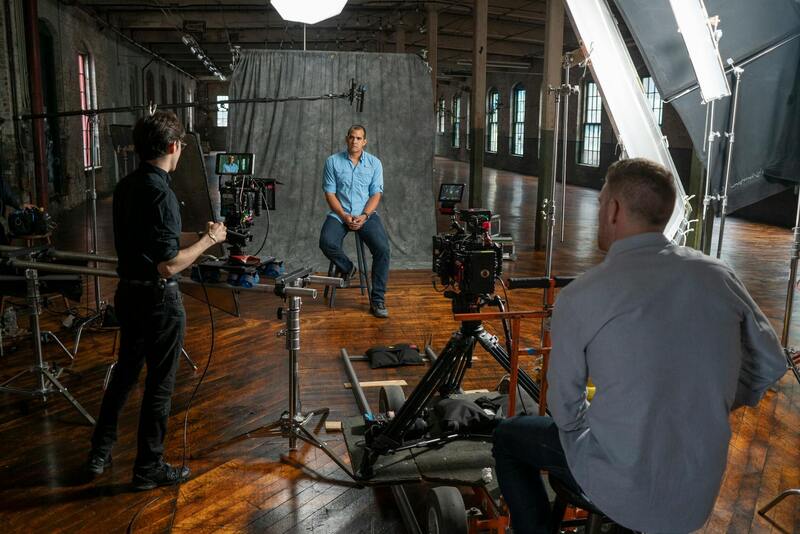
Proper preparation ensures that the photographer captures the property in its best possible condition. A tidy, well-organized space reflects positively on the property’s potential and minimizes distractions within the images. Sellers and agents should start by decluttering all living areas, removing personal items, and ensuring surfaces are clean and free of stains or dust. Attention to detail extends to repairing minor damages, such as chipped paint or loose fixtures, which can be easily overlooked but significantly affect the overall impression.
Staging the home strategically enhances its appeal by highlighting its strengths. This may involve rearranging furniture to optimize flow, adding tasteful decor, and ensuring each room appears inviting and functional. Lighting plays a crucial role; natural light should be maximized by opening curtains and blinds, while supplementary lighting can be used to brighten dim areas. Proper preparation enables the photographer to focus on capturing striking visuals without needing extensive post-production edits to correct oversights.
Owners should also consider scheduling the shoot at an optimal time of day, typically when natural light is abundant, and external surroundings are most appealing. This reduces the need for extensive editing and ensures the images genuinely reflect the property’s authentic character. Strategic staging and preparation serve as the foundation for compelling visuals that effectively attract buyers and generate interest.
Choosing the Right Equipment and Lighting
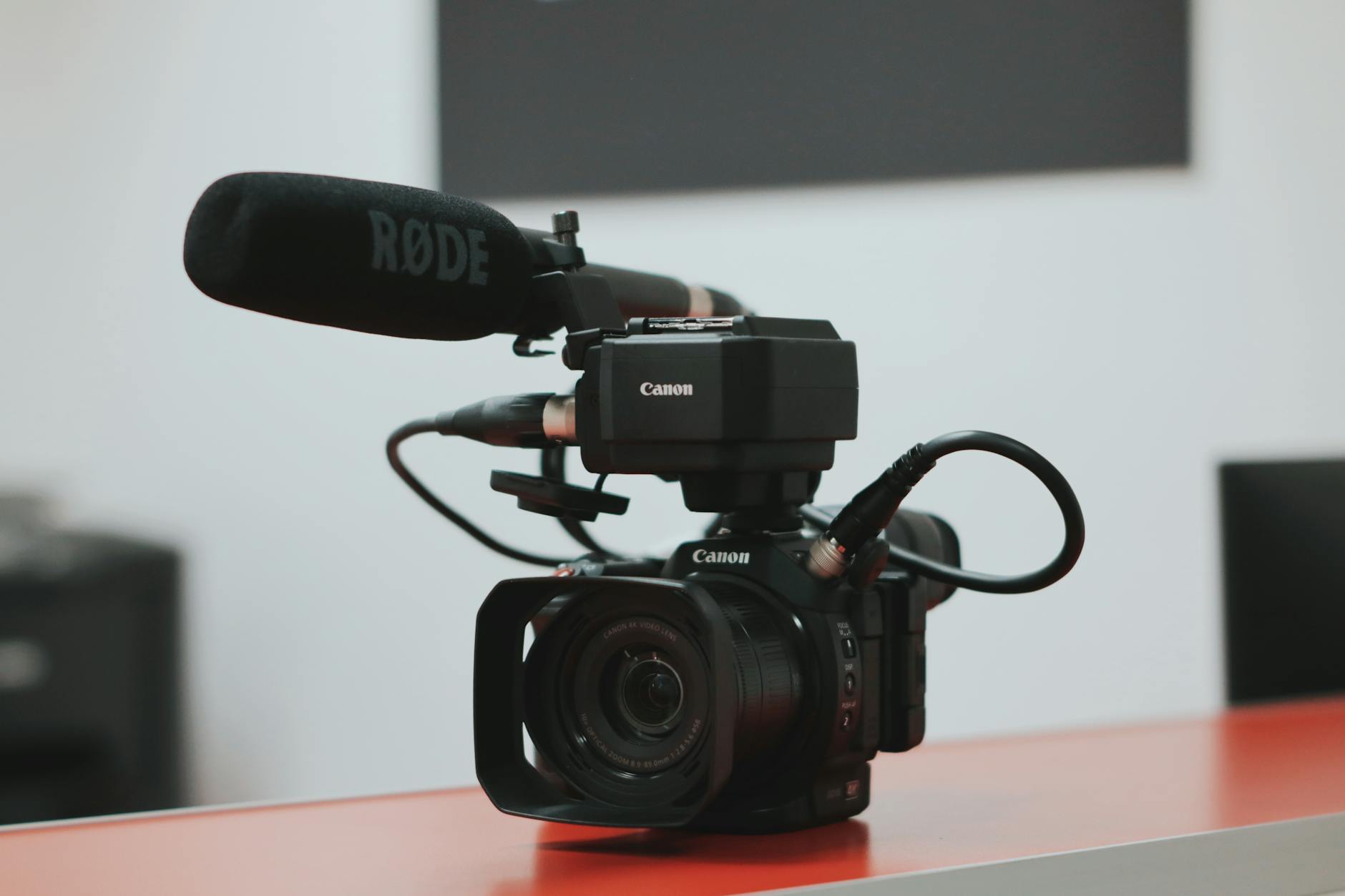
The selection of equipment significantly impacts the quality of real estate images. Professional cameras with wide-angle lenses are essential to accurately capture the scope of interior spaces while maintaining clarity and detail. Tripods ensure stability, preventing blurry images caused by camera shake, especially in lower-light situations.
Lighting, both natural and artificial, is critical in achieving vivid, balanced images. During the shoot, natural light should be maximized by scheduling at times when sunlight fills the rooms without creating harsh shadows. Softbox lights or LED panels can supplement natural light to fill darker areas evenly, avoiding unwanted shadows or overexposed spots that distort the true color and tone of the space.
Understanding light direction, color temperature, and the interplay between natural and artificial sources enables a photographer to craft images that are vibrant, inviting, and true to the property's appearance. Using professional-grade equipment combined with skillful lighting techniques ensures consistent results that meet marketing standards and create a compelling visual narrative for each listing.
Best Times and Conditions for Shooting
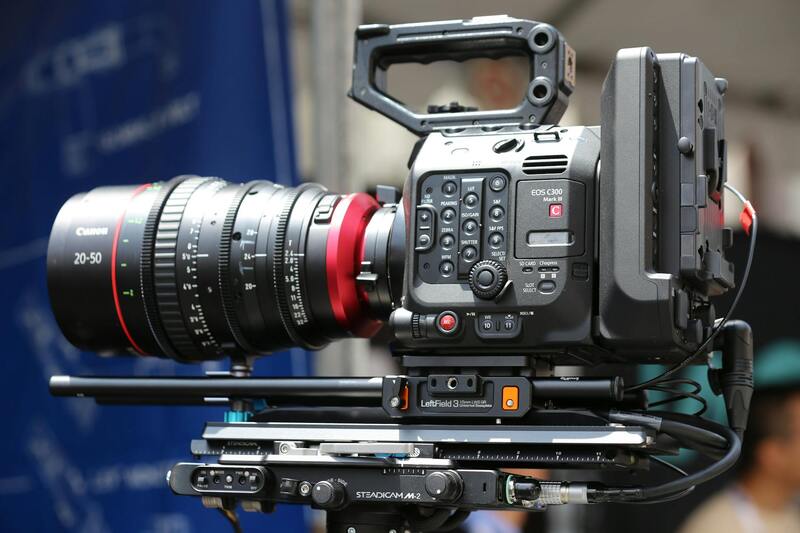
The timing of real estate shoots greatly affects the quality of images. Mid-morning to early afternoon often provides optimal natural daylight, which enhances space and minimizes unflattering shadows. Overcast days are also suitable, offering diffuse lighting that evenly illuminates interiors and exteriors, reducing harsh contrasts that can detract from the image’s clarity.
For exterior shots, the best times are during golden hour — shortly after sunrise or before sunset — when natural light bathes the property in warm, inviting tones. Proper weather conditions are equally important; clear, sunny days generally produce the most appealing images, whereas rainy or overly cloudy days may result in dull, uninviting photos.
Planning the shoot around these conditions ensures that the visual presentation aligns with market expectations and showcases the property at its most attractive. Scheduling photography at the right time also reduces the need for extensive editing, providing authentic and high-quality images optimized for digital and print marketing campaigns.

Capturing Different Types of Shots
To create a comprehensive visual presentation, a variety of shots must be captured, each serving a distinct purpose in marketing efforts. Wide-angle shots of living rooms, kitchens, and bedrooms are foundational, providing viewers with a clear sense of space and layout. These images should be taken from strategic vantage points to maximize the room's dimensions and natural flow.
Exterior shots include front views, backyard areas, and notable architectural features. These images should emphasize curb appeal and the property's surrounding environment. Detail shots highlighting unique fixtures, finishes, or decorative elements add depth and interest, giving potential buyers insight into the property's quality and craftsmanship.
Additional specialized shots, such as drone footage or aerial views, can provide perspective on the property’s size, layout, and neighborhood context, drawing attention to features that are not visible from ground level. Interior shots incorporating different perspectives—such as overhead views or close-ups—provide a layered understanding of the space.
Employing a diverse array of images ensures that the listing tells a complete story of the property’s attributes, enticing buyers with a compelling combination of aesthetic appeal and factual information. These images, when executed with technical proficiency, significantly improve engagement and facilitate faster decision-making in the competitive Miami real estate landscape.
Post-Production Editing and Optimization
Followed by careful editing, the real estate images are prepared to meet the highest standards of visual appeal and accuracy. Post-production involves color correction to ensure the images reflect the property's real appearance, adjusting brightness, contrast, and saturation to create vibrant, inviting visuals. It's essential to correct any distortion caused by wide-angle lenses, ensuring straight lines and proportional perspectives to accurately represent the property's dimensions. Retouching also plays a role in enhancing the property's features. This may include removing minor imperfections, such as stains or clutter, and enhancing lighting in darker areas to reveal details that could be lost in shadows. When necessary, sky replacement or background adjustments can be employed to improve exterior shots, especially during overcast or dull weather conditions. Optimization for online platforms involves resizing images to ensure quick loading without sacrificing quality. This includes creating various versions tailored for different uses, such as high-resolution images for print brochures and optimized files for website galleries or social media posts. Proper metadata, including relevant keywords and image descriptions, are added to improve search engine visibility and attract more viewers. Advanced editing techniques, such as virtual staging or 3D floor plans, can further elevate the listing, giving potential buyers a clearer envisioning of the space. These enhancements should be executed with a balanced approach to maintain the integrity of the property's true appearance, providing an authentic experience that encourages prospective buyers to make inquiries. High-quality photos are vital for maximizing the property's appeal in a competitive market. Professional editing ensures each image is polished, consistent, and aligned with the overall marketing strategy, ultimately leading to increased interest and faster sales.
Utilizing Drone Photography and Aerial Shots
One of the most impactful methods for showcasing larger properties or unique exterior features is through drone photography. Aerial footage provides a comprehensive perspective that ground-level shots cannot capture, highlighting the property's relationship to its surroundings, such as nearby parks, bodies of water, commercial hubs, or scenic views. Incorporating drone shots into your real estate shoot can significantly elevate the property's appeal in a competitive market.
To ensure high-quality drone imagery, it is essential to use advanced stabilization technology and high-resolution cameras. Proper planning involves assessing the property for optimal flight paths that showcase key features without infringing on privacy or encountering restricted airspace. Choosing the right weather conditions — clear skies and minimal wind — ensures stable footage and sharp images.
Addressing Property Features and Landscaping
Highlighting the property's external features such as swimming pools, expansive lawns, outdoor entertaining areas, or recent landscaping updates through high-quality images can influence buyer interest. These areas often serve as key selling points, especially when staged or maintained meticulously. Photographers should stagger shots at different times of the day to capture natural light angles that enhance the textures and colors of landscaped elements.
Adapting to Different Property Types
Each property type demands tailored photography approaches. For example, luxury estates may benefit from expansive wide-angle shots that communicate grandeur, while urban condos might require showcasing panoramic city views through high-rise windows. Commercial properties might focus more on internal layouts and external signage, emphasizing accessibility and traffic flow.
Highlighting Unique Architectural Details
Interest in the property can be piqued by capturing distinctive architectural features—such as intricate facades, custom designs, or historically significant elements. Utilizing various angles and focal lengths ensures these features are prominently displayed, making the listing more memorable and attractive to niche audiences seeking unique homes.
Emphasizing Lifestyle and Ambient Features
In addition to structural shots, capturing lifestyle elements—like outdoor dining setups, garden lounges, or scenic vistas—can help prospective buyers envision themselves living in the space. Good composition and lighting bring out the inviting atmosphere, reinforcing emotional appeal and increasing engagement with the listing.