Importance of Professional Real Estate Photography
In Miami's vibrant real estate market, the power of high-quality property photography cannot be overstated. As many prospective buyers begin their property searches online, first impressions are often shaped by the visual appeal of listing images. Properly executed real estate photography has the potential to significantly influence buyer perception, showcasing a property's best features and creating an emotional connection even before a physical visit. This visual impact not only accelerates the decision-making process but also increases the property’s visibility amidst the multitude of listings in Miami’s competitive landscape.
Potential buyers frequently rely on online images to narrow down their options, and listings with professional photography generally attract more clicks, longer viewing times, and higher inquiry rates. In a bustling real estate environment like Miami, where luxury condos, waterfront homes, and unique architectural designs are prominent, expertly captured images serve as a key differentiator. They elevate a property’s perceived value and help it stand out in search results, which directly contributes to faster sales and often higher offers.
Moreover, high-quality real estate photos foster trust and credibility. Clear, well-lit images demonstrate transparency and a sincere presentation of the property, which reassures buyers about the authenticity of the listing. Conversely, poorly shot or unprofessional images can deter potential customers, diminish perceived quality, and lead to missed opportunities. Therefore, investing in professional real estate photography enhances marketing effectiveness, ensuring properties receive the exposure necessary to succeed in Miami's dynamic market.
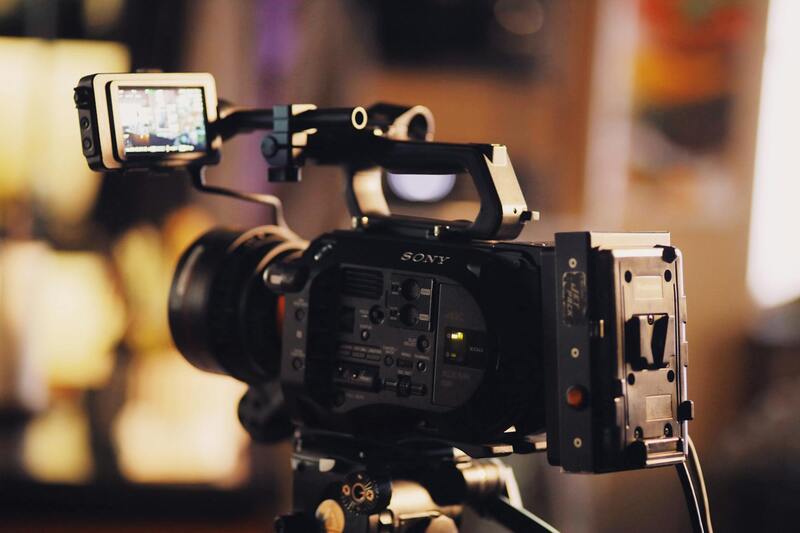
In summary, emphasizing the role of professional real estate photography as a cornerstone of effective property marketing is crucial. It influences buyer perceptions, increases the likelihood of property visibility, and ultimately accelerates the sales process. As Miami continues to attract international and local investors, the significance of expertly presented images grows even more, solidifying the importance of high-quality photography in successful real estate transactions.
Key Elements of High-Quality Property Photos
- Optimal Lighting: Using natural light and supplemental lighting to highlight spaces vividly.
- Composition: Framing shots to showcase the property's best features and maximize space perception.
- Image Resolution: Ensuring photos are sharp and clear, capturing every detail for a realistic presentation.
- Angle and Perspective: Selecting perspectives that depict rooms accurately and create a sense of depth.
- Post-Processing: Employing subtle editing to enhance images without misrepresentation.
Choosing the Right Equipment and Techniques
To produce compelling real estate property photography that drives interest and supports effective marketing, selecting appropriate equipment and employing refined techniques is fundamental. High-quality photographs depend on a combination of specialized gear and practiced methodologies that ensure each shot accurately represents the property’s value and appeal.
Professional real estate photographers typically utilize full-frame DSLR or mirrorless cameras equipped with wide-angle lenses. These lenses are crucial in capturing expansive room views and architectural details without distortion, allowing potential buyers to visualize space effectively. Tripods are indispensable for achieving sharp, stable images, especially in lower light conditions or for interior shots that require longer exposure times.
Additionally, drone photography has become an invaluable tool in showcasing the property's external features and surrounding environment from an elevated perspective. Drones provide sweeping views of large estates, waterfront properties, and landscaped gardens—an effective way to highlight Miami’s diverse neighborhoods and outdoor amenities.
When it comes to shooting techniques, understanding the importance of proper lighting and composition cannot be overstated:
- Optimal Lighting: Utilizing natural light by scheduling shoots during times when sunlight enhances interior spaces—generally mid-morning or late afternoon—reduces reliance on artificial light sources, which can sometimes create unflattering color casts. Supplementary lighting, such as portable flash units or softboxes, may be used to fill shadows or illuminate dark corners.
- Perspective and Angles: Choosing the right vantage point allows for an accurate depiction of room dimensions. Shooting from a corner often provides a sense of depth, while aligning the camera level to the horizon prevents distortion and maintains vertical lines, especially in long hallways or tall ceilings.
- Post-Processing Techniques: Subtle adjustments to brightness, contrast, and color balance help achieve images that are vibrant yet authentic. Skilled editing corrects lens distortions and enhances key features without overselling the property’s appearance, maintaining integrity and transparency.
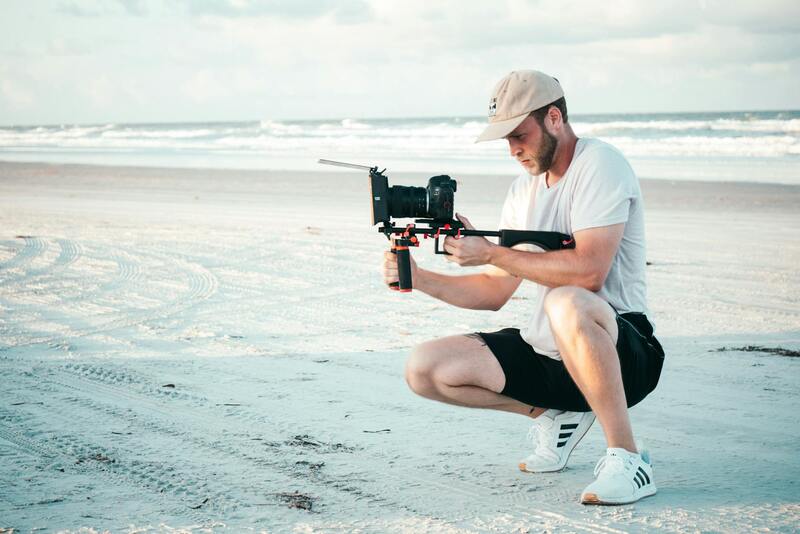
Overall, the mastery of the right tools and methods directly influences the effectiveness of real estate photography. When executed with precision, such images serve as powerful visuals that resonate with prospective buyers and support a successful marketing narrative across various platforms.
Legal and Ethical Considerations in Real Estate Property Photography
When engaging in real estate property photography, it is imperative to adhere to standards that uphold trust and professionalism in the industry. This entails following established guidelines for capturing and sharing images, respecting privacy rights, and ensuring authenticity of the visuals presented. These practices help maintain transparency with potential buyers and safeguard the reputation of agents and property owners alike.
One primary aspect involves obtaining proper authorization before photographing a property. This includes securing consent from property owners or authorized representatives and clarifying the intended use of the images. Clear communication regarding what will be captured and how the photos will be utilized contributes to positive relationships and minimizes misunderstandings.

Respecting the privacy of individuals living within or frequenting the property is a crucial component of ethical photography. Avoid capturing images that include personal belongings, private areas, or individuals without prior permission. In some cases, this might mean obscuring or removing identifying features or sensitive details from images before publication.
Maintaining authenticity in property presentation is also vital. Avoid using excessive or misleading post-processing techniques that alter the true appearance of the space. Overly edited images can lead to unrealistic expectations and potential dissatisfaction among buyers. Accurate representation cultivates trust and expedites the decision-making process.
Best Practices for Ethical Real Estate Photography
- Obtain explicit permission from property owners or authorized personnel before conducting a shoot.
- Ensure that all images accurately depict the property without excessive alteration.
- Respect the privacy of residents by avoiding images that showcase personal spaces or identifiable individuals.
- Use professional editing techniques that enhance visuals while maintaining authenticity.
- Follow local regulations and guidelines related to photography and property marketing.
By implementing these practices, real estate professionals can foster integrity in their marketing efforts, building credibility with clients and prospective buyers. Such an approach not only aligns with industry standards but also ensures that visual content serves as a trustworthy foundation for the property’s digital presentation.
Legal and Ethical Considerations
Maintaining ethical standards in real estate property photography is essential to foster trust and credibility within the market. Ensuring that all images are accurate representations of the property can significantly influence prospective buyers’ perceptions and decisions. Photographers and agents should prioritize transparency by avoiding manipulations that may exaggerate or distort the property’s features. Precision in color calibration, perspective, and lighting helps preserve authenticity, offering a genuine view of what buyers can expect.
Respect for privacy also plays a crucial role in responsible photography. It involves obtaining explicit consent from residents or property owners before capturing images, especially in private or sensitive areas. When photographing interiors, care must be taken to exclude or obscure personal belongings and private spaces to uphold privacy rights. This conscientious approach demonstrates professionalism and enhances the reputation of the real estate agency.
Adhering to local regulations and guidelines related to property marketing and photography is vital. These can include restrictions on drone usage, privacy laws concerning photographs of individuals, or property-specific rules. Familiarity and compliance with such standards help prevent legal complications, ensuring a smooth marketing process. It also highlights the importance of continuous education for photographers and agents to stay informed about evolving regulations.
Best Practices for Ethical Real Estate Photography
- Obtain clear permission from property owners or authorized personnel before the shoot.
- Capture images that honestly depict the property’s condition and features.
- Avoid including private or personal spaces, especially if they do not form part of the marketing intent.
- Utilize professional editing to enhance visuals without altering the actual appearance.
- Follow local laws related to drone photography, privacy, and advertising standards.
Implementing these practices not only aligns with industry standards but also builds lasting trust with clients and prospective buyers. Authentic visuals foster a genuine understanding of the property, reducing the risk of misrepresentation and ensuring satisfied clients. This integrity supports a sustainable marketing approach that benefits all parties involved.
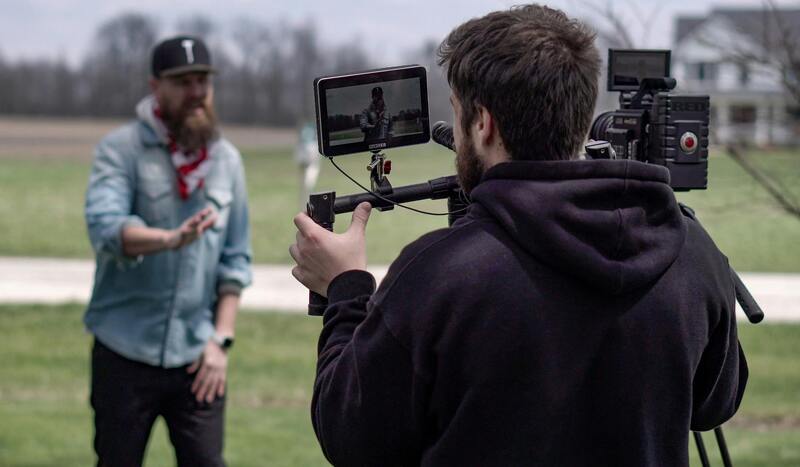
Legal and Ethical Considerations
In the realm of real estate property photography, understanding and adhering to established procedures for capturing and utilizing images is essential. Securing explicit permission from property owners or authorized representatives prior to the shoot ensures transparency and respects the ownership rights associated with the property. This process typically involves formal agreements or documented consent that clearly delineates the scope of the photography efforts.
Respecting the privacy of individuals is equally important, particularly when properties are occupied or contain private spaces. Photographers should be diligent in avoiding areas that are not intended for marketing, such as bedrooms or personal offices, unless permission has been granted. This practice not only maintains ethical standards but also fosters trust with clients and property owners.
The use of technology, such as drones or satellite imagery, necessitates compliance with specific procedures. Generally, this requires obtaining permits or authorizations from relevant local authorities or agencies. For instance, drone photography may involve registration and adherence to no-fly zones or altitude restrictions. These measures help ensure that aerial imagery is captured responsibly and within endorsed guidelines, thus avoiding potential complications.
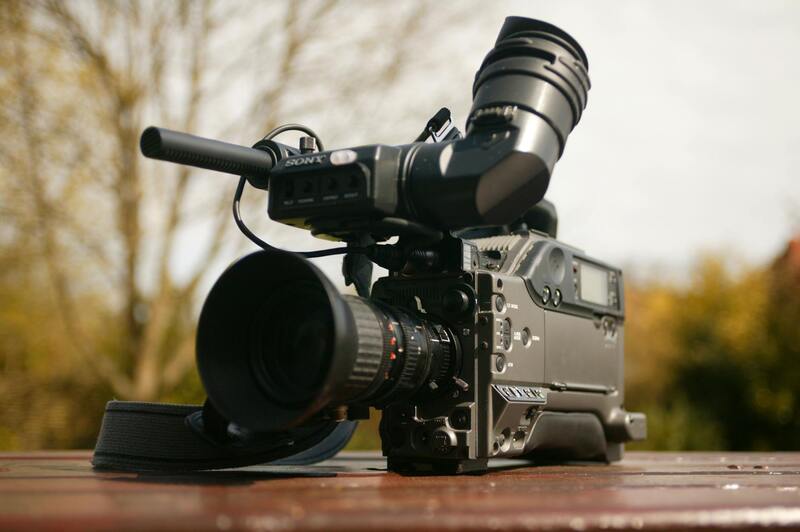
Further, ensuring that photographs accurately represent the property's condition and features is part of maintaining ethical standards. This involves refraining from digital alterations that could mislead potential buyers, thereby preserving the integrity of the marketing materials. When legitimate adjustments are necessary, they should be subtle and transparent, aiming solely to enhance visual clarity without deceiving viewers.
Adhering to Local Regulations and Permits
In Miami and other vibrant markets, photographing certain properties or using specific equipment such as drones often requires permits. These legal procedures are designed to promote responsible use of technology and safeguard individual privacy rights. Photographers, agents, and marketers should stay informed about the latest requirements established by city ordinances and state laws, updating their practices accordingly.
By following structured procedures and securing necessary documentation, professionals can mitigate risks associated with unauthorized photography. This diligent approach contributes to a transparent marketing process, ensuring that all promotional content aligns with authorized use and property rights. Consequently, property owners and prospective buyers are assured of authentic representations that reflect a true image of the property.
Legal and Ethical Considerations in Property Photography
In the realm of real estate property photography, professionals must operate within a framework that respects property rights and adheres to established guidelines for responsible image capture. Securing appropriate permissions prior to photographing a property is essential, especially when recording images in private residences, commercial spaces, or restricted areas. This process often involves obtaining consent from property owners or authorized personnel, ensuring that all parties are aware of the photographic activities and their intended use.
Respect for privacy and property rights extends beyond mere permissions. It also encompasses a commitment to accuracy and honesty in visual representation. Photographers should avoid digital manipulations that could distort the true appearance of a property or exaggerate its features. When image enhancements are employed—such as adjusting lighting, color balance, or removing minor imperfections—they should remain subtle, transparent, and serve to improve clarity without deceiving viewers.
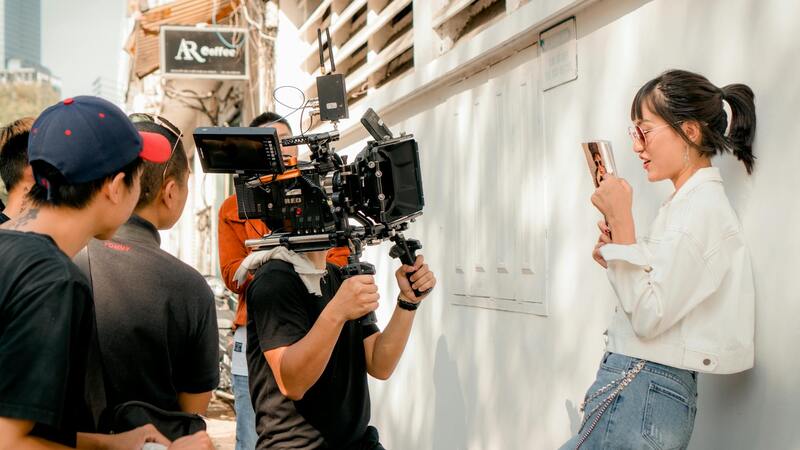
Legal compliance often involves navigating specific local regulations, especially concerning the use of photography equipment or technology like drones. In Miami, for instance, photographing high-rise buildings or capturing aerial shots may require flight permits and adherence to city ordinances designed to protect privacy and public safety. Ensuring that these permits are obtained prior to conducting such activities not only aligns with legal standards but also mitigates potential disruptions or misunderstandings.
Adhering to these standards underscores a professional commitment to responsible practice. It assures property owners that their assets are being marketed ethically, and prospective buyers receive an honest, unembellished view of the property. This process safeguards the agency's reputation and fosters trust within the local real estate market.

To reinforce this ethical foundation, real estate photographers and marketers should stay informed of evolving regulations, participate in industry training, and develop thorough checklists for each project. Incorporating these best practices minimizes risks, enhances transparency, and supports a compliant, professional standard of marketing in the competitive Miami property landscape.
Legal and Ethical Considerations
Ensuring that all photography activities adhere to established legal and ethical standards is essential for maintaining integrity in real estate marketing. Properly informed practices include securing necessary permits for aerial shots or drone photography, especially in urban environments like Miami, where city regulations are strict. Familiarity with local ordinances and obtaining appropriate permissions before shooting prevents potential legal complications and demonstrates professionalism.
Photographers and real estate agents should also respect the privacy of residents and neighboring properties. Avoiding intrusive or overly revealing shots ensures that marketing efforts are respectful and considerate of individual privacy rights. Ethical marketing involves presenting properties in an honest manner, refraining from digital alterations that misrepresent the current state of the property or its surroundings.
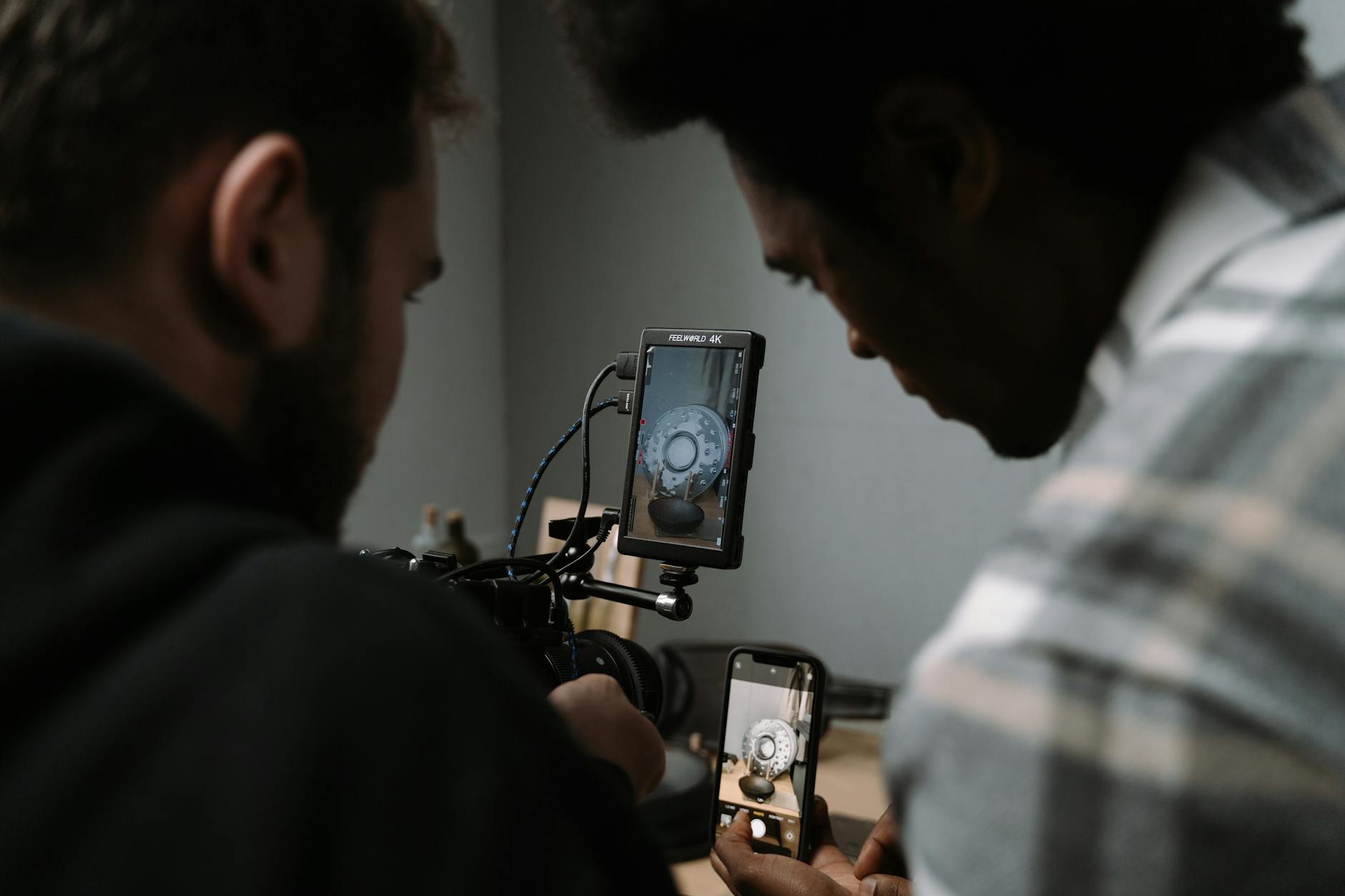
Maintaining transparency about the capabilities and limitations of property images is equally important. Clearly communicating what prospective buyers can expect from visual representations fosters a more genuine connection and reduces misunderstandings. This level of honesty supports long-term relationships within the real estate community and boosts client confidence.
Practicing responsibility also involves ongoing education about evolving industry regulations, standards, and technological innovations. Attendance at industry training, participation in professional associations, or consulting with legal advisors can help photographers and agents stay updated. Developing comprehensive checklists and workflows tailored to each project ensures consistent compliance, minimizing risks of oversight or missteps.

By prioritizing these principles, real estate professionals not only protect their practices but also fortify the reputation of their brand within Miami’s competitive property market. Ethical photography practices support transparency, foster trust, and pave the way for successful transactions built on genuine representations of property assets.
Ensuring Accurate and Responsible Property Representation
Maintaining transparency and trust within the real estate market relies heavily on adherence to high standards of property presentation. The use of official and credible methods in real estate property photography ensures that the images accurately depict the property's current condition, features, and spatial dynamics. This commitment to authenticity avoids misleading representations, which can lead to both buyer disappointment and reputational risks for agents and agencies.
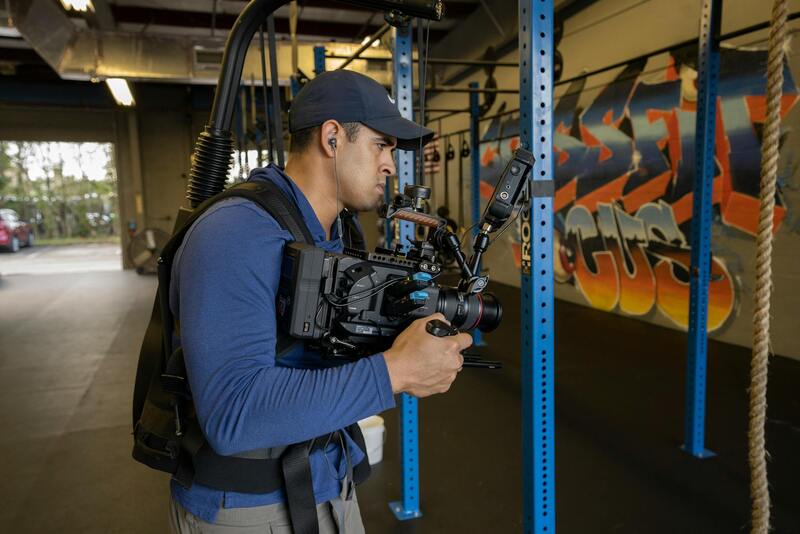
Authentic visual content is paramount when marketing property listings in Miami's competitive market. Accurate photos not only attract genuine interest but also facilitate informed decision-making for prospective buyers. To achieve this, agencies and photographers employ official methods such as professional-grade shoots, where lighting, angles, and staging are carefully managed to reflect the true character of the property without exaggeration or omission.
Utilizing Proper Documentation and Certification
Using certified professional equipment and obtaining necessary permissions or documentation for drone footage or aerial photography reinforces the legitimacy of the visual content. These approaches guarantee a high standard of control over the imagery quality, proper representation, and compliance with regional guidelines. Employing verified techniques not only enhances the listing’s credibility but also aligns with industry best practices, ensuring that every visual asset is prepared responsibly.
Employing Advanced Techniques with Accountability
- High-resolution imaging to accurately capture property details without digital enhancement
- Proper lighting setups that showcase the property in natural, true-to-life tones
- Use of calibrated color correction tools to ensure true color representation
- Transparency about the scope of photographic work and any necessary limitations
This comprehensive approach minimizes discrepancies between the online listing and the physical property, fostering trust and facilitating smoother transactions.
Protecting Consumer Rights and Property Integrity
Through official methods, such as documenting the photography process and maintaining clear records, real estate professionals uphold the integrity of their listings. These practices help avoid disputes related to misrepresentation and establish a reputation for honesty and professionalism within Miami's vibrant market.
Implementing Continuous Quality Control
Regular review of photographic content, ongoing staff training, and staying informed about technological advancements are essential components of responsible property marketing. These quality control efforts ensure that visual representations adhere strictly to factual accuracy and professional standards, reinforcing the trust placed in real estate marketing endeavors.
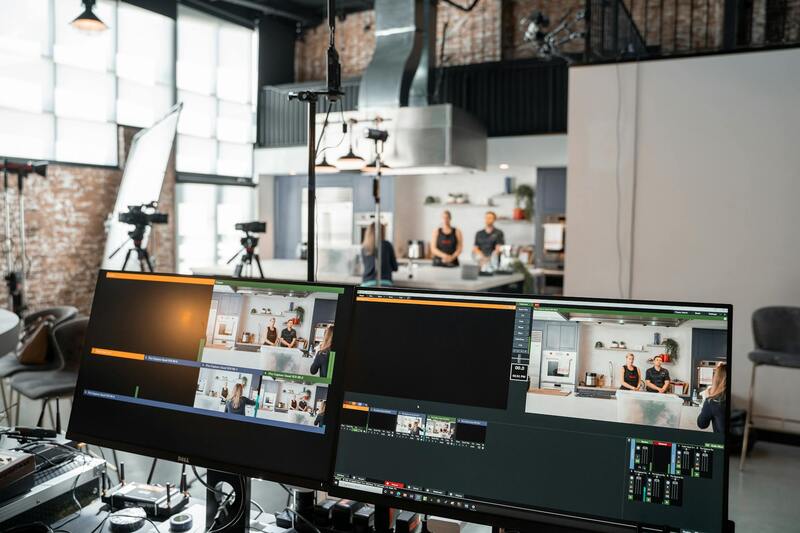
In summary, leveraging official, well-documented methods in property photography not only enhances listing quality but also upholds the integrity of the real estate industry. This strategic approach in Miami promotes transparent, honest communication that benefits both sellers and buyers, fostering long-term market stability and professional reputation.