Importance of HD Real Estate Photography
In the competitive Miami real estate market, high-definition (HD) photography has become a vital component of successful property marketing strategies. HD images significantly enhance the visual appeal of listings, allowing potential buyers to perceive spaces with remarkable clarity and detail. When prospective clients browse online listings, the quality of photographs can directly influence their decision to schedule a viewing or make an offer. Crisp, vibrant images create an inviting first impression, showcasing the property’s best features and evoking the atmosphere of each space.
Miami’s real estate landscape is diverse, ranging from luxurious waterfront condos to expansive suburban homes. In such a dynamic environment, HD photos serve as powerful tools to highlight unique architectural elements, scenic views, and high-end finishes. High-quality visuals also help properties stand out amid numerous listings, capturing attention faster and encouraging more clicks and inquiries.
Moreover, high-definition images facilitate a comprehensive online viewing experience, helping potential buyers assess the property's condition and layout without physically visiting. This becomes particularly advantageous in today’s digital-first approach, where virtual tours and online browsing are primary methods for initial property evaluation. Consequently, homes presented with HD images tend to generate a higher number of viewings, both virtual and in person, ultimately accelerating the sales process and maximizing property value in the Miami market.

Equipment and Techniques for Capturing HD Real Estate Photos
Producing high-quality, HD real estate images requires the use of specialized equipment combined with skilled photography techniques. At the core of this process are high-resolution digital cameras with full-frame sensors, capable of capturing intricate details and vibrant colors with excellent clarity. These cameras should be paired with wide-angle lenses, typically ranging from 10mm to 24mm, which enable capturing expansive interior shots and architectural details in a single frame. The use of high-quality lenses ensures that images retain sharpness and minimal distortion, which is essential for showcasing the property accurately.

Lighting plays a pivotal role in achieving stunning HD images. Professional photographers utilize a combination of natural light and auxiliary lighting tools such as off-camera flashes, strobe lights, or continuous LED panels. Proper lighting eliminates shadows, evens out exposure, and enhances the property's best features. Early morning or late afternoon light, often called the 'golden hour', provides natural warmth and softness that can make interior spaces more inviting.
Techniques such as HDR (High Dynamic Range) imaging are commonly applied. HDR involves capturing multiple exposures at different levels of brightness and blending them to produce images with balanced lighting, detail in shadows, and minimal highlights. This approach is especially useful in spaces with large windows or varying light conditions. Additionally, proper framing, symmetry, and attention to detail ensure that each shot highlights the property's unique attributes, creating a compelling visual narrative for prospective buyers.

Post-processing is the final step in producing HD images. Skilled editors adjust contrast, color balance, and sharpness to ensure that images accurately reflect the property's appearance while enhancing visual appeal. Maintaining consistency across all photos in a listing is crucial for creating a professional and cohesive presentation. These refined images serve as the cornerstone of compelling online listings, draw attention, and inspire confidence among potential buyers and investors alike.
Equipment and Techniques for Capturing HD Real Estate Photos
Achieving stunning, high-definition images of real estate properties requires specialized equipment and refined techniques. The cornerstone of professional real estate photography is the use of high-resolution digital cameras equipped with wide-angle lenses, which allow photographers to capture expansive interior and exterior spaces effectively. These lenses help in illustrating rooms with comprehensive clarity, making spaces appear larger and more inviting while minimizing distortion.
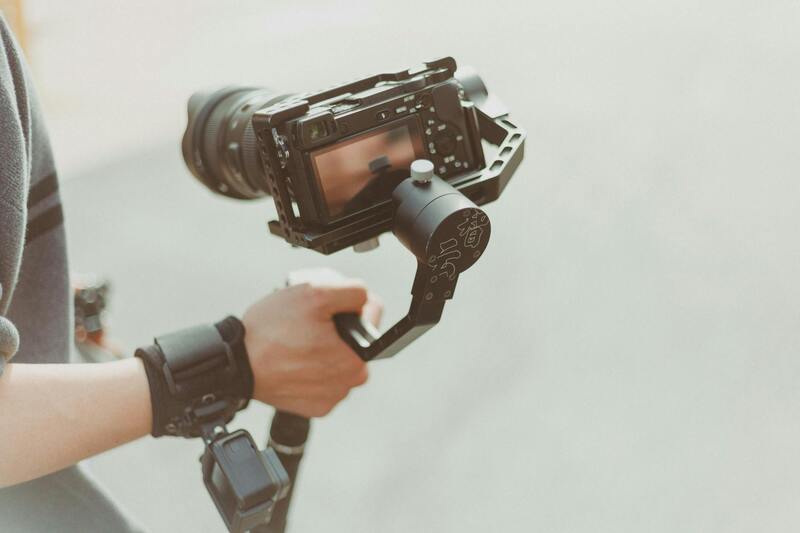
Alongside the camera gear, tripod stabilization is essential to ensure sharp images, especially in low-light conditions or when utilizing long exposure settings. Tripods prevent unwanted camera shake, resulting in crisp, detailed photographs that reflect the property's true character. For interior shots, optional stabilizing gimbals can be employed to facilitate smooth camera movements during walkthrough videos or panoramic captures.
Techniques such as proper aperture selection, often between f/8 and f/11, are used to balance depth of field and sharpness throughout the image. Low ISO settings help reduce noise and maintain image clarity, especially critical for HD images intended for upscale listings. Photographers also utilize tilt-shift lenses to correct perspective distortions, which can occur when photographing tall ceilings or exterior facades, ensuring the architecture is accurately represented.
Post-processing plays a vital role in creating visually appealing HD images. Skilled editors utilize advanced software to adjust brightness, contrast, and color accuracy. Techniques such as perspective correction and color balancing help produce images that are true to life and optimized for digital presentation. Noise reduction and sharpening filters further enhance image clarity, making every detail stand out.
An essential aspect of effective HD real estate photography is the application of HDR (High Dynamic Range) imaging. This involves capturing multiple exposures at different brightness levels and blending them to produce images with balanced lighting, detailed shadows, and minimal highlights. HDR is particularly valuable when photographing interiors with large windows or varied light sources, ensuring both the interior and exterior are well-lit and vibrant in a single frame.
Benefits of Using HD Photos for Real Estate Listings
High-definition images significantly improve the online presentation of a property, capturing its essence with precision and color accuracy. Detailed HD photos attract more interest, generate higher engagement, and can ultimately lead to quicker sales or rentals. They allow potential buyers to explore the property virtually, gaining an accurate sense of space, layout, and ambiance from the comfort of their homes.
Moreover, professionally captured HD images build trust and credibility. Listing quality directly correlates with perceived value, and high-resolution photos demonstrate professionalism and attention to detail. When used consistently across listings, HD photos establish a strong visual identity for the real estate brand, positioning properties as premium offerings in competitive markets.

Optimal Techniques for Achieving Stunning HD Real Estate Photos
Captivating high-definition real estate images require a combination of advanced equipment and meticulous photographic practices. To ensure clarity, color accuracy, and depth, professionals utilize high-resolution digital cameras equipped with wide-angle lenses that capture expansive room views without distortions. These lenses facilitate the portrayal of space, making rooms appear more inviting and spacious, which is crucial for attracting potential buyers or renters.
Manual camera settings play a fundamental role in producing HD images. Adjustments to ISO, aperture, and shutter speed allow photographers to control exposure precisely, minimizing noise while emphasizing important features. For interior shots, a lower ISO reduces graininess, and a narrow aperture increases depth of field, ensuring sharpness across the image. In exterior shots, the use of a tripod stabilizes the camera and allows for longer exposures, capturing vibrant outdoor details even in challenging lighting conditions.
Incorporating Advanced Techniques for Enhanced Image Quality
Advanced photographic techniques further elevate the quality of real estate images. High Dynamic Range (HDR) photography combines multiple exposures to maintain detail in both shadows and highlights. This is especially useful when balancing interior lighting with exterior views through windows, producing a balanced and lifelike scene. Bracketing exposures—taking several shots at different brightness levels—allows for seamless blending during post-production, ensuring the final image accurately reflects real-world conditions.
Lighting plays a critical role in capturing HD property images. Utilizing professional lighting setups, such as softboxes or diffusers, minimizes harsh shadows and evenly illuminates spaces. Natural light is also maximized by scheduling shoots during optimal times of day, like late morning or early afternoon, when sunlight is plentiful and diffused. Reflectors can be used to bounce light into darker corners, revealing the true potential of each room.

Post-Processing for Polished HD Real Estate Images
Post-production is essential to refine and perfect high-definition real estate photos. Skilled editing ensures color consistency, sharpness, and balanced contrast across all images. Techniques such as selective sharpening highlight key architectural features, while subtle color correction enhances natural tones, making the property appear vibrant yet authentic. Dodging and burning help to add depth by emphasizing architectural details and creating inviting visual pathways.
Despeckling and noise reduction tools are applied to eliminate minor imperfections, ensuring images are crisp and professional. When appropriate, perspective correction aligns distorted lines, presenting rooms with proper geometry. Lastly, retouching of surfaces and fixtures can subtly enhance their appearance, providing a clean, polished look without misrepresenting the property's true state.
Benefits of Using HD Photos for Real Estate Listings
High-definition (HD) photographs have revolutionized how properties are showcased online. These images offer a level of clarity and detail that traditional photographs often cannot match, making every aspect of a property more appealing and engaging to potential buyers. When prospective clients browse listings, they rely heavily on visuals to gauge the quality, space, and ambiance of a home. HD photos enable viewers to see textures, finishes, and architectural features with remarkable precision, fostering a sense of presence even through a screen.
Moreover, HD images can effectively highlight a property's best features. Well-captured, high-resolution photos can accentuate the room's spaciousness, the natural lighting, and the quality of finishes. These elements evoke emotional responses, prompting viewers to imagine themselves living in the space. This immediate visual impact significantly increases the likelihood of inquiries and scheduled viewings, which are crucial steps toward closing a sale.
From an operational standpoint, listings with superior image quality tend to stand out in competitive markets like Miami. When high-definition images accompany property descriptions, they elevate the perceived professionalism of the listing. This attention to quality demonstrates commitment and seriousness, building trust with potential buyers. Consequently, properties with HD photos often experience shorter time on market and achieve higher sale prices, reinforcing the importance of investing in quality visuals.
In addition to attracting more inquiries, HD photos contribute to improved marketing strategies. They are adaptable for various digital platforms, including websites, social media, and virtual tours. Clear, crisp images ensure that listings look professional across all formats, creating a cohesive brand identity for real estate agents and property owners alike. Furthermore, HD images assist in virtual staging, allowing viewers to better visualize potential modifications or furnishings within a space.
Finally, investing in high-quality images aligns with the ethical responsibility to present properties accurately. Clear, detailed visuals prevent misunderstandings or misrepresentations, offering an honest depiction of what buyers can expect. This transparency enhances trust and reduces the likelihood of disputes or dissatisfaction post-sale. Overall, the strategic use of HD real estate photography acts as a powerful tool to maximize a property's market potential and foster positive buyer experiences.
Legal and Ethical Considerations in Real Estate Photography
In the realm of high-definition real estate imagery, adhering to sound legal and ethical standards is essential to maintain trust, transparency, and professionalism. These practices ensure that every image accurately reflects the property being listed, avoiding potential misrepresentations that could lead to disputes or dissatisfaction among clients and buyers.
Respecting Privacy and Obtaining Permissions
One of the fundamental principles involves respecting the privacy rights of residents and other stakeholders. Prior to photographing a property, it is important to secure explicit permissions from homeowners or tenants present on the premises. This practice not only complies with contractual obligations but also demonstrates ethical ownership of the image capture process. When photographing rental units, shared spaces, or private areas, obtaining consent is crucial to prevent misunderstandings and uphold respect for individual privacy rights.
Accurate Representation of Property Features
Using high-definition images demands a commitment to honesty and authenticity. This involves capturing images that genuinely depict the property's condition, layout, and features without manipulation or misleading enhancements. For instance, avoiding excessive editing that alters the appearance of rooms, fixtures, or overall space preserves the integrity of the listing. Accurate visuals empower potential buyers to make well-informed decisions and foster trust in the listing.
Adherence to Intellectual Property Rights
Legitimately sourcing images and visual content requires respecting copyright laws and intellectual property rights. If off-site elements such as artwork, branded items, or specific architectural features are included, appropriate permissions or credits should be secured. Additionally, using licensed stock images or establishing clear rights agreements with photographers and production companies ensures legal compliance and prevents infringement issues.
Consistent Image Quality and Branding
Maintaining consistent quality across images reflects a professional approach and preserves the listing's credibility. High-definition photos should be uniformly styled, well-lit, and free of distractions, providing a reliable visual narrative. Furthermore, aligning images with the brand identity of the real estate agency or property owner enhances recognition and trustworthiness.
Truthful Virtual Staging and Enhancements
While virtual staging and digital enhancements can significantly boost visual appeal, they must not distort or exaggerate the property's features. Clearly indicating when images have been digitally modified preserves transparency. This practice minimizes the risk of buyers feeling misled upon actual property visits, thereby maintaining an ethical approach to visual marketing.

By integrating these practices, real estate professionals can foster trust, demonstrate integrity, and uphold the standards expected within the property market. Legitimacy in visual presentation complements the overall credibility of the listing, ensuring a positive experience for all parties involved.
Legal and Ethical Considerations in Real Estate Photography
For real estate professionals aiming to leverage high-definition imagery, adhering to established practices in image acquisition and presentation is essential. Securing appropriate permissions prior to capturing images of properties not only respects owner rights but also aligns with industry norms. This involves obtaining consent from property owners or authorized representatives, especially when photographing private spaces or distinct features that could be sensitive.
Accurate representation of a property is at the core of credible real estate marketing. High-resolution photographs should faithfully depict the space without distortion or misleading enhancements. This means avoiding deceptive perspectives, such as wide-angle distortions that can exaggerate room size, or digital alterations that modify property features beyond realistic bounds.
Compliance with local regulations governing property images—including privacy laws and advertising standards—goes hand in hand with ethical practices. Different jurisdictions may have specific rules regarding the portrayal of neighboring properties, the use of drone photography, or the inclusion of identifiable personal items in shots. Staying informed about these regulations helps prevent potential disputes or compliance issues.
Maintaining transparency about digital edits is equally crucial. When virtual staging, color correction, or other enhancements are applied, clearly indicating these modifications ensures viewers receive an honest portrayal of the property. This fosters trust and sets proper expectations for prospective buyers.
Furthermore, professionals should keep comprehensive records of permissions, editing notes, and licensing agreements related to the imagery used in listings. Such documentation demonstrates a commitment to ethical standards and provides a safeguard against inadvertently infringing on rights or misrepresenting properties.
Legal and Ethical Considerations in Real Estate Photography
Creating compelling and accurate real estate images involves a careful balance between showcasing a property's best features and maintaining honest representation. Photographers and property marketers must adhere to regulations and ethical standards that promote transparency and trustworthiness in listings.
One fundamental principle is the avoidance of deceptive imagery. This includes refraining from employing techniques that artificially manipulate perspectives, such as exaggerated wide-angle lenses that distort room proportions or digital enhancements that falsely alter property features. The goal is to present each space in a manner that faithfully reflects its actual appearance, providing prospective buyers with an authentic viewing experience.
Beyond visual accuracy, understanding and complying with regional regulations related to real estate imagery is vital. These guidelines may govern image content, including the depiction of neighboring properties or identifiable individuals. For example, photos captured with drones should respect airspace rules, and any aerial or external shots should be taken with appropriate permissions to prevent privacy infringements.

Transparency about any digital modifications — whether color correction, virtual staging, or perspective adjustments — is equally important. Clear disclosure ensures viewers understand what alterations have been made, preventing potential misunderstandings or misrepresentations.
Professionals involved in real estate photography must also maintain meticulous records of permissions, edited images, and licensed content. This documentation can serve as verification of compliance and demonstrates a commitment to ethical standards within the industry.
Respect for privacy and honesty in portraying properties are the cornerstones of responsible real estate imagery. When photographers and marketers prioritize transparency and adhere to accepted practices, they not only protect themselves legally but also build enduring trust with clients and prospective buyers.