Importance of High-Quality Real Estate Photography and Virtual Tours
In the highly competitive real estate market of Miami, property professionals recognize the indispensable role that professional photography and virtual tours play in showcasing listings effectively. High-quality visuals serve as the initial point of contact between potential buyers and a property, making them crucial in capturing attention and generating interest. When prospective buyers browse listings online, the clarity, lighting, and composition of images can significantly influence their decision to schedule a viewing. This is especially true in Miami, where diverse architectural styles and vibrant neighborhoods demand visuals that truly highlight each property's unique features.
Enhancing property visibility is achieved through compelling imagery that stands out in online platforms, social media campaigns, and MLS listings. Virtual tours complement static images by offering an immersive experience, allowing prospective buyers to explore the space remotely and at their convenience. This technological approach broadens the reach to out-of-town buyers or international investors, who may otherwise be deterred by geographical distances. As a result, listings equipped with exceptional visuals typically garner more inquiries, showings, and ultimately, faster sales.
The ability to present a property in its best light, accentuating its spaciousness, natural light, and unique architectural details, directly correlates with increased market interest. A comprehensive visual presentation not only elevates a property's perceived value but also establishes a professional identity that sets a listing apart. Buyers increasingly rely on digital tours and high-resolution photos as their primary means of evaluating properties, underscoring the importance of investing in superior imagery and virtual experiences.
Furthermore, well-executed real estate photography and virtual tours foster transparency and build trust with prospective buyers. Detailed visuals provide a realistic depiction of the property, reducing the likelihood of surprises during in-person viewings and streamlining the sales process. This transparency, backed by professional visual content, enhances the credibility of the listing and fosters confidence in the purchase decision.
In essence, leveraging high-quality real estate photography and engaging virtual tours is no longer optional but a vital component of successful property marketing in Miami. These tools effectively capture the property's essence, draw in serious buyers, and accelerate the transaction process, all while maintaining a professional and appealing online presence.
Legal and Ethical Considerations in Property Photography
Ensuring adherence to professional standards in real estate photography and virtual tours is essential for fostering trust and credibility among clients and prospects. This includes obtaining explicit permissions from property owners prior to capturing images or creating virtual content, particularly when showcasing proprietary or sensitive spaces. Respect for privacy considerations is paramount, especially when interiors include personal belongings or confidential information that should not be visible to potential buyers.
It is important to accurately represent the property’s features without exaggeration or misrepresentation. This means avoiding the use of overly manipulated images or virtual enhancements that could give misleading impressions about the property’s size, condition, or amenities. Maintaining transparency through honest depiction helps buyers make informed decisions, minimizing disputes or misunderstandings during the sales process.
Additionally, professionals must be aware of pertinent local regulations governing the use of drone photography and videography, particularly in specific Miami neighborhoods with strict airspace policies. Using aerial shots responsibly not only aligns with safety protocols but also enhances the property’s visual impact while respecting community guidelines.
Developing a comprehensive consent process that clearly informs property owners about how images and virtual tours will be used, stored, and shared is fundamental. This transparency ensures all parties are fully aware of the scope of the project, fostering a cooperative relationship that upholds industry best practices.
Furthermore, professionals should stay current on industry standards related to digital representations, including avoiding misleading enhancements that could distort the viewer’s perception. This commitment to honesty and integrity not only serves the interests of buyers and sellers but also reinforces the reputation of the real estate agent and the visual content creator.
Legal and Ethical Considerations in Property Photography
Maintaining high standards in real estate imagery involves rigorous adherence to established best practices that uphold transparency, honesty, and respect for property owners. When capturing images and creating virtual tours, professionals must ensure that visual representations accurately reflect the property's current state without exaggeration or deceptive alterations. This includes proper lighting, angles, and staging that highlight genuine features rather than disguising flaws or overstating space.
One key element is obtaining comprehensive consent from property owners before any visual content is produced. Clear communication about how images and virtual materials will be used, stored, and disseminated fosters trust and ensures that all parties are aligned. Additionally, it is crucial to secure permissions from tenants or residents if their presence or personal items are visible, especially in occupied properties.
Another important aspect involves respecting local regulations surrounding drone photography and videography. Certain Miami neighborhoods enforce strict guidelines regarding aerial shots, including restrictions on altitude, timing, and privacy considerations. Compliance with these regulations not only prevents legal conflicts but also demonstrates professionalism and respect for community standards.
Ethical principles extend to the editing process. It is essential to avoid manipulative enhancements that could mislead prospective buyers about the property's size, layout, or features. Visuals should serve as truthful representations, helping clients make informed decisions. Misleading content damages credibility and could lead to disputes or loss of trust.
Staying current on the industry standards and best practices ensures that real estate professionals and content creators remain compliant and uphold their reputation. Continuous education regarding new technologies, local laws, and ethical guidelines allows for responsible use of visuals that genuinely serve the interests of both sellers and buyers.
Legal and Ethical Considerations in Property Photography
Ensuring the integrity of real estate visuals is fundamental to maintaining trust and transparency with prospective buyers and stakeholders. When capturing images and creating virtual tours, it is vital to adhere to established standards that promote honesty and accuracy in representation. This involves a meticulous approach to photographic procedures and post-production editing, emphasizing truthful depiction over exaggeration or manipulation.
One key aspect is the accurate portrayal of a property's dimensions, layout, and features. Photographers should avoid distortions caused by wide-angle lenses or improper angles that could mislead viewers about space and scale. When editing images, enhancements should be subtle and aimed at correcting lighting or color imbalances rather than altering the actual appearance of spaces or furnishings.
Respecting privacy is another crucial component. If a property is occupied, consent must be secured from tenants or residents before filming or photographing. This not only upholds ethical standards but also fosters professionalism. Additionally, care should be taken to avoid capturing sensitive personal belongings or private areas that could infringe on personal privacy blocks.
Regulatory compliance, especially in Miami's diverse neighborhoods, extends to drone usage and aerial photography. Specific restrictions may be in place regarding altitude, flight times, and privacy zones. Familiarity with local ordinances ensures that aerial visuals are captured responsibly, avoiding disruptions or legal conflicts. For drone operators, obtaining necessary permits and following safety protocols demonstrate professionalism and respect for the community.
Transparency with clients regarding editing processes and visual representations is essential. Clear communication about what has been adjusted or enhanced helps prevent misunderstandings and sets accurate expectations. This openness safeguards the reputation of real estate professionals and content creators alike.
Continual education and staying informed about current laws, technological advancements, and ethical standards are imperative for responsible visual content production. Engaging with industry associations, attending workshops, and reviewing guidelines regularly can significantly enhance overall quality and compliance. Adopting these practices fosters a culture of integrity that benefits sellers, buyers, and the real estate market at large.
Legal and Ethical Considerations in Property Photography
Ensuring that real estate photography and virtual tours adhere to established standards is crucial for maintaining the integrity of property marketing. When capturing images, it is vital to secure explicit permission from property owners or authorized representatives before conducting any photographic sessions. This step mitigates potential misunderstandings and enhances transparency in marketing efforts.
Respect for personal privacy should be at the forefront of every visual project. Photographers and virtual tour creators must be vigilant not to include private areas or personal belongings unless expressly authorized. This practice demonstrates professionalism and safeguards the trust of clients and prospective buyers.
Honest representation in visual content is also imperative. Post-production editing, such as image enhancement or virtual staging, should accurately reflect the property's current state. Misleading visuals risk undermining credibility and could lead to disputes or dissatisfaction among potential buyers.
In addition, thorough knowledge of local regulations specific to Miami, such as aerial photography restrictions and drone operation guidelines, is essential. Abiding by these regulations not only demonstrates compliance but also reflects a commitment to responsible content creation.
Clear communication with clients about the scope of work, editing processes, and visual representations fosters a transparent relationship. Providing clients with previews or draft versions of photos and virtual tours allows for feedback and adjustments, ensuring alignment with their expectations.
Continual education is key to staying current with evolving standards. Engaging with industry associations, participating in relevant workshops, and regularly reviewing updated guidelines help professionals maintain high ethical standards and deliver superior visual content.
By following these best practices, real estate professionals and visual content creators can promote honest, respectful, and effective property marketing strategies that resonate with buyers and uphold industry standards. This dedication to integrity ultimately facilitates smoother transactions and fosters long-term trust within the Miami real estate community.
Legal and Ethical Considerations in Property Photography
Maintaining integrity in real estate visual content is paramount for fostering trust with clients and potential buyers. Authentic representation through high-quality visuals ensures that what is showcased aligns with the actual property, preventing misunderstandings or disappointment during viewings. This approach not only preserves professional reputation but also supports the long-term success of marketing efforts in Miami’s competitive real estate market.
To uphold these standards, professionals must adhere to precise guidelines during the photography and virtual tour creation processes. Image editing should serve to enhance the property's best features, such as lighting, color correction, or removing minor imperfections, without altering the true condition of the property. This balancing act ensures visual appeal while safeguarding viewer confidence.
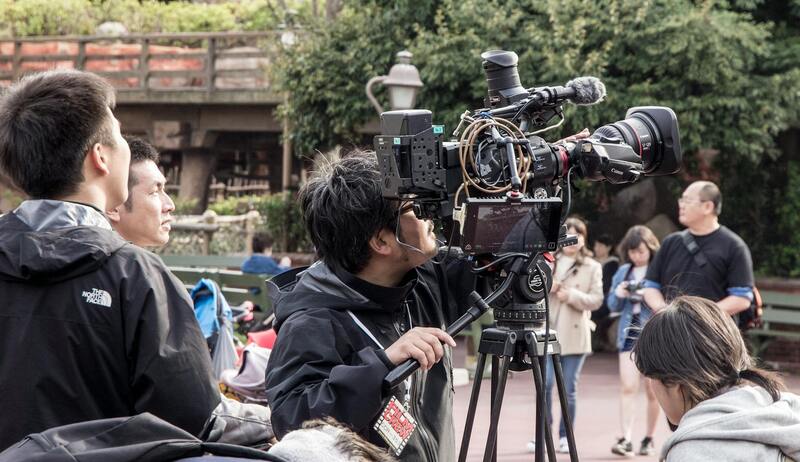
Another crucial facet involves understanding and respecting local regulations that govern drone usage, aerial photography, and privacy. Miami has specific guidelines to ensure aerial shots do not infringe upon privacy rights or violate airspace restrictions. Obtaining necessary permits, following FAA protocols, and operating drones responsibly demonstrate compliance with established standards and reinforce an ethical approach to content creation.
Clear communication with clients regarding the scope of the project—including editing procedures, the extent of virtual tour modifications, and final deliverables—is fundamental. Providing previews or draft versions allows clients to give feedback early, minimizing misunderstandings and ensuring the final product meets expectations.
Continually updating one's knowledge through industry workshops, certifications, and ongoing education ensures professionals stay current with evolving best practices. Engaging with industry associations or participating in peer reviews enhances understanding of ethical standards and technical advancements, ultimately elevating the quality and reliability of visual content.
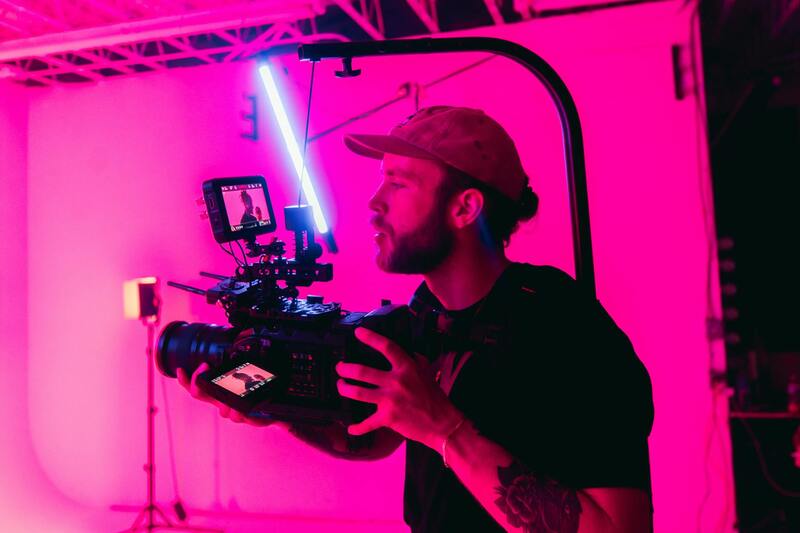
Prioritizing transparency bolsters credibility among clients and prospective buyers, encouraging confidence in the visual representations used for property marketing. When visual content accurately reflects the property’s condition and features, it minimizes discrepancies that could lead to buyer dissatisfaction, fostering smoother transactions overall. Employing legitimate, accepted methods for content creation and editing—such as professional-grade photography, carefully planned drone operations, and comprehensive virtual tours—ensures adherence to industry standards and demonstrates a commitment to responsible business practices.
Legal and Ethical Considerations in Property Photography
Maintaining integrity and professionalism in real estate photography and virtual tours is fundamental for fostering trust and ensuring the accuracy of property representations. Utilizing official and recognized methods for capturing and editing images safeguards the integrity of the visual content, aligning with industry standards and best practices. Professional-grade equipment such as DSLR cameras, wide-angle lenses, and high-dynamic-range imaging techniques should be employed to produce clear, detailed photos that accurately showcase each property’s unique features.
During virtual tour creation, it is essential to adhere strictly to the actual layout, dimensions, and features of the property. This means avoiding digital alterations that could misrepresent the space or deceive viewers. When adding enhancements or corrections—such as color adjustments or lighting corrections—these should be done transparently, ensuring the final visual content reflects the true condition of the property.
Transparency with clients regarding editing procedures, image selection, and virtual tour modifications fosters trust and upholds ethical standards. Clearly communicating what the visual content entails, and providing clients with previews or draft versions, helps prevent misunderstandings and ensures the final product aligns with their expectations. This collaborative approach not only enhances client satisfaction but also minimizes potential disputes or dissatisfaction after public listing.
Furthermore, comprehensive training and ongoing education in the latest photography techniques, editing software, and virtual tour tools are vital. Industry workshops, certifications, and peer review participation keep professionals current with technological innovations and ethical standards. Such commitment demonstrates a dedication to responsible business practices and an adherence to the highest quality benchmarks.
Employing legitimate methods for visual content creation—such as professional drone footage, high-quality photography, and accurate virtual tours—enforces credibility within the real estate market. These practices ensure that property representations are truthful and detailed, providing buyers with a reliable view of the space before a physical visit. Such transparency reduces the potential for buyer disappointment and contributes to smoother, more efficient transactions.
Legal and Ethical Considerations in Property Photography
Maintaining high standards in real estate photography and virtual tours involves strict adherence to established guidelines that prioritize honesty, transparency, and respect for property owners. The visual content produced must accurately represent the property's features without exaggeration or omission, fostering an environment of trust between sellers, agents, and potential buyers.
Practitioners should ensure that all images and virtual tours are obtained with proper permissions and that the content reflects the actual condition of the property at the time of capture. This includes avoiding manipulations that could mislead potential viewers, such as excessive photo editing or selective lighting that alters perceptions of space and amenities.

Responsibly managing the portrayal of amenities, landscaping, and interior finishes protects all stakeholders from misunderstandings and helps maintain the integrity of the listing process. When discrepancies arise, they can lead to lost trust and complications in the sales process. Therefore, accuracy in all visual content is a cornerstone of professional real estate marketing.
Furthermore, staying updated on the latest technological advancements and industry standards—such as avoiding unauthorized drone footage or copyrighted music in virtual tours—reinforces professionalism. Employing certified and trained professionals who understand these parameters reduces the risk of infringing on intellectual property rights or infringing on privacy concerns.
Transparency extends beyond the visuals themselves. Clear communication about the scope of services, including what the virtual tour encompasses and any post-production modifications, supports ethical practices. Offering clients opportunities to review and approve content before wider distribution fosters mutual trust and ensures that the final presentation aligns with their expectations.
Best Practices for Ensuring Ethical Visual Content Creation
- Obtain explicit permission for drone or aerial footage.
- Use authentic, unaltered images that reflect the property's true condition.
- Avoid deceptive enhancements that can mislead buyers.
- Disclose any digital editing or enhancements applied to images or videos.
- Respect privacy and property rights during all stages of content creation.
- Provide clients with previews and drafts for approval to ensure transparency.
The commitment to ethical standards upholds the reputation of agents and production companies alike, fostering a market environment where buyers can make well-informed decisions based on accurate and honest visual representations.