Importance of High-Quality Visuals in Real Estate
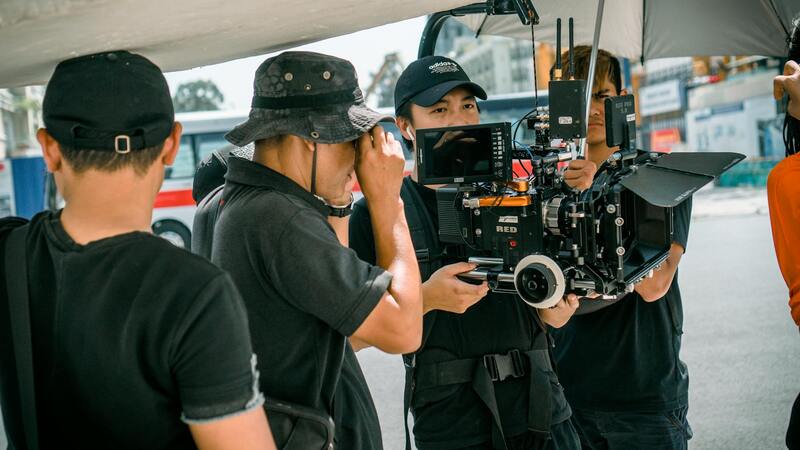
In the highly competitive Miami real estate market, the way a property is presented visually can significantly influence its appeal and sale potential. Professional real estate photography and videography serve as essential tools for showcasing a property's best features, capturing its unique essence, and creating an engaging narrative that resonates with prospective buyers. High-quality visuals not only heighten first impressions but also foster greater interest and trust in the listing, ultimately leading to quicker sales at favorable prices.
Investors, sellers, and agents recognize that modern buyers often begin their property search online, relying heavily on visually appealing content to shortlist options. When professional images and videos are utilized, listings stand out amidst myriad competitors and are more likely to attract attention. This increased visibility translates into higher click-through rates, longer engagement, and an enhanced perception of the property's value and desirability.
Moreover, quality visuals support multiple marketing channels—websites, social media, virtual tours, and print advertisements—ensuring consistency and professionalism across platforms. This consistency reinforces brand reputation and builds buyer confidence, fostering a sense of trust and professionalism that can streamline the purchasing process.
Beyond initial impressions, high-grade photography and videography can unveil the true potential of a property. Properly captured lighting, angles, and editing highlight key features, enhance spatial perception, and eliminate distractions. Similarly, cinematic videography allows for immersive property tours, giving viewers a comprehensive perspective that static images cannot provide. This multimedia approach appeals to a broader audience, including out-of-town buyers and international investors, who rely heavily on virtual methods to explore the market.
As Miami continues to grow as a hub for luxurious condos, waterfront estates, and commercial spaces, the importance of top-tier visual content grows in tandem. Real estate professionals who prioritize high-quality visuals gain a competitive edge, improve listing engagement, and accelerate the transaction cycle—making professional photography and videography indispensable elements of a successful marketing strategy in this dynamic environment.
Videography Techniques for Property Showcases
Implementing advanced videography techniques elevates the perception of a property, providing prospective buyers with a dynamic and engaging experience. Drone footage, for instance, offers a unique aerial perspective, capturing the property's surroundings, landscape design, and proximity to key amenities. This panoramic view not only enhances visual interest but also helps viewers understand the spatial layout and scale of the property within its environment. Smooth camera movements, such as cinematic pans, tilts, and tracking shots, contribute to a professional, polished presentation. These movements guide the viewer through the property, emphasizing expansive living areas or unique architectural features. Utilizing stabilization equipment ensures a steady, cinematic quality that avoids distracting jitters, maintaining viewer engagement. Furthermore, incorporating 360-degree virtual tours allows viewers to navigate the space at their own pace, creating an interactive experience that closely mimics walking through the property. This method is particularly effective in engaging remote buyers or investors who cannot visit in person. When combined with high-definition video and well-planned storyboarding, these techniques help craft compelling property narratives that resonate with diverse audiences. Lighting remains a critical factor in videography. Employing natural light where possible, augmented by professional lighting setups, ensures the property looks vibrant and inviting. Properly lit scenes minimize shadows and highlight the property's best features, creating an atmosphere that appeals to the ideal buyer profile. Editing plays a pivotal role in the storytelling process. Color grading, transitions, and music selections should complement the property's style and target demographic. Seamless editing enhances the overall flow, making the property appear more desirable and memorable. In summary, mastering these videography techniques facilitates the creation of immersive, high-quality video content that captures the essence of each property, helping Miami real estate professionals stand out in a competitive market.
Legal and Ethical Considerations in Real Estate Photography and Videography
When producing visual content for real estate listings, adherence to established standards and practices ensures that the portrayal of properties remains truthful and respectful of all parties involved. Licensing agreements for equipment and software must be secured beforehand, and usage rights should always be respected to avoid any infringement issues. It is crucial to obtain necessary permissions before capturing images or videos on private properties, especially in cases involving gated communities or properties with security restrictions.
Maintaining honesty in visual representation is fundamental. Alterations that could mislead viewers, such as excessive editing or staging, should be clearly disclosed. This not only sustains the integrity of the marketing content but also boosts consumer trust and fosters professional reputation.
Respect for privacy is paramount. Photographers and videographers must ensure that neighbors, pedestrians, or any other individuals are not unintentionally captured in a way that infringes on their privacy rights. When drone footage is involved, adherence to specific flight regulations is essential. These guidelines encompass altitude restrictions, no-fly zones, and necessary permissions, which help prevent interference with air traffic and respect local regulations.
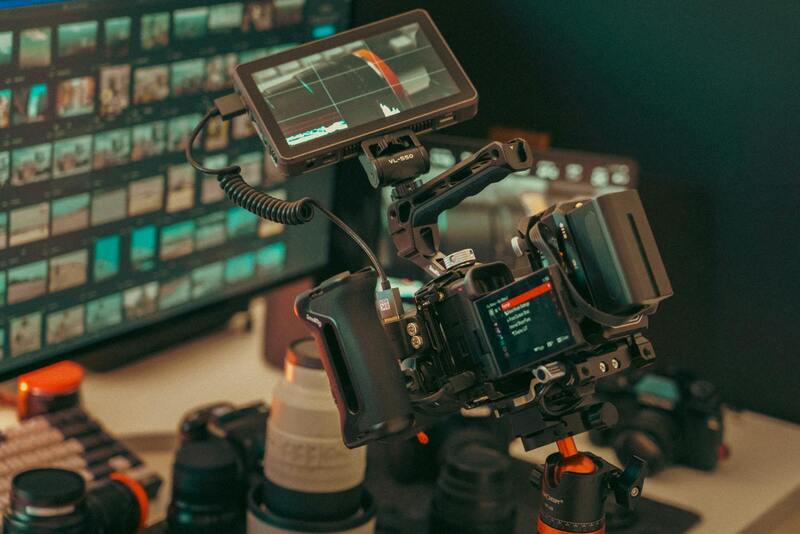
Transparency about the capabilities and limitations of the visual content can prevent future misunderstandings. Clearly explaining what viewers can expect from virtual tours or imagery—such as the absence of minor cosmetic issues—protects against claims of misrepresentation. This practice aligns with a professional commitment to transparency and helps maintain credibility within the real estate industry.
Utilizing accredited and reputable vendors for equipment and post-production software further ensures quality and adherence to industry standards. Regularly updating knowledge of local regulations and industry best practices supports producers in maintaining ethical standards while delivering compelling property visuals that are both visually appealing and legally compliant.
Legal and Ethical Considerations in Real Estate Videography
Creating compelling real estate videos and photos requires adherence to a broad set of standards that uphold professionalism and respect for all parties involved. Ensuring that visual content is produced within the framework of established guidelines not only safeguards the integrity of the marketing material but also reinforces trust with clients and prospective buyers. It is crucial to obtain all necessary permissions and consent prior to capturing images or footage, especially when featuring interior spaces or private properties. This process involves clearly communicating the purpose of the visuals and securing approval from property owners or relevant stakeholders.
When utilizing drone technology for aerial shots, operators must comply with specific operational protocols that include respecting airspace restrictions, avoiding no-fly zones, and obtaining pertinent authorizations. Such measures help prevent unauthorized access to airspace that may be restricted for safety or security reasons and prevent disruptions to air traffic. These practices ensure that aerial videography enhances property presentation without infringing on airspace regulations or privacy boundaries.
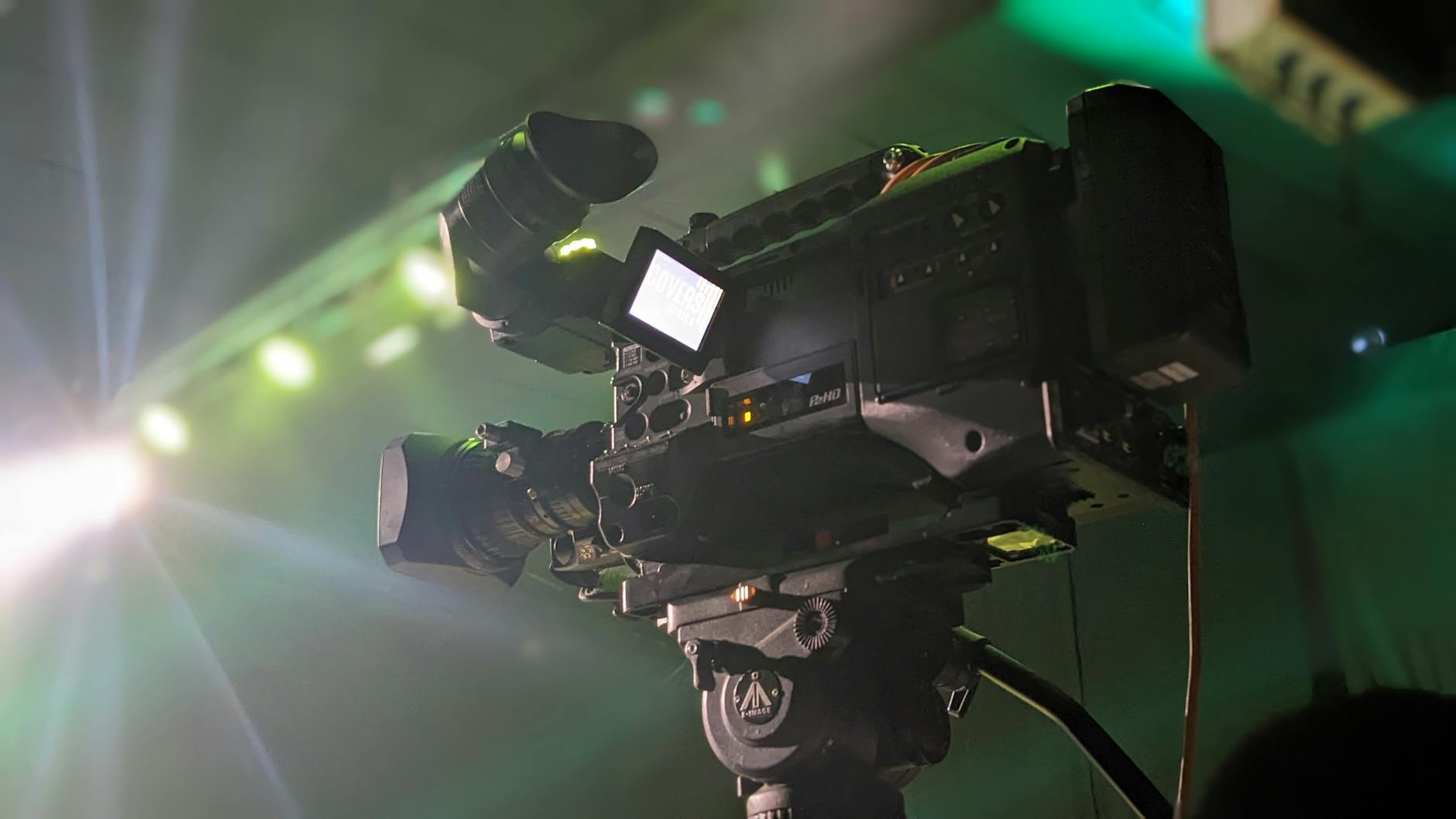
Maintaining privacy is a foundational aspect of ethical visual content production. Care must be taken to avoid capturing neighbors, pedestrians, or visitors in a manner that could infringe on their privacy rights. When using camera drones or handheld cameras, proper framing and awareness of surroundings mitigate risks of unintended exposure. Additionally, any signage or personal belongings inside or around the property should be included or excluded intentionally to preserve confidentiality and uphold respect for personal privacy.
Transparency about the scope and limitations of visual content also plays an essential role in ethical practices. It is important to communicate clearly to clients and potential buyers about what the visuals portray, highlighting any enhancements or virtual staging that may influence perceptions. Accurate and honest representation helps prevent misunderstandings and upholds a professional reputation. For example, if certain cosmetic repairs or upgrades are scheduled but not yet completed, this should be disclosed to prospective buyers.
To uphold these standards, collaboration with reputable vendors who supply compliant equipment and software is recommended. Regularly updating knowledge of industry guidelines and local regulations, including those related to privacy, drone operation, and advertising standards, ensures continuous adherence to best practices. This commitment to professionalism nurtures trust and positions real estate videography as a credible and reliable marketing tool.
Legal and Ethical Considerations
In the realm of real estate visual content creation, adhering to legal and ethical standards is paramount to maintaining credibility and trust with clients and viewers alike. Precision and honesty are fundamental when capturing and presenting property visuals, ensuring that prospective buyers are provided with an accurate representation of the property in question.
One of the primary considerations involves respecting the privacy rights of neighbors, pedestrians, and any visitors captured unintentionally within the frame. Photographers and videographers must employ techniques that respect these boundaries, such as careful framing and choosing appropriate angles that avoid including individuals or private properties without consent. The use of aerial drone footage necessitates particular diligence, ensuring that drone paths are compliant with local regulations and that no private or sensitive areas are disclosed inadvertently.
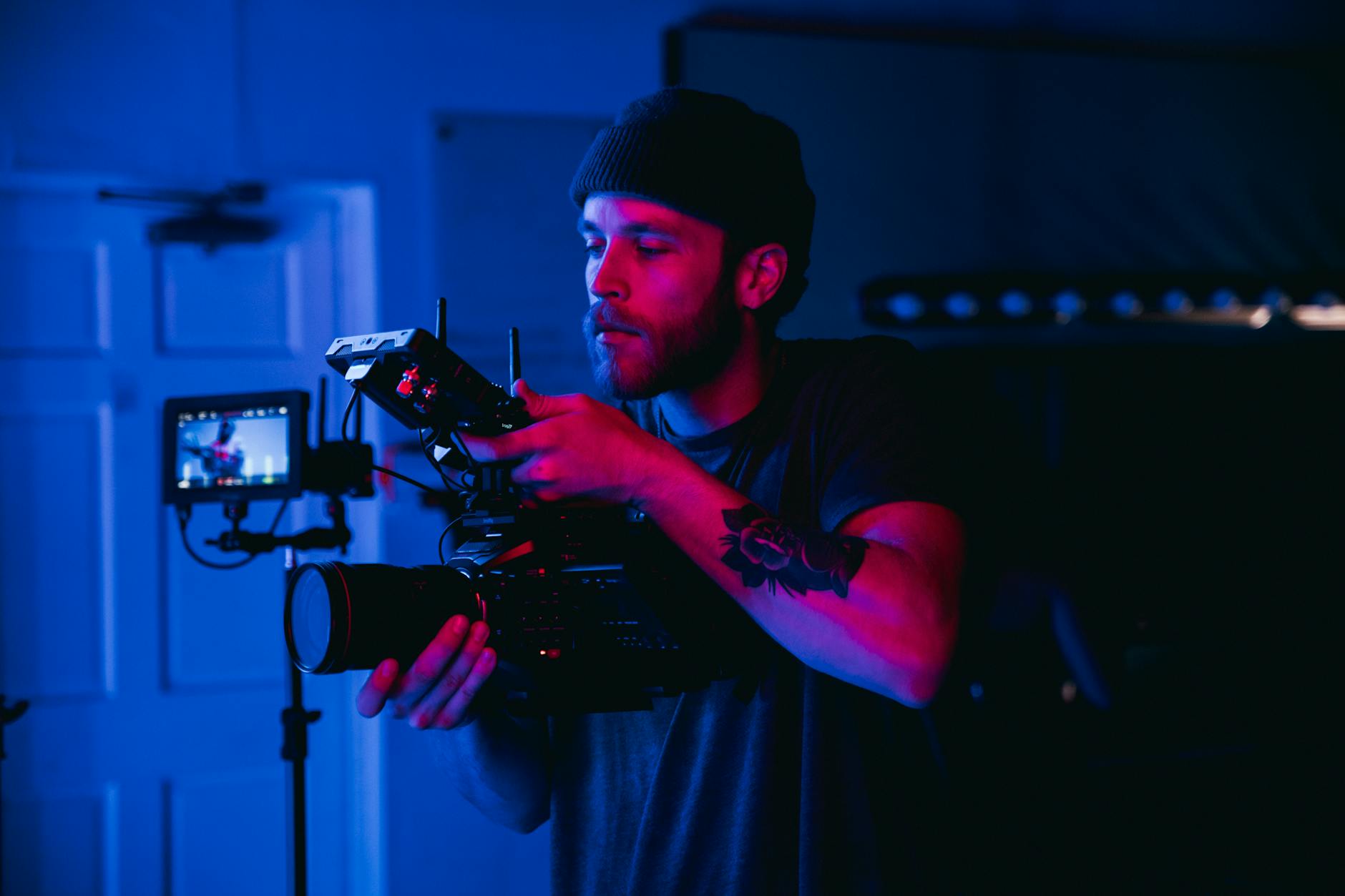
Transparency is equally critical when showcasing property visuals. It is important to disclose any virtual staging or post-production enhancements that might influence perceptions. Clear communication about the scope and limitations of visual representation helps in setting accurate expectations and sustains a professional image. For example, if certain cosmetic improvements are scheduled but not yet completed, such details should be clearly stated to prevent misunderstandings.
Maintaining Responsibility in Content Creation
- Accurate Representation: Capture and present the property as it truly exists, with minimal retouching that could alter perception.
- Honest Descriptions: Match visual content with truthful property descriptions, avoiding exaggerations or misleading visuals.
- Regular Updates: Refresh marketing visuals to reflect current property conditions, repairs, or upgrades.
Working with reputable vendors who supply compliant equipment and software supports adherence to these standards. Staying informed about the latest industry guidelines and local regulations on drone use, privacy, and advertising ensures continuous compliance and demonstrates professional integrity. Developing a strategic partnership with experienced agencies and production teams enhances the quality, legality, and ethical standing of visual content.
Implementing Ethical Best Practices
- Consistent Training: Regularly update team members on ethical standards and legal requirements in real estate media production.
- Client Transparency: Clearly outline what visual content includes, such as virtual staging, enhancements, or virtual renovations, during client consultations.
- Documentation and Consent: Obtain necessary permissions when filming private properties or including individuals in footage, especially in public spaces.
- Quality Control: Conduct thorough reviews of images and videos before publication to ensure accuracy and compliance with ethical standards.
By integrating these practices, professionals in Miami's real estate videography and photography industry can uphold the highest standards, fostering trust and credibility within the marketplace while effectively showcasing properties in an honest and ethical manner.
Legal and Ethical Considerations
While creating compelling visual content for real estate, professionals must navigate a range of legal and ethical considerations to ensure compliance and respect for all parties involved. Adhering to property rights involves verifying ownership and securing necessary permissions before capturing images or videos, particularly in private or restricted areas. It is essential to avoid trespassing and to respect property boundaries, which can be achieved through clear communication with property owners and managers.
Privacy concerns play a significant role in real estate visuals, especially when filming in neighborhoods or communal areas. Obtaining explicit consent from individuals who may appear in footage, or who have a reasonable expectation of privacy, safeguards against potential issues. This process often involves informing residents or visitors about the filming purpose and scope, and securing their agreement in writing when feasible.
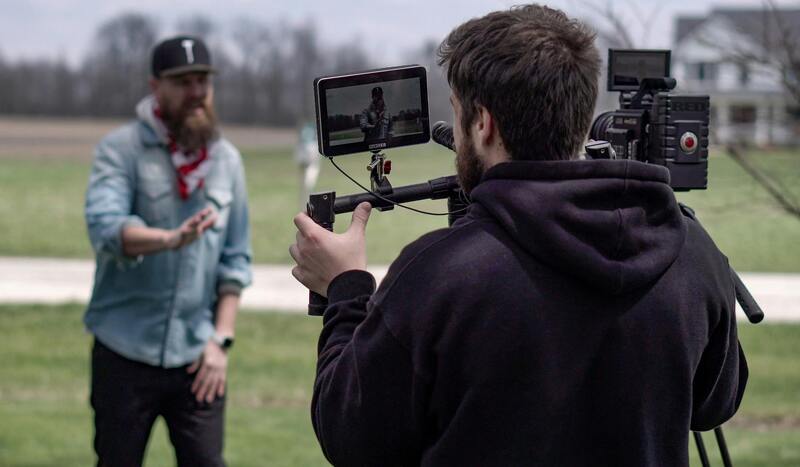
Drone usage introduces additional layers of regulation, which vary depending on jurisdiction. Professionals must be familiar with local drone flight rules, including restrictions on altitude, flight zones, and privacy boundaries. Conducting routine checks for updates on regulations and obtaining necessary permits ensures safe and lawful drone operations. Equally important is adhering to guidelines around the use of aerial footage in marketing materials, ensuring that imagery does not infringe on personal privacy or cause undue disruption.
Consent procedures are central to ethical content creation. Always obtain written permission from property owners before shooting, and clarify the scope of usage for promotional or marketing purposes. When including individuals, especially in interior shots or virtual tours, acquiring signed releases confirms their awareness and agreement, fostering trust and transparency.
- Secure property owner approval prior to shooting.
- Inform and obtain consent from individuals appearing in footage.
- Maintain thorough documentation of permissions and releases.
- Stay updated on drone operation regulations relevant to your location.
- Implement feedback and review processes to ensure content accuracy and compliance.
Maintaining ethical standards also involves accuracy in visual representation. Modern tools such as virtual staging and photo enhancements should be transparently disclosed to clients to prevent misrepresentations. Detailed record-keeping and review procedures help confirm that all visual materials accurately reflect the property's current state, thus enhancing credibility and trust with potential buyers.
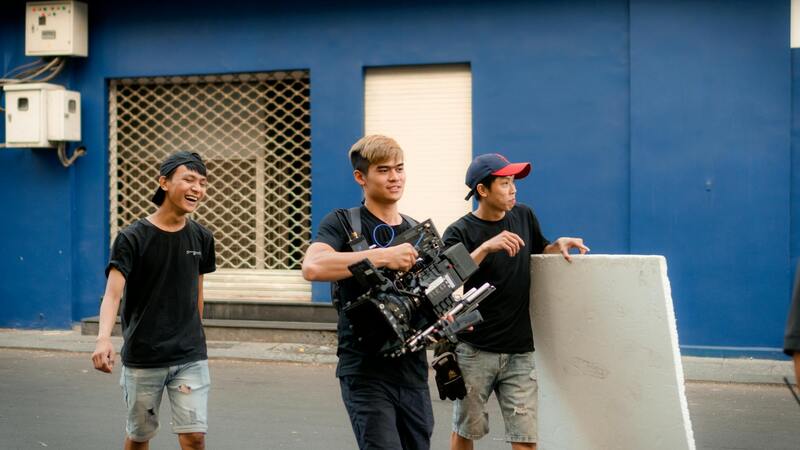
By following official and industry-recognized methods, professionals can deliver high-quality, compliant visual content that respects the legal frameworks, safeguarding their reputation and fostering sustainable client relationships. Through ongoing education, meticulous documentation, and adherence to regional guidelines, the integrity of real estate marketing efforts is maintained, ultimately benefiting the entire marketplace.
Partnering with Miami Production Agencies
Collaborating with established production agencies within Miami offers real estate professionals access to high-caliber visual content that complies with regional standards and industry best practices. These local experts bring a deep understanding of the Miami market, including architectural styles, property types, and client expectations, ensuring that each project resonates effectively with the target audience.
When selecting a Miami-based agency for real estate photography and videography, consider their portfolio and past projects to gauge their experience with similar properties. Verify their familiarity with current industry equipment, editing software, and emerging visual techniques that can enhance property presentation. An agency’s capacity to tailor their approach — whether capturing luxury waterfront estates or compact urban apartments — plays a vital role in producing compelling visual narratives.
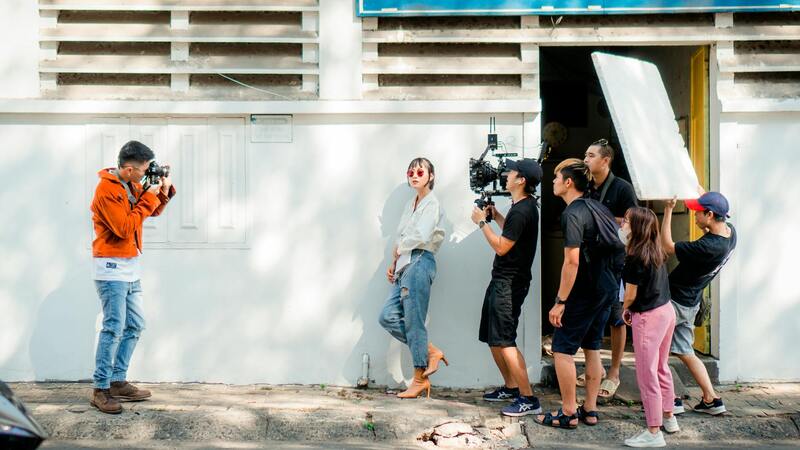
Professional agencies also stay updated on evolving compliance standards, regional regulations for drone usage, and privacy considerations pertinent to Miami’s vibrant real estate landscape. This proactive adherence minimizes risk and streamlines the production process, allowing real estate agents and developers to focus on their core responsibilities.
Benefits of Local Collaboration
- Expertise with regional architectural styles and lighting conditions
- Access to top-tier professional equipment and the latest technological innovations
- Knowledge of local regulations, including drone operation and permit requirements
- Ability to schedule shoots during optimal times, such as golden hour or weather windows
- Personalized service and ongoing support tailored to property and client needs
Establishing a strong partnership with Miami production agencies not only guarantees high-quality visuals but also facilitates a seamless production process. Ongoing communication and clear articulation of project goals can significantly enhance the outcome, ensuring each visual asset aligns precisely with the listing’s marketing strategy.
Ultimately, leveraging local expertise contributes to a polished, professional presentation that captures the unique appeal of Miami properties, attracting potential buyers and elevating the overall marketability of listings.
Legal and Ethical Considerations in Real Estate Visual Content Production
Maintaining integrity and transparency when creating visuals for real estate listings is crucial to uphold the reputation of agents, agencies, and production companies. This entails a thorough understanding of proper methods for capturing and presenting property features, ensuring all content accurately reflects the true state of the property without embellishment or misrepresentation. Reliable methods such as professional photography and videography rely on standardized practices that emphasize factual accuracy, such as proper lighting, color correction, and unbiased framing.
When utilizing advanced techniques like drone videography or 360-degree virtual tours, adherence to official procedures for obtaining necessary permits, respecting privacy boundaries, and following regional airspace regulations is essential. These practices help prevent unauthorized use of equipment, ensure safety, and promote transparency with clients and viewers alike. Incorporating privacy considerations, like avoiding capturing private areas or personal belongings without consent, further aligns visual content with ethical standards, fostering trust with prospective buyers.
Implementing Consistent Standards for Visual Content
- Authenticity in Visual Representation: Ensuring that images and videos genuinely depict the property’s condition, layout, and features prevents misleading buyers and maintains credibility.
- Respect for Privacy: Securing necessary permissions before featuring private spaces or occupants helps avoid privacy infringements and legal complications.
- Compliance with Regulations: Following regional guidelines for drone operation, photography permits, and data protection avoids disruptions during production and potential penalties.
- Proper Licensing and Certification: Utilizing certified professionals for aerial videography or specialized shooting guarantees adherence to official standards and safety protocols.
Quality Assurance and Transparency
Providing complete and accurate visual content maximizes trust in listings and enhances overall market perception. Clear communication with clients about the scope and limits of visual representation fosters transparency, while regular quality checks during production ensure that visuals meet professional standards. This disciplined approach contributes to a seamless marketing process, strengthening the reputation of both the photographer/videographer and the property agent.