Understanding the Importance of Visual Content in Real Estate Marketing
In the highly competitive Miami real estate market, the role of compelling visual content cannot be overstated. High-quality images capture the essence and desirability of a property, making it stand out amid a sea of listings. Potential buyers often form their first impression based solely on photographs, which underscores the significance of pristine, professionally crafted visuals. They serve as the first touchpoint that can either draw a prospective buyer into exploring further or push them to overlook the listing entirely.
Effective real estate photography elevates online listings, enhancing their visual appeal and providing a virtual experience that mimics in-person visits. In Miami’s vibrant property landscape, where luxury condominiums, waterfront estates, and modern apartments dominate, the visual presentation plays a pivotal role in conveying the lifestyle and exclusivity associated with each property. This is particularly crucial in a market where buyers often come from diverse geographic locations, relying heavily on photographs and virtual tours to make initial decisions.
Research indicates that listings with professional images garner significantly more views, inquiries, and engagement. The clarity, composition, lighting, and angles used in real estate photography can influence a buyer’s perception of space, condition, and value. When properly executed, visual content helps highlight the unique features of a property—be it its modern upgrades, scenic views, or spacious interiors—ultimately leading to faster sales and better offers.
Furthermore, in a market like Miami where waterfront views and luxurious amenities are major selling points, visuals must be tailored to showcase these highlights in the best possible light. The strategic use of lighting, time of day, and editing techniques can enhance the attractiveness of a property, appealing to discerning buyers seeking premium features and exclusivity.
Real estate photographers specializing in advertising understand the importance of creating visuals that resonate with target audiences. They use professional techniques to produce images that evoke emotion and aspiration, which are crucial in compelling buyers to take action. In essence, high-caliber visual content serves as a bridge between a listing and a strategic sale, significantly influencing the speed and success of property transactions in Miami’s vibrant market.
Choosing the Right Equipment and Techniques for Real Estate Photography
Achieving outstanding results in real estate photography hinges on the use of appropriate equipment and refined techniques. The choice of camera, lens, and accessories can significantly influence the clarity, depth, and overall visual appeal of property images. Professionals prefer high-resolution digital cameras equipped with wide-angle lenses, which allow capturing more of a room or exterior in a single shot, emphasizing spaciousness and flow.
Tripods are indispensable tools, ensuring stability for sharp, blur-free images—especially in low-light conditions or interiors with limited natural light. Remote shutters or timers help avoid camera shake, while advanced lighting equipment, such as external flashes or portable studio lights, can illuminate dark corners and highlight architectural features without harsh shadows. Proper lighting is essential to accurately depict the property's ambiance and true colors, enhancing its attractiveness to potential buyers.

Beyond hardware, mastery of techniques like HDR (High Dynamic Range) imaging ensures that both the brightest highlights and deepest shadows are properly exposed, preserving details across the entire scene. Bracketing multiple exposures and combining them into a single image results in vibrant, balanced photographs that mirror real-life perceptions. Additionally, understanding angles and composition—such as shooting from a corner or using leading lines—guides viewers' eyes through the space and accentuates its most desirable aspects.
Post-processing is equally vital in refining final images. Skilled editing involves color correction, brightness adjustment, straightening horizons, and removing distractions. However, it’s crucial to maintain authenticity, presenting a true reflection of the property without exaggeration. Subtle enhancements can boost visual appeal while preserving trust and credibility with prospective buyers.
Implementing meticulous techniques and utilizing professional-grade equipment ensures that each image communicates the property's unique story efficiently. This approach helps differentiate listings in a competitive Miami marketplace, where high-end visuals align with luxury branding and attract affluent clientele.
Legal and Ethical Considerations in Real Estate Photography Advertising
In the competitive landscape of real estate marketing, maintaining integrity and transparency is paramount. When promoting property images, it is essential to utilize photographs that accurately represent the property's condition and features without manipulation that could mislead prospective buyers. This involves avoiding overly enhanced images that create unrealistic expectations, which can undermine trust and potentially lead to disputes or dissatisfaction.
Authentic showcasing of properties requires diligent adherence to ethical standards in photography. This includes disclosing any modifications made during post-processing, such as color correction or lighting adjustments, to ensure that viewers comprehend what they are seeing reflects the true appearance of the property. Clear documentation of these edits fosters credibility and demonstrates a commitment to honesty in advertising.
Respect for privacy is another vital aspect. When capturing and sharing images, photographers should obtain explicit permission from homeowners and ensure that personal or sensitive information is not inadvertently included in photographs. This respect not only aligns with professional standards but also bolsters a trustworthy reputation for the marketing service provider.
Furthermore, compliance with advertising guidelines involves accurate descriptions and representations of the property's features. Avoiding exaggerated claims or misleading language in captions and accompanying descriptions supports ethical marketing practices and helps clients make informed decisions.

By implementing these principles, real estate professionals and photographers reinforce their commitment to ethical marketing, establishing long-term trust with clients and prospective buyers. This approach enhances the reputation of real estate photography advertising as a reliable and professional segment of property marketing strategies.
Effective Use of Virtual Tours and 3D Imaging in Real Estate Advertising
As the landscape of real estate marketing continues to evolve, integrating immersive technologies such as virtual tours and 3D imaging has become an essential strategy for creating engaging and effective property advertisements. These tools enable potential buyers to explore a property remotely, providing a comprehensive view that still captures the true essence of the space without the constraints of physical visitation. When executed correctly, virtual tours can significantly enhance the appeal of listings, increasing viewer engagement and accelerating the decision-making process.
High-quality virtual tours should prioritize clarity, smooth navigation, and a realistic representation of the property. This involves meticulous planning in the shooting process, ensuring well-lit, stabilized shots that accurately depict each room’s dimensions and features. The use of panoramic photography and step-by-step walkthroughs offers viewers a seamless and intuitive experience, helping them to visualize living in the space effectively.
3D imaging, including virtual staging and interactive floor plans, complements virtual tours by offering added layers of detail that cater to different buyer preferences. For example, interactive floor plans enable users to understand the spatial layout in a flexible manner, while virtual staging allows for the visualization of potential interior designs without physically altering the property. These enhancements not only create a more compelling listing but also demonstrate a professional commitment to leveraging cutting-edge marketing tools.
Implementing virtual tours and 3D imaging into real estate advertising requires collaboration with skilled professionals who specialize in these visual technologies. The production process must emphasize accuracy and authenticity, avoiding over-editing or artificial enhancements that could mislead viewers. When these tools are aligned with high-quality photography and detailed property descriptions, they serve as potent marketing assets capable of setting listings apart in a crowded market.
Furthermore, integrating these visual technologies across various online platforms maximizes their reach and impact. Real estate websites, social media channels, and listing portals all support media-rich content, enabling agents and property owners to present their listings dynamically. With the right approach, virtual tours and 3D images not only attract attention but also cultivate trust and credibility, essential components of successful property marketing campaigns.
Investing in professional virtual tour and 3D imaging services reflects a commitment to transparency and customer engagement. Such advanced visual tools help set a property apart by offering an informative, engaging experience that closely simulates an in-person visit. This strategic approach enhances the overall advertising profile and increases the likelihood of attracting serious buyers quickly.
Strategies for Creating Impactful Real Estate Photography Advertisements
To elevate real estate photography advertising efforts, employing strategic marketing initiatives is essential. These strategies not only increase visibility but also position the property favorably in a competitive market. Effective marketing begins with targeting the right audience through precision advertising channels and crafting compelling narratives that complement high-quality visuals.
One of the most impactful methods involves leveraging digital advertising platforms that support rich media content. Creating dedicated ad campaigns on social media channels enables agents and property owners to reach specific demographic groups, geographic locations, and interest segments. When these campaigns incorporate optimized images and videos, they become more engaging, resulting in higher click-through rates and increased inquiries.
In addition, email marketing presents a direct channel for showcasing new listings. Well-designed email campaigns with embedded images and links to virtual tours or 3D imaging can stimulate interest among targeted audiences. Personalization and timely communication reinforce engagement, fostering trust and promoting faster response times.
Another critical tactic is utilizing high-traffic property listing websites that prioritize media-rich content. Ensuring that your listings include professionally captured photographs, virtual tours, and 3D models enhances the overall appeal. Such attention to detail not only improves online visibility but also improves search engine rankings, further amplifying reach.
Supplementing digital campaigns with traditional marketing efforts, such as flyers, banners, and local print media, can bolster brand presence within communities. Including QR codes linked to virtual tour content on print materials creates an integrated marketing experience that connects physical and digital channels seamlessly.
Monitoring and analyzing campaign performance through analytics tools allows for continuous refinement of advertising strategies. Tracking metrics such as engagement rates, lead conversions, and website traffic provides actionable insights to optimize future campaigns. This data-driven approach ensures resources are allocated efficiently, maximizing return on investment for real estate photography advertising efforts.
Consistency and branding across all advertising materials foster recognition and trust. Using a unified aesthetic, logo placement, and messaging helps establish a strong identity in the marketplace. Ultimately, strategic promotion of real estate photography enhances the property's appeal, accelerates sales cycles, and builds a reputation for quality service.
Legal and Ethical Considerations in Real Estate Photography Advertising
When leveraging real estate photography for advertising, it is essential to adhere to recognized standards that uphold integrity and transparency. This involves the meticulous management of images to accurately represent properties, ensuring no misleading alterations or omissions occur that could misinform potential buyers. Maintaining honest portrayals safeguards the trustworthiness of your marketing efforts and fosters long-term client relationships.
One critical aspect is obtaining proper consent from property owners or authorized representatives before capturing and publishing images. Clear agreements should specify how visuals will be used, the duration of usage, and any restrictions. This transparency avoids misunderstandings and supports ethical marketing practices.
Furthermore, photographers and marketers must respect privacy rights, especially when capturing images that include neighboring properties, private spaces, or individuals. Avoiding intrusive shots or unnecessary invasions of privacy aligns with ethical standards and preserves community relations.
Credibility is also reinforced through compliance with advertising guidelines provided by industry bodies and local regulations. This includes accurately depicting property features, avoiding false claims, and clearly disclosing any enhancements or staging involved with the visuals. Such practices protect both the agency’s reputation and the interests of prospective clients.
Another vital consideration is intellectual property rights. Using images that are properly licensed or owned by the advertiser ensures there are no infringements that could lead to legal disputes. It is best practice to create original content or secure exclusive rights to photographs and virtual assets used in listings.
Adhering to these principles not only enhances the professional integrity of your marketing campaigns but also elevates industry standards. When images accurately mirror the property’s true appearance and are used responsibly, it aligns with a best practice approach that benefits clients, agencies, and the overall real estate market.
Ensuring Accurate and Truthful Representation in Visual Content
In the realm of real estate advertising, the integrity of visual content is paramount. To uphold transparency and foster trust with prospective buyers, real estate professionals and photographers must prioritize accuracy in their property images. This involves meticulously capturing the true features and conditions of a property without using deceptive techniques or overly enhancing images. Accurate portrayal not only aligns with industry best practices but also safeguards clients from future disputes arising from misrepresentation.
Implementing rigorous quality control processes, such as double-checking angles, verifying lighting conditions, and ensuring that all significant property features are visible and correctly highlighted, is crucial. Photographers should employ techniques that faithfully reflect the property's layout, scale, and ambiance, providing an authentic preview for potential buyers. When editing images, subtle adjustments that improve clarity and color accuracy are acceptable, but they should never distort the actual appearance of the property.
Clarity and transparency extend beyond images to the accompanying descriptions and details. Every visual asset should be complemented by honest, detailed narratives that consistently match the imagery. This combination ensures that prospective buyers have a comprehensive understanding of the property, reducing the likelihood of dissatisfaction or claims of misrepresentation down the line.
Leveraging Metadata and Documentation to Support Visual Content
Another strategic approach involves utilizing metadata and detailed documentation associated with each image. Embedding information such as capture date, camera settings, and licensing details can serve as proof of authenticity. Maintaining comprehensive records of the shooting process, edits made, and consent forms obtained provides an added layer of credibility for the marketing campaign.
Such diligence demonstrates professionalism and commitment to ethical standards, reinforcing clients' confidence in your services. It also facilitates smooth compliance with the requirements of various advertising platforms that may request verification of the authenticity of the visual content used.
Combining Visual Content with Strategic Messaging for Effective Advertising
While high-quality, truthful images are essential, their effectiveness can be amplified through strategic messaging. Clear, concise captions and descriptions that accurately reflect the property's features help guide prospective buyers through the visual presentation. Highlighting unique aspects or recent upgrades can create a compelling narrative that motivates further inquiries.
Consistency in tone, style, and information across all visual and textual assets ensures a cohesive advertising campaign that builds credibility and professionalism. This integrated approach facilitates better engagement and supports the overall marketing objectives.
Legal and Ethical Considerations in Real Estate Photography Advertising
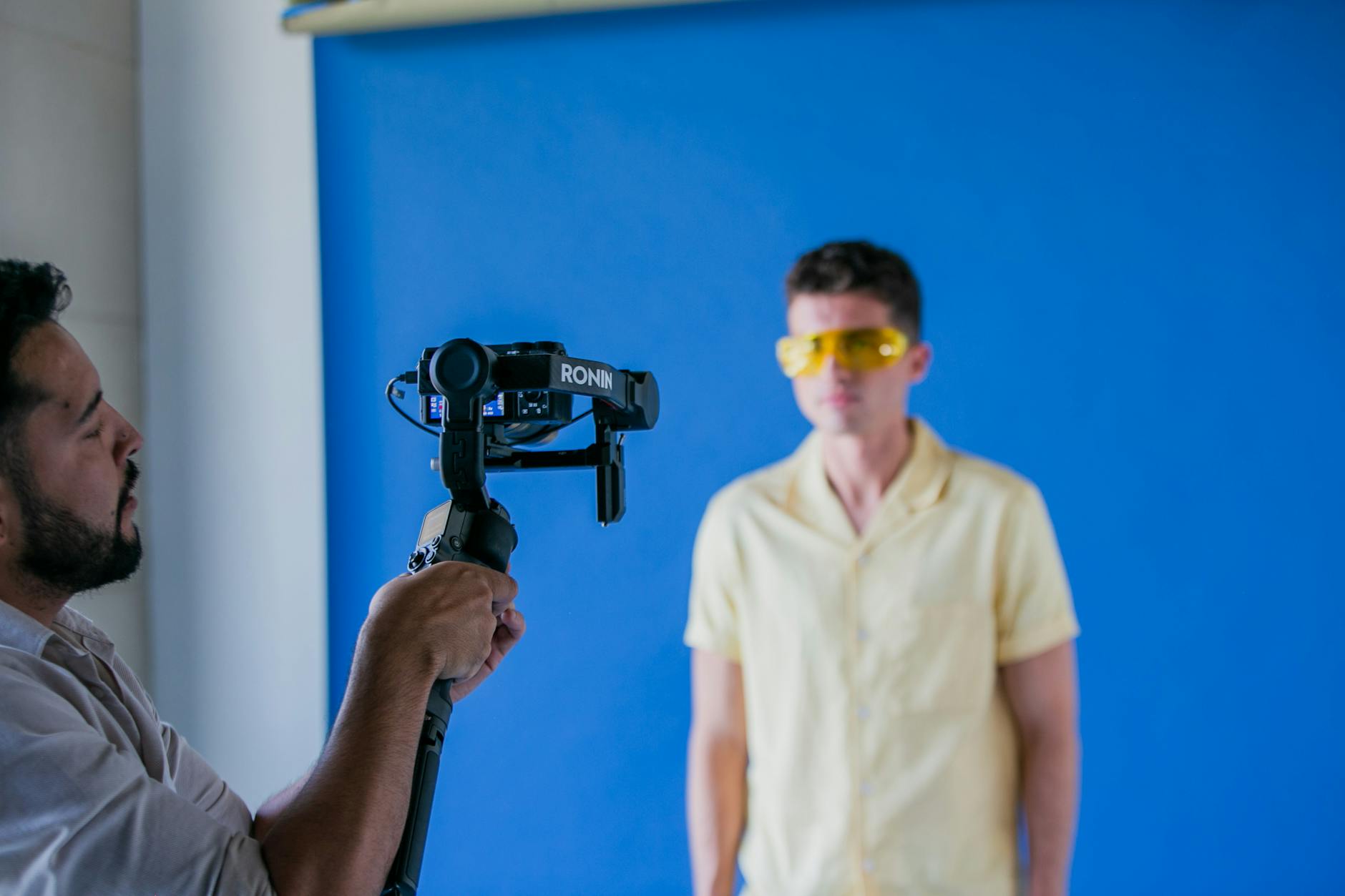
Maintaining integrity in real estate photography advertising is essential for building trust with clients and ensuring the long-term success of marketing campaigns. Ethical practices encompass transparency about image processing, ensuring that photographs accurately depict the property without deceptive enhancements or omissions. It’s crucial to provide complete and truthful representations of the property to avoid misleading potential buyers or tenants.
Clear communication with property owners regarding the scope of the photography services, including editing and post-production processes, helps establish mutual understanding and expectations. When using editing tools, disclose any significant alterations that could modify the property's appearance beyond basic corrections. This openness preserves credibility and aligns with best practices within the industry.
In the digital advertising landscape, respecting copyright laws and respecting intellectual property rights are foundational. Only use images you have created or have explicit permission to utilize. Proper attribution and licensing procedures should be followed for any third-party media, safeguarding your reputation and ensuring compliance with industry standards.
Respecting privacy is equally important, especially when capturing images that include neighboring properties or private areas. Obtaining consent when photographing sensitive spaces or private land underscores a professional approach and fosters positive relationships with clients.
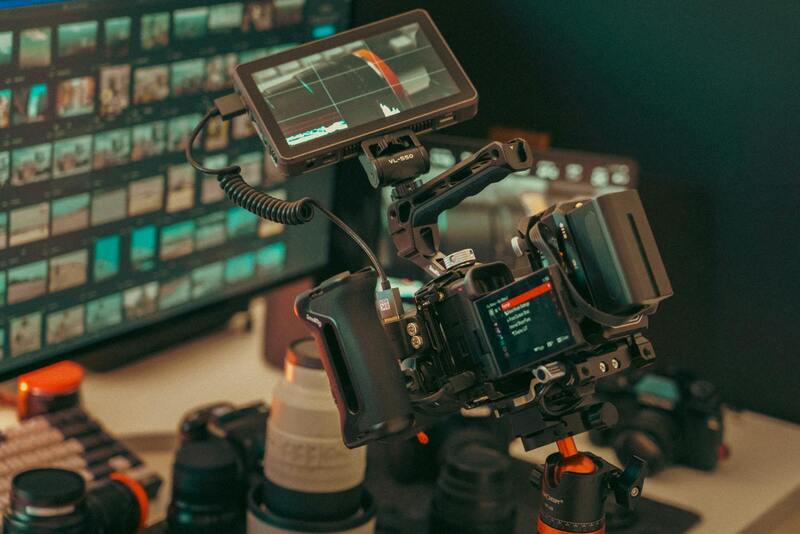
Furthermore, aligning with platform-specific advertising policies is vital. Each online listing or social media channel may have guidelines concerning image content, disclosure, and advertising practices. Ensuring compliance not only prevents undesirable penalties but also upholds a professional image.
Monitoring and documenting your advertising methods is a proactive measure that supports the ethical presentation of your services. Keeping detailed records of image sources, editing notes, and client permissions reinforces a foundation of transparency and accountability. Such records facilitate verification if any disputes or questions arise during the promotional process.