Understanding the Importance of High-Quality Real Estate Photos
In the highly competitive Miami real estate market, first impressions are often formed through online listings. High-quality real estate photos serve as the initial visual hook that attracts potential buyers and tenants to a property. Professional imagery not only showcases a home's best features but also communicates a sense of professionalism and trustworthiness of the listing agent or firm. An appealing photo can significantly increase the number of views, generate more inquiries, and ultimately lead to quicker sales or rentals.
In Miami, where luxury properties and unique architectural styles abound, the significance of captivating images becomes even more pronounced. Buyers and investors are often making decisions based solely on digital representations, making it essential for property photos to reflect the true essence, scale, and ambiance of the space. Photographs that highlight natural light, properly showcase room dimensions, and capture compelling angles can turn an ordinary listing into a must-see property. Moreover, striking images improve the overall perceived value of the property and can distinguish listings in a crowded marketplace.

Beyond attracting initial interest, professional photos contribute to building credibility and confidence among prospective buyers. When listings are accompanied by crisp, well-composed images, they suggest that the property has been marketed with care and attention to detail, which can influence buyers’ perceptions positively. This visual assurance encourages more walk-throughs, negotiations, and ultimately, successful transactions.
Effective real estate photography also aids in branding efforts for real estate agencies and agents. Consistent use of high-quality images across various platforms, including websites, social media, and email campaigns, reinforces professionalism and brand reputation. In Miami's diverse and affluent market segments, leveraging excellent visual content becomes an essential component of an overall marketing strategy, ensuring listings stand out amidst the competition.
Understanding these factors underscores the need for professional-grade imagery in real estate marketing. The investment in quality photos is a strategic move that can significantly impact a property’s visibility, perceived value, and the speed at which it moves off the market. As the digital space continues to dominate property marketing, mastering the art of compelling real estate photos remains a critical factor for success.
Choosing the Right Equipment and Techniques
Successful real estate photography in Miami hinges on selecting the appropriate equipment and employing effective techniques. Professional-grade cameras with high-resolution capabilities are essential for capturing crisp details and vibrant colors that accurately represent the property. Wide-angle lenses are crucial for showcasing spacious interiors and providing a comprehensive view of rooms, helping buyers visualize the property's full potential from digital images.
Utilizing advanced lighting equipment or natural light optimally can dramatically elevate the quality of photographs. Proper lighting ensures that each space appears inviting and well-defined, and it helps to avoid shadows or overexposure that can distort visuals. For exterior shots, drone photography and wide-angle lenses allow capturing the property's surroundings and ambiance, offering potential buyers a holistic perspective.

Effective techniques include systematic staging of interiors to highlight the property's best features and converting spaces into inviting environments for viewers. Use of tripod stabilizers ensures sharp, blur-free images, particularly in low-light conditions, while multiple shots from different angles provide a comprehensive representation of each space. Paying attention to framing and maintaining consistency in angles across various rooms ensures a cohesive visual story that appeals to prospective buyers.
Best Practices for Shooting Interior and Exterior Shots
Interior photography should emphasize natural lighting, often requiring shooting during the day to leverage sunlight. Doors and windows are kept open to enhance brightness, and clutter is removed to present a clean, welcoming environment. Highlight unique architectural details, modern upgrades, or features that set the property apart. For exterior shots, capturing the property in the golden hour—the period shortly after sunrise or before sunset—adds warmth and depth to images. Ensure landscapes and outdoor amenities such as pools, gardens, and patios are visually appealing, emphasizing their usability and aesthetic appeal.

Editing and Post-Processing of Real Estate Photos
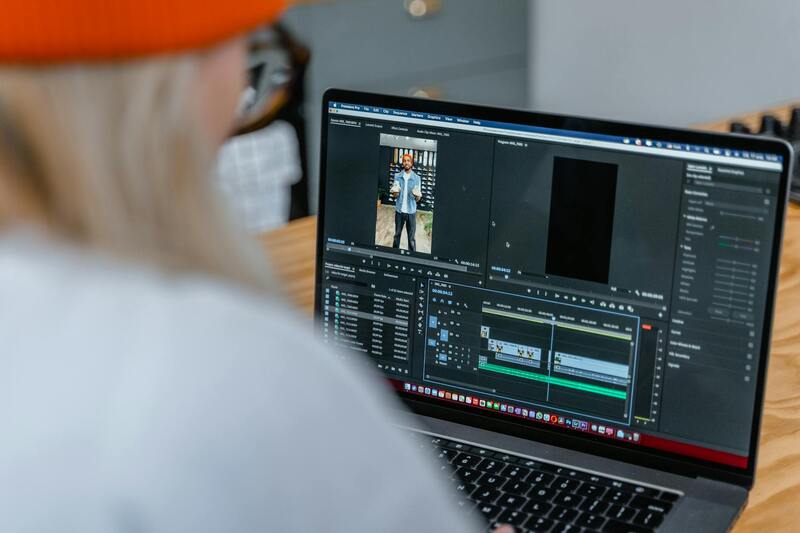
Post-processing is a vital step in refining real estate images to ensure they meet high-quality standards that resonate with digital audiences. Professional editors adjust brightness, contrast, and color saturation to reflect the true appearance of the property, avoiding over-editing that can mislead viewers. Correcting lens distortions and straightening images ensures a professional and polished look.
Retouching may involve removing minor imperfections, such as clutter or uneven lighting, to create a clean and appealing presentation. High dynamic range (HDR) techniques combine multiple exposures to balance interior brightness with exterior views, providing a comprehensive perspective that captures the entire scene effectively. Consistency across all listing photos helps maintain a professional brand image and enhances overall marketing efficacy.
Optimizing Photos for Online Listings and Marketing Campaigns
Optimized images are crucial for online platforms, where they directly influence viewer engagement and click-through rates. File size and resolution should be balanced to ensure quick loading times without compromising image quality. Descriptive filenames and alt tags improve search engine visibility, making listings more discoverable by prospective buyers actively searching in the Miami real estate market.
Creating ad-specific variations or cropped versions for different platforms maximizes reach and engagement. For example, square images work well for social media, while vertical shots suit mobile listings. Consistent visual branding—using a specific style or color palette—helps build recognition and trust among potential clients, reinforcing the professionalism of the real estate agency or agent.
Best Practices for Shooting Interior and Exterior Shots
Achieving high-quality real estate marketing photos hinges on a strategic approach to capturing both interior and exterior spaces. Proper planning before shooting involves understanding the property's key features and angles that highlight its unique selling points. When photographing interiors, natural light should be maximized by shooting during times of the day when sunlight floods the space, such as late morning or early afternoon. Opening curtains and blinds widely can help create a bright, inviting atmosphere, reducing the need for extensive post-processing. For exterior shots, it’s essential to choose optimal weather conditions—clear or slightly overcast days typically provide ideal lighting without harsh shadows or glare. Positioning the camera to showcase the property's curb appeal, including landscaped features, facades, and architectural details, can significantly influence buyer interest. Using a tripod stabilizes the camera, ensuring sharp images and consistent framing, especially in low-light conditions. Special attention should be given to the arrangement of furniture and decor within interior shots, aiming for a clutter-free environment that accentuates space and flow. Incorporating wide-angle lenses, with caution to avoid distortion, helps capture more of the room, making spaces appear larger and more open. For exterior images, shooting from different angles can provide a comprehensive view, emphasizing property size, landscape features, and outdoor amenities. Optimal camera settings involve adjusting ISO, aperture, and shutter speed to match lighting conditions and desired depth of field. A lower ISO minimizes noise, while a wider aperture (lower f-stop) blurs backgrounds and focuses attention on the immediate subject. Utilizing consistent settings across all images ensures a cohesive look throughout the property listing. To further enhance quality, incorporating techniques such as HDR photography can balance contrasting light levels, especially in spaces with large windows or direct sunlight. Post-shoot review to select the best compositions, followed by standard editing practices, helps achieve polished results that attract prospective buyers.
Legal Considerations and Ethical Standards
Maintaining high standards in real estate photography involves adhering to accepted principles of honesty and transparency. When capturing images of a property, it is essential to accurately represent its features, avoid altering or exaggerating the property's condition, and ensure all images depict the space as it truly exists. This sincerity enhances trust with potential buyers and upholds professional integrity. Furthermore, securing proper permissions when photographing private or restricted areas is critical. This includes obtaining consent from property owners or tenants, especially in occupied spaces, to prevent misunderstandings about the scope of the shoot. Respect for privacy and confidentiality should always guide the photography process. Additionally, staging and decorating choices should be executed thoughtfully, avoiding misleading impressions of the property's size or condition. When highlighting a property's features, focus on presenting a fair and balanced view rather than overly staged or idealized representations that could deceive viewers. In terms of responsible editing, adjustments should enhance, not distort, property features. For instance, color correction, brightness, and contrast adjustments should reflect real-life appearances. Over-processing, such as excessive use of filters or digital alterations that change the image beyond natural representation, can damage credibility. Lastly, adhering to industry standards and best practices in licensing and usage rights ensures that images are obtained and used appropriately. Respecting intellectual property rights during photo shoots and in post-production maintains professional credibility and aligns with ethical guidelines. By cultivating a practice rooted in honesty, respect, and transparency, real estate professionals can build a reputation for integrity that attracts serious buyers and trustworthy partnerships.
Editing and Post-Processing of Real Estate Photos
Effective editing is crucial in presenting a property in its best light while maintaining honesty and transparency. The primary goal is to enhance the inherent qualities of each image without creating illusions or misleading viewers. This involves fine-tuning adjustments such as brightness, contrast, and color correction to produce vibrant, appealing visuals that accurately reflect the property's features.
Color correction ensures that the hues of walls, furnishings, and landscaping are true to life, which helps potential buyers form accurate expectations. Brightness adjustments can highlight details in darker areas of an image, revealing the true character of a space, while contrast modifications can add depth, making rooms appear more inviting and spacious.
Digital retouching should be applied judiciously. Minor fixes like removing blemishes or distractions—such as dust on windows or small cracks—can improve visual appeal without altering the overall character of the property. This approach ensures that images represent the property authentically, fostering trust with prospective buyers and preserving the integrity of the listing.
Over-processing techniques, such as heavy filtering or the addition of artificial effects, should be avoided as they may distort reality. Excessive sharpening or saturation can lead to an overly polished look that might not be realizable upon physical visit. Maintaining a natural and consistent appearance across all images is vital for a professional and trustworthy presentation.
Quality editing maintains a balance—enhancing visual appeal while preserving the property's true characteristics. This integrity in presentation is essential for fostering confident engagement from potential buyers and upholding the standards of professional real estate marketing.
Legal Considerations and Ethical Standards
When it comes to real estate marketing photos, adherence to established standards and best practices ensures a professional and trustworthy presentation of property listings. Maintaining transparency and honesty in photography is paramount, as it builds confidence among potential buyers and upholds the reputation of the real estate agent or agency.
One of the fundamental aspects involves accurately representing the property’s features, dimensions, and condition. This means capturing images that reflect the true appearance of rooms, exteriors, and landscaping without misleading distortions or enhancements that could alter a viewer's perception. It is important to avoid deceptive techniques such as the use of wide-angle lenses that excessively exaggerate space or digital manipulations that alter the actual state of the property.
To ensure images align with actual conditions, professionals should adhere to standardized shooting guidelines, including appropriate framing, lighting, and angles that emphasize the property’s best features without overpromising. For instance, showcasing a clean, well-maintained interior with natural light can create a welcoming atmosphere, whereas staging should reflect the space’s typical use and avoid exaggeration.

In addition to visual authenticity, professionals must be aware of ownership rights and permissions related to the images used. This includes obtaining necessary consents for photography in private areas or when featuring individuals, as well as respecting property privacy considerations. Proper documentation of photographic rights can prevent potential disputes and ensure ethical compliance.
Honoring these standards not only protects the interests of all parties involved but also enhances the credibility of the listing. A consistent approach to ethical photography demonstrates a commitment to integrity, which can be a decisive factor for buyers who rely on accurate visuals to inform their purchasing decisions.
Implementing Tiered Image Optimization Strategies
Enhancing real estate photos for online listings requires a balanced approach that ensures visual quality without sacrificing loading times. Implementing tiered image optimization techniques allows for delivering different image sizes suited to various devices and bandwidth conditions. For example, high-resolution images serve desktop viewers, while compressed versions cater to mobile users, ensuring the property listing remains visually compelling across all platforms.
This strategy involves compressing images using advanced algorithms that reduce file size while preserving clarity. Progressive image loading techniques ensure that lower-resolution previews appear quickly, progressively improving as the full image loads. Such practices improve user engagement, decrease bounce rates, and contribute to better search engine rankings.
Additionally, using appropriate file formats plays a crucial role. JPEG remains ideal for photographs due to its balance of quality and compression, but for images with transparency or specific color needs, formats like PNG or WebP may be more suitable. Implementing these file formats based on image content enhances overall website performance.
Moreover, leveraging automated tools and content delivery networks (CDNs) can streamline the optimization process. These tools automatically generate multiple image variants, selected dynamically based on the viewer’s device and connection speed, ensuring optimum visual quality and performance.
Strategies for Effective Filename and Metadata Optimization
Beyond visual quality, the way photos are labeled and described significantly impacts search engine visibility. Incorporating strategic keywords into image filenames, such as "luxury-condo-living-room-miami.jpg," enhances the likelihood of appearing in relevant image searches and organic traffic.
Adding detailed metadata, including alt text and descriptive captions, contributes to accessibility and provides additional context for search engines. Alt tags should incorporate natural language keywords relevant to the property's features without keyword stuffing, maintaining a professional tone. For interior shots, descriptors like "spacious kitchen with modern appliances" or "bright living room showcasing panoramic views" provide clarity.
Maintaining consistency in naming conventions helps search engines better interpret the visual content, leading to improved ranking positions in local and property-specific searches. Proper metadata management also aids visually impaired users, ensuring that their browsing experience is inclusive.
Consistent, optimized image tagging and descriptive metadata elevate the overall quality of a real estate marketing campaign, helping listings stand out in a competitive digital marketplace.

Legal Considerations and Ethical Standards
Adherence to established standards in real estate photography is crucial for maintaining trust and professionalism within the industry. When capturing property images, it is essential to respect privacy boundaries, obtain necessary permissions, and accurately represent the property without embellishment or deceptive practices. Secure consent from homeowners or tenants prior to photographs, especially when the images include personal or private spaces. Ensuring that all photography practices align with industry guidelines helps uphold the credibility of marketing materials and fosters positive relationships with clients.

Transparency in editing is another important aspect. While post-processing enhances visual appeal, it should not alter the property's actual features or create false impressions that could mislead prospective buyers. Striking a balance between specific enhancements and truthful representation ensures that marketing efforts remain genuine and compliant with industry standards.
Maintaining Professional Integrity
- Accurate Representations: Ensure that all photos depict the property truthfully without exaggeration or omission of key features.
- Consistent Quality: Use standardized editing protocols to maintain uniformity across all listing photos, preventing inconsistencies that could affect buyer perceptions.
- Respect Privacy: Avoid capturing private areas or personal belongings without prior consent, and employ strategic cropping or framing when necessary.
- Cross-Verification: Review images for accuracy and clarity before publishing, ensuring they meet professional standards and reflect the property's true condition.
Ethical Marketing Practices
Responsible marketing entails providing prospective clients with clear, truthful visuals. Avoid manipulative techniques such as over-editing or misleading angles that could distort the property's appearance. Instead, focus on authentic showcasing that highlights the property's strengths while remaining honest about its limitations. Ethical practices enhance reputation, foster trust, and promote sustained success in real estate transactions.
Collaborating with qualified professionals who understand the importance of ethical standards in real estate marketing not only elevates the quality of photos but also ensures compliance with industry best practices. This commitment to integrity supports a fair and transparent marketplace, benefiting both sellers and buyers alike.