Importance of Listing Videos in the Miami Real Estate Market
In the vibrant and competitive environment of Miami real estate, professionals recognize the significant impact of high-quality listing videos. These visual tools serve as a digital showcase that captures the essence and unique features of properties, making them more appealing to prospective buyers. With Miami's diverse and dynamic market, standing out requires more than just listing details; it demands engaging content that draws viewers in and encourages immediate action. Well-crafted listing videos increase online visibility by providing an immersive experience, enabling buyers to explore every nook and cranny from their own devices. This enhanced exposure directly contributes to faster sales and price premiums, serving as a critical asset for real estate agents and sellers aiming to gain a competitive edge. Furthermore, these videos facilitate emotional connection by vividly portraying lifestyles, neighborhoods, and property attributes, thus aligning with the aspirations of modern homebuyers. The profound influence of listing videos is evident in their ability to generate more inquiries, reduce time on market, and foster transparency, all of which are essential in Miami’s fast-paced real estate landscape. Consequently, integrating professionally produced listing videos into property marketing strategies has become an indispensable approach for success in this thriving market.
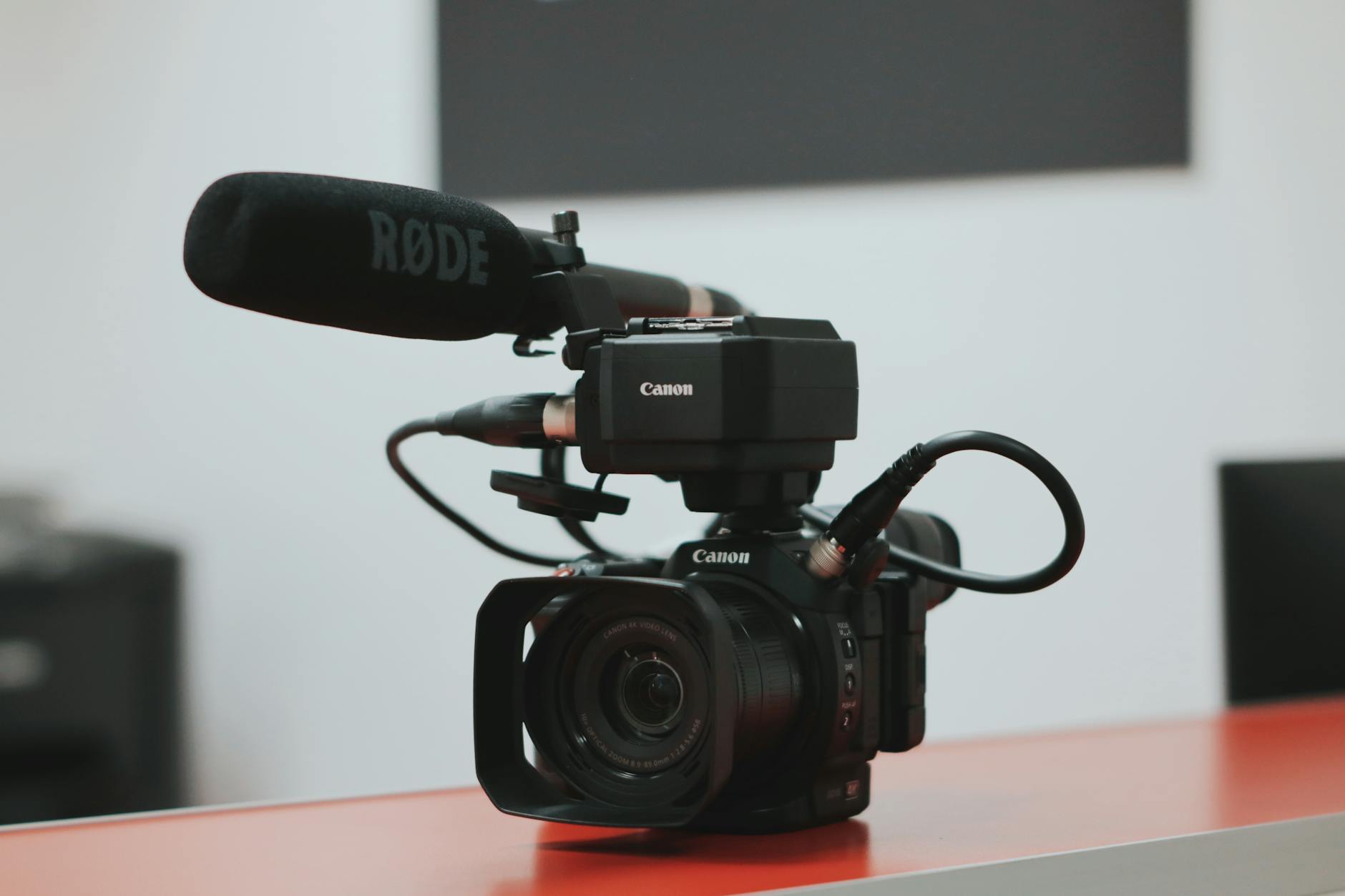
Key Elements of Successful Real Estate Listing Videos
Creating compelling listing videos involves a meticulous blend of visual storytelling, technical quality, and strategic presentation. Key elements include high-definition footage that highlights the property's best features, smooth camera movements that guide viewers through the space, and professional lighting that accentuates interior and exterior details. A well-structured script or narration can add context, emphasizing unique selling points and neighborhood benefits, while background music sets the mood and enhances engagement. Incorporating drone footage offers a broad perspective of the property’s surroundings, showcasing proximity to Miami’s vibrant amenities. Clear, consistent branding and contact information embedded subtly within the video support lead generation efforts. Additionally, optimizing the video length for online platforms ensures viewers remain engaged without losing interest, typically ranging between 60 to 120 seconds. Overall, the goal is to craft a visually appealing, informative, and emotionally resonant presentation that motivates potential buyers to take the next step.

Types of Listing Videos for Real Estate
Market demand and property type influence the selection of suitable video formats. The most common categories include:
- Standard Property Tour Videos: These videos offer a walk-through of the entire property, emphasizing flow, layout, and features. They serve as virtual tours that give viewers an authentic sense of space and ambiance.
- Neighborhood and Community Videos: Highlighting local amenities, schools, parks, and lifestyle advantages, these videos provide context for the property's environment, appealing particularly to remote buyers or ones unfamiliar with Miami’s neighborhoods.
- Drone and Aerial Footage: Offering sweeping views of the property and surrounding area, drone videos are particularly effective for luxury listings or properties with sizable grounds, showcasing proximity to Miami landmarks and natural features.
- Lifestyle Videos: Focused on portraying the aspirational lifestyle associated with the property, these videos combine footage of interior spaces, outdoor areas, and lifestyle activities to evoke emotional appeal among buyers.
Choosing the appropriate video type depends on the property attributes, target audience, and marketing objectives—each aims to craft an engaging narrative that captures attention and motivates action.
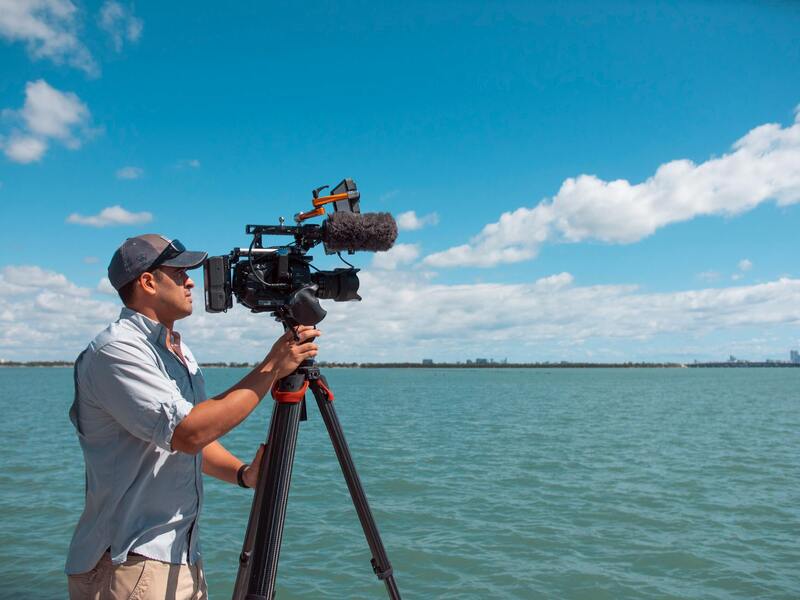
Key Elements of Successful Real Estate Listing Videos
Crafting compelling real estate listing videos requires meticulous attention to several core elements that can significantly influence viewer engagement and decision-making. Professional filming is paramount; high-quality footage captured with premium equipment ensures clarity, sharpness, and a polished look that reflects the property's value. Effective use of cinematic techniques, like smooth camera movements and strategic framing, enhances the visual appeal. Proper lighting is equally critical to highlight a property’s interior features and create a welcoming ambiance. Utilizing natural light during the daytime can accentuate space and brightness, while supplementary lighting setups help eliminate shadows and emphasize key areas.
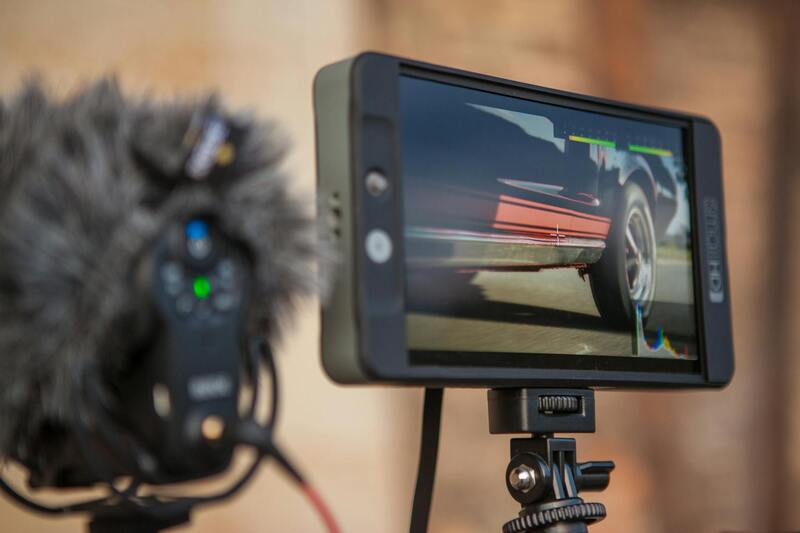
An often-overlooked aspect of successful video creation is the choice of camera angles and perspectives. A mix of eye-level shots, wide-angle views, and close-ups can convey both the overall layout and finer details that appeal to prospective buyers. Adding motion with steady gimbals or sliders produces fluid and professional footage that maintains viewer interest. Additionally, clear and concise narration or on-screen text overlays can guide viewers through the property, emphasizing unique features and key selling points.
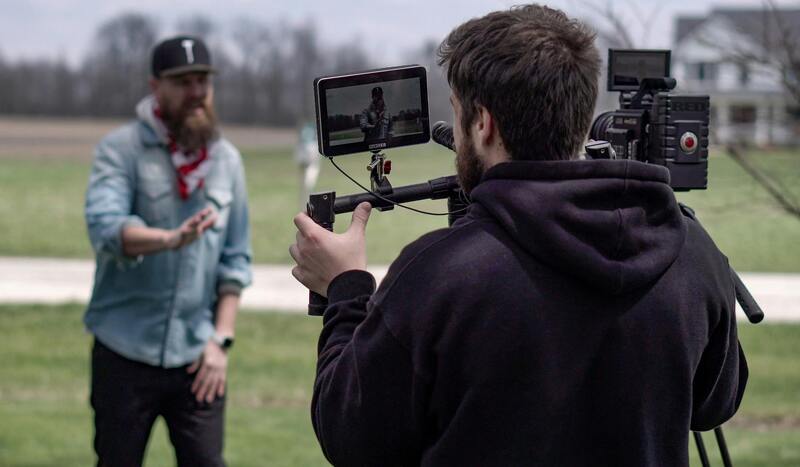
Environmental considerations such as background noise minimization and optimal shooting times contribute to the overall quality. Scheduling shoots during favorable weather conditions and avoiding distractions like crowds or traffic significantly improve the final product. The culmination of these elements results in a video that is both visually compelling and informative, increasing the likelihood of attracting serious buyers and generating interest.
Furthermore, integrating professional voiceovers or background music can evoke desired emotional responses, making the property more memorable. Consistency in branding, including logos and color schemes, helps align listing videos with broader marketing strategies, ensuring cohesive messaging across platforms. Attention to detail in both technical execution and storytelling ensures each listing video effectively communicates the property's value while resonating with the target audience.
Types of Listing Videos for Real Estate
In the competitive Miami real estate market, employing a variety of video formats can significantly enhance property presentations. Walk-through tours remain the most common and effective method to provide prospective buyers with a comprehensive view of the property's layout and flow. These videos allow viewers to virtually navigate through each room, understanding space dimensions, natural light, and overall ambiance. When executed professionally, walk-throughs can evoke a personal connection, making viewers feel as if they are physically present within the property.
Drone footage complements ground-level videos by offering breathtaking aerial views of Miami properties, especially those with expansive grounds or scenic surroundings. Aerial shots highlight external features such as pool areas, landscaped gardens, or proximity to parks and waterfronts. For luxury properties, drone videos can showcase the estate's grandeur from above, adding a layer of prestige and allure to the listing.
Agent introduction videos serve to build trust and establish a personal connection with potential buyers. These videos often feature the listing agent discussing the property’s highlights, neighborhood amenities, and answering common questions. Such content fosters transparency and cements the agent’s credibility, which is especially valuable in Miami’s high-end market where personalized service can influence buying decisions.
Additional Content Formats Enhancing Listing Effectiveness
- Feature Focus Clips: Short videos dedicated to specific property features, such as custom kitchens, outdoor living spaces, or smart home technologies, help highlight unique selling points.
- Neighborhood Tours: Videos showcasing local attractions, schools, shopping centers, and lifestyle benefits emphasize the community appeal, crucial for out-of-town buyers or those unfamiliar with Miami’s diverse neighborhoods.
- Timeline or Development Videos: For newly constructed or under-renovation properties, videos illustrating the development process or future vision can generate excitement and anticipation.
Integrating these diverse video formats within a comprehensive marketing strategy can maximize reach and engagement. When tailored effectively to the target demographic and property type, these videos enhance online visibility and foster meaningful connections with prospective buyers.
Legal and Compliance Considerations
When creating and distributing real estate listing videos in Miami, adherence to established practices and guidelines is essential to ensure the content accurately represents the property while respecting all relevant standards. Engaging in compliant video production involves verifying all visual and factual content before publishing. This ensures that potential buyers receive truthful and clear information, fostering trust and transparency throughout the marketing process.
Property rights and permissions are fundamental; obtaining necessary approvals to film on private land or within private residences helps avoid misunderstandings. It’s important to secure permissions from property owners, especially for exclusive or high-profile listings, and to confirm that any featured elements like artwork, branded signage, or recognizable individuals have appropriate rights or releases.

Ensuring Privacy and Respect in Video Content
Respecting privacy during the filming process is paramount. This includes notifying residents or individuals present on the property, especially in occupied homes, and securing consent from those who may appear in the footage. When showcasing neighborhoods, it is prudent to focus on public spaces and avoid capturing identifiable individuals without permission, preserving privacy and fostering positive community relations.
Additionally, using drone footage requires observing specific guidelines that prevent intrusions over private property or restricted airspaces. Skilled drone operators are familiar with local regulations and best practices, ensuring aerial shots enhance the listing without infringing on privacy or safety.
Compliance with Advertising Regulations
All marketing materials, including videos, must align with the established standards for advertising in the real estate sector. This involves truthful representations of the property’s features, dimensions, and condition. Avoiding exaggerated claims or misleading visuals is critical to maintaining credibility and avoiding potential disputes.

Technical Best Practices for Content Accuracy
Implementing consistent standards for video quality and content accuracy is vital. This includes using high-resolution equipment to showcase the property's best features clearly. Providing precise walkthroughs with detailed footage helps potential buyers visualize the space without ambiguity. Accurate descriptions, narrated or written, should complement visual content without misleading viewers about the property’s true state or specifications.
In Miami’s competitive real estate scene, meticulous attention to detail and compliance in listing videos amplify professionalism, foster buyer confidence, and ensure your marketing efforts are both effective and sustainable.
Legal and Compliance Considerations
Creating effective real estate listing videos in Miami necessitates a thorough understanding of the regulatory landscape governing marketing materials. While the visual appeal and technical quality of videos are paramount, adherence to established guidelines ensures that these visual assets serve their purpose without complications. Content must accurately reflect the property’s features, avoiding any exaggerated claims that could mislead viewers. For instance, showcasing a room’s dimensions or the scope of renovation work should be grounded in verified data to maintain transparency.
Property owners and real estate professionals must also be cautious with filming permissions, especially when capturing neighboring properties or public spaces. Securing appropriate authorizations helps prevent misunderstandings and respects the privacy of individuals and other stakeholders. This is particularly pertinent in Miami’s diverse neighborhoods, where community standards and expectations may vary.
In addition, when employing third-party equipment like drones for aerial footage, operators need to be familiar with local airspace regulations and restrictions. This ensures aerial shots are captured without infringing on private airspace or restricted zones. Proper compliance enhances the credibility of the listing and demonstrates professionalism, reinforcing trust among potential buyers.
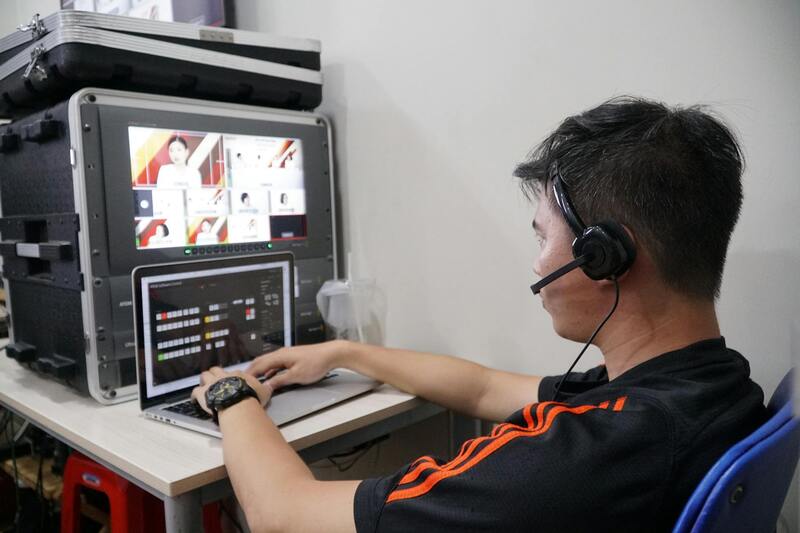
Content used in Miami’s real estate marketing should also align with advertising standards, providing truthful and clear information about the property. Misleading visuals or inaccurate descriptions can undermine trust and complicate negotiations. To mitigate this, detailed property descriptions should accompany video content, offering potential buyers a comprehensive understanding. Narrated walkthroughs, for example, can highlight unique features while clarifying room dimensions, layout intricacies, and recent upgrades.
Technical accuracy and transparency in visuals contribute significantly to the perceived professionalism of a listing. Using high-resolution footage, stable camera work, and well-planned shot sequences ensures a compelling presentation that accurately reflects the property’s appeal without overstating its qualities. This approach helps set realistic expectations, fostering confidence in prospective buyers and encouraging serious inquiries.
Legal and Compliance Considerations
Creating and distributing real estate listing videos in Miami necessitates strict adherence to pertinent legal standards and compliance requirements. These measures are essential to maintain transparency, respect privacy rights, and uphold professional integrity within the real estate industry.
Establishing clear property disclosures within videos is paramount. This includes providing accurate representations of the property’s features, size, and condition, avoiding any form of misrepresentation that could lead to misunderstandings or disputes. Contractors and content creators should ensure that all visual content aligns with written descriptions and property details, facilitating consistent and truthful marketing efforts.
Privacy considerations must also be addressed meticulously. When shooting videos on private property, obtaining explicit permission from the property owner is critical to avoid invasion of privacy. Additionally, during exterior footage capture, care should be taken to respect neighboring properties and public spaces, avoiding intrusion or filming beyond permissible boundaries.
Using copyrighted music, images, or other multimedia content in listing videos without proper licensing can lead to legal complications. Employing licensed music tracks or original sound elements ensures compliance with intellectual property laws. Similarly, if a video features individuals—such as during vignettes or walkthroughs—obtaining releases from those persons is advised to prevent privacy claims or unintended legal exposure.

In Miami’s competitive market, adherence to local regulations related to drone usage is also essential. Operators must be knowledgeable about the specific airspace restrictions and obtain necessary permits or authorizations when capturing aerial footage. This proactive approach avoids conflicts with authorities and ensures that the promotional materials are legally sound.
Lastly, all marketing materials, including videos, should include appropriate disclosures mandated by real estate advertising standards. Transparent communication about the property’s condition, features, and any known issues reduces the potential for future disputes and promotes honest dealings with potential buyers.
Legal and Compliance Considerations
Developing effective real estate listing videos in Miami requires meticulous attention to adherence with various regulatory standards and best practices. Ensuring that all content complies with local laws and industry standards is fundamental to producing high-quality promotional materials that can enhance a property’s marketability without risking legal complications. This involves implementing strategies that focus on transparency, respect for privacy, intellectual property rights, and drone operation protocols.
Permissions and Privacy
Before filming, securing explicit permission from the property owner is essential to avoid infringing on privacy rights. This typically involves obtaining a signed authorization that clearly states the intended use of the footage and grants consent for its distribution. When capturing exterior or interior shots, particularly those involving neighbors or public spaces, film crews must be mindful of boundaries and avoid intrusive filming beyond the property's perimeter. Respecting neighboring properties and public rights-of-way helps maintain good community relations and prevents potential disputes.
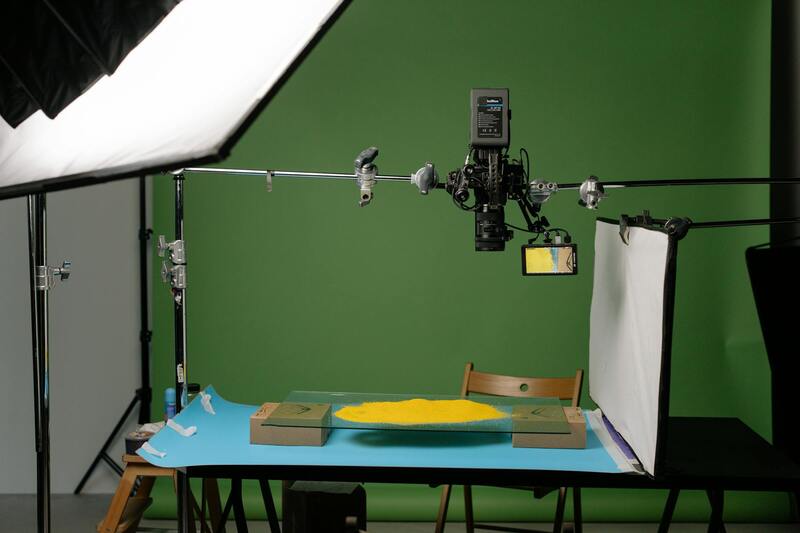
Use of Music and Media Content
Incorporating audio elements, such as background music or sound effects, requires careful licensing to ensure legal compliance. Employing copyright-protected music without proper clearance can lead to copyright infringement issues, which can significantly undermine the credibility of the listing. Using licensed tracks, royalty-free music, or original sound recordings provides a secure way to enhance videos without legal risks.
Inclusion of Individuals in Videos
Any footage featuring individuals, whether during walkthroughs or other segments, should be accompanied by signed releases from the participants. This documentation affirms consent and ensures that the video’s distribution does not infringe on personal rights. Handling this process diligently reduces the likelihood of privacy claims or legal claims related to the content.
Aerial Footage and Drone Regulations
Miami’s vibrant real estate scene often benefits from aerial views, which require sophisticated drone operation. Area-specific airspace restrictions, no-fly zones, and altitude limits must be strictly observed. Drone operators should secure necessary permits and obtain authorization from relevant authorities before capturing footage. This preemptive compliance prevents conflicts with city regulations and ensures that aerial content complies with procedural standards.
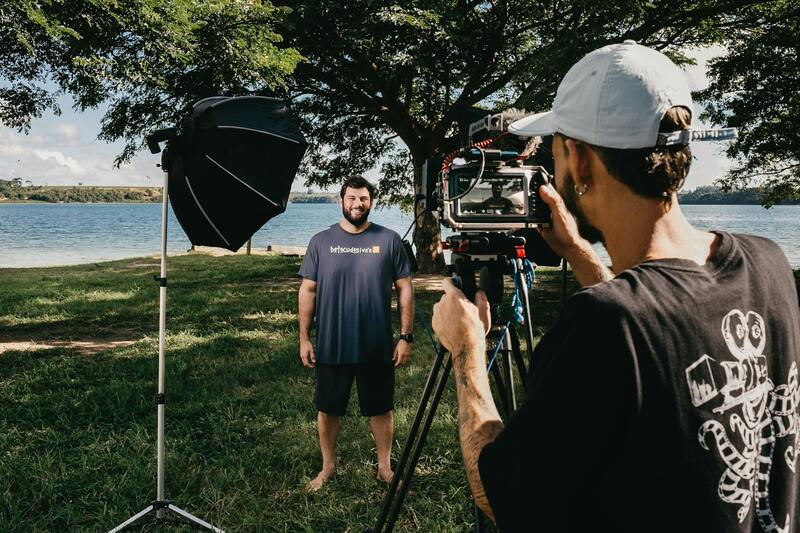
Clear and Truthful Property Disclosures
All marketing materials, including videos, should accurately reflect the property's features and condition. Providing truthful disclosures about the property—such as known defects or special considerations — fosters trust and helps prevent future disputes. Transparent communication also aligns with advertising standards and enhances the property's perceived integrity.
Employing a comprehensive approach to legal and compliance considerations not only safeguards against potential legal issues but also establishes a professional reputation that attracts serious buyers and reputable agencies. Engaging with experienced production professionals who stay current with local regulations further ensures that your listing videos meet the highest standards of legality and quality.
Legal and Ethical Standards for Real Estate Listing Videos in Miami
Creating compelling and compliant real estate listing videos in Miami requires meticulous attention to established standards that uphold transparency and respect for property owners and prospective buyers. Adhering to these frameworks not only enhances the credibility of your marketing efforts but also ensures smooth and efficient property transactions.
One crucial aspect is obtaining necessary permissions before filming. This involves securing consent from property owners or authorized representatives to use the premises for video production, especially when capturing interior spaces or personalized features. Clear agreements should outline the scope of the shoot, duration, and specific areas covered, minimizing misunderstandings or disputes later in the process.
Furthermore, the content must reflect an authentic portrayal of the property, avoiding exaggerated claims or misleading visuals. The use of truthfully representative footage is essential in establishing trust with viewers and prospective buyers. Highlighting the actual layout, features, and condition of the property aligns with best practices for honest marketing and reduces potential conflicts stemming from misrepresentations.
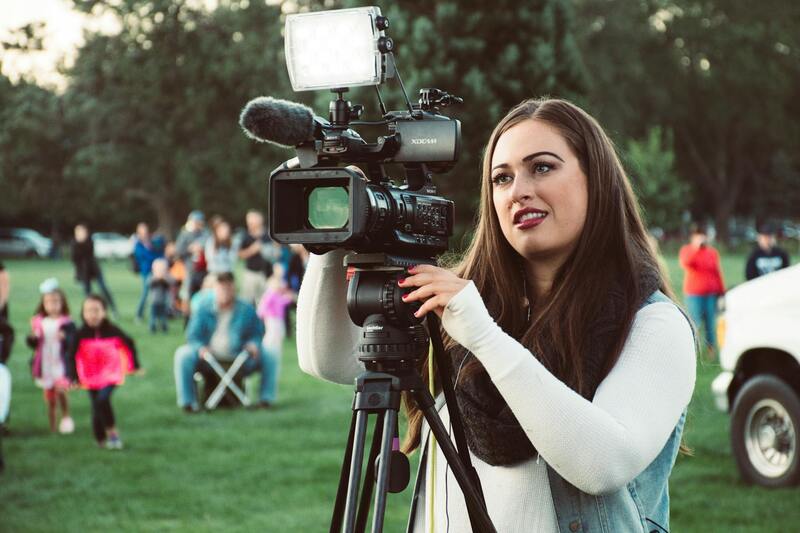
Respecting privacy is paramount. Interior shots should be taken with explicit permission, especially if recordings include personal belongings or private spaces. Additionally, external footage that captures neighboring properties or landmarks must be sensitive to privacy rights and local regulations. Properly managing these aspects demonstrates professionalism and ethical integrity in your marketing approach.
For aerial footage, adherence to Miami’s specific drone operation guidelines is mandatory. Operators must observe no-fly zones, altitude restrictions, and other airspace controls to prevent unauthorized overflight. Securing all required permits and approvals well in advance of filming activities helps avoid interruptions and potential penalties. These precautions reflect a commitment to responsible filming practices, which can elevate the reputation of your listings and agency.

Additionally, all marketing materials should prominently feature factual disclosures—such as property flaws or unique considerations—that are relevant to informed decision-making. Transparency about property condition, recent renovations, or ongoing issues enhances buyer confidence and reduces the likelihood of post-sale disputes.
Implementing these standards fosters a trustworthy environment that benefits all parties involved. When you partner with professional Miami-based production teams familiar with these protocols, you ensure your real estate videos not only attract buyers but also exemplify responsible marketing practices. This adherence to high standards results in smoother transactions, stronger professional reputation, and a more seamless overall property showcasing process.