Importance of Professional Real Estate Listing Photography
In the dynamic Miami real estate market, captivating property images are a crucial component of successful listing strategies. High-quality real estate listing photography enhances the visual appeal of a property, creating a compelling first impression that can significantly influence potential buyers’ interest. Well-executed images capture the unique features and advantages of a property, helping listings stand out in a crowded market.
Effective real estate photography can accelerate the sale process by generating more inquiries and attracting motivated buyers. Listings accompanied by exceptional photos tend to garner higher engagement on online platforms, leading to increased visibility and faster transaction times. In Miami’s competitive landscape, professional images serve as an essential marketing tool, translating the aesthetics of the property into a persuasive online presentation.
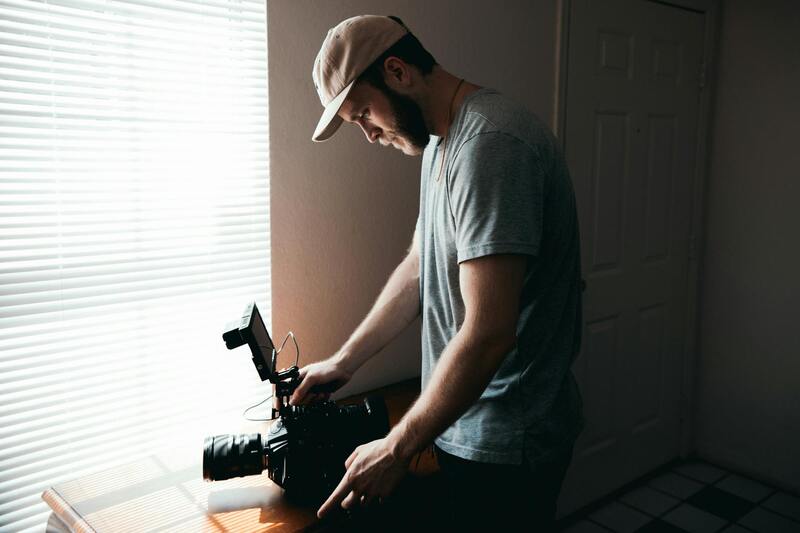
Moreover, quality photography fosters trust and confidence among buyers, as it reflects transparency and professionalism from the seller. Buyers often form their initial opinions based solely on images, making it imperative to utilize high-resolution, well-composed photographs that accurately depict the property’s interior and exterior spaces.
In summary, professional real estate listing photography is a strategic investment that significantly impacts the speed and success of property sales in Miami. It acts as a digital handshake, offering a visual promise that entices viewers to explore further and take the next step toward purchasing.
Key Elements of Successful Property Photos
To produce compelling real estate images, certain fundamental elements must be prioritized:
- Lighting: Bright, well-lit photos ensure all features are clearly visible. Natural light, when available, is preferable, but supplemental lighting may be used to enhance darker areas.
- Composition: Proper framing and strategic positioning highlight key features and create a sense of space. Using the rule of thirds and wide-angle lenses can improve depth and perspective.
- Clutter-free Spaces: Ensuring rooms are tidy and free of personal items provides a clean, inviting look that appeals to prospective buyers.
- Perspective: Showcasing rooms from flattering angles offers viewers a realistic sense of space and layout.
- Consistency: Maintaining uniformity across all images establishes a cohesive visual narrative and professional appearance.
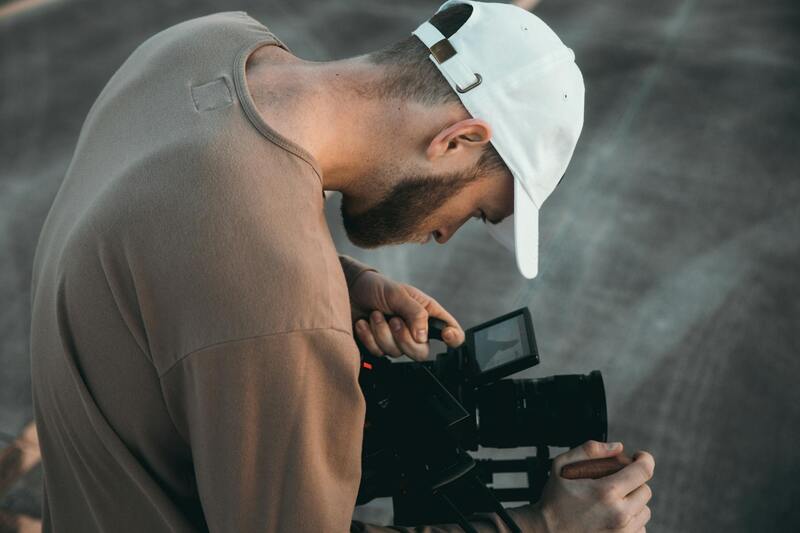
Equipment and Techniques for Shooting Real Estate Listings
Achieving top-tier real estate listings requires specialized equipment and proven techniques. High-resolution digital cameras equipped with wide-angle lenses are fundamental for capturing expansive views that convey spaciousness. Tripods are essential for stabilizing shots and maintaining clarity, especially in low-light conditions.
Professional photographers employ techniques such as HDR (High Dynamic Range) imaging to balance the exposure between bright windows and darker interiors. Dusk or twilight shots can also dramatically enhance the ambiance, showcasing exterior lighting and the property's ambiance after sunset.
Utilizing drone photography offers aerial perspectives that highlight property size, surrounding landscapes, and unique neighborhood features. Post-processing edits enhance color accuracy, straighten skewed images, and remove minor imperfections, ensuring the final product is polished and appealing.
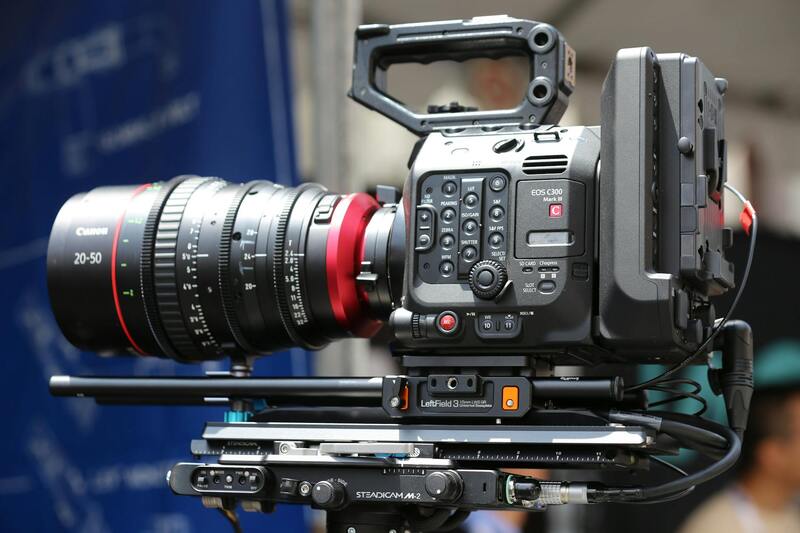
Equipment and Techniques for Shooting Real Estate Listings
High-quality real estate listing photography hinges on the use of specialized equipment and refined shooting techniques that ensure each property is showcased in its best light. The foundation of professional property photos begins with the selection of appropriate gear—primarily, high-resolution digital cameras paired with wide-angle lenses. These lenses allow photographers to capture expansive rooms and exterior spaces in a single shot, effectively conveying the scale and layout without distortion.
Tripods are an indispensable tool, providing stability for crisp, clear images, especially when shooting in less-than-ideal lighting conditions. The stability offered by tripods ensures consistent framing and prevents motion blur, which can diminish the perceived quality of the shots.
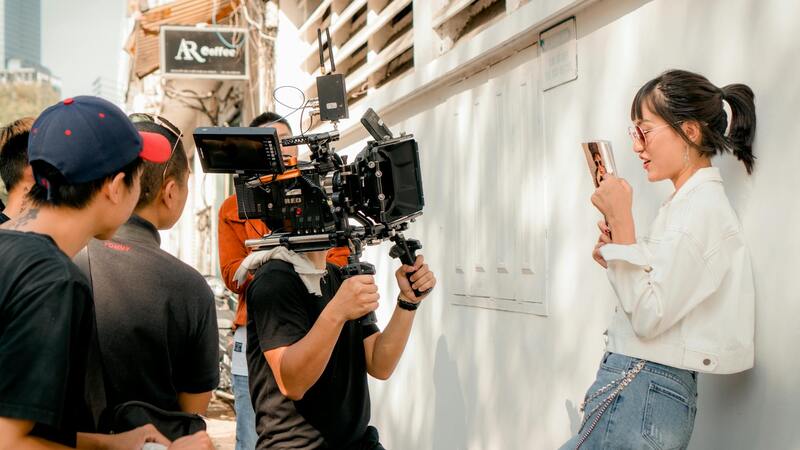
To achieve a balanced exposure that highlights interior features without overexposing windows or shadows, real estate photographers often utilize High Dynamic Range (HDR) imaging. This technique involves capturing multiple shots at different exposure levels and blending them to produce a single image with rich detail in both shadows and highlights.
Emerging as a valuable asset, drone photography offers breathtaking aerial shots that can illustrate the property's size, landscape features, and neighborhood context. Drones provide unique perspectives that ground-level photography cannot match, adding a compelling dimension to property listings.
Post-production editing is equally vital for refining images. Through professional editing software, photographs can be color-corrected, skewed angles straightened, and minor imperfections retouched, ensuring each image is crisp and visually appealing. This step transforms raw captures into polished visuals that resonate with prospective buyers.
In addition, shooting during certain times of day, such as dusk or twilight, can dramatically enhance the atmosphere of exterior shots. The natural lighting at these times accentuates architectural details and showcases exterior lighting, creating warm, inviting images that entice viewers.
All these equipment choices and techniques collectively contribute to creating compelling images that communicate the property’s best features, attract more interest, and ultimately support successful sales efforts.
Equipment and Techniques for Shooting Real Estate Listings
Capturing high-quality real estate listing images requires more than just a basic camera. Professional equipment and advanced techniques enable photographers to produce images that highlight the property’s best features while maintaining accuracy and visual appeal. A full-frame DSLR or mirrorless camera equipped with a wide-angle lens—typically between 14mm and 24mm—serves as the primary tool for capturing expansive interior and exterior shots. Wide-angle lenses allow photographers to encompass more of a room or outdoor space in a single frame, providing viewers with a comprehensive perspective.
Tripods are essential for achieving stability and sharpness, especially when shooting in conditions with lower natural light or during twilight hours. A tripod ensures consistent framing and eliminates camera shake, which can diminish image quality. To enhance lighting, photographers often utilize external flashes or continuous lighting setups that help brighten dark corners and balance exposure across the scene.
Post-processing software like Adobe Lightroom or Photoshop is crucial for refining images. Adjustments include correcting color balances, straightening skewed lines caused by lens distortion, and retouching minor imperfections such as clutter or distracting shadows. High Dynamic Range (HDR) imaging, as previously mentioned, is particularly effective for outdoor shots or interiors with contrasting light levels, combining multiple exposures into a coherent, well-lit image.
In addition, drone photography has become a vital component for showcasing large properties, land plots, or unique neighborhood features. Flying at varying altitudes, drones provide stunning aerial views that ground-based photos cannot achieve, offering potential buyers a full understanding of the property's scope and surroundings.
Mastering these technical aspects—paired with an understanding of lighting, composition, and post-processing—ensures that each listing photo accurately represents the property while making it visually compelling to prospective buyers. This level of professionalism plays a pivotal role in attracting interest and facilitating successful property transactions.
Legal and Ethical Considerations in Property Photography
Ensuring that real estate listing images are both truthful and respectful of all parties involved is essential in professional property photography. This entails capturing images that accurately depict the property’s condition and features without misrepresentation or deceptive techniques. Photographers should avoid digitally altering images in ways that could mislead viewers regarding the size, layout, or condition of the property.
Respecting the privacy and rights of homeowners and tenants is a fundamental aspect of ethical photography. It is advisable to secure permission before photographing private areas or including identifiable individuals in shots. Additionally, avoiding the inclusion of personal items or sensitive content preserves the property owner’s privacy and upholds the integrity of the listing.
Adherence to industry standards involves not only the technical aspects of photography but also maintaining transparency about the techniques used. For instance, if HDR or wide-angle lenses are employed, highlighting these methods ensures potential buyers understand they are viewing a presentation crafted to showcase the property optimally, rather than an artificially enhanced image.
Proper disposal of digital files, safeguarding client data, and following contractual agreements regarding the delivery and use of photos are also crucial. These practices safeguard the interests of both the photographer and the client, fostering a professional environment rooted in trust and integrity.
Overall, balancing high-quality visual presentation with ethical practices reinforces the credibility of the listing, protects all parties involved, and supports a transparent real estate marketing process. Maintaining an unwavering commitment to honesty and respect within property photography enhances the reputation of industry professionals and ensures that listings serve as a trustworthy resource for potential buyers.
Techniques for Enhancing Property Photos in Real Estate Listings
To produce compelling real estate listing photographs, applying specific techniques that highlight the property’s strengths is essential. High-dynamic-range (HDR) imaging, for example, balances exposure across different areas of a shot, ensuring that both interior details and exterior views are well-lit and vivid. This technique is particularly effective in spaces with contrasting lighting conditions, such as a sunlit living room adjacent to shadowed corners.
Utilizing wide-angle lenses (typically 10-24mm for full-frame cameras) allows photographers to capture more of a room in a single shot, providing viewers with a comprehensive sense of space. However, it’s important to correct for distortion during post-processing to ensure accuracy in the depiction of the property.

Strategic lighting is also crucial. Natural light should be harnessed whenever possible—shooting during daytime hours with curtains opened to let in sunlight reveals the true ambiance of each room. Supplementary lighting can be added to dark corners or shaded areas, bringing balance and clarity.
Post-Processing and Image Enhancement
Post-production plays a significant role in refining property images. Adjustments such as color correction, contrast enhancement, and straightening can improve visual appeal without misrepresenting the property. Employing professional editing tools ensures that images are polished, consistent, and aligned with the overall aesthetic of the listing.
It’s important to remain transparent about editing practices. Disclosing the use of HDR or wide-angle techniques helps create an honest representation of the property while maintaining trust with prospective buyers.
Ensuring Consistency and Quality Control
Developing a standardized workflow for shooting and editing ensures consistency across multiple listings, which enhances brand reputation. This process includes pre-shoot preparations, systematic photo capturing, and post-shoot reviews to confirm all required shots meet quality standards.
Legal and Ethical Considerations in Property Photography
Maintaining authenticity and transparency in property imagery is vital in fostering trust with potential buyers and clients. Professional real estate photographers employ legitimate methods to capture the property's true essence, avoiding deceptive enhancements or misrepresentations. When editing images, it's essential to focus on color correction, perspective adjustments, and lighting enhancements that reflect the property's actual appearance without altering its fundamental features.
In addition to visual accuracy, photographers should document their work process appropriately. Keeping records of shooting conditions, equipment used, and editing steps helps verify that images are produced following established standards. This approach supports the overall integrity of the listing, providing reassurance to clients and potential buyers alike.
Practicing ethical conduct involves respecting privacy and property boundaries. This includes securing permissions for drone shots or exterior captures that may infringe on private spaces and ensuring that images do not include unintended or sensitive areas. Responsible photography also entails avoiding manipulations that could mislead viewers about the property's size, layout, or features.
Proper framing and composition are also critical, emphasizing what the space offers while avoiding exaggerated perspectives. Wide-angle lenses are used carefully to prevent distortion, ensuring that the images deliver a truthful representation. This strategic balance between enhancement and honesty ensures that listings are both visually compelling and trustworthy.
Ensuring Authenticity Through Proper Image Workflow and Ethical Standards
Maintaining the integrity of property images from shoot to final delivery is fundamental in real estate listing photography. A structured workflow not only guarantees consistency but also reinforces trustworthiness among clients and prospective buyers. When scheduling shoots, it's essential to coordinate with property owners or agents to ensure access during optimal lighting conditions and to respect their preferred timings. Clear communication about the scope of work and expectations helps streamline the process.
During the actual shoot, attention should be given to capturing multiple perspectives of each space, highlighting both large and small features accurately. Using high-quality equipment, such as wide-angle lenses with minimal distortion and professional lighting gear, ensures that images are well-lit and true to life. Photographers should keep detailed records of shooting parameters, including camera settings, ambient lighting conditions, and any external factors affecting the photos.
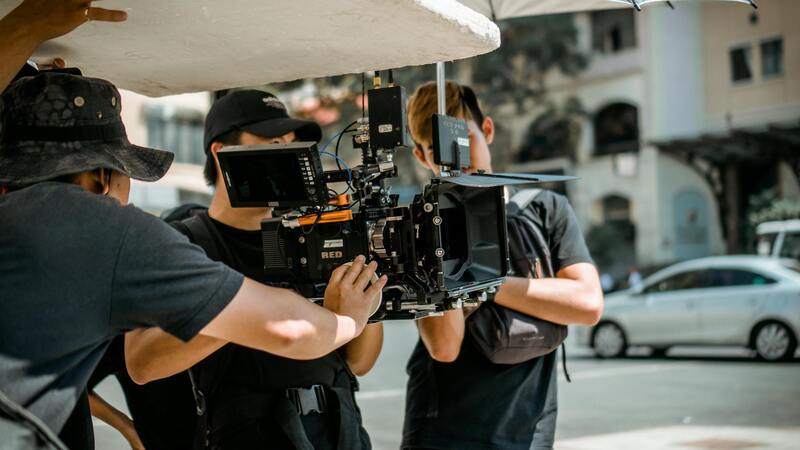
Post-production is equally important in this process. The editing phase should focus on color correction, exposure adjustments, and perspective corrections to reflect the property's real appearance. Any enhancements must be applied judiciously to avoid misleading viewers. Documenting all editing steps—such as fixing distortion or adjusting brightness—helps preserve transparency and ensures the images remain a truthful depiction of the property.
Timely delivery of finalized images is crucial in fast-paced real estate markets like Miami. Utilizing cloud-based transfer platforms or dedicated client portals facilitates quick and secure delivery of high-resolution photographs. Clear communication about delivery timelines and formats ensures clients can readily incorporate the images into their listings.
Adhering to Ethical Standards in Property Photography
Ethical considerations form the backbone of reputable real estate listing photography. Respecting the privacy of property owners and securing necessary permissions prior to shoots uphold professional standards. When capturing exterior shots, especially with drone footage, obtaining explicit approval guards against intrusions into private spaces.
It's imperative to avoid manipulating images in ways that could create false impressions about the property's size, layout, or condition. While lighting and perspective adjustments can enhance visual appeal, any alterations that exaggerate features or conceal flaws diminish transparency and could diminish trust.
Responsible cropping and framing focus on conveying a realistic sense of space. Using wide-angle lenses thoughtfully can showcase room dimensions without introducing distortion that misleads viewers. Maintaining consistency across all images—such as color balance and perspective—further supports an honest portrayal.
Documenting and Communicating Excellence in Photography Practice
Proper documentation of the entire photographic process—from initial preparation and shooting conditions to post-production edits—serves as a record of the approach used to represent the property. This transparency reassures clients and helps to establish a reputation for integrity.
By systematically following these standards, real estate photographers contribute to a trustworthy marketing environment. This fosters confidence among buyers, sellers, and real estate professionals, ultimately supporting smoother transactions and a more professional industry overall.
Ensuring Proper Image Usage and Ethical Marketing
Utilizing photographs ethically and responsibly is fundamental in real estate listing photography. Photographers and agents must adhere to practices that prioritize authentic representation of the property while avoiding misleading visuals. This includes implementing clear guidelines for image editing, ensuring that enhancements do not alter the true appearance of spaces, and refraining from digital manipulations that could deceive potential buyers.
When preparing images for online listings, it is vital to disclose any modifications made during post-production. Transparency in editing practices fosters trust and maintains the integrity of the marketing process. For example, color corrections, brightness adjustments, and minor perspective corrections are acceptable, provided they preserve the accuracy of the property's appearance.
Respecting privacy rights and property boundaries is equally crucial. Photographers should obtain explicit consent from property owners and tenants before capturing images, especially when using drone footage or any other aerial methods. Proper permission procedures protect all parties involved and uphold professional standards within the industry.
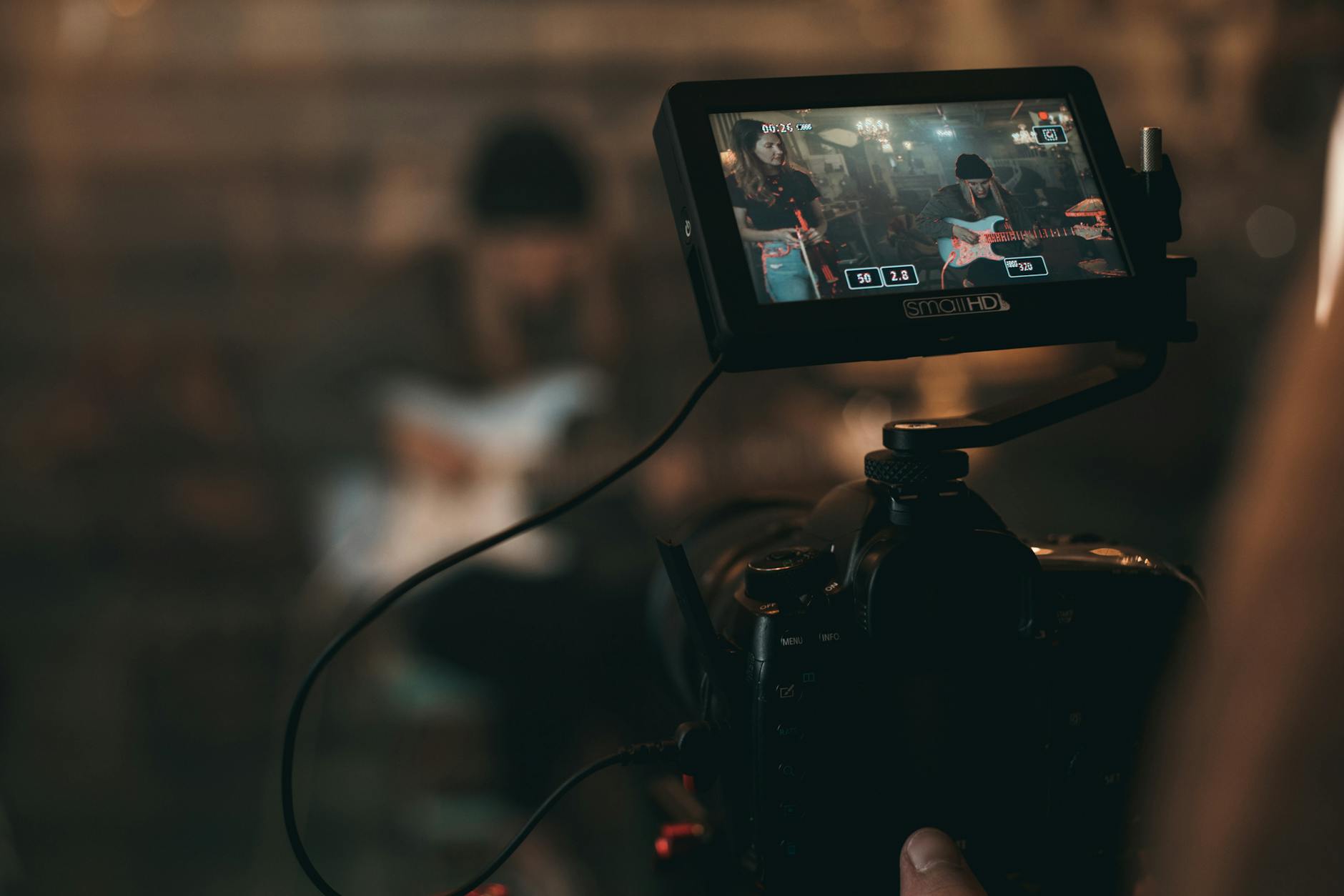
Developing a responsible workflow that emphasizes honesty in visual content supports a credible market. This includes:
- Obtaining necessary permissions for all photography activities
- Disclosing any post-production edits to clients and viewing audiences
- Ensuring that images accurately depict the property's features and condition
- Maintaining consistency across all photos in terms of lighting and perspective
By adhering to these standards, professionals can significantly enhance the reputation of their services, foster buyer confidence, and contribute to a transparent real estate market. Such practices also serve to minimize disputes and build long-term client relationships based on trust and integrity.