Importance of High-Quality Real Estate Photos
In today’s competitive real estate market, the visual presentation of a property often determines its success in attracting potential buyers. High-quality real estate house photos serve as the first impression, capturing the essence and unique features of a home with clarity and appeal. When prospective buyers browse online listings, images are usually the primary factor influencing their decision to visit in person. Clear, well-lit, and professionally captured photos can make a property stand out among numerous listings, significantly boosting its visibility.
Effective real estate photography not only highlights the property's best attributes but also creates an emotional connection with viewers. Bright, sharp images evoke feelings of warmth and comfort, encouraging potential buyers to envision themselves living in the space. Conversely, poorly lit or poorly composed images can discourage interest and decrease the perceived value of the property. Therefore, investing in high-quality photos is an essential strategy for real estate agents and homeowners aiming to maximize their property's market potential.
Moreover, well-produced property images enhance online listing rankings and engagement. Search engines and listing platforms favor high-resolution, professionally shot photographs, helping properties gain more exposure. Given that many potential buyers begin their search online, compelling photos become a vital marketing tool. They can increase the number of inquiries, scheduled viewings, and ultimately, sales.
Beyond digital listings, high-quality images are crucial for print marketing materials, such as brochures, postcards, and signage, ensuring a consistent and professional presentation across various channels. Quality visuals also reflect positively on the credibility and professionalism of the listing agent or property owner.
In essence, compelling real estate house photos bridge the gap between listing and sale, accelerating the sales process and often leading to higher offers. Recognizing their importance and applying best practices in capturing and displaying these images is vital for success in today’s real estate landscape.
Best Practices for Shooting in Miami Homes
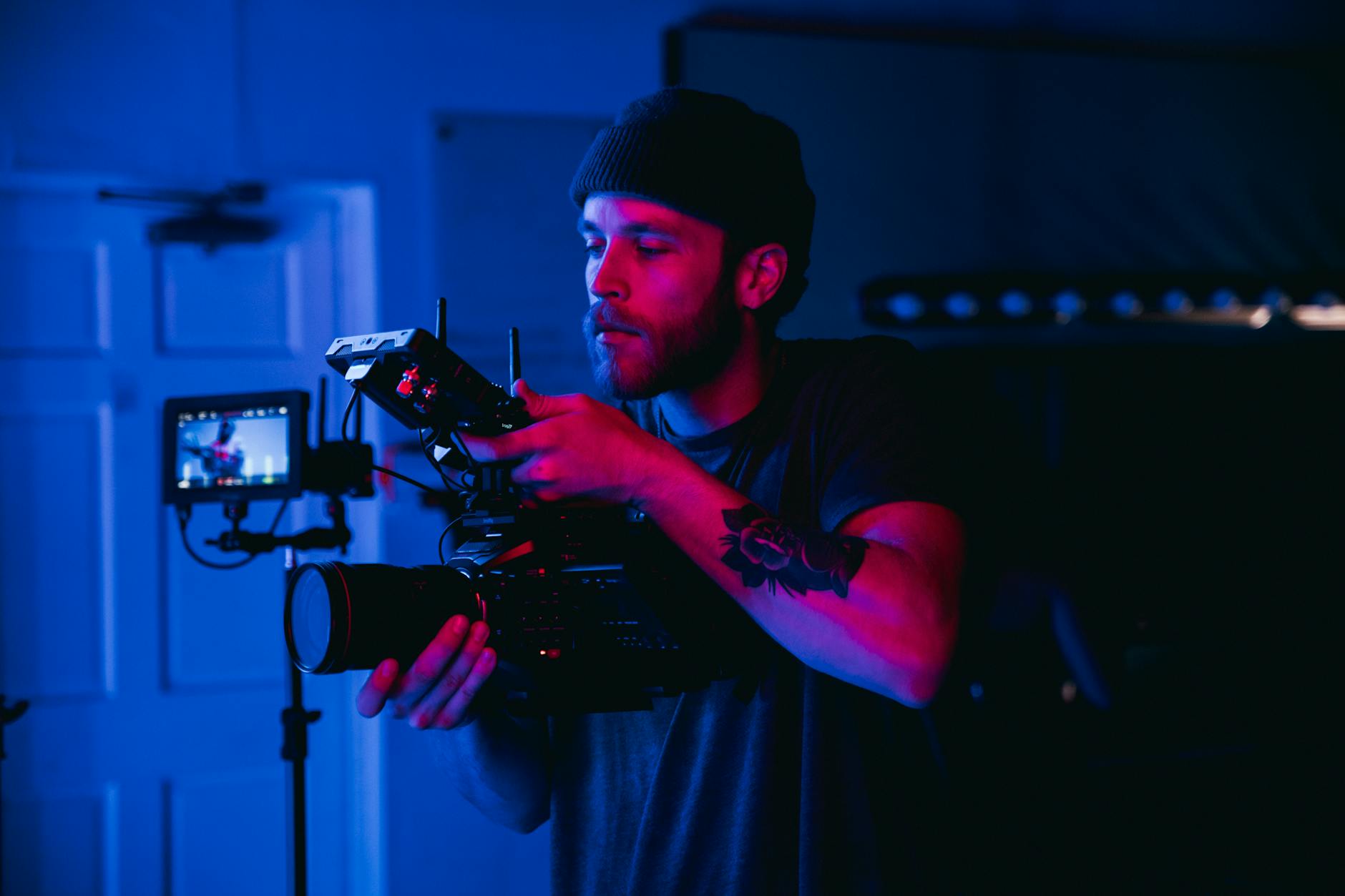
Capturing stunning real estate images in Miami requires a strategic approach that takes advantage of the city’s vibrant architecture and natural light. Photographers should plan shoots during daylight hours, ideally during the golden hour when sunlight casts warm, flattering hues over the property. This natural illumination enhances the visual appeal of both interiors and exteriors, highlighting architectural details and creating inviting atmospheres.
Pre-shoot preparation involves thorough staging of the property, ensuring clutter is minimal and living spaces are clean and inviting. Open curtains and blinds to maximize natural light, and consider adding subtle decor elements that complement the property's style. Consistency in the visual presentation across all images establishes a cohesive narrative for prospective buyers browsing online platforms.
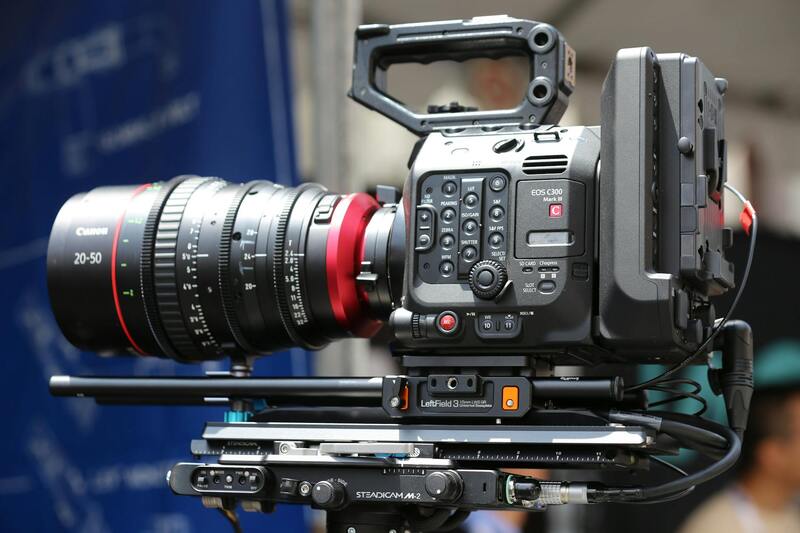
Using wide-angle lenses allows for capturing expansive interior shots that convey spaciousness. When photographing exteriors, choosing angles that emphasize striking architectural elements or picturesque landscaping can make the property stand out in a competitive market. Additionally, capturing contextual shots of Miami-specific amenities—like pool areas, ocean views, or outdoor living spaces—can boost appeal significantly.
Post-shoot editing should be precise and restrained, enhancing brightness, contrast, and color saturation to reflect the actual beauty of the property without misrepresentation. Proper color correction and retouching help create images that are vibrant and eye-catching while maintaining authenticity.
Consider incorporating innovative techniques such as HDR imaging and staged virtual staging to add depth and style to the photos. These methods help to balance tricky lighting conditions and provide potential buyers with a vivid, accurate impression of the space, fostering emotional connections that increase interest.
Efficient workflow management, including timely image processing and delivery, contributes to a seamless marketing process. High-quality visuals delivered promptly can accelerate listing timelines and foster immediate engagement from serious buyers.
Ultimately, adopting these best practices ensures that each shot not only showcases the property’s best features but also aligns with the visual expectations of modern homebuyers—in particular, those viewing Miami’s unique real estate offerings.
Legal and Technical Considerations
When capturing and distributing real estate house photos, it is essential to adhere to established standards that respect property rights, privacy, and technical quality. Ensuring compliance with local regulations and guidelines is crucial for maintaining credibility and fostering trust among clients and potential buyers.
One of the primary technical considerations involves using equipment that meets professional standards. High-resolution cameras equipped with wide-angle lenses are preferred to accurately portray spaces while minimizing distortion. Proper calibration of camera settings, including aperture, shutter speed, and ISO, ensures consistency across images, which is vital for creating a cohesive visual presentation.
Lighting plays a significant role in the quality of real estate photography. Employing natural light when possible enhances clarity and color accuracy, but supplemental lighting may be necessary in interiors with limited daylight. It is crucial to avoid overexposure or underexposure that could misrepresent the property's features. Diffusers and reflectors can be used to control shadows and highlight key architectural details.
Post-processing techniques should focus on maintaining authenticity. Adjustments to brightness, contrast, and color saturation must be subtle enough to enhance attractiveness without misleading viewers. Over- editing can lead to misinterpretation of space, which may cause dissatisfaction during walk-throughs or inspections.
When considering aerial shots, UAV (drone) photography is increasingly popular. Using drones requires comprehensive knowledge of airspace regulations, safety protocols, and operator certification. Proper flight planning ensures comprehensive coverage of the property’s exterior, landscaping, and surrounding environment while respecting privacy boundaries.
Incorporating 3D virtual tours and panoramic images adds a dynamic element to property listings. These technological tools enable potential buyers to explore the space interactively, providing a comprehensive understanding that static photos cannot offer. Ensuring that these digital experiences are accurately rendered and seamlessly integrated into online platforms reinforces professionalism and enhances user engagement.

Optimization for online listings involves compressing images for fast loading without compromising quality, utilizing appropriate file formats, and employing SEO best practices such as descriptive filenames and alt text. These steps help improve search engine visibility and attract targeted traffic to property listings.
Overall, a thorough understanding of legal and technical aspects ensures that real estate house photos not only highlight the property's best features but also stand up to scrutiny in digital marketing environments. This meticulous approach fosters credibility, builds confidence among prospective buyers, and supports a seamless transaction process.
Legal and Technical Considerations
When capturing real estate house photos, understanding the technical and legal landscape is essential to produce images that are both impactful and compliant with industry standards. This includes familiarity with rights related to the property, privacy considerations of neighbors, and adherence to data protection regulations, especially when photographing in densely populated areas like Miami. Proper signage indicating photography areas and obtaining necessary permissions for shooting in certain zones or through gated communities can streamline the process and prevent potential conflicts.
Technical aspects such as image resolution, aspect ratios, and file formats should be carefully managed to ensure optimal display across various online platforms. High-resolution images allow for detailed viewing and can be zoomed into without loss of quality, which enhances the viewing experience for potential buyers. The use of standardized file formats such as JPEG or PNG helps maintain consistency, while appropriate compression techniques reduce load times, ensuring listings load quickly and efficiently.
Color accuracy is another critical factor; white balance should be adjusted to accurately represent the property's appearance under various lighting conditions. Shots taken in natural light typically provide the most appealing results, highlighting the property's true colors and textures. When using artificial lighting, photographers need to ensure even illumination to avoid harsh shadows or overly bright spots that could distort the image.
In terms of legality, it is crucial to respect the privacy rights of individuals and property boundaries. Photographers should avoid capturing personal or sensitive information inadvertently, such as license plates, window silhouettes of residents, or private outdoor spaces without approval. Proper planning, including checking property autonomy and obtaining necessary permissions, helps avoid potential disputes and maintains the integrity of the listing process.
Another technical consideration involves adhering to local airspace and drone regulations if aerial shots are incorporated. Miami's specific rules regarding drone usage must be followed diligently; including obtaining necessary permits, respecting no-fly zones, and ensuring drone operators are certified. This approach safeguards against violations and promotes responsible usage of aerial technology to elevate property presentation.
Ultimately, meticulous attention to these legal and technical aspects not only ensures compliance but also exemplifies professionalism. Well-executed property photos serve as a reliable representation of the listings, boosting confidence among prospective buyers and facilitating smoother transactions while maintaining a positive reputation in the competitive Miami real estate market.
Legal and Technical Considerations in Real Estate Photography
Effective real estate photography extends beyond capturing attractive images; it involves meticulous attention to legal and technical details to ensure compliance and preserve professional standards. When photographing Miami homes, understanding regional regulations and respecting property rights are paramount. This guarantees that imagery accurately and ethically represents the property without infringing on privacy or property boundaries.
One of the first steps in a successful photo shoot is obtaining all necessary permissions from property owners or managers. This ensures access to all areas intended for shooting and prevents disruptions during the session. It’s essential to confirm whether any parts of the property are off-limits or require special authorization. This includes outdoor spaces, private gardens, or interior rooms that may contain confidential or personal items.
Respecting Privacy and Personal Space
To protect individuals’ privacy, photographers should be vigilant about avoiding capturing images that reveal personal information or private activities. For instance, images should be composed to prevent inclusion of license plates, personal identifiers, or residents seen through windows. Using camera techniques such as strategic framing, adjusting angles, and employing shallow depth of field can help focus on the property's features while excluding unintended elements.
Adherence to Local Drone and Aerial Photography Regulations
Incorporating aerial shots enhances the presentation of Miami properties, offering prospective buyers a comprehensive view of the estate and its surroundings. However, drone usage requires compliance with local airspace rules. This includes securing permits where necessary, respecting no-fly zones, and adhering to altitude restrictions. Certified drone operators should be engaged to ensure safety and legal adherence, minimizing risks of violations that could delay or hinder the marketing process.

Proper planning for aerial shoots involves checking local government guidelines, understanding restricted zones (such as near airports, government buildings, or wildlife areas), and scheduling flights during optimal weather conditions. These measures promote responsible drone usage and high-quality aerial footage that highlights the property's best features.
Technical Setup and Equipment Considerations
High-quality images rely heavily on appropriate technical setups. Cameras with high resolution capabilities, wide-angle lenses, and proper lighting equipment are essential. Natural light should be optimized by scheduling shoots during daylight hours and on days with favorable weather conditions, such as clear skies and minimal wind. For interior shots, professional lighting setups help eliminate shadows and highlight key features effectively.
Post-processing procedures should be performed carefully to correct any color imbalances, straighten horizons, and remove minor imperfections without over-editing, which can mislead buyers. Maintaining an honest yet attractive representation of the property builds credibility and trust among viewers.
Ensuring Consistency and Quality Control
Consistency across all images in a listing reinforces professionalism and enhances the property's appeal. Establishing standards for image composition, color grading, and editing techniques helps create a cohesive presentation. Regular quality checks before publication ensure that each photo aligns with the desired visual impact and accurately reflects the property’s features.
Finally, safeguarding image rights through proper documentation and usage rights ensures that all photographs are used ethically and within agreed terms. Utilizing credible and authorized photography services like Miami Video Producers guarantees that every image meets the highest standards of quality and professionalism, ultimately driving more engagement and faster sales in the competitive Miami real estate market.
Legal and Technical Considerations
When capturing and utilizing real estate house photos, adherence to specific legal and technical standards is essential to ensure that images are both effective and compliant with industry guidelines. Here are the primary aspects to consider:
Consent and Privacy
Obtaining explicit permission from property owners before conducting photoshoots safeguards all parties involved. This includes gaining consent for capturing images that may include personal belongings, decorations, or anything that could be considered private. When shooting in occupied homes, informing residents and respecting their privacy ensures a seamless process and maintains professional integrity.
Property Rights and Usage Restrictions
Clear agreements should outline how images can be used, distributed, and displayed across various platforms. This helps prevent misunderstandings regarding licensing rights and ensures that photographs are employed within agreed parameters. Employing reputable photography services that provide documented rights to images enhances accountability and proper usage adherence.
Technical Standards and Image Quality
High-resolution images are fundamental to showcasing properties effectively. They should be formatted correctly for digital display, typically in JPEG or PNG formats, with sufficient resolution to allow viewers to zoom in without loss of clarity. Consistency in lighting, color grading, and composition across all images maintains a polished and professional presentation.
Utilizing technical equipment such as calibrated cameras, wide-angle lenses, and professional lighting enhances the clarity and appeal of photos. Post-production editing should focus on color correction, straightening horizons, and removing minor imperfections without distorting the property's appearance. Over-editing can diminish authenticity and damage credibility among potential buyers.
Compliance with Market and Platform Standards
Different online platforms and marketing channels may have specific image requirements. Ensuring that photos meet size, aspect ratio, and quality standards maximizes their impact. For example, social media platforms might prefer square or vertical images, while listing websites often require horizontal shots. Tailoring photos to meet those specifications optimizes visibility and engagement.
Data Security and Digital Rights Management
Implementing secure storage and transmission of images prevents unauthorized access or distribution. Proper metadata tagging and watermarking can further protect intellectual property rights, especially for exclusive listings. These measures help maintain the integrity of the images and uphold professional standards in digital marketing practices.
Importance of High-Quality Real Estate Photos
In the competitive Miami real estate market, high-quality photographs serve as a critical tool for attracting potential buyers. They offer an immediate visual impression of the property's lifestyle, space, and unique features. Well-composed images can highlight the architectural details, spacious interiors, and desirable outdoor areas, creating an emotional connection that encourages viewers to schedule a viewing. Additionally, these images significantly influence online listing performance, increasing click-through rates and reducing the time a property remains on the market.

Effective real estate photography can also accentuate a property's potential, inspiring confidence among buyers. Proper lighting, props, and angles help depict spaces in their best light, making rooms appear more inviting and spacious. This visual appeal directly correlates with perceived value and can justify a higher asking price. For Miami properties, capturing the vibrant surroundings, such as beaches or cityscapes, adds an aspirational element that naturally draws interest.
Key Elements of Successful Real Estate Photography
- Lighting: Natural light is preferred, but supplemental lighting ensures clarity in darker areas. Proper exposure balance prevents overexposed windows or underlit rooms.
- Composition: Focusing on symmetry and balance creates visually appealing images. Using wide-angle lenses helps showcase entire rooms and open layouts.
- Focus and Sharpness: All key features should be crisp and clear, emphasizing texture and detail.
- Staging: Decluttering and arranging furnishings complement the space, making it appear welcoming and functional.
- Perspective: Shooting from eye level and at angles that highlight the room's depth enhances spatial perception.

Best Practices for Shooting in Miami Homes
When photographing Miami residences, it is essential to tailor techniques to the specific climate and architectural styles prevalent in the area. Shooting during the day while leveraging abundant sunlight creates lively and inviting images. For outdoor shots, choosing the golden hour—shortly after sunrise or before sunset—adds warm tones and enhances the property’s curb appeal. Weather considerations, such as avoiding rainy days or overcast skies, ensure images remain vibrant and clear.
Utilizing professional-grade cameras equipped with wide-angle lenses allows for capturing expansive spaces that might otherwise feel cramped. Tripods and stabilizers contribute to sharp images, especially in low-light conditions. Renowned for its vibrant neighborhoods, Miami properties benefit from panoramic shots that showcase scenic backgrounds like beaches, parks, or skyline views. Integrating static and dynamic perspectives, including interior and exterior shots, delivers a comprehensive visual narrative of the property.
Post-processing should refine images without compromising authenticity. Correcting color imbalance, straightening lines, and removing minor distractions maintain a polished look that appeals to discerning buyers. Consistency across all images—regarding lighting, color grading, and perspective—creates a cohesive presentation that positions the property effectively in online listings and promotional materials.
Effective Techniques for Showcasing Miami Homes
To maximize the appeal of Miami properties through visual media, it is essential to utilize advanced techniques that highlight architectural details, vibrant surroundings, and the unique lifestyle offered by each home. This involves employing a combination of professional equipment, strategic planning, and cutting-edge technology to produce images that stand out in competitive online markets.
Utilizing Advanced Equipment and Techniques
High-resolution cameras equipped with wide-angle lenses are fundamental in showcasing entire rooms and expansive exteriors without compromising detail. Tripods and stabilizers reduce motion blur, resulting in sharp, crisp photos that convey professionalism. Incorporating HDR (high dynamic range) imaging techniques balances exposure levels, ensuring both bright outdoor scenes and shaded interior areas appear vibrant and well-defined.
For exterior shots, utilizing drone photography offers unique vantage points that can capture the breathtaking Miami skyline, waterfronts, or lush landscaping. Aerial shots not only add visual interest but also provide context regarding surrounding amenities and property location. When capturing interiors, attention to natural light—preferably during early morning or late afternoon—optimizes warmth and ambiance. Supplementing natural light with professional lighting setups can eliminate shadows and enhance room features, especially in areas with limited windows.
Strategic Composition and Frame Selection
Proper framing directs the viewer’s eye towards key selling points, such as panoramic views, architectural features, or attractive outdoor spaces. Incorporating leading lines, symmetry, and the rule of thirds guides viewers through the image naturally. It’s important to photograph from the optimal angles—usually eye level for rooms, and slightly elevated for exterior shots—to portray spaces accurately and appealingly. Neutral or clutter-free settings contribute significantly, so ensuring spaces are tidy and well-staged aids in creating polished images.
Enhancing Visual Appeal through Post-Processing
Post-processing is critical in refining raw images. Adjustments to brightness, contrast, and color saturation can highlight the property’s best features. Straightening lines ensures walls and features appear true to form, avoiding distortions that detract from professionalism. Removing minor distractions, such as stray objects or blemishes, helps focus attention on the property itself. Maintaining authenticity during editing preserves the integrity of the image, satisfying viewers’ expectations and fostering trust.
Capturing Miami’s Unique Architectural and Cultural Elements
Miami’s diverse architectural styles—from modern condos with sleek glass facades to historic Spanish Revival homes—require tailored photographic approaches. Emphasizing distinctive details and integrating local elements, such as nearby beaches or vibrant neighborhoods, can enhance appeal. Utilizing contextual shots that include scenic backgrounds or cultural landmarks situates the property within Miami’s dynamic environment, enticing prospective buyers seeking a lifestyle experience.

Integrating Photos into a Cohesive Marketing Strategy
Once captured and edited, images should be organized to tell a compelling story of the property. A balanced mix of wide shots, detailed close-ups, and lifestyle imagery creates a comprehensive presentation that appeals to various buyer interests. Ensuring consistency—regarding color grading, lighting, and perspective—across all images reinforces professionalism and enhances overall listing quality. Optimized photos not only improve online visibility but also foster emotional connections with viewers, leading to higher engagement and quicker sales processes.